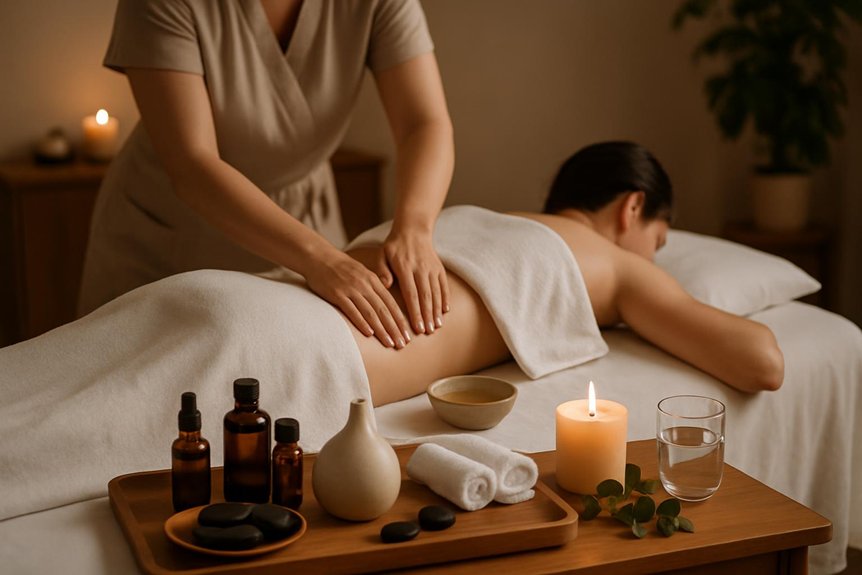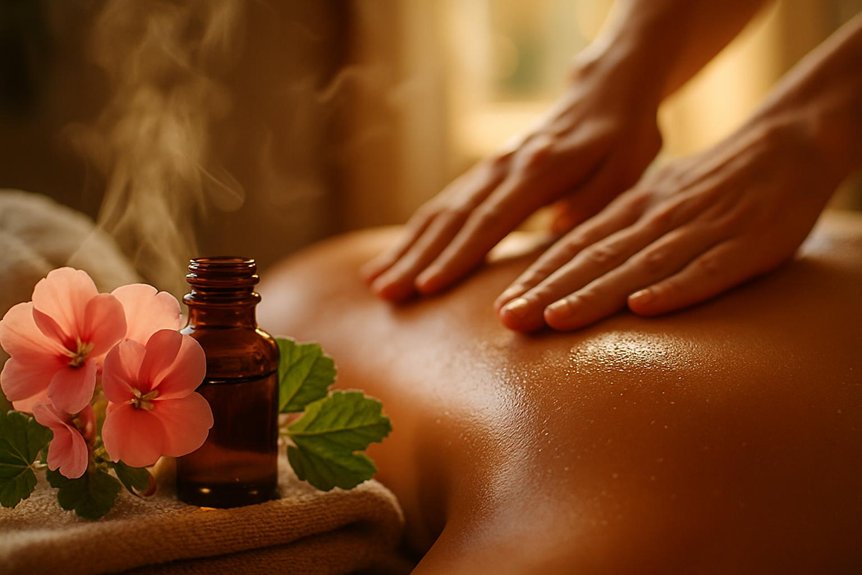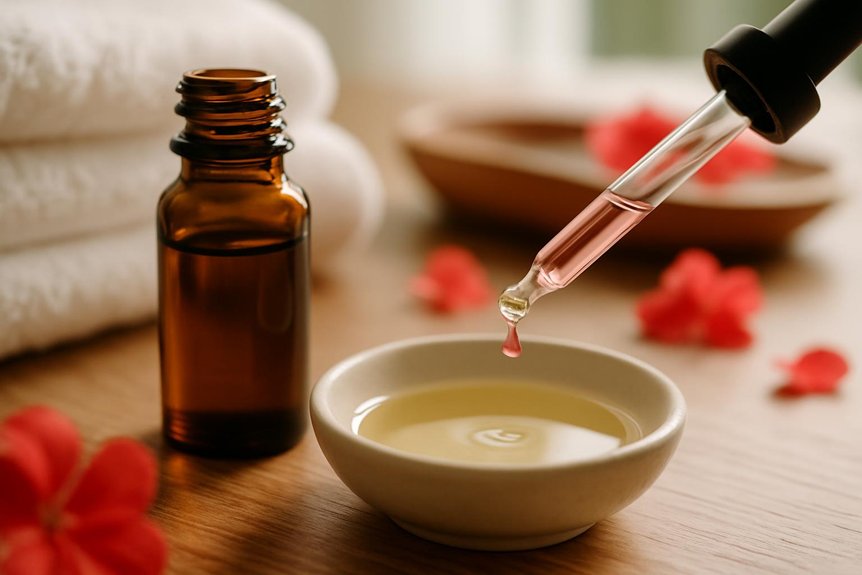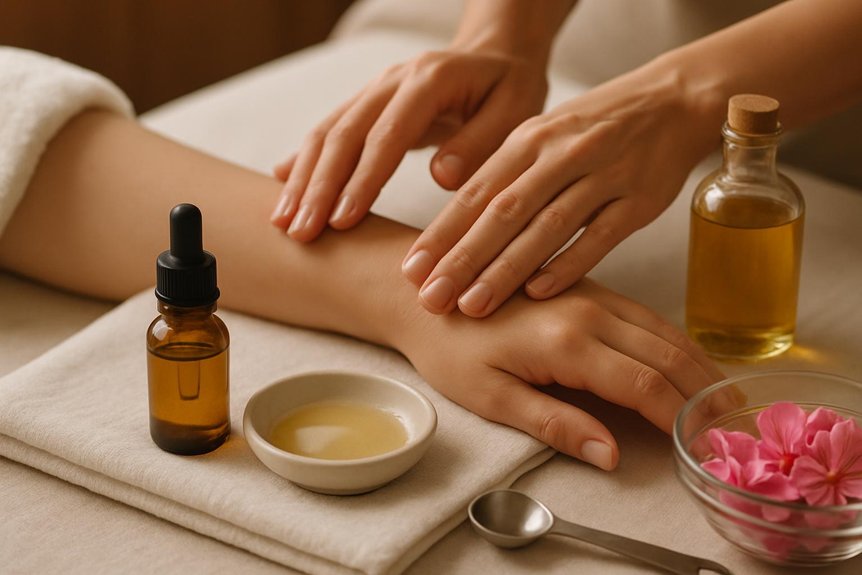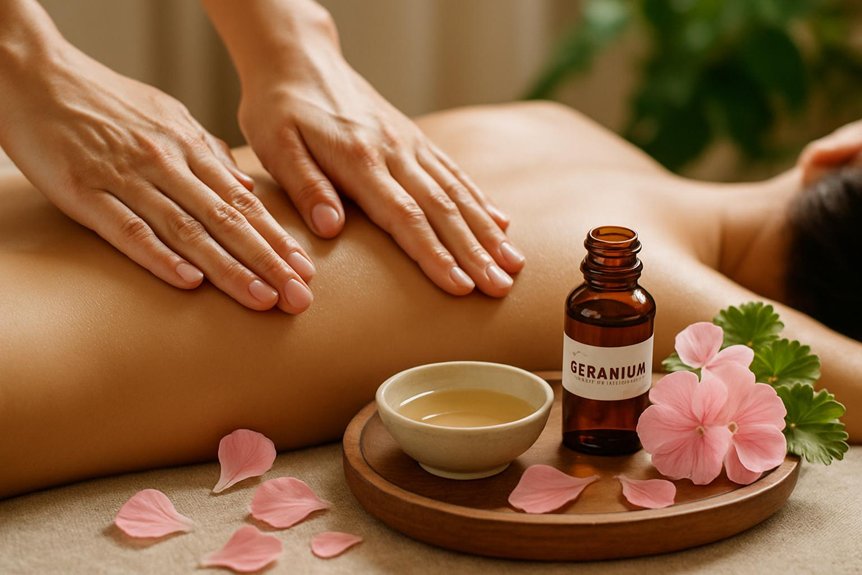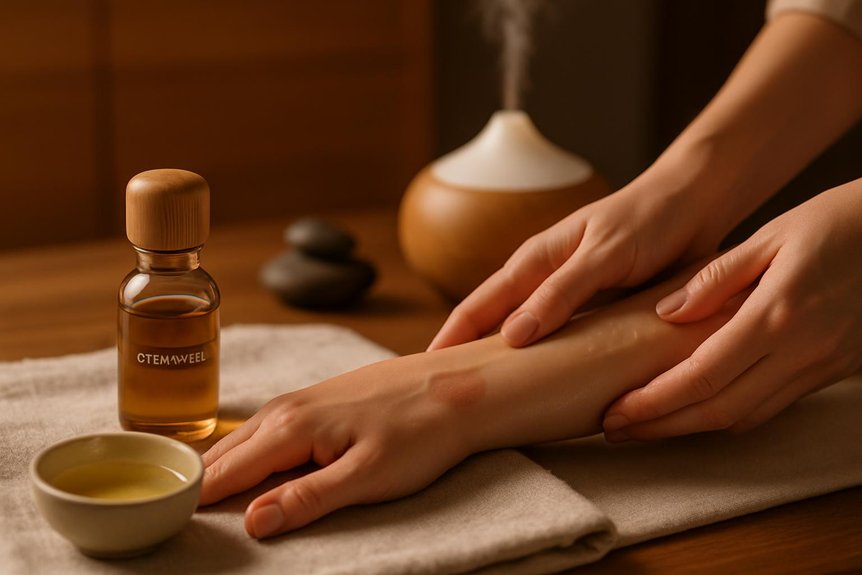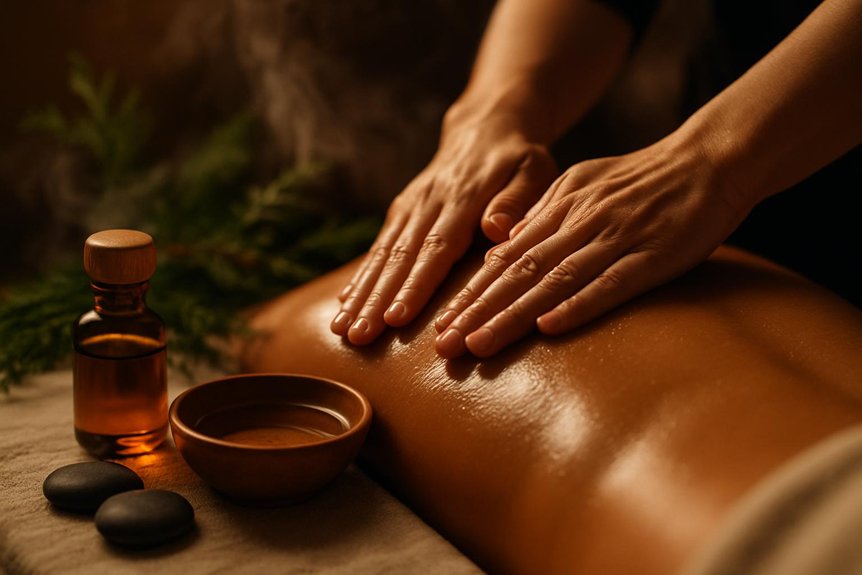
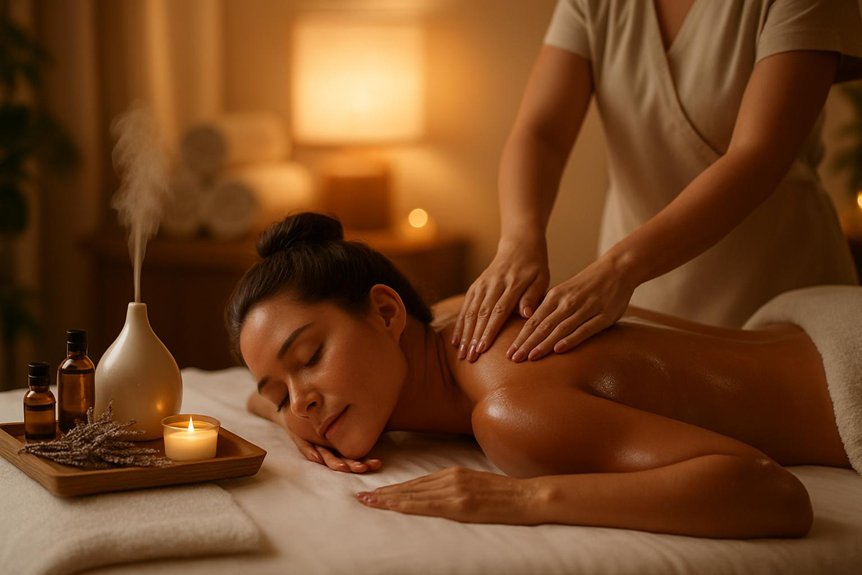
A first aromatic massage usually begins with a brief consultation to review health history, sensitivities, and preferred pressure, then a therapist selects a safely diluted essential-oil blend in a carrier oil. The session is professionally draped, with only the area being treated exposed, and pressure can be adjusted at any time. Slow, flowing strokes are combined with focused work on tension. Mild sleepiness or tenderness can occur; rash, wheeze, or dizziness should be reported. Further details clarify preparation, oil choice, and aftercare.
What Is an Aromatic Massage: and Who Is It For?
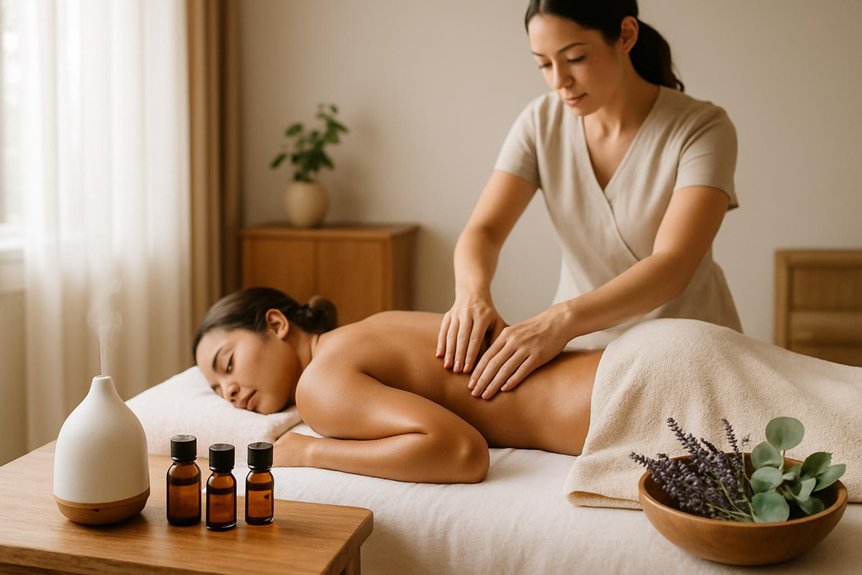
An aromatic massage is a therapeutic full-body or targeted massage that combines structured massage techniques with carefully selected essential oils diluted in a carrier oil to support relaxation, muscle comfort, and emotional wellbeing.
At Spa & Massage clinics across London, blends are chosen to suit individual sensitivities and goals, with careful attention to dilution, skin tolerance, and contraindications.
It is suitable for people seeking gentle, close-contact care that feels nurturing while remaining professional, including those managing stress, poor sleep, mild muscular tension, or low mood.
It may also suit clients who prefer lighter pressure than deep tissue massage.
Many people find that aromatherapy massage can help them relax and heal when paired with the right essential oil blend and technique.
Pregnant clients should book a pregnancy massage option, as not all oils are appropriate.
Anyone with asthma, allergies, eczema, or migraines should disclose this in advance so therapists can adapt safely.
What Happens in an Aromatic Massage?
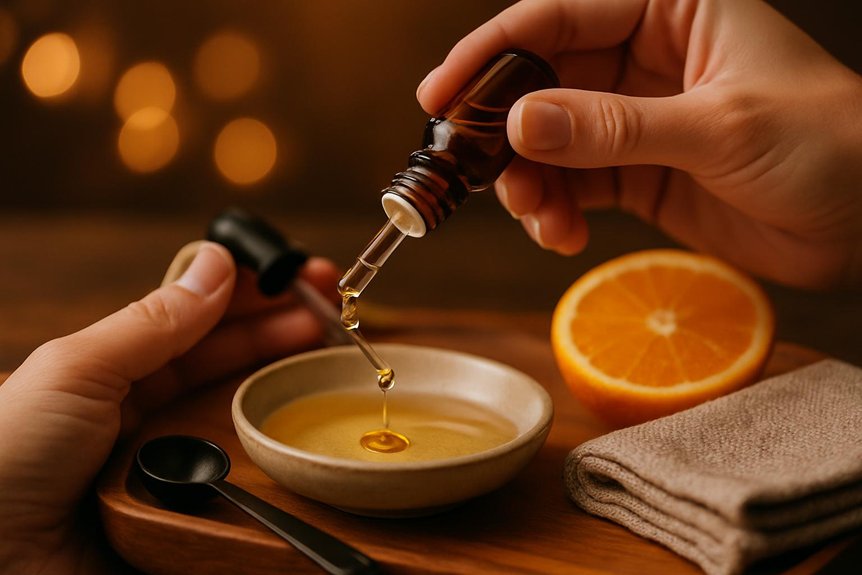
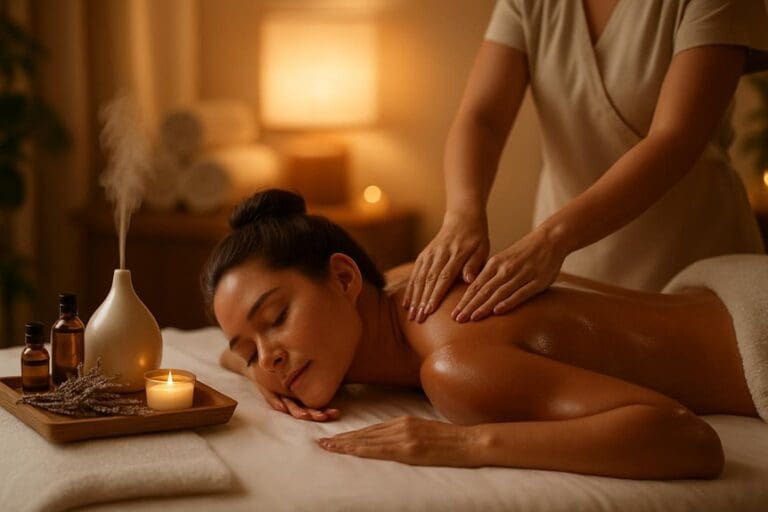
What actually happens during an aromatic massage? At Spa & Massage, the therapist begins with a brief consultation, confirming health history, sensitivities, and preferred pressure, then selects essential oils and dilutes them safely in a carrier oil.
The room is calm and warm; draping preserves privacy while allowing access to the area being treated.
The massage typically blends slow, flowing strokes with targeted work on tense zones. Clients inhale the aroma naturally while oils are applied to the skin; no forced breathing is required.
The therapist checks comfort, temperature, and pressure throughout, and avoids contraindicated techniques or oils when needed (for example, during pregnancy or with asthma). Treatment can focus on back, shoulders, or full-body, depending on goals and consent.
How to Prepare for Your First Aromatic Massage
Before the appointment, a few simple steps can help guarantee an aromatic massage is comfortable, safe, and effective.
Clients should arrive well hydrated, avoid heavy meals for two hours, and skip alcohol or recreational drugs.
Showering beforehand supports hygiene and ease, and removing jewellery helps prevent snagging.
Comfortable, easy-to-remove clothing is advisable, as is bringing a hair tie.
At Spa & Massage clinics across London, punctual arrival allows unhurried settling in and steady breathing before touch begins.
Those wearing contact lenses may prefer to bring a case if they plan to close their eyes for long periods.
After treatment, it helps to keep the rest of the day light, drink water, and avoid strenuous exercise, leaving space for calm connection and recovery.
Your Consultation: Goals, Pressure, Allergies, and Oils
At Spa & Massage, the consultation establishes treatment goals and areas of focus, ensuring the session is tailored to the client’s needs.
The therapist then confirms preferred pressure and checks for allergies, sensitivities, pregnancy, or relevant medical conditions to support safe, appropriate care.
Finally, suitable aromatherapy oils are selected and, where needed, patch-tested or adjusted to minimise risk while maintaining comfort.
Treatment Goals And Focus
In line with safe, results-focused practice, the consultation sets the treatment goals and boundaries for an aromatic massage. At Spa & Massage clinics across London, the therapist clarifies what the client wants most from the session—stress reduction, improved sleep, eased muscular tension, or emotional grounding—then defines what will be prioritised within the available time.
Focus areas are agreed with sensitivity and consent, supporting a sense of privacy and ease. If the client seeks calm connection, the plan may emphasise slow, continuous strokes and longer pauses that encourage steady breathing and nervous-system settling. For targeted discomfort, the plan may centre on specific regions while maintaining a nurturing, respectful flow. The agreed goals guide pacing, communication, and when to adjust.
Pressure, Allergies, And Oils
Alongside the treatment goals, the consultation confirms preferred pressure and screens for allergies or sensitivities, then selects suitable essential oils and carrier oils for safe skin contact. At Spa & Massage, therapists ask about asthma, eczema, migraines, pregnancy, medication, and past reactions to fragrances. This brief screening helps prevent irritation and supports comfortable, close contact.
Pressure is agreed clearly—light, medium, or firm—and can be adjusted at any point without disrupting the flow.
For clients wanting deeper release, firmer pressure may be paired with slow, grounding strokes; for those seeking calm, lighter pressure supports warmth and ease.
Oils are chosen for both aroma and skin tolerance, typically diluted appropriately in a gentle carrier oil. Patch-testing is advised when history suggests sensitivity.
How We Choose Oils for Your Aromatic Massage
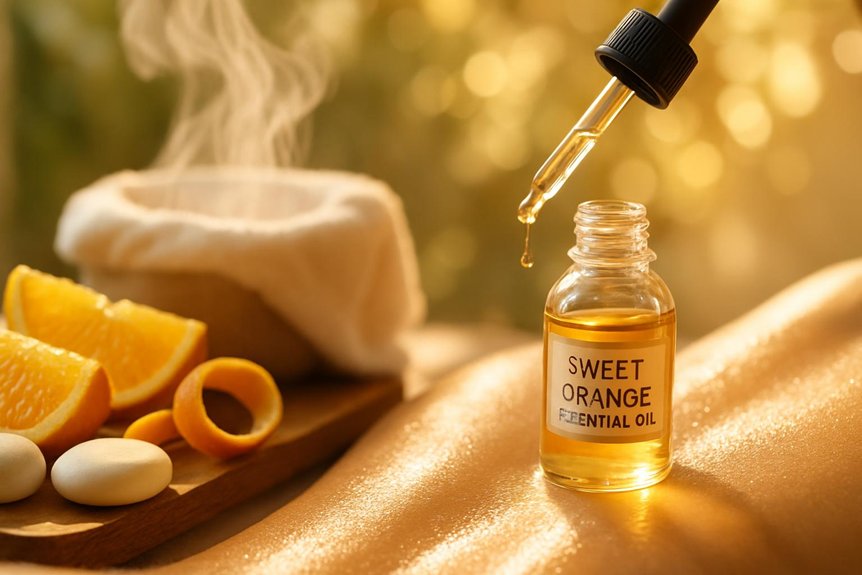
Before any oil is applied, an aromatherapy blend is selected through a brief, safety-led consultation that considers the client’s goals (such as relaxation, muscle comfort, or improved sleep), medical history, allergies and sensitivities, pregnancy status, and scent preferences.
At Spa & Massage clinics across London, therapists choose a gentle carrier oil and add essential oils at skin-safe dilution, avoiding known irritants and any oils contraindicated for pregnancy, asthma, or certain medications.
If sensitivity is suspected, a milder, low-allergen profile or unscented option is used. Blends are selected to feel personal and quietly intimate—calming, grounding, or gently uplifting—without overpowering the senses.
The therapist confirms the aroma before beginning and can adjust immediately if it feels too strong or not quite right.
What You’ll Wear and How Draping Works
At Spa & Massage, clients are advised on underwear and clothing options before treatment, with clear guidance that personal preference and clinical suitability both matter.
Throughout the session, therapists use professional towel draping to expose only the area being worked on, maintaining warmth and appropriate coverage.
Comfort, consent, and privacy are prioritised at every step, and adjustments are made immediately if a client requests them.
Underwear And Clothing Options
Most first-time clients choose to keep their underwear on during an aromatic massage, and this is fully supported in Spa & Massage clinics.
Clients may also prefer to remove underwear for smoother oil application; either choice is acceptable and should be stated clearly before treatment begins. For comfort and hygiene, clean, well-fitting underwear is recommended, ideally with minimal seams.
Clothing is removed only to the level required for the agreed massage areas. Jewellery, belts, and restrictive items are typically taken off to prevent pressure marks and allow consistent contact.
If a client is menstruating, they can keep underwear on and use their usual sanitary products. At any point, clients can pause the session to adjust clothing or request a change in coverage or pressure.
Professional Towel Draping
For privacy and professional standards, a clean towel is used to drape the body throughout an aromatic massage at Spa & Massage, exposing only the area being worked on at any time. The client remains on the couch and the therapist adjusts the drape in small, controlled movements to access the back, legs, arms, abdomen, shoulders, or neck.
Edges are secured to minimise shifting and to maintain stable coverage during slow, close-contact strokes. Only non-intimate areas required for treatment are uncovered; chest, buttocks, and groin remain covered.
Oil is applied to the exposed section only, reducing slip and keeping linens clean. Fresh towels are used for every appointment across Spa & Massage’s London clinics.
Your Comfort And Privacy
Many first-time clients ask what to wear and how privacy is protected during an aromatic massage.
At Spa & Massage clinics across London, clients typically undress to their comfort level; underwear may be kept on. A clean towel or sheet is used for professional draping, exposing only the area being treated and re-covering it before moving on. Therapists leave the room while the client changes and settles, and they confirm consent and boundaries before any touch.
For close, relaxing work with essential-oil blends, draping is adjusted to maintain warmth and modesty while allowing safe access to shoulders, back, legs, or abdomen as agreed. If anything feels too exposed, clients are encouraged to request extra coverage or pauses.
What an Aromatic Massage Feels Like
With the room set to a calm, steady temperature and a diluted essential-oil blend selected for the client’s goals, an aromatic massage typically feels like gentle, continuous pressure paired with a clear, natural scent that becomes more noticeable as the oil warms on the skin.
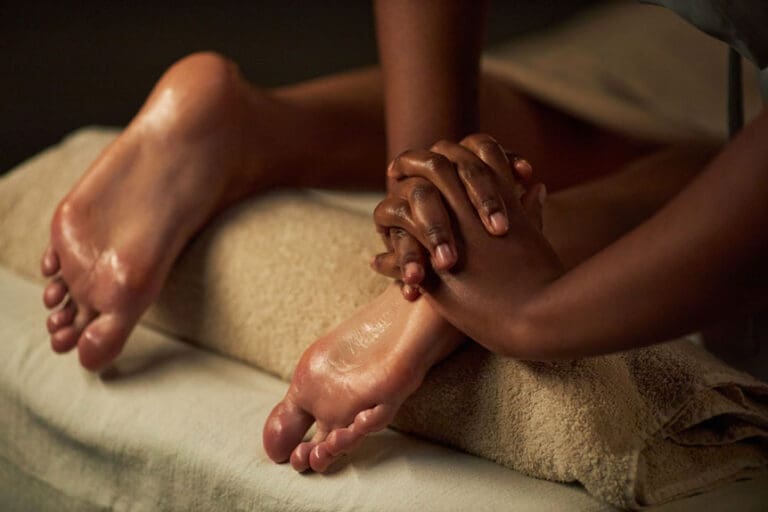
At Spa & Massage clinics, therapists use slow, flowing strokes to encourage closeness with breath and body, while checking pressure and comfort. The touch may alternate between broad gliding and focused work around shoulders, neck, back, hips, or feet, without abrupt movements. Sensations often include warmth, softened muscle tone, and a quieting of mental noise.
Essential oils are applied sparingly; the aroma should remain clean, not overpowering. Any stinging, itching, headache, or breathing irritation is treated as a stop-and-adjust signal.
Common After-Effects: Relaxed, Sleepy, or Tender?
Why do some people leave an aromatic massage feeling deeply relaxed, slightly sleepy, or mildly tender? These are common, short-lived responses to nervous-system downshifting, improved circulation, and gentle soft-tissue change, especially when essential oils are paired with slow, reassuring strokes.
At Spa & Massage clinics, therapists observe that relaxation and drowsiness often follow reduced muscle guarding and calmer breathing; some clients also notice a light “floaty” sensation.
Mild tenderness can occur where knots were addressed or where tissues were dehydrated or sensitised. This should feel like a bruise-like ache, not sharp pain.
Concerning signs include escalating pain, significant swelling, dizziness, rash, wheeze, or headache, which may indicate irritation or sensitivity. Clients should inform their therapist promptly if symptoms persist or intensify.
Aftercare and How Often to Book an Aromatic Massage
Often, the most noticeable benefits of an aromatic massage are supported by simple aftercare and an appropriate booking rhythm tailored to the individual. Spa & Massage therapists typically advise drinking water, keeping the body warm, and avoiding alcohol or intense exercise for 24 hours. A quiet evening, light meal, and unhurried sleep can help the nervous system settle. Any mild tenderness should ease; persistent pain, dizziness, or skin irritation warrants medical advice and a note to the clinic before the next visit.
For frequency, many clients book every 2–4 weeks for stress regulation and closeness with their body. During high workload, travel, or emotional strain, weekly sessions may be appropriate. Maintenance often shifts to monthly, guided by response and goals.
Conclusion
A first aromatic massage is structured to be calm, informed, and safe, from consultation through aftercare. Oils are selected based on goals, sensitivities, and comfort, while pressure and techniques remain adjustable throughout. Clear guidance on clothing, draping, and boundaries supports privacy and ease. Mild post-treatment sleepiness or tenderness can occur and is typically short lived. As the adage goes, “slow and steady wins the race,” prioritising gradual benefit over intensity.