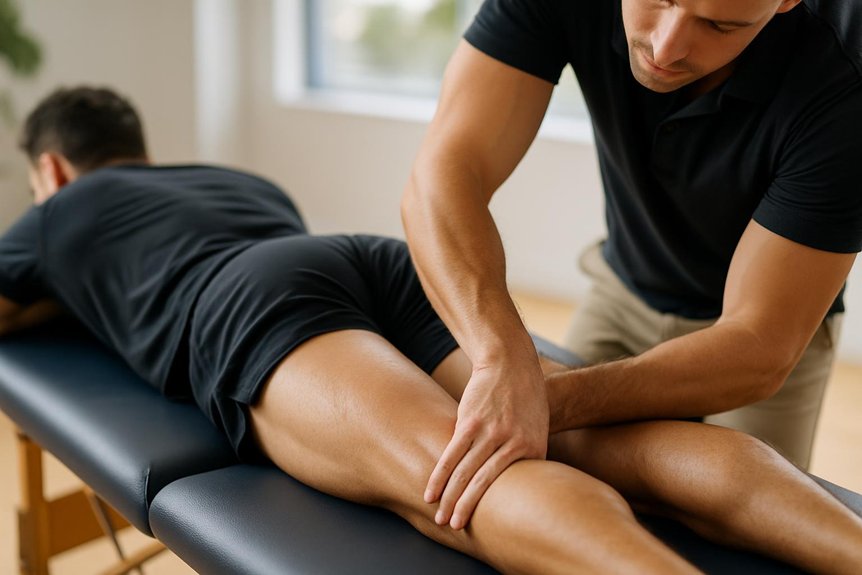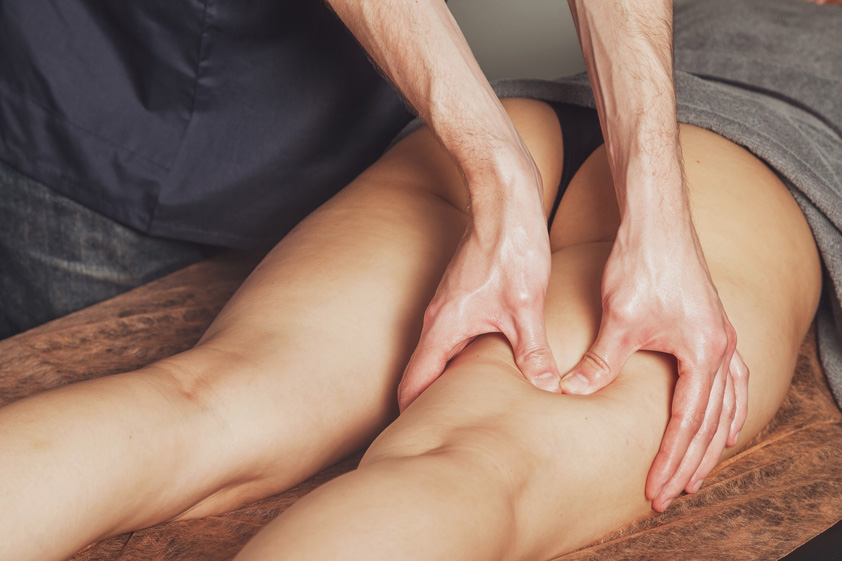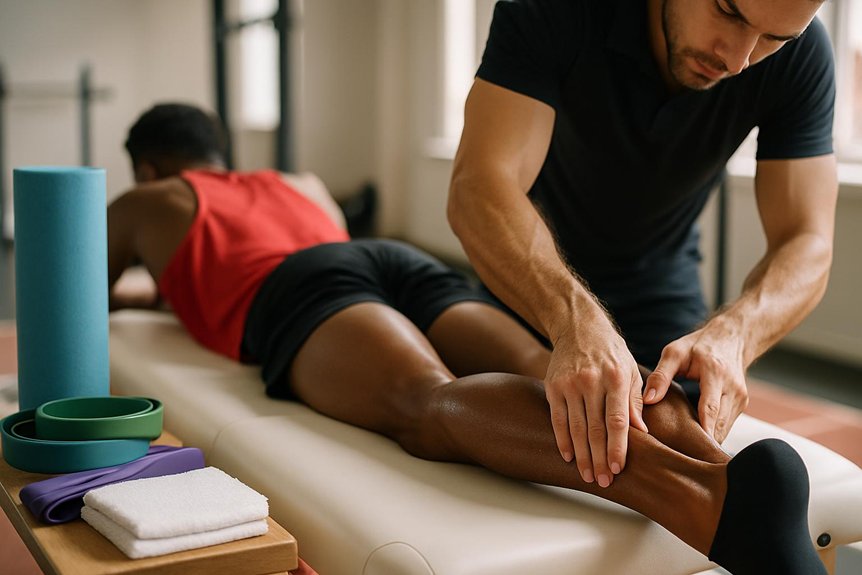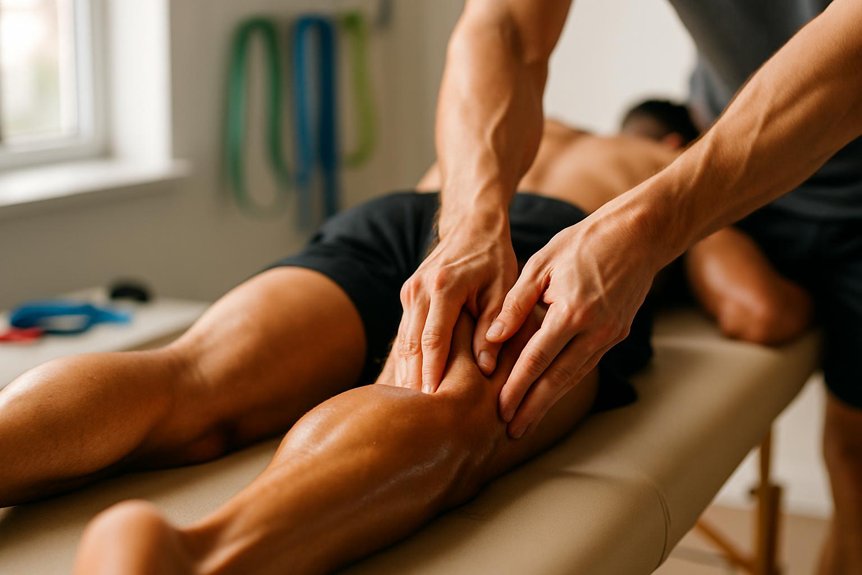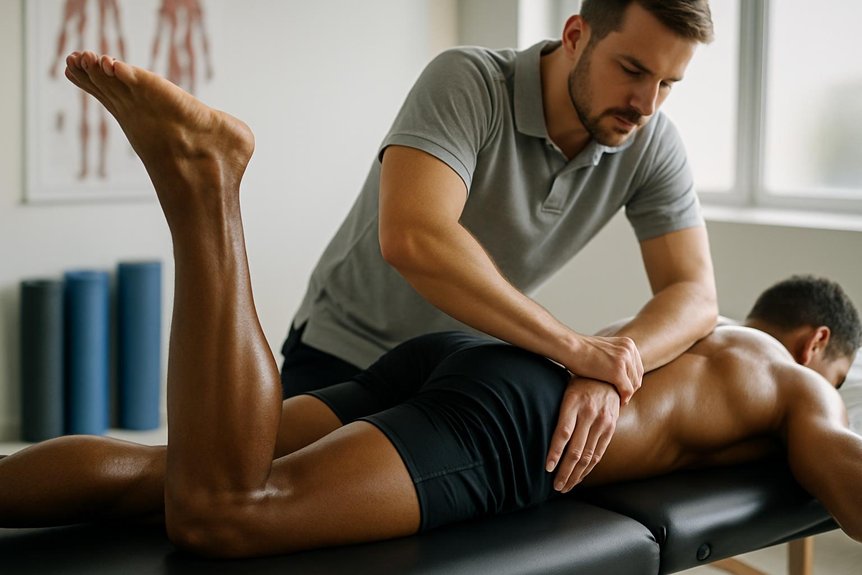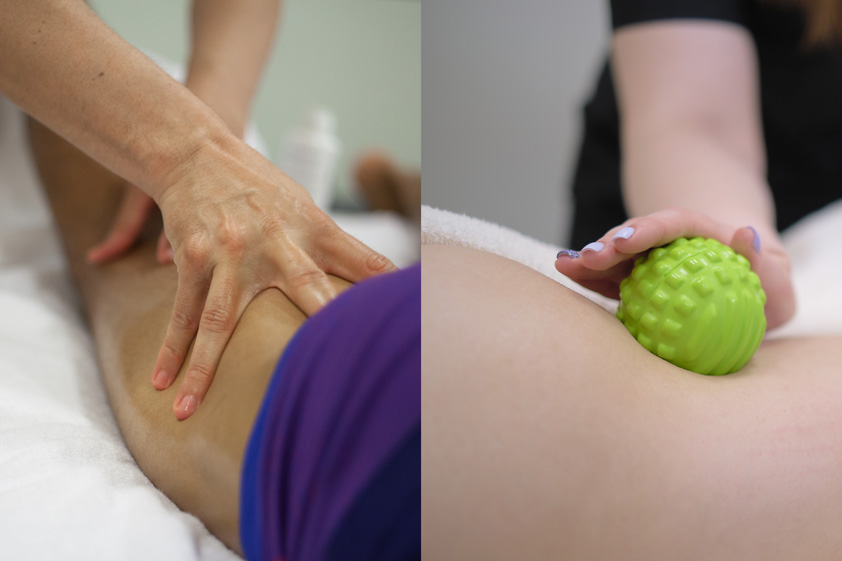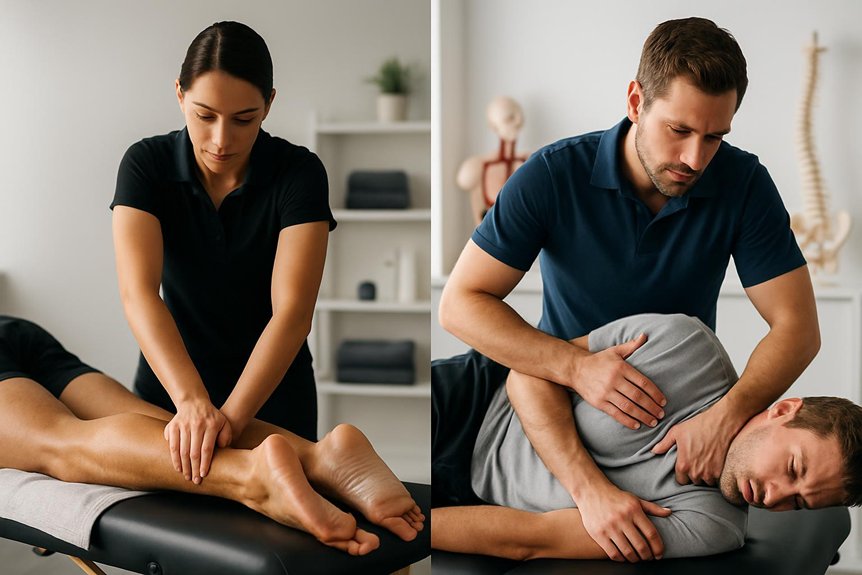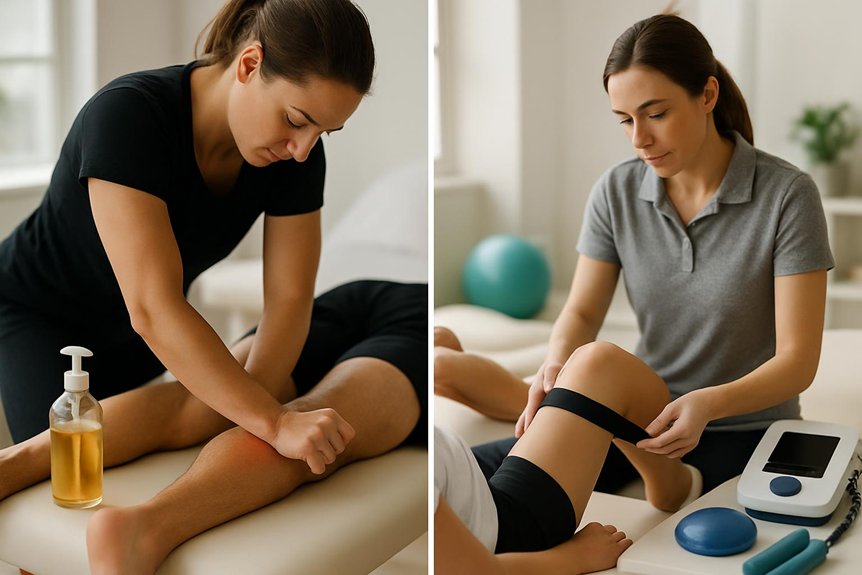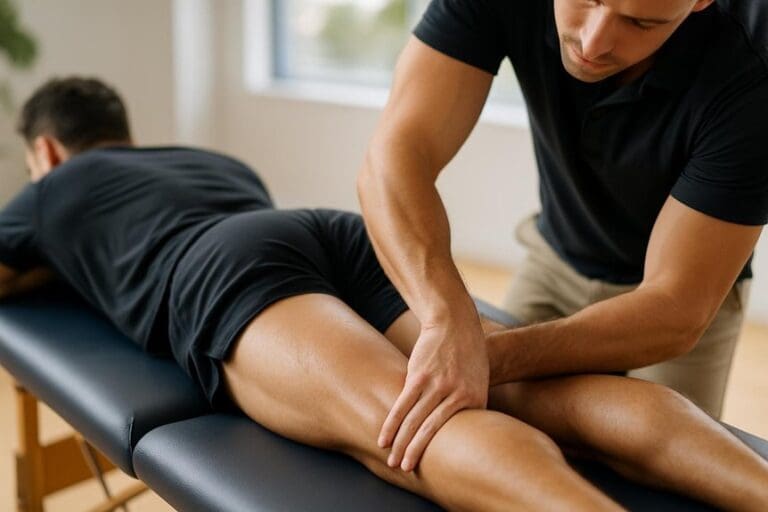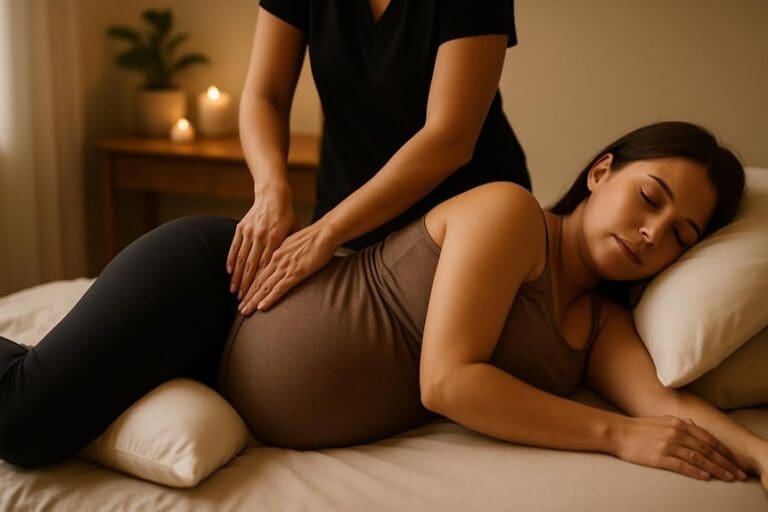

Athletic massage therapists evaluate muscles, tendons, and joints to identify areas of tension, restricted mobility, or imbalance. They apply targeted techniques like deep tissue work, myofascial release, and trigger point therapy, aligning strokes with muscle anatomy and fiber direction. These treatments support flexibility, circulation, and ideal muscle function. Tailored approaches ensure every session suits individual goals and physical demands. To discover specific methods, session experience, and aftercare, further information is provided below.
Understanding the Role of a Sports Massage Therapist
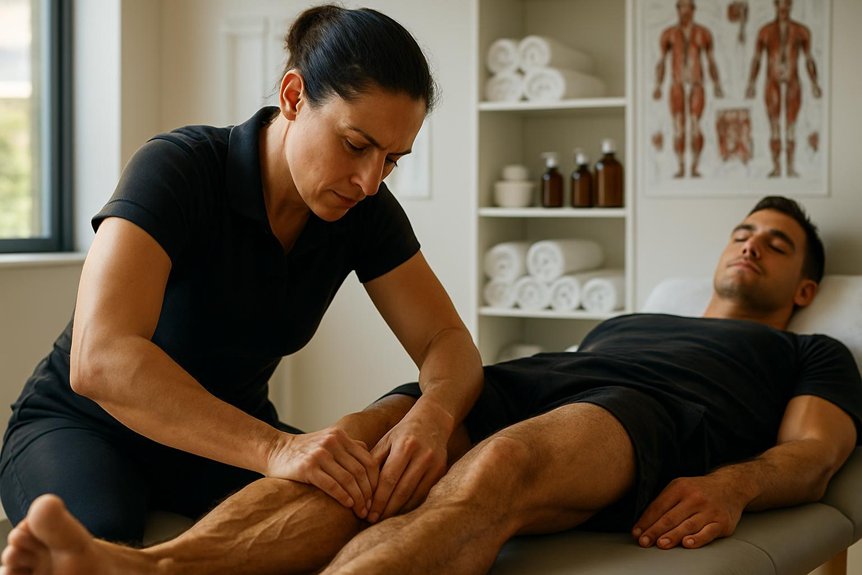
Although often associated with athletic performance, the role of a athletic massage therapist extends far beyond simple muscle relaxation. At Spa & Massage, these specialists possess an in-depth understanding of musculoskeletal anatomy, focusing on the intricate relationship between muscles, tendons, and joints.
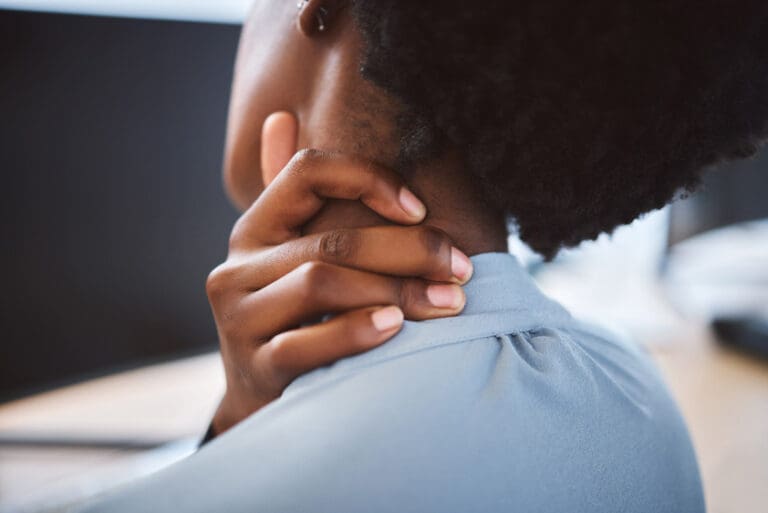
Their approach is highly individualized, evaluating each client’s physical history, current condition, and movement patterns to address specific needs. Whether working with athletes or those seeking relief from daily tension, athletic massage therapists facilitate recovery, enhance flexibility, and help prevent injury.
In fact, athletic massage therapists frequently incorporate deep tissue massage techniques to target deeper layers of muscle and connective tissue, promoting greater relief from chronic tension and muscular dysfunction.
Key Techniques Used in Athletic Massage
Drawing on clinical knowledge of anatomy and biomechanics, athletic massage therapists at Spa & Massage employ a range of specialised techniques to address muscular dysfunction and facilitate ideal tissue health.
Deep tissue manipulation targets adhesions and chronic tension, working precisely along muscle fibers.
Myofascial release gently stretches the connective tissue, enhancing flexibility and mobility.
Trigger point therapy applies focused pressure to areas of hyperirritability, encouraging localised relaxation and improved circulation.
Effleurage and petrissage, two classic massage strokes, are integrated to promote lymphatic drainage and support metabolic recovery.
Each technique is carefully selected and adapted based on the client’s musculoskeletal presentation and activity levels.
Attention to anatomical landmarks and movement patterns guarantees the treatment is both effective and attuned to the client’s individual needs.
Benefits of Athletic Massage for Athletes and Active Individuals
A targeted athletic massage offers tangible physiological benefits for athletes and active individuals by addressing muscular tightness, improving tissue pliability, and enhancing circulation.
At Spa & Massage, therapists employ precise techniques such as myofascial release and deep tissue manipulation to ease restrictions within muscle fibers, fostering a sense of lightness and restoring natural movement.
Enhanced blood flow delivers nutrients to tired tissues and aids in the removal of waste products, promoting a quicker return to peak performance.
Clients often notice increased flexibility and an immediate reduction in soreness, which deepens their connection to their own bodies.
How Athletic Massage Supports Injury Prevention and Recovery
Athletic massage plays a key role in minimizing the risk of muscle strain by promoting flexibility and targeting areas of tension before they escalate into injury.
Through techniques such as deep tissue manipulation and myofascial release, therapists at Spa & Massage help accelerate the body’s natural healing processes.
This supports faster recovery from existing soft tissue damage.
These client-centered approaches are tailored to each individual’s anatomy and activity level, ensuring both prevention and maximum rehabilitation.
Reducing Muscle Strain Risks
While muscle strain remains a common concern for active individuals, targeted massage techniques can play a critical role in both preventing injury and accelerating recovery.
At Spa & Massage, therapists focus on specific muscle groups prone to overuse, using deep tissue strokes and myofascial release to alleviate tension and increase flexibility.
By manipulating soft tissue, therapists encourage improved blood flow and reduce the risk of microscopic tears that often lead to strain.
Attention is paid to muscle attachments and joint mobility, ensuring balanced support during movement.
Individualised assessments guide each session, enabling therapists to identify subtle tightness or imbalance before it escalates to injury.
Clients benefit from a tailored approach, enhancing not just performance but also body awareness and resilience through preventative care.
Accelerating Healing Processes
Beyond minimising muscle strain, focused athletic massage plays a direct role in accelerating the body’s natural healing processes following exertion or injury. Therapists at Spa & Massage apply precise techniques—such as effleurage, compression, and myofascial release—to stimulate circulation, reduce inflammation, and support tissue regeneration.
This targeted approach enhances oxygen delivery and nutrient exchange at the cellular level, which is essential for repairing microtears and alleviating post-activity discomfort. By encouraging lymphatic drainage, therapists help clear metabolic waste, which can lessen swelling and speed recovery.
Each session is tailored to the client’s anatomy and stage of healing, ensuring comfort and the greatest benefit. Regular athletic massage, as practised in our clinics, empowers clients to return to activity sooner, with confidence in their body’s resilience and ongoing well-being.
Tailoring Treatments to Individual Needs
Every individual brings a unique combination of physical demands, movement patterns, and recovery goals to the massage table.
At Spa & Massage, therapists conduct thorough assessments, observing postural alignment, muscle tone, and tissue response. This allows them to precisely identify areas of tension, restricted mobility, or chronic strain.
Techniques such as myofascial release, deep tissue work, trigger point therapy, and assisted stretching are selected based on the client’s anatomy and activity level.
Pressure, rhythm, and targeted applications are adapted to meet each body’s needs, ensuring effective relief while fostering trust and comfort.
The therapists’ attentive approach nurtures both confidence and relaxation, creating a responsive environment where clients feel deeply understood, cared for, and supported in their unique journey toward *ideal* well-being.
What to Expect During a Massage Session at Spa & Massage
During a athletic massage session at Spa & Massage, clients can expect an initial personalised assessment to identify specific areas of muscular tension or imbalance.
Therapists then apply targeted techniques, such as deep tissue manipulation and myofascial release, to address these concerns.
This approach guarantees that each treatment is adapted to the client’s anatomical needs and recovery goals.
Personalised Assessment Process
How does a athletic massage session at Spa & Massage begin?
Every session starts with a personalised assessment designed to understand the client’s unique anatomy, movement patterns, and areas of concern. The therapist listens attentively as the client describes pain, recent injuries, or performance goals, then performs a skilled physical evaluation—palpating muscle tone, testing joint mobility, and observing posture.
This hands-on approach allows the therapist to identify muscular imbalances, tension points, or restricted range of motion specific to each individual.
At Spa & Massage, the focus is on building trust and comfort, ensuring each client feels seen and understood.
Targeted Massage Techniques
Once the initial assessment is complete, the athletic massage therapist at Spa & Massage applies targeted techniques based on the client’s specific needs.
Focused pressure is directed into key muscle groups, addressing restrictions, adhesions, and areas of tension. Techniques such as deep tissue manipulation, myofascial release, and trigger point therapy are precisely chosen to restore ideal muscle function and enhance circulation.
The therapist works with an acute awareness of muscle origin, insertion, and fibre direction. This ensures each stroke aligns with individual anatomical structure.
Communication remains central—pressure is adjusted in response to subtle cues, ensuring comfort and effectiveness.
The session is a collaborative experience, designed to address unique physical demands and promote a sense of renewed mobility, warmth, and connection within the body’s deeper tissues.
Aftercare and Therapist Recommendations for Optimal Results
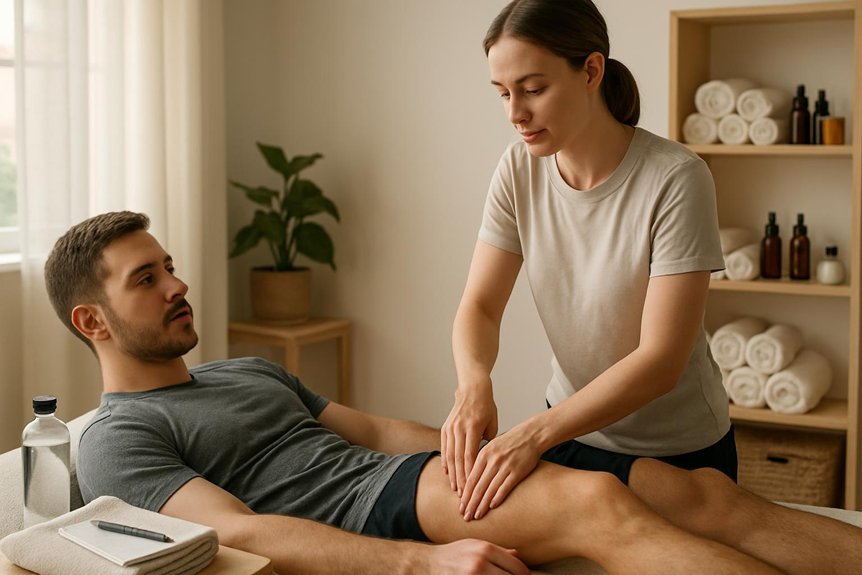
Following a athletic massage, the body undergoes a series of physiological responses, including increased blood flow, muscle relaxation, and the release of metabolic waste.
Spa & Massage therapists recommend clients hydrate thoroughly to assist the lymphatic system in flushing toxins and to support tissue recovery. Gentle stretching or light movement often follows, aiding joint mobility and maintaining suppleness.
Clients may be guided to apply ice or heat, depending on tissue condition and any acute inflammation. Rest is encouraged to allow muscle fibers to repair and adapt.
In our clinics, therapists provide tailored aftercare instructions, considering each client’s anatomy and unique needs. Regular follow-up sessions help reinforce progress, reduce tension, and maintain *ideal* musculoskeletal health, ensuring clients benefit fully from each athletic massage experience.
Conclusion
Athletic massage therapists at Spa & Massage play a vital, anatomy-focused role in enhancing client performance and recovery. Utilizing techniques such as deep tissue manipulation and trigger point therapy, they tailor each session to individual needs. Significantly, research shows that athletic massage can reduce delayed onset muscle soreness by up to 30%, visually underscoring its clinical impact. Through expert, client-centered care, therapists support clients in maintaining mobility, preventing injury, and achieving peak physical health.