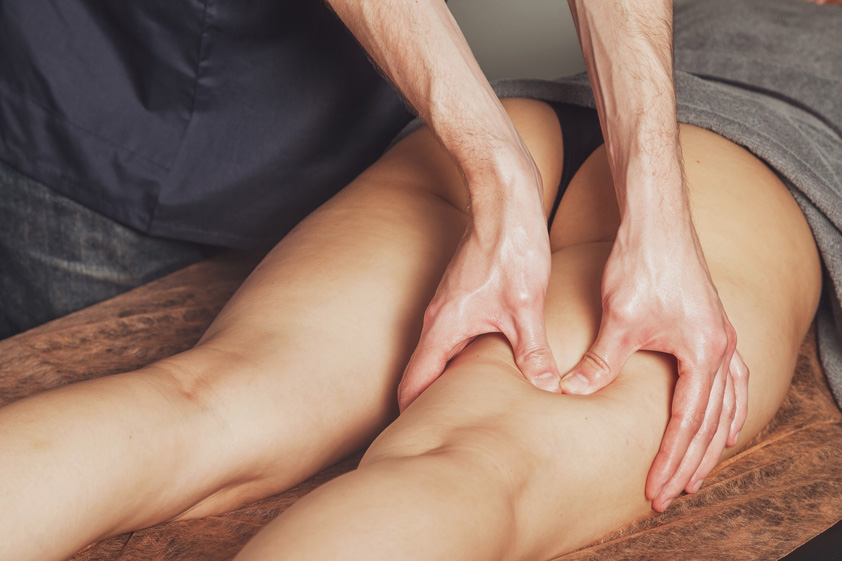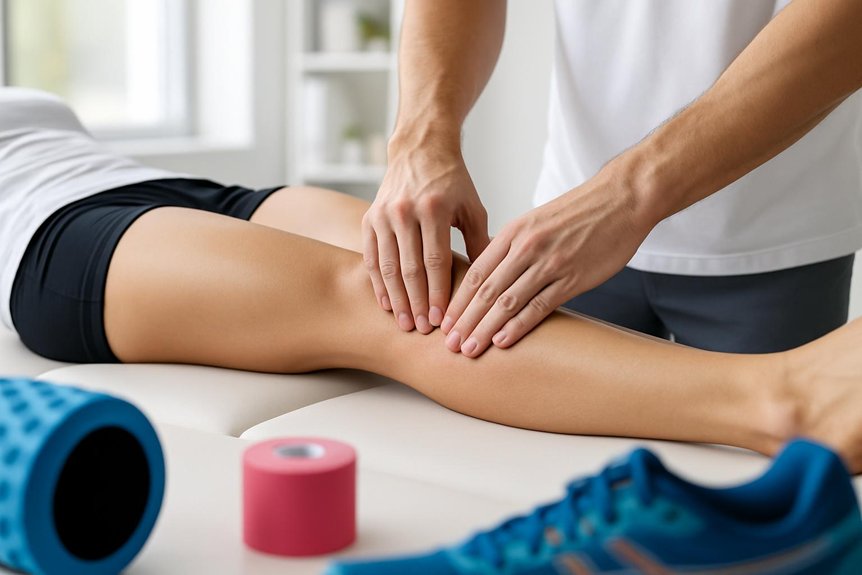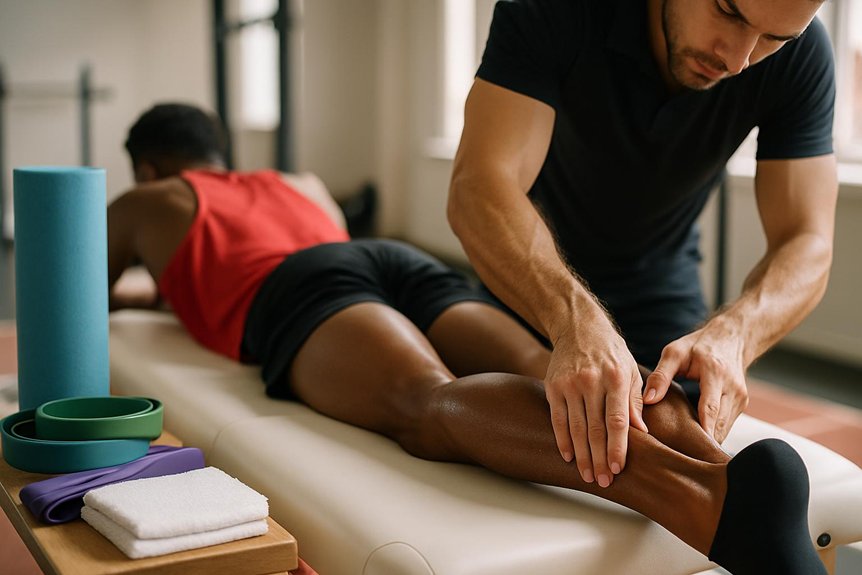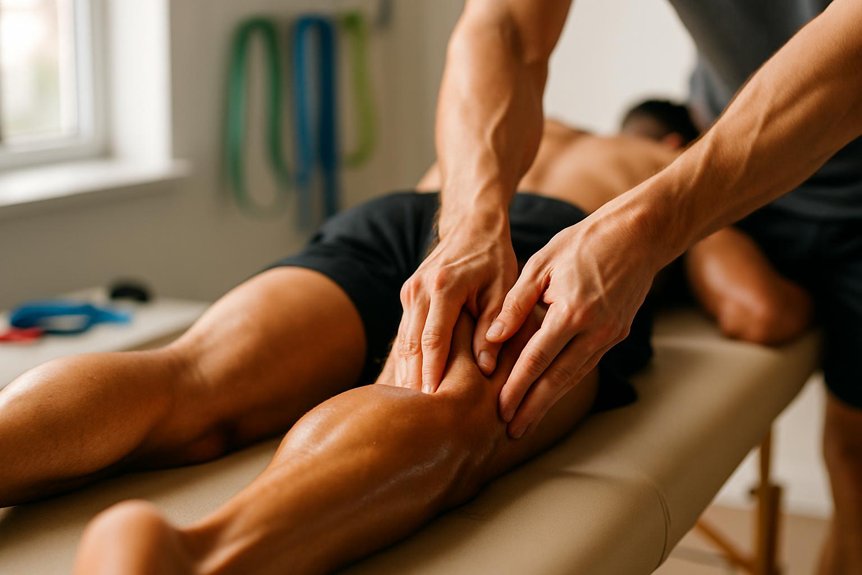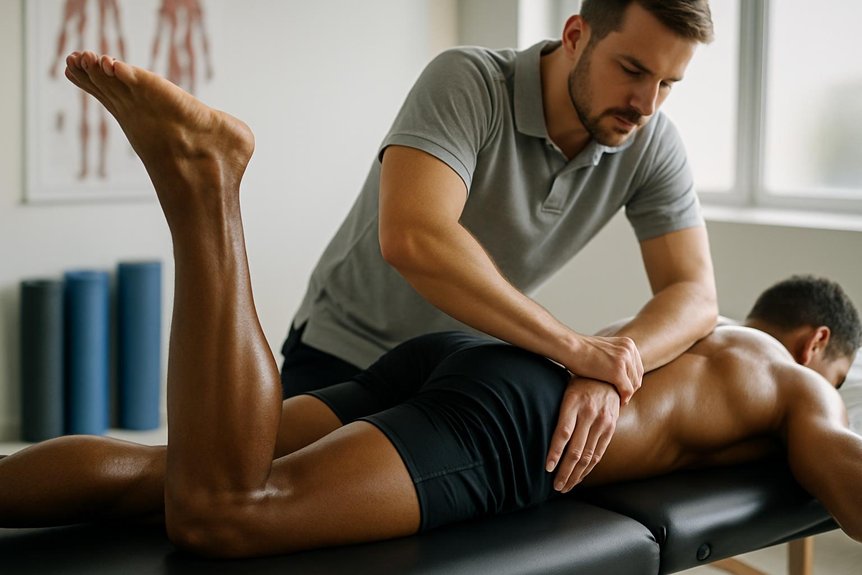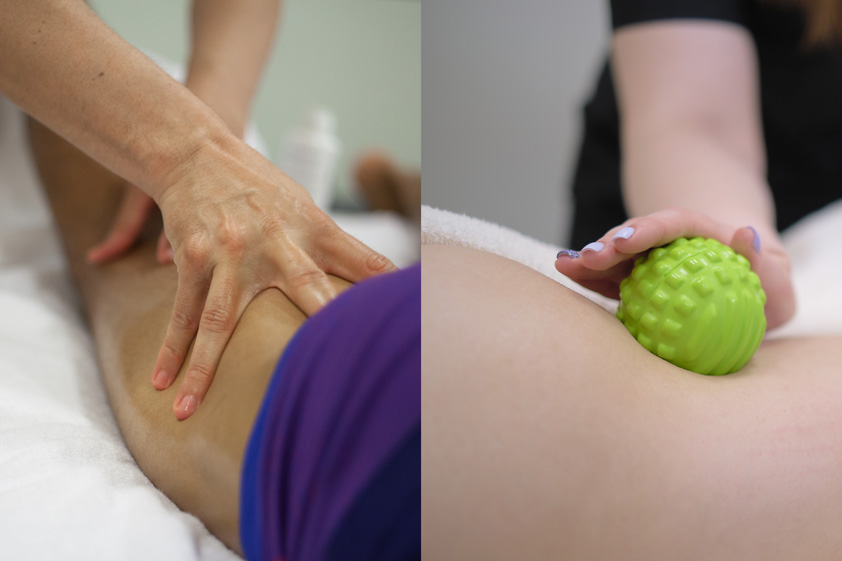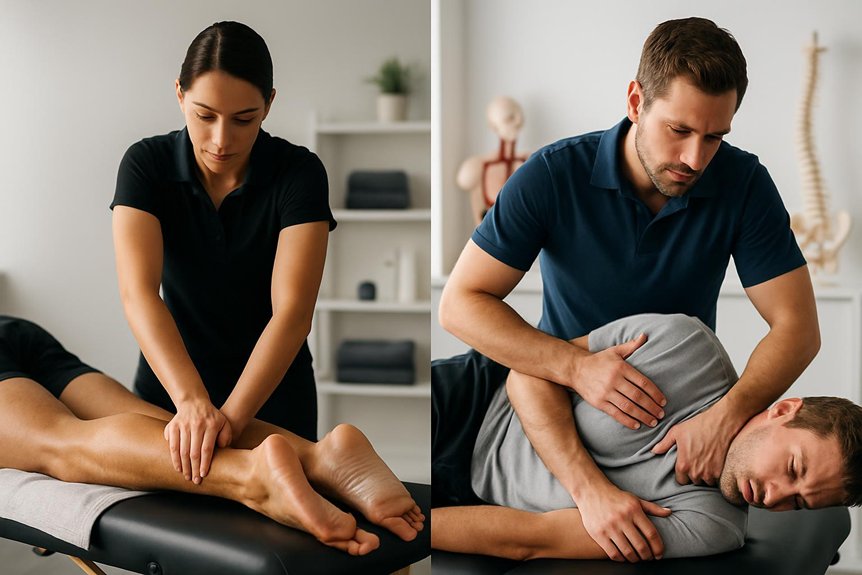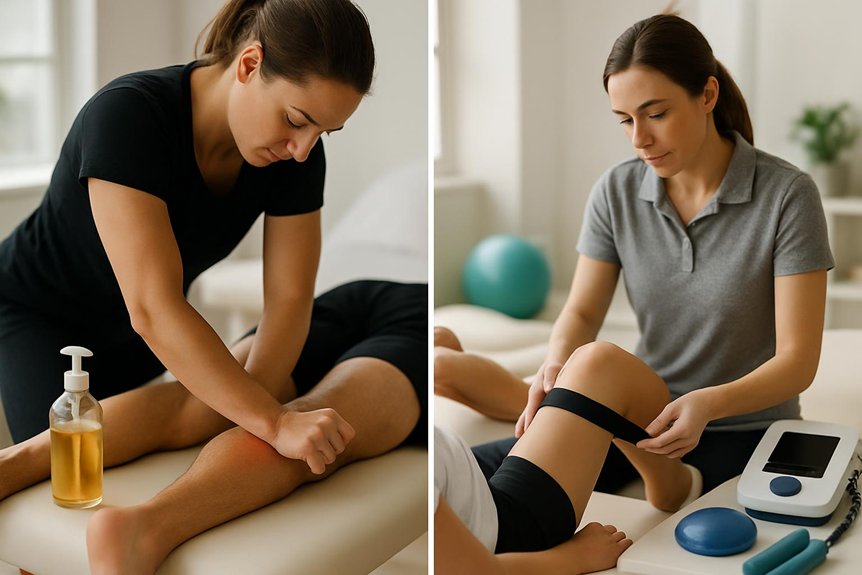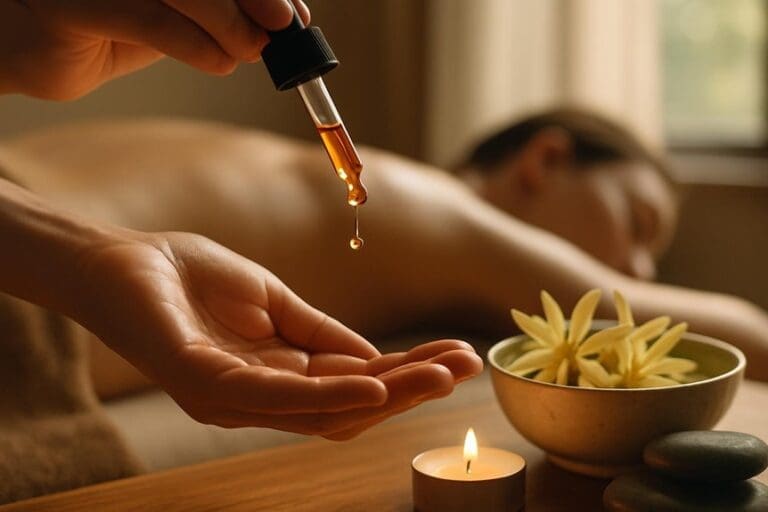
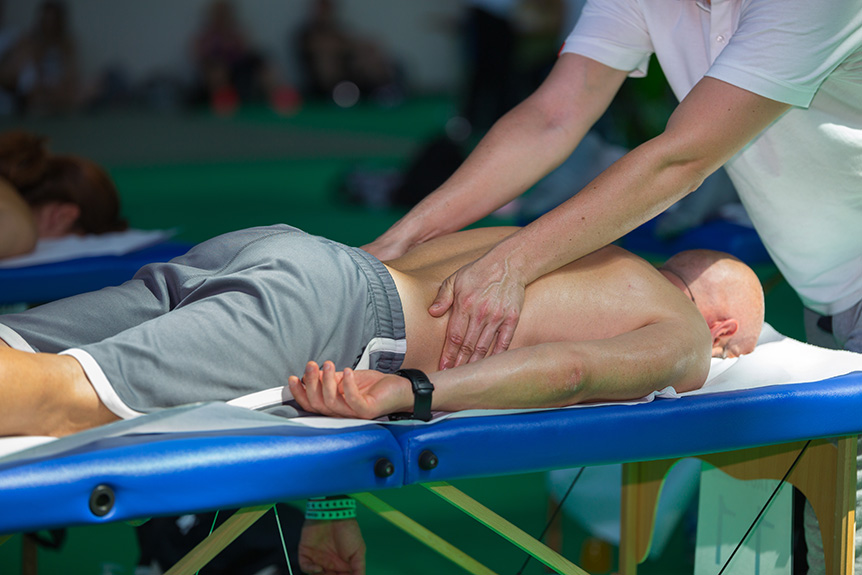
An athletic massage uses anatomically precise techniques to target soft tissues stressed by intense activity. By enhancing circulation, it accelerates muscle recovery, eases tension, and reduces risk of injury. Techniques like deep tissue pressure, myofascial release, and assisted stretching optimize muscle elasticity, improve joint range, and help prevent stiffness or soreness. Regular sessions promote performance gains and effective muscle function. For those seeking to understand each benefit and the techniques applied, a detailed explanation follows.
Understanding the Purpose of Sports Massage
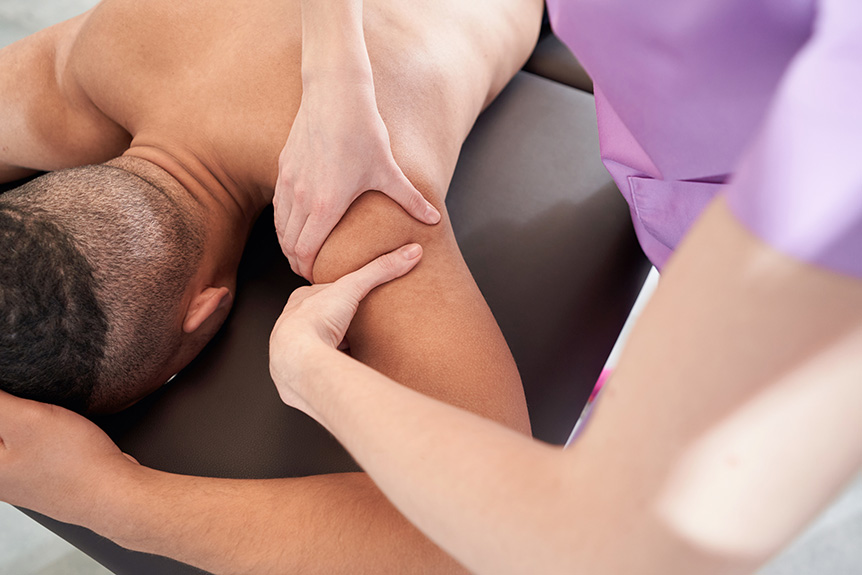
At its core, athletic massage targets the unique demands placed on muscle fibres, tendons, and connective tissues during rigorous activity. By systematically addressing zones of tension, fatigue, and potential imbalance, this focused approach helps optimise tissue health and functional mobility. The intention is to enhance blood flow, assist metabolic waste removal, and encourage microcirculation—all pivotal for recovery and injury prevention. An additional benefit is that athletic massage can lead to improved athletic performance by supporting faster recovery and reducing the risk of overuse injuries. At Spa & Massage, therapists assess posture, range of motion, and muscle tone to tailor each treatment. This careful attention to anatomical detail supports the body’s adaptive response to training or competition, providing both relief and readiness. Through regular athletic massage, individuals gain not just physical restoration, but a renewed sense of bodily awareness and connection.
Key Techniques Used in Athletic Massage
Drawing from anatomical principles, athletic massage incorporates a repertoire of targeted techniques designed to address muscle tension, adhesions, and dysfunctional movement patterns.
At Spa & Massage, therapists employ methods such as effleurage—long, gliding strokes to warm tissue and stimulate circulation—followed by petrissage, which manipulates deeper muscle layers to break down knots and adhesions.
Friction techniques are precisely applied to disrupt scar tissue and encourage realignment of muscle fibers, while tapotement, a rhythmic percussion, invigorates fatigued areas.
Joint mobilisations and assisted stretching are integrated to enhance range of motion and functional symmetry.
Each technique is selected based on the client’s unique anatomy and goals, creating a personalised and attentive experience that respects the body’s natural structure and supports heightened performance.
How Athletic Massage Supports Muscle Recovery
A well-structured athletic massage accelerates muscle recovery by enhancing circulation, facilitating the removal of metabolic waste, and reducing microtrauma-induced inflammation.
Through skilled application of techniques such as effleurage and deep tissue manipulation, therapists target specific muscle groups, encouraging oxygen-rich blood flow into fatigued tissues. This influx nourishes muscle fibers, while increased lymphatic drainage expedites the clearance of lactic acid and cellular debris.
As practiced at Spa & Massage clinics, careful attention is given to pressure, rhythm, and anatomical alignment, optimizing the healing response without overwhelming sensitive areas.
The result is a decrease in delayed onset muscle soreness and a restoration of suppleness at both the macro and micro levels. Clients often notice improved comfort, reduced tension, and a profound sense of physical renewal.
Enhancing Athletic Performance With Massage
How does targeted manual therapy translate to measurable gains in athletic output? Athletic massage, when delivered by skilled hands—such as those at Spa & Massage clinics—enhances muscle function by increasing local circulation, improving tissue pliability, and reducing neuromuscular tension.
Specific techniques, including effleurage, petrissage, and myofascial release, are applied with precision to stimulate proprioceptive feedback and facilitate ideal range of motion. This anatomical attention promotes greater power generation and efficiency during athletic movement.
Clients notice improved flexibility, accelerated warm-up, and heightened body awareness, all essential for peak performance. Regular sessions, tailored to individual performance goals, allow athletes to train at higher intensities and recover more efficiently.
The result is a body that responds fluidly—strong, supple, and intimately attuned to its own potential.
Injury Prevention Through Targeted Treatments
When muscles are subjected to repetitive strain or imbalanced loading, microtraumas and compensatory patterns can develop, increasing the risk of injury. Athletic massage at Spa & Massage focuses on targeted treatments that identify and address these vulnerable areas before they escalate.
Skilled therapists use precise techniques—such as trigger point therapy, deep tissue manipulation, and myofascial release—to detect adhesions, restore muscle balance, and enhance proprioceptive awareness.
By prioritising anatomical detail, therapists can reduce overuse patterns and support joint integrity. Regular, attentive sessions help maintain tissue elasticity, improve neuromuscular coordination, and foster a state of readiness for physical activity.
Ultimately, this approach nurtures the body’s resilience, allowing clients to engage in their pursuits with confidence and a sense of mindful connection to their own wellbeing.
Reducing Muscle Tension and Soreness
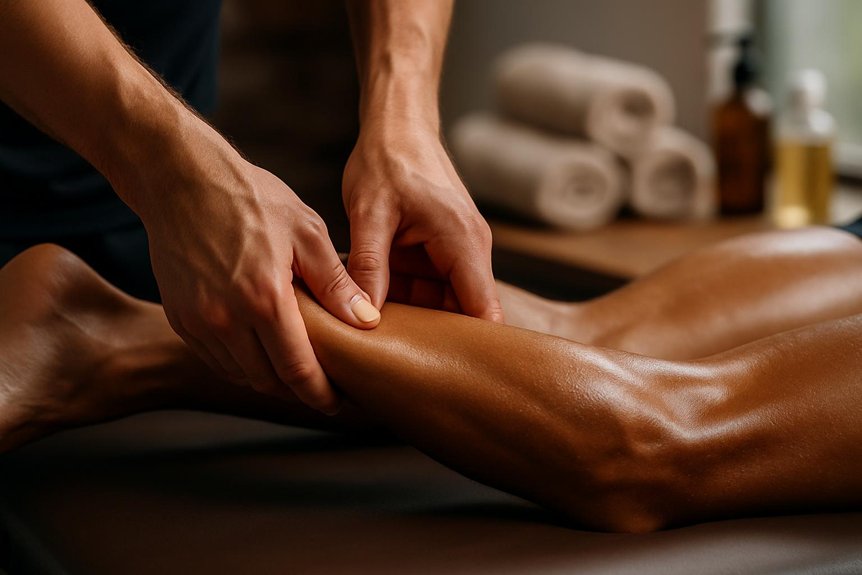
Athletic massage targets muscle fibers and connective tissues to alleviate post-exercise tightness and discomfort.
By applying specific techniques such as deep tissue manipulation and myofascial release, therapists at Spa & Massage promote enhanced recovery and circulation.
This approach helps prevent the development of chronic stiffness, supporting peak performance and mobility for active individuals.
Alleviating Post-Exercise Tightness
Following intensive physical activity, muscle fibers often develop microtears and localized tension, contributing to tightness and soreness. In an athletic massage at Spa & Massage, skilled therapists use targeted techniques such as effleurage and deep tissue pressure to address these problem areas.
By carefully manipulating the fascia and muscle bellies, therapists encourage elongation of contracted fibers and improve local circulation. This process promotes the flushing of metabolic byproducts—such as lactic acid—that accumulate during strenuous exercise.
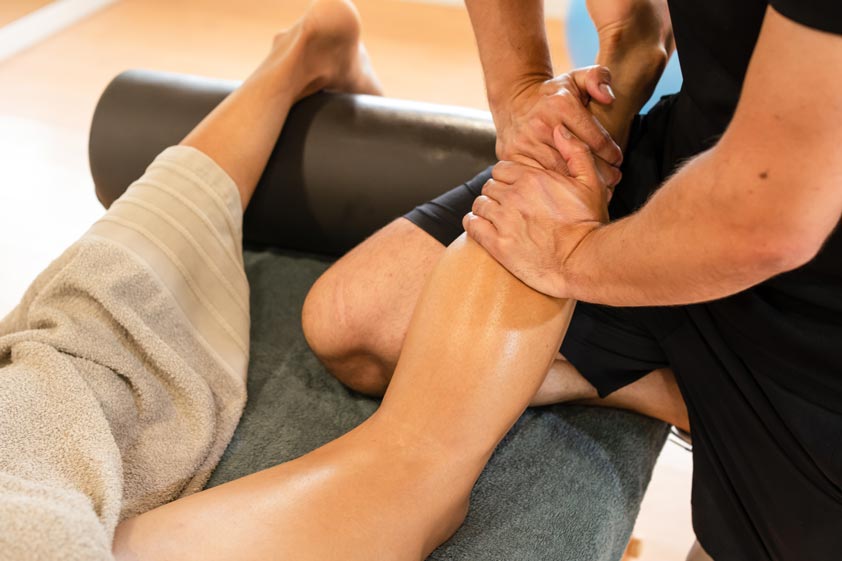
Focused attention on common zones of post-exercise tightness, like the calves, hamstrings, and shoulders, allows for precise tension release. Clients often notice an immediate increase in flexibility and a gentle ease returning to fatigued muscles, restoring comfort and readiness for continued movement or the next athletic challenge.
Enhancing Muscle Recovery
Effective muscle recovery hinges on addressing residual tension and mitigating delayed onset muscle soreness (DOMS). Athletic massage, as practiced at Spa & Massage, targets specific muscle groups subjected to repetitive strain or acute stress.
Through precise, well-calibrated techniques—such as effleurage, kneading, and friction—therapists facilitate increased circulation, promoting the delivery of oxygen and nutrients while expediting metabolic waste removal.
This process helps to break down adhesions and relieve hypertonic areas, consequently easing muscle tightness at a cellular level. The result is a perceptible reduction in soreness and a restoration of natural muscle suppleness.
Clients often report a sense of profound physical relief and improved functional mobility, allowing them to reconnect with their bodies and return to movement with renewed confidence and ease.
Preventing Chronic Stiffness
How does one maintain ideal muscle function and sidestep the pitfalls of chronic stiffness? At Spa & Massage, the answer lies in targeted athletic massage designed to reduce persistent muscle tension and soreness.
Skilled therapists use precise techniques—such as deep tissue strokes and myofascial release—to address adhesions and trigger points that restrict movement. This manipulation encourages blood flow and nutrient delivery to muscle fibres, optimising elasticity and minimising the risk of stiffness.
For those seeking intimacy with their body’s performance, regular sessions help maintain supple, responsive muscles. Aftercare routines, such as gentle stretching and hydration, are recommended by Spa & Massage therapists to extend these benefits.
The Role of Athletic Massage in Flexibility and Mobility
It employs targeted muscle lengthening techniques to address tightness and restore ideal tissue extensibility. By applying specific stretching and mobilization methods, therapists at Spa & Massage help improve joint range of motion.
Enhanced flexibility and mobility are essential for both athletic performance and injury prevention.
Muscle Lengthening Techniques
When seeking to enhance flexibility and mobility, targeted muscle lengthening techniques become essential elements within athletic massage. At Spa & Massage, therapists employ anatomically precise methods such as myofascial release, longitudinal gliding, and sustained passive stretching.
These techniques focus on elongating muscle fibers, reducing fascial adhesions, and improving tissue pliability. By applying specific, calculated pressure and movement, therapists encourage the release of muscular tension and promote the most favorable muscle extensibility.
Attention is given to the muscle’s origin and insertion, ensuring that each stroke honors the body’s natural lines. This careful approach allows the therapist to work deeply yet sensitively, fostering not only greater range of motion but also a sense of physical ease.
The result: enhanced flexibility that supports athletic performance and everyday movement.
Joint Range Enhancement
Building upon the benefits of targeted muscle lengthening, focused work on joint range enhancement serves to further optimise flexibility and mobility.
Its techniques such as passive stretching, joint mobilisation, and myofascial release are carefully applied to reduce capsular restrictions and improve synovial fluid movement around the joints.
At Spa & Massage, therapists assess individual joint mechanics and customise treatment to address specific limitations—whether in the hips, shoulders, or spine.
This precision fosters smoother articulation and greater freedom of movement during both daily activities and athletic performance.
The result is a tangible expansion in active and passive range of motion, empowering clients to move with less resistance and greater confidence.
Consistent sessions reinforce these gains, cultivating a supple, resilient body primed for movement.
What to Expect During Your Athletic Massage Session
How does a professional athletic massage session unfold at Spa & Massage? Each session begins with a private consultation, where the therapist listens attentively to the client’s goals, training patterns, and areas of concern.
With anatomical precision, the therapist assesses muscle tone, posture, and flexibility, mapping out the body’s unique needs. During the massage, targeted techniques—such as deep tissue pressure, myofascial release, and dynamic stretching—are expertly applied to key muscle groups.
The focus is on adhesions, trigger points, and range-limiting tension. Communication is encouraged, ensuring the client remains comfortable and deeply connected to the experience.
The atmosphere is calm, with expert touch guiding the body toward relief and restoration. Each movement is purposeful, supporting both immediate recovery and ongoing athletic performance at Spa & Massage.
Aftercare and Best Practices for Lasting Results
Although the benefits of a athletic massage are significant, ideal recovery and sustained performance hinge on proper aftercare. Post-session, Spa & Massage therapists recommend immediate hydration to facilitate metabolic waste elimination and support tissue repair.
Gentle stretching, particularly of the treated muscle groups, helps maintain improved flexibility and reduces residual tightness.
Clients are advised to avoid intense exercise for 24 hours, allowing muscles to integrate physiological changes and prevent overuse.
Application of ice or heat, when suggested by the therapist, can target specific areas of soreness or inflammation.
In our clinics, therapists frequently offer guidance on posture, home-based mobility exercises, and mindful breathing to reinforce results.
Consistent aftercare practices not only enhance the effects of athletic massage but also foster deeper, lasting muscular resilience.
Conclusion
As muscles lengthen and tension dissolves under skilled hands, the full potential of a athletic massage begins to reveal itself. Circulation surges; flexibility returns. But what transformations lie beyond this session? For athletes and active individuals, the story is still unfolding—injury prevention, faster recovery, and enhanced performance await those who prioritize this targeted therapy. With each precise technique, Spa & Massage helps clients push boundaries—leaving them poised on the edge of their next breakthrough.