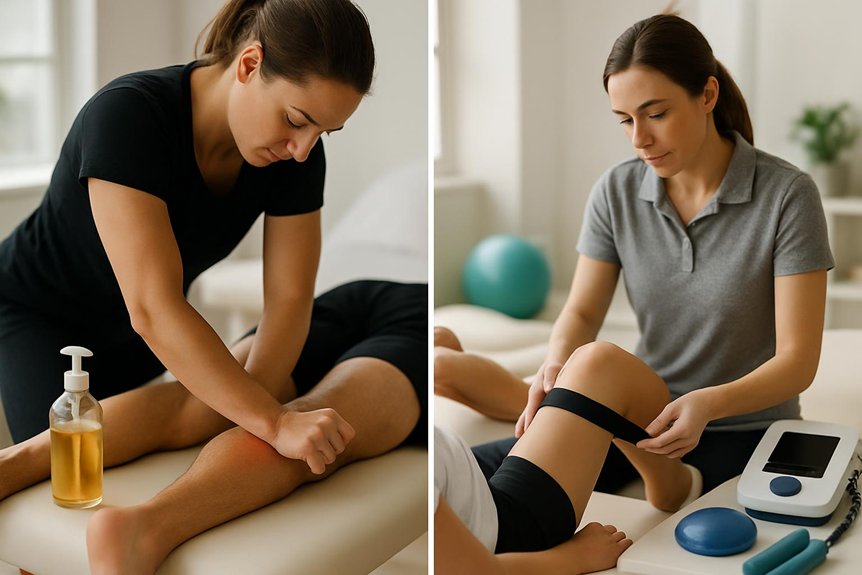
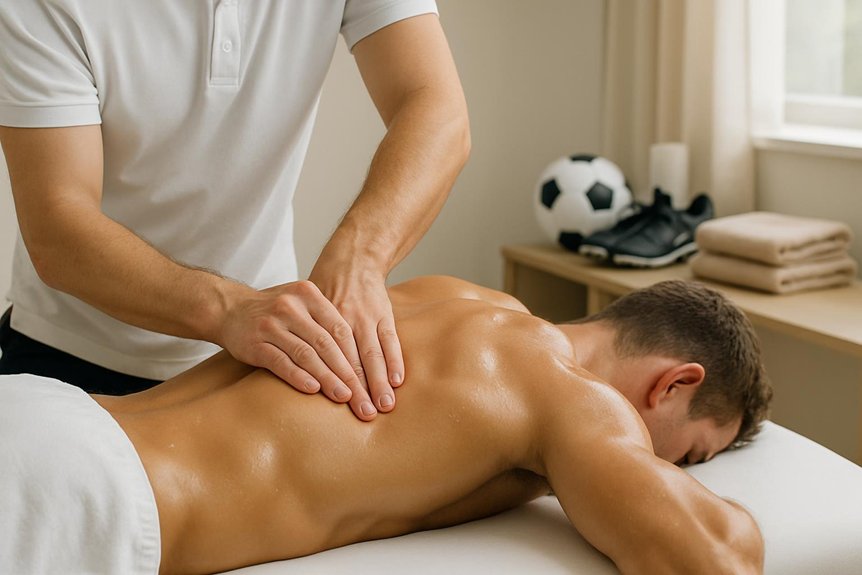
An athletic massage is a focused, therapeutic treatment using advanced deep tissue and myofascial techniques to address muscular tension, adhesions, and soft tissue dysfunction. Sessions begin with an assessment and client-specific treatment planning, ensuring targeted relief for common areas like hamstrings, calves, shoulders, or lower back. Therapists integrate stretching and precise manual therapy to enhance circulation, promote functional recovery, and support performance. Recommendations for aftercare are provided to optimize outcomes. Further details reveal the distinct benefits and procedural steps involved.
Purpose and Benefits of Athletic Massage
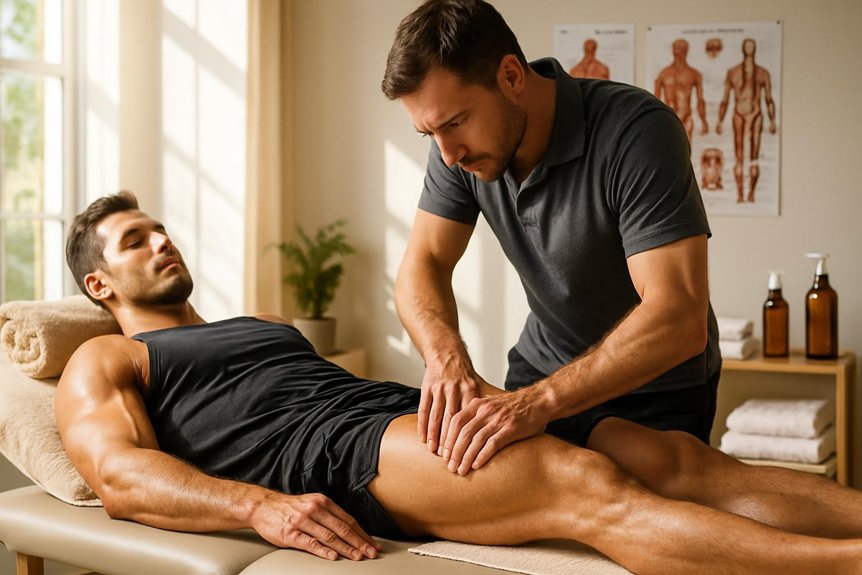
Why is it considered essential for both athletes and physically active individuals?
At Spa & Massage, clinical experience demonstrates that athletic massage uniquely addresses biomechanical stress, optimises soft tissue function, and accelerates recovery.
This therapy targets specific muscle groups, alleviating adhesions, myofascial restrictions, and latent trigger points that frequently arise from repetitive or intense activity. Clients benefit from enhanced circulation, reduction of localised inflammation, and improved joint range of motion—an integral aspect for both performance and injury prevention.
Regular sessions help mitigate delayed onset muscle soreness, facilitate lymphatic drainage, and foster psychological relaxation. These benefits support motivation and mental clarity.
Therapists at Spa & Massage tailor each session, considering individual training loads, goals, and sensitivities. This personalized approach fosters trust and promotes personal wellbeing through evidence-based, attentive care in a welcoming environment.
In addition, a sports massage provides measurable benefits for athletes, supporting their training and overall performance through targeted interventions that improve flexibility, circulation, and muscular health.
Key Differences Between Athletic Massage and Other Massage Types
While athletic massage provides targeted interventions for the unique demands of athletic activity, it differs markedly from other massage modalities in both technique and therapeutic intent.
Athletic massage at Spa & Massage employs deep tissue manipulation, friction, and myofascial release, focusing on specific muscle groups subjected to repetitive strain or acute injury. Unlike relaxation or aromatherapy massage, which emphasize gentle strokes and holistic stress reduction, athletic massage prioritizes functional restoration, injury prevention, and enhanced performance.
Therapists assess musculoskeletal imbalances and adapt pressure to facilitate tissue recovery, addressing adhesions and promoting *ideal* circulation.
Clients benefit from bespoke treatment plans tailored to their athletic routines and recovery needs.
This specialized approach supports both active individuals and those seeking precise relief from muscular discomfort, reflecting Spa & Massage’s commitment to individualized care.
Typical Duration and Structure of a Session
A typical athletic massage session at Spa & Massage ranges from 30 to 90 minutes, depending on the client’s specific needs and activity level.
Each session begins with a targeted assessment to identify areas of tension or dysfunction.
This is followed by a structured treatment protocol utilising evidence-based techniques.
Personalisation is integral, with therapists continuously adapting their approach to optimise outcomes for each individual.
Session Timeframes Explained
During a typical athletic massage session at Spa & Massage, clients can expect structured appointments ranging from 30 to 90 minutes, depending on specific therapeutic objectives and individual requirements.
Shorter 30-minute sessions are ideal for targeted work on a particular muscle group, addressing acute tension or preparing for athletic performance.
Extended sessions, such as 60 or 90 minutes, enable a more extensive approach—allowing therapists to address multiple regions, facilitate deeper tissue release, and incorporate advanced techniques tailored to the client’s needs.
Each session is carefully calibrated by experienced therapists to optimise therapeutic benefit, enhance muscle recovery, and restore functional balance.
Timing is discussed during consultation, ensuring the massage duration aligns with the client’s activity level, recovery goals, and desired level of care and attention.
Step-by-Step Process
How does a typical athletic massage session unfold at Spa & Massage?
Each session begins with a brief introduction, allowing the client to communicate specific areas of tension and any recent physical activity. The therapist then outlines the session structure and guarantees the client’s comfort.
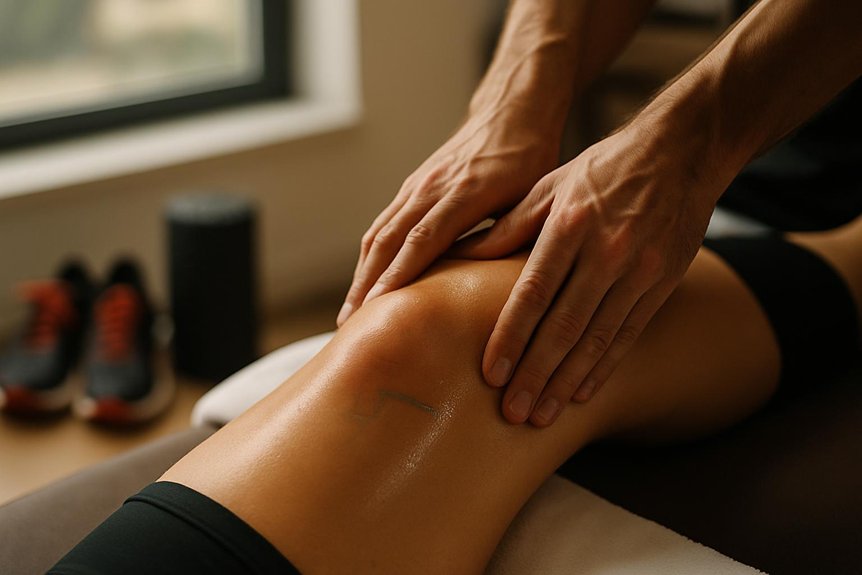
The massage typically lasts 60 to 90 minutes, focusing on targeted muscle groups using a combination of effleurage, petrissage, friction, and deep tissue techniques. Therapists at Spa & Massage employ high-quality oils to facilitate smooth, therapeutic strokes.
During the session, attention is paid to muscular adhesions and areas of restricted mobility. The therapist continuously monitors client feedback for the best pressure and comfort.
The session culminates with gentle stretching or joint mobilisations. Clients are left feeling both invigorated and deeply cared for.
Personalisation and Assessment
Thoroughly evaluating each client’s unique needs, Spa & Massage therapists initiate every athletic massage with a structured consultation to identify specific goals, recent injuries, and patterns of muscular tension.
This meticulous assessment guarantees each session is tailored, considering factors such as activity level, training frequency, and individual biomechanics.
The therapist employs palpation, range-of-motion tests, and targeted questioning to clarify the areas requiring focused intervention and to establish therapeutic priorities.
Sessions typically last 60 to 90 minutes, allowing sufficient time for both assessment and hands-on techniques.
Throughout, communication is prioritised, with therapists encouraging clients to express preferences regarding pressure and areas of discomfort.
At Spa & Massage, this personalised, clinically-informed approach ensures ideal outcomes, fostering trust and a sense of care unique to every client’s experience.
Techniques Used by Our Therapists
At Spa & Massage, therapists employ advanced deep tissue manipulation methods to address muscular tension and promote ideal function.
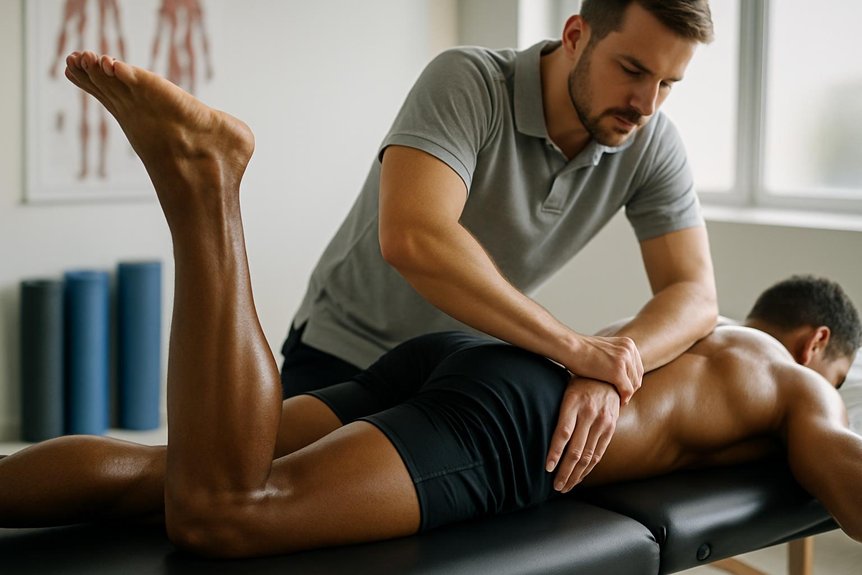
Stretching and mobility techniques are integrated to enhance flexibility and support recovery for active clients.
Each approach is adapted to meet individual physiological requirements and activity levels.
Deep Tissue Manipulation Methods
Utilising advanced anatomical knowledge, therapists at Spa & Massage employ a range of deep tissue manipulation methods designed to address chronic muscle tension and sports-related discomfort.
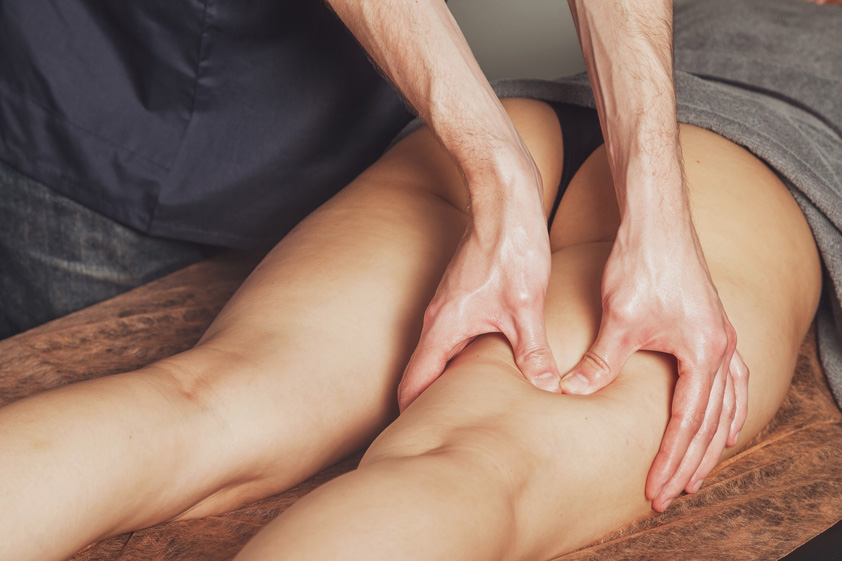
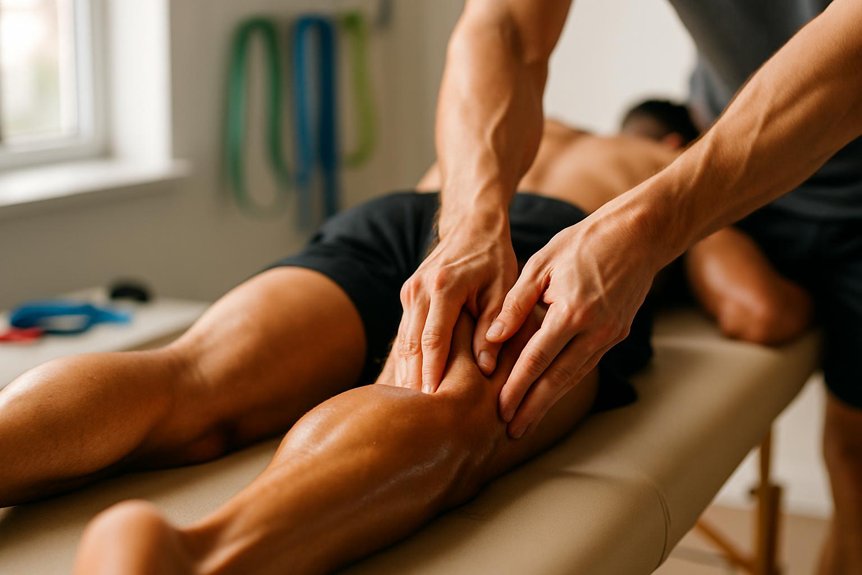
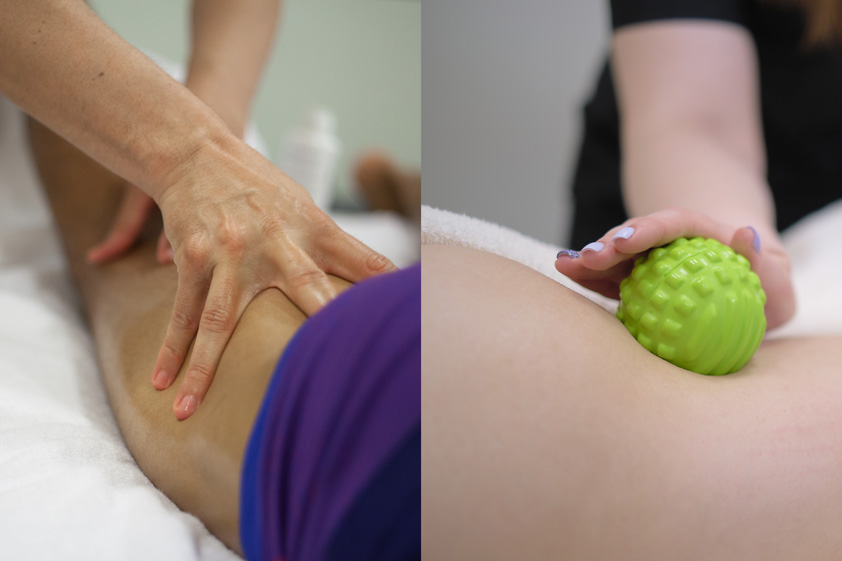
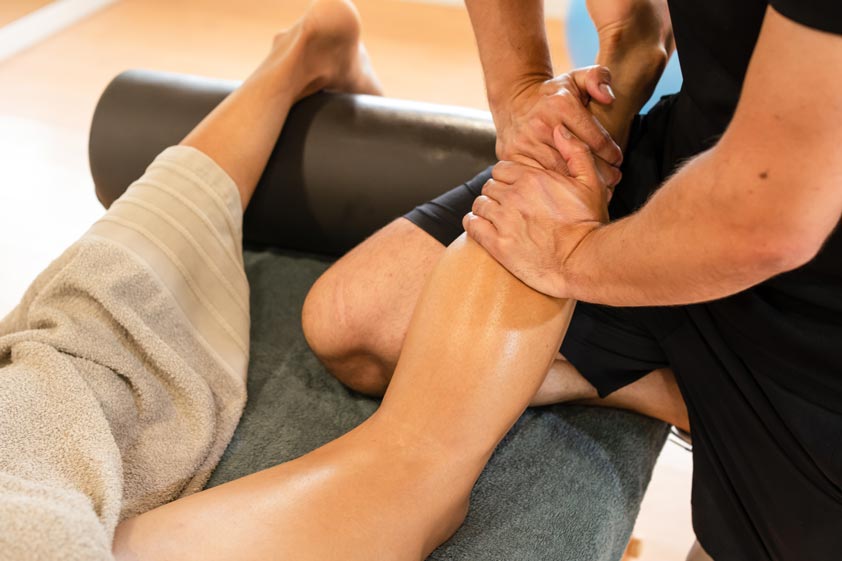
Techniques such as slow, sustained pressure, myofascial release, and friction are applied with clinical precision to reach underlying layers of muscle and connective tissue. These methods target adhesions, realign muscle fibres, and promote ideal circulation, facilitating targeted relief and recovery.
Each session is tailored after a careful assessment of the client’s unique musculoskeletal patterns and areas of discomfort. Therapists adjust pressure and technique, maintaining open communication to ensure the experience remains therapeutic and deeply personal.
This approach allows clients to experience a profound sense of release, supporting both physical performance and emotional wellbeing within a nurturing, professional environment.
Stretching and Mobility Techniques
How do targeted stretches and mobility drills enhance recovery and performance during a athletic massage session? At Spa & Massage, therapists integrate precise stretching protocols—such as passive, active-assisted, and proprioceptive neuromuscular facilitation (PNF)—to lengthen shortened muscle fibers and restore ideal tissue extensibility.
These techniques reduce neuromuscular tension, improve joint range of motion, and facilitate myofascial release, fostering a sense of freedom within the body.
Mobility drills, tailored to each client’s needs, engage functional movement patterns and help re-educate muscular coordination.
By combining stretching and mobility work, therapists address restrictions that impede athletic performance and elevate post-session well-being.
Clients experience not only immediate relief from stiffness but also lasting improvements in flexibility and functional movement, central to Spa & Massage’s holistic approach to sports recovery.
What to Expect During Your Appointment
Upon arrival for a athletic massage appointment, clients can anticipate a structured and professional process designed to maximise therapeutic outcomes.
At Spa & Massage clinics, experienced therapists begin with a confidential consultation, reviewing medical history, current activity levels, and any specific concerns or injuries. This targeted intake allows the session to be tailored to each client’s unique musculoskeletal needs.
During the massage, clients are draped for comfort and privacy, with only the area being treated exposed. Therapists use clinical techniques, such as deep tissue manipulation and myofascial release, while maintaining clear communication regarding pressure and client comfort.
Intimate attention to detail ensures that every aspect of the session, from ambient lighting to oil selection, supports relaxation, trust, and peak physical recovery.
Common Areas of Focus in Athletic Massage
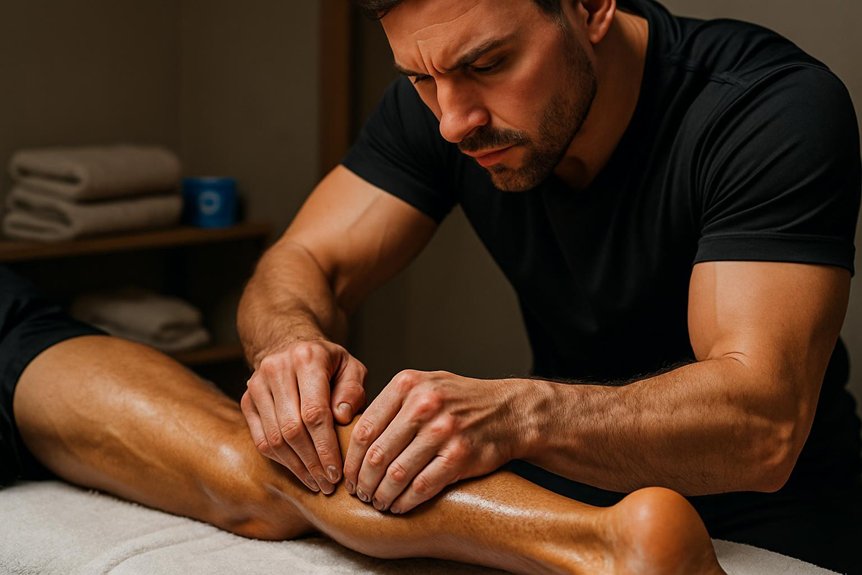
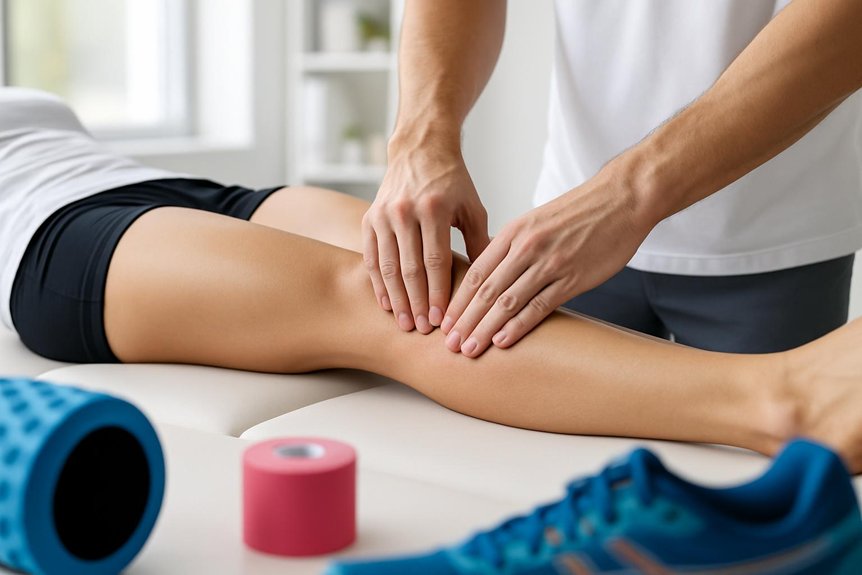
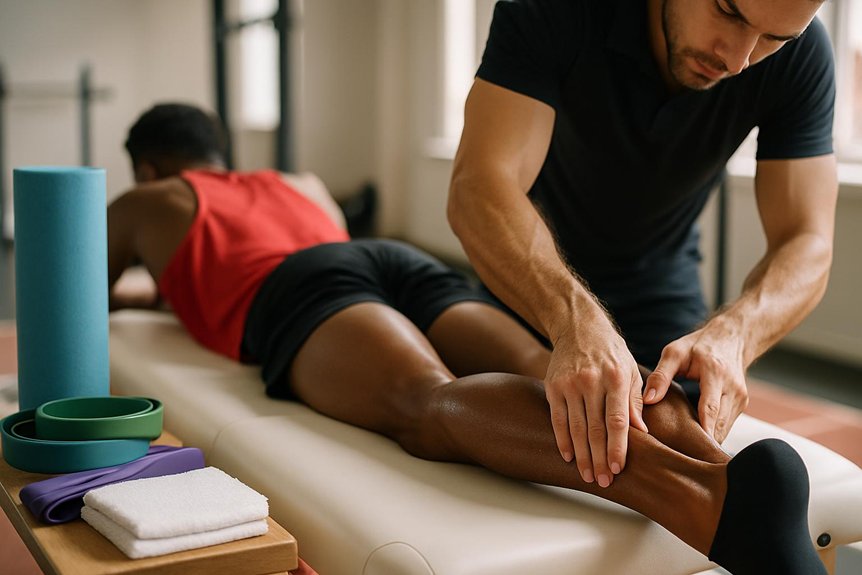
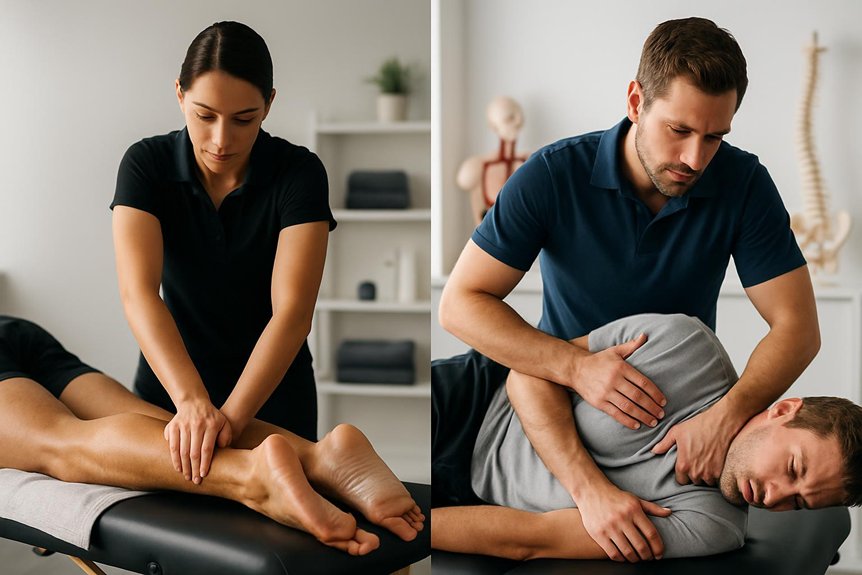
Frequently, athletic massage targets specific anatomical regions prone to tension, overuse, or injury due to athletic activity. At Spa & Massage, therapists concentrate on muscle groups such as the hamstrings, quadriceps, calves, gluteals, lower back, shoulders, neck, and forearms—areas that often manifest discomfort or dysfunction in active individuals.
Careful palpation identifies adhesions and myofascial restrictions, guiding the application of deep tissue techniques or trigger point therapy. The therapist’s clinical expertise guarantees precise pressure, always adapting to individual sensitivity and needs.
Special attention is paid to areas of chronic tightness or previous strain, fostering a sense of trust and safety. Through targeted touch, clients experience both immediate relief and increased awareness of their own unique patterns of muscular tension.
How Athletic Massage Supports Recovery and Performance
A well-administered athletic massage facilitates both physical recovery and enhanced athletic performance by promoting efficient circulation, reducing neuromuscular tension, and accelerating the resolution of soft tissue adhesions.
At Spa & Massage, therapists employ specialised techniques such as deep tissue manipulation, myofascial release, and targeted stretching to address overworked muscle groups. This clinical approach helps clear metabolic waste, deliver oxygen-rich blood to fatigued tissues, and restore ideal muscle elasticity.
By minimising microtrauma and limiting delayed-onset muscle soreness, athletic massage supports the body’s natural healing processes and enables clients to sustain a higher training frequency.
Regular sessions also contribute to increased proprioceptive awareness, fostering confident, injury-resistant movement patterns.
Ultimately, athletic massage becomes a personalised partnership in supporting each individual’s athletic journey with expert, attentive care.
Aftercare Recommendations From Spa & Massage
Following a athletic massage session, ideal recovery and sustained therapeutic benefit depend on evidence-based aftercare protocols. At Spa & Massage, therapists advise clients to prioritise hydration, as increased fluid intake supports metabolic waste removal and tissue rehydration following deep tissue manipulation.
Gentle, active movement—such as light stretching or walking—prevents post-treatment stiffness and optimises circulation. Ice or gentle heat may be suggested in accordance with individual response and therapist assessment.
Clients are counselled to avoid strenuous activity for 24 hours, allowing the neuromuscular system adequate time to integrate therapeutic changes. Open communication with the therapist regarding any delayed soreness or unusual reactions is encouraged, ensuring tailored guidance.
Practised aftercare enhances the intimacy of the therapeutic experience, supporting both immediate comfort and long-term musculoskeletal wellbeing.
Who Can Benefit Most From Athletic Massage
Incorporating structured aftercare considerably enhances the outcomes of athletic massage, yet understanding who benefits most from this therapy is equally important.
Athletic massage is especially advantageous for individuals engaged in repetitive or high-intensity physical activity, such as athletes, dancers, and fitness enthusiasts. However, it is also beneficial for those experiencing occupational musculoskeletal strain—office workers, manual labourers, and anyone managing chronic muscular tension.
At Spa & Massage, therapists assess each client’s activity level, injury history, and muscular imbalances to tailor interventions with clinical precision. This approach facilitates recovery, enhances flexibility, and mitigates risk of re-injury.
Clients seeking proactive self-care or rehabilitation from injury find athletic massage supports both goals.
Ultimately, anyone desiring ideal musculoskeletal function or relief from persistent discomfort can benefit from this targeted therapy.
Conclusion
While some may worry that athletic massage is only for elite athletes, Spa & Massage demonstrates its universal applicability for anyone seeking improved mobility, reduced discomfort, or enhanced physical function. Through evidence-based techniques and individualized care, clients experience measurable benefits—whether recovering from injury or optimizing performance. Athletic massage is not just therapeutic intervention; it is an essential component of proactive self-care, empowering clients to achieve their wellbeing goals and maintain an active, pain-free lifestyle.