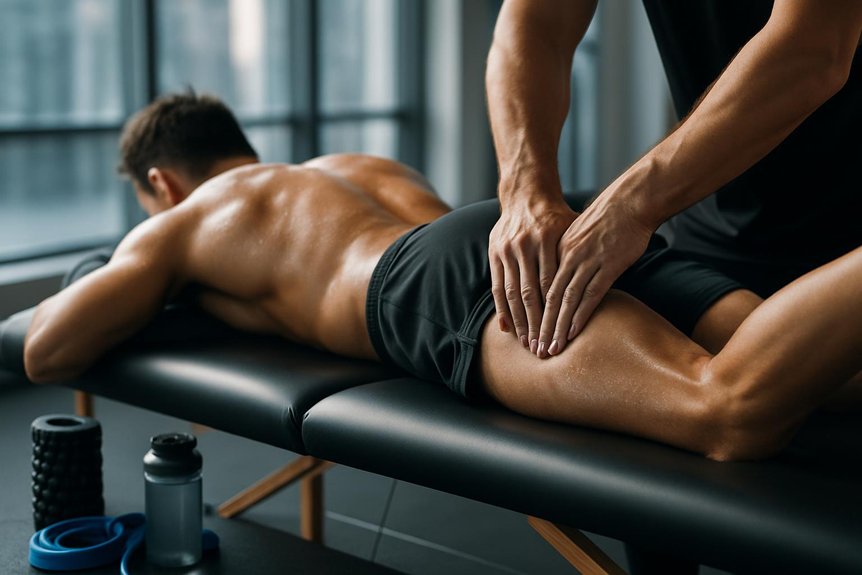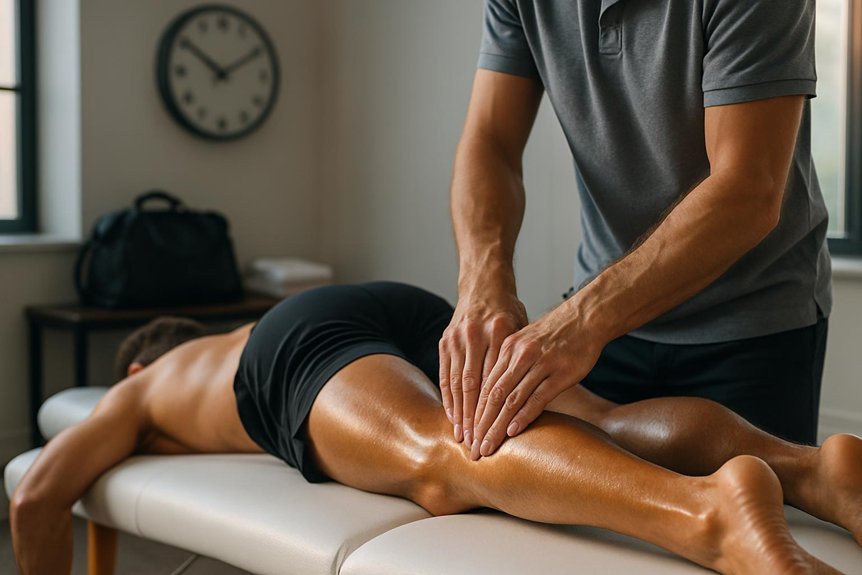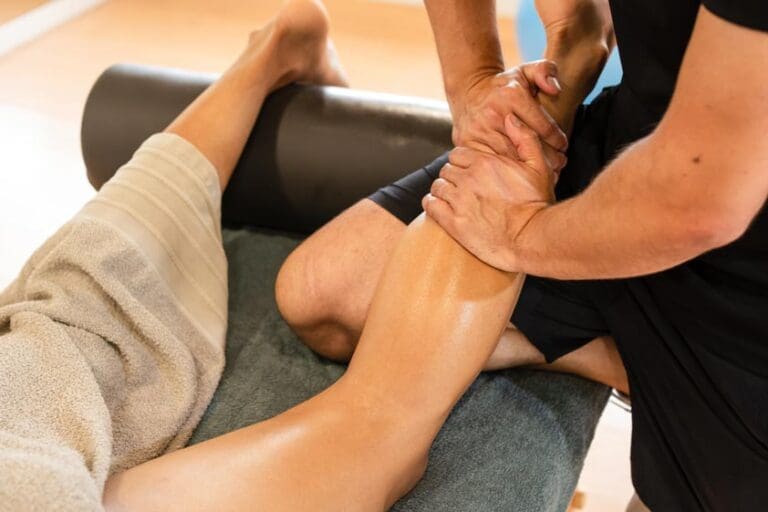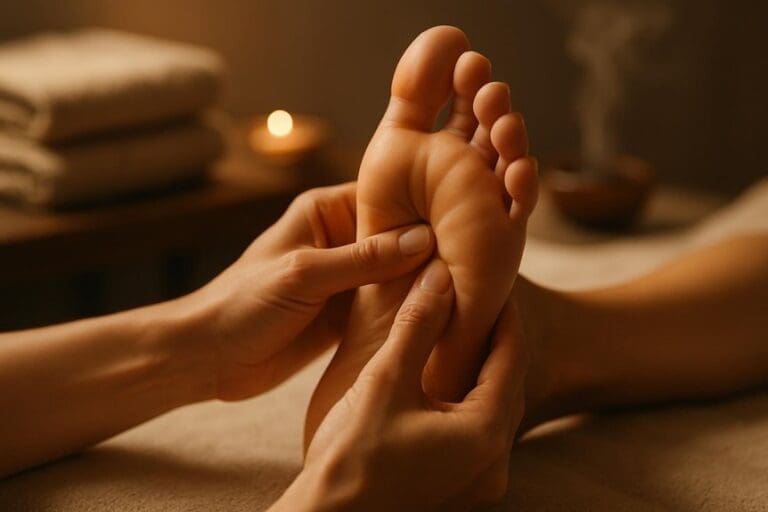
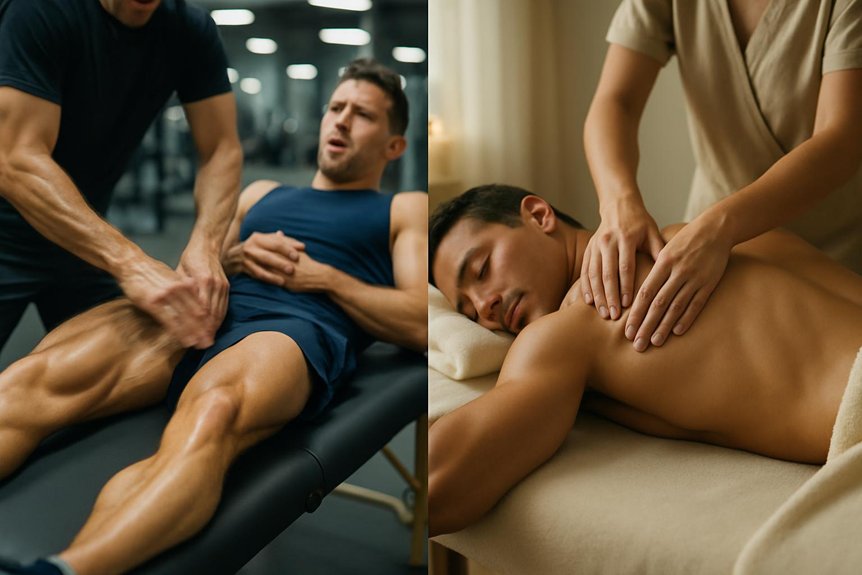
It is an evidence-based therapy designed to target activity-induced muscle fatigue and myofascial restrictions, utilizing rhythmic compression, assisted stretching, and circulatory techniques to optimize athletic performance and recovery. Deep tissue massage focuses on persistent tension and chronic postural dysfunction, employing slow, sustained pressure and cross-fibre manipulation to address adhesions within deep muscular structures. Both modalities reduce pain and improve range of motion, but are chosen based on clinical assessment and functional requirements. Further details clarify their specific clinical applications.
Understanding the Purpose of Athletic Massage and Deep Tissue Massage
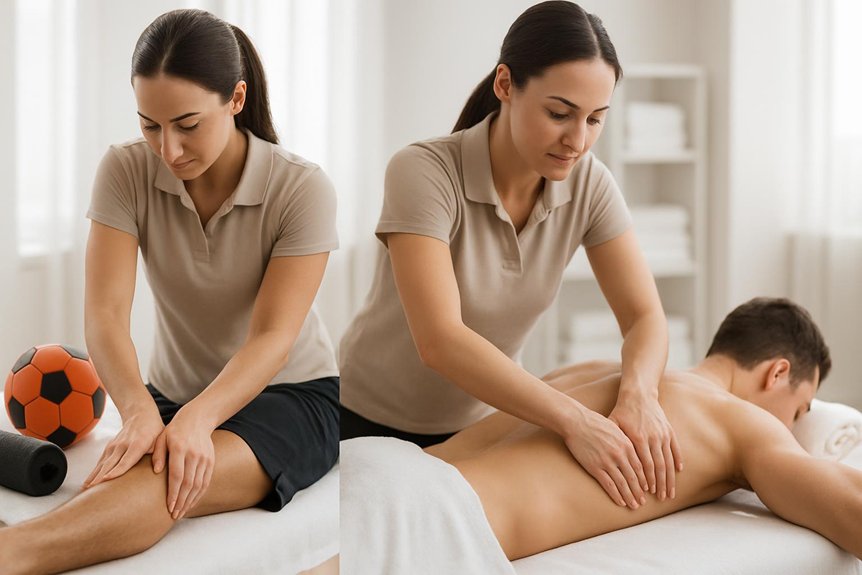
While both sports massage and deep tissue massage utilise targeted manual techniques to address musculoskeletal dysfunction, their primary purposes differ according to clinical objectives.
It is designed to optimise athletic performance, enhance recovery, and prevent injury by focusing on specific muscle groups subjected to repetitive strain or overuse. This modality is often integrated into training regimens and post-event recovery, employing assessment-driven protocols that support functional movement patterns.
Deep tissue massage, by contrast, prioritises the alleviation of chronic muscle tension and the release of adhesions within the deeper layers of fascia and musculature.
At Spa & Massage clinics, therapists tailor each session to the unique structural needs of clients, fostering muscular relaxation and improved tissue pliability.
In addition, many clients seek deep tissue massage for its benefits and techniques designed to target long-standing pain and restricted mobility.
Both approaches ultimately promote holistic well-being through evidence-based, anatomically informed care.
Key Techniques Used in Each Massage Style
Distinct manual techniques underpin the effectiveness of both athletic massage and deep tissue massage, each grounded in clinical objectives and anatomical understanding.
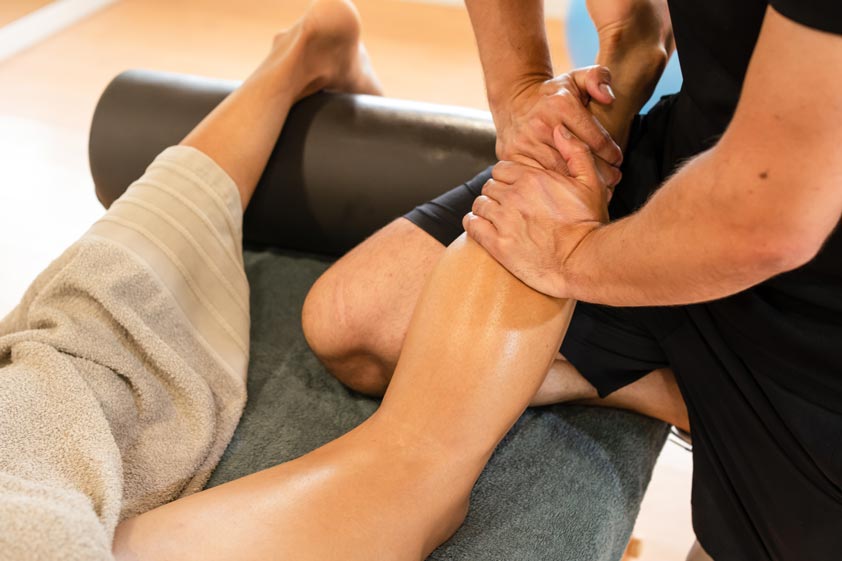
Athletic massage frequently employs rhythmic compression, myofascial release, and assisted stretching to target muscle groups stressed by athletic activity. These techniques facilitate increased circulation, neuromuscular re-education, and joint range of motion.
In contrast, deep tissue massage utilizes sustained deep pressure, slow friction strokes, and cross-fibre manipulation, focusing on adhesions within deeper muscular and fascial layers.
At Spa & Massage, therapists integrate anatomical landmarks and tissue feedback to guide each technique, ensuring precision and client safety.
Both modalities demand an intimate knowledge of muscular origins, insertions, and fibre direction, promoting targeted relief and enhancing the therapeutic alliance between therapist and client.
Common Benefits for Different Client Needs
Both athletic massage and deep tissue massage deliver measurable physiological benefits tailored to varied musculoskeletal presentations. Each modality targets myofascial restrictions, enhances local circulation, and mobilizes soft tissue adhesions, thereby facilitating tissue perfusion and metabolic waste clearance.
At Spa & Massage clinics, therapists frequently observe reduced delayed onset muscle soreness and improved joint range of motion in clients receiving either approach. Neuromuscular techniques further modulate muscular hypertonicity, supporting postural alignment and mitigating pain referral patterns.
Clients with chronic tension, repetitive strain, or post-exertional fatigue often experience significant improvements in proprioceptive awareness and tissue pliability.
Both techniques, when performed by experienced practitioners, foster a sense of bodily restoration and relaxation, aligning with Spa & Massage’s commitment to tailored, anatomy-aware care that addresses individual wellness objectives.
When to Choose Athletic Massage or Deep Tissue Massage
How does one determine the most suitable massage modality for their specific presentation? Clinical assessment begins by evaluating the client’s primary complaint, tissue texture, and functional goals.
It is indicated for individuals experiencing activity-induced muscle fatigue, restricted range of motion, or delayed onset muscle soreness (DOMS). It targets myofascial adhesions and facilitates circulatory recovery, especially around prime movers and stabilisers.
Conversely, deep tissue massage is appropriate for persistent musculoskeletal tension, chronic postural dysfunction, or myofascial trigger points. It addresses deeper connective tissue layers, promoting neuromuscular realignment and improved tissue pliability.
At Spa & Massage, therapists integrate anatomical knowledge and palpatory skill to guide clients toward the modality that aligns with their physiological needs, ensuring treatment is both restorative and attuned to intimate, individualised requirements.
What to Expect During Your Session at Spa & Massage
Upon arrival at Spa & Massage, clients undergo a structured intake process designed to elicit relevant medical history, current musculoskeletal complaints, and functional goals. This initial assessment enables therapists to tailor treatment protocols—whether sports or deep tissue massage—according to anatomical and physiological needs.
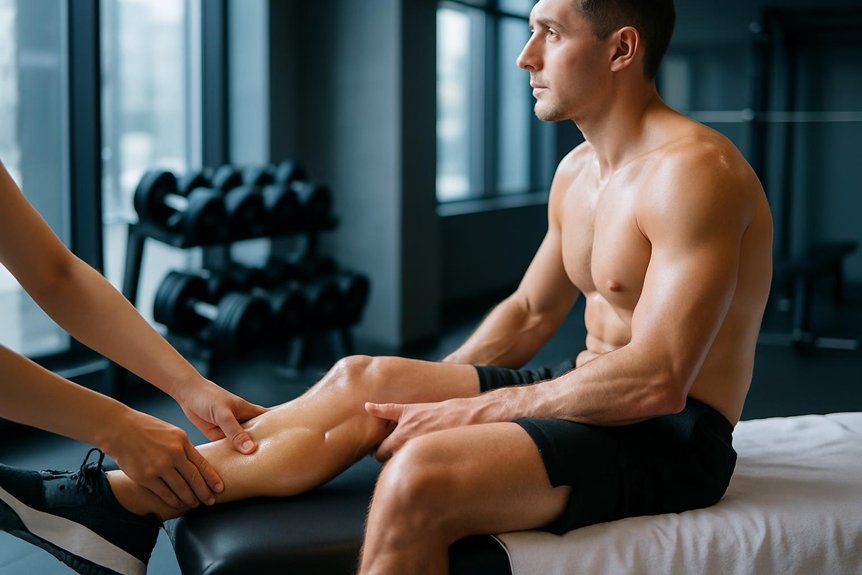
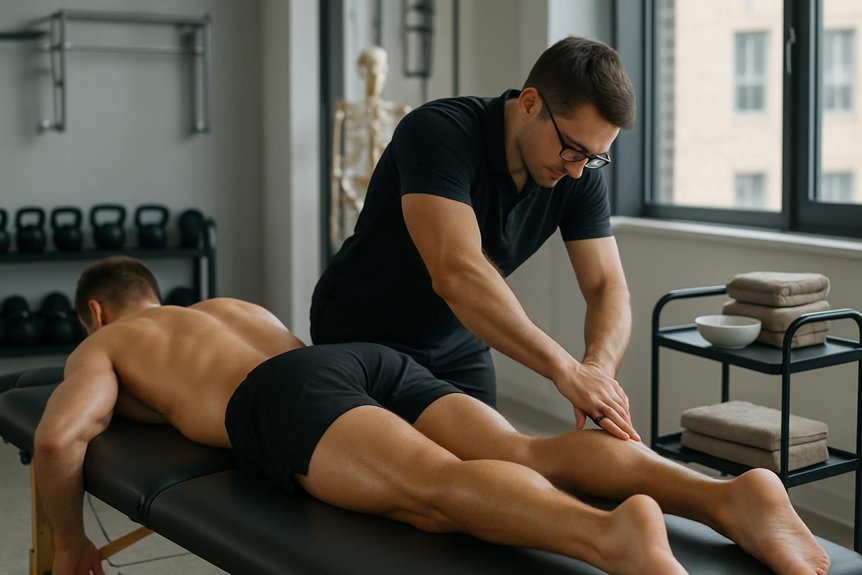
The session begins in a tranquil environment, where therapists employ evidence-based techniques targeting specific myofascial structures, muscle groups, or kinetic chains implicated in the client’s presentation. Communication throughout the session ensures ideal pressure, technique modification, and client comfort, fostering therapeutic alliance and trust.
Following treatment, therapists at Spa & Massage provide targeted aftercare advice, including guided stretching, hydration, and neuromuscular self-care strategies, supporting tissue recovery and functional restoration. This patient-centered approach enhances both immediate relief and long-term musculoskeletal health.
Conclusion
In conclusion, both athletic massage and deep tissue massage offer distinct, evidence-based benefits targeting musculoskeletal dysfunction. Specifically, a 2018 systematic review found that up to 74% of clients reported significant pain reduction following deep tissue interventions. By understanding the unique applications—athletic massage for performance optimization and injury prevention, deep tissue for chronic myofascial pain—clients at Spa & Massage can select the modality best aligned with their anatomical and therapeutic objectives, ensuring a tailored approach to musculoskeletal health.