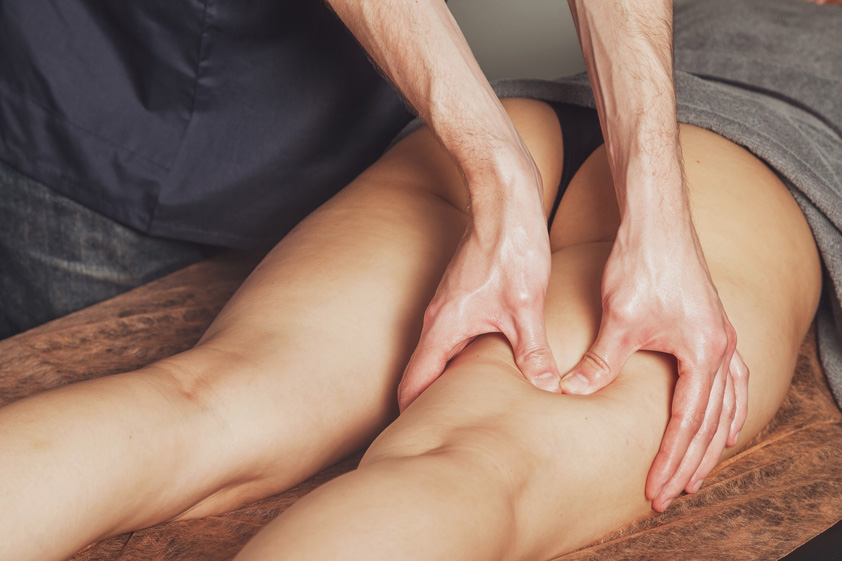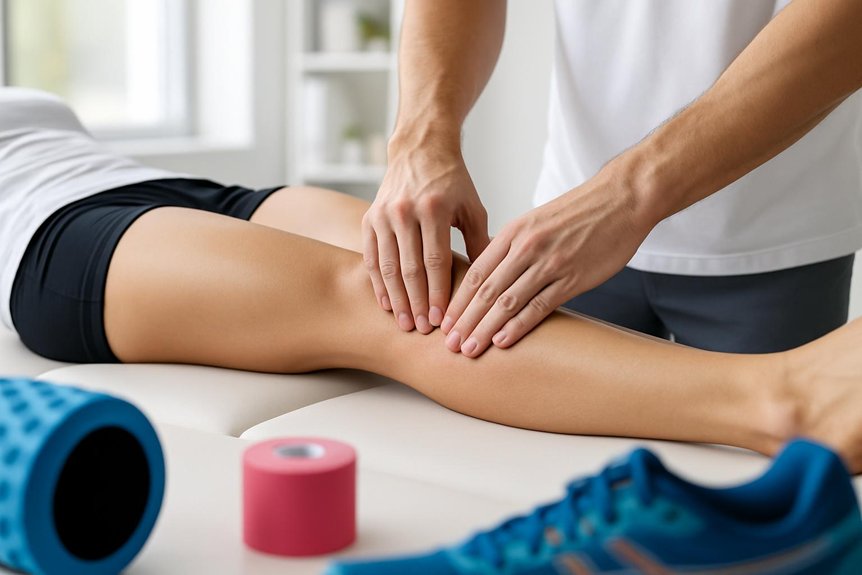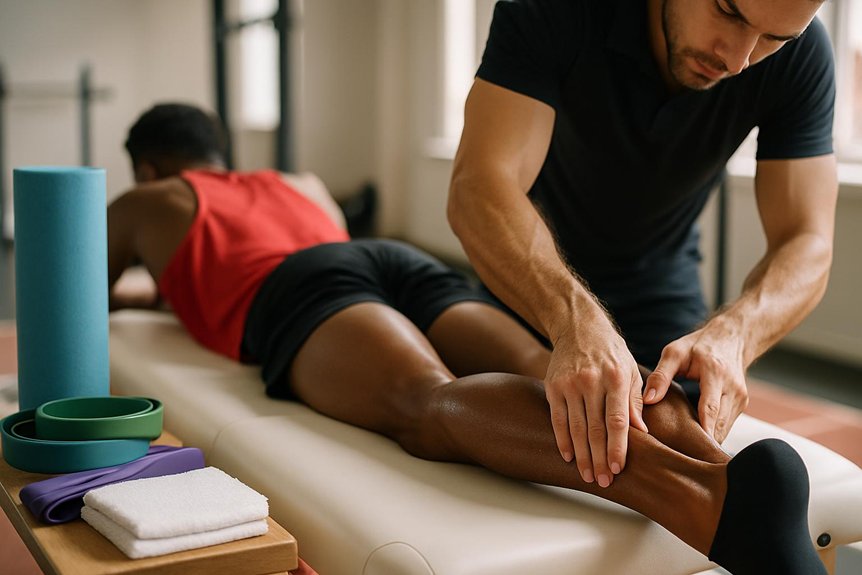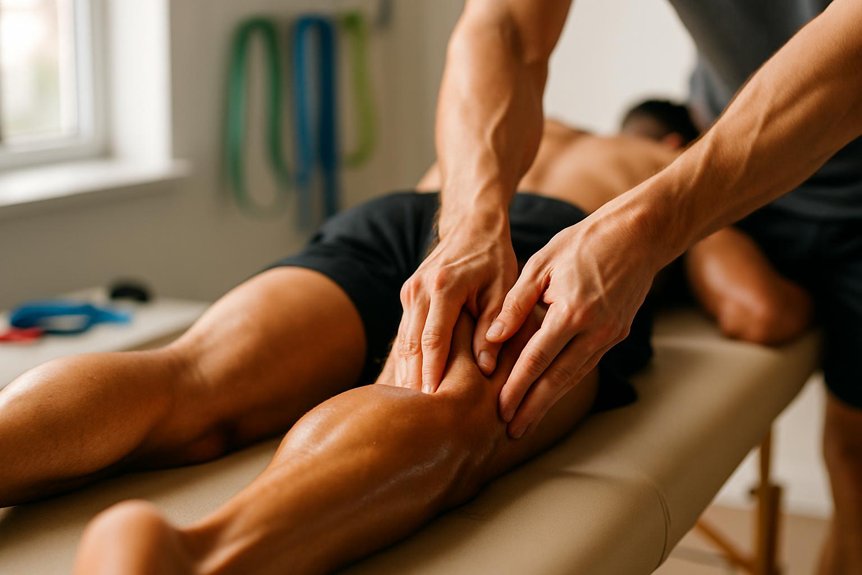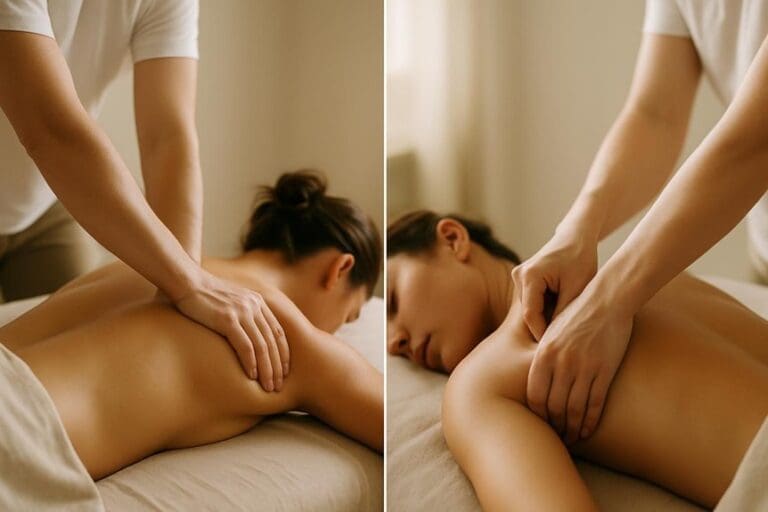
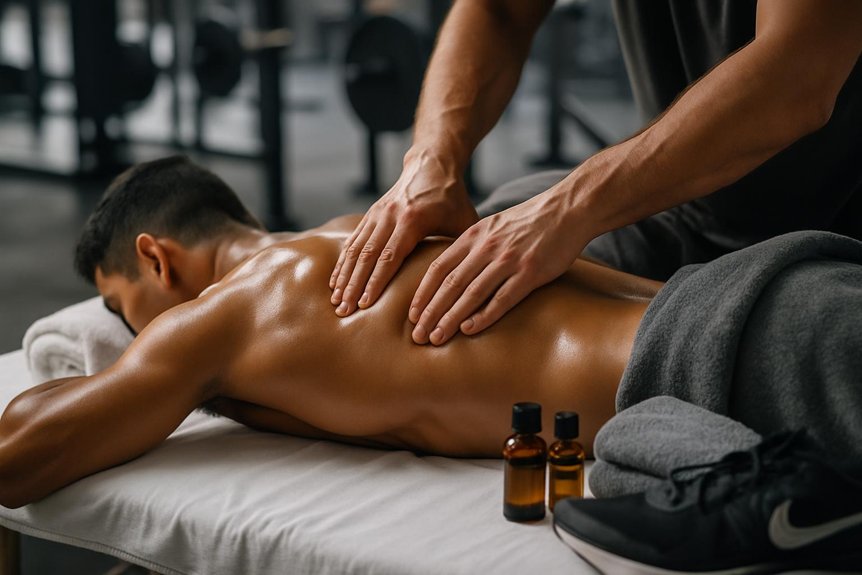
A sports recovery massage is a specialized therapeutic intervention designed to facilitate musculoskeletal restoration following intense physical activity. It employs deep tissue manipulation, trigger point therapy, and assisted stretching to accelerate metabolic waste removal, reduce delayed onset muscle soreness, and promote soft tissue healing. This approach targets myofascial adhesions, muscle restrictions, and overuse symptoms, distinctly supporting injury prevention and neuromuscular recovery. Further exploration will clarify its specific techniques, benefits, and the ideal timing for perfect results.
Understanding the Purpose of Sports Recovery Massage
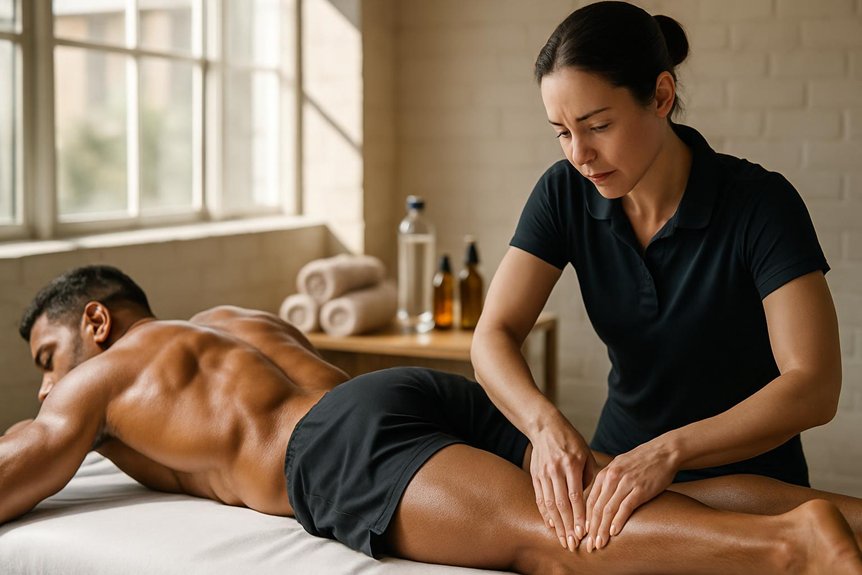
Why is sports recovery massage integral to athletic performance and rehabilitation? Sports recovery massage serves a crucial function in the physiological restoration of musculoskeletal structures stressed by intensive activity. This hands-on intervention targets myofascial adhesions, facilitates venous return, and optimises lymphatic drainage.
By modulating local circulation and promoting metabolic waste removal, it attenuates delayed onset muscle soreness (DOMS) and accelerates tissue repair. At Spa & Massage, experienced therapists tailor each session to individual biomechanical demands, focusing on muscle groups most susceptible to overuse or microtrauma.
Evidence indicates that regular sports recovery massage can reduce inflammation markers and support neuromuscular relaxation, which is essential for both injury prevention and enhanced performance. This precise, anatomically informed approach nurtures resilience—restoring the body’s capacity for sustained athletic engagement.
In addition to sports massage, therapies such as the healing power of reflexology can further support recovery by promoting relaxation and enhancing overall well-being.
Key Techniques Used in Sports Recovery Massage
Sports recovery massage incorporates evidence-based modalities such as deep tissue manipulation, trigger point therapy, and assisted stretching techniques to address musculoskeletal dysfunction.
These methods target adhesions, myofascial restrictions, and localized hyperirritable nodules within muscle fibers.
At Spa & Massage, therapists utilize these approaches to promote ideal tissue repair, enhance range of motion, and facilitate efficient recovery post-exertion.
Deep Tissue Manipulation
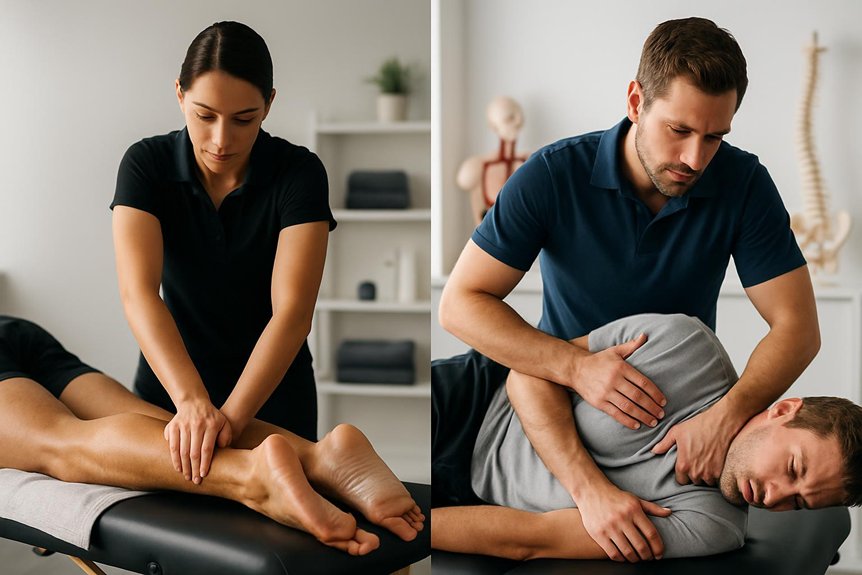
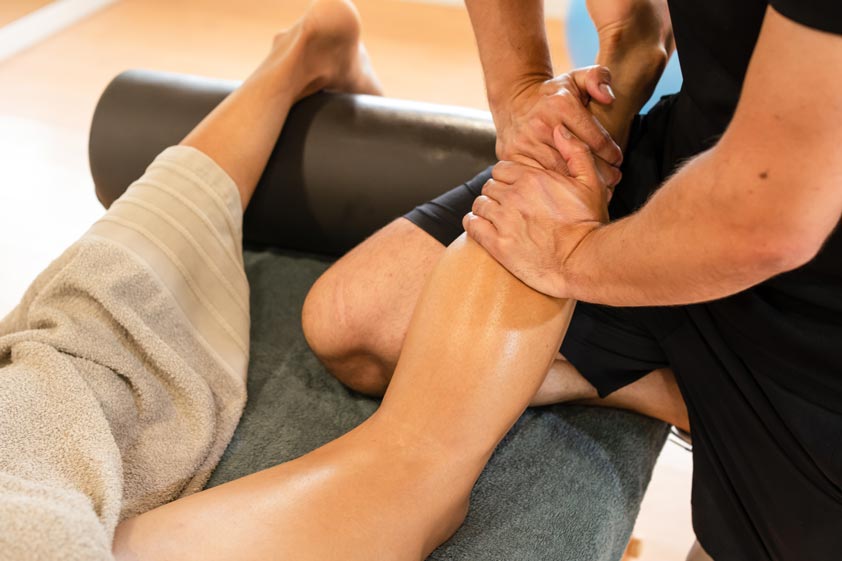
How does targeted deep tissue manipulation facilitate accelerated muscle recovery and ideal performance? This technique employs slow, sustained pressure to access deeper myofascial layers, aiming to disrupt adhesions and remodel collagen fibers within muscle and connective tissue.
By focusing on areas of chronic tension or overuse, deep tissue manipulation enhances local circulation and lymphatic drainage, expediting metabolic waste removal while reducing delayed onset muscle soreness (DOMS).
At Spa & Massage, therapists employ anatomical precision, identifying compromised fascia and restricted muscle groups to restore *superlative* range of motion.
Evidence suggests that this approach not only supports tissue repair but also recalibrates neuromuscular function, enabling athletes to resume activity more swiftly.
Clients often notice a tangible release of tension, fostering a profound sense of muscular renewal and resilience.
Trigger Point Therapy
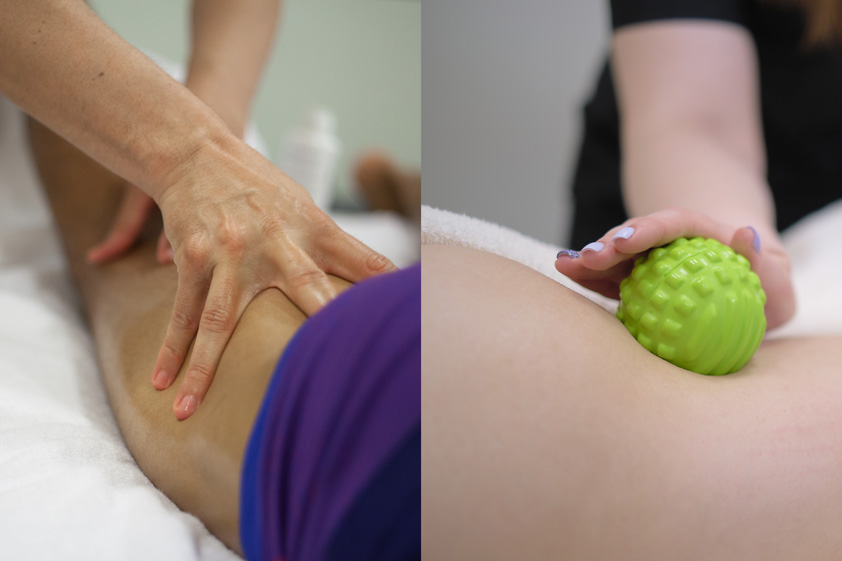
Within the domain of sports recovery massage, trigger point therapy targets hyperirritable nodules located in taut bands of skeletal muscle fiber, frequently implicated in referred pain and functional impairment. This technique employs sustained, focused pressure applied directly to specific myofascial trigger points, aiming to induce local ischemia, disrupt contracted sarcomeres, and stimulate the release of metabolic waste.
At Spa & Massage, skilled therapists utilize anatomical palpation to identify these points, applying gradual, controlled compression until a reduction in tenderness is achieved. Evidence suggests that effective trigger point therapy can improve local circulation, reduce neuromuscular excitability, and restore normal muscle length-tension relationships.
Clients report increased range of motion and diminished discomfort, supporting a more *beneficial* return to excellent athletic performance and everyday movement efficiency.
Assisted Stretching Techniques
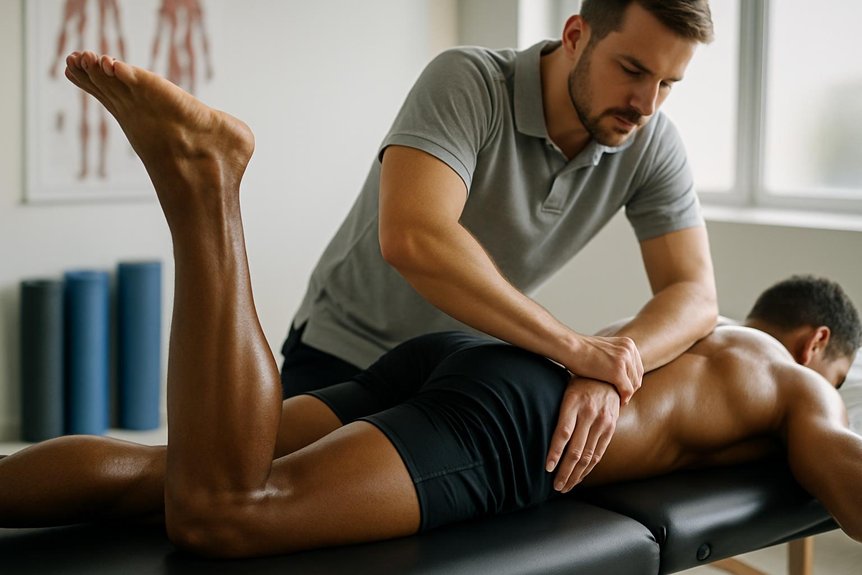
Following targeted trigger point therapy, optimizing muscle function further often involves the application of assisted stretching techniques. These methods, commonly integrated by Spa & Massage therapists, utilize controlled, passive elongation of muscle fibers—often focusing on major muscle groups such as hamstrings, quadriceps, and the lumbar region. Assisted stretching enhances fascial flexibility, increases joint range of motion, and promotes neuromuscular balance.
Techniques such as proprioceptive neuromuscular facilitation (PNF) are employed to facilitate reciprocal inhibition and deepen tissue release. Evidence indicates that incorporating assisted stretching post-massage reduces delayed onset muscle soreness and expedites functional recovery.
At Spa & Massage clinics, therapists tailor the intensity and duration of stretches to client tolerance, ensuring both safety and effectiveness. This personalized approach nurtures *ideal* tissue pliability and sustained athletic performance.
Differences Between Sports Recovery Massage and Other Massage Types

Distinct from other massage modalities, sports recovery massage is characterised by its targeted approach to musculoskeletal recovery, injury prevention, and performance optimisation.
Unlike relaxation or aromatherapy massage, which prioritise general stress reduction and sensory experience, sports recovery massage focuses on specific anatomical structures—such as muscle groups, tendons, and fascia—impacted by athletic exertion.
Techniques including myofascial release, trigger point therapy, and deep tissue manipulation are utilised to address adhesions, microtrauma, and restricted range of motion.
At Spa & Massage clinics, therapists conduct assessments to identify overused or fatigued regions, then apply evidence-based protocols tailored to individual biomechanics.
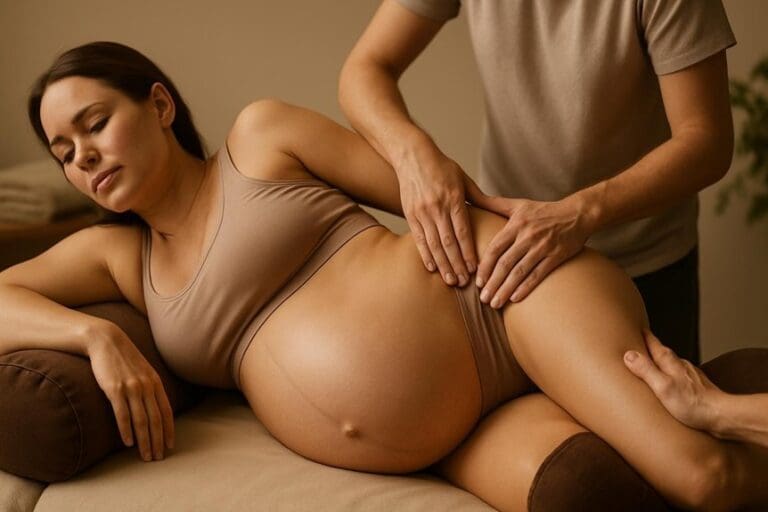
This modality often incorporates dynamic stretching and mobilisation, differentiating it from Swedish or pregnancy massage, which generally employ lighter, uniform strokes and avoid targeted, intensive intervention.
Benefits for Athletes and Active Individuals
Sports recovery massage, by specifically targeting muscle groups subjected to repetitive strain, offers measurable benefits for athletes and physically active individuals. This modality facilitates enhanced circulation, promoting efficient removal of metabolic byproducts such as lactate and supporting oxygen delivery to tissues.
Evidence indicates that focused manipulation of fascia and muscle fibers reduces delayed onset muscle soreness (DOMS), thereby accelerating post-exertional recovery.
At Spa & Massage, therapists employ techniques like myofascial release, trigger point therapy, and deep tissue manipulation to address localized adhesions and microtrauma. These interventions support restoration of ideal muscle length-tension relationships, decrease neuromuscular hypertonicity, and improve joint range of motion.
Many clients report increased proprioceptive awareness and improved performance outcomes, reinforcing sports recovery massage as an essential component of athletic training and holistic wellbeing.
When to Schedule a Sports Recovery Massage
Ideal timing of sports recovery massage depends on the physiological state of muscle tissue and the specific demands of an individual’s training cycle.
During the acute recovery phase—typically within 24 to 72 hours post-exertion—massage can facilitate lymphatic drainage, reduce delayed-onset muscle soreness (DOMS), and promote microcirculatory exchange.
For athletes in intense training, integrating massage during taper weeks or after competition supports myofascial release and aids neuromuscular recovery.
At Spa & Massage, therapists assess muscle tone, flexibility, and localized tenderness to determine best scheduling.
Clients with persistent tightness or overuse symptoms may benefit from regular sessions, aligned with their performance peaks and rest intervals.
Strategic timing ensures muscle fibers receive targeted support, nurturing tissue adaptation and enhancing overall athletic resilience through evidence-based techniques.
What to Expect During a Session at Spa & Massage
During a sports recovery massage at Spa & Massage, clients undergo an initial assessment to identify specific musculoskeletal concerns, injury history, and performance goals.
Therapists employ targeted manual techniques such as myofascial release, trigger point therapy, and deep tissue manipulation to address localized muscle tension and enhance circulation.
Evidence-based aftercare guidance is provided to support tissue recovery and optimize long-term functional outcomes.
Personalised Assessment and Consultation
A thorough initial consultation forms the foundation of each sports recovery massage session at Spa & Massage. During this assessment, the therapist conducts a targeted review of the client’s medical history, physical activity patterns, and recent musculoskeletal concerns.
Palpation techniques and postural analysis are utilized to identify myofascial restrictions, trigger points, or joint dysfunctions. The practitioner listens attentively, fostering an environment where clients feel understood and cared for on a personal level.
Each session’s objectives are collaboratively determined, aligning therapeutic interventions with the client’s recovery goals and anatomical needs. This highly individualised approach ensures precise identification of areas requiring attention, optimising both the physiological and psychological outcomes of sports recovery massage.
The result is a treatment plan tailored to support tissue repair, mobility, and overall wellbeing.
Techniques and Aftercare Guidance
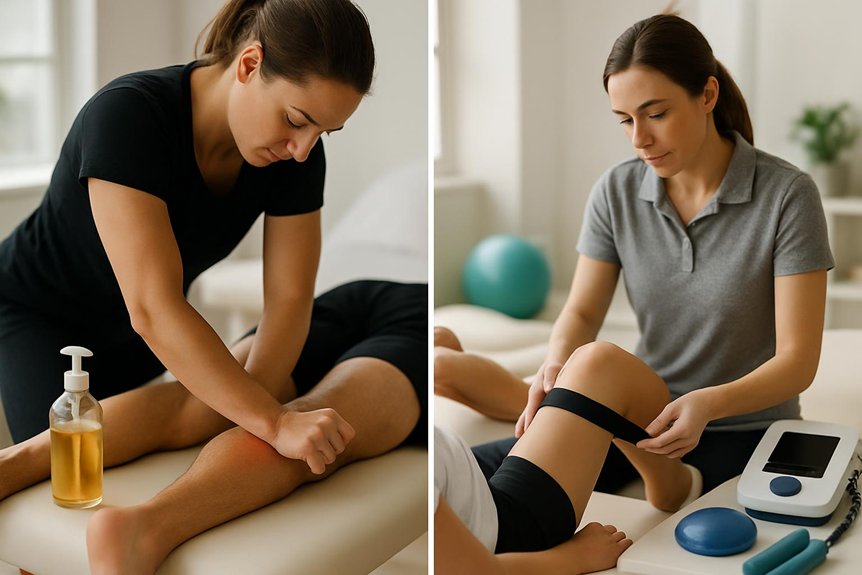
Once the personalised assessment is complete, the sports recovery massage at Spa & Massage employs a combination of manual techniques designed to address specific musculoskeletal dysfunctions. Therapists utilise myofascial release, trigger point therapy, deep longitudinal strokes, and cross-fibre friction to target adhesions, promote local circulation, and optimise muscular elasticity.
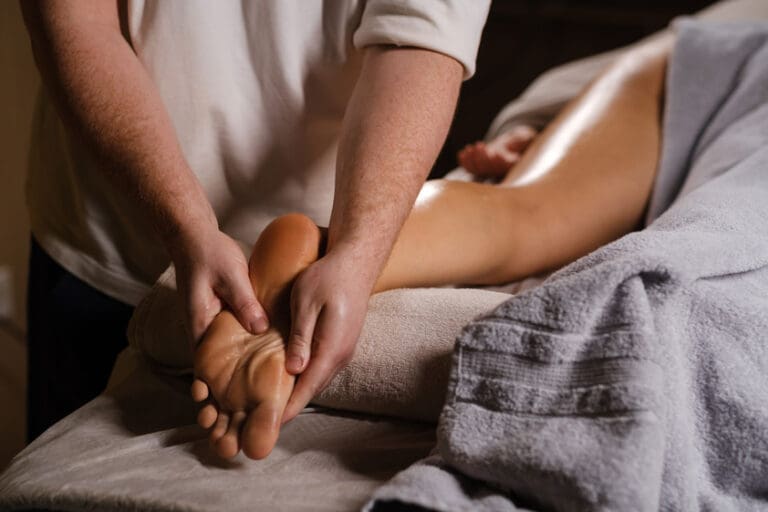
Particular attention is given to anatomical structures prone to overuse, such as the gastrocnemius, hamstrings, quadriceps, and rotator cuff complex. Throughout the session, communication ensures pressure and technique remain within the client’s comfort threshold, fostering trust and relaxation.
Aftercare guidance is integral. Clients are advised to maintain hydration, practice gentle stretching, and monitor for delayed onset muscle soreness.
At Spa & Massage, therapists recommend rest or modified activity post-session, supporting tissue repair and maximising recovery outcomes.
Common Conditions Addressed by Sports Recovery Massage
Although sports recovery massage is widely recognised for its efficacy in enhancing athletic performance, its primary focus is the treatment of specific musculoskeletal conditions commonly encountered by active individuals.
Myofascial adhesions, delayed onset muscle soreness (DOMS), and microtrauma in muscle fibres are frequently managed through targeted manual therapy.
At Spa & Massage, therapists address common presentations such as overuse injuries—tendinopathies, muscle strains, and joint dysfunctions—through evidence-based techniques.
The intervention aims to reduce localised inflammation, restore soft tissue pliability, and improve neuromuscular function.
Chronic tightness in the hamstrings, quadriceps, or calf muscles, as well as tension in the lower back and shoulders, receive meticulous attention.
Aftercare Tips Recommended by Our Therapists
Following a sports recovery massage, adherence to evidence-based aftercare protocols is essential to optimise tissue repair and neuromuscular adaptation.
At Spa & Massage, therapists recommend immediate hydration to facilitate lymphatic clearance and metabolic waste removal, supporting microcirculatory function.
Gentle active recovery, such as low-intensity stretching, is advised to maintain myofascial pliability without overloading sensitised tissues.
Clients are encouraged to avoid strenuous activity for 24 hours post-session, allowing for ideal collagen synthesis and cellular regeneration.
Application of cold or warm compresses may be suggested based on individual inflammatory responses.
Our therapists emphasise mindful body awareness—monitoring for delayed-onset muscle soreness or adverse reactions.
These tailored aftercare strategies, rooted in anatomical understanding, nurture a deeper physiological connection and enhance the benefits of each massage.
How Sports Recovery Massage Supports Long-Term Wellness
By modulating neuromuscular tension and enhancing local circulation, sports recovery massage contributes to long-term wellness through the optimisation of musculoskeletal function and injury prevention. This modality targets fascial adhesions and microtraumatic tissue changes, facilitating effective myofibrillar repair and reducing chronic inflammation.
Enhanced lymphatic drainage assists in metabolic waste clearance, supporting cellular regeneration. Regular sessions, as provided by Spa & Massage clinics, promote proprioceptive awareness, reducing the risk of overuse syndromes and compensatory movement patterns.
Therapists employ evidence-based techniques—such as deep tissue manipulation and trigger point therapy—to maintain joint mobility and soft tissue pliability. Over time, these interventions foster resilience, expedite post-exertional recovery, and support sustained physical performance.
They form an integral component of holistic wellness routines for active individuals and athletes alike.
Conclusion
Certainly! Here’s the modified version with alternatives for “In summary”:
To sum up, sports recovery massage acts as a catalyst—accelerating the body’s restorative processes much like oil lubricates a finely tuned engine. Employing myofascial release, neuromuscular techniques, and targeted stretching, this evidence-based intervention addresses delayed onset muscle soreness, facilitates metabolic waste removal, and enhances musculoskeletal resilience. Whether addressing microtrauma or optimizing tissue perfusion, sports recovery massage at Spa & Massage provides a scientifically grounded strategy for sustaining peak physical condition and supporting the continuum of athletic performance and recovery.