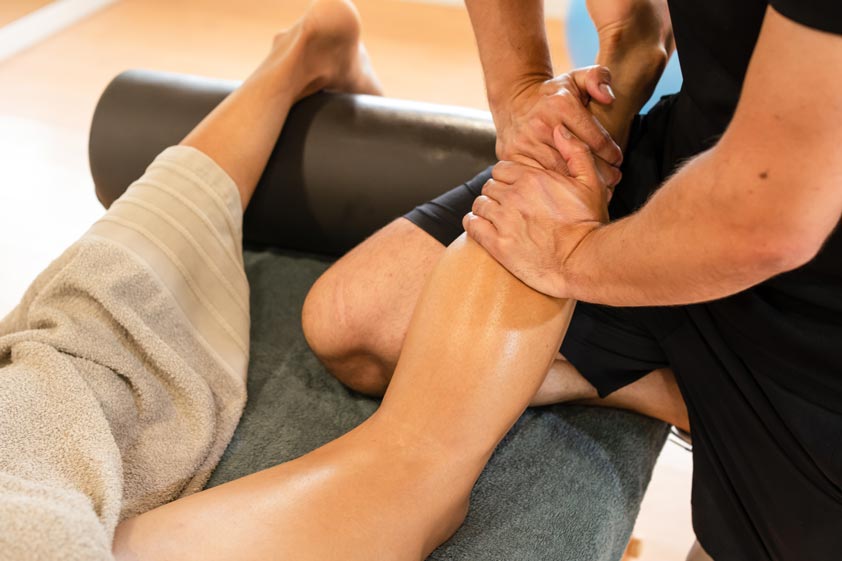

It is a specialised intervention targeting musculoskeletal issues specific to athletic performance, utilising dynamic techniques such as effleurage, petrissage, and myofascial release for injury prevention and recovery. Deep tissue massage applies sustained pressure to deeper muscle and fascial layers, focusing on chronic myofascial tension, postural dysfunction, and movement restrictions. Both approaches are evidence-based and tailored to physiological presentation. The distinctions between these modalities, including clinical indications and therapeutic strategies, will be explored in further detail.
Defining Sports Massage and Deep Tissue Massage
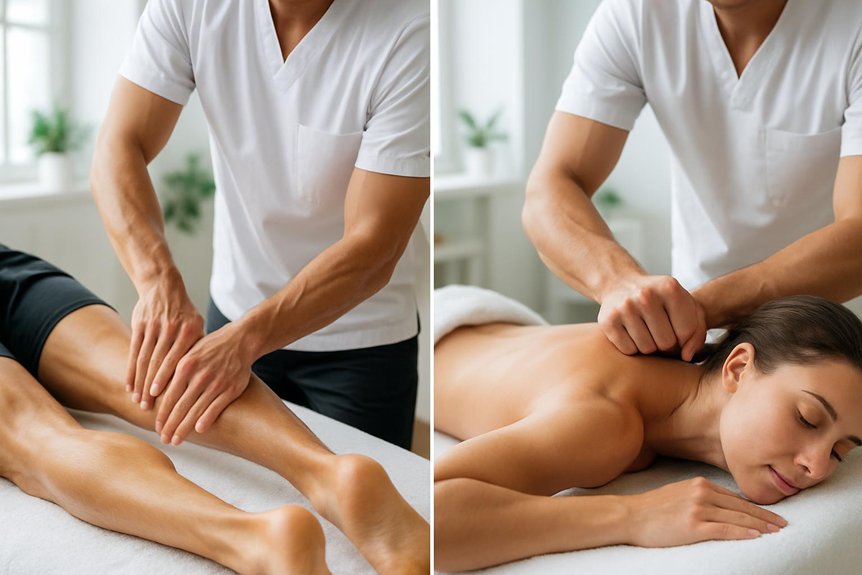
Precisely distinguishing between athletic massage and deep tissue massage is essential for selecting the appropriate therapeutic approach.
It is a targeted intervention designed to address musculoskeletal dysfunction related to athletic activity. It integrates advanced manual therapy techniques, often focusing on injury prevention, enhanced recovery, and optimization of soft tissue function.
Indications include delayed onset muscle soreness, myofascial adhesions, and biomechanical imbalances.
Conversely, deep tissue massage systematically manipulates deeper layers of muscle and connective tissue, targeting chronic tension and restricted movement.
Techniques access the musculature beneath superficial layers, addressing persistent pain and postural dysfunction.
At Spa & Massage clinics, both modalities are evidence-based, with experienced therapists evaluating anatomical structures and client needs to deliver personalized, effective care.
Each approach nurtures physiological restoration and wellbeing through skillful touch.
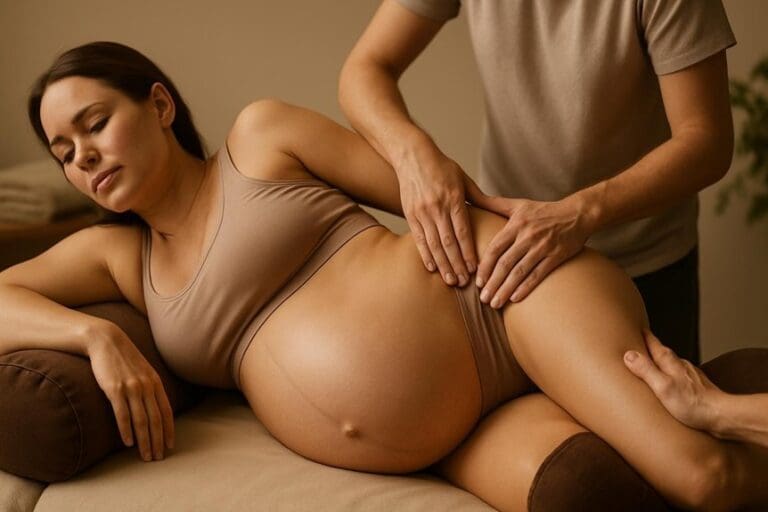
For individuals seeking additional relaxation and stress reduction, incorporating aromatherapy massage may further enhance therapeutic outcomes.
Key Differences in Techniques and Approach
Building upon the distinct therapeutic objectives of athletic massage and deep tissue massage, significant differences emerge in manual techniques and clinical application.
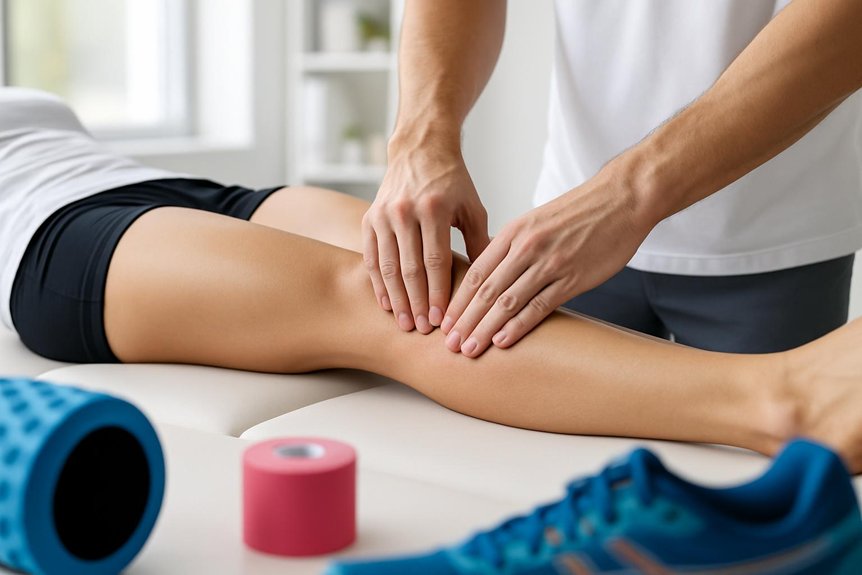
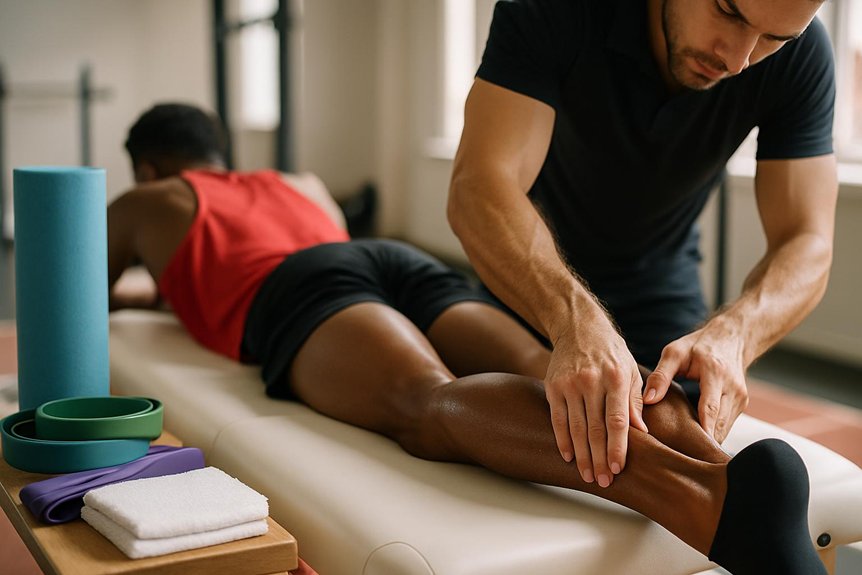
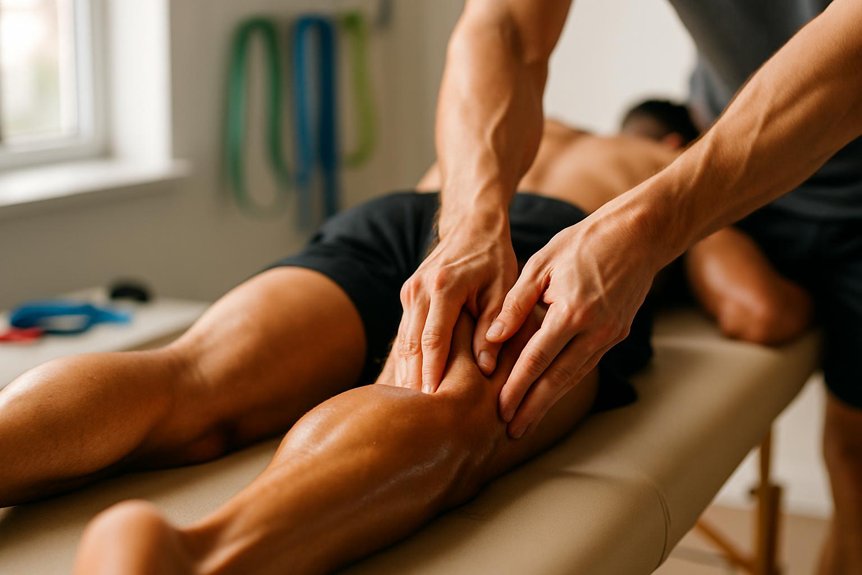
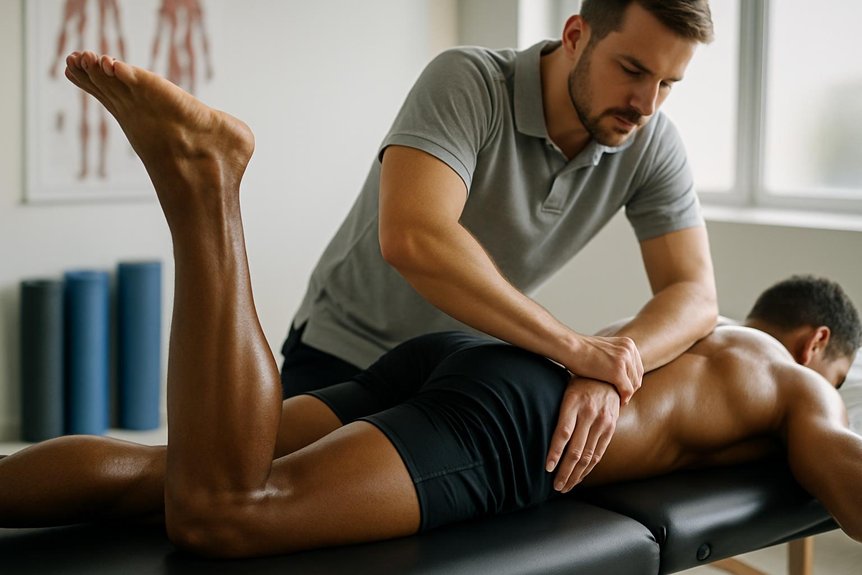
Spa & Massage clinics employs dynamic, targeted strokes—often incorporating techniques such as effleurage, petrissage, friction, and myofascial release. These are adapted to the client’s activity level, injury risk, and muscle recruitment patterns.
Stretching and mobilization may be integrated to enhance joint range of motion and neuromuscular efficiency.
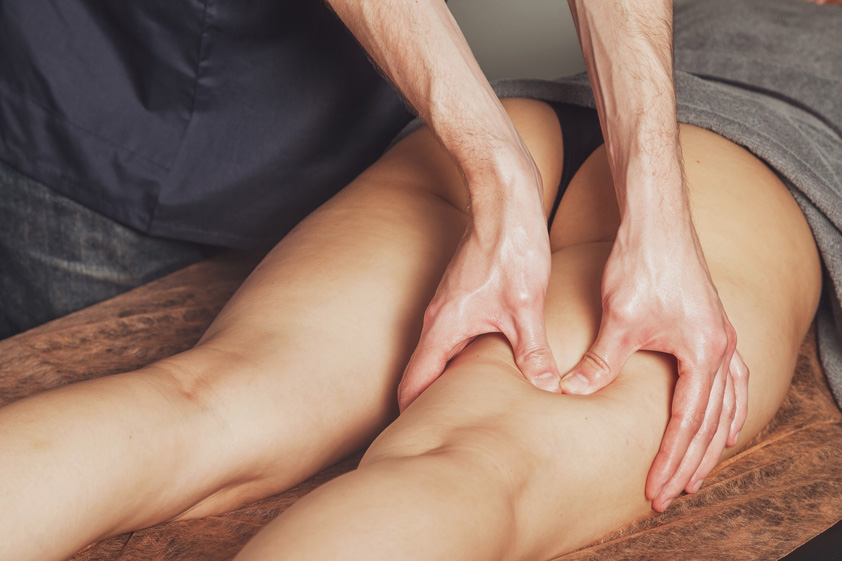
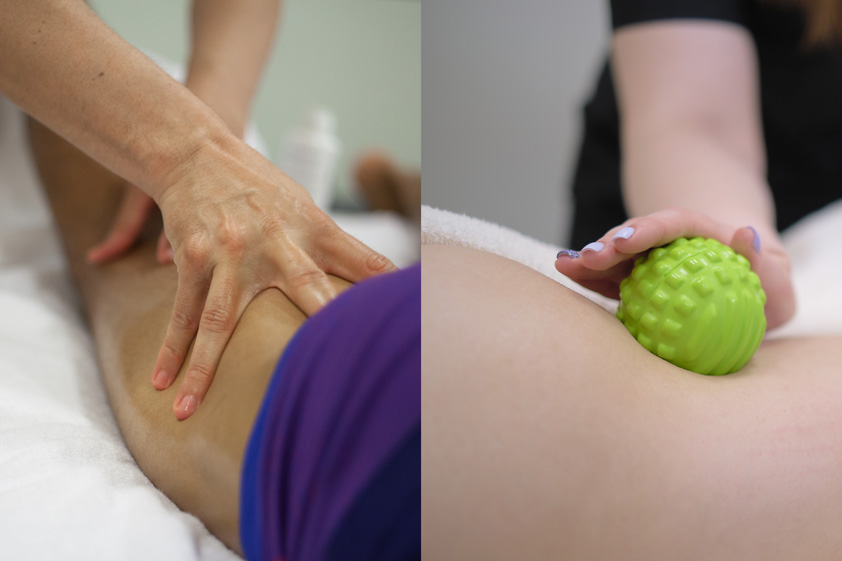
In contrast, deep tissue massage applies sustained, gradual pressure into deeper muscular layers and fascia, prioritizing the release of chronic adhesions and myofascial restrictions.
Therapists focus on slower, deliberate strokes, often working perpendicular to muscle fibers.
These nuanced approaches ensure each modality addresses specific anatomical and functional needs, fostering intimate therapeutic outcomes.
Benefits of Each Massage Type
Each massage modality confers distinct physiological and therapeutic benefits, corresponding to its underlying techniques and intended outcomes. It is designed to enhance myofascial flexibility, facilitate lymphatic drainage, and accelerate musculoskeletal recovery.
Evidence indicates that it improves circulatory efficiency, reduces the risk of strain injuries, and optimises neuromuscular function—attributes favoured by physically active individuals.
In contrast, deep tissue massage employs sustained pressure to target deep musculature and fascia, effectively disrupting adhesions and alleviating chronic hypertonicity.
This approach is associated with a measurable decrease in pain perception, improved range of motion, and attenuation of stress-induced somatic tension.
At Spa & Massage, therapists utilise precise anatomical knowledge to maximise these outcomes, ensuring that each session addresses the unique therapeutic needs and personal comfort of every client.
When to Choose Athletic Massage or Deep Tissue Massage
Determining the appropriate massage modality depends on the client’s physiological presentation, activity level, and therapeutic objectives. It is indicated for individuals with repetitive musculoskeletal strain, pre- or post-event conditioning, or localized soft tissue dysfunction related to athletic performance.
This approach incorporates targeted myofascial techniques, stretching, and neuromuscular facilitation to address specific areas of tension and enhance functional mobility. Conversely, deep tissue massage is best suited for clients exhibiting chronic myofascial pain, restricted range of motion, or postural imbalances unrelated to acute athletic demands.
What to Expect During Your Session at Spa & Massage
Following the selection of an appropriate massage modality, clients at Spa & Massage undergo a thorough assessment to identify musculoskeletal concerns, functional limitations, and individual therapeutic goals. During this initial consultation, the therapist evaluates postural alignment, palpates soft tissue structures, and discusses recent activity or injuries.
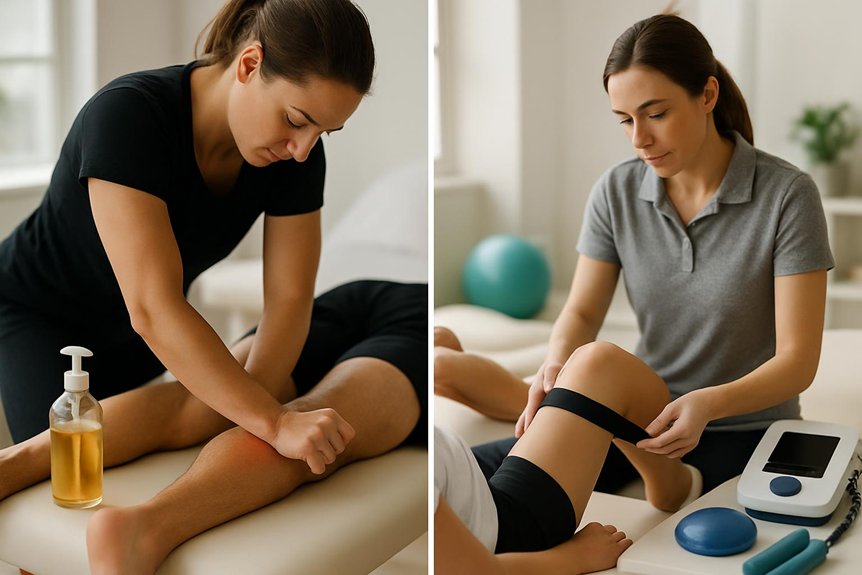
The treatment table is prepared with temperature-controlled linens and hypoallergenic oils to optimise tactile comfort and skin integrity.
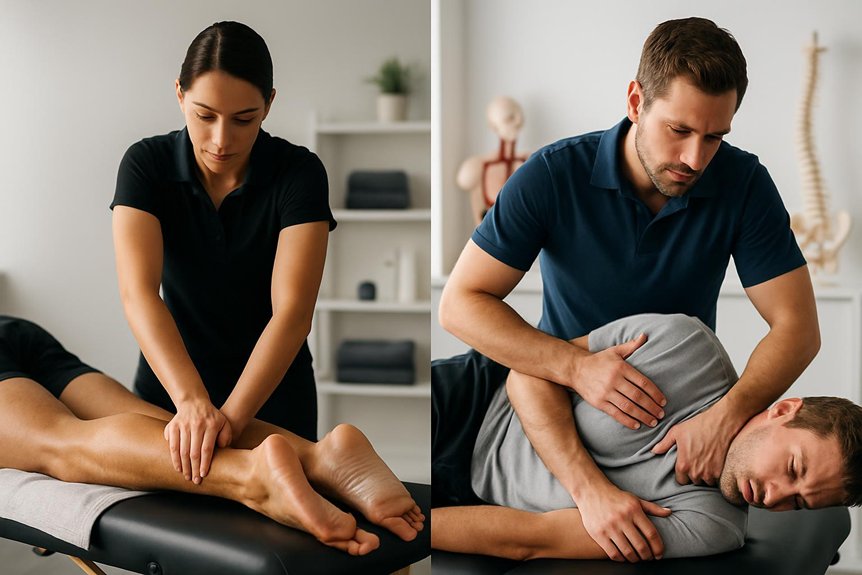
Throughout the session, therapists employ targeted manual techniques—such as myofascial release, deep effleurage, or neuromuscular therapy—customised to anatomical zones of tension or dysfunction.
Regular communication regarding pressure and sensation ensures a safe, intimate experience tailored to each individual’s somatic needs.
After the session, clients receive evidence-informed aftercare advice to enhance tissue recovery and prolong therapeutic benefits.
Conclusion
In the landscape of manual therapy, athletic massage and deep tissue massage function as distinct yet complementary tools—akin to a scalpel and a chisel, each sculpting the musculature with tailored precision. At Spa & Massage, therapists employ evidence-based protocols to target specific myofascial restrictions and neuromuscular dysfunctions, ensuring ideal tissue health. By discerning the subtle anatomical needs of each client, these modalities serve as conduits to enhanced mobility, expedited recovery, and restored physiological equilibrium.