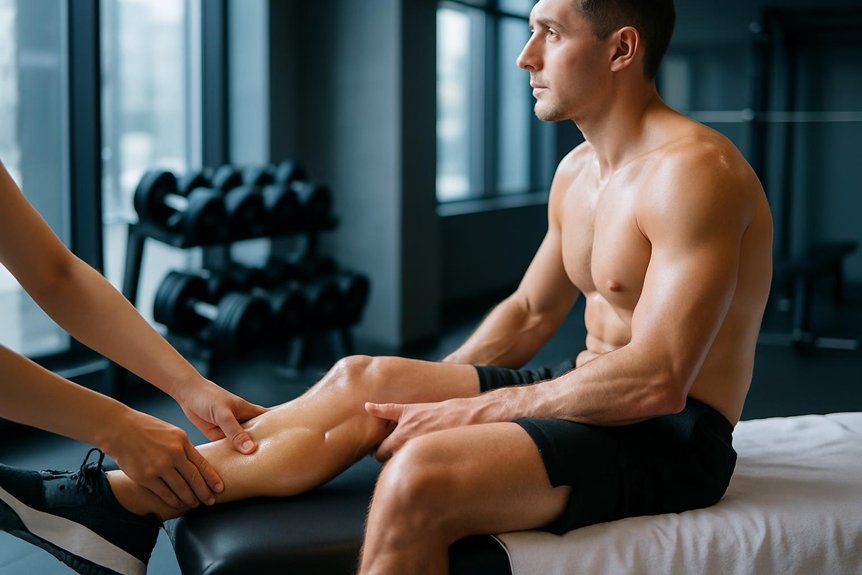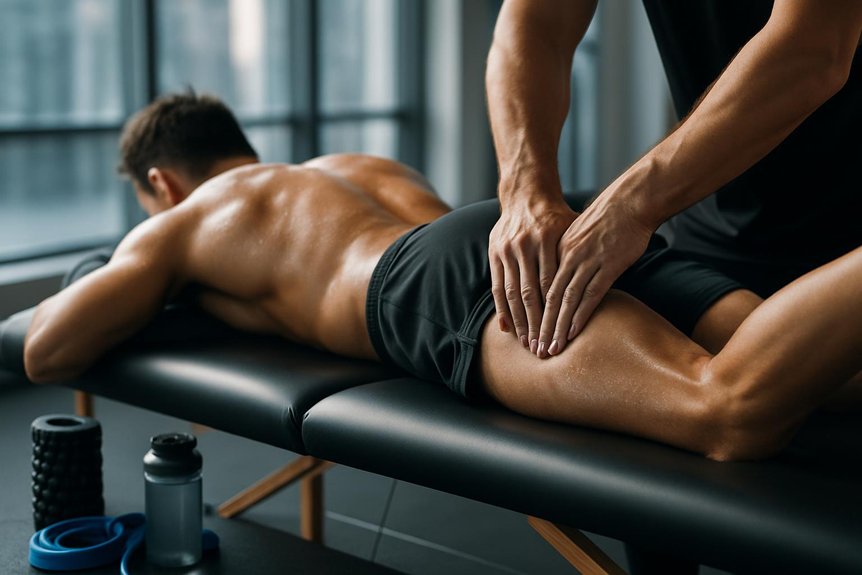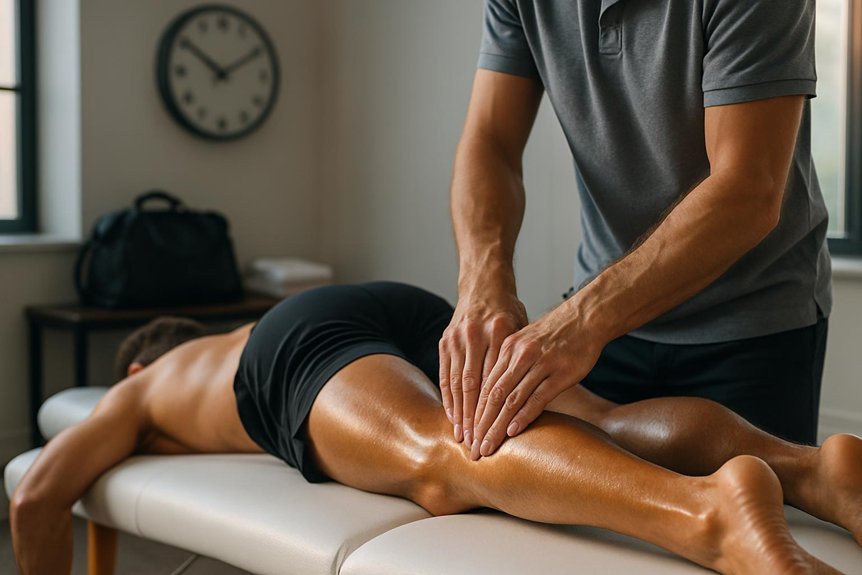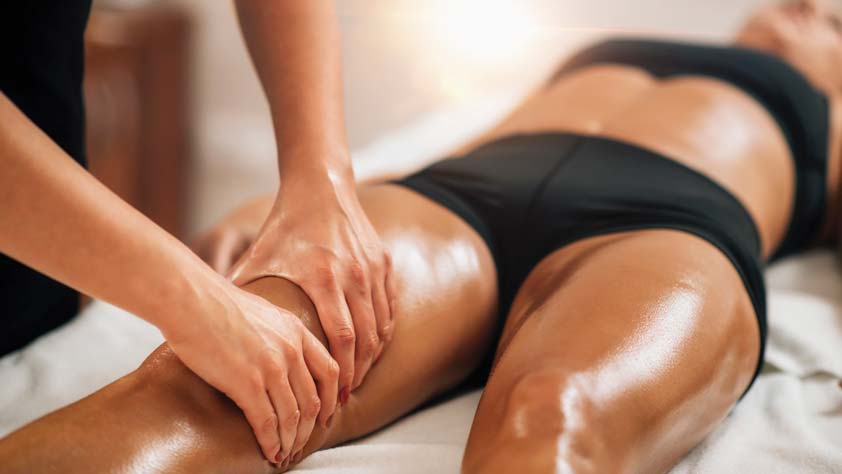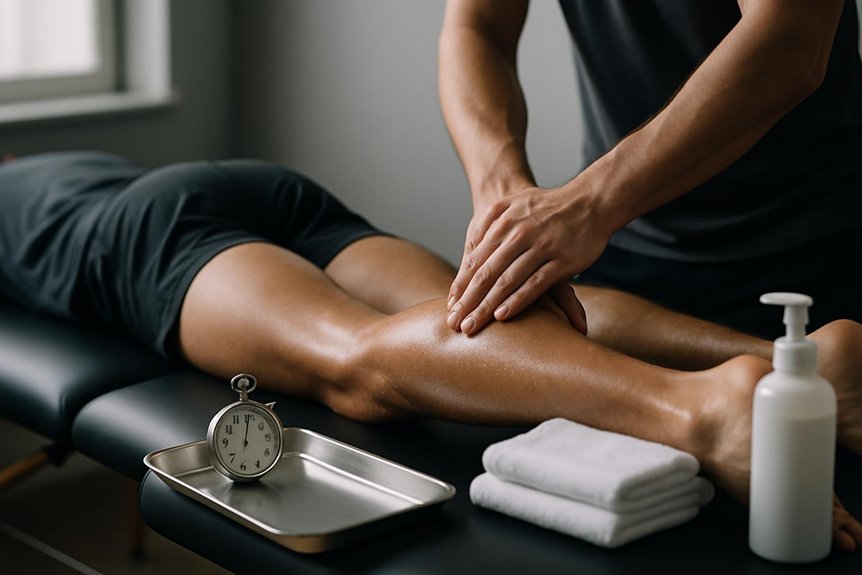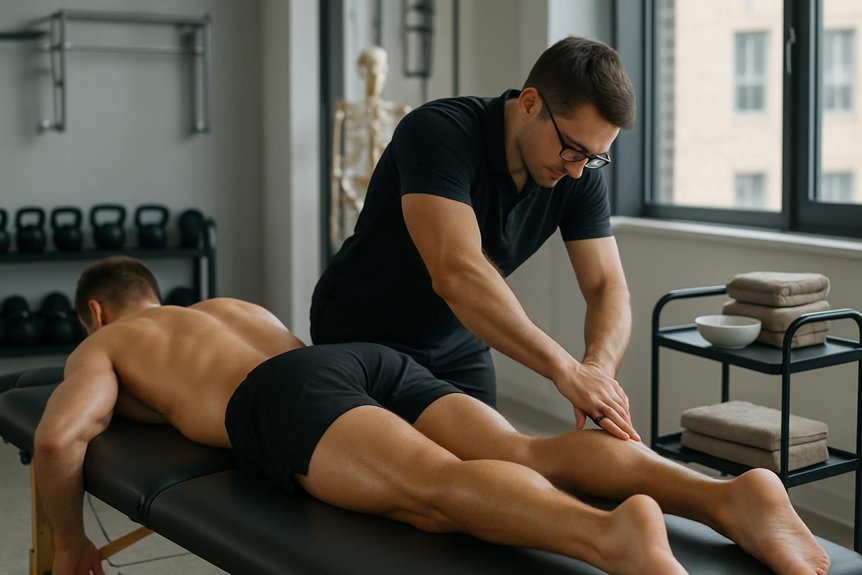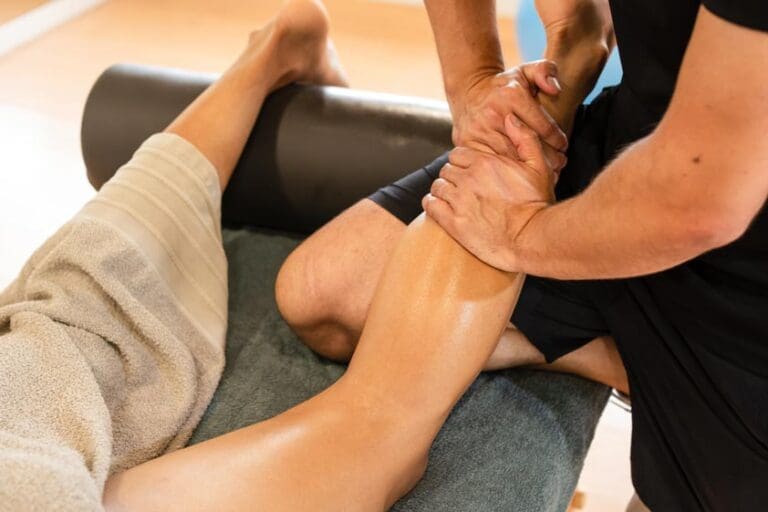
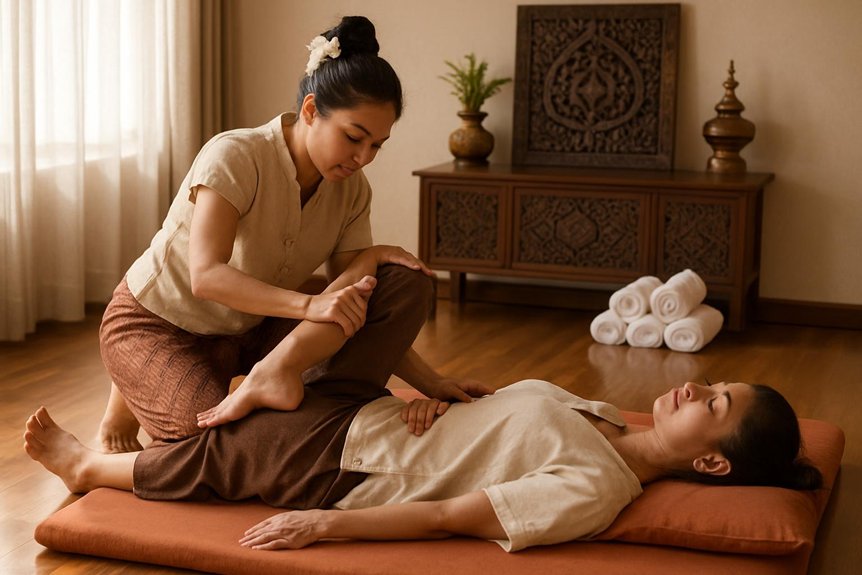
Thai athletic massage is a therapeutic approach combining traditional Thai techniques—such as assisted stretching and acupressure—with sports science to address musculoskeletal recovery, injury prevention, and athletic performance. It uses anatomically targeted manipulations, deep compressions, and dynamic stretching to reduce soreness, enhance flexibility, and promote tissue resilience. This treatment is ideal for athletes or active individuals seeking improved mobility and functional recovery. Further information explains how sessions are personalized for maximum physical benefit.
Origins and Principles of Thai Sports Massage
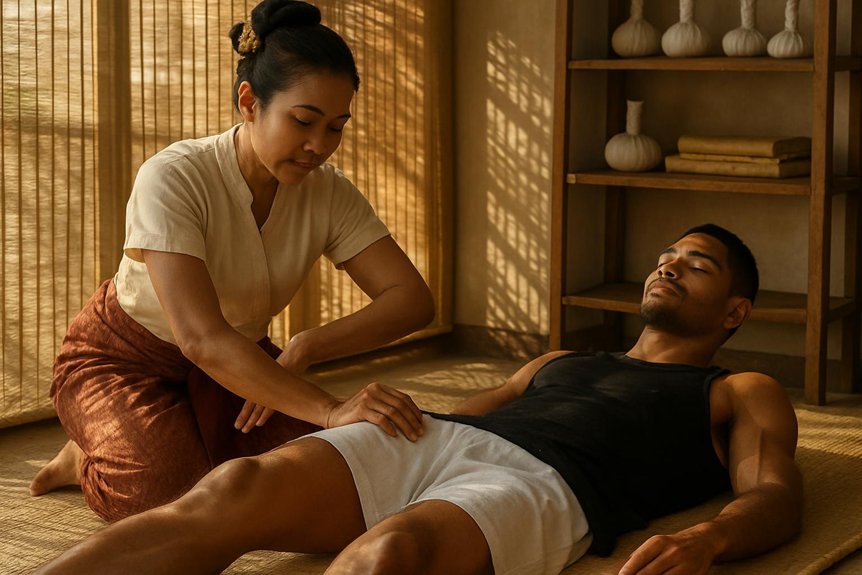
How did Thai Athletic Massage evolve into a distinct therapeutic practice? Rooted in traditional Thai medicine, Thai Athletic Massage integrates ancient healing modalities with modern sports science. Over centuries, this practice has drawn from Ayurvedic principles, acupressure, and assisted stretching, eventually adapting to the specific physiological demands of athletes.
Its core philosophy involves balancing energy pathways, or “Sen lines,” to promote musculoskeletal recovery and systemic resilience. Evidence supports its efficacy in reducing delayed onset muscle soreness and enhancing flexibility. Similar to deep tissue massage, Thai Athletic Massage utilizes targeted pressure and advanced techniques to reach deeper layers of muscle and connective tissue, providing relief from chronic tension and supporting optimal performance.
At Spa & Massage clinics in London, therapists apply these principles with clinical precision, focusing on restoring mobility, alleviating tension, and supporting injury prevention. Clients benefit from a tailored approach that respects individual anatomy while fostering deep relaxation and a renewed sense of bodily connection.
Key Techniques Used in Thai Athletic Massage
Drawing upon both traditional Thai methods and contemporary sports therapy, Thai Athletic Massage employs a combination of targeted techniques designed to optimise musculoskeletal function and accelerate recovery.
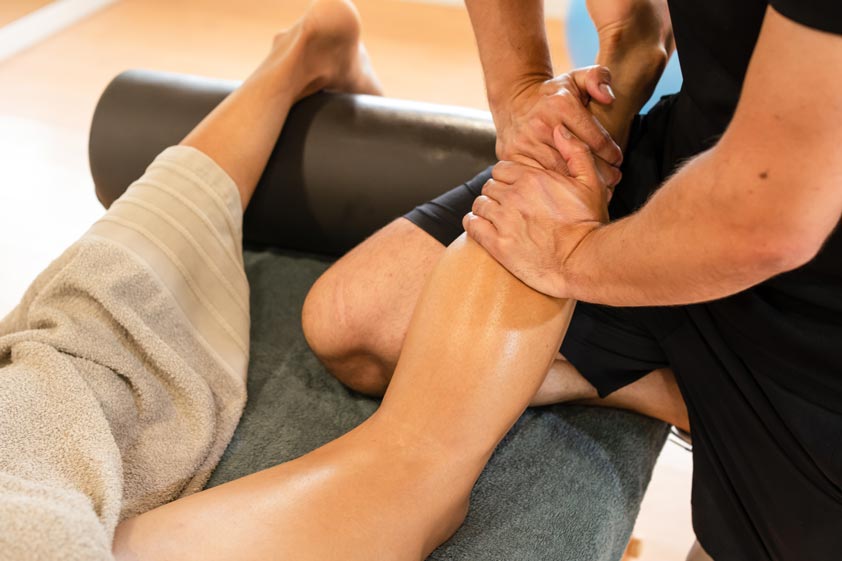
Central to this approach are deep compressions, myofascial release, and dynamic assisted stretching, which facilitate increased circulation, reduced muscle tension, and improved range of motion.
Therapists at Spa & Massage integrate trigger point therapy and rhythmic acupressure to address specific areas of discomfort, supporting tissue repair and injury prevention.
Joint mobilisation and passive stretching are applied to enhance flexibility and align musculoskeletal structures.
In our clinics, therapists tailor each session to the client’s activity level, physical condition, and recovery goals, ensuring precision and a sense of personalised care throughout the treatment experience.
Differences Between Thai Athletic Massage and Traditional Thai Massage
Thai athletic massage differs from traditional Thai massage primarily in its targeted techniques and outcome-oriented approach, emphasizing injury prevention and muscular recovery for active individuals.
The movement and stretching methods in Thai athletic massage are adapted to address specific muscle groups and enhance athletic performance, whereas traditional Thai massage focuses on holistic energy balance and general flexibility.
At Spa & Massage, therapists tailor each modality to match clients’ functional needs and therapeutic goals.
Focused Techniques and Goals
While both therapies originate from the same holistic tradition, distinct differences exist in the techniques and objectives of Thai athletic massage compared to traditional Thai massage.
Thai athletic massage at Spa & Massage is characterised by targeted, anatomically-informed manipulations designed to address specific musculoskeletal concerns associated with athletic activity. Techniques such as myofascial release, trigger point therapy, and focused compression are employed to minimise injury risk, accelerate recovery, and optimise performance.
In contrast, traditional Thai massage focuses on general energy flow and overall relaxation, utilising rhythmic palm pressure and broad stretching.
The client-centred approach in our clinics guarantees each session is tailored to individual needs, whether preparing for an event or managing post-exertion fatigue. This approach supports both physical resilience and a deep personal connection to one’s body.
Movement and Stretching Styles
In addition to the focused techniques and goals previously outlined, the movement and stretching styles of Thai athletic massage at Spa & Massage differ markedly from those employed in traditional Thai massage.
Thai athletic massage prioritizes dynamic, targeted stretches designed to support athletic performance and address specific musculoskeletal concerns. Therapists utilize active and passive stretching alongside mobilization techniques that emphasize joint range of motion, muscle lengthening, and functional flexibility.
Unlike the rhythmic, whole-body approach of traditional Thai massage, Thai athletic massage sessions are customized; practitioners adapt movement patterns to the client’s unique physical condition and sports-related needs.
This evidence-based methodology supports injury prevention, promotes rapid recovery, and enhances tissue resilience. The result is a deeply tailored experience attuned to each client’s intimate wellness journey.
Benefits for Athletes and Active Individuals
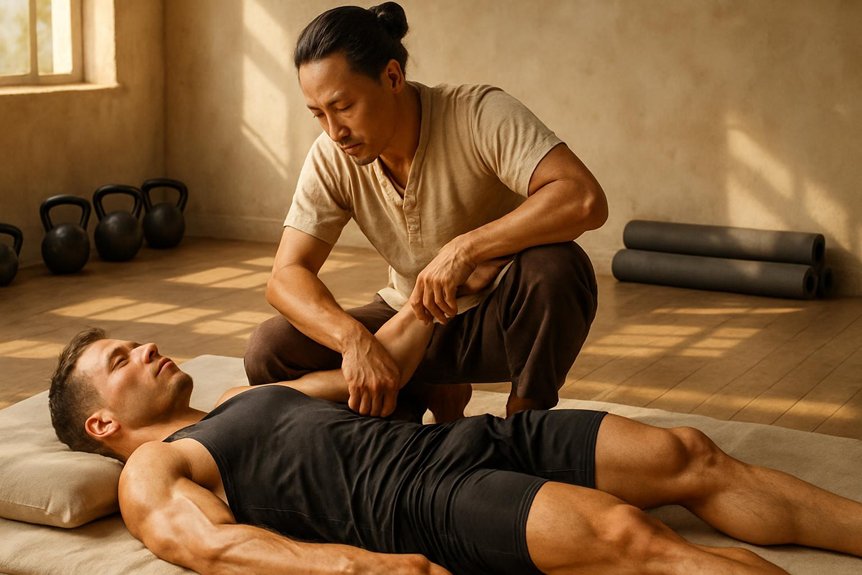
Thai athletic massage offers targeted physiological benefits for athletes and active individuals, including accelerated muscle recovery, enhanced flexibility, and proactive injury prevention.
Techniques applied by therapists at Spa & Massage are designed to support ideal tissue repair and joint mobility, based on current best practices in sports therapy.
These outcomes contribute to improved performance and reduced downtime, aligning with the goals of clients seeking to maintain peak physical condition.
Enhanced Muscle Recovery
How do athletes and active individuals achieve ideal muscle recovery after intense physical exertion? Thai athletic Massage, as practiced at Spa & Massage clinics, employs a combination of deep tissue manipulation, myofascial release, and rhythmic compression to accelerate the removal of metabolic waste and optimize circulation.
These evidence-based techniques facilitate rapid delivery of oxygen and nutrients to fatigued tissues, supporting cellular repair and the reduction of delayed onset muscle soreness (DOMS). Therapists tailor each session to target overused muscle groups, restoring functional muscle tone while minimizing the risk of injury.
Clients consistently report a profound sense of relief and rejuvenation following treatment. This approach underscores Spa & Massage’s commitment to client-centred care, ensuring each athlete achieves recovery that is both scientifically grounded and deeply restorative.
Improved Flexibility Performance
While consistent training is essential for physical performance, many athletes and active individuals encounter limitations in flexibility that may impede ideal movement patterns and elevate injury risk. Thai athletic massage, as practiced at Spa & Massage clinics, systematically addresses these restrictions through targeted assisted stretching and myofascial release.
This approach optimises joint mobility and muscle pliability, fostering greater range of motion and neuromuscular efficiency. Therapists integrate passive and active stretching sequences, adapting pressure and technique to each client’s unique biomechanics. The cumulative effect is improved muscular elasticity and postural alignment, which support precise, fluid movement during athletic activity.
For those seeking not only improved performance but also a deeper connection with their bodies, Thai athletic massage offers a personalised, evidence-based pathway to sustainable flexibility gains, guided by expert hands.
Injury Prevention Support
Proactively addressing the risk factors associated with sports-related injuries is essential for athletes and active individuals seeking long-term physical resilience.
Thai athletic massage, as practiced at Spa & Massage, targets myofascial restrictions, neuromuscular imbalances, and microtrauma that often precede acute or chronic injury. By employing rhythmic compression, assisted stretching, and targeted trigger point therapy, therapists support ideal tissue pliability and joint function.
Evidence suggests that regular treatment reduces delayed onset muscle soreness (DOMS), enhances proprioceptive awareness, and mitigates compensatory movement patterns.
Clients benefit from tailored protocols that prioritise prehabilitation, rather than simply reacting to injuries. In each session, therapists at Spa & Massage emphasise assessment-based interventions, empowering individuals to maintain active lifestyles with reduced injury risk and improved recovery profiles.
Common Conditions Treated With Thai Athletic Massage
A wide array of musculoskeletal conditions can benefit from Thai Athletic Massage, particularly those related to physical activity and repetitive strain. Clients frequently seek this therapy for issues such as muscle tension, delayed onset muscle soreness (DOMS), tendonitis, and overuse injuries.
Thai Athletic Massage at Spa & Massage also addresses myofascial pain, joint stiffness, and restricted range of motion, supporting individuals recovering from sprains and minor strains. Through targeted acupressure, assisted stretching, and mobilisations, therapists aim to relieve adhesions and facilitate tissue healing.
Chronic conditions—such as lower back discomfort or shoulder impingement—may respond well to regular sessions, promoting functional restoration. This approach is tailored to each client’s unique presentation, reflecting Spa & Massage’s commitment to evidence-based, compassionate musculoskeletal care.
What to Expect During a Session at Spa & Massage
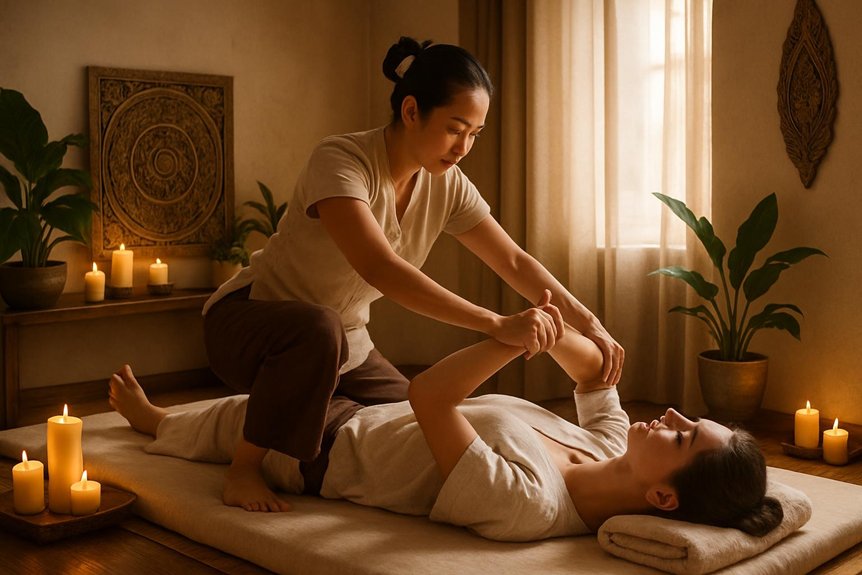
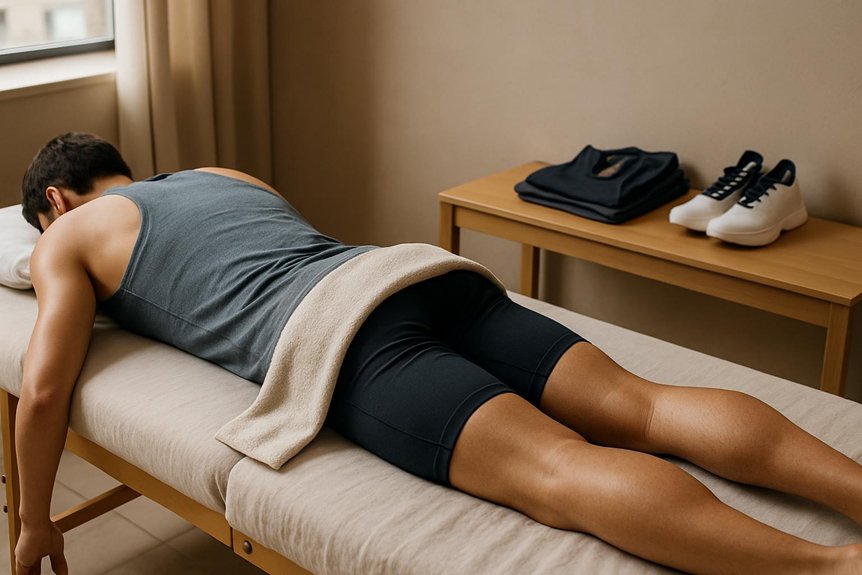
What distinguishes a Thai Athletic Massage session at Spa & Massage is the structured, client-centred approach from the initial consultation through to the hands-on treatment.
Upon arrival, clients can expect a confidential assessment where medical history, activity levels, and specific musculoskeletal concerns are discussed to tailor the session.
The therapist employs a combination of assisted stretching, acupressure, and deep tissue techniques to target myofascial restrictions and improve range of motion.
Communication is encouraged to guarantee ideal pressure and comfort.
The tranquil clinic environment, together with the therapist’s attentive focus, fosters a sense of trust and relaxation.
Each session is designed to not only address immediate discomfort but also enhance mobility and support overall athletic recovery and wellbeing, reflecting Spa & Massage’s holistic philosophy.
Recommended Aftercare for Optimal Results
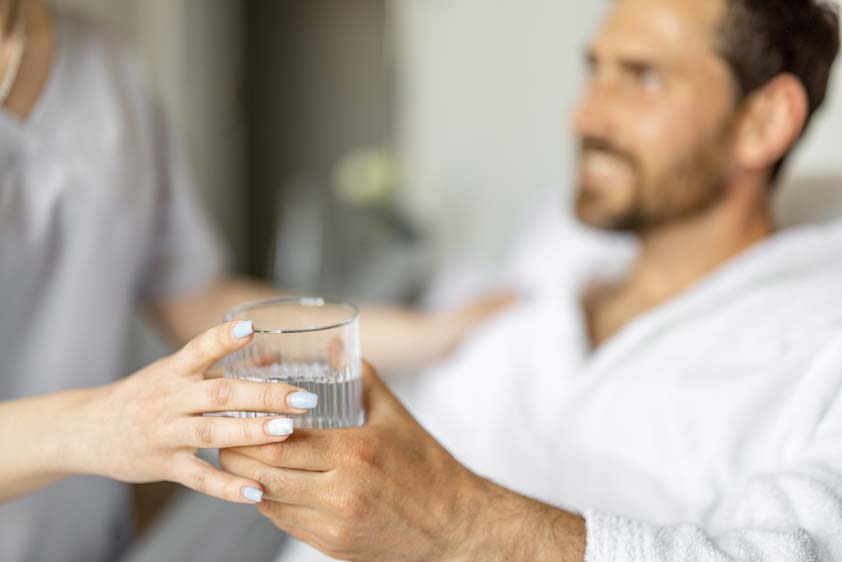
Following a Thai Athletic Massage session at Spa & Massage, adherence to evidence-based aftercare protocols is essential for maximizing therapeutic outcomes and supporting musculoskeletal recovery. Clients are advised to maintain ideal hydration, which facilitates metabolic waste removal from soft tissues mobilized during treatment.
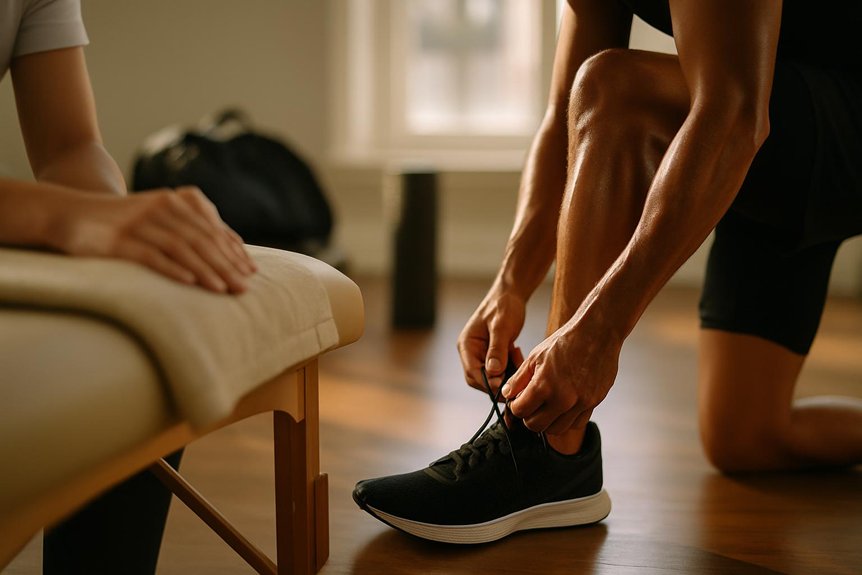
Gentle stretching, as demonstrated by therapists, helps preserve improved range of motion and reduces post-session stiffness. Rest is recommended to allow the neuromuscular system to integrate therapeutic effects.
Clients should avoid strenuous activities or intensive exercise for at least 24 hours post-massage to prevent overloading fatigued tissues. Application of heat or cold—based on individual response—may be suggested by therapists to modulate inflammation and enhance comfort.
These aftercare steps, routinely emphasized at Spa & Massage, foster recovery and promote sustainable wellbeing.
Who Can Benefit From Thai Athletic Massage
Thai Athletic Massage demonstrates significant therapeutic value for individuals experiencing musculoskeletal strain, athletes seeking enhanced performance and recovery, and those with physically demanding lifestyles. This modality supports injury prevention by addressing muscle imbalances, reducing myofascial adhesions, and enhancing joint mobility.
Clients managing chronic tension, repetitive strain injuries, or postural fatigue benefit from targeted techniques that restore functional movement and alleviate discomfort. At Spa & Massage, therapists employ a blend of assisted stretching and precise pressure, tailored to each client’s physical needs and activity level.
Office professionals, fitness enthusiasts, and manual laborers alike find relief as circulation improves and neuromuscular tension diminishes. The restorative effects of Thai Athletic Massage promote faster recovery, improved flexibility, and enduring wellbeing—providing a supportive experience for those committed to maintaining excellent physical health.
Booking Your Thai Athletic Massage at Spa & Massage
Managing the process of scheduling a Thai Athletic Massage at Spa & Massage is streamlined to prioritise client convenience and care.
Clients can reserve appointments online, by phone, or in person at any of the six London locations.
The booking system is designed to accommodate diverse schedules, offering flexible time slots and real-time availability updates.
Prior to confirmation, clients are encouraged to specify preferences regarding therapist gender, treatment intensity, and any medical considerations to guarantee a personalised session.
Spa & Massage’s reception team provides guidance on selecting appropriate session durations and consults on client-specific needs.
This evidence-based approach underpins the clinic’s commitment to delivering therapeutic efficacy and a bespoke experience, fostering an atmosphere where clients feel respected, understood, and valued throughout their booking journey.
Conclusion
In conclusion, Thai athletic massage at Spa & Massage presents a clinically tailored approach to musculoskeletal recovery, injury prevention, and enhanced athletic performance. Significantly, studies indicate that regular athletic massage can reduce delayed onset muscle soreness (DOMS) by up to 30%. By integrating advanced manual therapy with client-specific protocols, this modality optimises flexibility and functional mobility, making it a valuable intervention for athletes and active individuals seeking evidence-based therapeutic outcomes and sustained physical wellbeing.