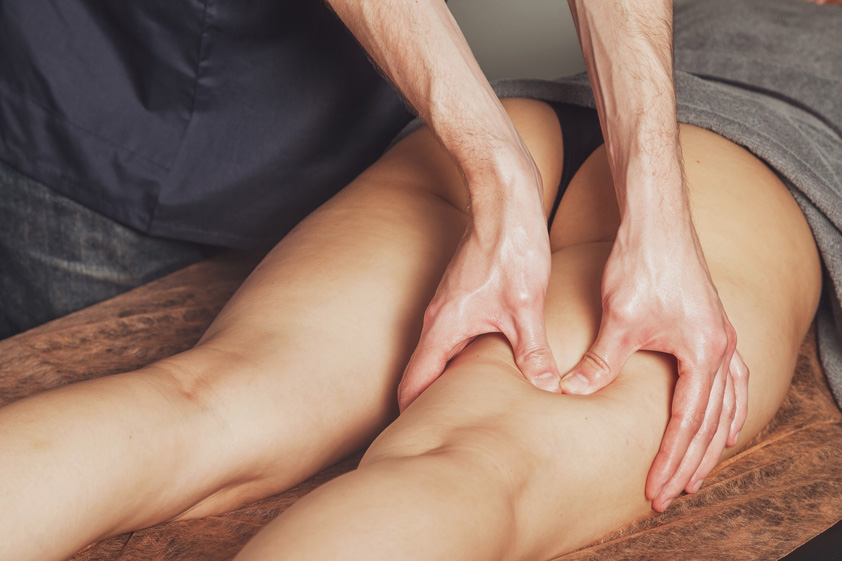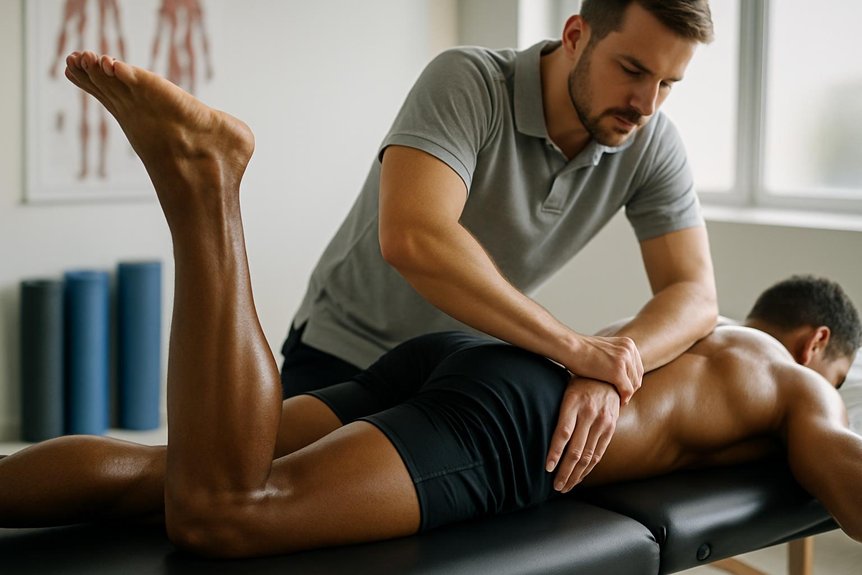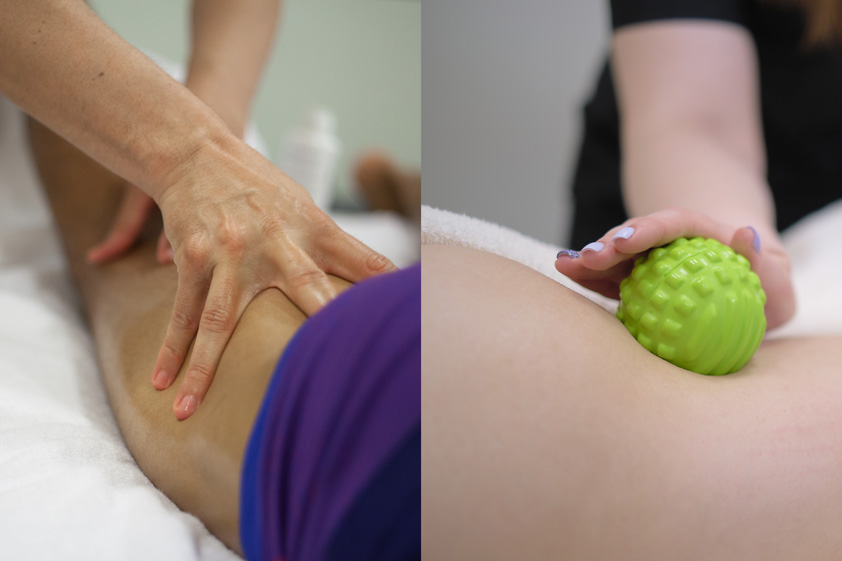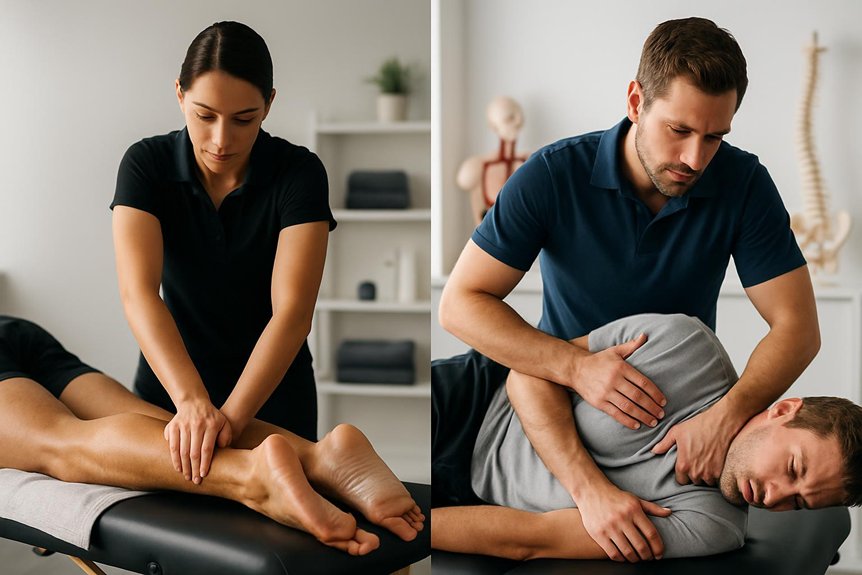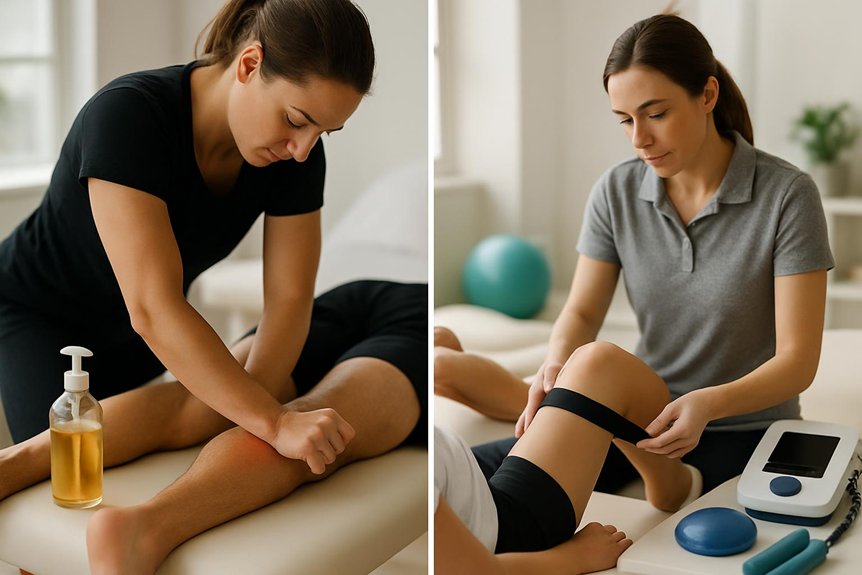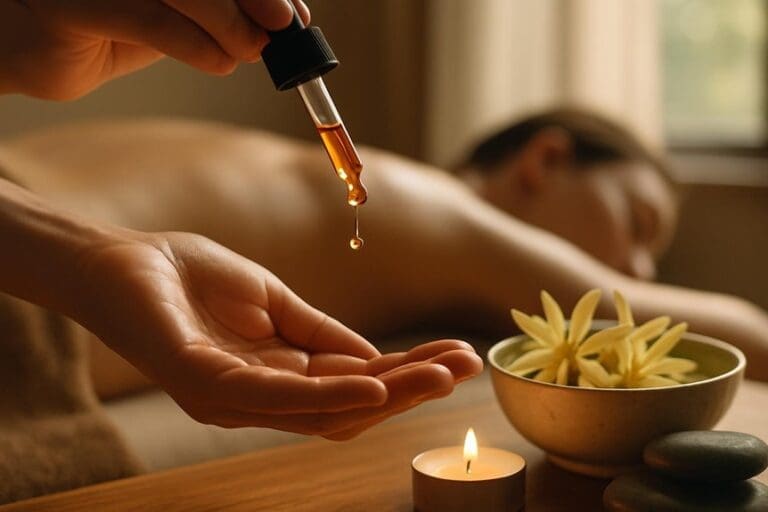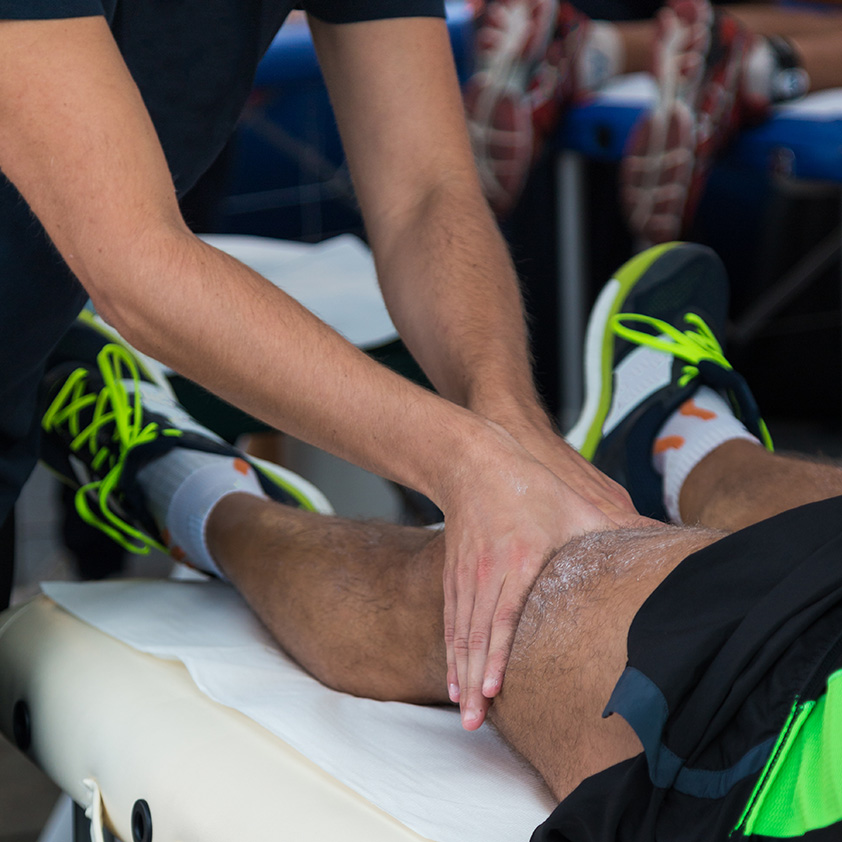
Deep tissue massage targets chronic muscle tension and adhesions using slow, sustained pressure to reach deeper fascial layers, focusing on postural imbalances and persistent pain. Athletic massage blends techniques like effleurage, petrissage, and assisted stretching, adapting to an individual’s activity level and recovery needs, prioritizing injury prevention and performance enhancement. Both therapies employ customized approaches but differ in their primary goals and techniques. The next sections clarify detailed benefits, session experiences, and therapist recommendations for each modality.
Understanding Deep Tissue Massage
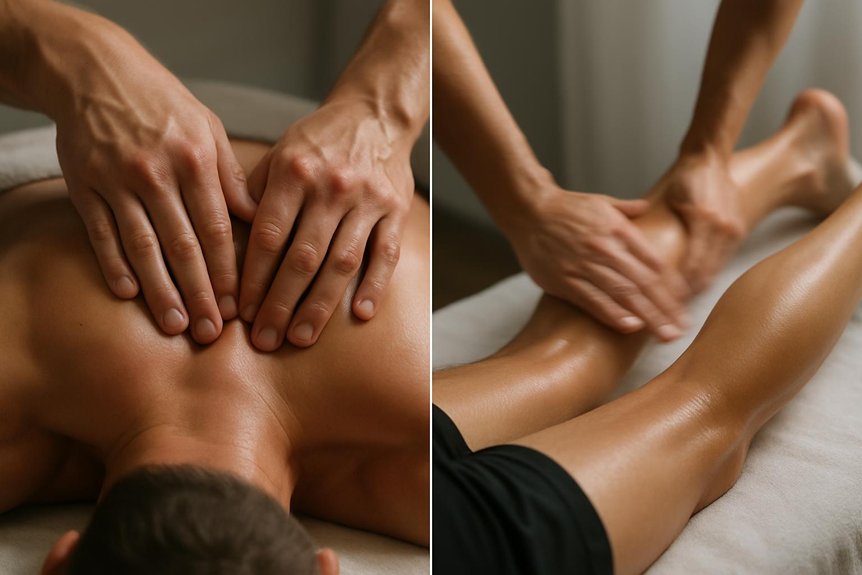
Although often conflated with other forms of therapeutic massage, deep tissue massage is a distinct modality characterized by the application of sustained pressure using slow, deliberate strokes targeting the deeper layers of muscle and connective tissue.
At Spa & Massage, therapists employ techniques such as friction and myofascial release to address chronic muscular tension, adhesions, and restricted movement. This approach is particularly beneficial for individuals experiencing persistent discomfort or recovering from repetitive strain.
Each session is tailored to the client’s needs, with careful communication to guarantee ideal pressure and comfort.
The use of hypoallergenic oils enhances glide while protecting sensitive skin.
Clients often report a profound sense of release and connection within their bodies, supporting both physical restoration and a deeper sense of well-being.
Incorporating deep tissue massage techniques can help break up scar tissue and improve mobility in clients with long-standing muscular issues.
Exploring Sports Massage
Its incorporates a combination of targeted techniques such as effleurage, petrissage, and friction, all designed to address muscle imbalances and enhance tissue recovery.
This approach is particularly beneficial for individuals with active lifestyles, as it supports injury prevention, maximizes performance, and aids post-exercise rehabilitation.
At Spa & Massage, therapists tailor each session to the client’s specific activity level and musculoskeletal needs for ideal therapeutic outcomes.
Athletic Massage Techniques Explained
How do targeted manual therapies facilitate ideal musculoskeletal function and recovery? It employs a strategic combination of techniques such as effleurage, petrissage, friction, compression, and stretching.
In clinical settings like Spa & Massage, therapists systematically apply these methods to address specific muscle groups, enhance circulation, and reduce neuromuscular tension.
Effleurage warms tissues, preparing them for deeper manipulation. Petrissage mobilises soft tissue and assists with metabolic waste removal. Friction targets adhesions and scar tissue, while compression promotes relaxation and realignment of muscle fibres.
Assisted stretching maximises joint range of motion and supports functional balance. Each technique is integrated according to the client’s unique physiological presentation and athletic demands, ensuring a bespoke experience focused on precise tissue response and optimal recovery outcomes.
Benefits for Active Lifestyles
Why do individuals with active lifestyles consistently seek targeted musculoskeletal care?
It addresses the unique biomechanical demands placed on muscles, tendons, and ligaments during repetitive or intensive activity.
At Spa & Massage, therapists employ evidence-based techniques designed to enhance tissue perfusion, accelerate metabolic waste removal, and optimise neuromuscular efficiency.
This clinical approach mitigates the risk of overuse injuries, expedites post-exercise recovery, and supports sustained athletic performance.
Clients value the focused attention to specific muscle groups most affected by their sport or exercise routine, experiencing reduced delayed onset muscle soreness (DOMS) and improved flexibility.
Personalised its protocols, as provided in our clinics, foster a sense of physical resilience and mental clarity, enabling clients to maintain their active lifestyles with reduced discomfort and heightened body awareness.
Techniques Used in Each Massage Style
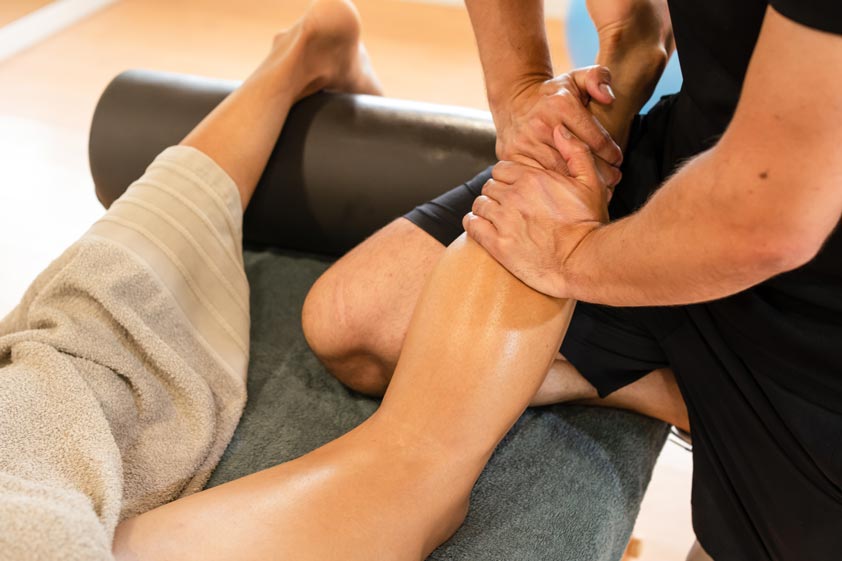
While both deep tissue and athletic massage aim to address musculoskeletal discomfort and enhance physical function, each employs distinct techniques tailored to specific therapeutic goals. Deep tissue massage, as practiced by therapists at Spa & Massage, utilises slow, sustained pressure and deep strokes targeting the deeper layers of fascia and muscle tissue.
This approach is precise, focusing on areas of chronic tension or adhesions to release restrictions and restore mobility. In contrast, athletic massage incorporates a dynamic blend of techniques, including rhythmic compression, stretching, friction, and trigger point work.
These methods are adapted to the client’s activity level and current musculoskeletal demands. Therapists at Spa & Massage adjust the sequence and intensity based on individual goals, ensuring each session is responsive, restorative, and deeply attuned to client needs.
Key Benefits of Deep Tissue Massage
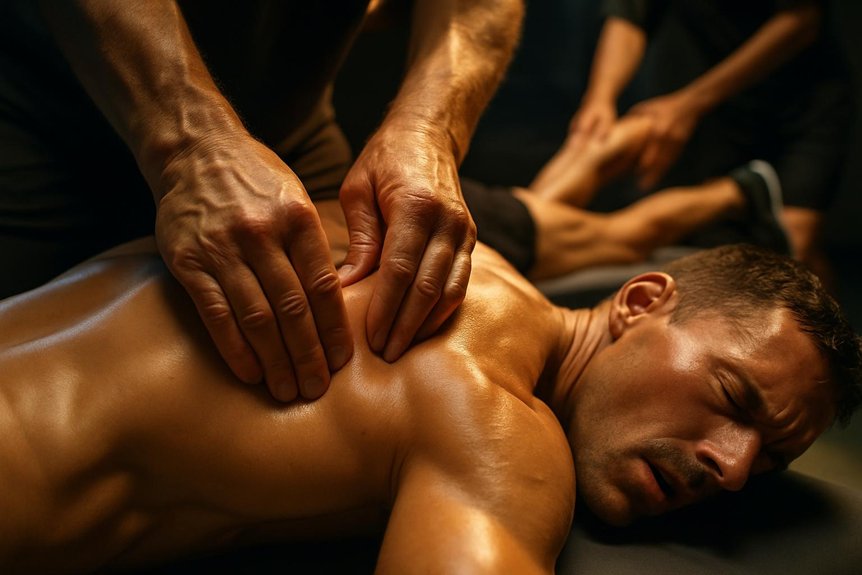
Deep tissue massage is designed to address chronic muscle tension by targeting deeper layers of musculature and connective tissue.
At Spa & Massage, therapists employ specialised techniques to facilitate myofascial release and improve localised blood flow. This can accelerate tissue repair and reduce discomfort.
Enhanced circulation also supports the delivery of oxygen and nutrients, promoting overall musculoskeletal health for clients.
Muscle Tension Relief
As muscle fibers accumulate tension from repetitive use, poor posture, or stress, targeted therapeutic intervention becomes essential for effective relief.
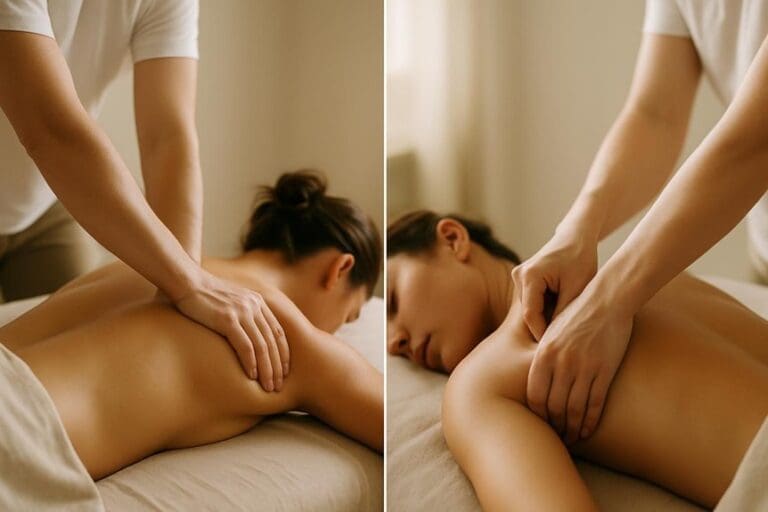
Deep tissue massage, as practiced at Spa & Massage, focuses on reaching the deeper layers of musculature and connective tissue. Therapists employ slow, deliberate strokes and sustained pressure, often using forearms, elbows, or knuckles, to address chronic adhesions and persistent knots.
This approach disrupts myofascial restrictions, allowing fibers to realign and relax. Clients experiencing entrenched muscular tightness often report profound alleviation following a tailored session, as tension is systematically dissipated.
Our therapists assess individual needs, adjusting depth and technique to maximize comfort and efficacy. Through this personalized care, deep tissue massage offers a restorative experience, fostering both immediate relief and longer-term muscular resilience.
Enhanced Circulation Benefits
Through the application of sustained, targeted pressure, deep tissue massage facilitates improved vascular and lymphatic flow within affected musculature. This physiological response enhances oxygen delivery and metabolic waste removal, promoting tissue repair and cellular renewal.
At Spa & Massage, therapists employ precise, slow strokes to stimulate circulatory pathways, supporting the body’s natural healing mechanisms and reducing localized inflammation.
Enhanced circulation also contributes to a sense of warmth and subtle energy, often perceived by clients as a gentle throbbing or soothing afterglow.
For those seeking deeper physical and emotional connection, this technique fosters relaxation and a heightened awareness of bodily sensations.
Clients at Spa & Massage frequently report a distinct improvement in tissue pliability and overall wellbeing after sessions focused on circulatory enhancement.
Key Benefits of this Massage Therapy
Numerous clinically validated advantages are associated with athletic massage, particularly for individuals engaged in regular physical activity or athletic training. This modality is designed to optimize soft tissue function, enhance flexibility, and facilitate efficient muscle recovery.
By employing targeted techniques such as effleurage, petrissage, and friction, therapists at Spa & Massage aim to reduce muscular tension and improve local circulation. These effects support the body’s natural repair processes, decrease muscular fatigue, and help maintain peak physical performance.
Clients frequently report increased joint range of motion and accelerated post-exercise recovery, both critical components in ongoing training regimes.
At Spa & Massage, treatments are tailored to individual biomechanical needs, ensuring each session addresses specific patterns of tension. This personalized approach fosters a sense of trust, comfort, and athletic empowerment.
Common Conditions Treated
A wide array of musculoskeletal and soft tissue conditions are effectively addressed through the skilled application of deep tissue and athletic massage at Spa & Massage clinics.
Deep tissue massage is frequently utilised for chronic muscle tension, postural imbalances, and persistent discomfort arising from repetitive strain injuries or fibrotic adhesions.
Clients experiencing lower back pain, shoulder stiffness, or neck tension often benefit from targeted techniques that release deep-seated muscular restrictions.
Athletic massage, on the other hand, is tailored to address acute injuries, delayed onset muscle soreness (DOMS), and soft tissue dysfunctions associated with athletic performance or strenuous activity.
It is particularly effective in facilitating recovery from strains, sprains, and overuse syndromes.
Both therapies are adapted by Spa & Massage therapists to meet each individual’s unique clinical presentation and wellness objectives.
What to Expect During Your Session
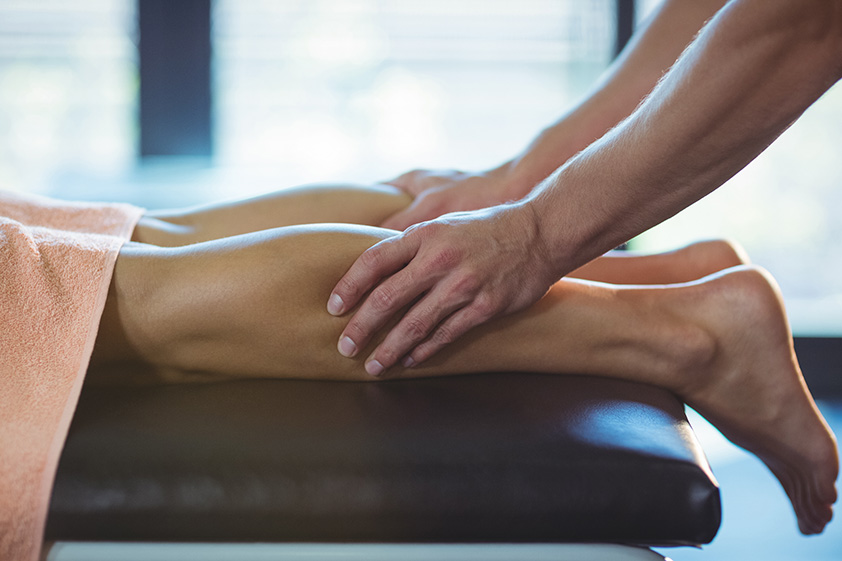
Following assessment of specific musculoskeletal concerns, each session at Spa & Massage begins with a thorough consultation to identify client goals and relevant health history.
The therapist customises the treatment—deep tissue or athletic massage—based on this intake, focusing on targeted anatomical regions and functional impairments.
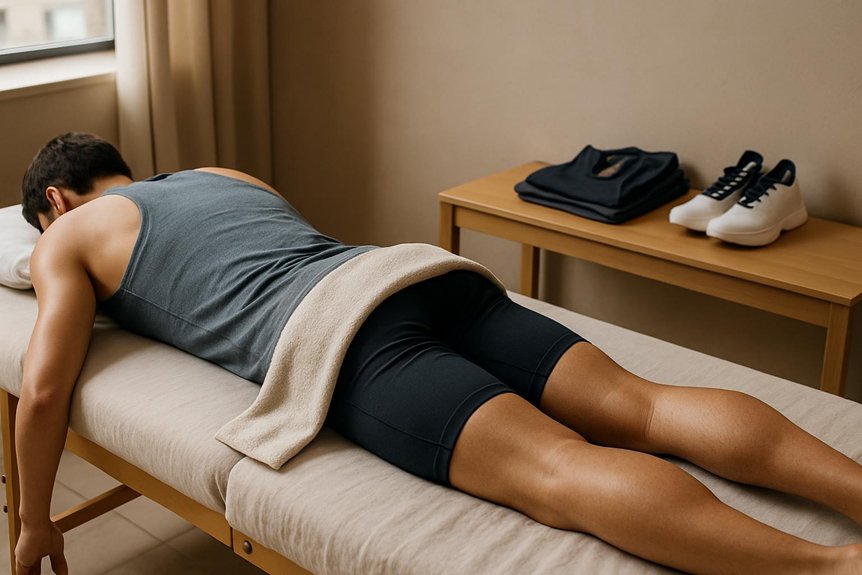
Clients are guided to a tranquil treatment room where professional draping is maintained for privacy and comfort.
Deep tissue massage incorporates slow strokes and sustained pressure to access deeper fascial layers, often addressing chronic tension.
Athletic massage employs a combination of techniques, including compression, friction, and assisted stretching, tailored for pre- or post-activity recovery.
Throughout the session, therapists regularly communicate to adjust intensity, ensuring an experience that is both therapeutic and attuned to the client’s physical sensitivities and emotional wellbeing.
Aftercare Recommendations From Our Therapists
Because ideal results depend on post-treatment practices, Spa & Massage therapists provide evidence-based aftercare recommendations tailored to the client’s session type and individual needs.
Hydration is emphasised to facilitate metabolic waste removal and optimise tissue recovery following both deep tissue and athletic massage.
Clients are advised to avoid vigorous physical activity for 24 hours post-session to allow for neuromuscular adaptation and minimise the risk of delayed-onset muscle soreness.
Gentle stretching and mindful movement are encouraged, supporting ongoing flexibility and circulation.
Therapists may suggest the application of cold or heat packs based on the targeted muscle groups and therapeutic objectives.
At Spa & Massage, aftercare guidance is delivered with attentiveness, ensuring that each client feels supported and nurtured as they progress from the treatment room to their daily routine.
Choosing the Right Massage for Your Needs
Informed aftercare is only part of achieving ideal outcomes; selecting the appropriate massage modality is equally significant.
At Spa & Massage, therapists conduct detailed consultations to assess each client’s specific needs, musculoskeletal issues, and personal wellness objectives.
Deep tissue massage targets chronic tension, myofascial adhesions, and deeply seated muscular discomfort, making it suitable for clients seeking relief from persistent pain or restricted mobility.
Athletic massage, conversely, is tailored for athletes and active individuals, addressing injury prevention, post-event recovery, and functional performance enhancement.
The selection process involves considering current physical activity levels, previous injuries, and desired therapeutic outcomes.
Spa & Massage therapists provide expert guidance, ensuring each client receives a bespoke treatment that supports both physiological restoration and emotional wellbeing within a nurturing environment.
Conclusion
Selecting between deep tissue and athletic massage is akin to choosing the ideal tool for a precisely engineered solution—each modality targets specific layers, patterns, and needs within the body’s musculoskeletal framework. As clients traverse their wellness journey, the expert hands at Spa & Massage act as skilled navigators, guiding tissues towards balance and resilience. Ultimately, informed selection guarantees therapeutic touch is not only restorative, but tailored, empowering clients to move forward with strength and renewed vitality.