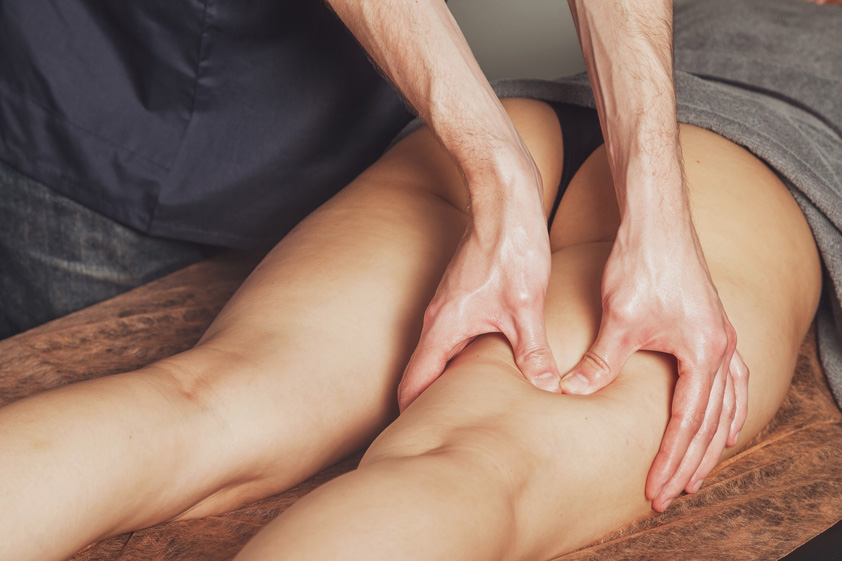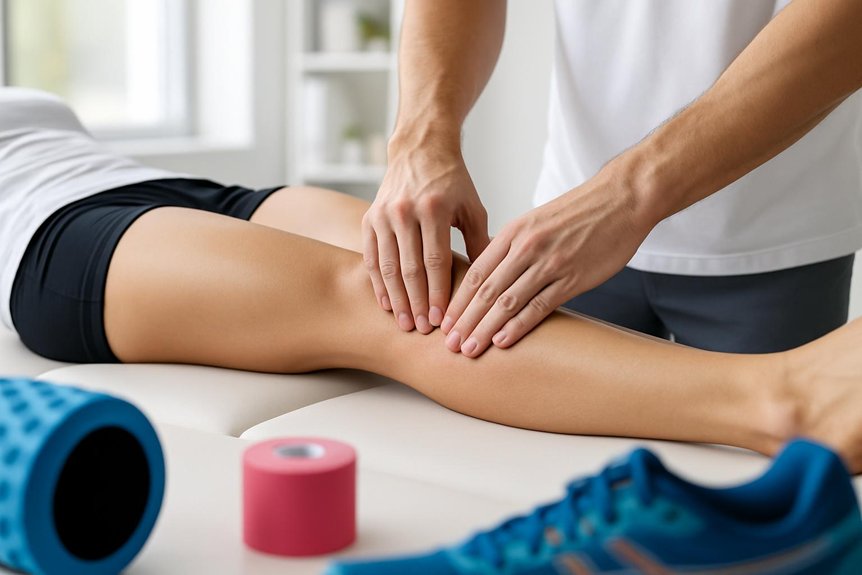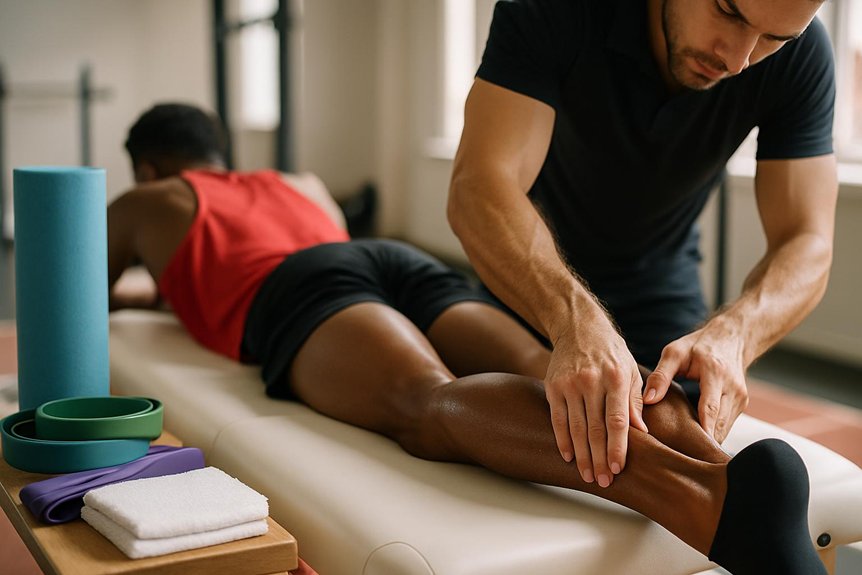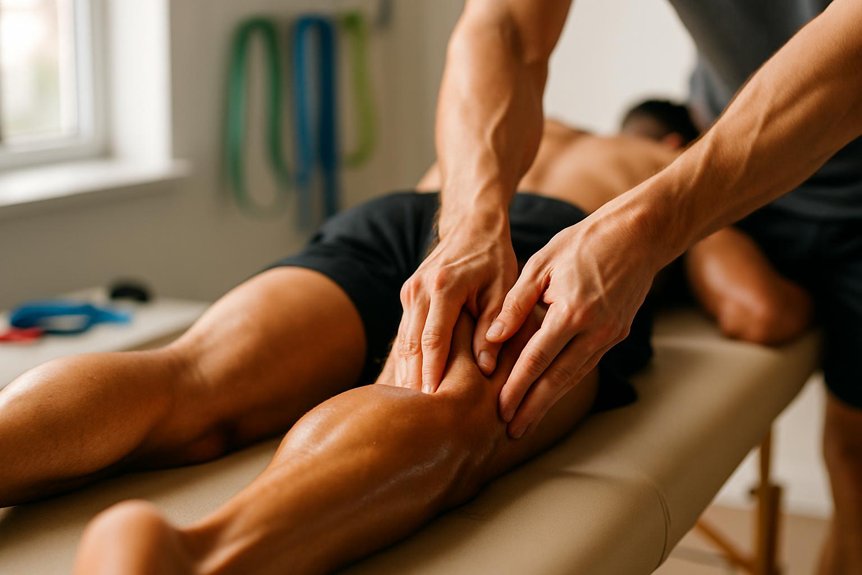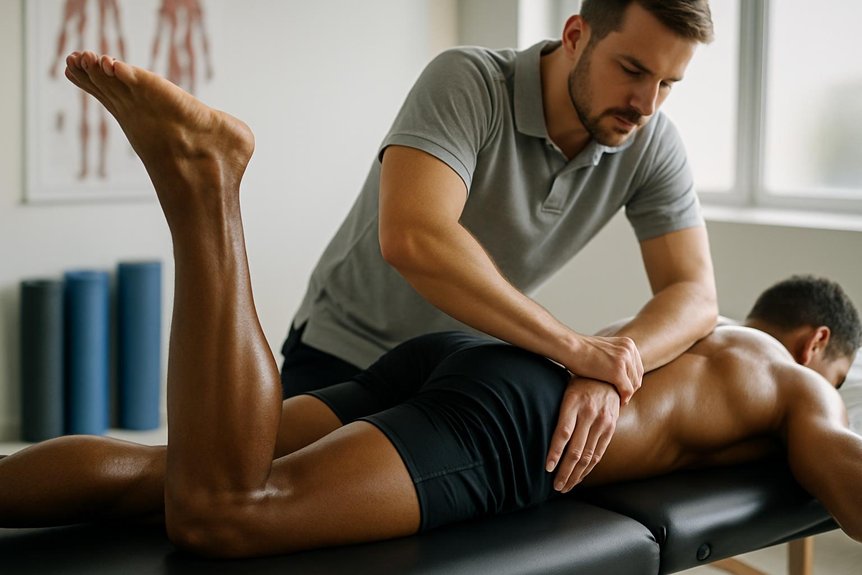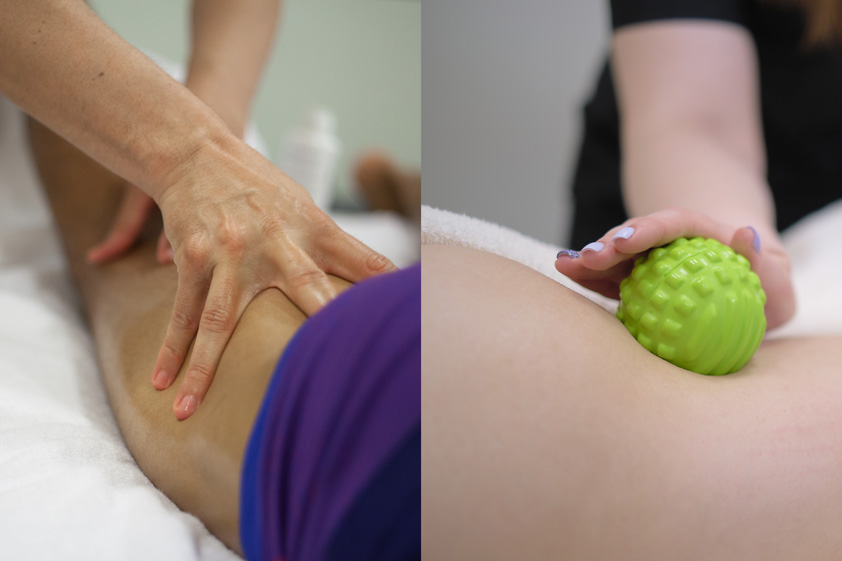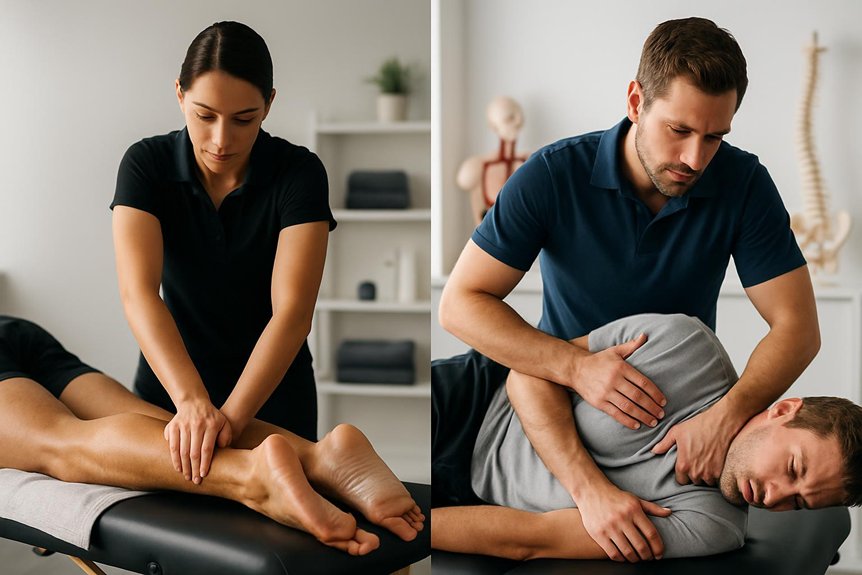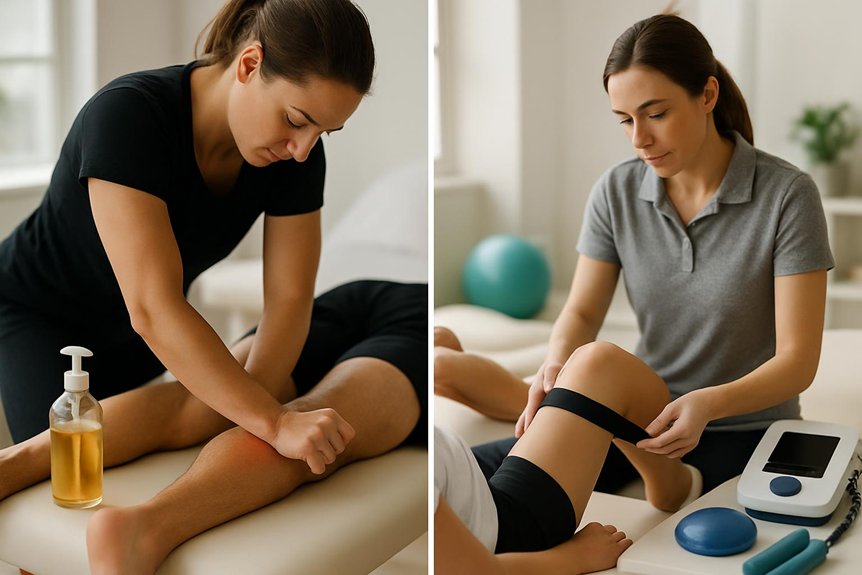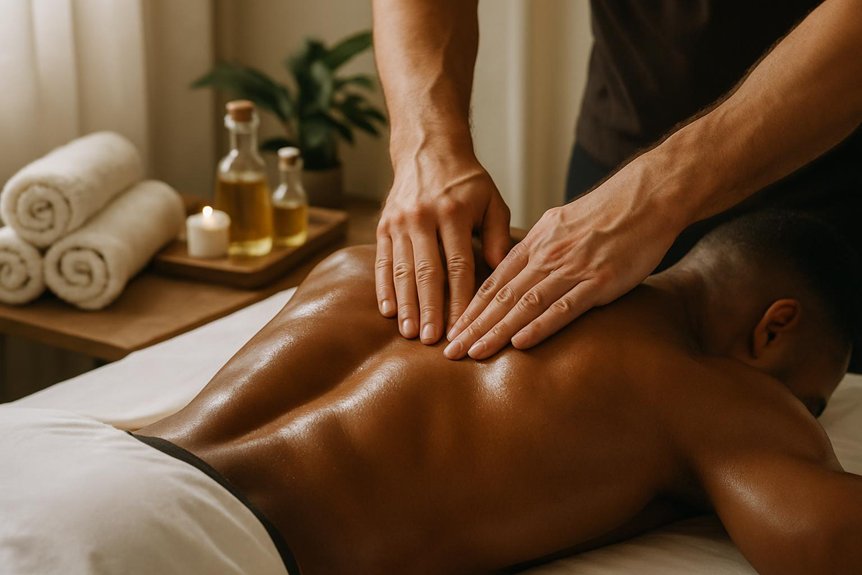
During an athletic massage, clients undergo targeted manual therapy emphasizing muscle, fascia, and joint mobilization. Techniques such as effleurage, petrissage, and friction are employed to dissipate adhesions, improve oxygenation, and restore myofascial integrity. Clients typically perceive localized pressure, mild discomfort in restricted regions, and enhanced tissue warmth. Pre- and post-treatment care includes proper hydration and gentle stretching. In-depth understanding of session preparation, technique specifics, and post-treatment benefits can further clarify expectations and optimize outcomes.
Understanding the Purpose of Athletic Massage
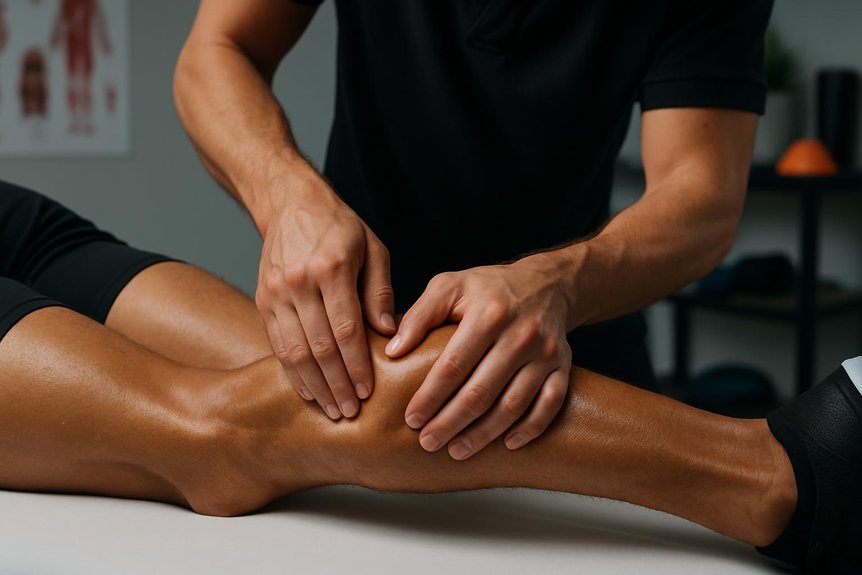
Although often associated with athletic performance, athletic massage serves a multifaceted role in musculoskeletal health. Targeting specific anatomical structures, such as muscle bellies, tendons, and fascial sheaths, this modality addresses both acute and chronic soft tissue dysfunction.
Through precise palpation and application of varied pressures, therapists at Spa & Massage aim to dissipate adhesions, enhance myofascial flexibility, and facilitate efficient lymphatic drainage. These interventions promote ideal tissue oxygenation, reduce localized inflammation, and support neuromuscular recovery.
The approach integrates knowledge of biomechanics, joint articulation, and kinetic chains, enabling focused manipulation tailored to each client’s anatomical needs. Whether managing repetitive strain, postural imbalances, or delayed onset muscle soreness, athletic massage is designed to restore functional integrity and invite a deeper sense of physical harmony.
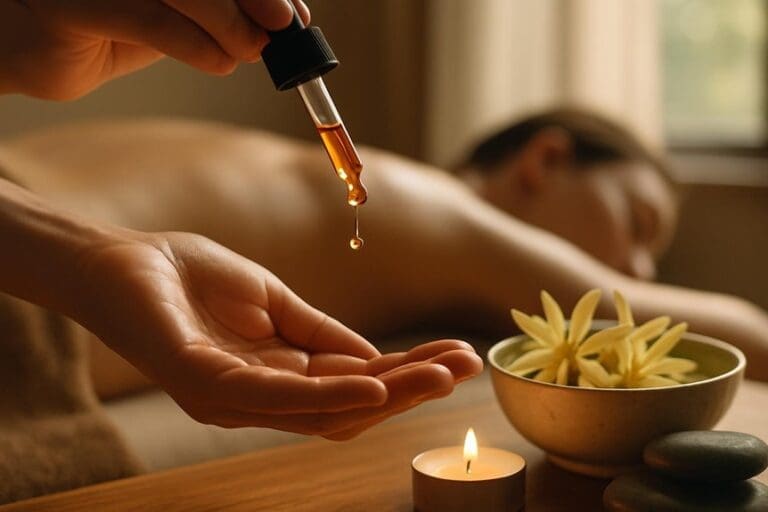
Additionally, elements from aromatherapy massage can be incorporated into athletic massage sessions to further support relaxation and healing.
How to Prepare for Your Sports Massage
Prior to an athletic massage at Spa & Massage, ideal tissue hydration and nutrient availability are supported by consuming water and a light meal.
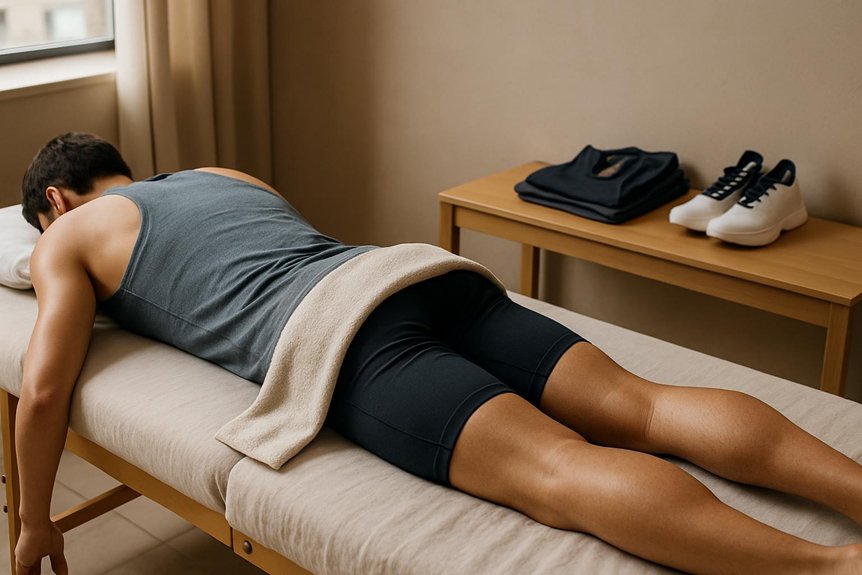
Clients are advised to wear loose-fitting clothing to facilitate ease of movement and undressing.
Bringing essential personal items, such as identification and post-session attire, enhances procedural efficiency and comfort.
Hydration and Light Meals
Adequate hydration and appropriate nutritional intake are essential physiological considerations before an athletic massage.
Superior fluid balance supports circulatory efficiency, enabling effective transport of oxygen and metabolic waste throughout the vascular and lymphatic systems.
At Spa & Massage, clients are advised to consume water in the hours preceding their appointment, as well-hydrated tissues exhibit improved pliability and responsiveness to manual techniques.
Equally, a light meal—preferably composed of easily digestible macronutrients—prevents hypoglycaemia and gastrointestinal discomfort during treatment.
Heavy meals may impede venous return and provoke abdominal tension, detracting from the therapeutic experience.
A moderate intake of complex carbohydrates and lean proteins is typically recommended two to three hours before the session.
These preparatory measures facilitate superior neuromuscular relaxation and tissue recovery during athletic massage.
Clothing and Personal Items
Ideal physiological preparedness extends beyond nutrition and hydration to include appropriate attire and management of personal effects.
For an athletic massage at Spa & Massage, clients are advised to wear loose, comfortable clothing that facilitates unimpeded access to the targeted musculature—particularly the lower limbs, back, and shoulders.
Secure storage for personal items is provided, guaranteeing a sense of privacy and safety.
Jewelry and accessories should be removed to prevent interference with myofascial manipulation and to allow for maximum skin-to-skin contact.
Our therapists utilize hypoallergenic oils; therefore, minimal base garments are recommended to avoid soiling.
This approach guarantees the practitioner can efficiently address muscle adhesions and joint restrictions, enhancing both the effectiveness of the treatment and the client’s overall somatic experience.
What Happens During the Initial Consultation
During the initial consultation at Spa & Massage, the therapist conducts a thorough personal health assessment to identify any contraindications and establish baseline musculoskeletal status.
Treatment goals are systematically discussed to tailor intervention strategies to individual anatomical and functional requirements.
A detailed review of injury history is performed to inform safe and effective manual therapy techniques.
Personal Health Assessment
How does a professional massage session begin at Spa & Massage? Each session initiates with a thorough personal health assessment, conducted by an experienced therapist. This evaluation includes a detailed medical history review, with attention to musculoskeletal injuries, chronic pain regions, previous surgical interventions, and medication use.
Clients are guided to pinpoint anatomical sites of tension or discomfort, facilitating targeted palpation and postural observation.
Therapists assess joint mobility, tissue integrity, and muscle tone through passive and active range of motion tests.
Particular focus is placed on identifying inflammation, adhesions, or restricted fascia.
This anatomical mapping enables the therapist to adapt manual techniques to the client’s unique physiology.
The intent is to establish a foundation of trust and understanding, ensuring that therapeutic touch is both clinically effective and deeply attuned to individual needs.
Treatment Goals Discussion
Upon commencing the initial consultation at Spa & Massage, therapists systematically elucidate the client’s specific treatment objectives. This process involves delineating primary anatomical regions of concern—such as the lumbar spine, hamstrings, or rotator cuff—and clarifying whether the client seeks recovery from muscular fatigue, enhanced flexibility, or performance enhancement.
Therapists employ technical inquiry to determine the desired physiological outcomes, including reduction of myofascial tension, improvement in circulatory dynamics, or facilitation of neuromuscular relaxation. Through this focused dialogue, therapists at Spa & Massage tailor the session to individual biomechanical needs, ensuring that the approach is both anatomical and goal-oriented.
This clarity establishes mutual understanding, fostering an intimate therapeutic alliance between therapist and client, and maximally aligning manual techniques with the client’s articulated wellness aspirations.
Injury History Review
Prior to administering any manual therapy at Spa & Massage, therapists conduct a thorough review of the client’s injury history, systematically documenting previous musculoskeletal trauma, surgical interventions, and chronic conditions that may influence treatment parameters. This process includes eliciting detailed information regarding ligamentous sprains, muscle strains, tendinopathies, joint instabilities, and any post-operative rehabilitation.
By evaluating scar tissue formation, compensatory movement patterns, and persistent myofascial dysfunction, the therapist tailors the session to optimise safety and therapeutic efficacy.
Anatomical sites of concern—such as rotator cuff tears, lumbar disc herniations, or anterior cruciate ligament reconstruction—are noted to guide technique selection and pressure modulation. This clinical attention ensures that each athletic massage is personalised, fostering trust and a sense of understanding between client and practitioner at Spa & Massage.
Techniques Used in Athletic Massage
While athletic massage encompasses a variety of targeted interventions, the primary techniques employed at Spa & Massage include effleurage, petrissage, friction, compression, and stretching.
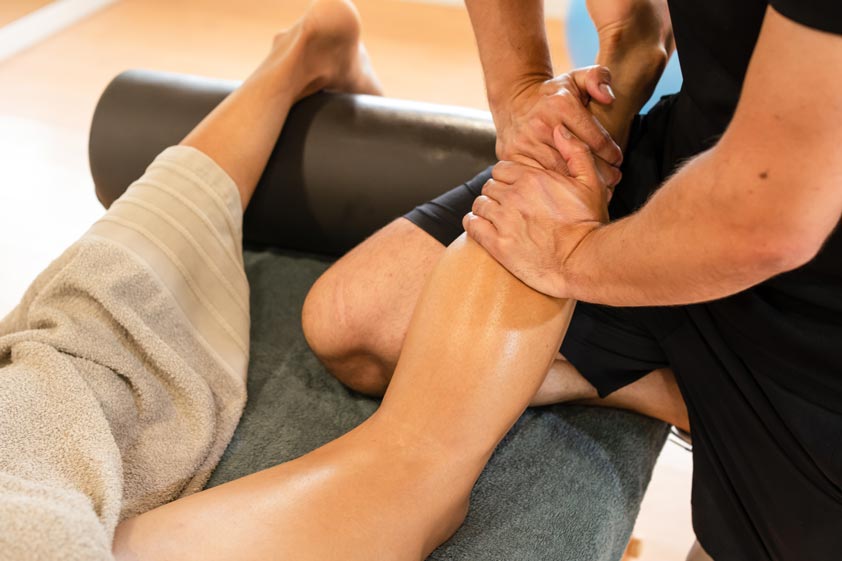
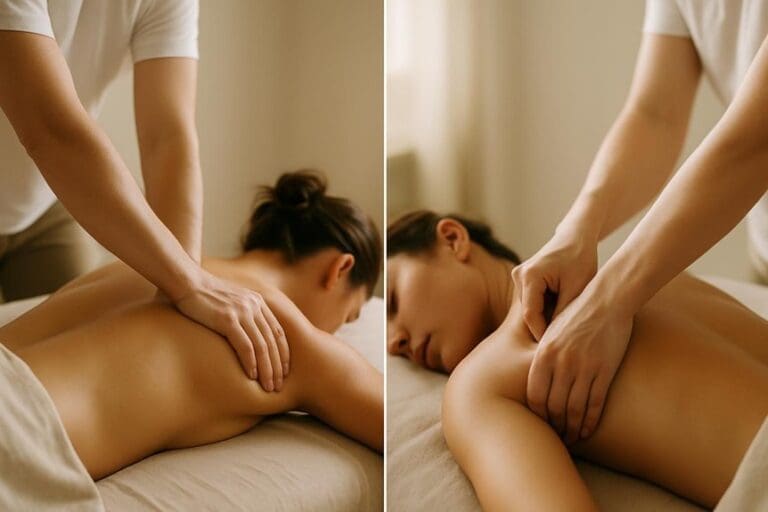
Effleurage initiates the session with smooth, gliding movements along muscle fibers, facilitating venous and lymphatic return. Petrissage follows, involving kneading and rolling actions to mobilize deep muscle tissue and release myofascial adhesions.
Friction is applied with focused pressure, often to specific sites of chronic tension, promoting microcirculation and collagen realignment. Compression utilizes rhythmic application of pressure, encouraging hyperemia and neuromuscular relaxation.
Finally, stretching manipulates muscle length, enhancing joint mobility and functional range. Each technique is selected and modulated with anatomical precision, reflecting the therapist’s expertise and sensitivity to the client’s unique musculoskeletal landscape.
Sensations and Experiences During the Treatment
Throughout an athletic massage session at Spa & Massage, sensory experiences are closely linked to the application of specific manual techniques and corresponding physiological responses.
Clients typically notice localized pressure along muscle bellies, tendons, and fascia as therapists employ deep effleurage, petrissage, and friction-based movements.
This targeted manipulation may elicit sensations ranging from mild discomfort to a satisfying intensity, particularly in areas of myofascial restriction.
As muscle fibers elongate and adhesions are addressed, transient warmth or a dull ache can emerge, signifying increased blood flow and tissue mobilization.
Clients often report subtle shifts in proprioceptive awareness, with a growing sense of release in hypertonic regions.
At Spa & Massage, therapists continually monitor feedback, fostering trust and individualized adjustments for what is considered the most advantageous neuromuscular engagement and comfort.
Common Benefits After an Athletic Massage
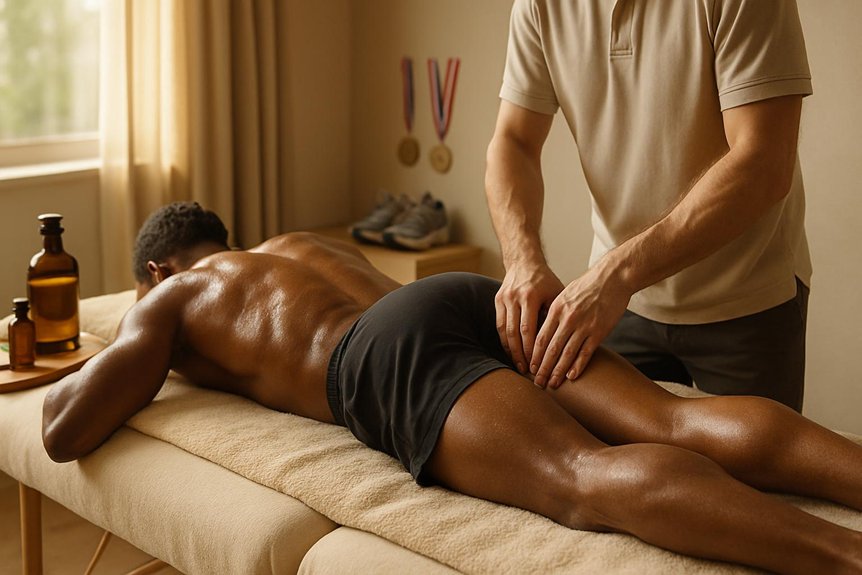
Following the targeted manual interventions described, clients frequently experience a range of physiological and functional improvements post-session. Enhanced local circulation and reduced myofascial tension are commonly reported, promoting more efficient oxygen and nutrient delivery to affected muscle groups.
This facilitates accelerated metabolic waste removal and supports tissue recovery. Neuromuscular relaxation is often noted, with many individuals perceiving decreased muscle hypertonicity and improved joint mobility.
Clinically, such outcomes can translate to a measurable reduction in delayed-onset muscle soreness (DOMS) and a greater readiness for subsequent physical activity.
At Spa & Massage, therapists observe that clients also benefit from a subtle recalibration of proprioceptive awareness, fostering a deeper sense of bodily connection.
Collectively, these effects contribute to a restored sense of balance and physical well-being.
Recommended Aftercare and Recovery Tips
Ideal recovery post-athletic massage is contingent upon a structured aftercare regimen that addresses both physiological adaptation and tissue integrity.
At Spa & Massage, therapists emphasize the necessity of adequate hydration to facilitate metabolic waste elimination and optimize myofascial release efficacy.
Gentle mobility exercises and light stretching are suggested to maintain enhanced tissue pliability and joint range of motion.
Clients are encouraged to avoid strenuous activity for 24 hours, allowing microtrauma repair and neuromuscular recalibration.
Application of cold compresses may be recommended to mitigate transient inflammation in hypertonic regions.
Nutritional support, particularly protein and anti-inflammatory nutrients, can further accelerate reparative processes.
Practitioners at Spa & Massage advise monitoring for delayed-onset muscle soreness and maintaining open communication regarding any persistent discomfort or unusual physiological response.
How Often You Should Book an Athletic Massage
The frequency of athletic massage sessions is determined by individual physiological demands, training intensity, and recovery objectives.
At Spa & Massage, therapists conduct a thorough assessment of musculoskeletal status, considering factors such as muscle fatigue, soft tissue adhesions, and cumulative microtrauma.
For athletes engaging in high-intensity training or competition, weekly sessions are often recommended to optimize tissue perfusion, facilitate metabolic waste removal, and reduce delayed onset muscle soreness.
Recreational exercisers or those with less strenuous routines may benefit from biweekly or monthly treatments to maintain myofascial integrity and prevent chronic dysfunction.
The frequency is always adjusted according to adaptive responses, injury history, and evolving recovery needs.
Spa & Massage therapists collaborate closely with clients, ensuring each treatment plan aligns with their anatomical requirements and personal wellness goals.
Conclusion
In conclusion, an athletic massage at Spa & Massage is not merely a quick fix but rather an investment in long-term musculoskeletal health. By addressing soft tissue dysfunction and promoting ideal biomechanical function, this therapy enables clients to keep their bodies firing on all cylinders. With evidence-based techniques and a focus on individual anatomy, clients can anticipate both immediate relief and lasting performance benefits—making regular sessions a cornerstone of any thorough training or rehabilitation regimen.