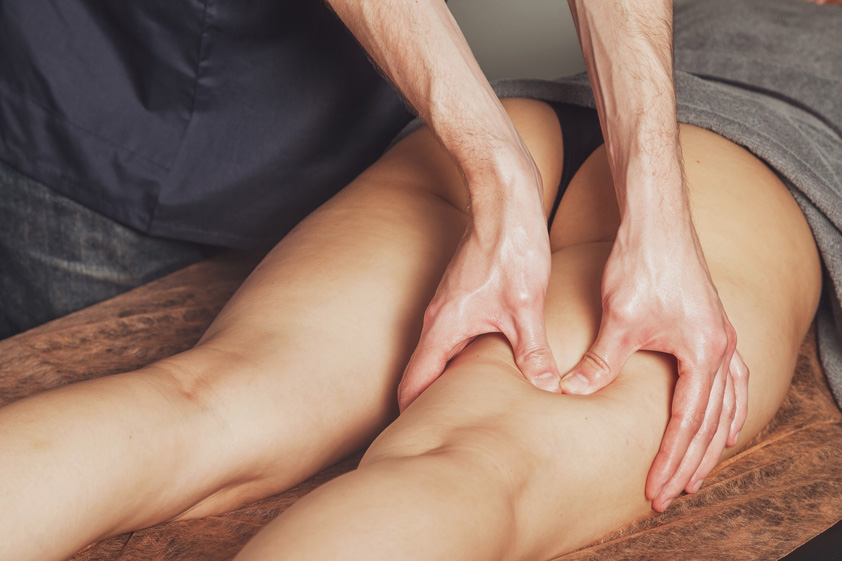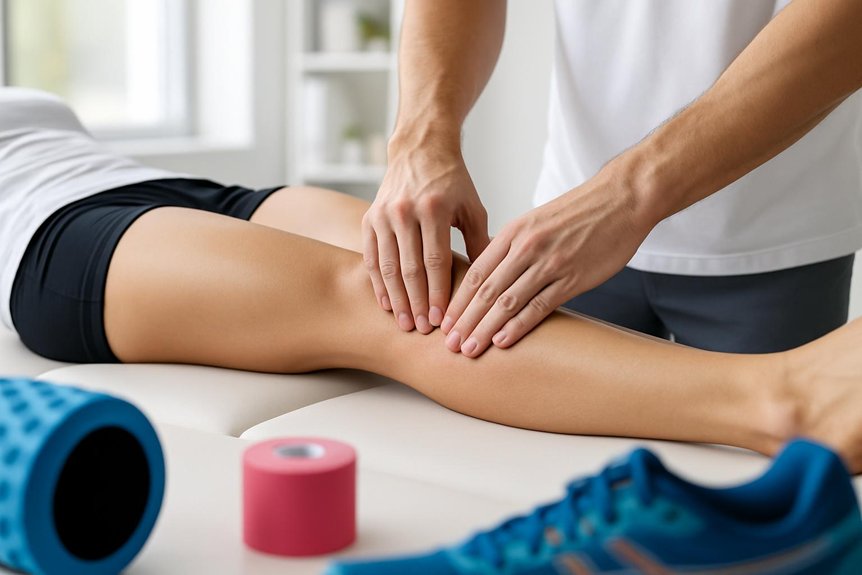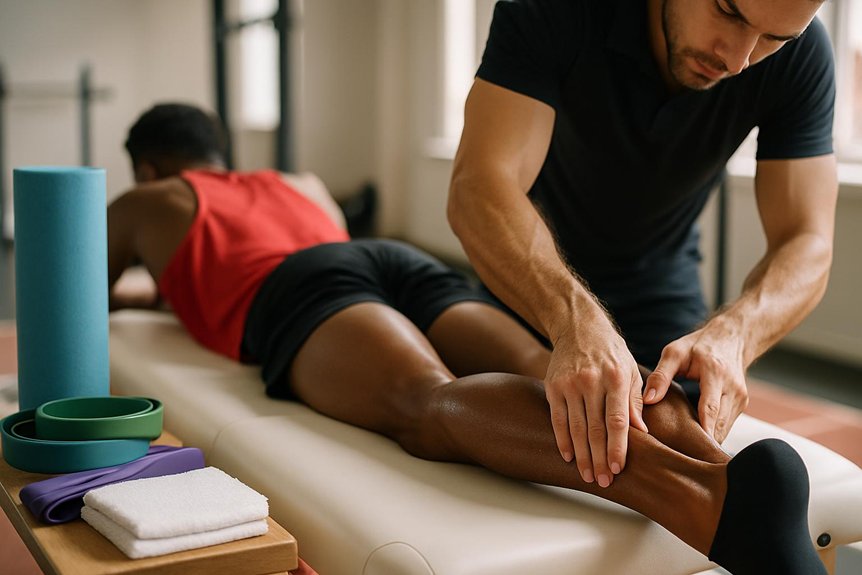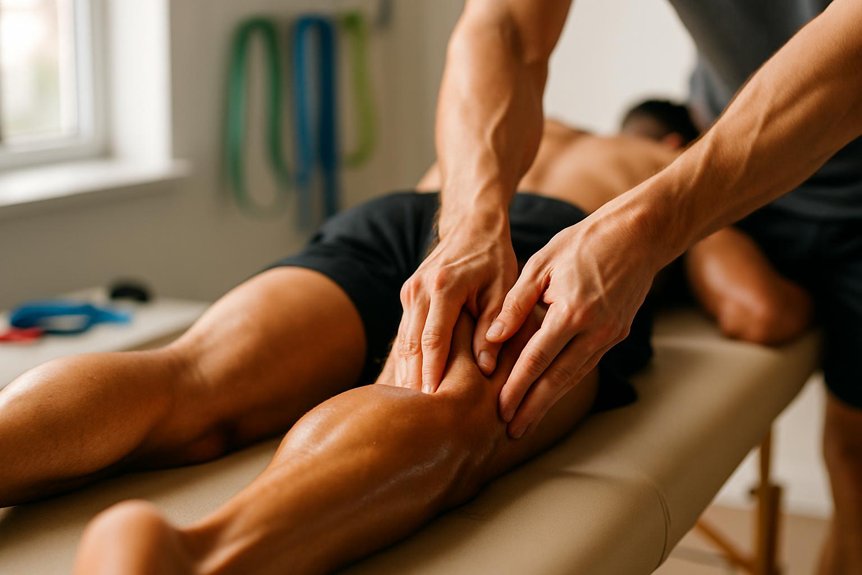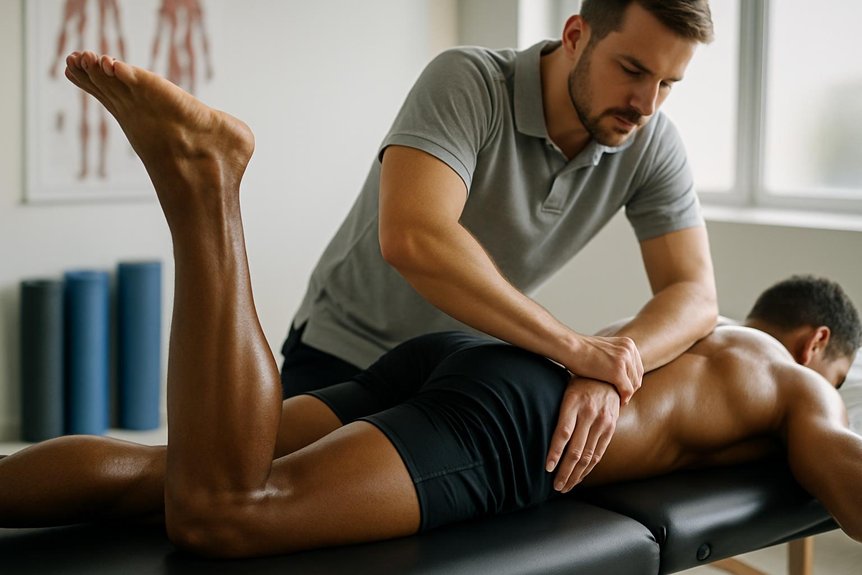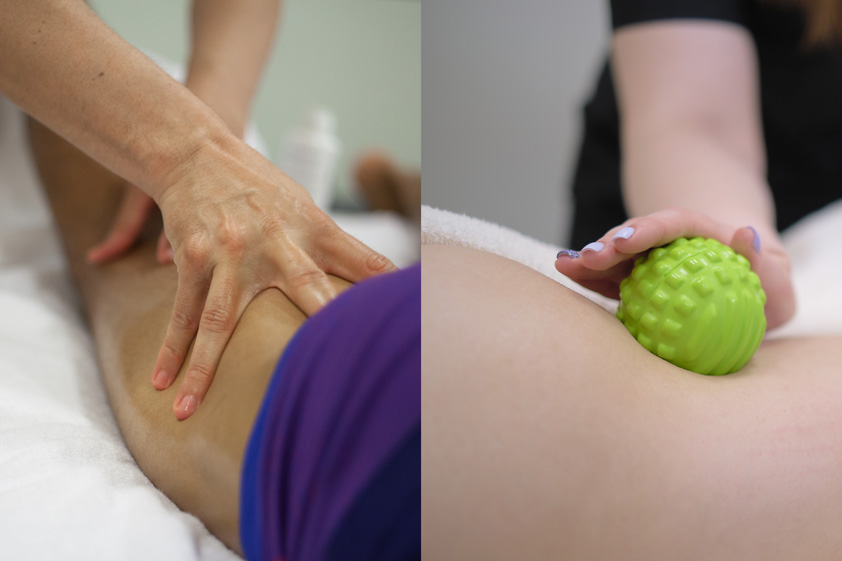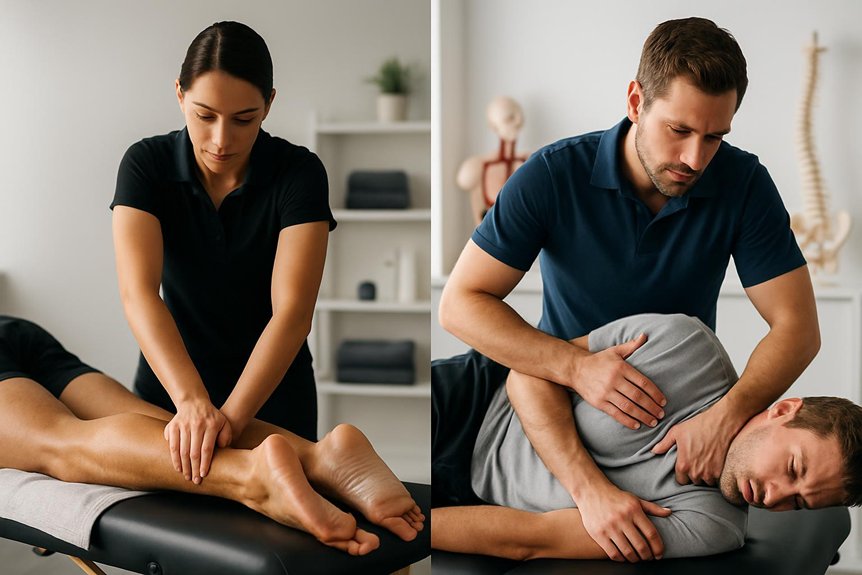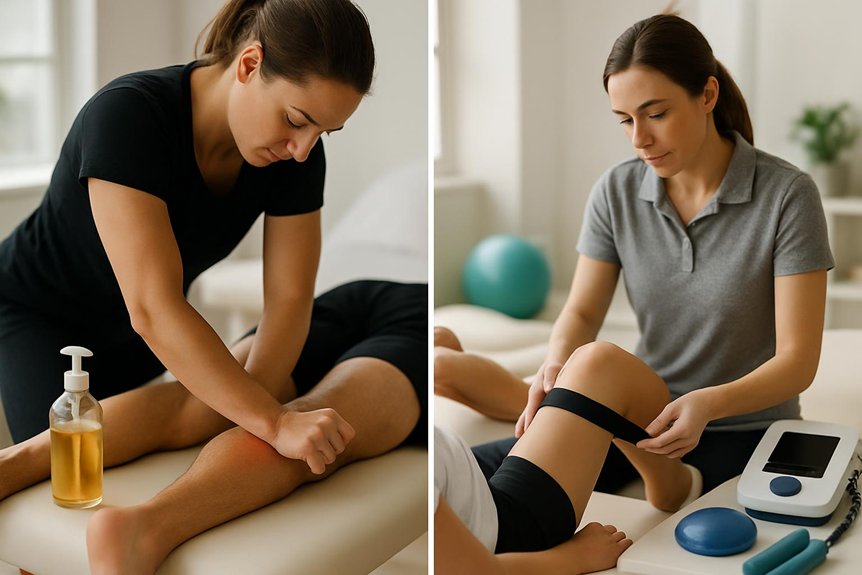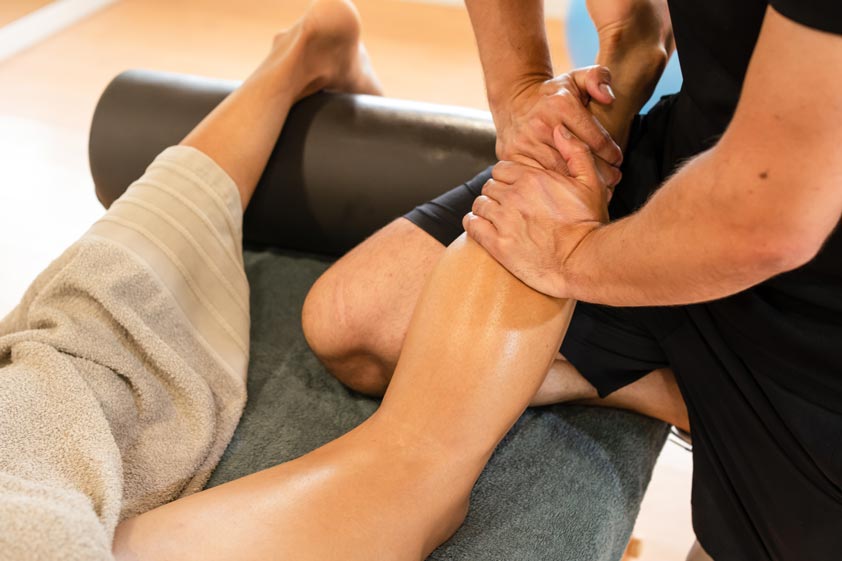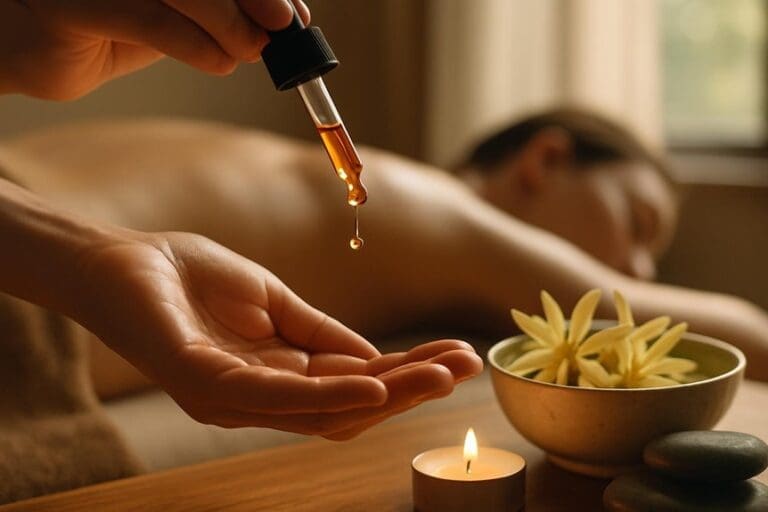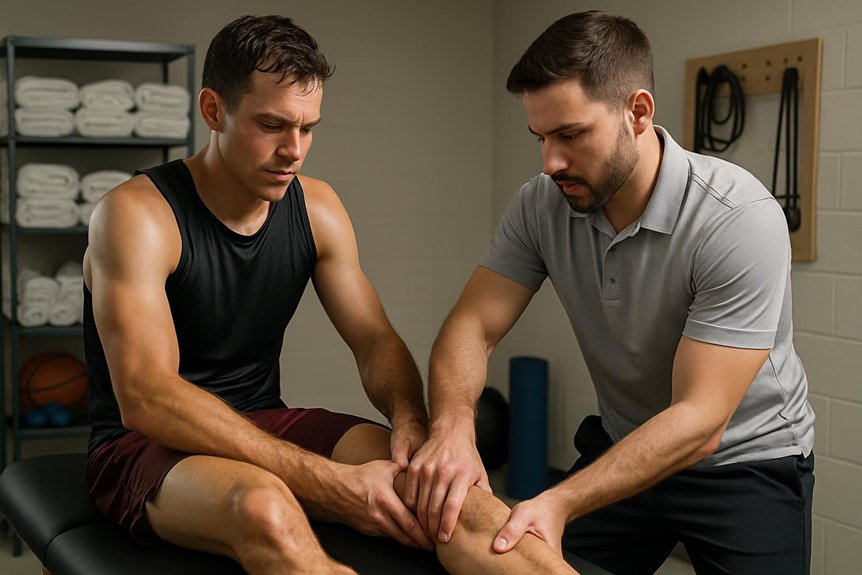
An athletic massage is ideally recommended before intense activity to enhance readiness, or after exercise to promote recovery and alleviate soreness. It is clinically indicated when managing muscle stiffness, during injury rehabilitation, for prevention of repetitive strain injuries, and as part of ongoing athletic maintenance. This specialized technique supports circulation, tissue repair, and neuromuscular balance. For individuals with chronic pain or biomechanical imbalances, routine sessions offer measurable benefit. Complete guidance on precise timing and technique selection is provided below.
Before Intense Training or Competition
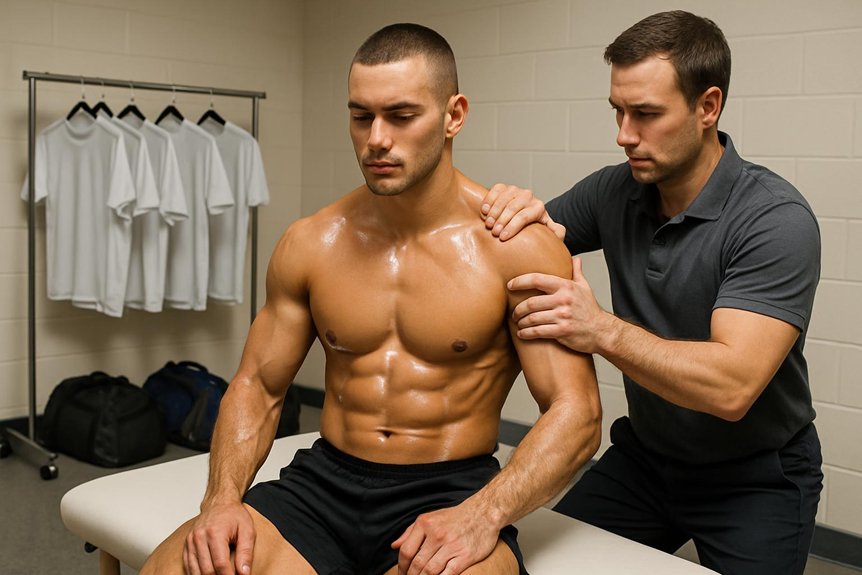
Prior to intense training sessions or competitive events, an athletic massage can facilitate ideal musculoskeletal function by enhancing circulation, increasing tissue pliability, and reducing neuromuscular tension.
At Spa & Massage, skilled therapists employ dynamic techniques such as effleurage, petrissage, and targeted myofascial release to prime the body for peak performance.
Evidence demonstrates that pre-event athletic massage can optimize proprioception, decrease injury risk, and promote rapid, coordinated movement.
Our therapists tailor each session to individual biomechanics, focusing on muscle groups most engaged by the specific sport or activity.
Clients often experience heightened readiness, reduced anxiety, and improved range of motion.
In addition, athletic massage for athletes offers numerous benefits such as promoting muscle recovery, reducing soreness, and supporting overall athletic performance.
After Vigorous Physical Activity
Following vigorous physical activity, the body undergoes a cascade of physiological responses, including microtrauma to muscle fibers, accumulation of metabolic byproducts, and heightened inflammatory processes. In this recovery phase, athletic massage is clinically indicated to facilitate the removal of lactic acid and promote peak circulation, thereby accelerating tissue repair and reducing post-exercise edema.
At Spa & Massage, therapists employ evidence-based techniques such as effleurage, petrissage, and myofascial release to address these acute needs. This targeted intervention supports the body’s natural healing mechanisms, encouraging relaxation while minimizing the risk of injury.
Clients are advised to schedule a athletic massage within 24–48 hours after intense exertion to maximize recovery potential and maintain muscular health, reflecting Spa & Massage’s commitment to holistic athletic care.
When Experiencing Muscle Soreness or Stiffness
Beyond the immediate post-exercise phase, muscle soreness and stiffness commonly arise due to microtears in muscle fibers, delayed onset muscle soreness (DOMS), or restricted fascial mobility.
During these periods, sports massage serves as an effective clinical intervention to reduce discomfort, restore tissue pliability, and enhance local circulation. In Spa & Massage clinics, therapists employ targeted techniques such as myofascial release, trigger point therapy, and deep tissue manipulation to address specific zones of tension.
These methods facilitate the dispersal of metabolic byproducts, promote oxygenation, and expedite the body’s natural recovery processes. For individuals experiencing persistent or recurrent tightness, regular sessions can recalibrate neuromuscular patterns, fostering both physical ease and psychological reassurance.
The approach is always tailored, ensuring that each client’s needs and sensitivities are carefully respected.
During Injury Recovery and Rehabilitation
During injury recovery and rehabilitation, athletic massage is clinically indicated to support tissue healing, modulate scar formation, and facilitate the restoration of functional mobility.
Evidence shows that targeted manual therapy techniques can optimize circulation, reduce excessive fibrous adhesions, and promote safe, progressive movement.
At Spa & Massage, therapists tailor interventions to the stage of healing, prioritizing outcomes based on clinical assessment and client-specific goals.
Supporting Healing Processes
How does targeted manual therapy facilitate tissue repair and functional recovery after musculoskeletal injuries? Clinical evidence demonstrates that skilled application of athletic massage enhances local circulation, promoting oxygenation and nutrient delivery essential for cellular repair.
By employing techniques such as effleurage and petrissage, therapists at Spa & Massage help modulate inflammatory responses, reducing excess edema and facilitating the removal of metabolic waste. This approach also assists in maintaining pliability of peri-injury tissues, preventing secondary stiffness and dysfunction.
Throughout the recovery process, individualized protocols are crafted to respect tissue healing stages, ensuring interventions are both safe and effective. Clients often report increased comfort and a sense of connection to their healing journey—an experience our therapists at Spa & Massage foster with clinical expertise and attentive care.
Reducing Scar Tissue
As musculoskeletal injuries progress through the stages of healing, the formation of scar tissue presents a significant concern for ideal functional recovery. Excessive or disorganized scar tissue can impair soft tissue glide, limit range of motion, and contribute to chronic discomfort.
Athletic massage, as practiced by experienced therapists at Spa & Massage, utilizes targeted techniques such as cross-fiber friction and myofascial release to disrupt abnormal adhesions and encourage ideal collagen alignment. These evidence-based interventions are performed with nuanced pressure and clinical sensitivity, aiming to modulate the tissue repair process while minimizing pain.
Clients benefit from tailored aftercare guidance, enhancing tissue pliability between sessions. By addressing scar tissue early in rehabilitation, athletic massage supports the restoration of normal tissue architecture and reduces the risk of persistent dysfunction.
Restoring Mobility Safely
When faced with the challenge of regaining joint and soft tissue function after injury, precise intervention is essential to restore mobility without aggravating underlying pathology.
Controlled athletic massage, as provided by Spa & Massage therapists, is employed to facilitate safe tissue elongation, reduce adhesions, and enhance neuromuscular coordination.
Clinical evidence supports the graded application of manual techniques—such as myofascial release and mobilizations—during rehabilitation phases, always adapting to tissue healing stages.
Therapists at Spa & Massage carefully assess individual tolerance, integrating massage with prescribed mobility exercises to optimise range of motion and functional capacity.
This patient-centred approach promotes progressive flexibility, reduces compensatory movement patterns, and helps clients regain confidence in their bodies.
Safe mobility restoration requires expert hands, clinical judgement, and ongoing communication—a philosophy embraced at Spa & Massage.
To Prevent Future Injuries
While engaging in regular physical activity, athletes and active individuals are particularly susceptible to musculoskeletal imbalances and microtrauma that can predispose them to future injuries.
Preventative athletic massage, as practiced at Spa & Massage, targets early signs of tissue dysfunction—such as tight fascia, latent trigger points, and asymmetrical muscle tone.
By employing clinical techniques like myofascial release and deep tissue manipulation, therapists facilitate improved circulation, ideal muscle elasticity, and neuromuscular balance.
Evidence suggests that regular intervention aids in the reduction of overuse syndromes and compensatory movement patterns, both key risk factors for injury.
Clients at Spa & Massage benefit from tailored protocols that address individual biomechanical vulnerabilities, fostering resilience and longevity in physical activity.
Proactive care offers reassurance and cultivates a foundation of trust in one’s body.
When Preparing for a Marathon or Sporting Event
In the context of marathon or sporting event preparation, athletic massage is clinically recognised for its role in enhancing pre-event recovery, decreasing injury risk, and maximising performance readiness.
At Spa & Massage, experienced therapists utilise targeted techniques to address muscle tension and promote neuromuscular efficiency prior to competition.
Evidence indicates that such interventions can support athletes in achieving ideal physiological condition on event day.
Enhancing Pre-Event Recovery
How can athletes optimise their physical readiness before a marathon or major sporting event?
Evidence indicates that targeted athletic massage, administered 24–48 hours prior to competition, can facilitate enhanced pre-event recovery.
The therapists at Spa & Massage utilise specialised techniques—such as effleurage, petrissage, and myofascial release—to promote ideal muscle pliability and circulation while minimising residual tension.
This approach supports the dissipation of metabolic waste products and encourages neuromuscular relaxation, fostering a physiological state conducive to peak performance.
Clients often report reduced muscle tightness and heightened proprioceptive awareness post-massage.
In our clinics, therapists tailor each session to the athlete’s specific training load and recovery status, ensuring preparation is both restorative and invigorating.
Such evidence-based interventions form a critical component of pre-event recovery protocols.
Reducing Injury Risk
Although ideal training loads and adequate rest are foundational to injury prevention, integrating targeted athletic massage into pre-event preparation offers additional protective benefits.
Clinical evidence suggests that regular athletic massage can address myofascial restrictions, reduce excessive muscle tension, and promote best tissue pliability—factors directly linked to injury risk during intensive training cycles.
At Spa & Massage, therapists employ precise techniques to identify and alleviate latent trigger points, enhance circulation to vulnerable areas, and support neuromuscular balance.
These interventions help mitigate microtrauma accumulation and imbalances that could predispose athletes to strains or overuse conditions.
Clients preparing for marathons or high-demand sporting events often report improved proprioceptive awareness and reduced incidence of niggling injuries when athletic massage is incorporated as a preventive measure within their all-encompassing training regimen.
Optimising Performance Preparation
When preparing for a marathon or high-intensity sporting event, the integration of targeted athletic massage into the preparatory phase yields measurable advantages in neuromuscular efficiency and recovery kinetics.
As practised by therapists at Spa & Massage, facilitates ideal muscle pliability, enhances circulation, and supports precise proprioceptive feedback. Expertly applied techniques mobilise soft tissues, reduce latent tension, and prime the myofascial system, allowing athletes to maximise strength and coordination during subsequent training sessions.
Evidence suggests that regular pre-event massage modulates sympathetic nervous system activity, mitigating anxiety and improving focus. In our clinics, therapists tailor sessions to individual biomechanical demands, ensuring that each client enters competition with refined muscle tone and a reduced risk of cumulative fatigue.
This strategic preparation underpins peak performance and resilience.
As Part of Regular Athletic Maintenance
At Spa & Massage, therapists tailor each session to the athlete’s evolving needs, integrating advanced techniques to optimise flexibility and neuromuscular function.
This proactive approach not only maintains physical resilience but also fosters a deeper bodily awareness, allowing early identification of subtle dysfunctions.
Clients often describe a renewed sense of balance and readiness, reinforcing commitment to long-term health and athletic goals.
When Managing Chronic Pain or Imbalances
Persistent musculoskeletal pain and postural imbalances often stem from overuse, biomechanical inefficiencies, or unresolved injuries. In these cases, targeted athletic massage can play a vital role in pain management and functional restoration.
At Spa & Massage, experienced therapists employ clinical techniques—such as myofascial release, neuromuscular therapy, and deep tissue manipulation—to address chronic tension patterns and improve soft tissue mobility.
Evidence indicates that such interventions can reduce localised discomfort, promote circulation, and support neuromuscular re-education, contributing to long-term relief and improved body alignment.
Individualised treatment plans are crafted following thorough assessment, ensuring that therapy aligns with each client’s unique presentation.
Many clients find that regular athletic massage sessions, in conjunction with prescribed home care, foster sustainable improvements in posture, movement efficiency, and overall well-being.
Conclusion
Incorporating athletic massage at strategic intervals—before events, post-activity, or during rehabilitation—maximises recovery and athletic output. For example, a competitive runner attending Spa & Massage scheduled pre-race and post-race sessions, resulting in decreased muscle soreness and improved race times. Evidence supports that targeted massage reduces injury risk and enhances muscular balance. By integrating athletic massage into their regimen, athletes and active individuals can optimise performance and maintain musculoskeletal health, as consistently demonstrated in clinical practice.