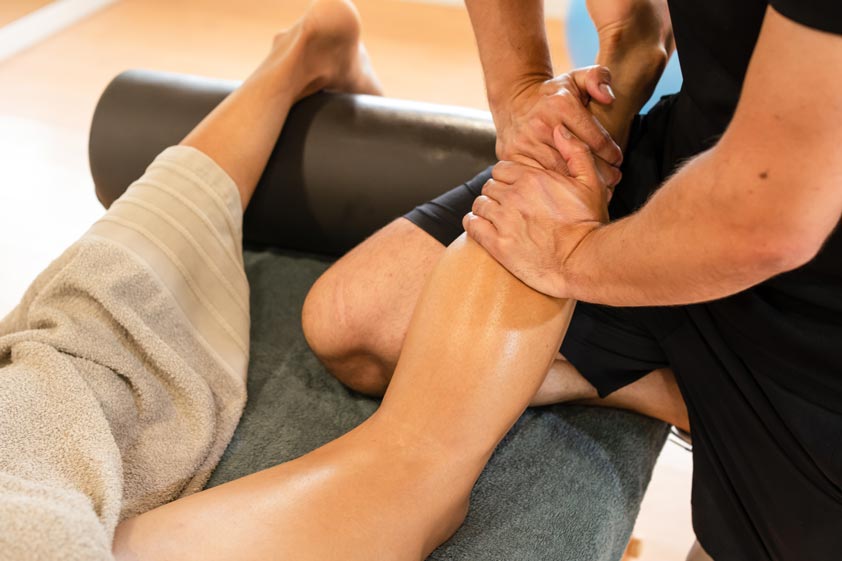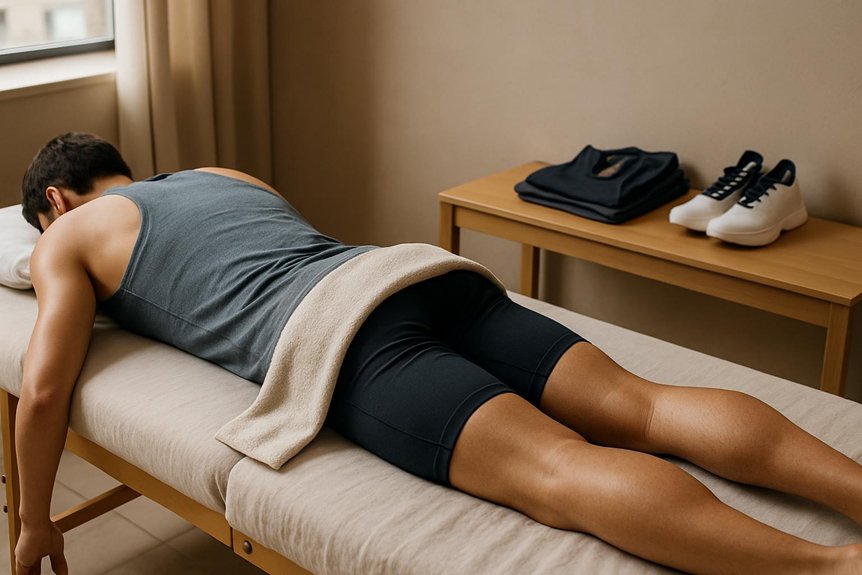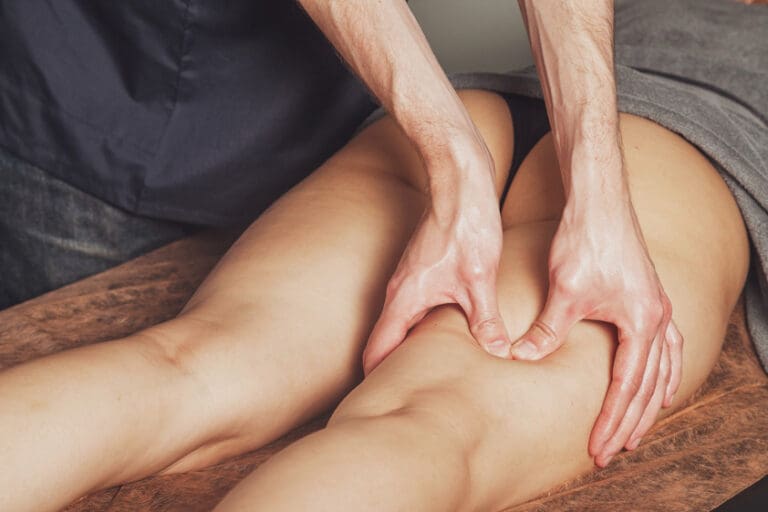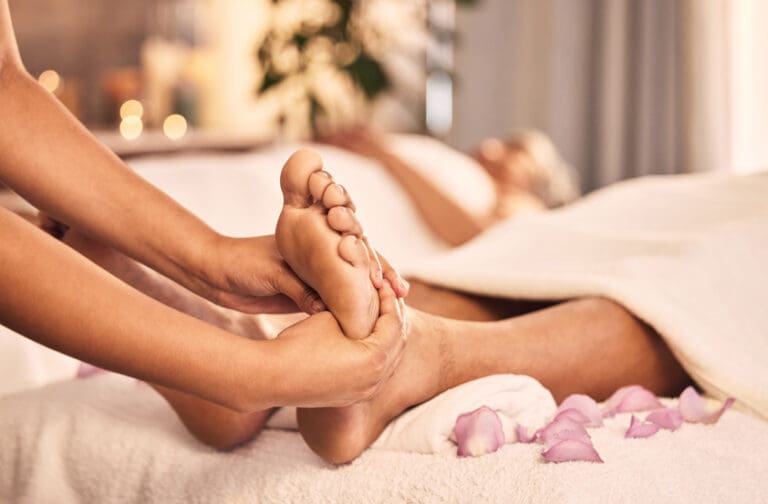
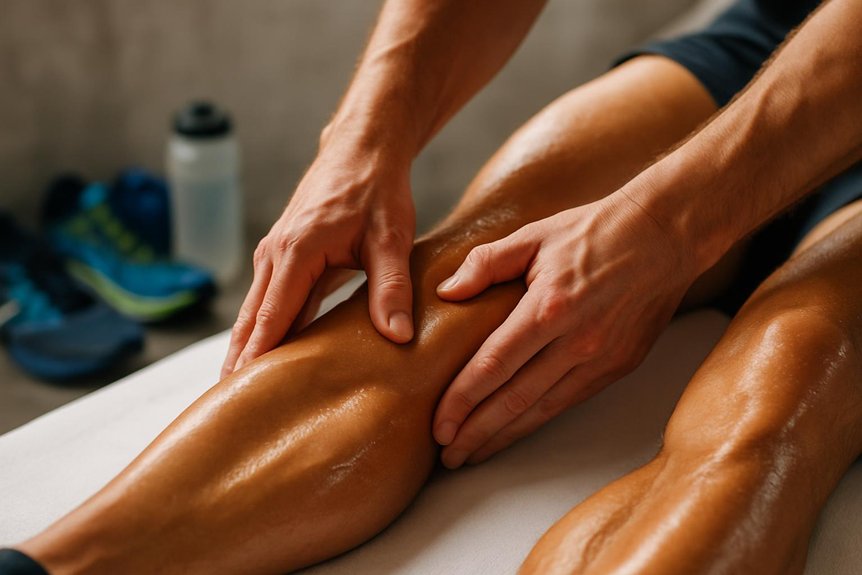
It focuses on optimizing muscle function and tissue health for athletes and active individuals. By employing deep tissue manipulation, trigger point therapy, and assisted stretching, it restores muscle balance, increases flexibility, and supports efficient movement. This approach reduces injury risk, assists recovery, and promotes sustained performance by targeting specific areas of tension and imbalance. Professional athletic massage tailors techniques to anatomical needs, ensuring precision and results. Further detail clarifies the timing, methods, and session experience for maximum athletic benefit.
Understanding the Purpose of Sports Massage
Why does athletic massage play such a critical role in athletic performance and recovery?
At Spa & Massage, the primary purpose of athletic massage is to address the unique physiological demands placed on an athlete’s musculoskeletal system. Focusing on muscles, tendons, and fascia, therapists apply targeted techniques designed to manipulate soft tissue, facilitate circulation, and minimise microtrauma.
By understanding anatomical structures and movement patterns, practitioners can identify areas of tension, imbalance, or overuse that may impede ideal function.
It is not merely about relaxation; it is a precise intervention meant to restore tissue integrity and promote neuromuscular efficiency.
At Spa & Massage, each session is tailored to the individual, integrating assessment and expertise to enhance physical readiness, prevent dysfunction, and support the athlete’s pursuit of excellence. An important advantage is that athletic massage offers benefits for athletes, such as improved flexibility, reduced injury risk, and accelerated recovery.
Key Benefits for Athletes and Active Individuals
Optimised athletic massage confers measurable advantages for athletes and active individuals by addressing the cumulative effects of intense physical activity on muscle fibres, tendons, and connective tissues.
At Spa & Massage, targeted techniques are employed to enhance circulatory efficiency, facilitate lymphatic drainage, and maintain ideal tissue pliability. This approach substantially reduces the risk of overuse injuries by promoting balanced muscular tension and mitigating adhesions within fascia and muscle groups.
Therapists focus on biomechanical patterns, adapting pressure and movements to each client’s anatomical needs, ensuring precise attention to areas under chronic strain.
Clients often report improved proprioception and flexibility, directly supporting efficient movement and stability during high-demand activities.
Ultimately, regular athletic massage supports the body’s adaptive capacity, enabling sustained performance and an elevated sense of physical resilience.
How Athletic Massage Enhances Recovery and Performance
It targets muscle fibers and connective tissues to accelerate the reduction of post-exercise soreness, facilitate rapid improvements in flexibility, and support ideal joint mobility.
Through advanced techniques used at Spa & Massage clinics, therapists address adhesions and microtrauma, directly contributing to more efficient recovery cycles.
This proactive approach also mitigates the risk of future injuries, enabling athletes to sustain higher levels of performance.
Reducing Muscle Soreness
How does targeted manipulation of soft tissue accelerate recovery after intense physical activity?
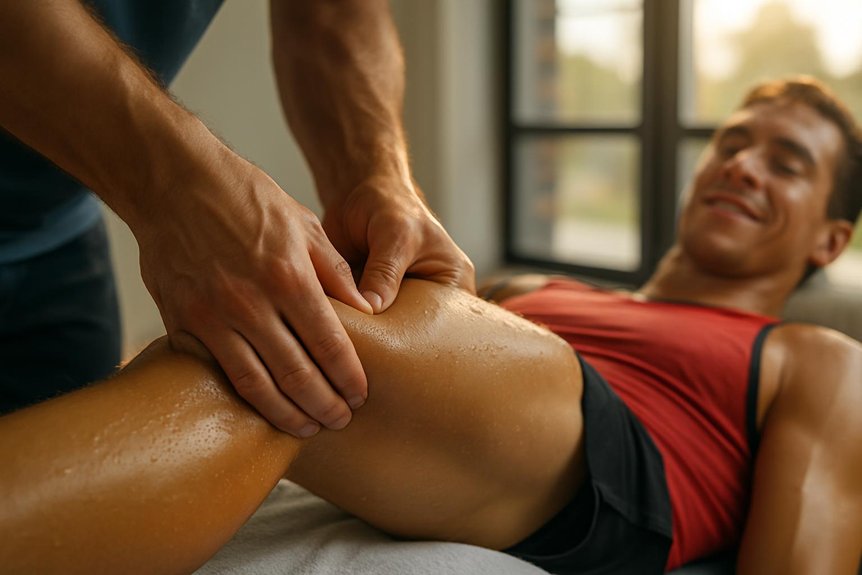
It applies precise pressure and movement to muscle groups experiencing microscopic trauma from exertion. This technique, as practiced at Spa & Massage, promotes increased local blood flow, facilitating oxygen delivery and metabolic waste removal—key factors in reducing delayed onset muscle soreness (DOMS).
Therapists carefully assess tension, applying modalities such as effleurage and petrissage to interrupt pain signals and encourage cellular repair. Additionally, this hands-on approach supports lymphatic drainage, minimizing inflammation and swelling.
Clients often report a tangible reduction in stiffness and discomfort within 24 to 48 hours post-session. Through anatomical expertise and individualized care, athletic massage helps restore muscular balance, enabling both professional athletes and fitness enthusiasts to return to peak performance swiftly.
Improving Flexibility Fast
When muscles experience repetitive strain or post-exercise tightness, limited flexibility can impede ideal performance and elevate injury risk. As practised in Spa & Massage clinics, employs targeted techniques that address fascial restrictions and muscle adhesions, increasing tissue pliability. Through deep tissue manipulation, therapists promote myofascial release and circulation, which facilitates a more immediate restoration of range of motion.
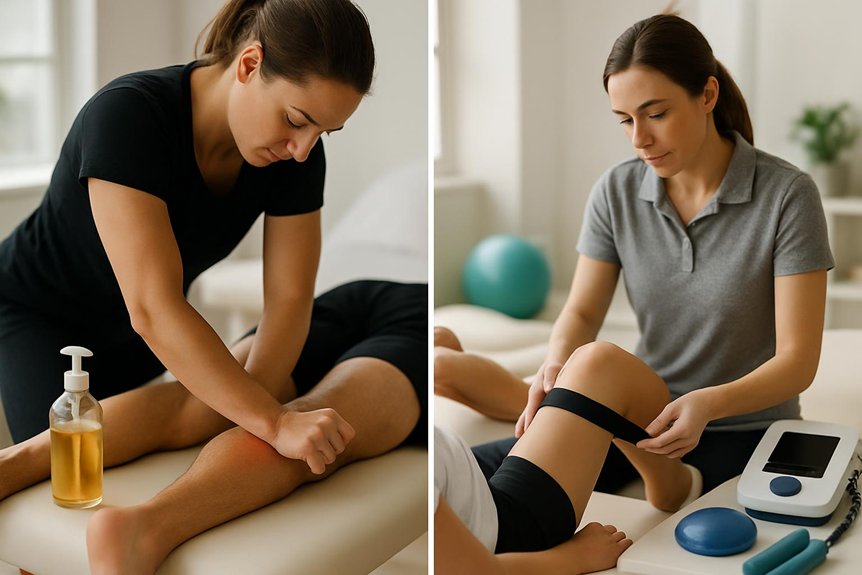
This focused approach enables joints to move freely and muscles to lengthen efficiently, critical for those seeking rapid performance gains or swift recovery between training sessions. Spa & Massage therapists select specific oils to enhance glide and provide friction, supporting deeper soft tissue work without discomfort.
Clients regularly report noticeable improvements in flexibility after sessions, underscoring the value of expert hands in accelerating the return to ideal movement.
Preventing Future Injuries
By systematically addressing microtrauma and muscular imbalances common in athletic activity, targeted massage interventions serve as a proactive strategy for injury prevention.
At Spa & Massage clinics utilizes precise techniques to identify and release myofascial restrictions, reduce localized inflammation, and restore ideal tissue elasticity. This process enhances proprioceptive awareness and neuromuscular coordination, both essential for maintaining biomechanical efficiency during performance.
Regular sessions with experienced therapists allow for early detection of asymmetries or tension patterns, enabling tailored adjustments before minor strains escalate into significant injuries.
By fostering improved circulation, lymphatic drainage, and joint range of motion, athletic massage not only accelerates post-exercise recovery but also fortifies the body’s resilience against repetitive stress.
This preventative approach empowers clients to pursue their fitness goals with confidence and longevity.
Techniques Used by Our Professional Therapists
At Spa & Massage, professional therapists employ a combination of deep tissue manipulation techniques, targeted trigger point therapy, and assisted stretching methods to address muscular tension and optimize functional movement.
These evidence-based approaches are selected according to each client’s anatomical needs and performance goals.
Deep Tissue Manipulation Techniques
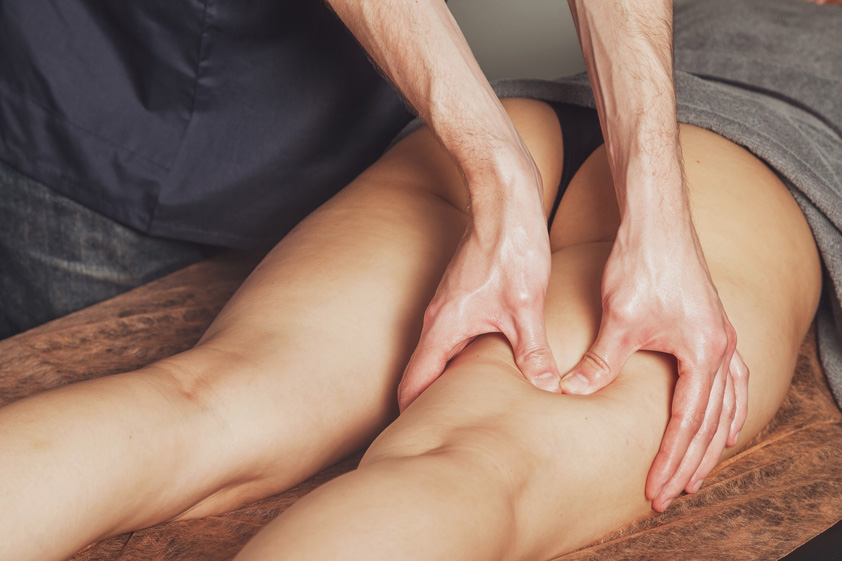
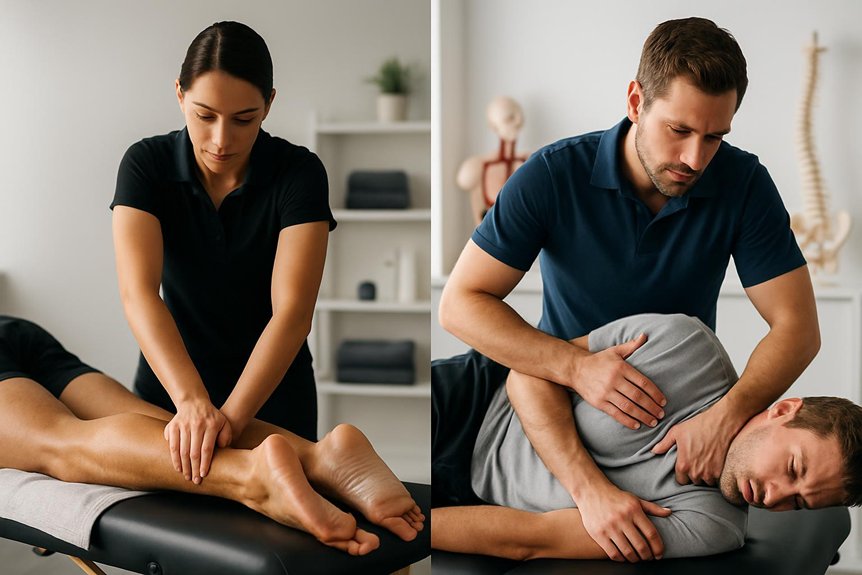
Although each client presents unique musculoskeletal needs, professional therapists at Spa & Massage employ targeted deep tissue manipulation techniques to address specific patterns of tension and dysfunction. These methods focus on the deeper layers of muscle fibers and connective tissue, utilizing slow, deliberate strokes and sustained pressure.
By aligning hands, forearms, and elbows with anatomical structures, therapists systematically release chronic adhesions, restore fascial glide, and promote ideal muscle length-tension relationships. This approach not only encourages circulation to compromised tissues but also supports the recovery of functional movement.
Clients often experience a profound sense of relief as deeply held knots and restrictions dissolve under skilled hands, facilitating both physical ease and psychological relaxation. The result is enhanced performance, resilience, and an intimate connection to one’s body.
Trigger Point Therapy
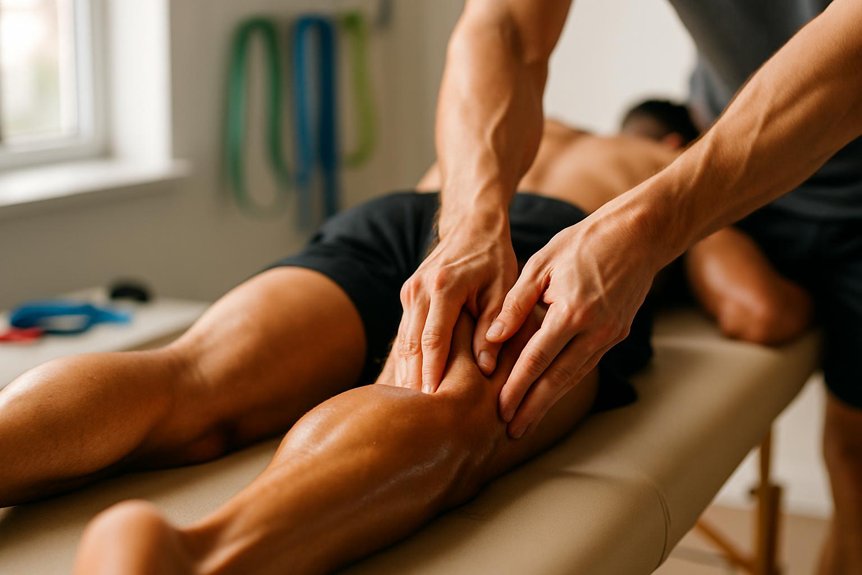
How do persistent muscle knots undermine ideal performance and recovery? Trigger points—hyperirritable spots within taut bands of muscle—restrict blood flow, limit range of motion, and generate referred pain that can sabotage training outcomes.
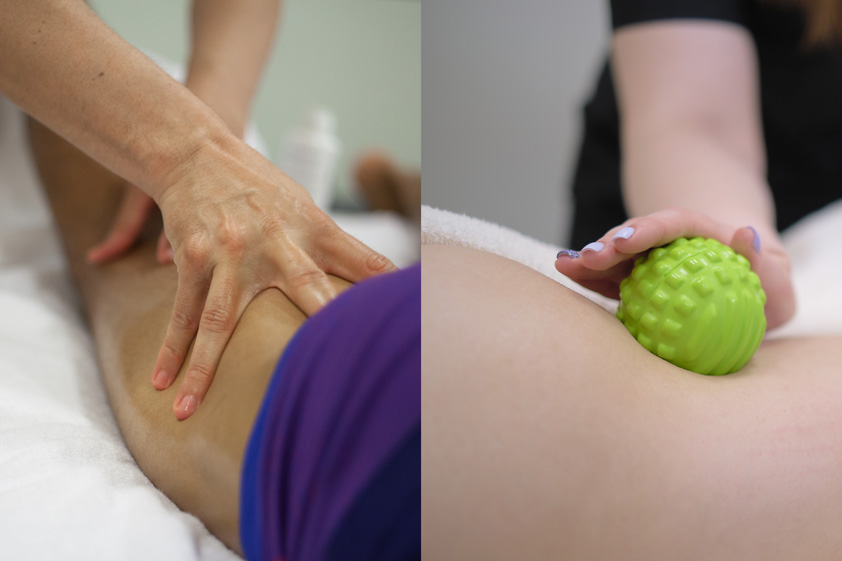
At Spa & Massage, professional therapists employ targeted trigger point therapy to deactivate these nodules. By applying precise, sustained pressure directly to the affected fibers, they facilitate the release of contracted tissue, restore optimal muscle length, and encourage natural circulation.
This technique is especially beneficial for athletes and active individuals, as it addresses specific sites of tension responsible for discomfort or movement dysfunction. Through careful assessment and skilled palpation, Spa & Massage therapists identify and treat trigger points, supporting clients in regaining mobility, preventing injury, and accelerating post-activity recovery in an environment that feels both expert and nurturing.
Assisted Stretching Methods
Why do so many athletes and active individuals benefit from professionally guided stretching techniques?
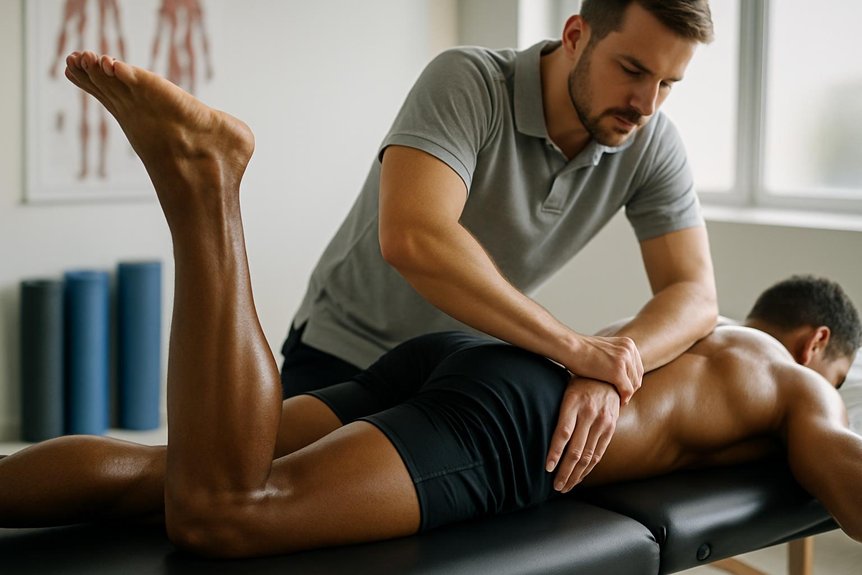
At Spa & Massage, therapists employ assisted stretching methods, such as Proprioceptive Neuromuscular Facilitation (PNF) and Active Isolated Stretching (AIS), to precisely target muscle groups and connective tissue. These techniques, when performed with expert anatomical awareness, facilitate greater flexibility, enhance joint range of motion, and reduce myofascial restrictions that can impede performance or invite injury.
By applying controlled resistance and support, therapists enable clients to achieve deeper, safer stretches than self-guided efforts allow. This hands-on approach also helps clients identify muscular imbalances and compensatory patterns, individualizing each session.
For those committed to optimizing recovery and mobility, assisted stretching—integrated into regular athletic massage—offers a powerful, evidence-based path to sustained athletic progress.
When to Schedule an Athletic Massage for Optimal Results
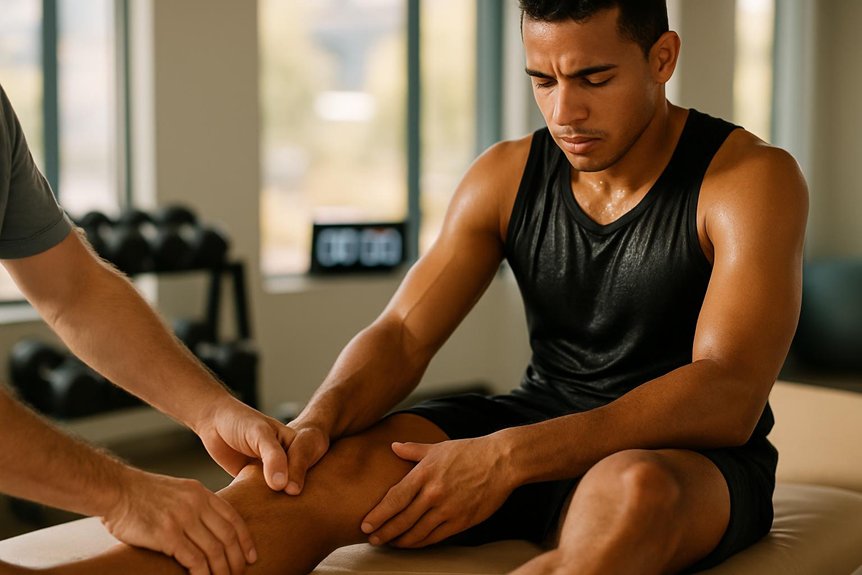
Timing an athletic massage strategically is essential for maximising physiological benefits and enhancing athletic performance. Experts at Spa & Massage recommend scheduling sessions based on training cycles and individual recovery needs.
Pre-event massages, performed 24–48 hours before intense activity, emphasise stimulating techniques to promote circulation, muscle flexibility, and mental focus without inducing soreness.
Post-event massages, ideally within two hours to 72 hours after exertion, target metabolic waste removal, reduce inflammation, and accelerate tissue repair.
For ongoing training, regular maintenance massages—weekly or biweekly—help prevent injuries by addressing minor adhesions before they escalate.
By observing anatomical cues such as muscle tightness, fatigue, or limited range of motion, clients ensure precise timing of treatments.
This tailored approach underpins Spa & Massage’s commitment to _excellent_ athletic care.
What to Expect During and After Your Session
Upon arrival at Spa & Massage, clients undergo a targeted assessment, during which therapists evaluate muscular imbalances, range of motion, and specific areas of tension related to athletic activity.
This clinical approach guarantees that each session is precisely tailored, focusing on anatomical structures such as muscle groups, tendons, and fascia most impacted by sport-specific demands.
The therapist employs targeted manual techniques—deep tissue manipulation, myofascial release, and assisted stretching—to restore ideal muscle function and enhance performance potential.
Post-session, clients may experience immediate relief, increased flexibility, and a deep sense of muscular release.
Mild soreness is common as tissues adapt to therapeutic input.
Our therapists recommend gentle stretching, hydration, and rest to facilitate recovery.
A personalized aftercare plan supports ongoing performance gains and injury prevention.
Conclusion
As the saying goes, “an ounce of prevention is worth a pound of cure.” Athletic massage, grounded in anatomical expertise and targeted techniques, is an invaluable tool for those prioritising performance, resilience, and rapid recovery. By integrating regular sessions into their routines, athletes and active individuals can minimise injury risks, maximise flexibility, and maintain peak musculoskeletal function—making athletic massage at Spa & Massage a strategic investment in both immediate results and long-term physical well-being.