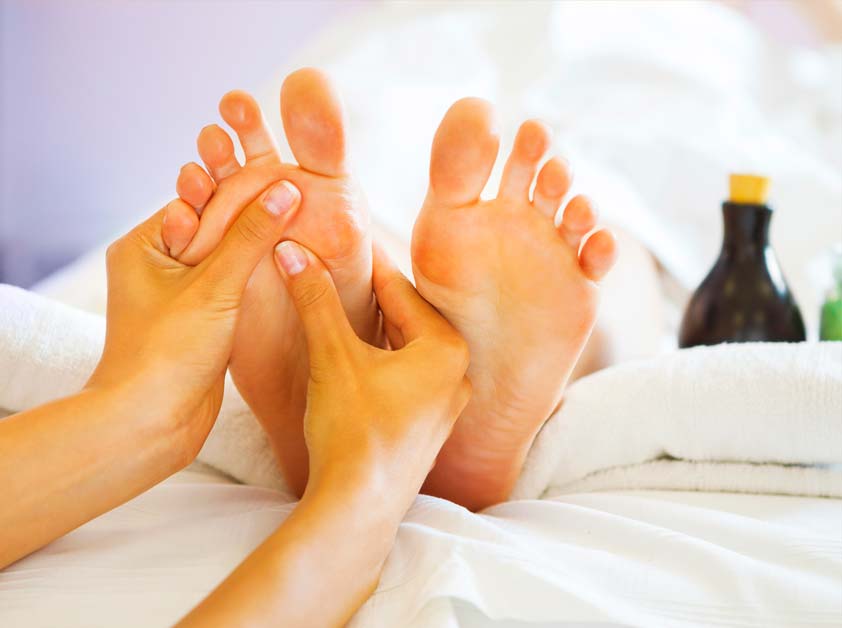
It should be avoided or deferred with suspected deep vein thrombosis (unexplained calf pain, swelling, warmth), unstable cardiac disease, uncontrolled bleeding disorders, or severe peripheral vascular disease. It should be postponed during acute illness or fever, contagious infections, or when the feet have open wounds, cellulitis, or rapidly spreading skin changes. It is not advised in the first trimester and requires obstetric clearance in high‑risk pregnancy. Recent surgery, anticoagulants, neuropathy, or active cancer treatment may require GP approval. Further details outline safer timing and screening.
Who Should Avoid Reflexology Completely?
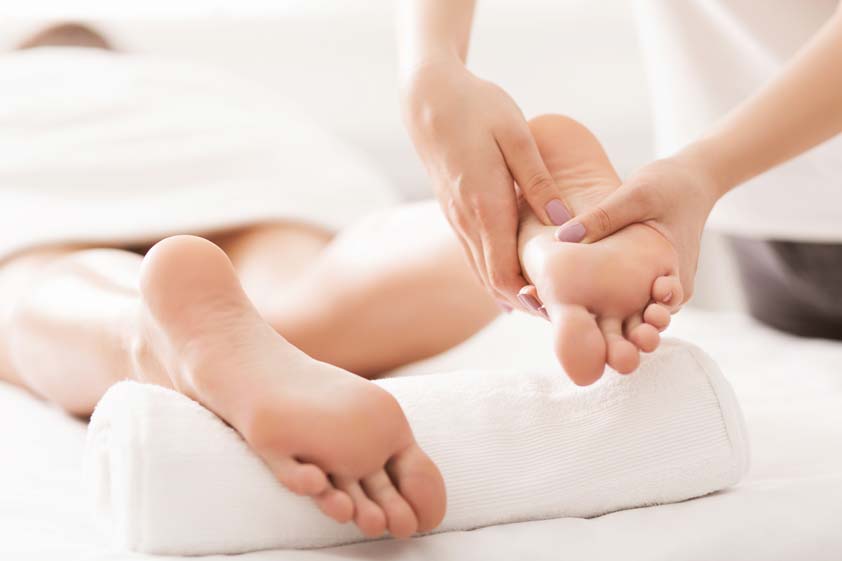
A small number of people should avoid zone therapy entirely because the potential risks outweigh any likely benefit. This includes anyone with deep vein thrombosis, severe peripheral vascular disease, or uncontrolled bleeding disorders, where pressure to the feet may theoretically dislodge a clot or provoke bleeding.
People with unstable cardiac disease, recent stroke, or high-risk pregnancy should also avoid zone therapy unless a clinician explicitly approves it, as safety data are limited and prudence is warranted.
Those with severe diabetic neuropathy or advanced kidney disease may be unable to feel pressure accurately, raising the risk of tissue injury.
It is widely discussed for its potential healing power, but these contraindications should be taken seriously.
At Spa & Massage, therapists screen privately and sensitively; when contraindications are present, they recommend safer alternatives or medical review.
When Should You Postpone Zone Therapy(Illness, Infection, Post-Op)?
It is often best postponed during acute illness or fever, when systemic symptoms may indicate a condition requiring rest or medical assessment.
It should also be deferred in the presence of active infection or significant skin issues (e.g., broken skin, contagious rashes) to reduce the risk of symptom aggravation and cross‑infection in a clinic setting.
Following surgery, sessions are typically delayed until the client is medically cleared and early wound healing is stable; at Spa & Massage, therapists screen for recent operations and tailor timing to recovery status and any clinician guidance.
Acute Illness Or Fever
When a person has an acute illness or fever, it should be postponed until symptoms have fully resolved and they feel back to baseline.
Fever can signal systemic inflammation and increased physiological stress; adding therapeutic stimulation may be uncomfortable and may complicate symptom monitoring. In clinical practice, rest, hydration, and medical assessment where appropriate take priority over bodywork.
If symptoms include chest pain, shortness of breath, confusion, severe headache, persistent vomiting, or fever lasting more than 48–72 hours, urgent medical advice is recommended.
At Spa & Massage clinics across London, therapists reschedule zone therapy when a client reports new-onset fever, chills, or significant malaise, and suggest returning once temperature has normalised for 24 hours and energy is stable.
A gentler, supportive session can then be tailored to recovery.
Active Infection Or Skin Issues
Fever and systemic malaise often overlap with infections, and the same caution applies if there is an active infection or a new, unexplained skin problem.
It should be postponed when there are signs of contagious illness, spreading redness, warmth, swelling, discharge, or significant pain, as close contact may increase transmission risk and aggravate inflamed tissue.
Local foot conditions also matter: open cuts, blisters, fungal infections, verrucas, eczema flares, or suspected cellulitis warrant deferral until assessed and improving.
At Spa & Massage clinics across London, therapists will visually check the feet and may decline treatment if skin integrity is compromised.
Clients are advised to seek GP or pharmacist guidance for diagnosis, and to return once symptoms have settled and the skin barrier is intact.
Post-Op And Recovery Timing
After surgery, it is generally best postponed until the acute healing phase has passed and the treating surgeon or GP has confirmed it is appropriate.
Early sessions may aggravate pain, swelling, dizziness, or bruising, and may be unsuitable when anticoagulants, drains, or wound dressings are present. Caution is also advised after spinal procedures, fractures, joint replacements, or abdominal surgery, where mobilisation guidance is strict.
It should be deferred during fever, suspected infection, new redness or heat around an incision, unexpected bleeding, calf pain, or shortness of breath, as these require urgent assessment.
At Spa & Massage clinics across London, therapists request post-operative details and, when cleared, use gentle, non-invasive pressure, avoiding contraindicated areas and prioritising comfort, privacy, and informed consent throughout.
When Is It Not Advised During Pregnancy?
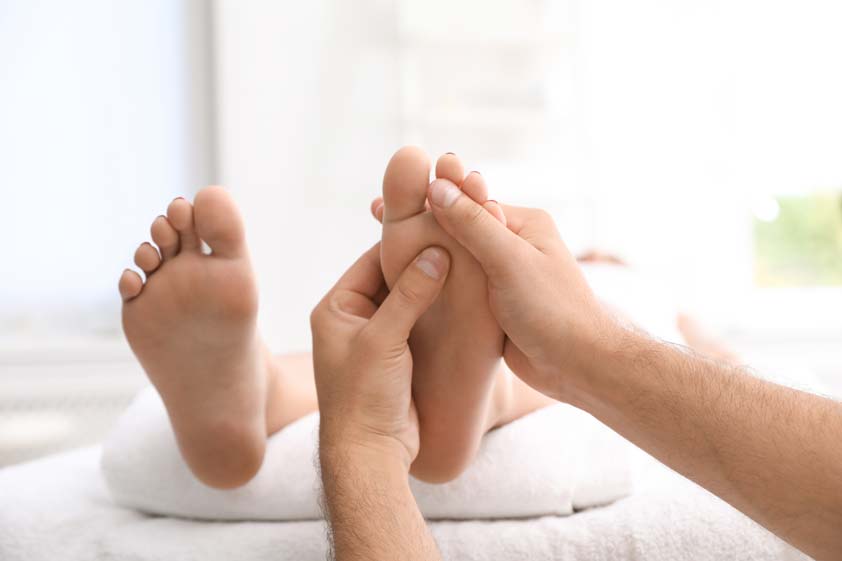
During pregnancy, it is not advised in the first trimester, in high‑risk pregnancies, or where there is unexplained vaginal bleeding, severe abdominal pain, suspected pre‑eclampsia, ruptured membranes, reduced foetal movements, or signs of preterm labour, because these scenarios require urgent medical assessment and hands‑on therapies may be inappropriate.
It is also not recommended when there is fever, acute infection, persistent vomiting, dizziness, fainting, or new severe swelling, as these may indicate systemic illness requiring clinical review.
Where pregnancy complications are being investigated, treatment should wait for midwife or obstetric guidance.
At Spa & Massage clinics, therapists request relevant antenatal details and, if needed, seek written clearance before offering any pregnancy‑adapted reflex therapy, prioritising comfort, consent, and clear stop‑signals throughout.
Is It Safe With Circulation or Clotting Problems?
For people with circulation impairment or clotting disorders, it is not automatically unsafe, but it requires careful screening because sustained pressure to the feet and lower legs may aggravate fragile tissues or, in rarer scenarios, contribute to complications in those with active or suspected thrombosis.
In practice, Spa & Massage therapists would first ask about symptoms such as unilateral swelling, heat, redness, sudden calf pain, or recent immobilisation, and would avoid treatment if these suggest a clot.
When circulation is reduced (for example, peripheral arterial disease), pressure is kept light, session length is shortened, and skin integrity is monitored to minimise bruising or delayed healing.
Varicose veins, easy bruising, or anticoagulant use warrant gentler techniques and clear aftercare guidance.
Which Medical Conditions Need GP Approval Before Reflex therapy?
In clinical practice, GP approval is advisable before reflex therapy when a client has unstable or poorly controlled medical conditions, is under active investigation for new symptoms, or is receiving treatments where changes in circulation, blood pressure, skin integrity, or nerve sensitivity could increase risk.
This includes recent heart attack or stroke, uncontrolled hypertension, significant arrhythmias, advanced heart failure, severe peripheral neuropathy (e.g., diabetes), active cancer care (chemotherapy, radiotherapy, immunotherapy), and current anticoagulants or bleeding disorders.
It also applies to acute infections with fever, rapidly worsening swelling or pain, unexplained weight loss, new numbness or weakness, and complex autoimmune disease on high-dose steroids or biologics.
Spa & Massage advises clients to seek written GP guidance so foot work remains gentle, comfortable, and aligned with medical plans.
How We Safety-Check Reflex Therapy at Spa & Massage
At Spa & Massage, reflex therapy sessions begin with a structured pre-session health screening to identify relevant medical history, current symptoms, and medications.
Therapists then check for contraindications and red flags that may require postponement, modification, or GP approval to reduce avoidable risk.
Where treatment proceeds, the approach is adjusted to the individual—modifying pressure, duration, positioning, and areas worked—to prioritise safety and clinical appropriateness.
Pre-Session Health Screening
Before any reflex therapy session is scheduled, Spa & Massage applies a structured pre-treatment health screening to identify contraindications, flag conditions that require modification or medical clearance, and reduce avoidable risk in a therapy that can influence comfort, circulation, and pain levels.
Clients complete a confidential intake covering medical history, current symptoms, medications, allergies, pregnancy status, recent procedures, and skin integrity of the feet.
A brief verbal review clarifies goals (relaxation, pain management, sleep support) and personal boundaries, including preferred pressure and areas to avoid for modesty or sensitivity.
Therapists assess comfort, temperature, swelling, and tenderness through observation and consented touch, then agree a plan and aftercare.
When uncertainty remains, referral to a GP is advised.
Documentation supports continuity across London clinics.
Contraindications And Red Flags
To make certain reflex therapy remains low-risk and appropriate, Spa & Massage therapists apply a contraindications and red-flag check that determines whether treatment should be postponed, modified, or declined pending medical clearance. Red flags include unexplained calf pain or swelling (possible DVT), chest pain, sudden breathlessness, fainting, new neurological symptoms, fever, or rapidly spreading skin changes.
Local contraindications include open wounds, active fungal infection, cellulitis, fresh bruising, burns, or recent fractures of the foot/ankle. Systemic cautions include uncontrolled hypertension, unstable cardiac disease, active cancer treatment without clinician approval, severe peripheral neuropathy, poorly controlled diabetes, and pregnancy complications. Recent surgery, anticoagulant use, or infection may require GP guidance.
Consent remains ongoing; discomfort, unusual tenderness, or dizziness prompts immediate pause and reassessment.
Tailored Treatment Adjustments
In practice, reflex therapy at Spa & Massage is safety-checked through a structured intake and ongoing in-session monitoring, with treatment pressure, technique, and session scope adjusted to the client’s current health status and local foot conditions. Therapists document medications, circulation issues, pregnancy status, neuropathy, and recent procedures, then select a gentler, shorter protocol when risk is uncertain.
If tenderness, swelling, bruising, skin breaks, fungal infection, or acute pain is present, affected areas are avoided and surrounding zones treated with light, slow contact. Where clients are anticoagulated or bruise easily, deep thumb-walking is replaced with broad, supportive holds. For diabetes or reduced sensation, pressure is minimal and frequent comfort checks are used. If symptoms evolve during the session, treatment pauses and referral is recommended.
Conclusion
It can be a low-risk supportive therapy, but it is not universally appropriate. Absolute avoidance is generally advised with acute infection, severe vascular disease, suspected deep vein thrombosis, uncontrolled bleeding risk, or significant foot wounds. Postpone treatment during febrile illness, immediately post‑operative periods, or flare-ups of unstable conditions. Pregnancy and chronic disease warrant clinician-led screening. Why accept preventable harm when a brief medical check can clarify suitability and safer alternatives for individuals?