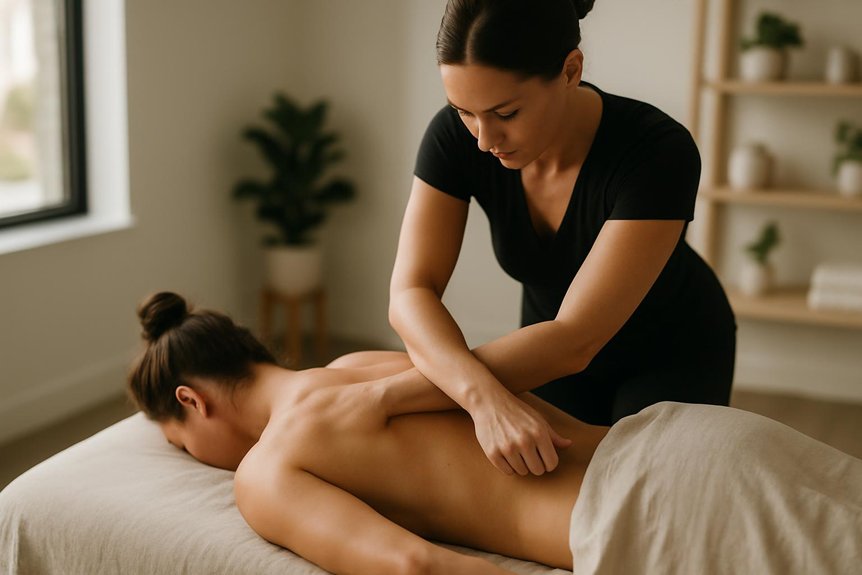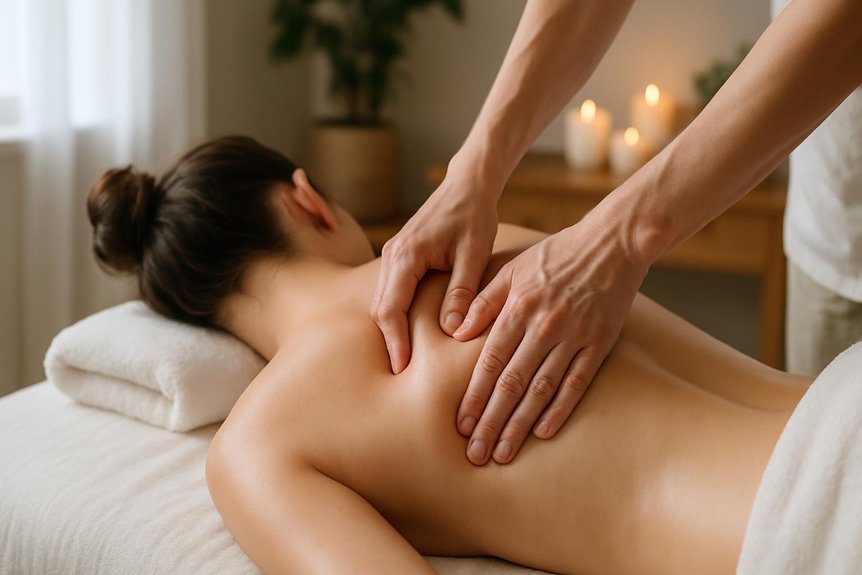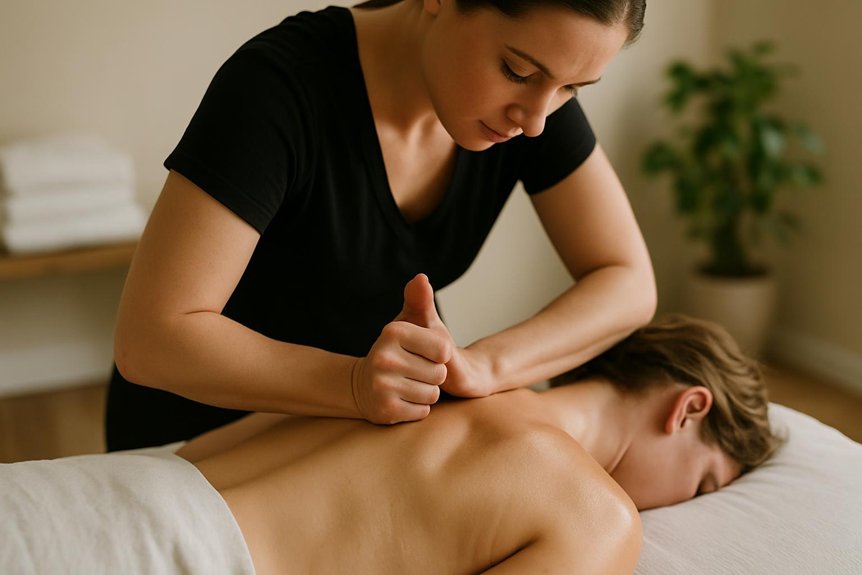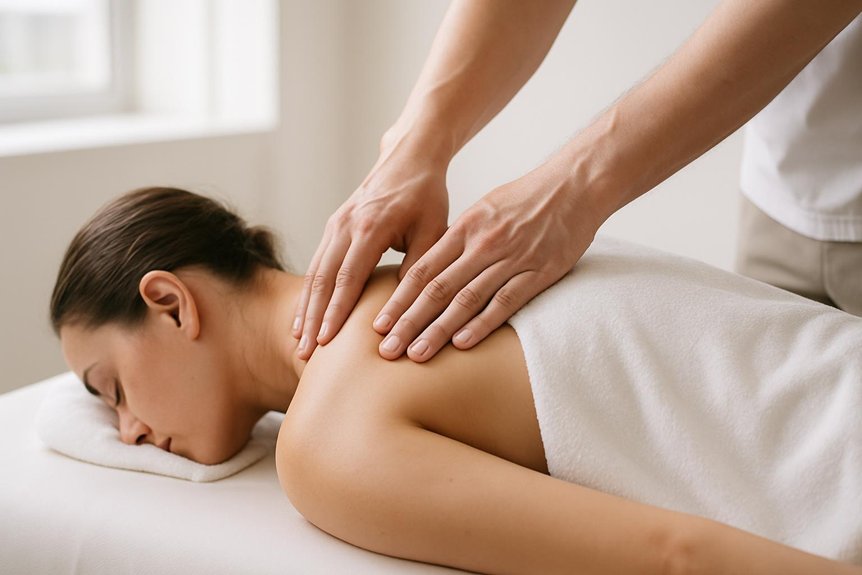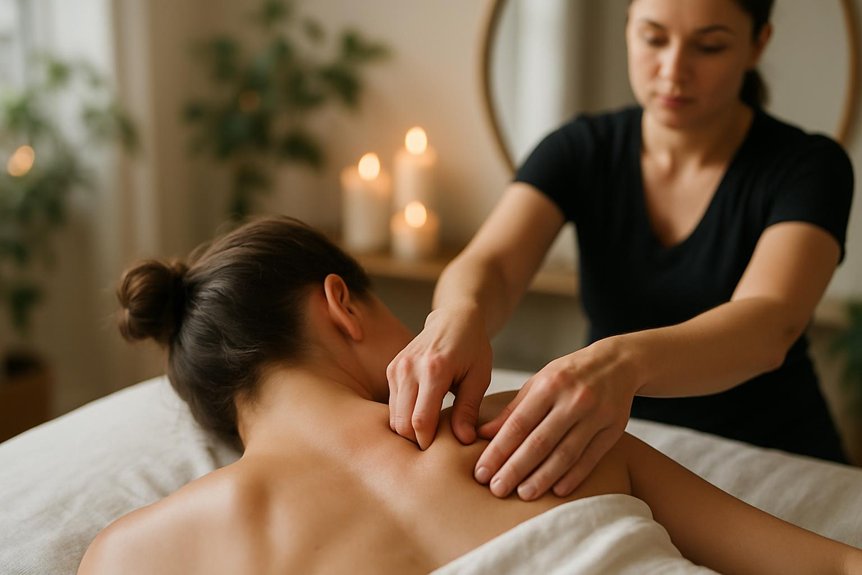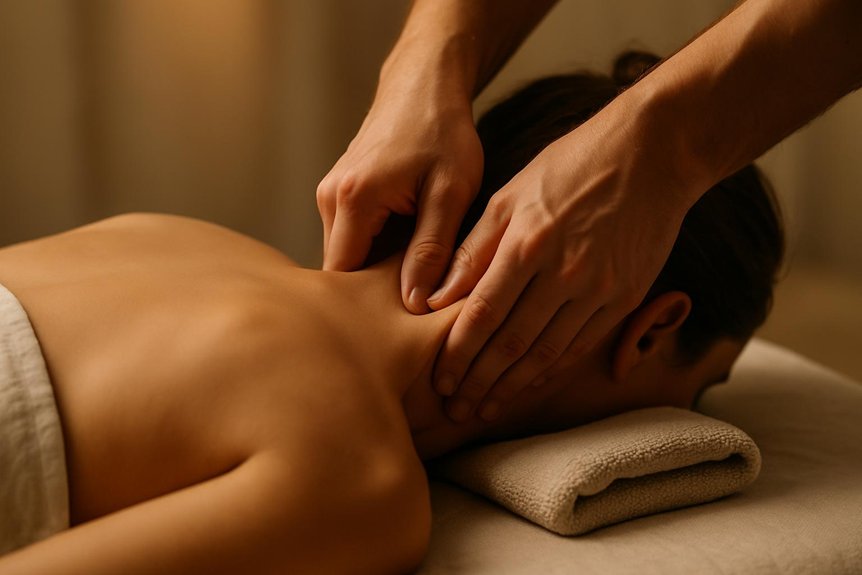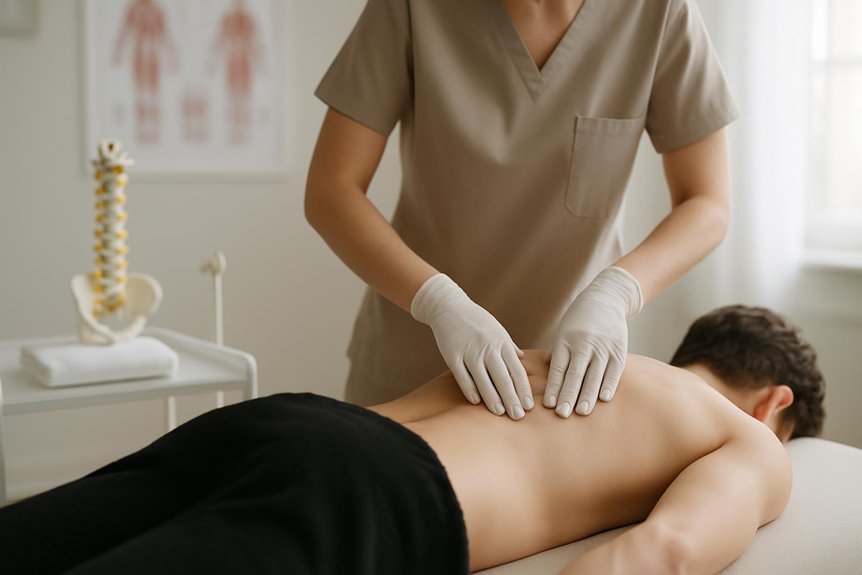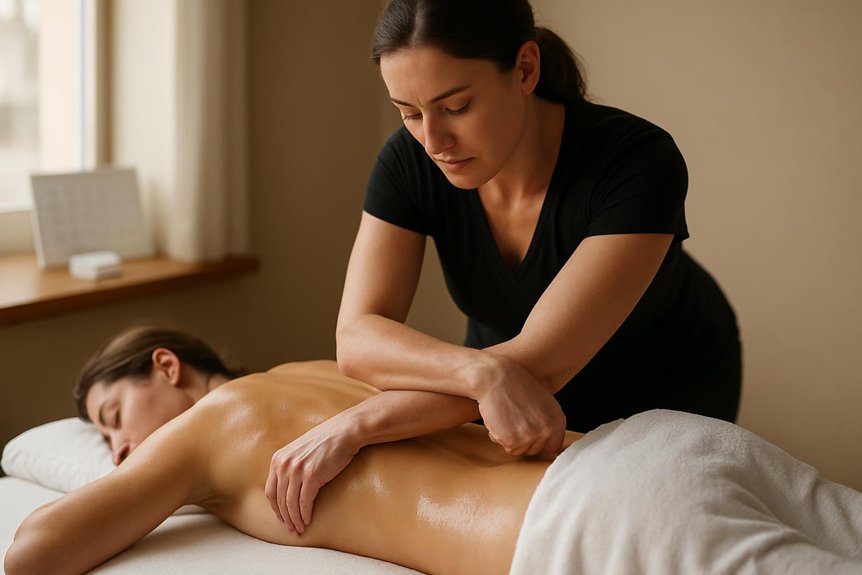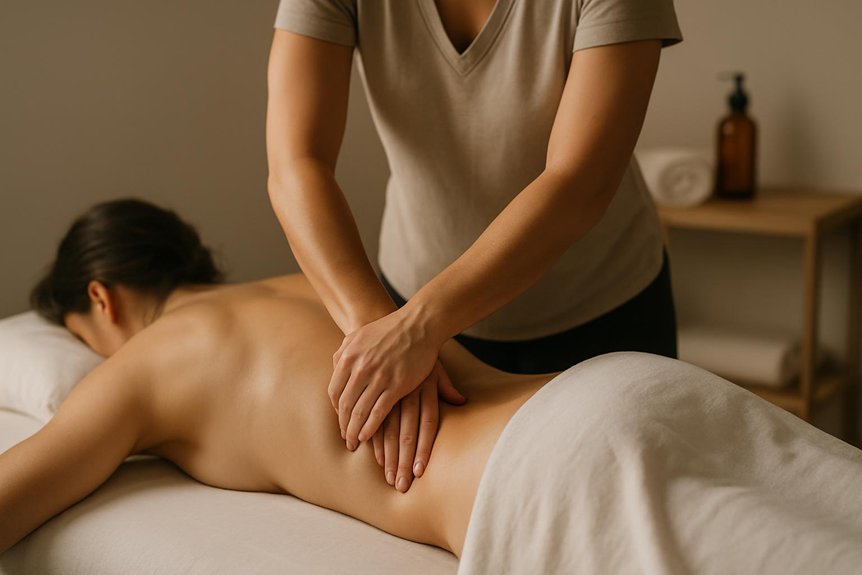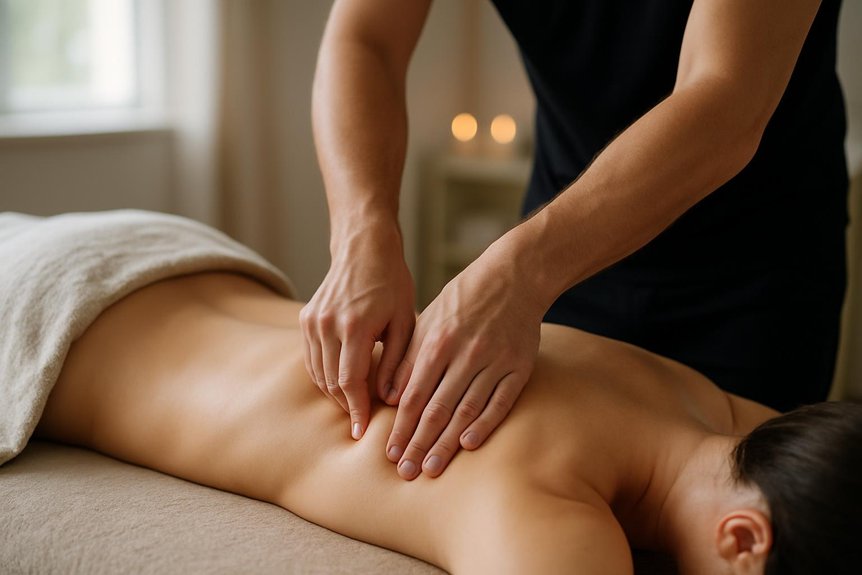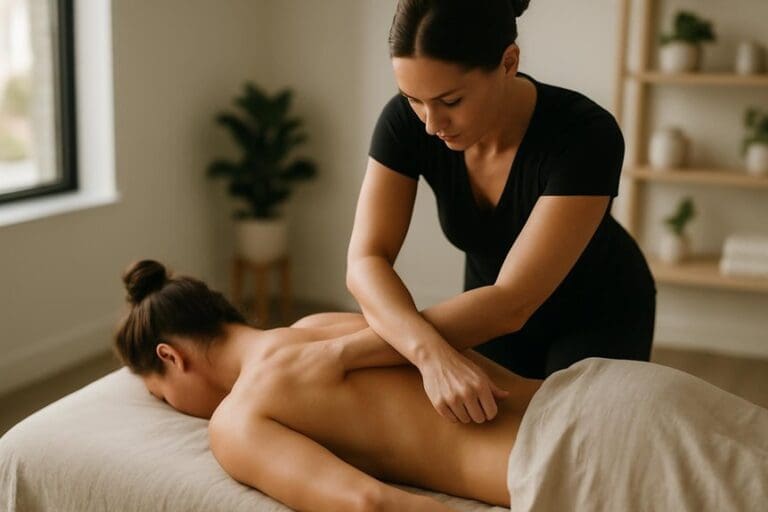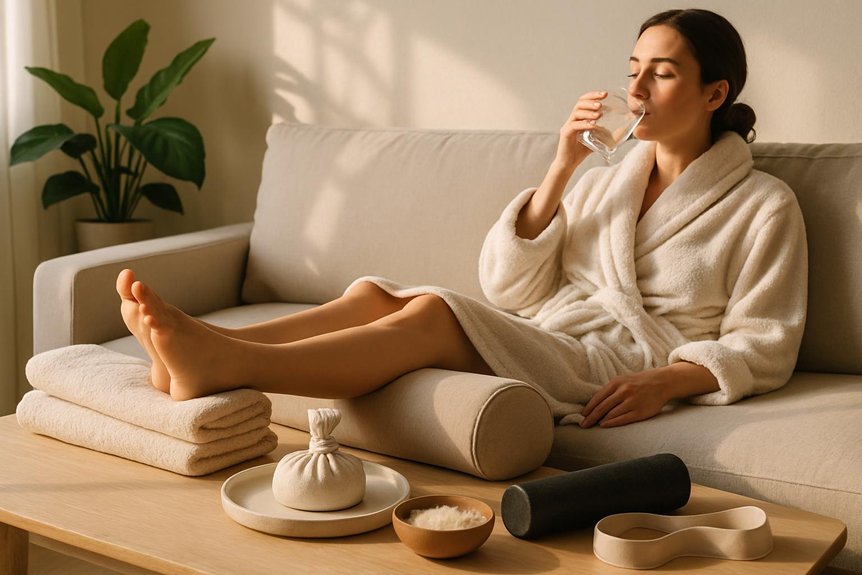
After an intensive tissue massage, recovery is supported by sipping 500–750 ml of water over the next 1–2 hours, then maintaining normal hydration through the day. Keep movements slow and gentle, and allow 20–30 minutes of quiet rest to help the nervous system settle. Eat a light snack or meal with protein and complex carbohydrates, while minimising alcohol and excess caffeine. Expect mild soreness for 24–72 hours; use ice for early “hot” tenderness and gentle heat later for stiffness. More guidance follows below.
Right After Deep Tissue Massage: Do These 5 Things
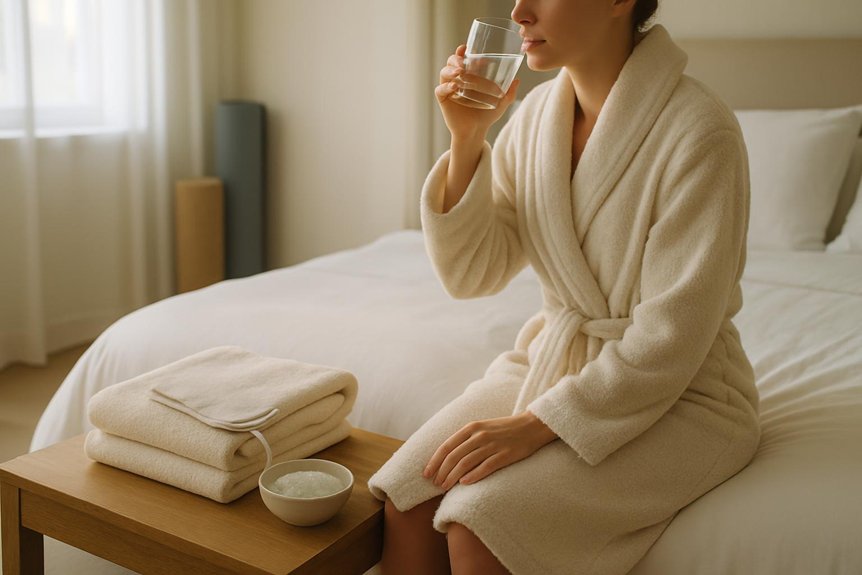
Immediately after an intensive tissue massage, five simple actions help stabilise the body’s response to intensive pressure work and reduce next-day soreness. Deep tissue work targets deeper muscle layers with slower, firmer pressure, so giving your body a calm transition afterward can make recovery smoother.
First, drink water steadily for the next hour to support circulation and lymphatic flow; Spa & Massage therapists routinely advise this.
Second, keep movements slow and close to the body—roll the shoulders, rotate the neck gently, and avoid sudden stretching.
Third, plan quiet time for 20–30 minutes, allowing the nervous system to settle and the tissues to adapt.
Fourth, eat a light, protein-containing snack to support repair, keeping caffeine and alcohol minimal.
Fifth, apply gentle warmth, such as a shower, to encourage comfort, while avoiding intense heat immediately if the area feels tender.
Is Soreness After Intensive Tissue Massage Normal? What to Do
Why does the body sometimes feel sore after an intensive tissue massage?
Firm, targeted pressure can create mild, temporary micro‑irritation in tight muscle fibres and connective tissue, similar to post‑exercise tenderness. This is usually normal for 24–72 hours, especially after first sessions or when long‑held tension is released.
At Spa & Massage clinics across London, therapists explain expected sensations before treatment and adjust depth to keep the work therapeutic, not overwhelming.
For faster comfort, clients should rest, keep the area gently warm, and do light movement such as a relaxed walk or slow stretching within pain‑free range. A cool compress may help if the tissue feels inflamed.
Seek clinical advice if pain is sharp, worsening, or accompanied by swelling, bruising, numbness, or fever.
How Much Water to Drink After Intensive Tissue Massage
After an intensive tissue massage, appropriate hydration supports circulation and helps the body recover efficiently. At Spa & Massage clinics across London, therapists typically advise drinking water steadily over the next few hours—rather than all at once—aiming for pale-yellow urine as a practical guide to adequate intake.
The sections below outline how much to drink, how to time it around the treatment, and simple hydration tips to follow for the rest of the day.
How Much To Drink
In the hours following an intensive tissue massage, most adults should aim to drink around 500–750 ml of water within the first 1–2 hours, then continue with normal hydration for the rest of the day (typically 1.5–2 litres total from fluids, adjusted for body size, activity level, and weather).
At Spa & Massage clinics across London, therapists advise plain water as the default, as it supports circulation and helps tissues feel less “heavy” after focused work. Urine that is pale straw-coloured is a practical target; very dark urine suggests more fluid is needed.
People who sweat heavily, exercise, or consume alcohol or caffeine may require additional water. Those with heart, kidney, or fluid-restriction conditions should follow medical guidance rather than increasing intake.
Timing Your Water Intake
Within the first 15–30 minutes post-treatment, water intake should begin in small, regular sips rather than a single large drink. This supports comfortable digestion while the body settles after deep tissue work and helps maintain circulatory stability.
At Spa & Massage clinics across London, therapists typically advise spreading fluid intake over the next 2–3 hours, aiming for steady hydration rather than “catching up” all at once.
For most adults, dividing roughly 500–750 ml across that window is well tolerated, then continuing normal intake through the day. If the client feels light‑headed, dry‑mouthed, or unusually thirsty, an extra glass over the next hour may be appropriate.
Those with fluid restrictions should follow medical guidance. Warm or room‑temperature water can feel especially soothing and close to the body.
Hydration Tips After Massage
How much water is enough following an intensive tissue massage? Spa & Massage advises 500–750 ml within two hours, then regular sipping to reach 1.5–2 litres across the day, adjusted for body size, heat, and activity. Urine should be pale straw; darker colour suggests more fluid is needed. Hydration supports circulation and helps ease post-treatment soreness and fatigue.
Clients should drink slowly, not in large gulps, and pair water with a light snack containing sodium and potassium if they feel drained. Caffeine and alcohol are best limited for six hoursed as they may increase fluid loss. In Spa & Massage clinics, therapists remind clients to continue sipping during the evening and to stop if nausea occurs.
What to Eat After Intensive Tissue Massage (and What to Skip)
After an intensive tissue massage, post-treatment nutrition should support hydration, reduce unnecessary inflammation, and provide steady energy while the body adjusts to increased circulation and local tissue stress.
Spa & Massage therapists typically advise a light, balanced meal within a few hours: lean protein (eggs, fish, tofu), complex carbohydrates (oats, brown rice), and colourful produce (berries, leafy greens) to provide amino acids and antioxidants.
Add electrolytes through coconut water, broth, or a pinch of sea salt in water if sweating occurred.
Choose gentle fats such as olive oil, avocado, and nuts.
Skip alcohol, highly processed foods, and excessive sugar, which can worsen fluid loss and leave the body feeling tender or foggy. Limit very spicy or heavy meals if the stomach feels sensitive.
Gentle Stretches After Intensive Tissue Massage (Same Day)
On the same day as an intensive tissue massage, gentle stretching can help maintain the mobility gains achieved in the session while keeping post-treatment tenderness from escalating. At Spa & Massage clinics, therapists advise waiting 1–3 hours, then moving slowly and staying below pain. Each stretch should feel like a warm, easing pull, never sharpness.
A simple sequence: neck side-bend, chest doorway opener, seated figure‑four for hips, and calf stretch at a wall. Hold 20–30 seconds, breathe into the tight area, and repeat 2–3 times per side. The body should be supported with cushions or a folded towel to encourage ease. If a muscle spasms, tingles, or becomes more sore, the stretch should stop and range should be reduced.
Heat vs Ice After Intensive Tissue Massage: Which to Use When?
After an intensive tissue massage, selecting heat or ice should be based on the type of post-treatment response and the time since the session.
At Spa & Massage clinics across London, therapists typically recommend ice for early tenderness, inflammation, or sharp “hot” soreness, and heat for later stiffness, tightness, or dull aching that benefits from increased circulation.
The guidance below outlines when each option helps most, along with timing and safety tips to protect the skin and support recovery.
When Heat Helps Most
In the hours following an intensive tissue massage, heat is most helpful when the aim is to ease general muscle tightness, restore comfortable range of motion, and support relaxation rather than reduce acute swelling. Warmth encourages circulation and softens protective guarding, which can feel especially soothing in the neck, shoulders, hips, and lower back.
At Spa & Massage clinics across London, therapists typically suggest gentle heat 6–24 hours after treatment: a warm shower, bath, or a covered heat pack on low for 10–15 minutes. The skin should feel comfortably warm, never hot, and the heat should be removed if throbbing or tenderness increases. Pairing heat with slow, affectionate stretching and calm breathing can help the body settle and integrate the session.
When Ice Works Best
Heat tends to suit general post-treatment tightness and relaxation, whereas ice is better reserved for short-term calming when irritation is more prominent than stiffness.
Ice can feel most appropriate when an area is tender to touch, slightly inflamed, or “hot” after focused deep tissue work, especially around a specific knot or overworked muscle.
It may also help when there is mild swelling or a bruised sensation that makes movement feel sharp rather than restricted.
At Spa & Massage clinics, therapists often suggest a gentle cold approach for clients who leave feeling sensitised, as it can quieten the nervous system and reduce throbbing.
Ice is typically chosen for small, localised spots, allowing the rest of the body to stay comfortably warm and settled.
Timing And Safety Tips
Within the first 24 hours post‑treatment, timing and application method determine whether heat or ice supports recovery or aggravates sensitivity.
Spa & Massage therapists generally advise ice first if there is tenderness, bruising, or a “hot” inflamed feeling: apply a cold pack wrapped in a soft towel for 10–15 minutes, then rest 45–60 minutes before repeating.
Heat is usually introduced after 24–48 hours when soreness feels dull or stiff; use a warm compress or shower for 10–20 minutes to soften tissue and ease guarding.
Skin should be checked every few minutes; numbness, burning, or blotchy colour means stop.
Avoid heat over fresh bruises, and avoid ice if circulation is compromised.
If pain escalates, seek clinical advice promptly.
Rest and Sleep After Intensive Tissue Massage (Training Guidance)
After an intensive tissue massage, adequate rest and high-quality sleep support tissue repair, nervous-system downregulation, and a smoother recovery.
Spa & Massage therapists advise scheduling the session when the client can slow down afterwards, ideally allowing a calm evening and an early night. Short naps are acceptable, but 7–9 hours of uninterrupted sleep is preferred.
In bed, gentle positioning helps: a pillow between the knees for side-sleepers, or under the knees when supine, to ease lumbar tension.
Keeping the room cool, dim, and quiet reduces sympathetic arousal.
A brief wind-down—warm shower, light stretching, and slow breathing—encourages parasympathetic tone.
If tenderness persists, rest days can be planned around training loads.
What to Avoid After an Intensive Tissue Massage for 24–48 Hours
For the next 24–48 hours, the body may respond to deep tissue work with temporary soreness and mild inflammation, so certain behaviours are best avoided to prevent aggravation and to support recovery.
Spa & Massage therapists advise avoiding strenuous workouts, heavy lifting, or intense stretching that can re-irritate treated fibres. Hot baths, saunas, and heat packs should be limited, as heat may increase swelling; if tenderness is sharp, choose cool compresses briefly.
Alcohol and excessive caffeine can worsen dehydration and sensitivity, so they are best minimised. Skipping meals or relying on ultra-processed foods may slow tissue repair; opt for light, nourishing choices.
Avoid deep self-massage or aggressive foam rolling over sore areas, especially bruised spots. If pain escalates, seek medical advice promptly.
When to Book Your Next Intensive Tissue Massage at Spa & Massage
In the days following an intensive tissue massage, the ideal timing for the next session depends on how the client’s body recovers and what the treatment is intended to address.
If tenderness resolves within 24–72 hours, a follow-up can be booked in 1–2 weeks for ongoing tightness, postural strain, or stress-related holding patterns. For acute flare-ups or sports recovery, spacing sessions 5–10 days apart may be appropriate, provided bruising and sharp pain are absent.
For maintenance, many clients choose every 3–6 weeks to keep muscles supple and touch comfortably familiar. At Spa & Massage clinics across London, therapists reassess tissue response, sleep, hydration, and mood before recommending timing, adjusting pressure and technique to support safe, close-contact care.
Conclusion
After intensive tissue massage, recovery is less about doing more and more about doing right: hydrate, eat simply, move gently, and prioritise sleep. Mild soreness can be expected; it is often the body’s normal response to deeper mechanical input. Use heat for stiffness, ice for sharp or localised tenderness, and avoid strenuous training, alcohol, or prolonged heat for 24–48 hours. Like tuning a stringed instrument, small adjustments restore balance. If symptoms persist, reassessment is advised.