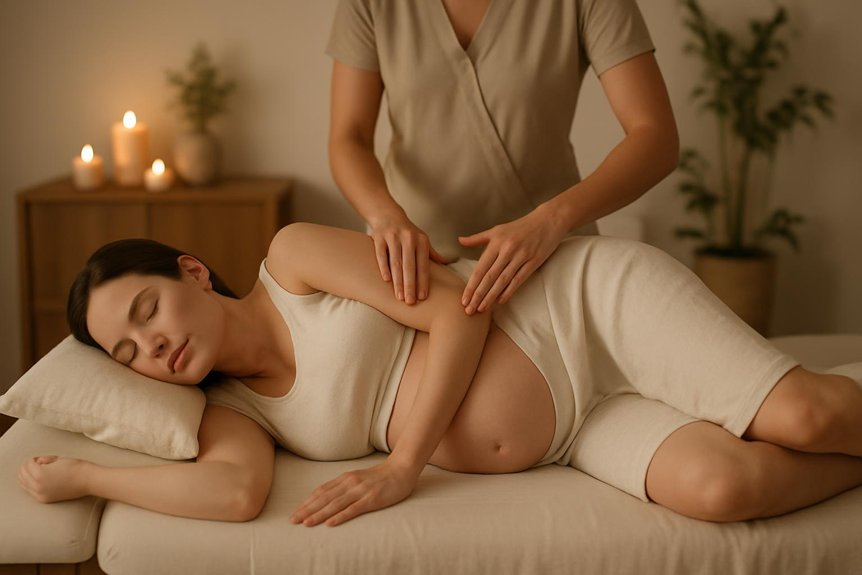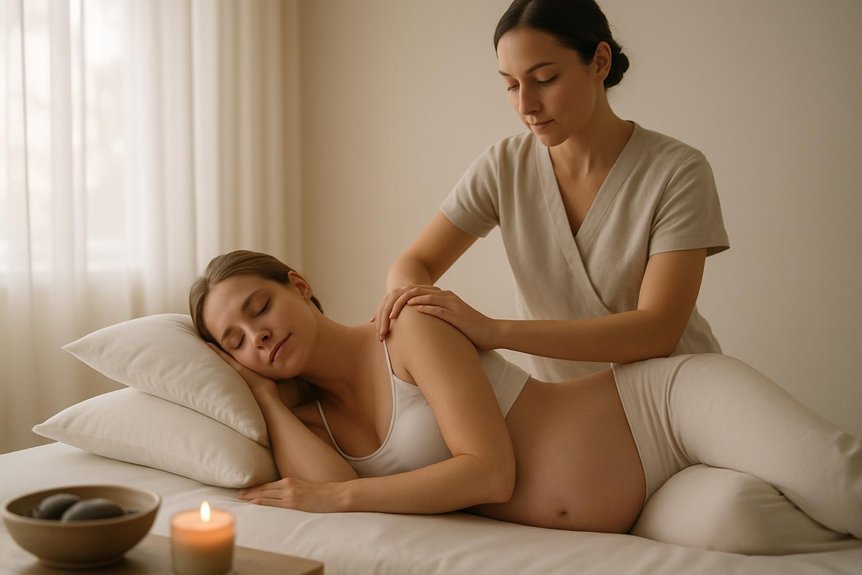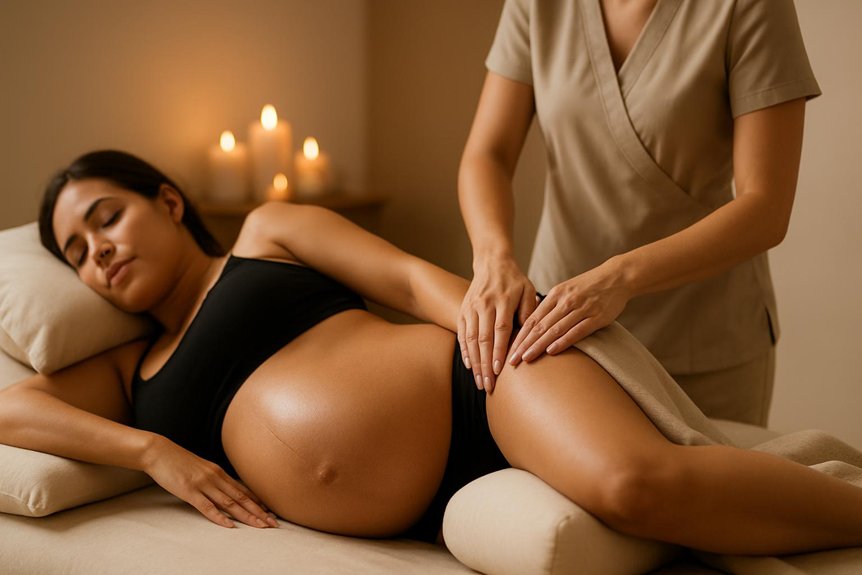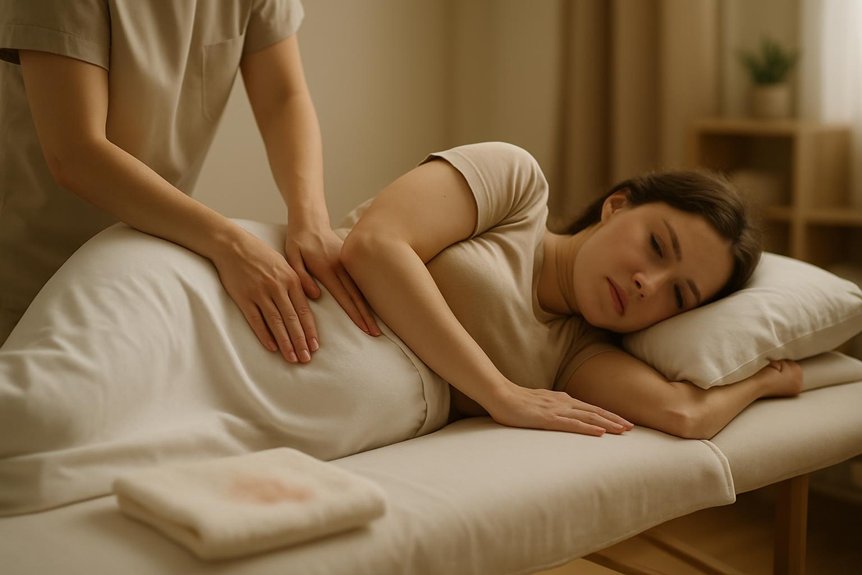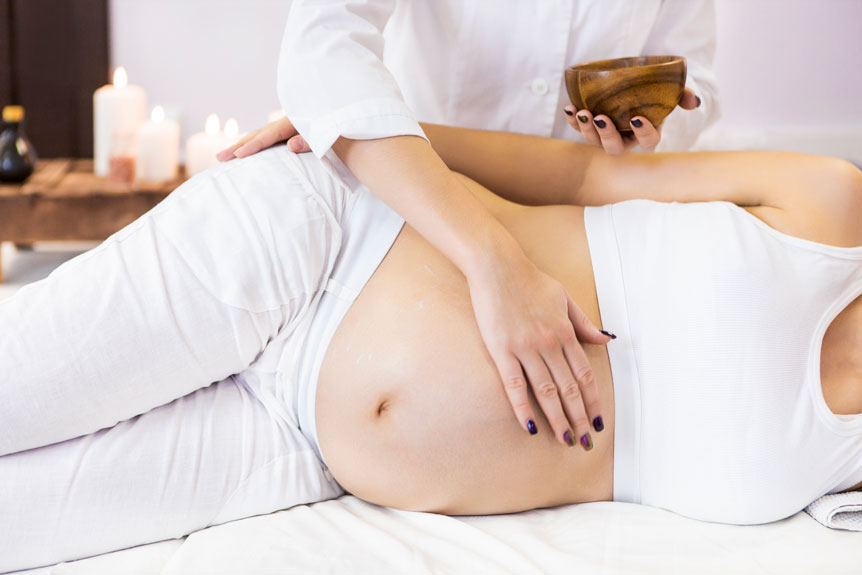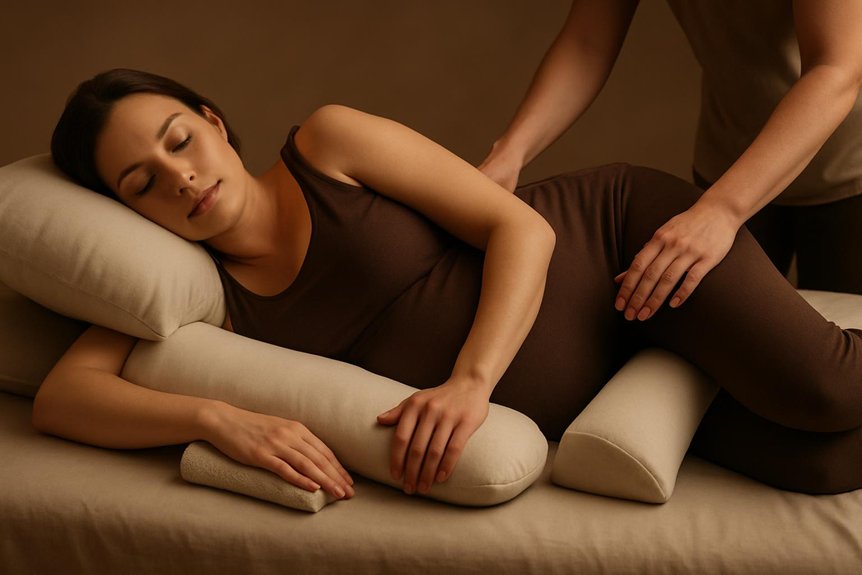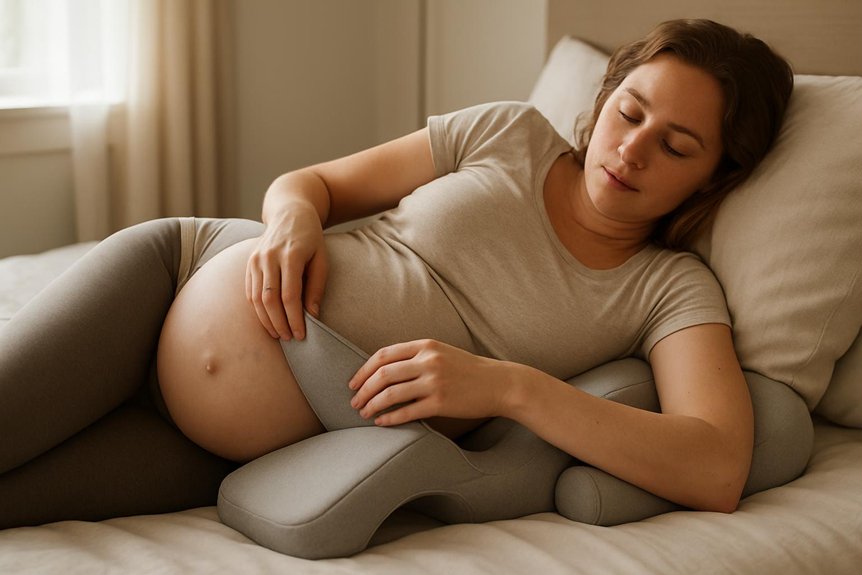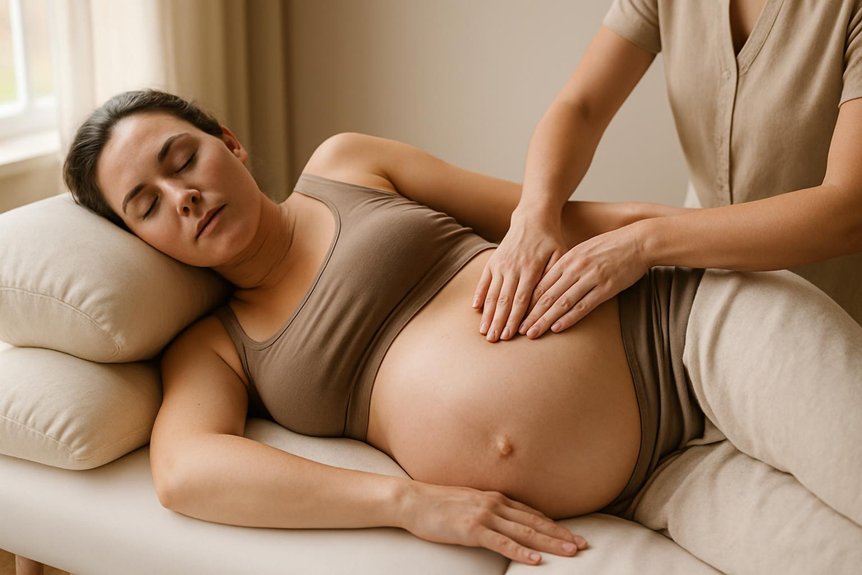
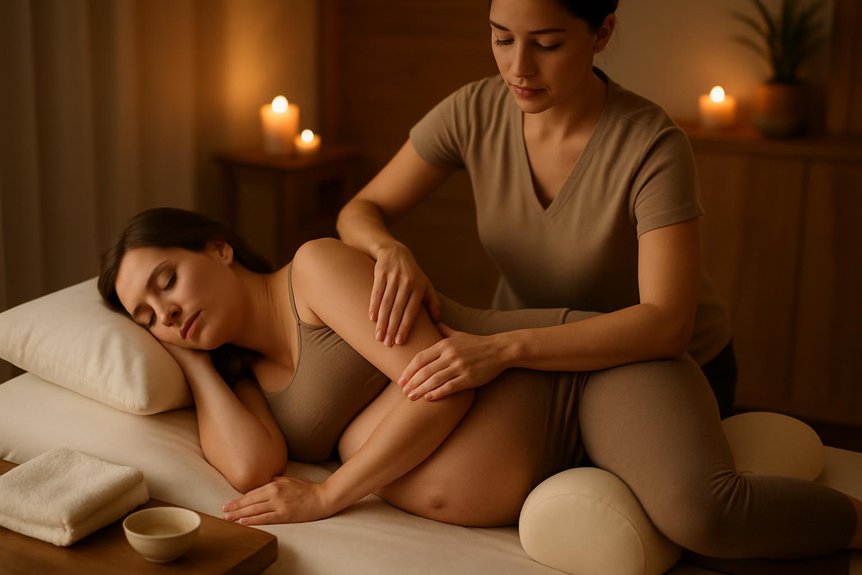
A prenatal massage typically starts with a brief health intake to confirm gestational week, medications, allergies, and any warning signs such as bleeding, fever, severe pain, dizziness, or sudden swelling. The client is positioned side-lying or semi-reclined with pillows to support the belly, back, and knees, avoiding prolonged flat back-lying. Techniques are slow and gentle, focusing on hips, lower back, shoulders, and legs, using minimal, pregnancy-safe oils. Further guidance explains when to postpone and how aftercare supports comfort.
Is Prenatal Massage Safe for You and Baby?
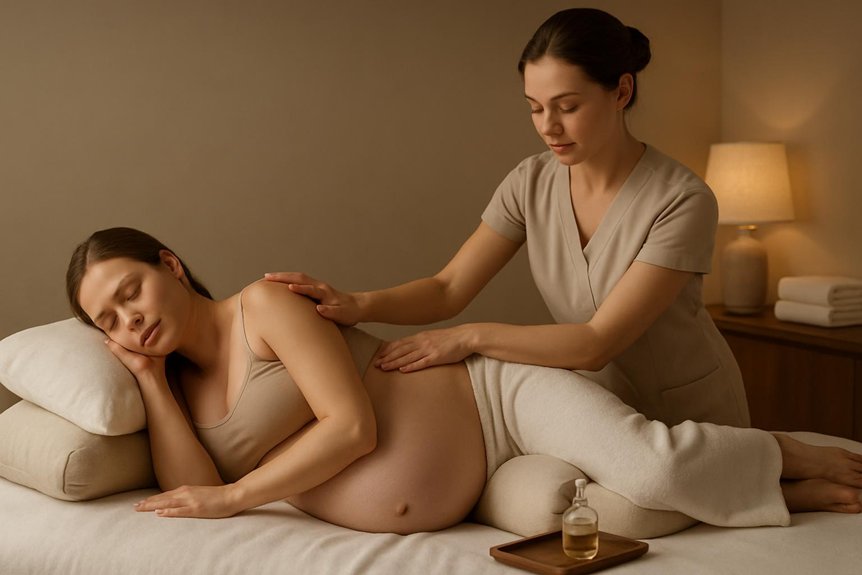
Although pregnancy brings natural physical changes and new precautions, prenatal massage is generally considered safe for both parent and baby when it is performed by a qualified therapist using pregnancy-appropriate positioning, pressure, and contraindication screening.
At Spa & Massage clinics across London, therapists support comfortable side-lying set-ups, adjust pressure to pregnancy-sensitive tissues, and avoid techniques that could strain joints loosened by hormonal shifts.
Many expecting parents also seek prenatal massage for the broader benefits of pregnancy massage that can support comfort and wellbeing throughout pregnancy.
Safety focus includes careful attention to swelling, dizziness, pain, bleeding, fever, clotting risk, or signs of preeclampsia, with referral to medical guidance when needed.
When appropriate, gentle, slow strokes can ease low-back tension, hip discomfort, leg heaviness, and stress, promoting calmer breathing and deeper rest.
Aftercare emphasises hydration, rising slowly, and observing any unusual symptoms.
Booking a Prenatal Massage in London: What to Tell Us
When booking a prenatal massage in London, clients should be prepared to share a few key health and pregnancy details so the treatment can be planned safely and comfortably.
Spa & Massage will ask how many weeks pregnant they are, whether the pregnancy is classed as low or high risk, and any guidance from their midwife or consultant.
Relevant medical history should be disclosed, including blood pressure issues, clotting risk, gestational diabetes, pre-eclampsia symptoms, pelvic pain, recent bleeding, infections, or swelling.
Clients should mention any medications, allergies, and sensitivities to essential oils or fragrances, as well as areas that feel tender, numb, or emotionally sensitive.
Sharing comfort preferences—pressure level, modesty needs, temperature, and quiet—helps the session feel calm, private, and respectfully intimate.
How Will We Position You for Prenatal Massage?
In prenatal massage, safe positioning is used to protect circulation, reduce strain on the lower back and pelvis, and keep both parent and baby comfortable throughout the treatment.
At Spa & Massage clinics, therapists typically use a side-lying position with supportive pillows for the head, belly, and between the knees, promoting a sense of closeness and ease without pressure on the abdomen.
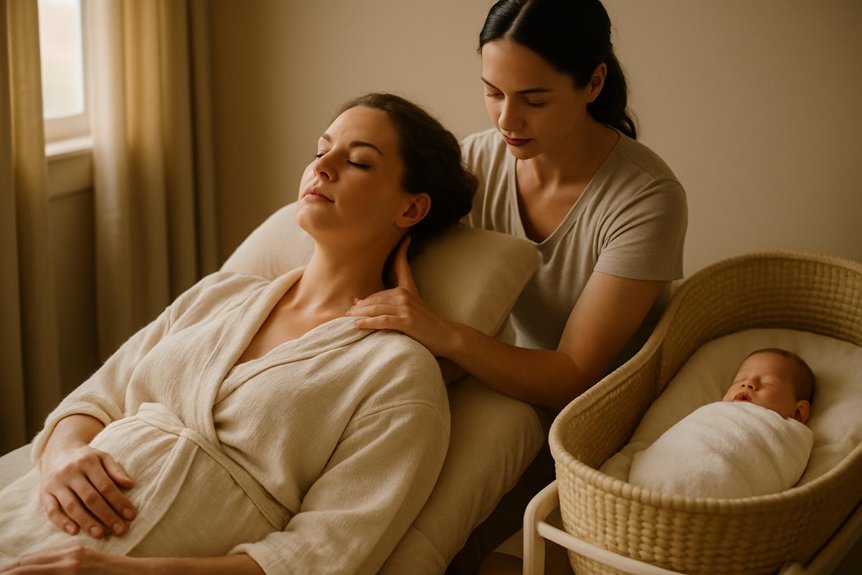
Semi-reclined positioning may be used when side-lying is not preferred, with bolsters placed to keep the chest open and breathing unrestrained.
Lying flat on the back is generally avoided as pregnancy progresses, as it can affect venous return.
Therapists adjust props frequently, checking comfort, warmth, and modest draping so the body feels secure and cared for.
What Happens During a Prenatal Massage Session?
At Spa & Massage clinics across London, a prenatal massage session typically begins with a calm arrival and a brief consultation to confirm health history, current symptoms, and any pregnancy-related precautions.
The therapist then applies clear safety checks, positions the client comfortably with appropriate support, and uses pregnancy-appropriate techniques tailored to individual needs.
The session concludes with simple aftercare guidance—such as hydration, gentle movement, and what to monitor—so the client leaves feeling informed and supported.
Arrival, Consultation, Safety
Before any hands-on work begins, a prenatal massage session at Spa & Massage starts with a calm arrival, a brief health consultation, and clear safety checks to guarantee the treatment is appropriate for the current stage of pregnancy and any relevant medical considerations.
The therapist confirms gestational week, current symptoms, and any guidance from a midwife or GP, including blood pressure concerns, swelling, pelvic pain, or a history of complications.
A short intake form reviews medications, allergies, and skin sensitivities so products and contact remain gentle and well tolerated.
Consent is discussed plainly, including preferred areas, boundaries, and comfort with draping, so the client feels private, secure, and respected.
Any contraindications are screened; if present, the session is adapted or postponed to protect both parent and baby.
Positioning, Techniques, Aftercare
From the moment hands-on work begins, a prenatal massage session is structured around safe, supported positioning—typically side-lying with specialist bolsters and careful draping—so the abdomen remains free of pressure and circulation is not compromised.
At Spa & Massage clinics, therapists use slow, grounding strokes, gentle kneading, and targeted release for hips, low back, shoulders, and legs, adjusting depth to comfort and trimester. Pressure is kept moderate; work over the abdomen is avoided unless specifically requested and clinically appropriate. Unscented or pregnancy-appropriate oils may be used to maintain glide and protect sensitive skin.
Aftercare includes rising slowly, drinking water, and noting post-treatment sensations. Clients are advised to rest, avoid strenuous activity, and contact the clinic if unusual symptoms occur.
Which Areas Does Prenatal Massage Focus on Most?
A prenatal massage typically concentrates on the areas most affected by postural change and increased load during pregnancy—particularly the lower back, hips and glutes, pelvis-adjacent musculature, shoulders and neck, and the legs and feet. At Spa & Massage clinics across London, therapists prioritise these regions to ease aching, reduce tension, and support comfortable movement while maintaining maternal and fetal safety.
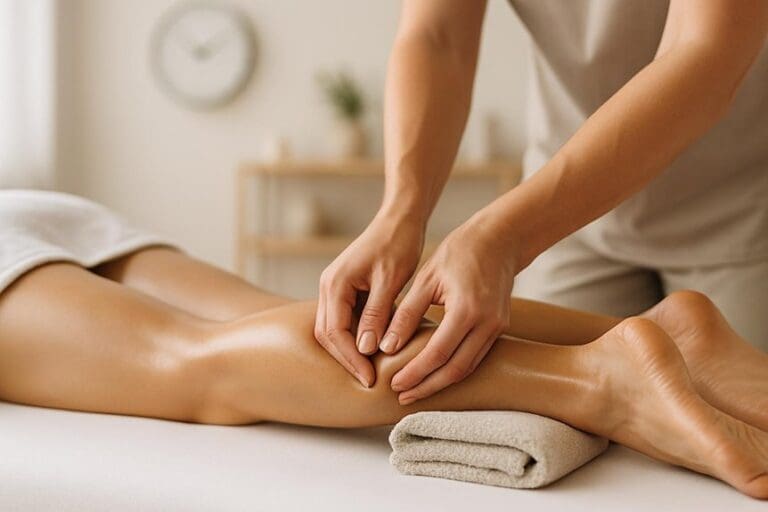
Work commonly addresses sacral and lumbar tightness, then broadens to hip rotators and gluteal lines that can refer discomfort down the thighs. Upper-body focus often centres on the shoulder girdle and neck, where postural compensation creates guarded muscles and headaches. Lower-limb attention targets calves, ankles, and soles to relieve heaviness, swelling, and cramping. Contact remains respectful, warm, and clearly consent-led throughout each session.
What Oils and Pressure Are Used in Prenatal Massage?
At Spa & Massage clinics, therapists select pregnancy-safe, typically unscented or carefully diluted oils and confirm any sensitivities before treatment.
Pressure is kept light to moderate and adjusted continuously to comfort and trimester, with deeper work avoided where it could strain joints or circulation.
Certain areas and techniques are routinely avoided or modified—such as intensive abdominal work and strong pressure over high-risk points—to prioritise maternal and fetal safety.
Pregnancy-Safe Massage Oils
During prenatal massage, oil selection and pressure are kept deliberately conservative to prioritise comfort and maternal–foetal safety.
At Spa & Massage clinics across London, therapists typically choose hypoallergenic, fragrance-free carrier oils with excellent glide, such as grapeseed, sweet almond, or jojoba, to support close, nurturing contact without irritation. If aromatherapy is requested, dilution is kept very low and only pregnancy-appropriate essential oils are considered; many clients prefer no essential oils at all, especially in the first trimester.
Patch testing is advised for sensitive skin, and oils are avoided over broken skin, rashes, or newly shaved areas. Clinicians also screen for allergies, asthma, migraines, or nausea triggers before application.
Clean, warmed oil is used sparingly to reduce slipping and maintain secure support.
Pressure Levels And Adjustments
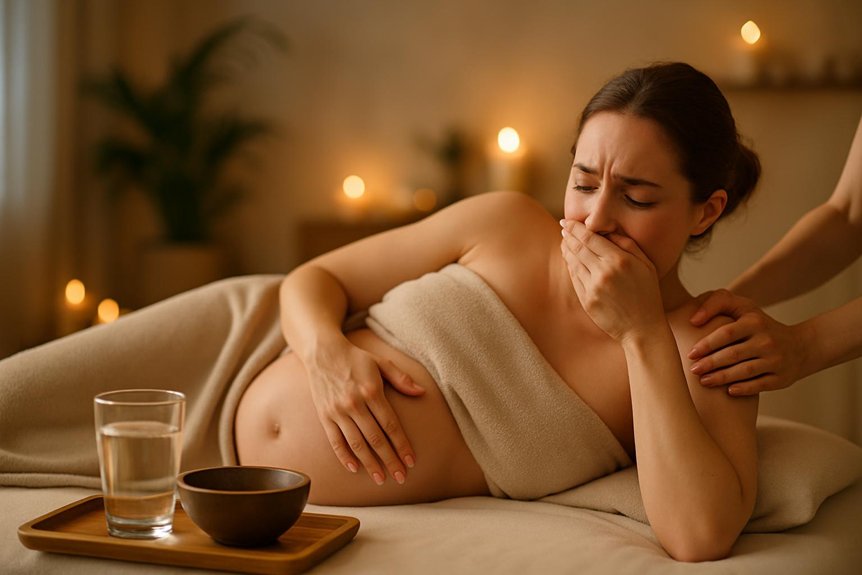
Because pregnancy changes circulation, joint stability, and pressure tolerance, prenatal massage at Spa & Massage is delivered with light-to-moderate pressure that can be reduced immediately if there is any discomfort, tenderness, dizziness, or nausea.
Therapists monitor breath, muscle guarding, and facial cues, then adjust stroke speed, depth, and contact area to keep touch soothing and secure.
Pressure is typically broader and slower than deep tissue work, using forearms and open palms rather than pointed elbows or knuckles.
Clients are invited to request “lighter,” “slower,” or “more grounding” at any moment, including between contractions of tightness and release.
In all clinics, a pregnancy-safe oil or cream is applied sparingly to maintain glide while preserving steady, reassuring contact.
Areas We Avoid
Prioritising safety means certain regions and techniques are deliberately avoided in prenatal massage. At Spa & Massage clinics, therapists do not apply deep, sustained pressure to the abdomen, nor aggressive work over the lower back or sacrum when discomfort or medical risk is present. High-velocity stretches, joint cracking, and percussive techniques are excluded. Sensitive acupressure points around the inner ankle and certain hand webbing are treated conservatively.
Oils are selected for tolerance and low sensitisation; in practice, therapists favour unscented or lightly fragranced blends and avoid strong essential oils unless specifically cleared. Pressure remains moderate, paced to the client’s breathing and comfort, with extra caution around varicose veins, swollen calves, and any tender pelvic regions throughout pregnancy.
When Should You Avoid Prenatal Massage or Ask Your GP?
When should prenatal massage be avoided, or a GP consulted first? It is advisable when pregnancy is high‑risk, complications are suspected, or symptoms feel unfamiliar.
Massage should be postponed with vaginal bleeding, leaking fluid, severe abdominal pain, fever, uncontrolled vomiting, dizziness or fainting, sudden swelling, headache with visual changes, chest pain, or shortness of breath.
Medical clearance is also sensible with pre‑eclampsia, placenta praevia, threatened preterm labour, clotting disorders, DVT history, anticoagulant use, uncontrolled hypertension, or significant heart, kidney, or liver disease.
At Spa & Massage London clinics, therapists request pregnancy stage and any medical notes, and will gently decline treatment if safety is uncertain.
This preserves comfort, privacy, and calm while prioritising maternal and baby wellbeing.
Prenatal Massage Aftercare: How to Feel Better Longer
Often, the benefits of prenatal massage can be extended markedly with simple, safety-led aftercare in the hours and days that follow. Spa & Massage therapists advise drinking water, rising slowly, and resting for 10–15 minutes to prevent light-headedness.
Warmth can be soothing; a short bath or heat pack on low may ease residual tightness, avoiding high temperatures and the abdomen. Gentle walking and pelvic tilts may maintain circulation without strain.
Many clients choose light stretching and mindful breathing to keep the body calm and connected. If oils were used in-clinic, skin should be kept clean and monitored for irritation.
Any unusual pain, dizziness, bleeding, reduced fetal movement, or contractions warrants immediate GP or maternity assessment. Scheduling follow-up sessions can sustain relief, safely.
Conclusion
Prenatal massage in a London clinic is designed to be both therapeutic and precautionary, with each session adapted to trimester, symptoms, and medical advice. Screening, positioning, pressure, and product choice are handled conservatively, and consent-driven communication remains continuous. Done appropriately, it can reduce musculoskeletal strain, support circulation, and improve rest. Like a carefully calibrated instrument, the treatment aims for steady relief without excess. Aftercare—hydration, gentle movement, and rest—helps sustain benefits safely.