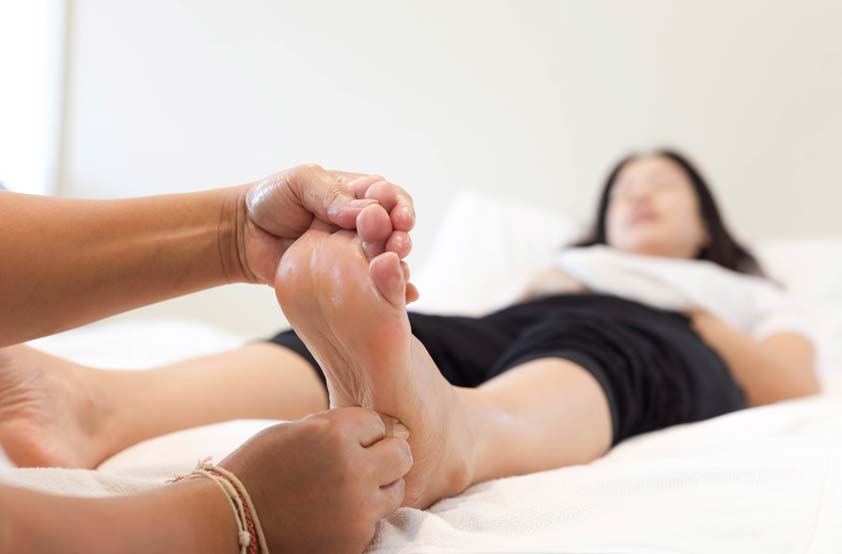
It can make some people feel sleepy because it often triggers a relaxation response and shifts the body toward a parasympathetic “rest-and-digest” state. This drowsiness is usually temporary, commonly lasting 30 minutes to a few hours, and varies by person and stress level. Taking a few quiet minutes before standing, sipping water, and resting in a warm, screen-free space can help. More details on timing, causes, and safety considerations follow.
Does It Make You Sleepy?
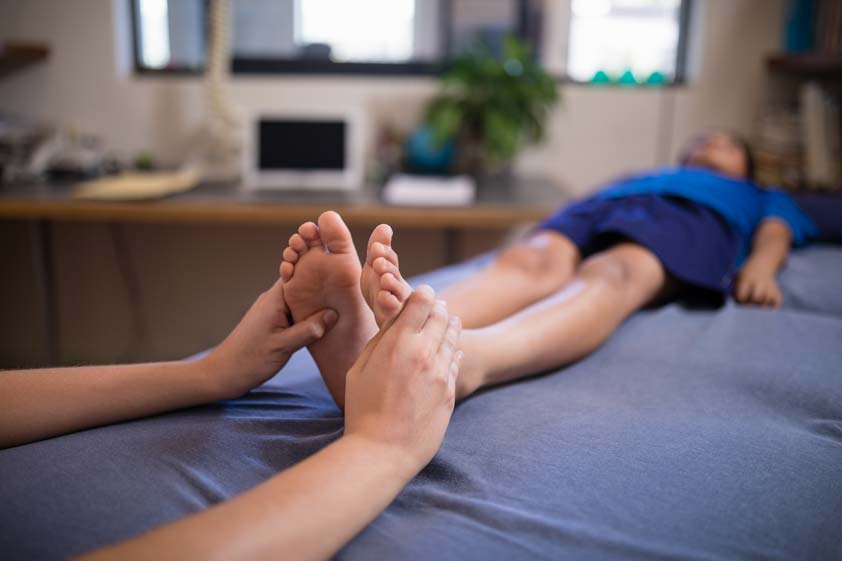
It can sometimes make a person feel sleepy, particularly when the treatment activates the body’s relaxation response and reduces stress-related arousal. In Spa & Massage clinics across London, therapists often observe gentle drowsiness during or after a session, especially in clients who arrive overstimulated, under-rested, or carrying muscle tension. Many people also explore it for its potential healing power and overall restorative effects.
Sleepiness is not guaranteed; some clients feel quietly energised, while others notice heavy eyelids, slower thoughts, and a desire to rest. This response is typically temporary and can be supported by unhurried aftercare: drinking water, keeping plans light, and allowing a calm journey home.
For clients seeking deeper rest, scheduling reflex therapy in the evening and creating a soothing bedtime routine may help the body settle more readily afterwards.
How Reflexology Calms Your Nervous System
That post-treatment drowsiness often links to a broader shift in nervous system activity. Evidence suggests gentle, rhythmic pressure on the feet can reduce stress arousal and support parasympathetic “rest-and-digest” tone, reflected in slower breathing, softer muscle tension, and a steadier heart rate. Many clients notice their thoughts quieten as the body receives clear, non-threatening sensory input.
At Spa & Massage clinics across London, therapists use measured pressure, unhurried pacing, and supportive bolstering to help the system feel safe. This can downshift cortisol-driven alertness and ease sympathetic overactivity, especially after busy commutes, long screen time, or prolonged standing.
The result is a calm, held feeling—grounded, intimate, and deeply reassuring—without needing words.
Sleepy After Reflex Therapy: What’s Normal (and How Long It Lasts)
Why does sleepiness sometimes arrive so quickly after a treatment? It can shift the body toward parasympathetic “rest-and-digest” activity, lowering arousal and inviting drowsiness. For many clients at Spa & Massage, this is a normal, even welcome, response—especially when stress, poor sleep, or overwork have been building.
Typically, post-treatment sleepiness lasts from 30 minutes to a few hours; some people feel calmer and more ready for bed that evening. It should ease with gentle movement, a light meal, and steady hydration. Our therapists recommend allowing unhurried time after the session, avoiding intense workouts, and planning a quiet journey home.
If marked fatigue persists beyond 24 hours, or comes with dizziness or nausea, it’s sensible to check in with a clinician.
Reflex Therapy Points Linked to Sleep and Relaxation
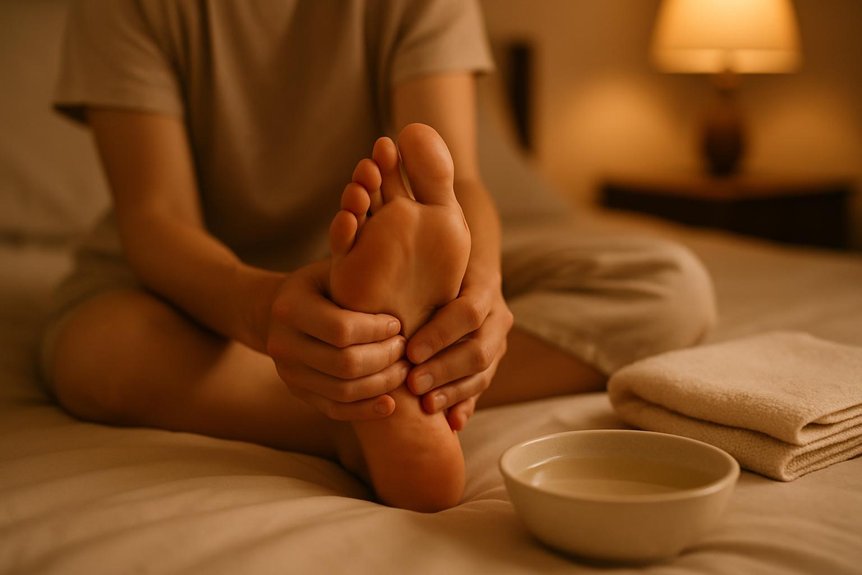
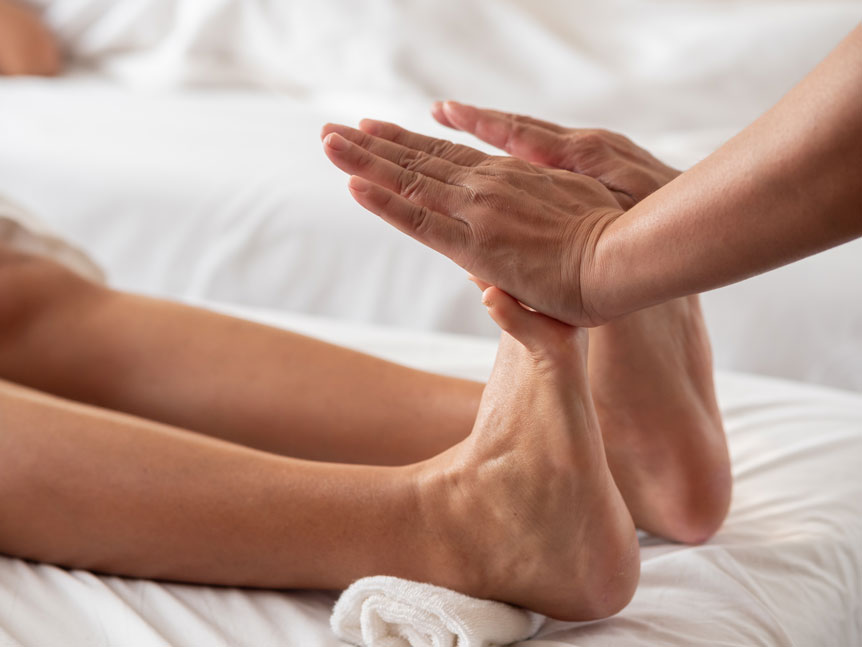
In many sessions, sleepier states are supported by working specific foot zones associated in reflex therapy with calming the nervous system and easing mental overactivity.
Practitioners commonly focus on the solar plexus point (mid-foot) to encourage a steadier breath, and the “head/brain” areas on the big toe to soothe busy thoughts.
The inner edge of the foot, mapped to the spine, is often worked with slow, consistent pressure to invite a sense of grounding.
Some protocols include gentle attention to the heel region linked with pelvic tension, supporting whole-body ease.
At Spa & Massage clinics across London, therapists pace pressure to the client’s comfort and track responses in real time, aiming for safe relaxation rather than intensity.
Why You Might Feel Extra Tired After Reflex Therapy
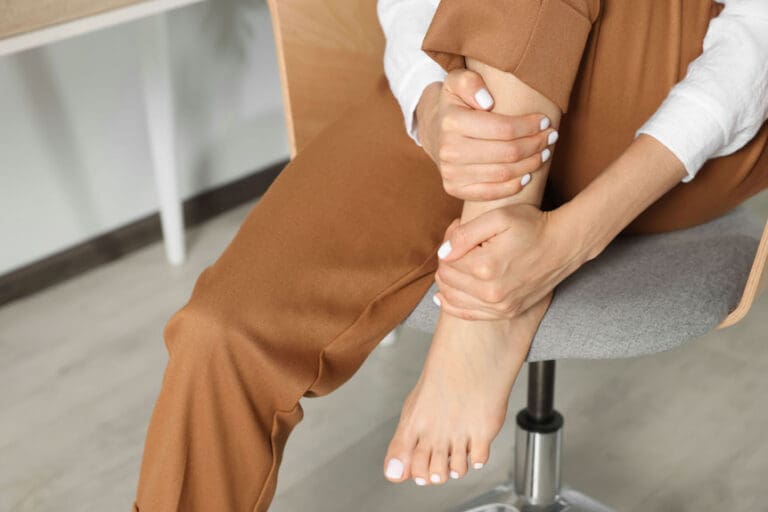
After reflex therapy, some clients report feeling unusually tired as the nervous system shifts toward a calmer, parasympathetic state that supports rest.
Increased circulation may also contribute to a temporary “post-treatment heaviness,” and Spa & Massage therapists typically recommend water and a gentle schedule afterwards to support recovery.
In some cases, tiredness reflects emotional or physical release as tension patterns soften, which is why aftercare is tailored to the individual in Spa & Massage clinics.
Nervous System Downshift
Shifting from “fight-or-flight” into “rest-and-digest,” the nervous system can downshift noticeably during reflex therapy, leaving some people feeling unexpectedly sleepy. This shift reflects increased parasympathetic activity and reduced stress signalling—processes linked with slower breathing, softer muscle tone, and a quieter mind. When the body senses safety, sleep pressure can rise, especially in clients who arrive overworked, anxious, or sleep-deprived.
At Spa & Massage clinics across London, therapists often notice eyelids drooping as touch becomes rhythmic and reassuring. The sleepiness is not a sign something is wrong; it can be a normal settling response. Clients may feel heavy, dreamy, or emotionally tender afterwards. A gentle plan helps: avoid rushing, breathe slowly, and allow a calm changeover home.
Improved Circulation And Detox
Alongside nervous-system relaxation, reflex therapy can also influence circulation and fluid movement, which may leave some people feeling unusually tired. Gentle, rhythmic pressure on the feet can encourage peripheral blood flow and lymphatic drainage, and some clients notice a temporary “heavy” or drowsy feeling as the body rebalances.
While “detox” claims are often overstated, it is reasonable that increased circulation and hydration shifts can change how energised someone feels immediately after treatment. At Spa & Massage clinics across London, therapists often suggest drinking water, eating a light meal, and allowing a quieter evening so the body can integrate the session.
Fatigue typically settles within hours; if it persists or feels intense, it may signal that a lighter approach is preferable next time.
Emotional And Physical Release
For some clients, reflex therapy triggers an emotional and physical “let‑go” response that can feel profoundly tiring. When the nervous system shifts from fight‑or‑flight toward rest‑and‑digest, muscles soften, breathing slows, and long‑held tension can release.
That downshift may leave the body craving sleep, much like after a deep exhale. Some people also notice a tender emotional wave—quiet sadness, relief, or unexpected calm—which can be energy‑consuming even when it feels welcome.
At Spa & Massage clinics across London, therapists watch for signs of overwhelm and adjust pressure, pacing, and grounding techniques to keep clients feeling safe and held. Aftercare is simple: hydrate, eat lightly, and allow an early night so recovery can complete.
How to Schedule Reflex Therapy If You Need Energy After
After a busy workday, reflex therapy can still be scheduled in a way that supports alertness rather than drowsiness.
At Spa & Massage clinics across London, therapists suggest booking earlier in the day, or leaving a buffer before evening commitments, since relaxation responses vary by person.
For clients who need to feel clear and energised afterwards, a shorter session (30–45 minutes) and a brighter treatment focus can help, such as emphasising feet and lower-leg work over deeply soothing full-body settling.
Many clients also do best when they arrive lightly fed and well hydrated, so blood sugar dips are less likely.
Clear communication matters: sharing desired energy levels helps the therapist pace pressure, rhythm, and pauses to match the client’s state.
After Reflex Therapy: Nap, Hydrate, and When to Avoid Driving
After a reflex therapy session, some clients feel deeply relaxed or sleepy, so a short rest or nap can be a sensible part of aftercare.
Spa & Massage therapists typically recommend drinking water afterwards, as hydration supports comfort and helps clients feel more clear-headed.
If drowsiness, light-headedness, or slower reaction time is present, it may be safer to avoid driving and use public transport, a taxi, or a lift home instead.
Post-Session Rest And Naps
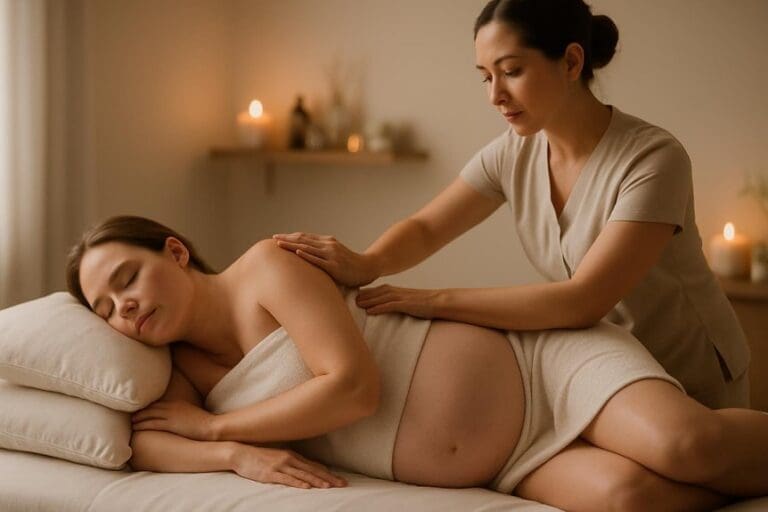
In the minutes following a reflex therapy session, a short period of rest can help the body settle, particularly if drowsiness, light-headedness, or emotional release has been triggered by deep relaxation. At Spa & Massage clinics across London, therapists encourage clients to take a few quiet minutes before standing, allowing breathing and circulation to stabilise.
If sleepiness persists, a brief nap can support recovery without disrupting night-time sleep. Many clients find 10–20 minutes ideal, especially after a first appointment or a deeper, more focused reflex therapy treatment. A nap should feel optional, not compulsory; some people instead prefer stillness, gentle stretching, or simply lying with a blanket. Rest is most helpful when it is unrushed, warm, and free from screens, so the nervous system can stay settled and soothed.
Hydration And Driving Safety
For many people, a reflex therapy session is followed by a noticeable shift into parasympathetic “rest-and-digest” mode, so hydration and transport choices matter.
At Spa & Massage clinics, therapists encourage clients to sip water afterward, especially if the feet and lower legs have been worked deeply, as warmth and relaxation can leave some people feeling light-headed.
Driving should be delayed if there is sleepiness, slowed reactions, blurred focus, or a “floaty” calm.
Even mild drowsiness increases crash risk, so a short nap, a brief walk outside, and water can help before travelling.
If symptoms persist, clients are advised to choose public transport, a taxi, or a lift home.
Those prone to low blood pressure should rise slowly and pause before leaving.
Conclusion
It can leave clients sleepy, largely because it supports a shift from stress-driven sympathetic activity to calmer parasympathetic rest. This post-session tiredness is typically temporary, often easing within hours, and may be stronger after poor sleep, high strain, or sustained soreness. Gentle pressure on relaxation-linked points can promote warmth, weightiness, and quieter thoughts. For best results, clients can plan for a brief pause, prioritise proper hydration, and avoid driving if drowsiness develops.