Reflexology may support relaxation for many clients, with subjective calming often reported within 10–20 minutes of treatment. Steady, non-invasive, consent-led foot pressure and rhythmic techniques can promote parasympathetic “rest-and-digest” dominance, with slower breathing and reduced perceived stress. Benefits may persist for several hours, and sleep outcomes often improve with repeated weekly sessions over 4–6 weeks. Screening is essential for contraindications such as infection, thrombosis risk, or significant foot wounds. The sections below outline mechanisms, suitability, and aftercare.
Does It Help You Relax Immediately?
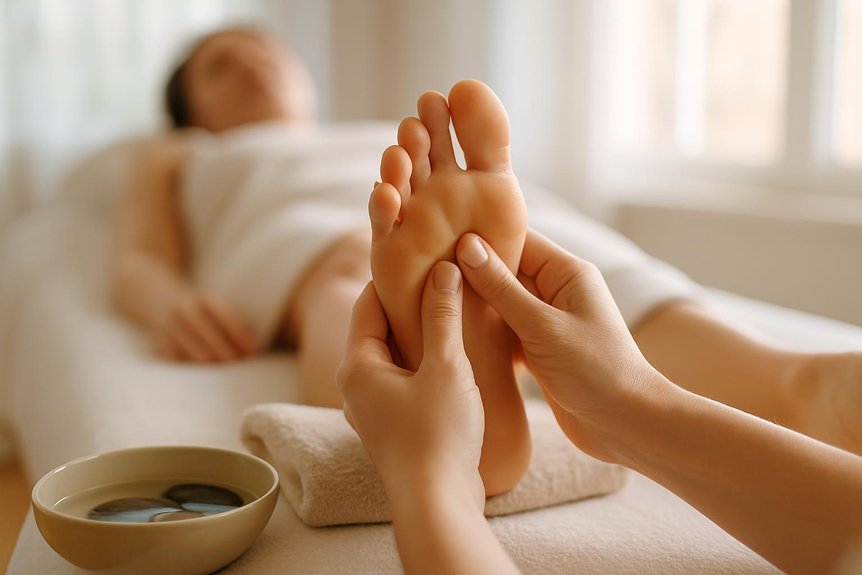
Often, it produces an immediate subjective relaxation response, with many clients reporting reduced perceived stress, slower breathing, and a general sense of calm within the first 10–20 minutes of treatment.
At Spa & Massage clinics across London, therapists frequently observe a softening of facial tension, reduced fidgeting, and quieter speech as clients settle into the session.
Evidence-informed practice suggests these early changes may reflect acute downshifts in arousal and improved comfort, even when pain or fatigue is present.
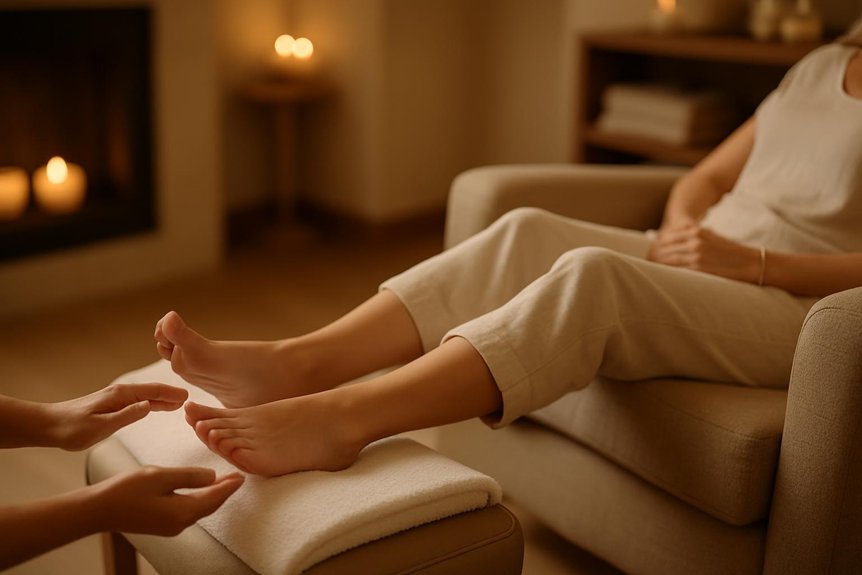
Clients commonly describe warm heaviness in the feet, a “switching off” of mental noise, and a sense of being safely held through steady, non-invasive touch.
Many people seek this therapy for its healing power, which can complement these rapid shifts into a calmer state.
Effects vary by baseline stress, sleep quality, and sensitivity. A brief after-session rest supports carryover benefits.
How It Activates the Parasympathetic “Rest” Response
In clinical terms, it is thought to promote a shift toward parasympathetic dominance by using steady, non-invasive pressure and rhythmic foot techniques that downregulate sympathetic arousal. This may reduce hypothalamic–pituitary–adrenal (HPA) axis activation, supporting slower respiration, reduced muscle guarding, and a softer heart-rate pattern.
In Spa & Massage clinics across London, therapists pace touch deliberately, encouraging interoceptive safety cues that help clients feel held and present. Evidence-informed models suggest pleasant, predictable somatosensory input can enhance vagal tone and improve autonomic flexibility, which clients often experience as warmth, heaviness, and an easier exhale.
A brief grounding check-in and consent-led pressure adjustments maintain comfort, supporting relaxation without over-stimulation. Many clients report a calmer mind-body connection.
Zone Therapy for Stress and Sleep: What Results Last
Tracking what “sticks” after a massage session matters most for clients using the treatment to manage stress load and improve sleep continuity.
In Spa & Massage clinics, many clients report an immediate downshift in autonomic arousal—slower breathing, reduced muscle guarding, and quieter rumination—that can persist for several hours.
Evidence-informed outcomes most likely to last are improved sleep onset latency and fewer nocturnal awakenings, especially when sessions are scheduled weekly over 4–6 weeks.
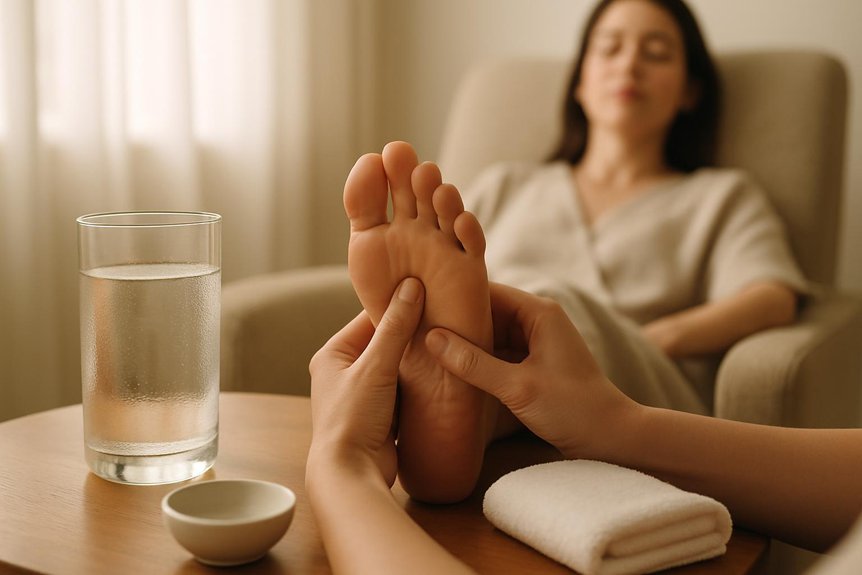
Stress relief tends to consolidate when it is paired with consistent bedtime routines and hydration, which therapists reinforce during aftercare.
Subtle benefits, such as reduced jaw clenching or calmer digestion, may emerge over repeated treatments.
Clients are encouraged to track sleep timing, awakenings, and morning energy to identify durable change and discuss adjustments.
Who It Is (and Isn’t) Suitable For
It is generally suitable for clients seeking non-pharmacological support for relaxation, stress modulation, sleep quality, and general wellbeing, with treatment plans tailored to individual presentation as done across Spa & Massage clinics in London.
Ideal candidates typically include those who prefer gentle, non-invasive touch therapies and can comfortably tolerate pressure to the feet, hands, or ears within clinically appropriate limits.
It may be contraindicated or require medical clearance in cases such as acute infection, uncontrolled cardiovascular conditions, recent thrombosis, certain high-risk pregnancies, or significant foot wounds/ulceration, so screening and informed consent are essential before treatment.
Ideal Candidates For this Therapy
Although commonly associated with foot-focused relaxation, it is most suitable for clients seeking non-invasive stress reduction, improved sleep quality, and general wellbeing support—particularly those who prefer a gentle, clothed treatment and may find full-body massage uncomfortable.
It often appeals to London clients managing high cognitive load, shift work, travel fatigue, or mild tension patterns where parasympathetic activation is the primary goal.
At Spa & Massage clinics, therapists typically recommend this therapy for individuals who value precise, nurturing touch and structured pressure mapping across feet, hands, or ears, while maintaining personal boundaries.
It can complement deep tissue or sports massage for those wanting a calmer session between more intensive appointments.
Clients who respond well to routine, quiet environments and subtle sensory cues frequently report feeling grounded, soothed, and emotionally held.
When To Avoid Zone Therapy
In certain clinical contexts, a session may be contraindicated or require prior medical clearance to reduce avoidable risk. Spa & Massage advises deferral for acute infection/fever, contagious skin conditions, unhealed wounds, recent fractures, or active inflammatory flare-ups affecting the feet.
Caution is also indicated with deep vein thrombosis risk, severe peripheral vascular disease, uncontrolled hypertension, or significant neuropathy (e.g., advanced diabetes), where pressure may be poorly tolerated or tissue integrity compromised. Clients receiving anticoagulants, undergoing chemotherapy, or recovering post-surgery should obtain clinician approval and request lighter techniques.
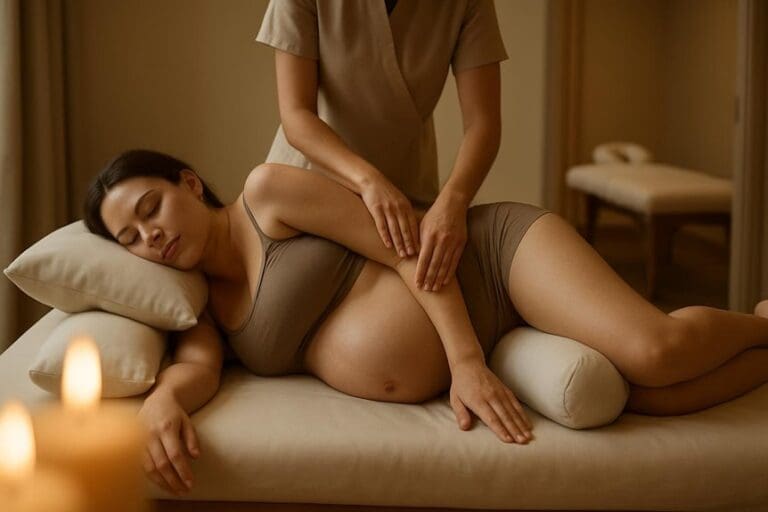
During pregnancy, it can be appropriate, yet early pregnancy, pre-eclampsia risk, or obstetric complications warrant medical sign-off and specialist adaptation. At Spa & Massage clinics, therapists prioritise informed consent, pain-free pressure, and respectful boundaries throughout.
What It Feels Like at Spa & Massage
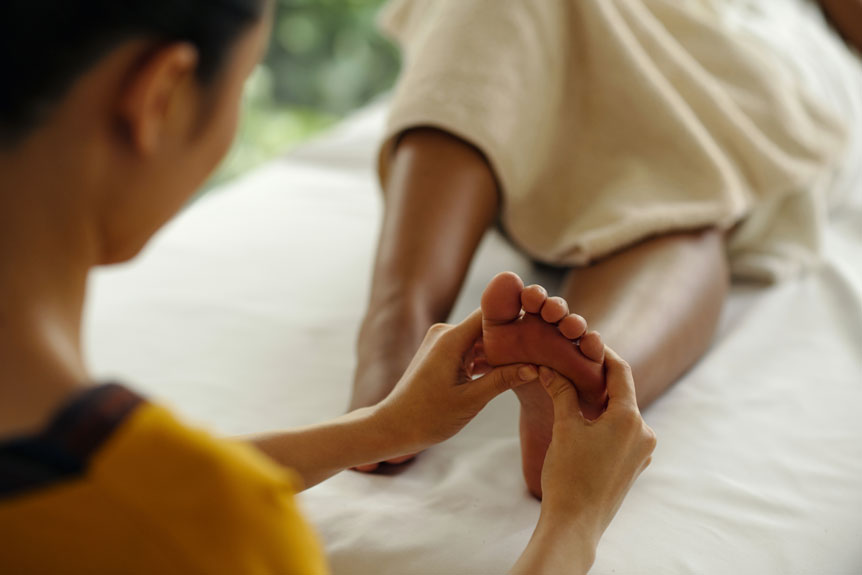
What does a session at Spa & Massage typically feel like from the moment treatment begins? The client is settled comfortably, often supine, while the therapist conducts a brief intake on symptoms, stress load, and touch preferences.
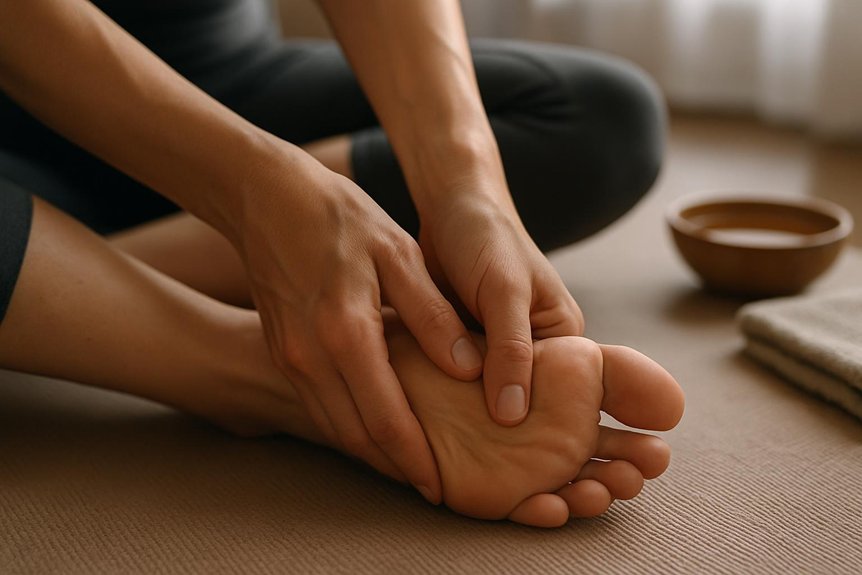
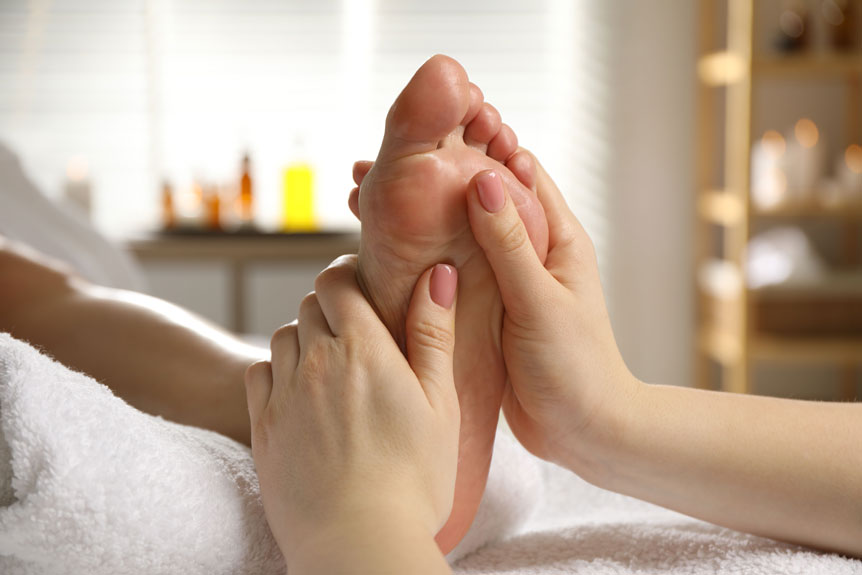
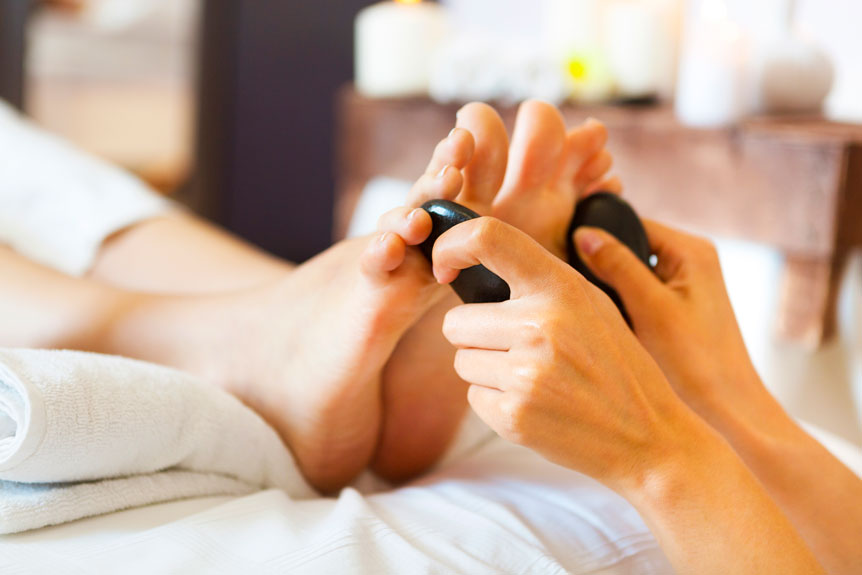
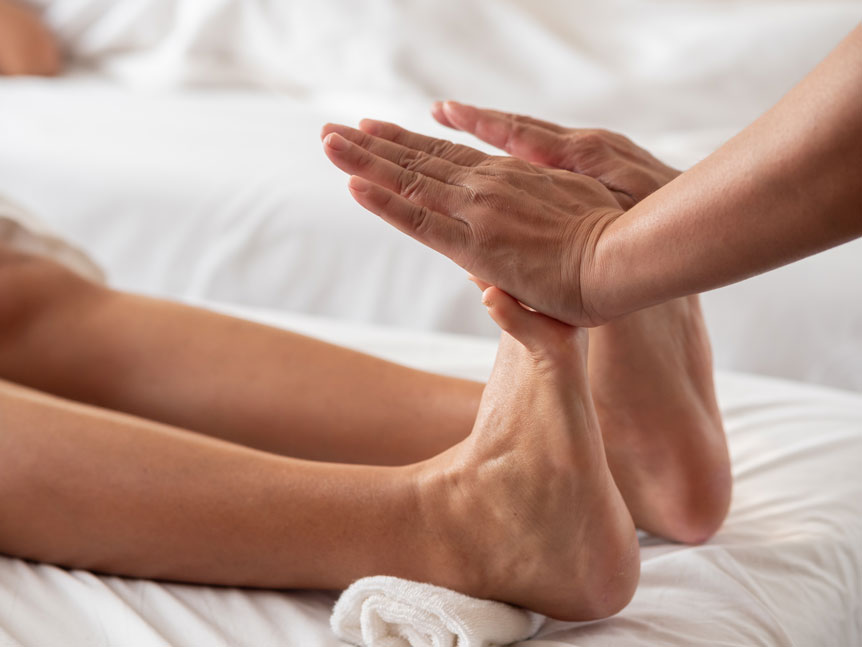
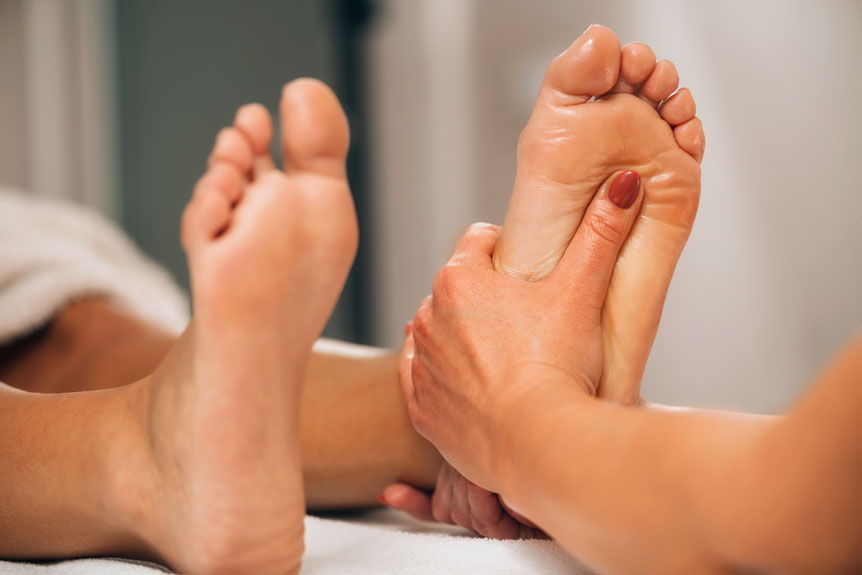
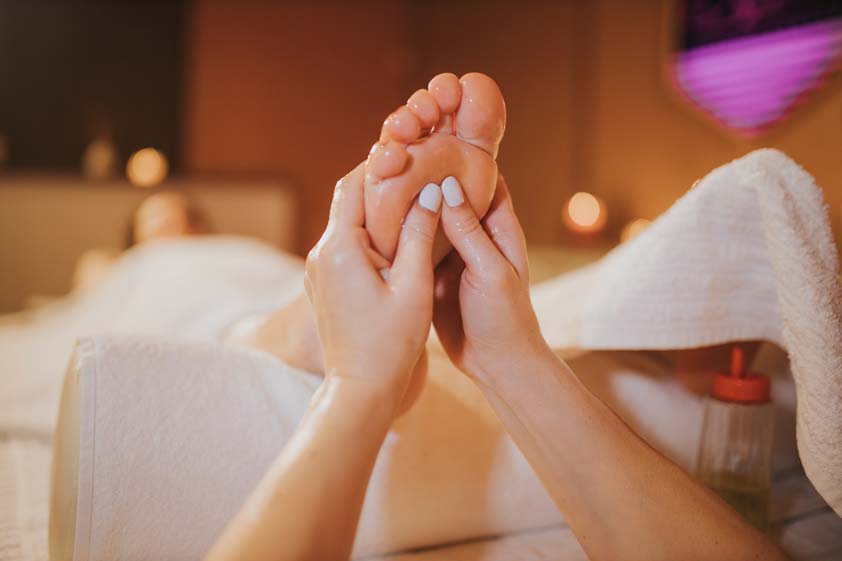
Feet are cleansed and warmed; light oil or balm may be applied to reduce friction and support skin integrity. Pressure is then delivered with thumbs and fingers along plantar and dorsal surfaces using sustained holds, compressions, and gliding strokes.
Sensations commonly include deep, focused pressure, mild tenderness at sensitised points, and waves of warmth. Breathing often slows, and many clients notice a private, grounded calm.
Throughout, the therapist titrates intensity, monitors discomfort, and maintains clear consent and professional boundaries.
How Often to Book a Massage + Aftercare Tips
Often, ideal scheduling is guided by clinical intent—shorter intervals for acute stress load or symptom flares, and longer intervals for maintenance—alongside the client’s response to pressure and relaxation effects observed after the first session at Spa & Massage. Many clients benefit from weekly or fortnightly sessions for 4–6 weeks, then tapering to monthly as parasympathetic regulation stabilises. If sleep disruption, jaw tension, or headache patterns recur, earlier review is appropriate.
Aftercare aims to consolidate downregulation: hydrate, eat lightly, and avoid alcohol for 12–24 hours. Gentle walking and warm bathing may support circulation without overstimulation. At Spa & Massage, therapists advise a quiet evening, limited screen exposure, and mindful breathing to extend the “rest-and-digest” state. Mild tenderness or transient fatigue can occur and typically resolves within 24 hours.
Conclusion
It may support relaxation both during and after treatment by encouraging parasympathetic activity, reducing perceived stress, and improving sleep quality for some clients. While outcomes vary and evidence remains mixed, many report a measurable shift toward calm in the hours following a session. For suitable individuals, delivered with appropriate screening and comfort-led pressure, it can function like a “reset button” for the nervous system—providing a structured, low-risk adjunct to broader wellbeing and stress-management plans.