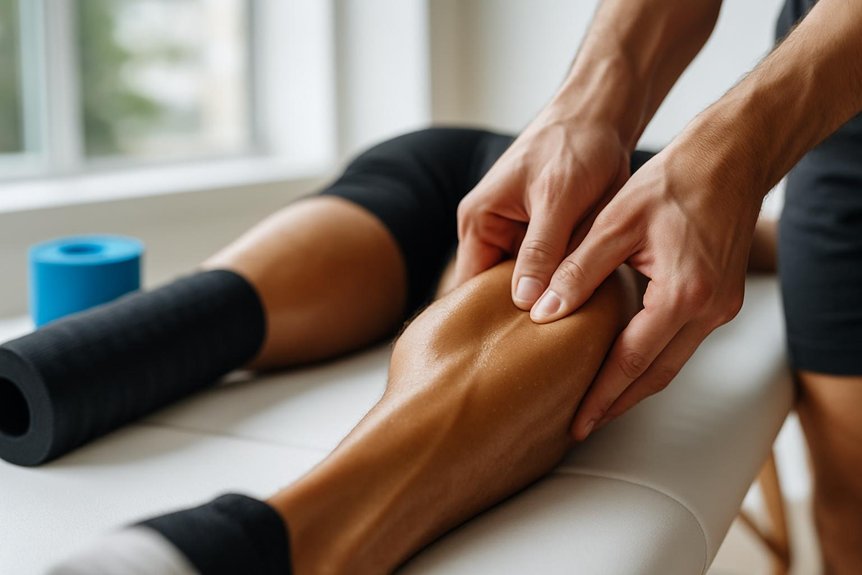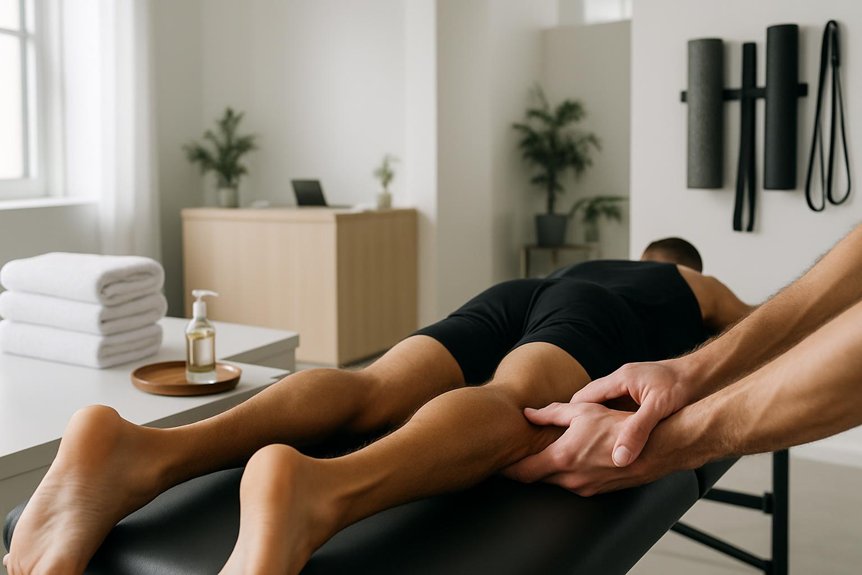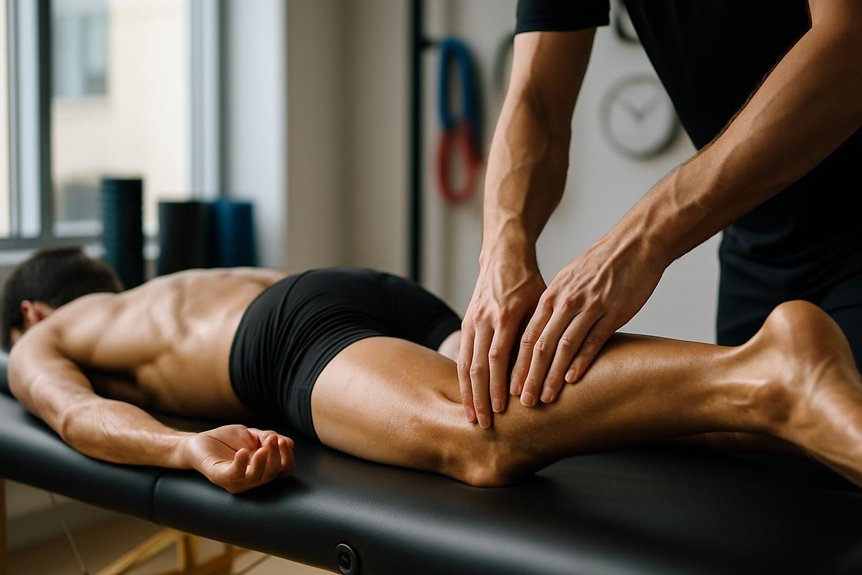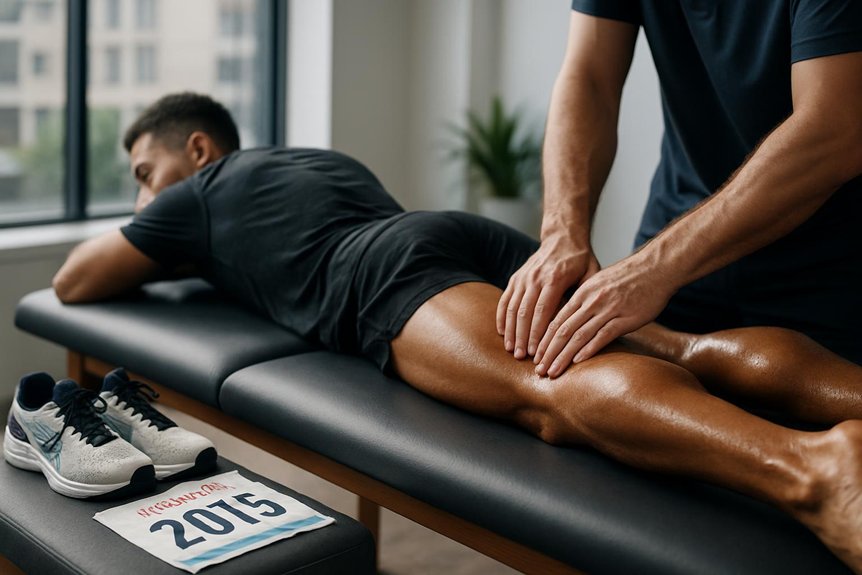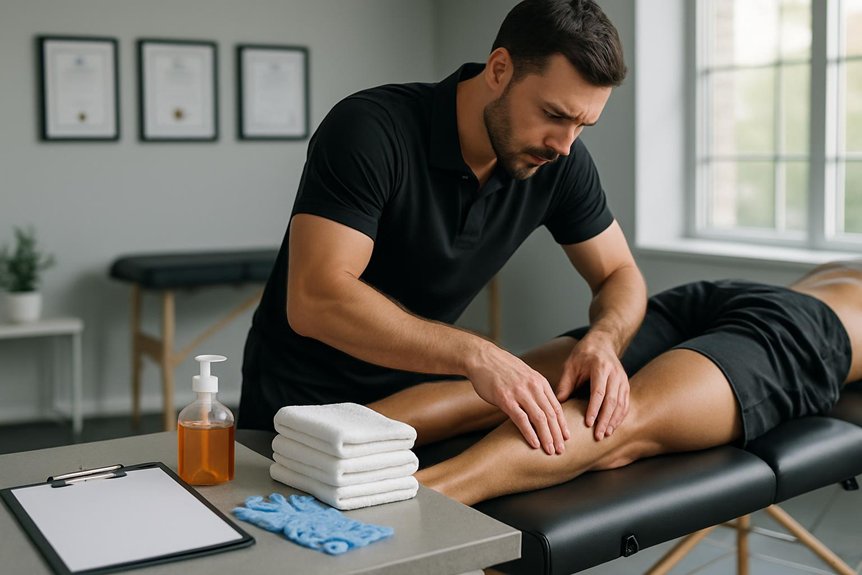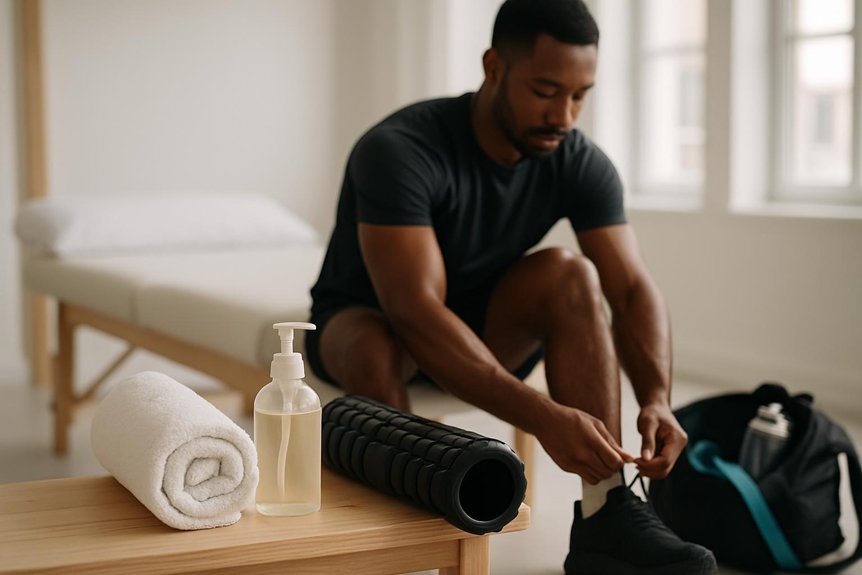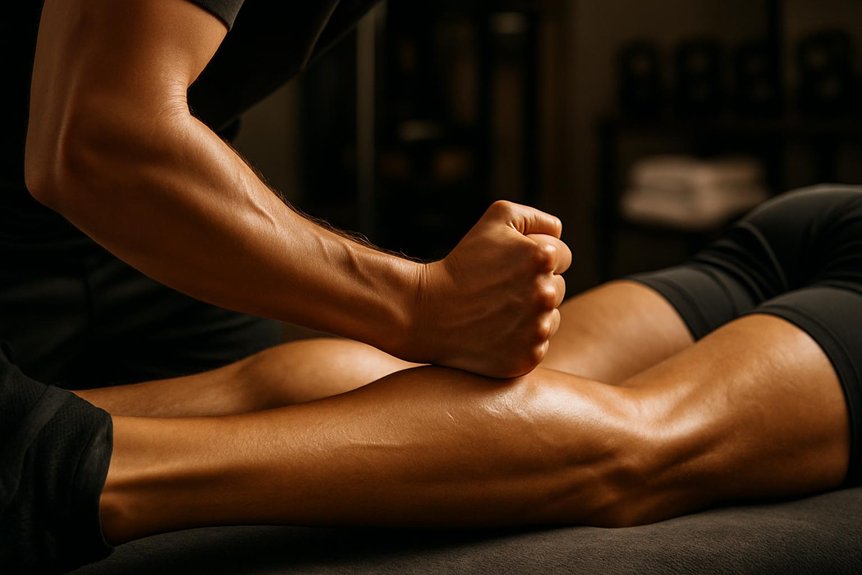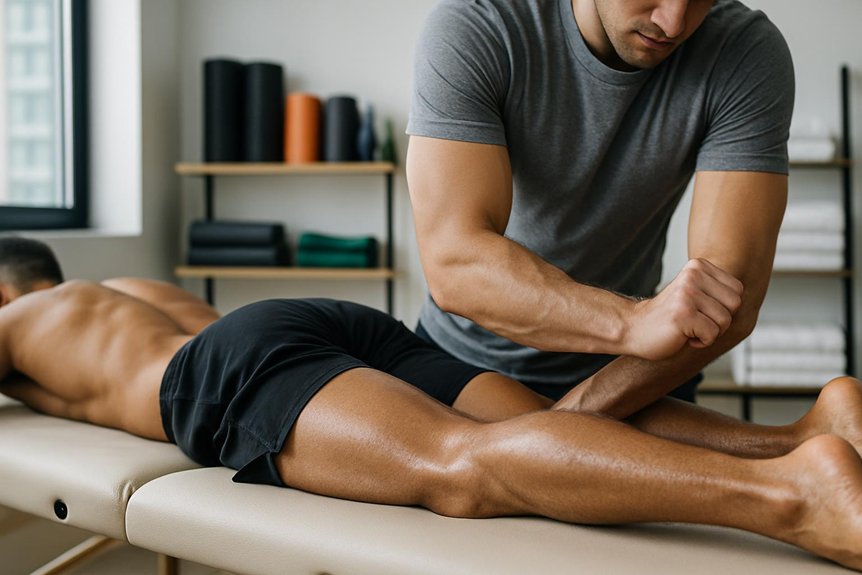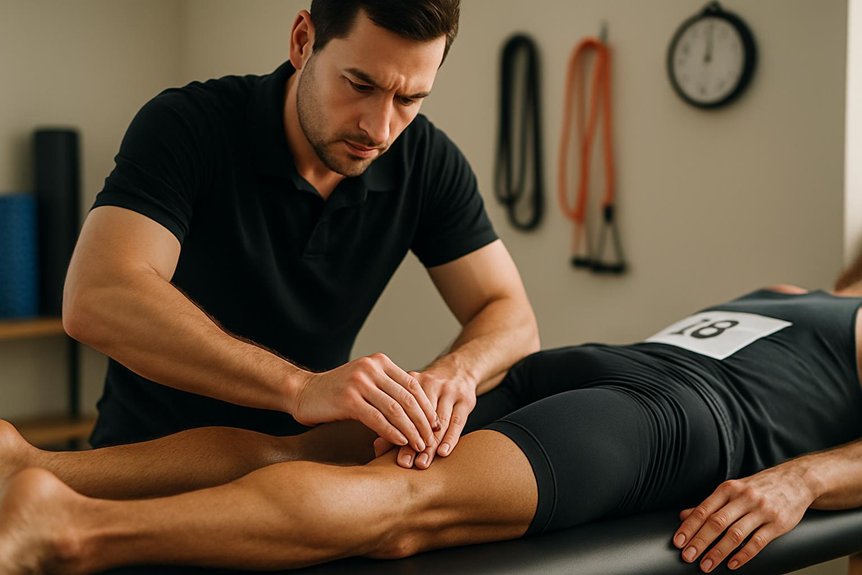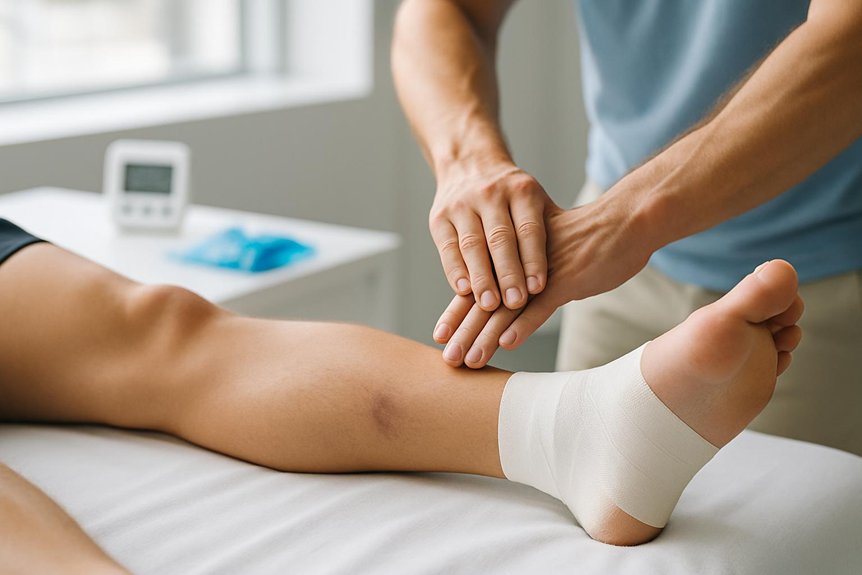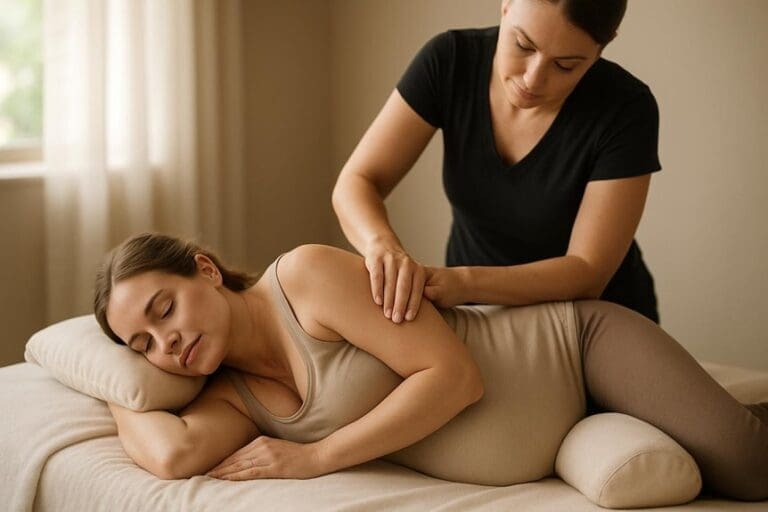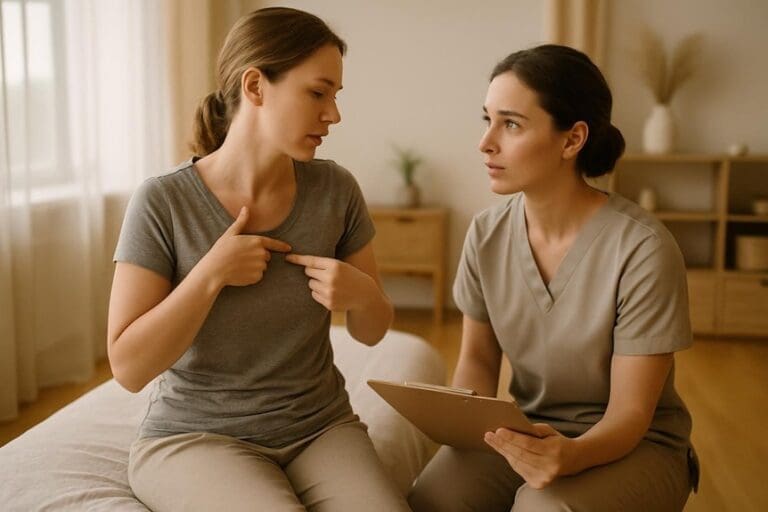
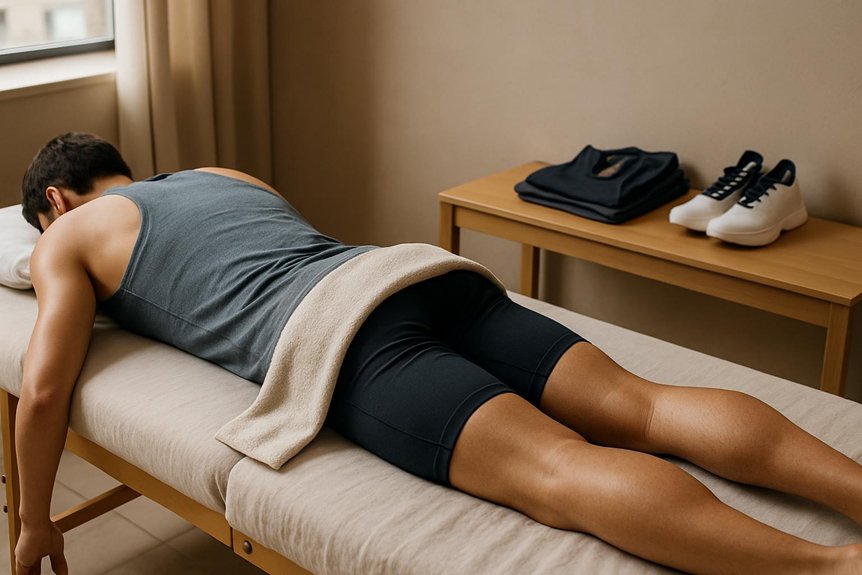
For a performance massage, clean, breathable, stretchy clothing is best, such as shorts, leggings, or loose joggers with a smooth waistband, plus a fitted T-shirt, vest, or sports bra for upper-body access. Clothing should allow easy movement and therapist access without bulky seams, zips, or stiff fabric. Undressing is usually only as needed, and professional draping keeps areas covered except where treatment occurs. More guidance depends on which areas need work.
What Should You Wear to a Performance Massage?
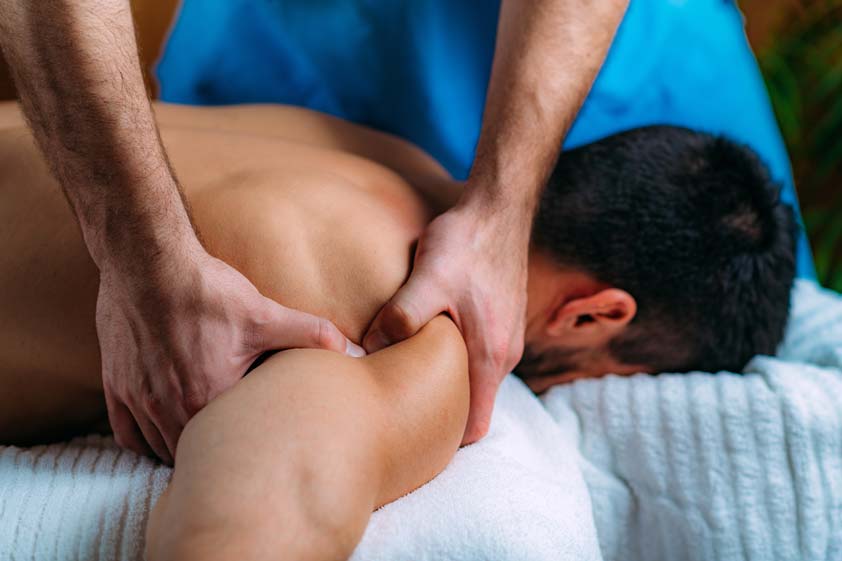
What should a person wear to a performance massage to stay comfortable and allow effective treatment? At Spa & Massage clinics across London, clients are advised to choose soft, stretchy clothing that gives easy access to the areas needing work without feeling exposed.
Breathable shorts, leggings, or loose joggers pair well with a vest, sports bra, or fitted T‑shirt, depending on preference. Avoid bulky seams, tight waistbands, or heavy fabrics that can bunch or distract during deeper techniques.
Jewellery, watches, and belts should be removed so the body can fully relax and the therapist’s hands can glide without interruption. It is often chosen by athletes because it supports performance and recovery through sports massage benefits. Clean, easy-to-remove layers help clients feel secure, warm, and cared for throughout the session.
Should You Undress for a Performance Massage?
How much a client undresses for a performance massage typically depends on the areas being treated and the level of comfort discussed with the therapist beforehand.
At Spa & Massage clinics, therapists use professional draping throughout the session so only the area being worked on is uncovered, helping clients feel secure and respected.
Clients can usually keep underwear on, or adjust what they wear, while still allowing effective treatment of key muscle groups.
How Much To Undress
Although a performance massage often targets large muscle groups and may involve dynamic techniques, full undressing is rarely required; clients typically undress only to a level that allows the therapist to access the area being treated while maintaining comfort and modesty.
At Spa & Massage clinics across London, therapists invite clients to choose what feels right, and they adapt techniques accordingly. For legs and glutes, many clients keep underwear on or wear sports shorts; for upper body work, a bra can remain or be unclasped if helpful.
For back, shoulder, and neck focus, removing tops may improve access, yet a vest can be rolled up. Compression wear can stay on if preferred, though it may limit pressure and glide. Any choice is acceptable and respected throughout.
Modesty And Draping
In most performance massage sessions, modesty is protected through professional draping, so clients do not need to undress beyond what feels comfortable and necessary for treatment. A towel or sheet covers the body, and only the area being worked is briefly uncovered, then re-covered, maintaining warmth and privacy throughout.
At Spa & Massage clinics across London, therapists explain the draping plan before starting and invite clients to share any boundaries or concerns. Underwear can usually be kept on; if hip, glute, or lower-back work is needed, the therapist adapts techniques and draping to preserve discretion. Clients are given time to change in private and are never rushed. If anything feels too exposed, speaking up is encouraged, and coverage can be adjusted immediately without interrupting care.
Best Performance Massage Outfits (Shorts, Leggings, Tops)
For a performance massage, breathable shorts or skorts can make it easier for the therapist to access the legs while keeping the client comfortable and covered.
Stretch leggings or joggers are also suitable when they allow free movement and can be adjusted quickly during treatment, as is often recommended in Spa & Massage clinics.
For the upper body, supportive tops and simple layers help maintain warmth and modesty while still allowing clear access to key muscle groups.
Breathable Shorts And Skorts
With a performance massage, breathable shorts and skorts are a practical choice because they keep the hips and thighs accessible while helping the body stay cool and comfortable. A soft, lightweight fabric reduces friction against the skin and allows easy draping, supporting a sense of privacy while the therapist works.
At Spa & Massage clinics across London, therapists typically need clear access around the glutes, hip flexors, quads, and hamstrings, so mid-thigh or slightly longer cuts are ideal. Skorts can suit clients who prefer extra coverage when moving on and off the couch, while still permitting effective treatment. A smooth waistband that sits flat helps avoid pressure marks, and minimal pockets or zips prevent uncomfortable contact. Clean, dry shorts are recommended for hygiene and comfort.
Stretch Leggings Or Joggers
Breathable shorts and skorts suit many performance massage sessions, but some clients feel more comfortable arriving in stretch leggings or soft joggers, especially in cooler weather or when travelling across London. At Spa & Massage clinics, therapists find these options can help clients feel secure and relaxed from the first consultation.
Choose fabric with four-way stretch and a smooth, low-bulk waistband so pressure points are not created when lying prone or supine. Avoid stiff seams, thick pockets, or metal zips, which can interrupt close, focused work and feel distracting on the couch. Leggings that can be rolled above the knee, or joggers with tapered cuffs, allow access without leaving the client feeling exposed. A clean, dry pair also helps maintain comfort and hygiene throughout the session.
Supportive Tops And Layers
Often, a supportive top and a simple outer layer make the biggest difference to comfort and modesty during a performance massage.
A well-fitted sports bra or close, breathable top helps clients feel secure when therapists assess shoulders, upper back, and ribcage movement. Choose fabrics that stretch without riding up, and avoid bulky seams, zips, or underwires that can press during deeper work.
A thin vest can be useful for draping, especially if the session focuses on lower body.
For arrival and aftercare, a light hoodie or zip jacket keeps warmth in while muscles settle. At Spa & Massage clinics across London, therapists adjust draping carefully and can adapt techniques to maintain privacy and ease throughout.
What to Avoid Wearing to a Performance Massage
Why does clothing matter so much for a performance massage? At Spa & Massage, therapists find certain items can interrupt flow and reduce comfort.
Avoid tight jeans, thick joggers, or restrictive shapewear, as they can limit access to hips, glutes, and thighs. Skip bulky belts, bras with stiff underwires, and clothing with hard seams, zips, or buttons that may press into skin when lying down.
Strongly scented fabrics, heavy perfume, and freshly applied body lotion can clash with the clinic’s calming environment and the oils used in treatment.
Jewellery and watches should be removed to prevent snagging and to support close, confident hands-on work. If unsure, clients can ask the therapist for discreet guidance.
Why What You Wear Affects a Performance Massage
In practice, clothing choices shape how effectively a performance massage can be delivered. A therapist needs clean access to the working area, with fabric that won’t snag, restrict movement, or interrupt a steady rhythm. Comfortable, breathable layers help the body relax, making it easier to release guarded muscles and settle into close, focused contact without self-consciousness.
In Spa & Massage clinics across London, therapists also rely on modest draping to keep clients warmly covered while treating what’s needed; bulky or slippery clothing can compromise that secure feel. Practical attire supports efficient shifts between assessment, stretching, and hands-on work, and reduces time spent adjusting garments. When clients feel at ease, pressure can be applied precisely, and results tend to last longer.
What to Wear for Legs, Back, Shoulders, and Hips
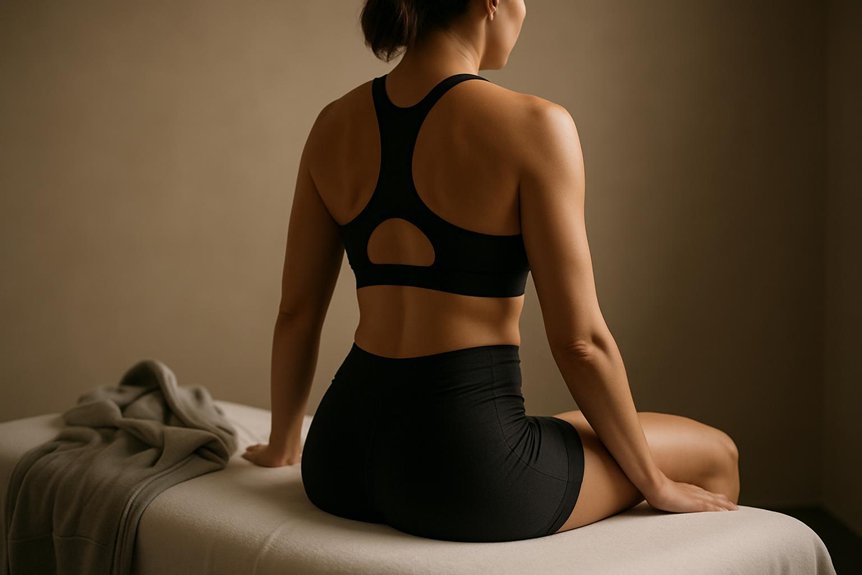
Choosing clothing by body area helps a performance massage run smoothly, as different muscle groups require different levels of access and comfort.
For legs, fitted shorts or loose joggers that can roll above the thigh work well; many clients choose sports shorts with supportive underwear for close, confident coverage.
For hips and glutes, a stretchy waistband helps the therapist reach hip flexors and outer hip without constant adjustments, while towels provide modest draping.
For the back and shoulders, a vest, sports bra, or thin T‑shirt allows warm-up work and easy removal if deeper contact is needed; long sleeves can restrict shoulder mobility.
At Spa & Massage clinics, therapists always explain options and adjust draping to match comfort and treatment goals.
What to Bring to a Performance Massage Session
For a smoother, more effective performance massage, a few simple items can make the session easier for both client and therapist.
Bringing a completed health questionnaire (or notes on injuries, medications, and training load) helps Spa & Massage therapists tailor pressure and technique safely and discreetly.
A small water bottle supports hydration before and after treatment, and a clean towel can be useful for comfort on the table or for freshening up afterwards.
Those using orthotics, braces, or taping should bring them, as they inform movement patterns and areas of strain.
Payment details, any membership information, and a list of goals—such as easing hip tightness or improving recovery—keep the appointment focused.
Arriving with minimal jewellery reduces interruptions and maintains a calm, private flow.
What to Wear After a Performance Massage
After a performance massage, what is worn can influence comfort and recovery during the next few hours. Spa & Massage therapists advise choosing soft, breathable layers that do not compress worked muscles.
Loose joggers or leggings with a gentle waistband, a cotton top, and a light jumper help maintain warmth while allowing circulation and movement.
If skin has been treated with oils in the clinic, darker fabrics and easy-to-wash materials can feel more relaxed. Supportive trainers are preferable to tight dress shoes, especially after lower-body work.
Avoid restrictive jeans, firm shapewear, or stiff collars that may irritate tender areas. Many clients appreciate bringing a fresh, close-fitting base layer for the journey home, so the body feels held yet unpressured.
Conclusion
Choosing the right clothing for a performance massage supports comfort, access, and effective treatment. Loose shorts, breathable leggings, and simple tops help therapists assess and work key areas while draping maintains modesty and warmth. Avoid restrictive layers, heavy fabrics, and bulky accessories that limit movement or interfere with technique. Preparation is straightforward: wear practical items, bring a fresh change if needed, and follow aftercare guidance. When comfort improves, confidence rises—and results often follow.