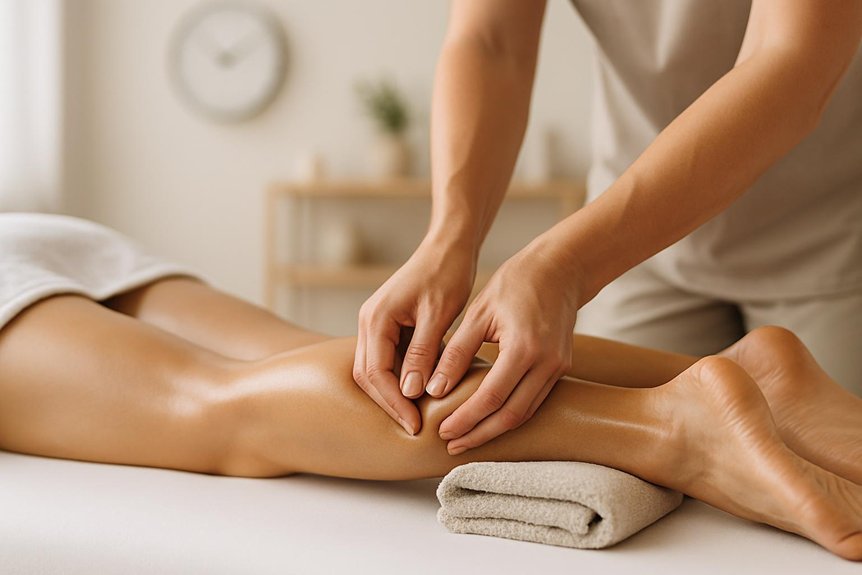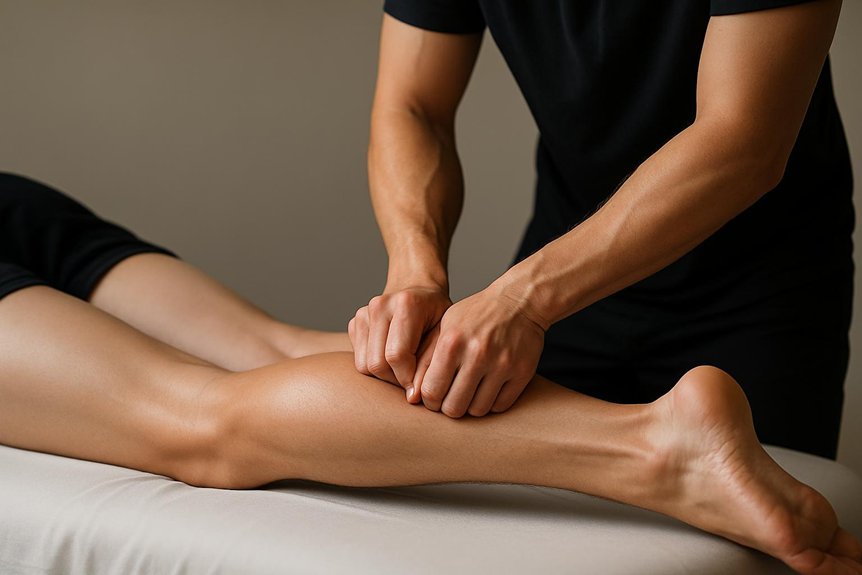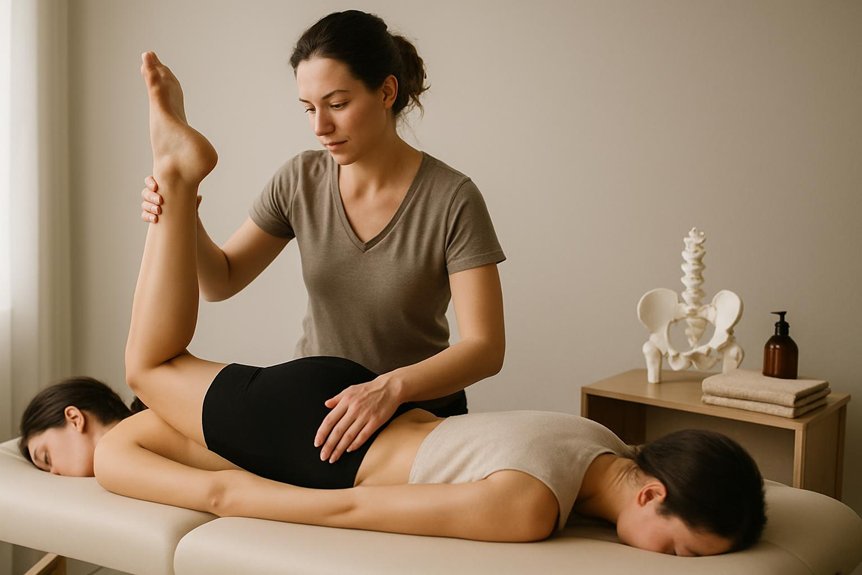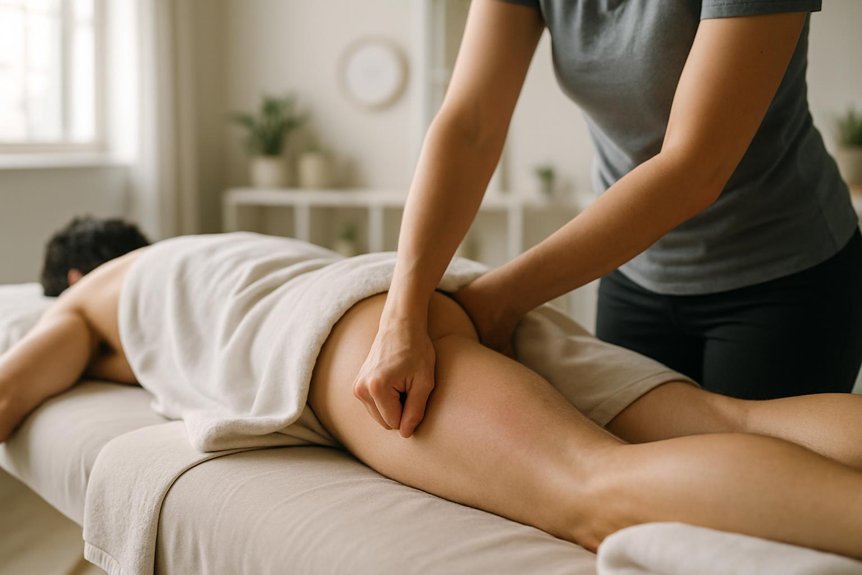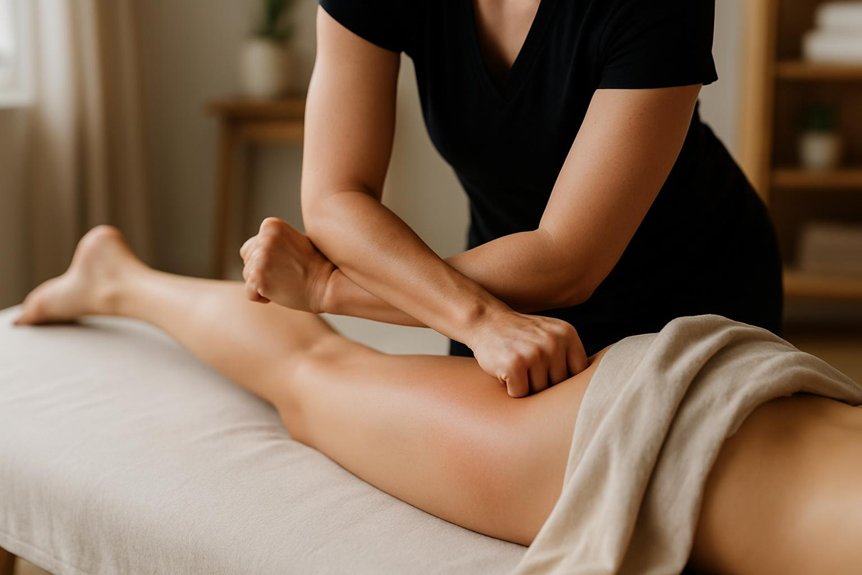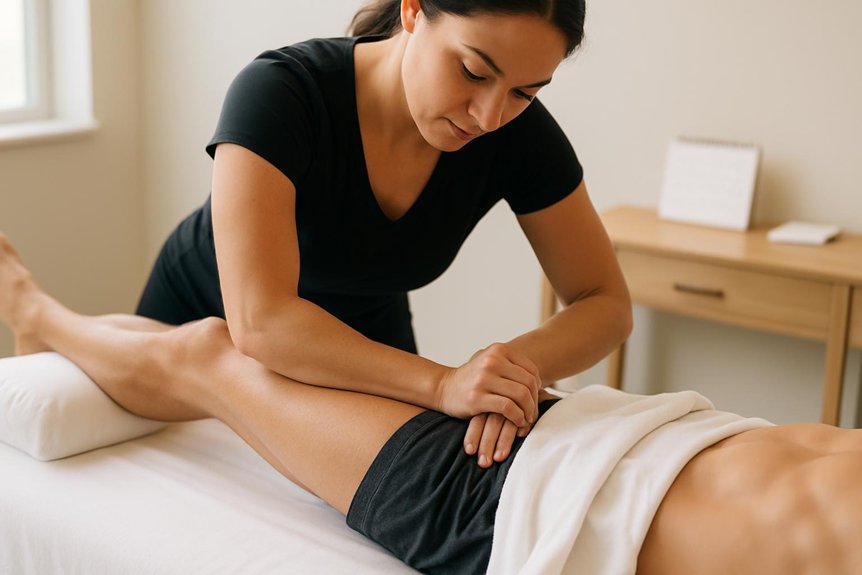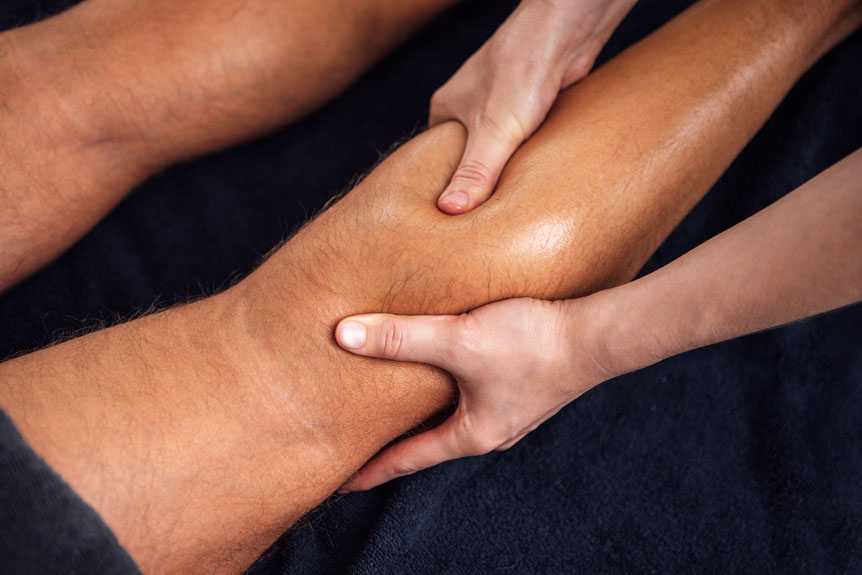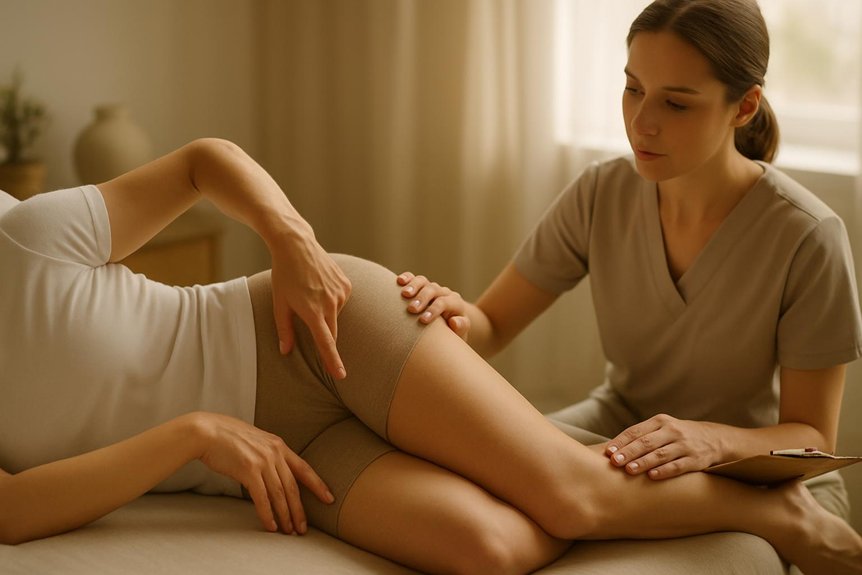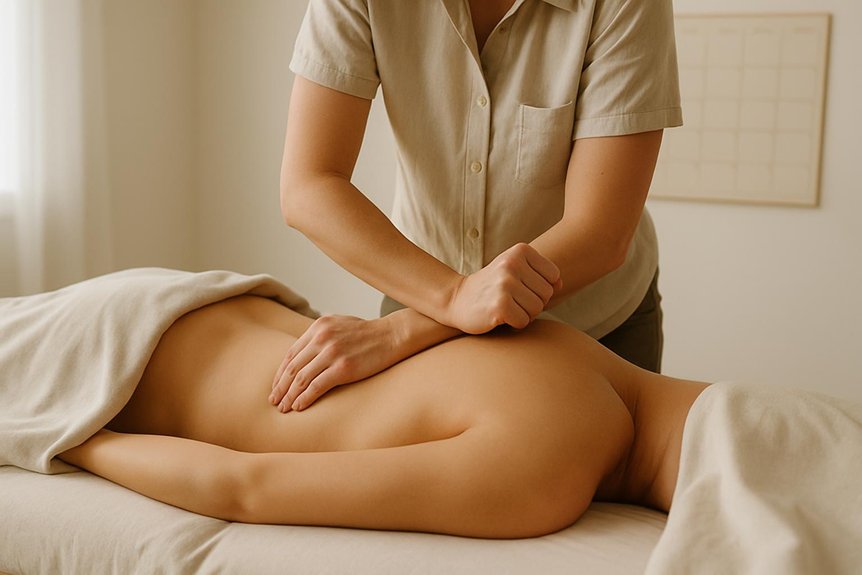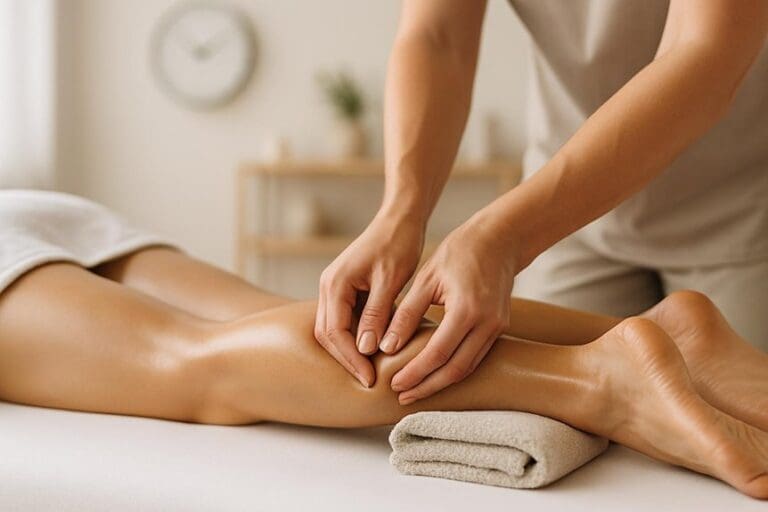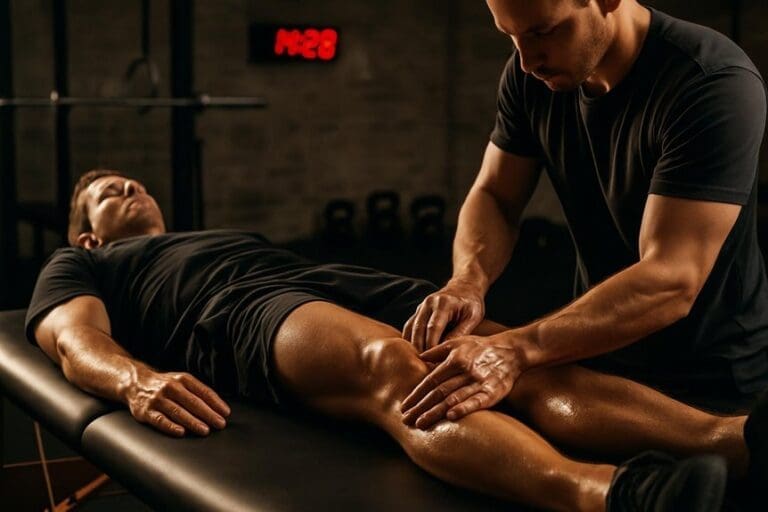
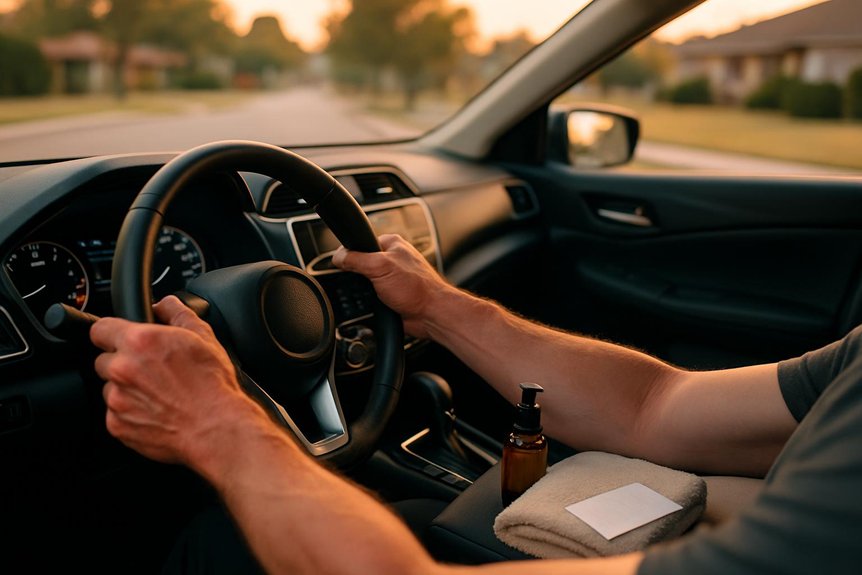
Most people can drive after an intensive tissue massage, but only once alertness, vision, and coordination feel fully normal. Deep pressure can cause temporary drowsiness, lightheadedness, lowered blood pressure, or muscle “softness,” which may slow reaction time and reduce pedal or steering confidence. A brief seated rest, hydration, and a quick self-check of steadiness, grip, and head turns are advised. If dizziness, nausea, blurred vision, or weakness persists, driving should be delayed; further guidance follows.
Can You Drive After A Intensive Tissue Massage?
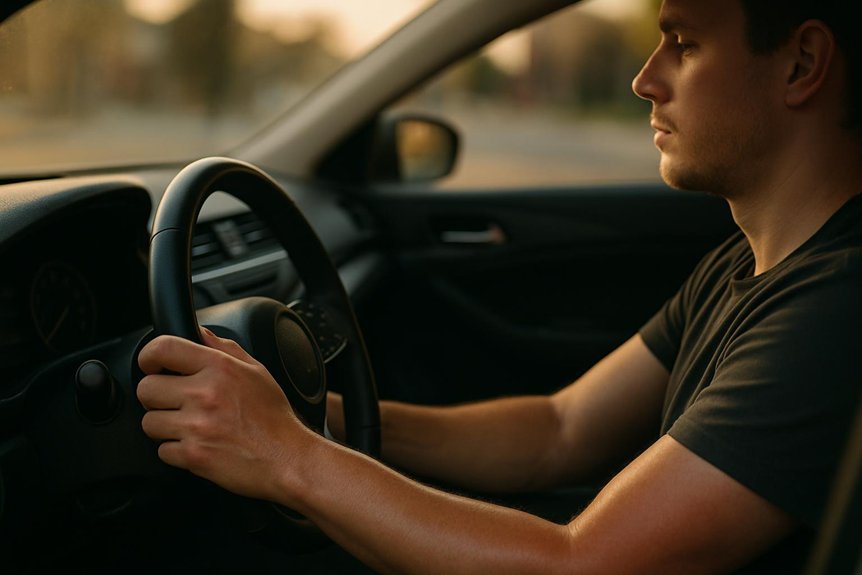
In most cases, a person can drive after a deep tissue massage, but it is not always advisable.
At Spa & Massage clinics across London, therapists assess the client’s comfort, steadiness, and readiness before they leave, especially after intense work on the neck, shoulders, or hips.
Deep tissue techniques can create post-massage soreness in some clients, so it can be wise to factor in a short recovery window before getting behind the wheel.
If the client feels clear-headed and coordinated, short, familiar routes are generally reasonable.
If there is any uncertainty, the safer plan is to pause, hydrate, and allow the body to settle in the reception area, or arrange a taxi or public transport.
Clients who want a more private, unhurried changeover may prefer booking extra time afterward, so they can reconnect with their body before driving.
Why Might Intensive Tissue Massage Affect Driving?
It may affect driving because some clients experience post‑massage drowsiness, temporary muscle weakness, or lightheadedness as the body recalibrates.
Increased circulation and changes in blood flow can briefly alter alertness and coordination, particularly after firm, targeted work commonly provided at Spa & Massage clinics.
For safety, clients are advised to assess how they feel before driving and to wait until they are fully steady, comfortable, and attentive.
Post-Massage Drowsiness
After an intensive tissue massage, some individuals may experience drowsiness or slowed reaction time, which can make driving less safe. This can occur as the nervous system shifts into a calmer state and stress hormones reduce, leaving the body feeling heavy, warm, and less alert.
In Spa & Massage clinics across London, therapists often observe that clients feel deeply relaxed, inwardly focused, and slightly “floaty” immediately after treatment, especially following intense work or limited sleep. Drowsiness may be more likely if the client has not eaten, is mildly dehydrated, or has received aromatherapy alongside deep tissue techniques.
For safety, clients are advised to pause, hydrate, and check mental clarity before getting behind the wheel, allowing time to reorient fully.
Temporary Muscle Weakness
Drowsiness is not the only post-treatment effect that can compromise driving safety; some clients also notice temporary muscle weakness.
After a deep tissue session, muscles may feel “soft,” heavy, or less responsive as protective tension releases and sore fibres settle. This can reduce confidence on pedals, slow steering corrections, or make shoulder checks feel effortful—especially after focused work on calves, hips, forearms, or upper back.
At Spa & Massage clinics across London, therapists tailor pressure and pacing, yet individual responses vary with training load, stress, and hydration.
If weakness is present, clients are advised to pause in the reception area, take a few steady breaths, test grip and leg strength, and choose a taxi or public transport until control feels fully normal.
Lightheadedness And Blood Flow
Following firm, sustained pressure to large muscle groups, some clients experience brief lightheadedness as circulation shifts and blood vessels dilate, which can momentarily lower blood pressure on standing.
This can feel like warmth, a soft “floaty” sensation, or mild unsteadiness—effects that may impair rapid reactions required for driving, especially in heavy London traffic.
Deeper work can also mobilise fluids and alter breathing patterns, further contributing to transient dizziness.
At Spa & Massage clinics across Crouch End, Bayswater, Chiswick, Earl’s Court, Belsize Park, and Richmond, therapists encourage slow adjustments from the table, a few quiet minutes of seated rest, and steady hydration before leaving.
If symptoms persist, driving should be delayed, and the client should arrange a lift or wait until fully clear.
How Long Should You Wait to Drive After Deep Tissue?
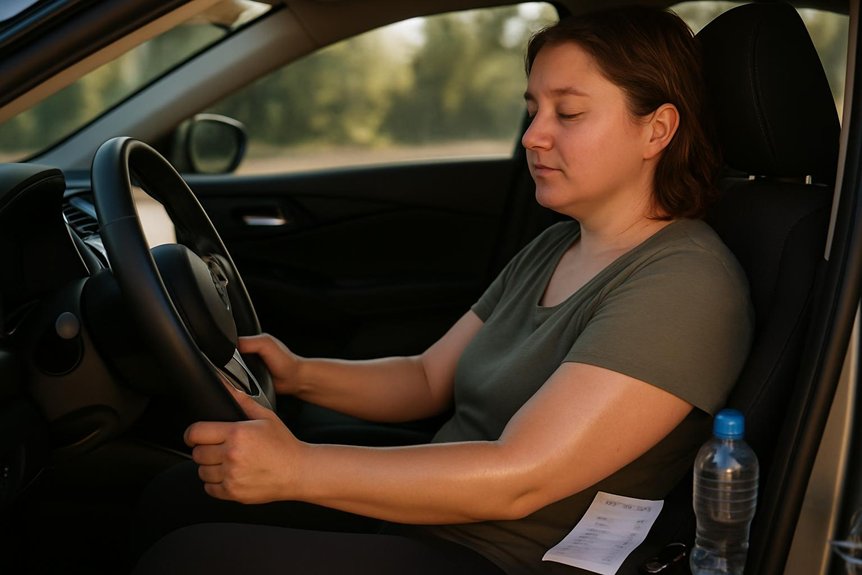
In most cases, driving can be resumed immediately after an intensive tissue massage, but a short waiting period of 10–20 minutes is often advisable to guarantee full alertness and steady coordination. This pause allows circulation and breathing to settle, and helps the nervous system shift from relaxed to task-ready.
At Spa & Massage clinics across London, therapists typically recommend sitting up slowly, drinking water, and taking a few calm minutes in reception before heading out. If the session was especially intensive or focused on the neck, shoulders, or hips, waiting 20–30 minutes can feel more comfortable for smooth steering, braking, and mirror checks.
Planning a buffer into appointments supports safety, privacy, and unhurried re-entry into daily life.
What Are Signs You Shouldn’t Drive After Deep Tissue?
After an intensive tissue massage, a client should not drive if they experience dizziness or lightheadedness on standing.
Blurred vision or nausea can also indicate temporary physiological changes that may impair safe decision-making on the road.
Reduced strength or coordination—such as shaky hands, slowed reactions, or unsteady gait—should be treated as a clear cue to rest and follow Spa & Massage aftercare guidance before travelling.
Dizziness Or Lightheadedness
Dizziness or lightheadedness can occasionally occur after an intensive tissue massage, and either is a clear reason to delay driving. These sensations may reflect a temporary drop in blood pressure, dehydration, or a strong relaxation response after sustained pressure and slow breathing.
At Spa & Massage clinics across London, therapists advise clients to sit up gradually, take a few steady breaths, and check for steadiness before standing. If the room feels unsteady, the legs feel weak, or focus drifts, driving should wait. Clients are encouraged to drink water, have a small snack if appropriate, and rest until balance and alertness fully return.
When needed, a calm, private recovery period in the clinic supports safe, grounded return to the day.
Blurred Vision Or Nausea
Visual disturbance or nausea following deep tissue work signals that alertness and coordination may be temporarily impaired, and driving should be postponed.
Blurred vision can occur when the nervous system shifts into a more relaxed state or when hydration and blood pressure fluctuate after intensive muscle work.
Nausea may reflect sensitivity to pressure, positional changes, or a post-treatment response to increased circulation.
At Spa & Massage, therapists advise clients to sit up slowly, drink water, and remain in the clinic lounge until symptoms fully resolve.
If vision feels “swimmy,” the stomach unsettled, or focus is hard to hold, the safest plan is to delay travel, arrange a taxi, or ask a trusted person to collect them.
Persistent or worsening symptoms warrant medical advice promptly.
Reduced Strength Or Coordination
Pause any plan to drive if strength or coordination feels reduced following deep tissue work. Temporary muscle fatigue, tremor, or a “heavy” limb can occur when tissue has been worked deeply, especially after sports-focused sessions. Warning signs include difficulty gripping keys or a steering wheel, unsteady steps, delayed braking response, or trouble judging distance while walking.
At Spa & Massage clinics across London, therapists advise clients to test movement before leaving: stand slowly, take a few controlled steps, and gently open and close the hands. If control feels uncertain, waiting in the reception area, drinking water, and arranging a taxi or lift is safer.
Driving should resume only once movements feel steady, responsive, and fully intentional.
How to Feel Safe Before Driving After Deep Tissue
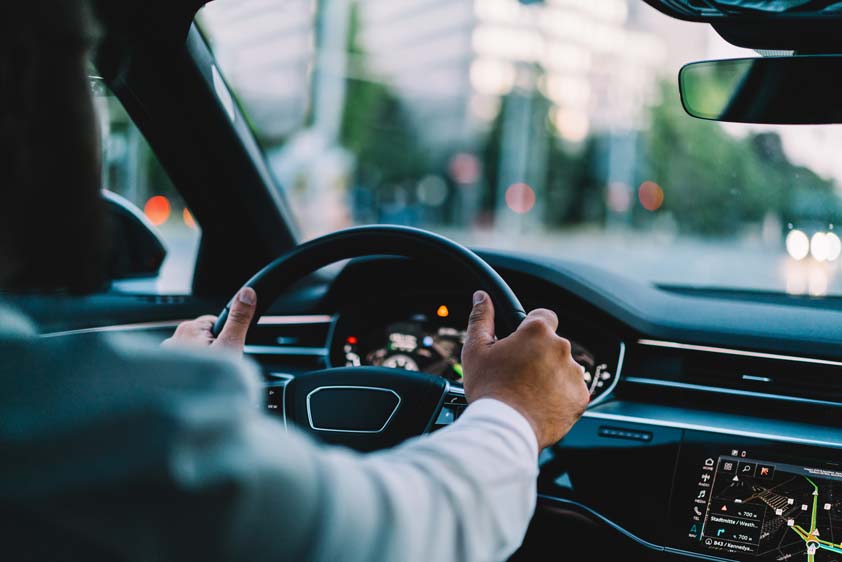
After an intensive tissue massage, a brief self-check helps determine whether a client is fit to drive safely. The client should pause for two minutes, breathe slowly, and notice alertness, vision clarity, and any dizziness, nausea, or “floaty” sensation. Hands should feel steady on keys and phone; legs should rise from the chair without wobble.
In Spa & Massage clinics across London, therapists recommend drinking water, standing up gradually, and testing range of motion with gentle neck turns and shoulder rolls. Any lingering tenderness should not limit steering, braking, or head checks. The client can assess grip by opening and closing the hands and pressing the palms together. If focus feels soft, speech slurred, or coordination reduced, driving should be delayed until steadiness returns fully.
If You Shouldn’t Drive: Travel Options After Your Appointment
In cases where post‑massage lightheadedness, reduced coordination, or pain could impair driving, the safest plan is to avoid getting behind the wheel and use an alternative way home. At Spa & Massage clinics across London, clients are encouraged to plan ahead and book a taxi or ride‑hail, or arrange a trusted friend or partner to collect them.
Public transport can be suitable when symptoms are mild: taking a seated route, allowing extra time, and holding handrails reduces fall risk. For clients who feel tender or emotionally open after deep tissue work, a calm walk to the nearest Tube or bus stop may be preferable to rushing.
If dizziness persists, clients should remain in reception, hydrate, and contact someone for assistance.
Conclusion
After deep tissue work, a client may feel like a navigator stepping off a moving vessel: the body steadier, yet the senses briefly recalibrating. Driving is usually safe once alertness, comfort, and range of motion are normal. If “sea legs” persist—dizziness, fogginess, headache, marked soreness, or slowed reactions—waiting is the safer course. Hydration, a short rest, and gentle movement can restore readiness. When in doubt, choose a lift, taxi, or public transport home.