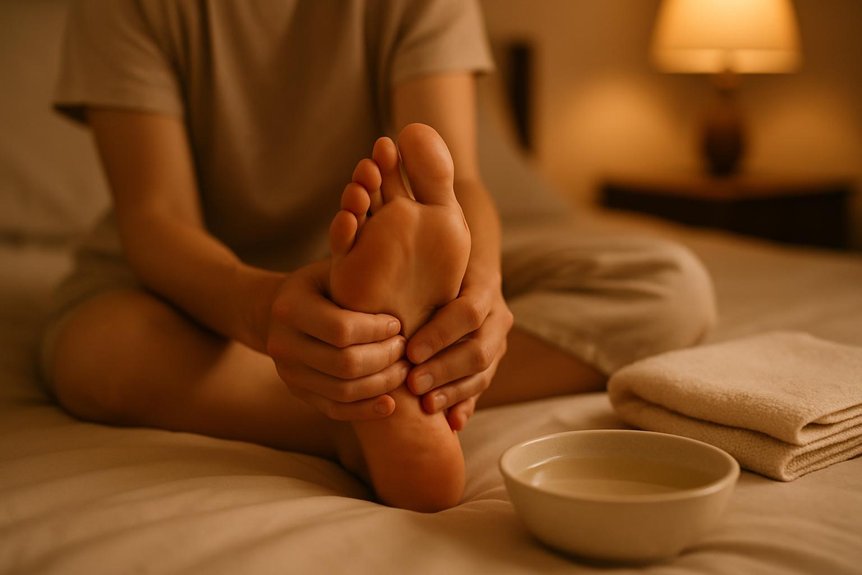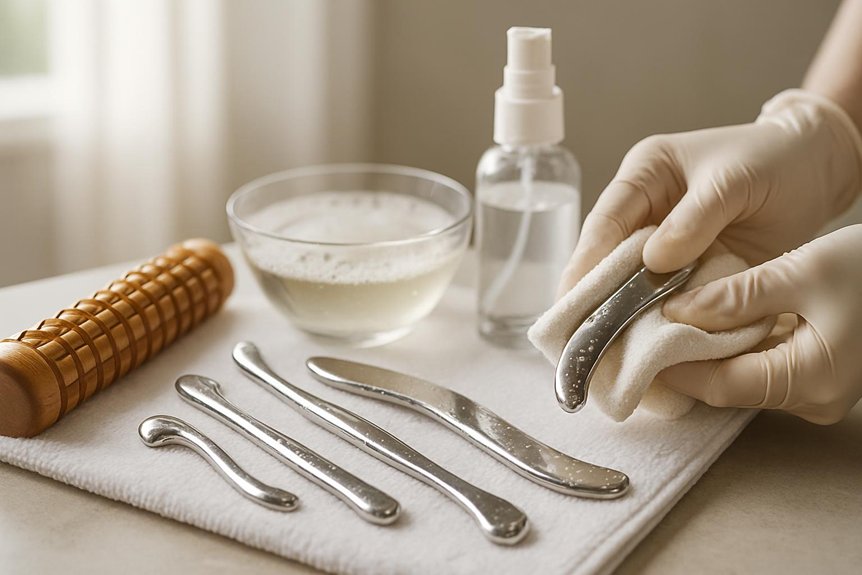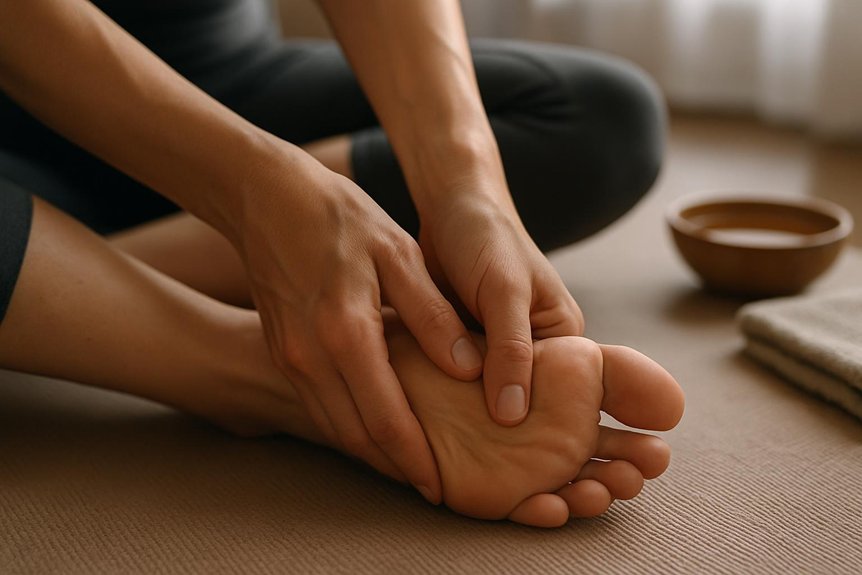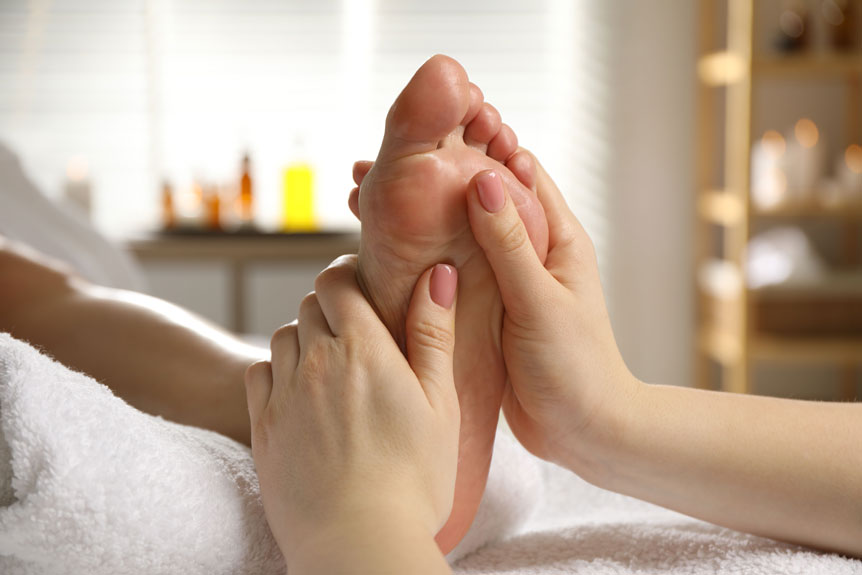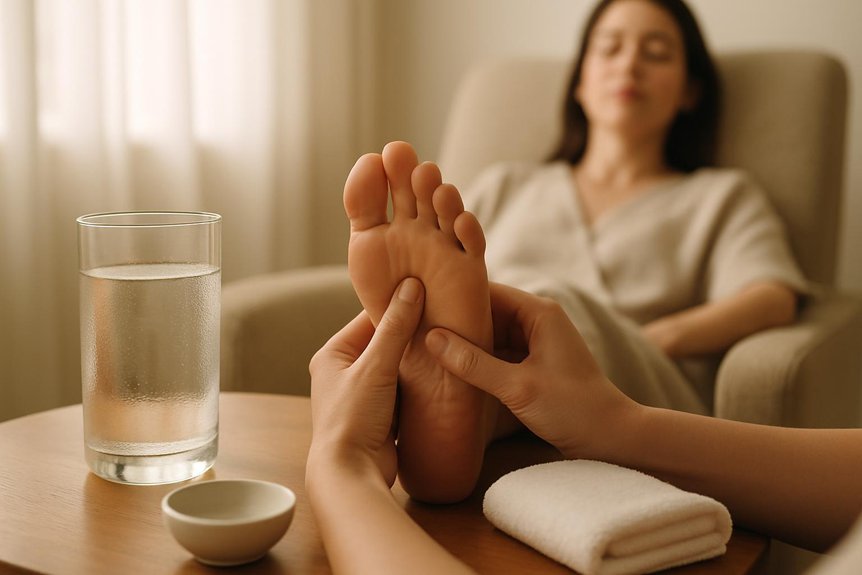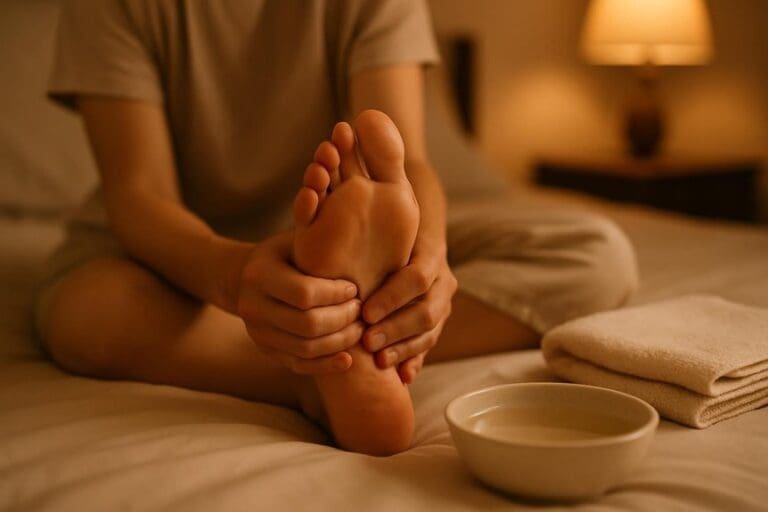
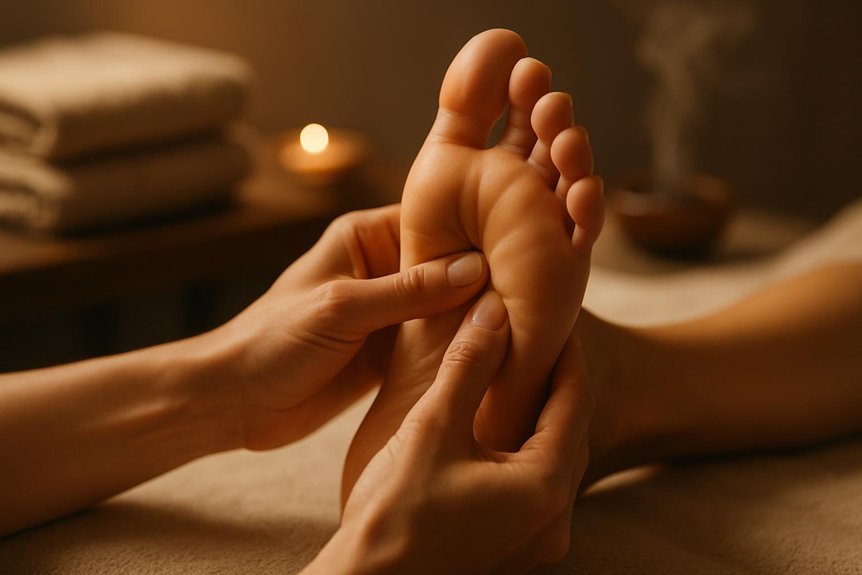
It may help many people feel less stressed by using slow, rhythmic thumb-and-finger pressure on mapped areas of the feet (and sometimes hands) to support calmer breathing and a parasympathetic “downshift.” Sessions are paced with steady, predictable touch and adjusted to comfort, often producing warmth, tingling, heaviness, or brief tenderness that eases. Evidence is mixed but suggests reduced perceived stress and anxiety for some. Next are practical details on sensations, session planning, and safety.
Reflexology for Stress: How It Works (Plain English)
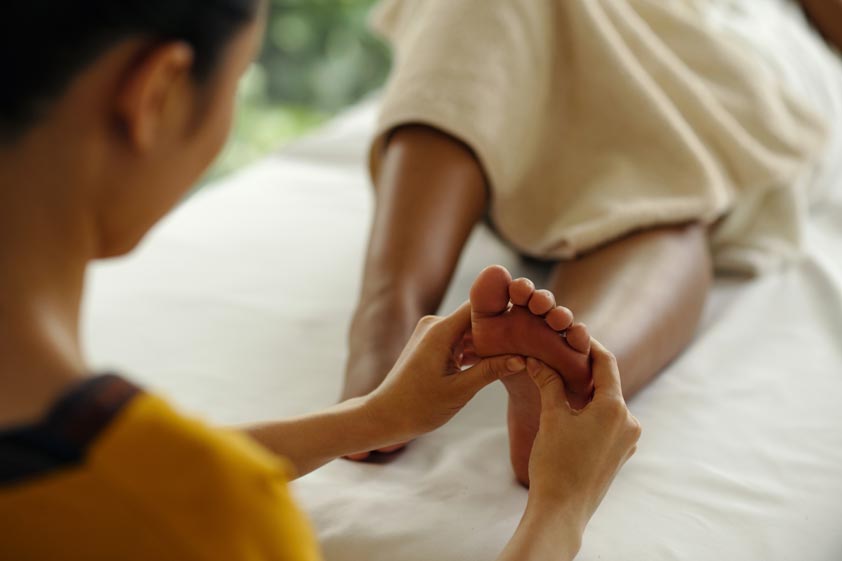
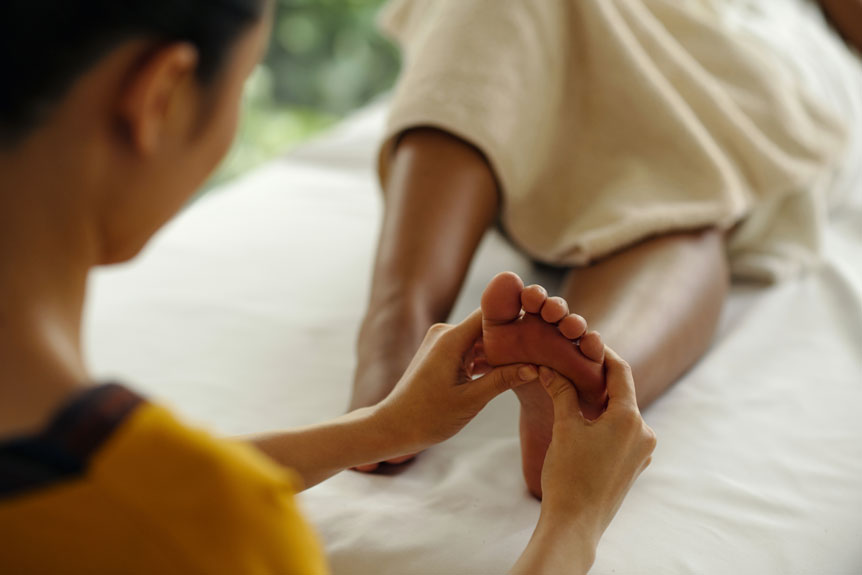
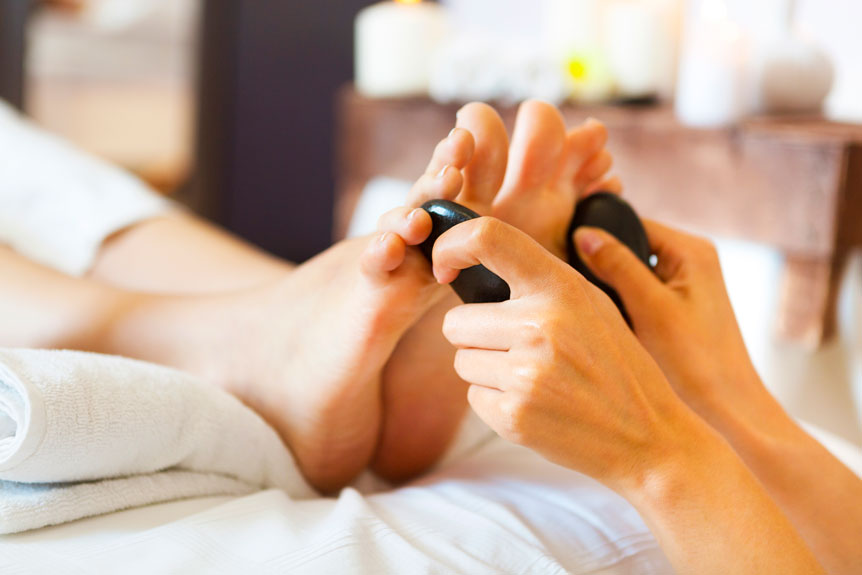
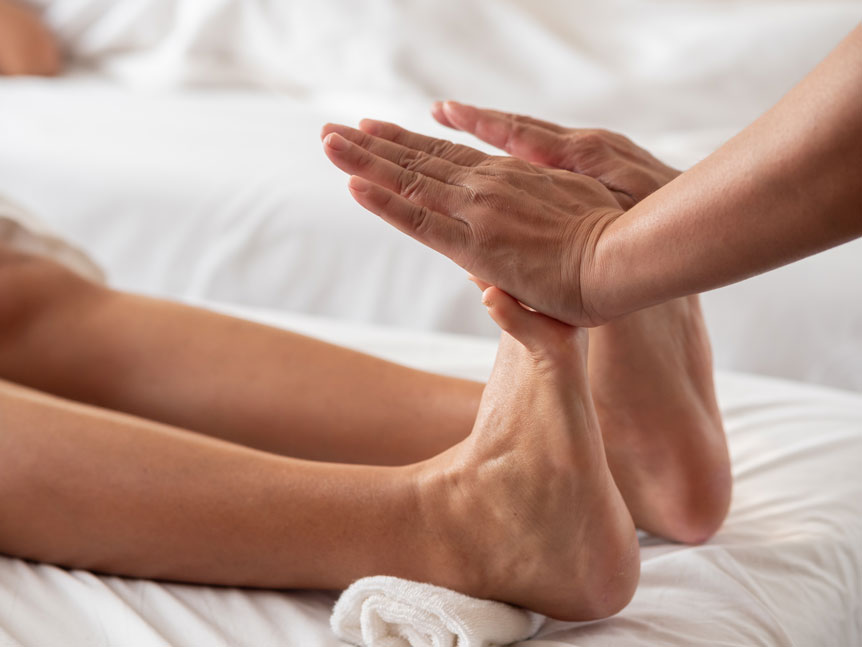
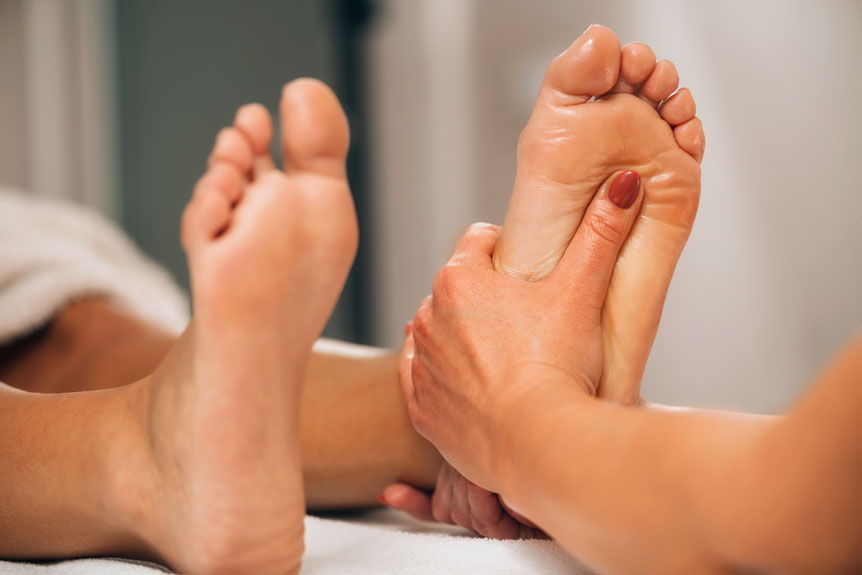
In simple terms, it is a structured pressure-based treatment applied mainly to the feet (and sometimes hands) that aims to support the body’s stress response. It works by using slow, specific thumb-and-finger pressure along mapped areas, while keeping breathing steady and the environment calm.
Evidence suggests that it may reduce perceived stress by encouraging parasympathetic activity—slowing heart rate, easing muscle guarding, and helping the mind disengage from threat monitoring.
In Spa & Massage clinics across London, therapists begin with a brief check-in, then adjust pressure, pacing, and focus points based on what the client reports (sleep disruption, jaw tension, racing thoughts).
The aim is not diagnosis, but a grounded reset: consistent touch, predictable rhythm, and a sense of being safely held throughout.
Many people explore this approach after learning about the healing power of zone therapy.
What Will You Feel During Zone Therapy for Stress?
During therapy for stress at Spa & Massage, clients commonly report a shift from mild pressure or tenderness at specific foot points to warmth, tingling, or a heavy “relaxed” feeling as the therapist adjusts technique to comfort and response.
Evidence-informed practice recognises that short-lived emotional or physical release—such as a sigh, tearfulness, yawning, or deepening breath—can occur as the nervous system settles. Sensations typically fluctuate during the session and are monitored throughout so pressure and pacing remain appropriate for the client’s stress level.
Common Sensations During Treatment
From the first few minutes, reflex therapy for stress is commonly experienced as a blend of firm, targeted pressure on the feet (and sometimes hands) with an overall sense of settling into relaxation; as a therapist works specific reflex areas, sensations may range from soothing warmth and gentle “good pain” (similar to releasing a tight muscle) to brief tenderness or tingling that typically eases as the tissue relaxes, while slower breathing, a quieter mind, and occasional drowsiness are normal responses to the treatment’s calming pace and touch.
At Spa & Massage clinics, therapists adjust depth and rhythm to keep sensations therapeutic, not overwhelming. Some clients notice coolness, pulsing, or subtle “spreading” sensations along the sole as pressure is held, then released.
Light skin sensitivity is possible, especially on tense arches or heels, and typically settles with slower strokes and supported breathing.
Emotional And Physical Release
Often, reflex therapy for stress is followed by a noticeable “letting go” response as the nervous system shifts toward a calmer state, which can feel both physical (a softening through the calves, arches, jaw, or shoulders; deeper breathing; a gentle heaviness) and emotional (a sudden wave of calm, unexpected tearfulness, or a sense of mental quiet).
At Spa & Massage, therapists work with steady, pressure-modulated thumb and finger techniques along the feet’s reflex areas, pausing when tissue feels guarded and easing intensity to support comfort.
This pacing is consistent with clinical observations that relaxation responses may increase as sympathetic arousal drops.
Some clients notice warmth, tingling, or a mild “thawing” in tight spots; others feel emotions rise briefly, then settle.
Afterward, rest and hydration are recommended.
What Happens in Your Body During Stress Reflex Therapy?
In a stress‑response state, the body typically shifts toward sympathetic “fight‑or‑flight” activity—raising heart rate, tightening muscles, and increasing stress‑hormone signalling—and it aims to counterbalance this by engaging calming neural pathways through structured pressure on specific points of the feet.
At Spa & Massage, therapists typically begin with grounding strokes, then apply steady thumb‑walking and sustained holds that invite slower breathing and soften guarded tissue.
Clients often notice warmth in the feet, a loosening through calves and jaw, and a gentle settling in the chest as muscle tone drops.
Touch may also shift attention away from repetitive worry, supporting interoception and a sense of safety.
Sessions are paced, pressure is adjusted moment‑to‑moment, and quiet cues help clients stay connected to what feels supportive.
Zone Therapy for Stress: What Does the Evidence Say?
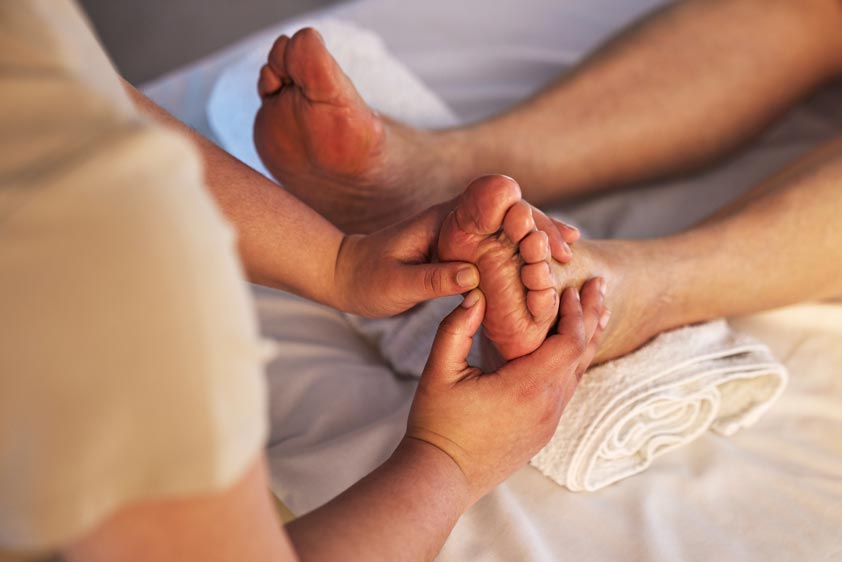
What does research actually show about reflex therapy for stress? Overall, studies suggest that it may reduce perceived stress and anxiety and improve relaxation, but the evidence base is mixed, with small samples, varied protocols, and inconsistent controls.
Benefits are most consistently reported when sessions are delivered in a calm setting, with clear touch sequences and supportive communication rather than promises of diagnosis or cure.
At Spa & Massage clinics across London, therapists focus on technique: steady pressure to mapped foot points, slow shifts, and client-led adjustments for sensitivity, temperature, and pace. This structured, attentive contact can help many people downshift from “on edge” to grounded—often alongside calmer breathing and easier sleep.
It should be positioned as a complementary approach, not a replacement for medical care.
Which Stress Symptoms May Reflex Therapy Help Most?
In clinical practice at Spa & Massage, reflex therapy for stress is most often considered for symptoms linked to nervous-system arousal, particularly sleep disruption and fatigue, muscle tension with stress-related headaches, and digestive stress signs.
A technique-focused session targets relevant foot reflex areas with graded pressure and pacing matched to client comfort, with outcomes typically monitored through changes in sleep quality, perceived tension, and gut symptoms over subsequent days.
These symptom clusters provide practical, client-centred markers for deciding when reflex therapy may be the most useful option within a stress-management plan.
Sleep And Fatigue
At times of sustained stress, sleep disruption and daytime fatigue are often among the earliest and most persistent symptoms, driven by heightened nervous system arousal that makes it harder to switch off at night and restore energy by day. Reflex therapy may help by supporting a shift toward parasympathetic “rest-and-digest” activity, which research associates with calmer heart rate and improved readiness for sleep.
At Spa & Massage, therapists use slow, consistent pressure through the feet, pacing the session to the client’s breath and comfort, often emphasising grounding holds and rhythmic thumb-walking to promote settling. Clients commonly report feeling deeply soothed, with an easier segue into sleep and less wired tiredness the next day. For aftercare, many are advised to hydrate, reduce evening screen exposure, and keep a consistent bedtime.
Tension And Headaches
Sleep disruption often sits alongside physical stress patterns such as neck and shoulder tightness and stress-related headaches. Reflex therapy may help by shifting the nervous system toward parasympathetic “rest-and-digest” activity, which can soften muscle guarding and reduce headache intensity for some people.
Evidence is mixed, but small studies and clinical experience suggest benefits for tension-type headaches and stress-related discomfort when sessions are consistent. At Spa & Massage clinics across London, therapists begin with a brief consultation, then use slow, grounding pressure and thumb-walking on feet zones linked with the neck, shoulders, and head, alongside diaphragm and solar plexus work to ease overall tone.
Many clients notice a warmer, looser upper body and calmer breathing. Aftercare focuses on hydration, gentle neck mobility, and screen-breaks.
Digestive Stress Signs
Notice the gut first: stress commonly shows up as bloating, “butterflies,” reflux, constipation, diarrhoea, or appetite shifts, largely through autonomic nervous system changes that alter motility and digestion.
It is often chosen for these signs because it aims to downshift arousal and support comfort via calming, rhythmic pressure.
At Spa & Massage clinics across London, therapists typically focus on diaphragmatic-breath pacing and gentle, consistent work through the mid-foot and arch, then balance with ankle and calf releases to ease guarding.
Clients frequently report warmth, softer abdominal tension, and more settled appetite after sessions; research suggests touch-based relaxation can reduce perceived stress and improve symptom coping.
It is not a cure for gastrointestinal disease; persistent pain, bleeding, or weight loss should be medically assessed.
How Many Sessions for Stress Relief?
For most people seeking stress relief, it works best as a short, structured course rather than a one-off treatment. Evidence from clinical practice suggests 4–6 sessions, spaced weekly, is a practical starting point for calming an overactive stress response and improving sleep and digestion-related tension.
At Spa & Massage, therapists usually begin with a 60-minute session to assess stress patterns, pressure tolerance, and tenderness in foot zones linked to the diaphragm, solar plexus, and adrenal reflexes.
Sessions two to four typically focus on consistent technique: slow, sustained thumb-walking, gentle holds, and paced breathing cues to help the nervous system downshift. Many clients then move to maintenance every 2–4 weeks, adjusting frequency around busy periods or flare-ups.
Reflex Therapy vs Massage for Stress: Which Is Better for You?
Often, the most effective choice between reflex therapy and massage for stress depends on whether the client’s nervous system responds best to targeted foot pressure and paced holds (reflex therapy) or to direct work on tense tissues and breath-led, slow strokes across larger muscle groups (massage).
It can suit clients who want calming, clothed touch and a steady rhythm that encourages downshifting; many notice slower breathing and a softened jaw by mid-session.
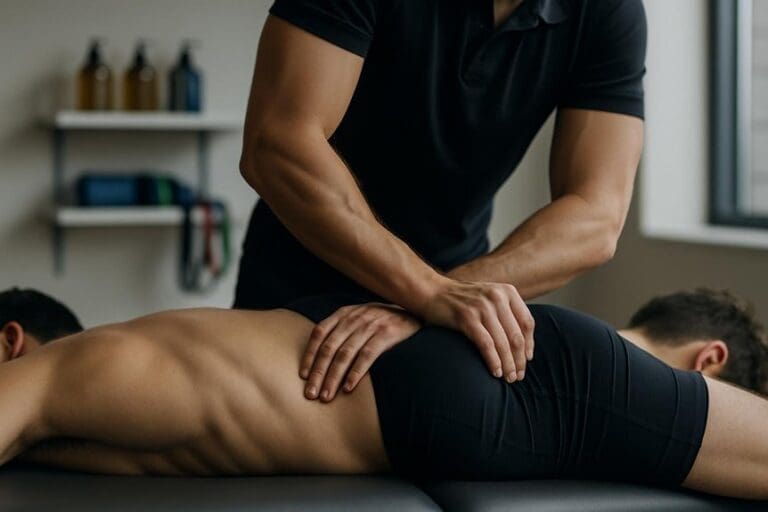
Massage may suit clients whose stress shows up as shoulder, neck, and hip holding, where skilled tissue loading, effleurage, and myofascial work can reduce guarding and restore ease.
At Spa & Massage London clinics, therapists often blend approaches: reflex points to settle, then aromatherapy massage to deepen relaxation. Choice is guided by comfort, symptoms, and session goals.
When to Avoid Reflex Therapy for Stress (Safety Checks)
Choosing between reflex therapy and massage is only part of managing stress; the next step is confirming it is appropriate on the day, because certain health situations call for postponing treatment, adapting pressure, or seeking medical clearance.
Spa & Massage therapists screen for red flags: fever or contagious illness, recent surgery, unhealed wounds, acute inflammation, severe varicose veins, DVT risk, uncontrolled hypertension, and new or worsening neurological symptoms.
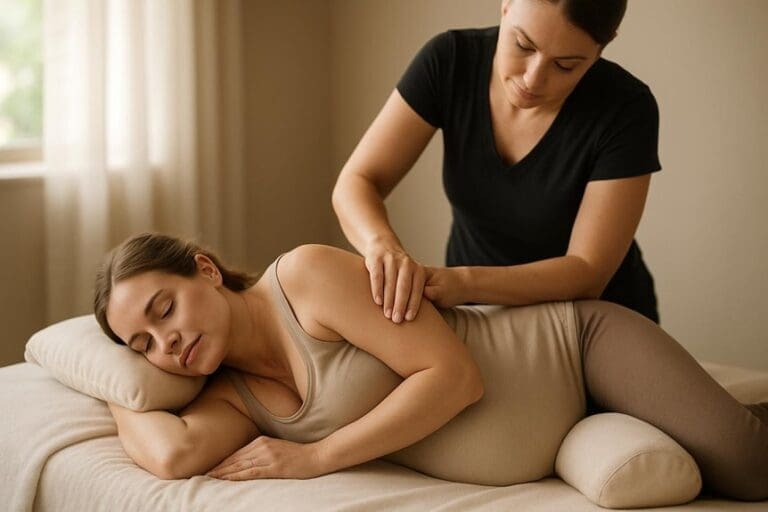
Pregnancy, diabetes-related neuropathy, anticoagulant use, and significant oedema may still suit reflex therapy, but only with gentler pressure and clinician consent when indicated.
Clients should avoid treatment over broken skin, fungal infection, or painful swelling, and pause if touch increases dizziness, nausea, or pain.
A brief consultation verifies calm, safe contact.
Conclusion
Like exhaling after a long, crowded Tube ride, reflex therapy can offer a quiet reset. By applying measured pressure to mapped points on the feet, therapists aim to downshift the stress response, ease muscular guarding, and support calmer sleep. Evidence remains mixed but suggests potential benefits for perceived stress and anxiety in some people. For many clients, the clearest gains are immediate relaxation and steadier mood. With appropriate safety screening, a short course may consolidate results.