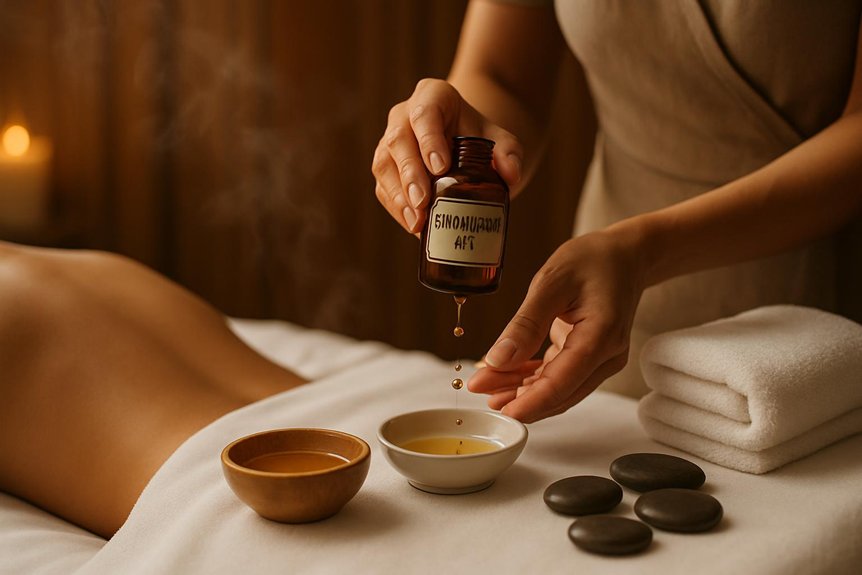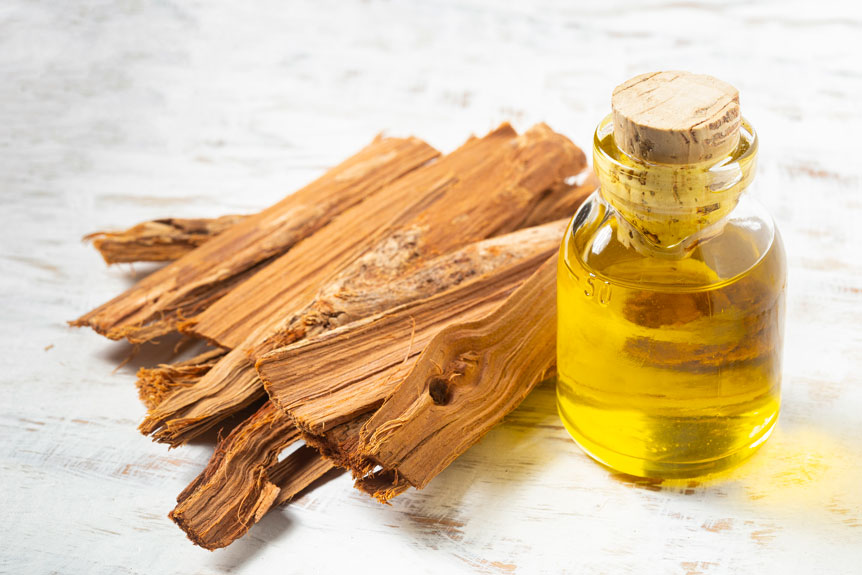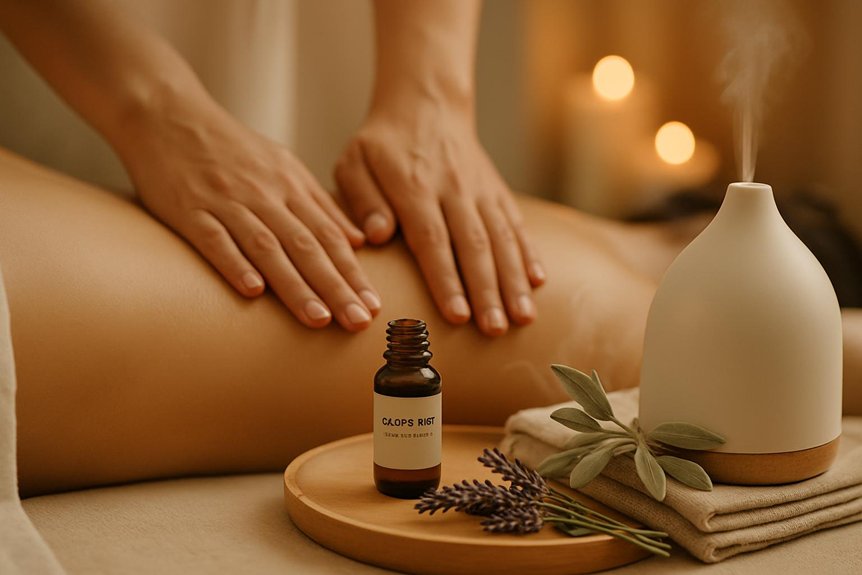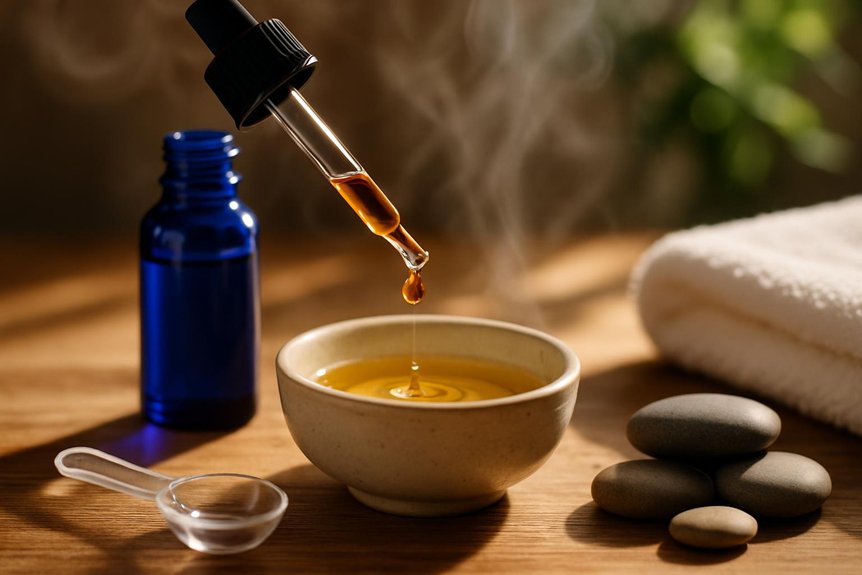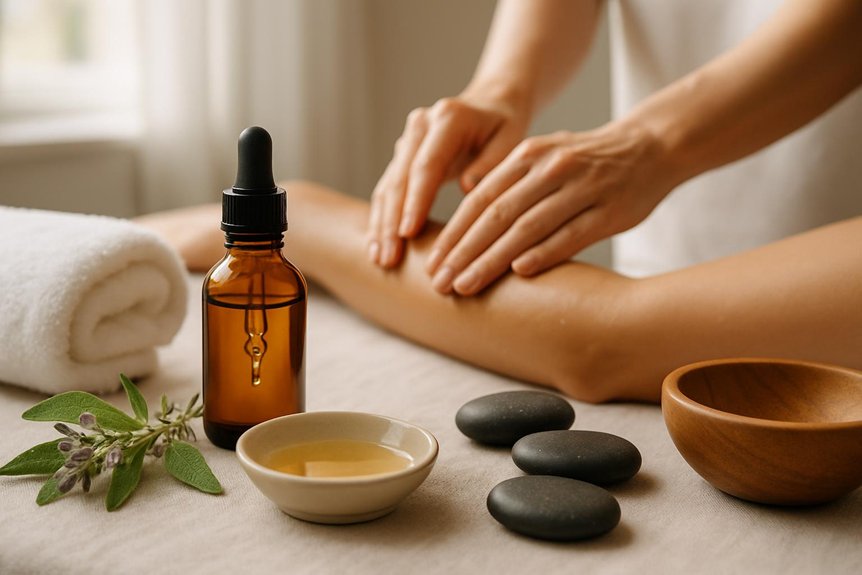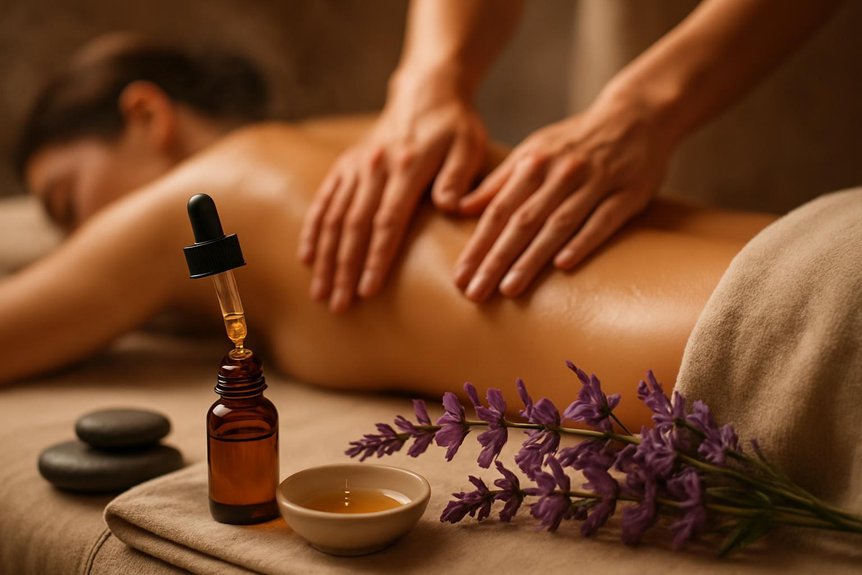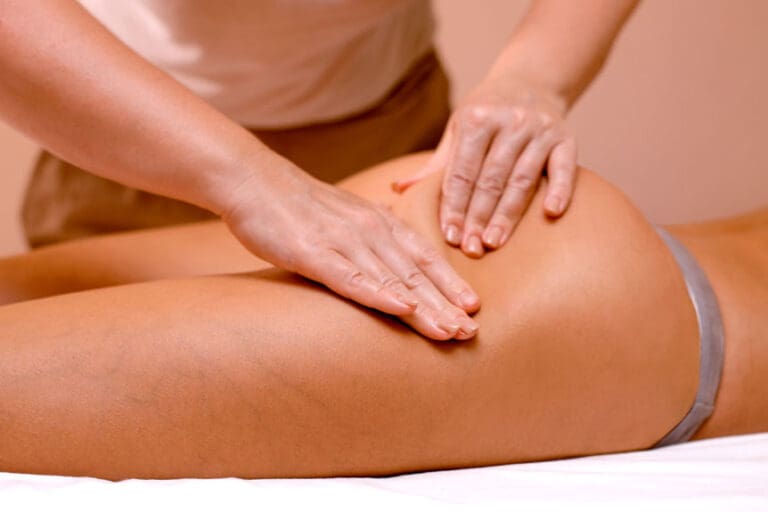
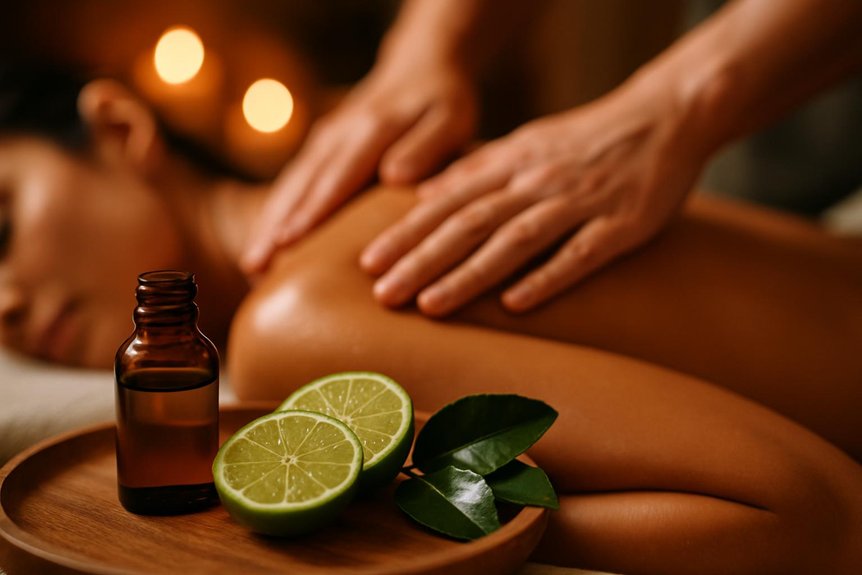
Bergamot essential oil in aromatic massage is used for its bright citrus aroma, which can help clients settle quickly, feel more comfortable with close-contact work, and support slower breathing for a calmer state. When properly diluted in a carrier oil, it adds light slip and a fresh finish without heaviness. Because some bergamot is phototoxic, many clinics choose bergapten‑free (FCF) types and advise avoiding UV exposure for 12–24 hours. More practical guidance follows.
What Does Bergamot Oil Do in Massage?
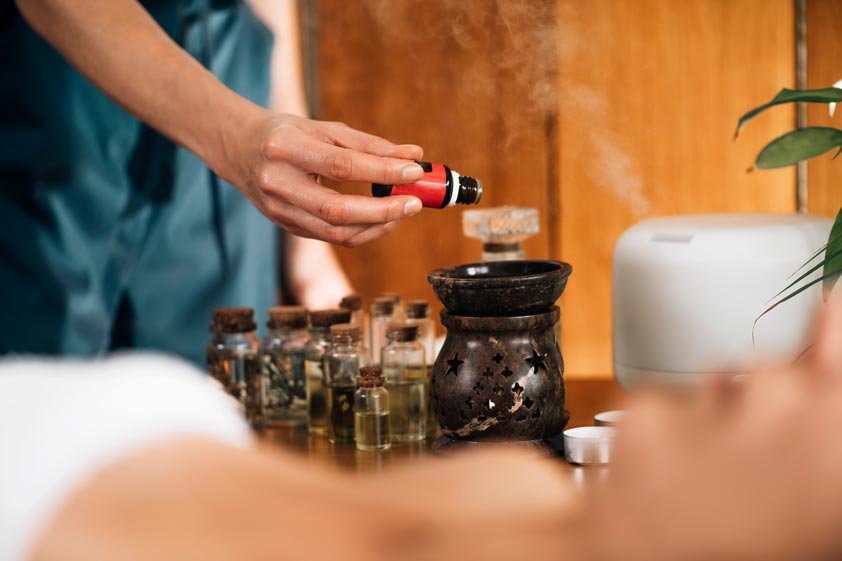
Used thoughtfully, bergamot essential oil can support both the sensory and therapeutic aims of a massage by combining a bright citrus aroma with skin-compatible topical effects when properly diluted.
In Spa & Massage clinics, therapists may choose bergamot to help a client settle into the treatment quickly, as aroma can shape perceived comfort and touch sensitivity during slow, close-contact work.
Topically, properly diluted bergamot can add light slip and a fresh finish when blended into a carrier oil, supporting smooth strokes without feeling heavy.
As part of aromatherapy massage, therapists may also use simple, calming techniques to help clients relax more deeply during the session.
Safety is central: bergamot can be phototoxic, so therapists select bergapten-free (FCF) options or advise avoiding UV exposure for 12–24 hours after use. Patch testing, conservative dilution, and clear consent keep the experience intimate and reassuring.
Bergamot Oil Benefits for Mood, Stress, and Sleep
In aromatic massage, bergamot oil is most often selected for its potential to support emotional regulation and perceived calm, which can be relevant for clients presenting with stress, low mood, or difficulty switching off.
Emerging clinical research and practice-based observations suggest its aroma may reduce perceived anxiety and promote a more positive affect when paired with soothing touch.
In Spa & Massage clinics, therapists may use bergamot within a personalised blend to help the nervous system downshift, supporting slower breathing and a sense of being held and safe.
For sleep, it is typically positioned as a pre-bed wind-down aid rather than a sedative; many clients report easier shift into rest after evening sessions.
Therapists encourage simple aftercare: hydrate, dim screens, and keep the evening unhurried.
Who Should Avoid Bergamot Oil Massage?
A bergamot oil aromatic massage is not suitable for everyone, particularly where there is a higher likelihood of skin sensitisation or light-related reactions. People with very sensitive or reactive skin, eczema, dermatitis, or a history of fragrance allergy may be better choosing an unscented or alternative oil, as citrus essential oils can irritate compromised barriers.
Those with a tendency to hyperpigmentation, melasma, or who plan sun exposure soon after treatment should also avoid bergamot, because some extracts are phototoxic.
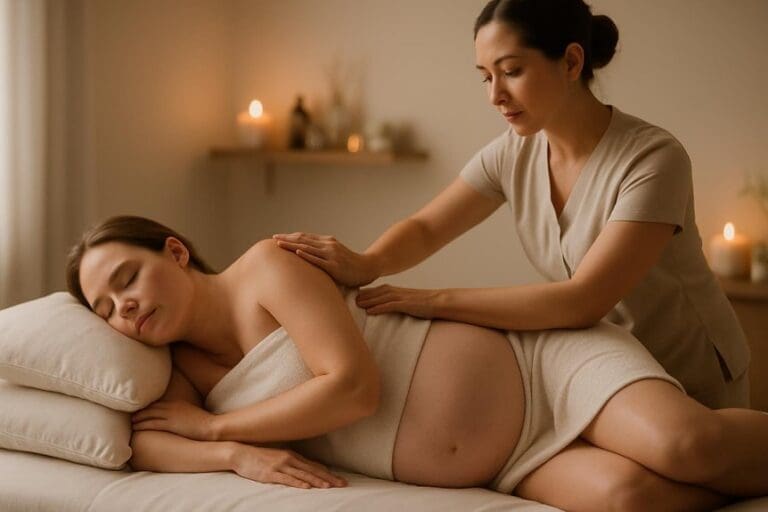
Caution is advised in pregnancy, during breastfeeding, and for children, where a therapist may prefer gentler options. Clients taking photosensitising medicines or using retinoids, exfoliating acids, or undergoing laser/peels should disclose this.
At Spa & Massage, therapists prioritise comfort, consent, and close communication.
How We Use Bergamot Oil Safely in Our Clinics
To guarantee both comfort and skin safety, bergamot oil is only incorporated into aromatic massage at Spa & Massage following a structured risk‑reduction approach: therapists complete a brief consultation to screen for photosensitivity risks and reactive skin, select non‑phototoxic (FCF/bergapten‑free) bergamot where appropriate, dilute to conservative leave‑on skin concentrations in a neutral carrier, and provide clear aftercare guidance—particularly around avoiding UV exposure after treatment.
In the treatment room, therapists patch‑aware: they avoid broken skin, recent waxing areas, and inflamed zones, and they adjust pressure and oil load so the scent remains close and soothing rather than overwhelming.
Oils are measured, not guessed, with documented maximums and batch tracking. If any stinging, heat, or redness appears, application stops, the area is cleansed, and the blend is revised.
Aftercare Tips to Make Bergamot Benefits Last Longer
Often, the benefits of bergamot in an aromatic massage last longer when aftercare supports both skin tolerance and nervous-system settling. Spa & Massage therapists advise drinking water, eating a light meal, and allowing a calm evening so the body can integrate downregulated stress responses.
To protect sensitised skin, clients should avoid strong sun or sunbeds on treated areas for 12–24 hours and postpone hot baths, saunas, or intense workouts if warmth triggers flushing. A gentle, fragrance-free moisturiser can preserve softness without overloading the barrier.
For emotional steadiness, slow breathing, an early bedtime, and reducing alcohol or caffeine may help sustain relaxation. If itching, redness, or headache appears, washing the area and seeking clinician guidance is recommended promptly.
Conclusion
Like morning light through a sheer curtain, bergamot’s citrus‑floral scent can soften the edges of a massage, encouraging slower breathing and a calmer, more settled mood. Evidence suggests it may support stress reduction and sleep quality when used appropriately, but safety remains central: careful dilution, patch awareness, and screening for sensitivities or photosensitivity risk guide its use. With tailored blending and clear aftercare, the benefits can linger—steady, bright, and quietly restorative.