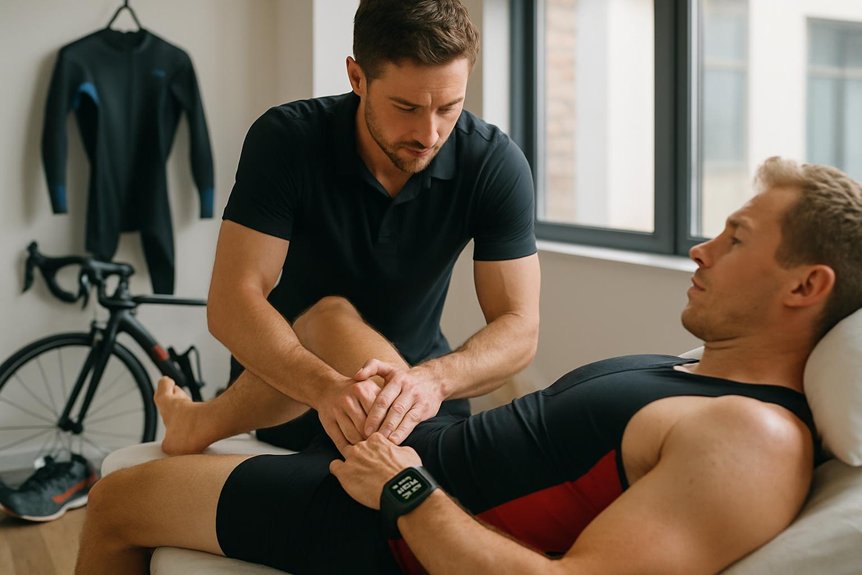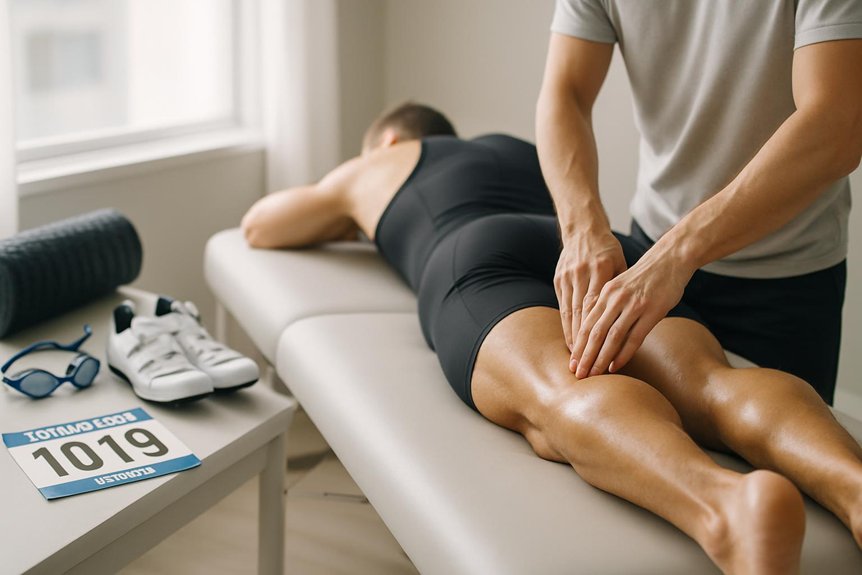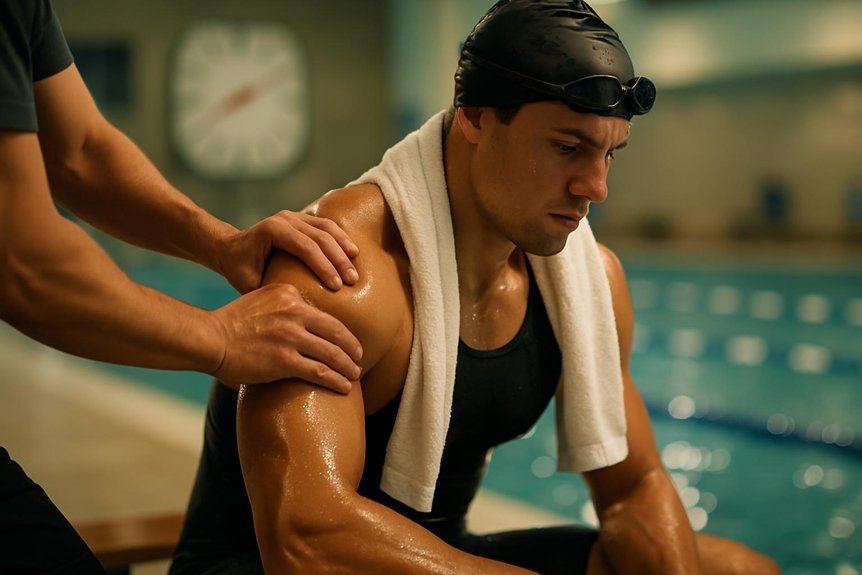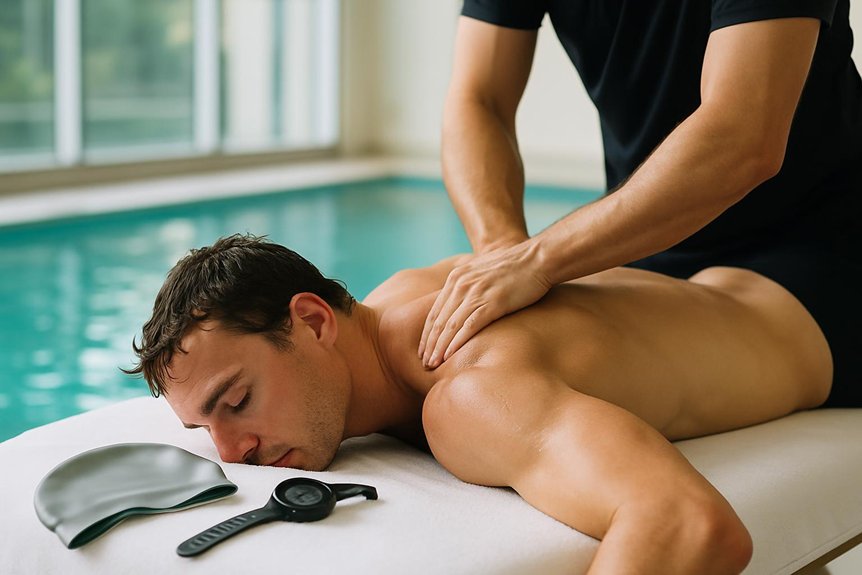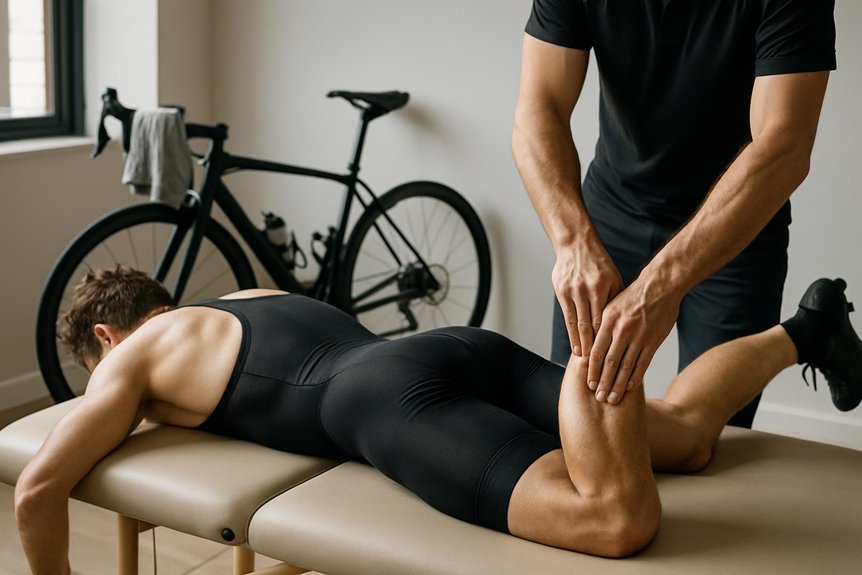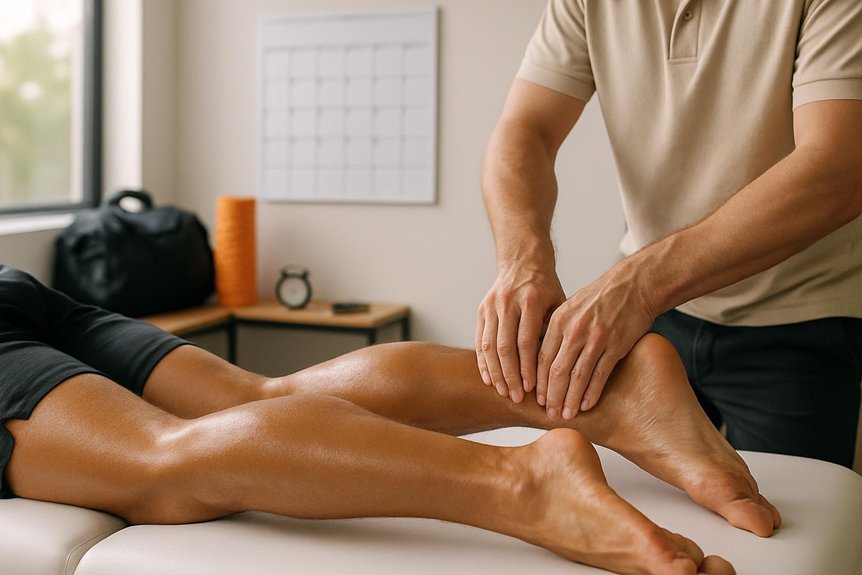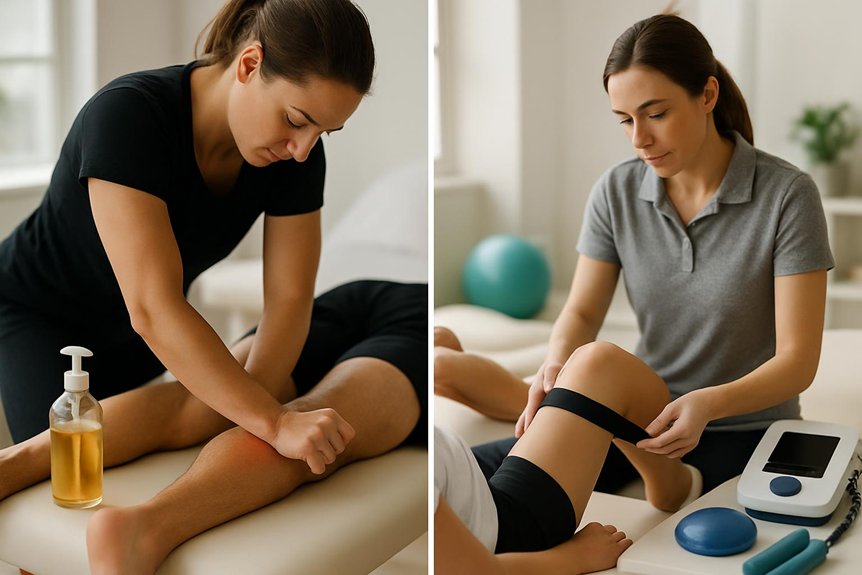
Performance massage and physiotherapy differ mainly in aim and scope. Performance massage targets muscle and fascia to reduce soreness, lower tone, and support short-term recovery between training sessions. Physiotherapy is a regulated, diagnosis-led approach that assesses pain and movement, screens for red flags, and builds durable capacity through progressive loading, mobility, and motor-control work. Massage can complement rehab by improving comfort and exercise tolerance. The sections below outline session differences, best uses, and when to combine them.
Sports Massage Vs Physiotherapy: How to Choose
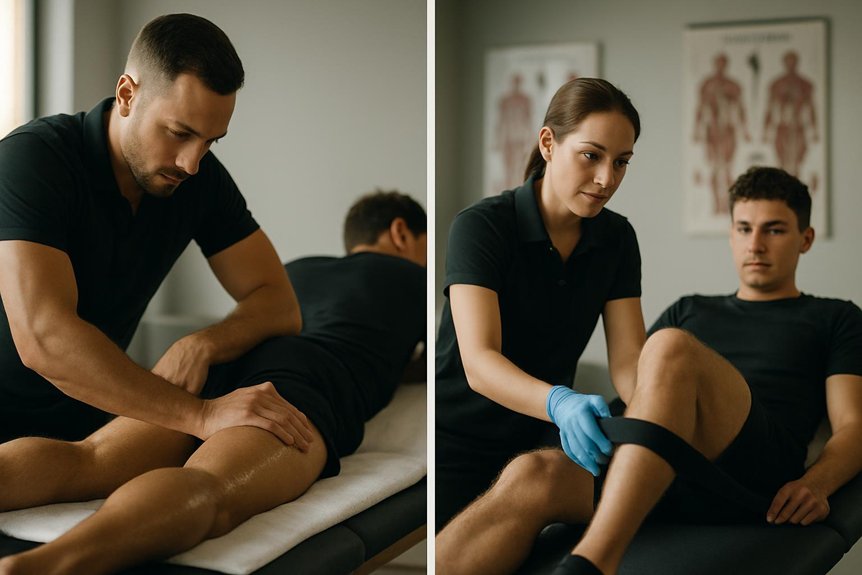
In practice, choosing between performance massage and physiotherapy depends on the primary goal—symptom relief, performance support, or diagnosis-led rehabilitation. When pain is diffuse, stress-related, or linked to muscle tension after training, massage may support short-term comfort and tissue tolerance. It can also offer benefits for athletes by supporting recovery between training sessions.
When symptoms include swelling, night pain, neurological signs, persistent weakness, or loss of function, physiotherapy is typically more appropriate for assessment, load management, and progressive exercise.
At Spa & Massage clinics across London, therapists begin with a brief screen, then tailor pressure, pace, and aftercare to the client’s preferences and boundaries, maintaining privacy and calm. If red flags arise, referral is advised.
Many clients combine both: physiotherapy for a plan, massage for recovery and confidence.
What Is Sports Massage (And What It Isn’t)?
Targeting muscle and fascia to support movement, performance massage is a manual therapy approach used to reduce exercise-related tissue tension, improve short-term comfort, and assist recovery between training sessions. It typically combines focused pressure, myofascial techniques, and stretching to influence local circulation, tone, and perceived soreness after training or competition. At Spa & Massage clinics across London, therapists tailor depth and tempo to the client’s goals, training load, and tenderness, using clear consent and steady communication to keep the work both effective and safe.
It is not a “fix” for every pain, nor a substitute for rest, progressive loading, sleep, and nutrition. It does not guarantee faster healing of structural injuries, and it should not be used to “push through” sharp, escalating symptoms.
What Is Physiotherapy, and How Is It Different?
Physiotherapy is a regulated, evidence-based healthcare approach that assesses pain and movement problems, then uses targeted exercise, manual therapy, and education to restore function and reduce recurrence.
Unlike massage, which primarily addresses soft-tissue tension and symptom relief, physiotherapy focuses on diagnosis, rehabilitation planning, and measurable outcomes such as strength, mobility, and return to activity.
In Spa & Massage clinics, therapists often advise physiotherapy when symptoms suggest an underlying injury or persistent dysfunction requiring structured rehabilitation beyond hands-on treatment.
Physiotherapy Explained Simply
Rehabilitation is the guiding principle behind physiotherapy: a regulated healthcare approach that assesses movement, pain, and function, then uses evidence-based interventions—such as therapeutic exercise, manual techniques, education, and graded activity—to restore capacity and reduce symptoms.
Physiotherapists form a clinical diagnosis, screen for red flags, and set measurable goals. Treatment is progressed over time, often using load management, mobility work, neuromuscular re-training, and pacing strategies, with outcomes reviewed to make certain safe return to daily life, work, or sport.
It can support recovery after injury, surgery, or persistent pain, and may include advice on sleep, stress, and ergonomics to reinforce healing. At Spa & Massage, clients are encouraged to seek physiotherapy when symptoms limit function, persist, or require structured rehabilitation planning.
Key Differences From Massage
How does physiotherapy differ from massage in practice? Physiotherapy is assessment-led and goal-driven, using clinical tests to diagnose movement dysfunction, then prescribing rehabilitation to restore strength, control, and tolerance to load. Massage is primarily a hands-on modality to ease muscle tone, improve circulation, and reduce stress, often without formal diagnosis or progressive exercise planning.
A physiotherapist may use education, graded exercises, joint mobilisation, taping, and return-to-sport criteria, tracking measurable outcomes over sessions. Massage focuses on tissue work and nervous-system calming; at Spa & Massage clinics, sports and deep tissue treatments can complement rehab by reducing pain sensitivity and supporting comfort between exercise stages.
For intimate concerns—tightness, guarded breathing, body tension—massage can feel nurturing, while physiotherapy targets function, confidence, and long-term resilience.
What Happens in a Session: Techniques Compared
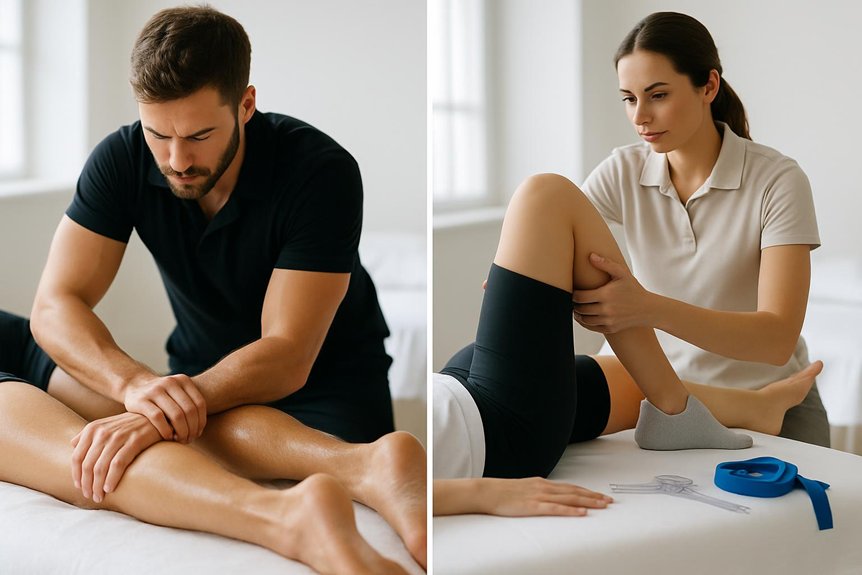
Expect a clear, structured assessment at the outset, because performance massage and physiotherapy sessions are built around different clinical aims and consequently use different techniques.
Physiotherapy typically includes history taking, movement screening, palpation, and joint/nerve tests to identify impairments; treatment may combine manual therapy, graded exercise, taping, and education on load and posture, with progress measured against functional markers.
It centres on tissue quality and tone, using deep tissue strokes, trigger point work, assisted stretching, and myofascial techniques to soften guarding and improve comfort.
At Spa & Massage clinics across London, therapists explain pressure, positioning, and breathing cues so clients feel safe and closely supported.
Aftercare commonly includes hydration, gentle mobility, and heat/ice guidance when appropriate.
What Each Is Best For: Pain, Rehab, Performance
It is typically best suited to short-term pain modulation and muscle tension management, particularly where symptoms relate to load, stiffness, or myofascial sensitivity.
Physiotherapy is generally best for structured rehabilitation and performance restoration, using assessment-led exercise prescription, education, and graded return-to-activity plans.
At Spa & Massage clinics, therapists use performance massage to support pain relief and tissue recovery, while clients are advised to seek physiotherapy when symptoms suggest injury, persistent dysfunction, or a need for progressive rehab programming.
Best For Pain Relief
While both performance massage and physiotherapy can reduce pain, they tend to do so via different clinical mechanisms and are best matched to different presentations.
It is often best for muscle-dominant pain: tightness, delayed-onset soreness, and localised trigger-point discomfort where manual pressure can reduce protective tone, improve circulation, and calm sensitivity. In Spa & Massage clinics, therapists use deep tissue and sports techniques, pacing pressure with the client’s breathing to keep treatment effective yet safe.
Physiotherapy is typically preferred when pain suggests tissue injury, nerve involvement, swelling, or persistent pain with movement limitation, as assessment can identify pain drivers and guide graded loading, education, and symptom-modulating modalities.
For tenderness after treatment, warmth, hydration, and gentle walking are advised.
Best For Rehab Performance
Rebuilding capacity after injury requires matching the intervention to the limiting factor—tissue tolerance, movement control, or load management.
Physiotherapy is typically best for rehab when symptoms reflect impaired motor control, persistent pain with activity, nerve involvement, or post‑surgical protocols, because assessment, graded exercise, and return‑to‑sport planning can be tightly progressed and measured.
It is best when the barrier is soft‑tissue sensitivity, protective tone, or delayed recovery between sessions; it can improve comfort and short‑term range so strengthening and retraining feel possible.
At Spa & Massage clinics, therapists integrate performance massage with clear aftercare: hydration, gentle mobility, and pacing of training load.
For performance, massage supports readiness; physiotherapy drives durable capacity through progressive loading and technique refinement.
Qualifications and Regulation: Who Can Treat What?
A clear distinction in qualifications and regulation determines which conditions are appropriate for performance massage versus physiotherapy, particularly when symptoms suggest injury, neurological involvement, or impaired function.
In the UK, physiotherapists are degree-trained, clinically supervised, and regulated by the HCPC, allowing assessment, diagnosis, and rehabilitation planning for complex pain, post-operative care, suspected nerve involvement, or loss of strength and function.
Performance massage therapists are typically trained through vocational diplomas and CPD, focusing on soft‑tissue techniques to reduce soreness, improve circulation, and support recovery in otherwise uncomplicated musculoskeletal presentations.
At Spa & Massage clinics across London, therapists work within scope: screening for red flags, adapting pressure and positioning, and referring onward when symptoms indicate medical or physiotherapy evaluation.
This protects safety while preserving comfort and trust.
When Combining Performance Massage and Physio Works Best
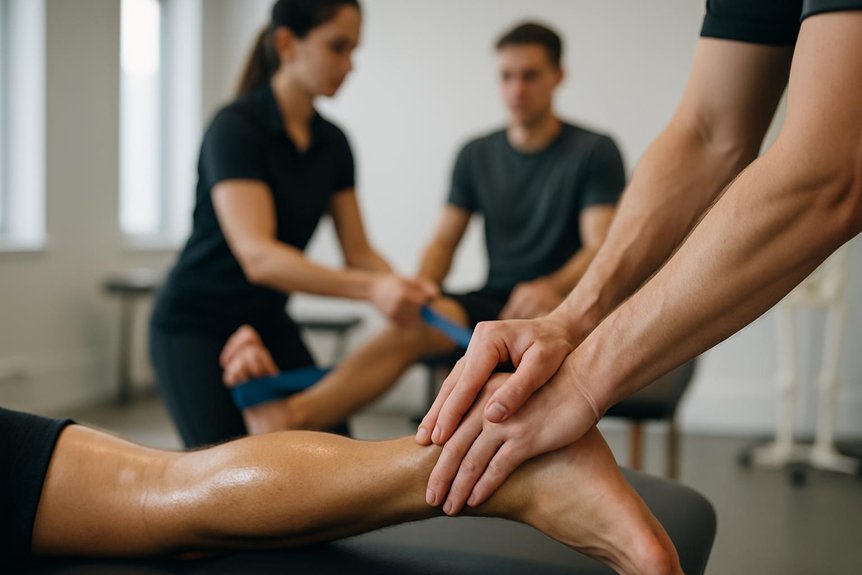
Clear scope-of-practice boundaries help determine when hands-on soft‑tissue work should be paired with clinical assessment and rehabilitation.
Combining performance massage and physiotherapy works best when pain, weakness, or recurring strain suggests both tissue sensitivity and movement-control deficits. Physiotherapy can screen red flags, confirm diagnosis, guide load management, and prescribe progressive strengthening, mobility, and return‑to‑sport criteria. Performance massage can then reduce tone, ease protective guarding, support circulation, and improve comfort so exercises feel safer and more intimate to inhabit.
This pairing is particularly useful after acute flare‑ups settle, during mid‑rehab when stiffness limits form, and in heavy training blocks to manage recovery without masking injury.
At Spa & Massage London clinics, therapists coordinate session timing and aftercare to complement physio plans.
Conclusion
It targets the here-and-now: reducing soft‑tissue tone, improving local circulation, and restoring short‑term mobility after training or prolonged sitting. Physiotherapy targets the why-and-how: evaluating movement, identifying drivers of pain or dysfunction, and prescribing progressive rehabilitation to restore capacity and prevent recurrence. One offers immediate relief; the other delivers structured recovery. Used alone, each has limits. Used together, manual tissue work can enable exercise, while exercise consolidates gains—linking symptom change to durable function.