

For prenatal massage, the safest option is a simple, fragrance-free, cosmetic-grade carrier oil chosen for the client’s trimester, skin type, and allergy history. Commonly well tolerated choices include sunflower, grapeseed, and fractionated coconut, with jojoba or sweet almond better for dry skin (avoid nut oils if allergic). Essential oils are best avoided in the first trimester, and if used later, kept to 0.5–1% with careful screening and patch testing. Further guidance covers trimester-specific choices and oils to avoid.
Prenatal Massage Oils: What’s Safe in the UK
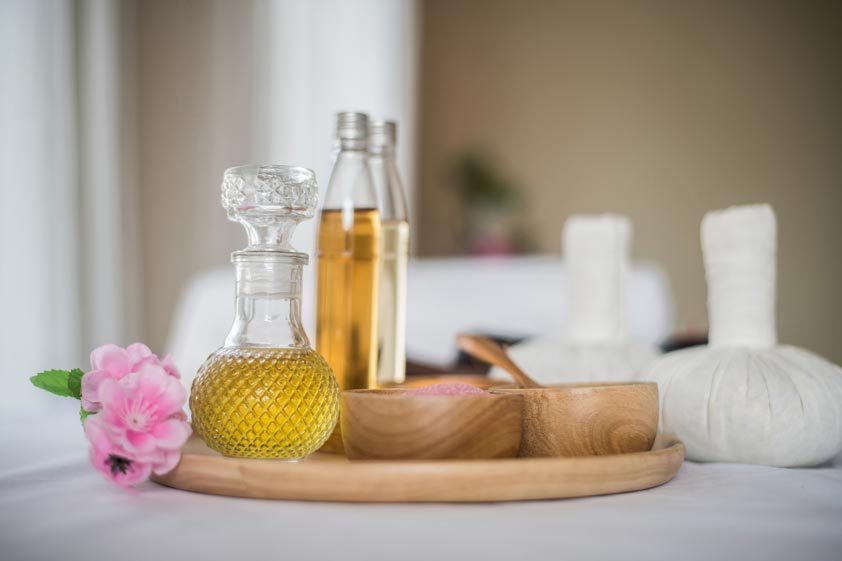
In the UK, prenatal massage oils are considered safest when they are simple, fragrance-free, and chosen with maternal skin sensitivity and foetal safety in mind. Unscented, hypoallergenic carrier oils such as grapeseed, sunflower, or fractionated coconut are commonly well tolerated, offering glide without unnecessary additives.
At Spa & Massage clinics across London, therapists favour light, non-greasy options that support close, comforting touch while minimising irritation, especially when hormonal changes make skin more reactive. Prenatal massage can offer benefits for expecting mothers when the oil choice helps keep the treatment calm, comfortable, and well tolerated. Patch testing on a small area is sensible, and any oil should be avoided if it stings, reddens, or triggers itching. Clients with eczema, allergies, or scent sensitivity benefit from single-ingredient formulations. For peace of mind, products should be cosmetic-grade, clearly labelled, and used sparingly to keep the experience soothing, secure, and intimate.
How We Assess Pregnancy Massage Oil Safety
Evaluating prenatal massage oil safety starts with risk reduction rather than fragrance or trend. At Spa & Massage clinics across London, therapists prioritise products with clear ingredient lists, reputable cosmetic-grade sourcing, and suitability for sensitive skin.
Assessment considers gestational stage, client health history, and any medical guidance, then selects simple carrier oils with low irritation potential and minimal additives. Essential oils, if used at all, are screened for pregnancy contraindications, concentration limits, and phototoxicity, and are avoided when uncertainty exists.
The team also checks for oxidisation risk, chooses fresh, well-stored oils, and prefers unscented options to reduce nausea triggers. Throughout the session, therapists monitor comfort, breathing, and skin response, adjusting glide, pressure, and product choice to maintain calm, intimate ease.
Patch Testing Prenatal Massage Oils (and Allergies)
Because pregnancy can increase skin sensitivity, Spa & Massage recommends patch testing any new massage oil before a full treatment to reduce the risk of allergic or irritant reactions.
Standard steps include applying a small amount to a discreet area (such as the inner forearm), leaving it on for 24 hours, and checking for redness, itching, swelling, hives, burning, or blistering.
If any of these signs appear—or if there is a history of eczema, asthma, hay fever, or known fragrance/nut allergies—clients are advised to stop use and inform their therapist so a safer alternative can be selected.
Patch Testing Steps
How can a pregnant client know a massage oil will be well tolerated before it’s used more widely on the body? A simple patch test offers a cautious, evidence-based check. At Spa & Massage, therapists advise testing any new carrier or blended oil at least 24 hours ahead.
Steps: cleanse and dry a small area on the inner forearm; apply a pea-sized amount of the oil; cover lightly with clothing and avoid washing that spot for 24 hours. The client should keep the rest of the routine unchanged and avoid adding other new skincare products.
After 24 hours, the area is rinsed and observed in good light. If the skin looks and feels calm, the oil can be introduced gradually during prenatal massage, starting with a small zone before full-body use.
Allergy Risk And Signs
Allergic reactions to massage oils during pregnancy are uncommon but clinically important, so Spa & Massage therapists treat every new carrier oil or blend as a potential sensitiser even after a patch test.
Pregnancy can alter skin reactivity, and fragrance components and nut-derived oils may increase risk in susceptible clients.
Typical warning signs include itching, stinging, redness, raised bumps, hives, swelling, watery eyes, or a tight throat; symptoms may appear immediately or within 24–48 hours.
In Spa & Massage clinics, therapists pause treatment at the first sign, remove product with gentle cleansing, and switch to a minimal-ingredient, fragrance-free carrier when appropriate.
Clients are advised to disclose asthma, eczema, hay fever, known allergies, and any new rash.
Any facial swelling, wheeze, or dizziness warrants urgent medical care.
Best Carrier Prenatal Massage Oils (by Skin Type)
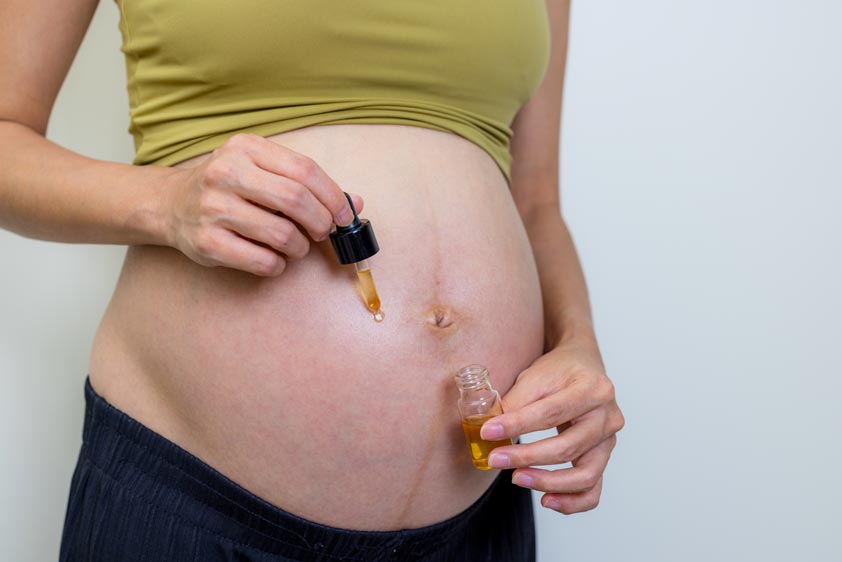
In practice, the safest starting point for prenatal massage is choosing a simple, fragrance-free carrier oil that suits the client’s skin type and minimises irritation risk. At Spa & Massage, therapists favour minimal-ingredient, patch-tested oils to support close, soothing touch without overwhelming sensitive senses.
For dry or tight skin, jojoba or sweet almond oil offers excellent glide and a comforting, cushiony feel. For oily or blemish-prone skin, grapeseed or safflower oil is lighter and absorbs faster, reducing residue. For very sensitive or eczema-prone skin, sunflower oil or fractionated coconut oil is often well tolerated, with a soft, protective slip. For stretch-prone areas, jojoba or almond can be layered sparingly after a shower to lock in hydration.
Any new oil should be introduced gradually.
Prenatal Massage Oils to Avoid (and Why)
In prenatal massage, safety guidance typically prioritises avoiding oils that carry known contraindications, including certain essential oils that may pose avoidable risks when absorbed through the skin or inhaled.
It also recommends steering clear of products containing retinoids or high vitamin A derivatives due to pregnancy-related safety concerns.
At Spa & Massage clinics, therapists screen for allergies and sensitising ingredients and select gentle, low-irritant options to protect both comfort and skin tolerance throughout treatment.
Essential Oils With Contraindications
Often, the safest approach in prenatal massage is not choosing the “best” essential oil, but knowing which ones to avoid because of their potential to stimulate uterine activity, affect blood pressure, increase skin sensitivity, or pose other avoidable risks for pregnant clients.
At Spa & Massage, therapists typically avoid oils commonly flagged in pregnancy guidance, including clary sage, rosemary, sage, juniper, fennel, wintergreen, and cinnamon/cassia, as well as strongly stimulating blends.
Phototoxic citrus oils (especially expressed bergamot and lime) are also avoided on areas likely to be exposed after treatment.
Even “gentle” oils can irritate; peppermint and eucalyptus may feel too intense for nausea, headaches, or asthma.
When aroma is desired, the clinic favours minimal dilution, careful patch testing, and consent-led scent choices.
Retinoids And High Vitamin A
Why do retinoids and high–vitamin A oils matter in prenatal massage? Retinoids (vitamin A derivatives) are linked to fetal risk when absorbed systemically, so pregnancy care tends to minimise any avoidable exposure.
Oils or blends promoted for “renewal,” “anti‑ageing,” or “cell turnover” may be fortified with retinol, retinyl palmitate, or similar ingredients; these are not appropriate for prenatal massage.
At Spa & Massage, therapists check product labels and avoid any oil containing added retinoids or high vitamin A concentrates. Clients are invited to share all skincare and body oils used at home so treatment remains aligned with their maternity plan.
For a close, nurturing touch, unscented, simple carrier oils are typically preferred. When in doubt, choose plain formulations.
Allergy And Sensitising Oils
Retinoids and high–vitamin A additives are not the only ingredients that warrant caution in prenatal massage; allergy and sensitisation risk also shapes oil selection. Fragrance-heavy blends and certain essential oils (for example cinnamon, clove, lemongrass, oregano, peppermint, and tea tree) are common irritants, and pregnancy can heighten skin reactivity. Nut-derived carrier oils (sweet almond, peanut) may also be unsuitable for clients with known allergies.
Evidence-based practice prioritises minimal, well-tolerated formulas, low dilution, and patch testing when any history of eczema, asthma, or previous reactions exists. At Spa & Massage clinics, therapists take a brief allergy and scent-sensitivity screen, offer unscented options, and avoid “hot” or tingling oils that can disrupt comfort. When in doubt, discontinue immediately and seek medical advice.
Aromatherapy and Prenatal Massage Oils: What’s Safe

In prenatal massage, aromatherapy oils require extra scrutiny because both maternal skin absorption and scent exposure can affect comfort and safety. Evidence is mixed, so conservative selection is standard: only well-tolerated essential oils, used sparingly, and only when the client actively wants scent.
At Spa & Massage clinics, therapists typically prioritise fragrance-free options and will offer aromatherapy only after screening for trimester, nausea, headaches, asthma, migraine triggers, and prior reactions. If aromatherapy is chosen, gentler profiles such as lavender (true), sweet orange, or frankincense are commonly preferred, while higher-risk oils (for example clary sage, rosemary, peppermint, wintergreen, and cinnamon) are avoided.
The room is kept softly ventilated, and the client’s comfort and consent guide every choice.
Safe Dilution Rates for Prenatal Massage Oils
Even when a pregnancy-safe essential oil is selected, the dilution level largely determines tolerability during massage. In Spa & Massage clinics, therapists typically keep facial and full‑body aromatherapy blends at 0.5–1% (about 1–2 drops essential oil per 10 ml carrier) to minimise sensitisation, nausea, and headache risk while still offering a soft, intimate scent.
For small areas such as feet or shoulders, up to 1% is usually sufficient; higher strengths are avoided in pregnancy care. Essential oils are never applied neat.
A patch test and fragrance check-in support comfort, especially for clients with eczema, asthma, or scent sensitivity. If any warmth, itching, or dizziness appears, the blend is removed and replaced with plain carrier oil.
Prenatal Massage Oils by Trimester (1st–3rd)
Across the three trimesters, prenatal massage oil choices are best guided by changing comfort needs and a cautious approach to fragrance exposure: the first trimester typically favours unscented, low-allergen carrier oils only; the second trimester may allow very lightly diluted, pregnancy-appropriate aromatherapy where tolerated; and the third trimester generally prioritises simple, glide-friendly carriers that support sensitive skin and avoid overstimulation.
In Spa & Massage clinics, first-trimester clients are usually offered neutral oils such as fractionated coconut, grapeseed, or sunflower to minimise nausea and reactivity.
In the second trimester, therapists may introduce a whisper of scent only with explicit consent, careful patch awareness, and strict dilution, stopping immediately if dizziness or irritation appears.
In the third trimester, therapists often return to fragrance-free options and focus on rich, steady glide for tender hips, back, and legs, maintaining comfort and calm.
Aftercare Tips When Using Prenatal Massage Oils
Trimester-specific oil choices work best when paired with simple, safety-led aftercare that supports skin comfort and helps identify any sensitivity early.
After massage, skin should be gently blotted, not scrubbed, then left to breathe for 10–15 minutes before dressing in soft, loose layers.
In Spa & Massage clinics, therapists advise clients to drink water, rest, and avoid hot baths, saunas, or intense exercise for several hours to reduce dizziness and overheating risk.
Any new oil should be patch-tested on the inner forearm for 24 hours, especially with eczema, fragrance sensitivity, or a history of allergy.
If itching, redness, headache, or nausea appears, the oil should be washed off and use stopped.
Persistent symptoms warrant GP or midwife advice.
Conclusion
Choosing prenatal massage oils is safest when it is guided by evidence, skin tolerance, and individual symptoms. Gentle carrier oils, careful dilution, and patch testing help reduce irritation, while avoiding higher‑risk essential oils supports precaution across trimesters. Scent choices should respect nausea and sensory sensitivity, and products should be clearly labelled and UK‑compliant. In pregnancy, an ounce of prevention is worth a pound of cure—a steady, cautious approach creates comfort without unnecessary exposure.