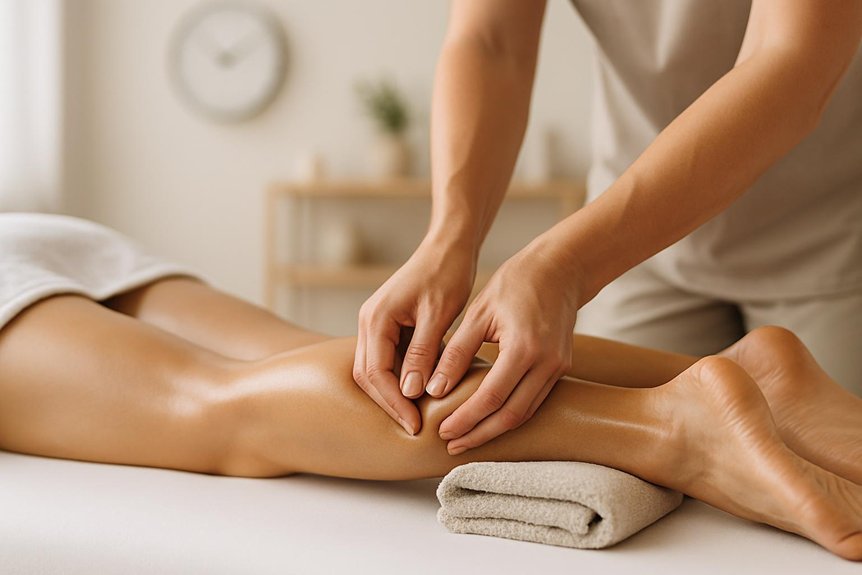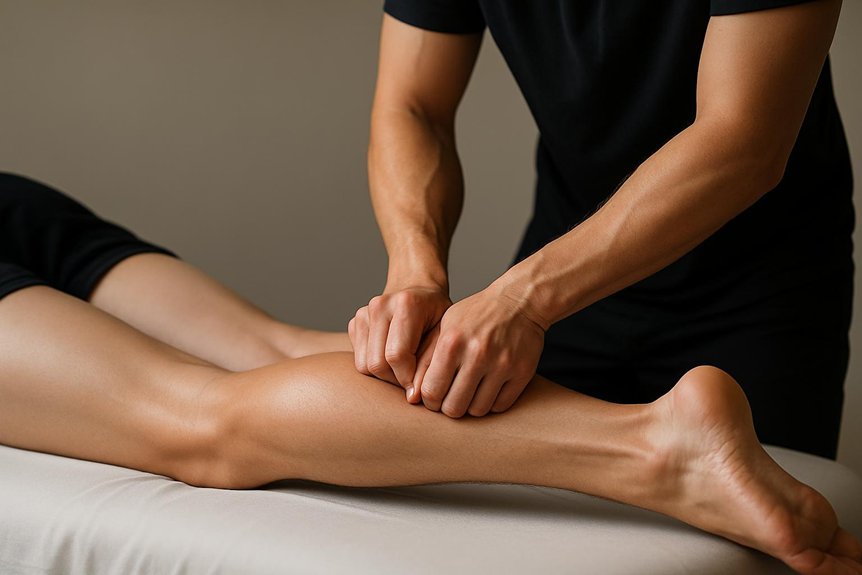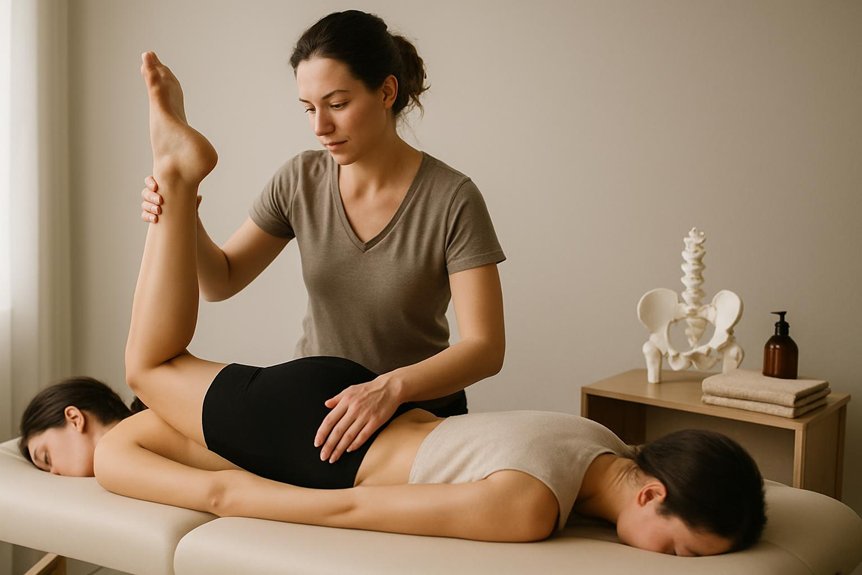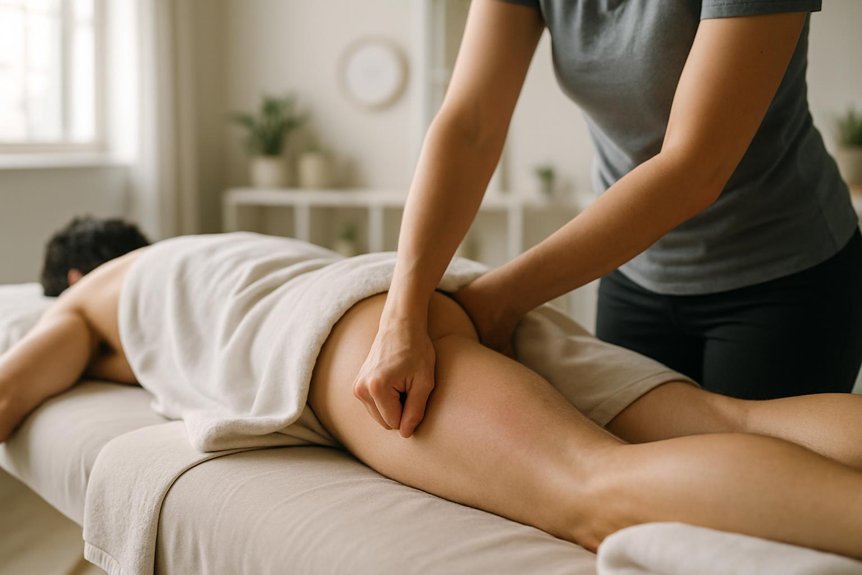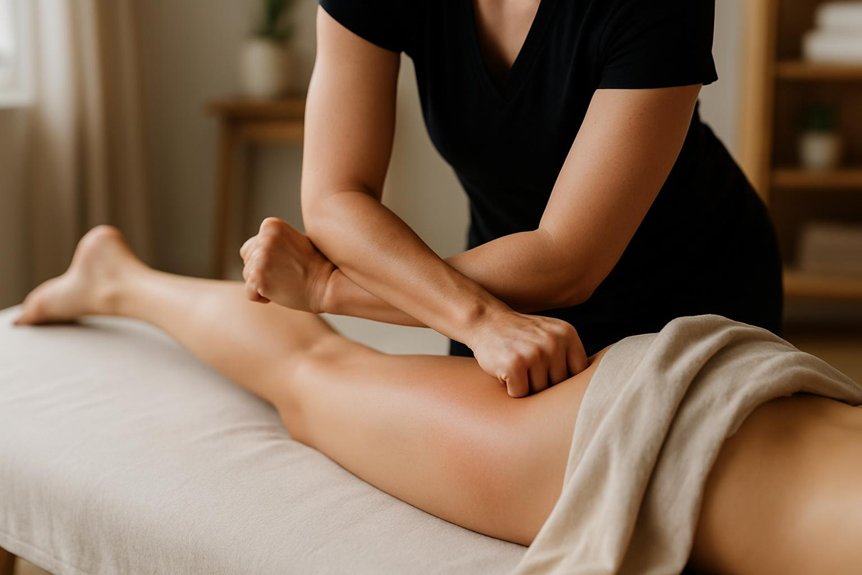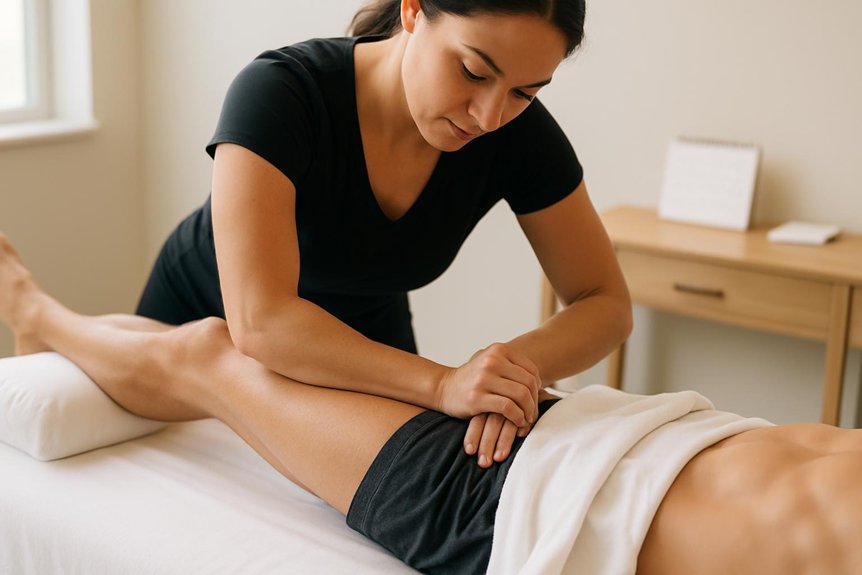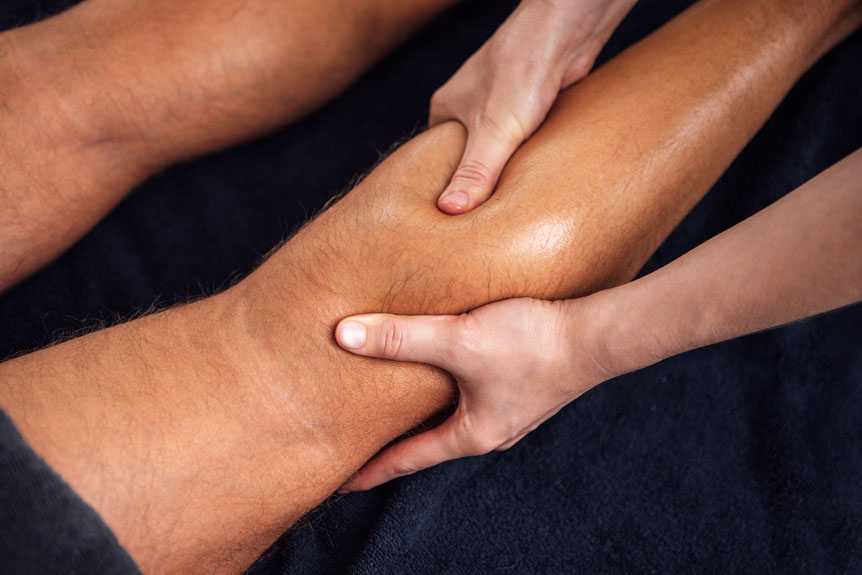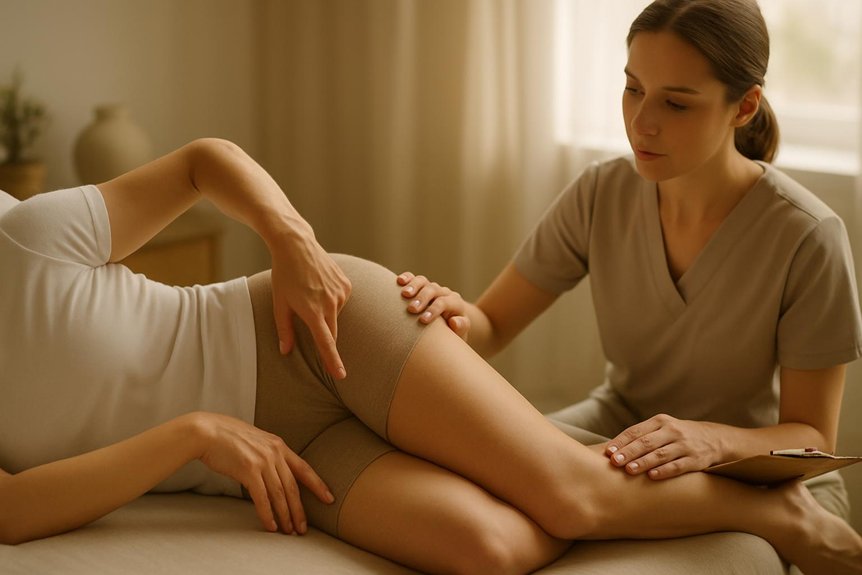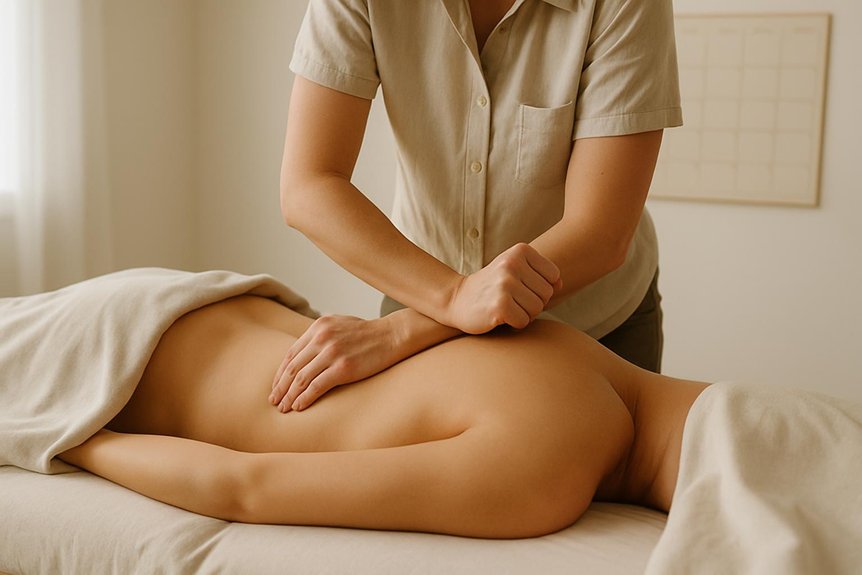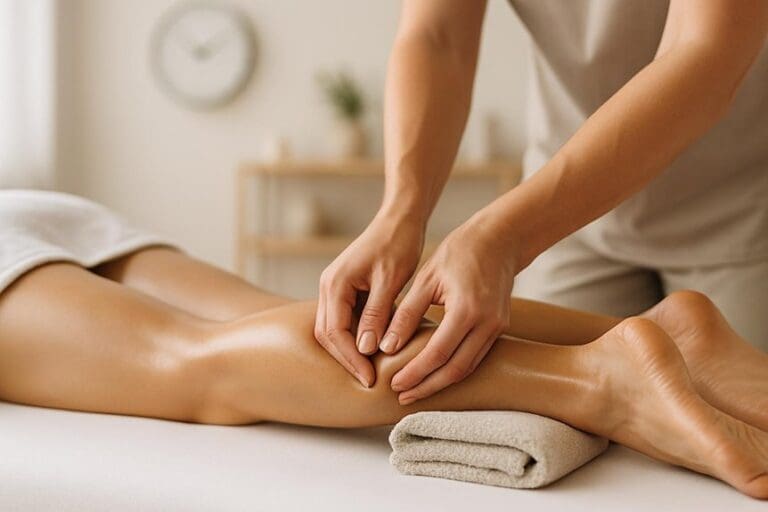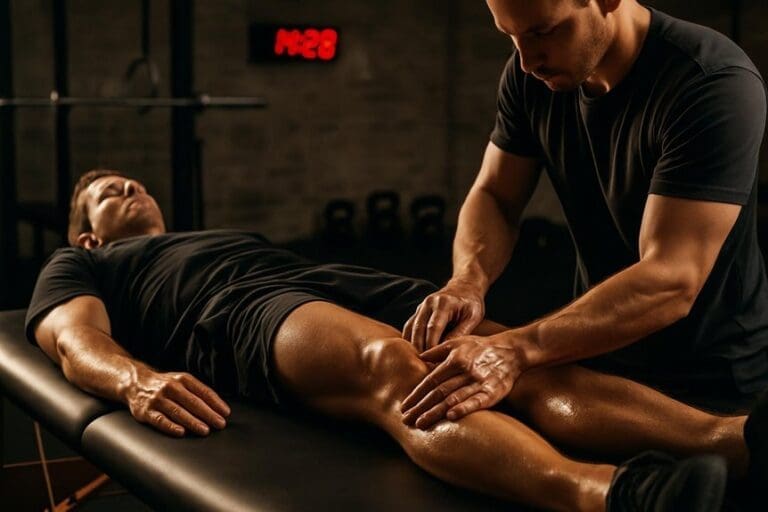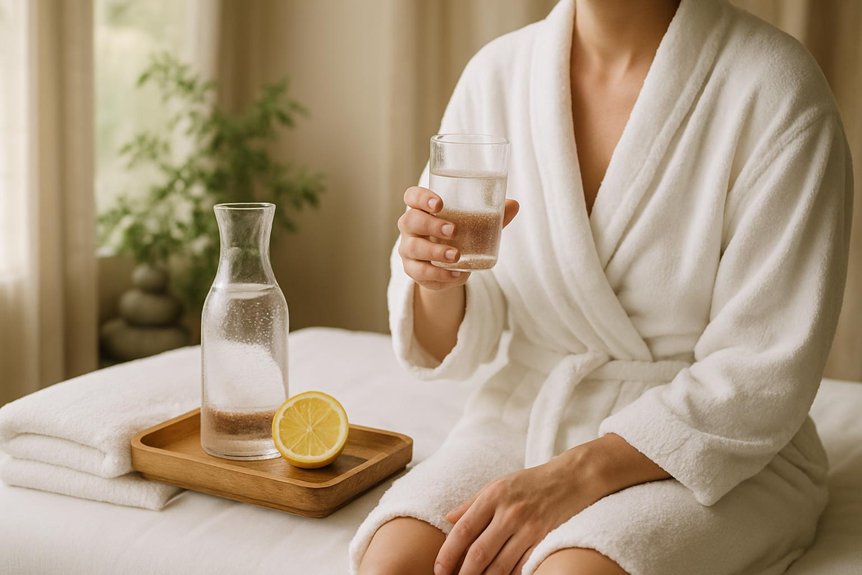
Drinking water after a intensive tissue massage is generally recommended to support hydration and comfort as circulation changes and tissues re‑perfuse. Sustained pressure and stretching can increase perspiration and contribute to headache, fatigue, or light‑headedness, which steady fluid intake may help minimise. Claims about “flushing toxins” are not evidence-based. A glass of water within 10–15 minutes and continued small sips over several hours is typical, adjusted to thirst. Those with fluid restrictions should follow clinician advice. Further guidance on timing, amounts, and aftercare follows.
Should You Drink Water After a Deep Tissue Massage?
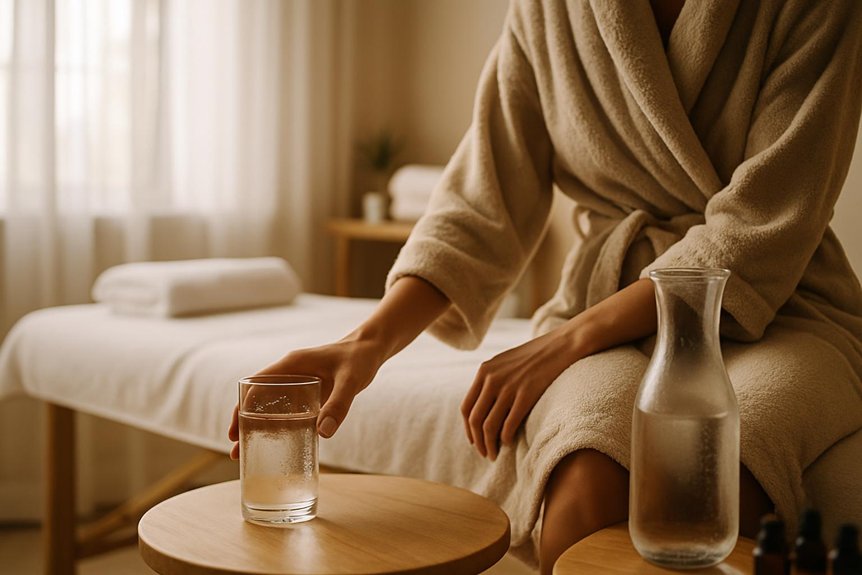
After an intensive tissue massage, drinking water is generally recommended to support normal hydration and post-treatment recovery. At Spa & Massage clinics across London, therapists advise water because sustained pressure and stretching can increase perspiration and may leave clients feeling heady or fatigued, especially after intense work on the neck, shoulders, hips, or lower back. Deep tissue sessions often target the deeper layers of muscle and fascia using sustained pressure to address persistent tension.
While claims about “flushing toxins” are not evidence-based, adequate fluids support circulation, thermoregulation, and comfort, and can reduce the chance of post-massage headache related to dehydration. Clients with fluid restrictions (e.g., heart failure, kidney disease) should follow clinician guidance.
For a more intimate aftercare routine, pairing water with slow breathing, warmth, and gentle self-touch can help the body settle.
When Should You Drink Water After Intensive Tissue Massage?
Following an intensive tissue massage, water is best consumed immediately after the session to support normal fluid balance as circulation and tissue perfusion change.
At Spa & Massage clinics across London, therapists typically advise continuing to hydrate over the next several hours rather than relying on a single large drink at once.
This timed approach supports recovery and helps reduce the risk of post-treatment lightheadedness, especially in clients who were under-hydrated before the appointment.
Drink Immediately After
Ideally, how soon should water be consumed once an intensive tissue massage ends? Spa & Massage advises drinking a glass of water within 10–15 minutes, before leaving the treatment room or reception.
Deep tissue work can temporarily increase circulation, sweating, and perceived thirst; prompt rehydration supports normal blood pressure and comfort as the body shifts from a relaxed, intimate state to standing and travelling.
At Spa & Massage clinics across London, therapists commonly offer water immediately after treatment and encourage slow, steady sipping rather than rapid intake, which may upset the stomach.
Clients prone to light‑headedness should sit for a moment, hydrate, and rise gradually. Anyone with fluid restrictions (e.g., heart or kidney disease) should follow medical guidance.
Hydrate Over Next Hours
Generally, fluid intake should be spaced steadily over the next 2–4 hours post‑treatment, aiming for normal, pale‑yellow urine as a practical hydration marker. This supports circulation and thermoregulation after deep tissue work and may reduce post‑massage headache in susceptible clients.
At Spa & Massage clinics, therapists advise small, frequent sips rather than large boluses, especially after intense trigger‑point or sports techniques. Water is usually sufficient; alcohol is discouraged because it can worsen dehydration and impair recovery.
Clients should pair hydration with a light snack if feeling woozy, and rest if tender. Those with heart, kidney, or fluid‑restriction conditions should follow medical guidance and avoid overhydration.
Persistent dizziness, nausea, or swelling warrants clinician review.
How Much Water Should You Drink Post-Massage?
Post-massage fluid needs are best guided by general hydration targets and individual response rather than a fixed “detox” requirement.
At Spa & Massage clinics, therapists typically advise drinking water gradually over the next few hours, adjusting for body size, baseline hydration, session intensity, ambient heat, activity level, and caffeine or alcohol intake.
People with heart failure, kidney disease, or fluid restrictions should follow clinician guidance and avoid excessive water intake.
Post-Massage Water Guidelines
Most clients benefit from increasing fluid intake for several hours after an intensive tissue massage to support normal hydration and recovery.
A practical guideline is 500–750 ml of water within the first hour, then regular sips to reach an additional 1–1.5 litres over the next 4–6 hours, adjusted to thirst. Urine that is pale straw-coloured is a simple indicator of adequate intake. Caffeinated or alcoholic drinks are best minimised immediately after treatment because they may worsen perceived dryness.
In Spa & Massage clinics, therapists encourage clients to keep a bottle nearby and drink slowly to avoid nausea.
Anyone with heart failure, advanced kidney disease, or fluid restrictions should follow their clinician’s plan rather than increasing fluids. Seek help for dizziness, fainting, or confusion.
Hydration Factors To Consider
In the hours after an intensive tissue massage, appropriate fluid intake depends on individual variables rather than a single fixed target. Spa & Massage therapists typically suggest sipping water gradually, aiming for pale-straw urine rather than forced volumes. Needs rise with body size, heat exposure, vigorous activity, alcohol or caffeine intake, and longer or more intense sessions, including sports massage.
Needs may be lower when meals and hydrating foods are taken soon after treatment. Clients with heart failure, kidney disease, hyponatremia risk, or pregnancy should follow clinician guidance and avoid rapid overdrinking.
Warning signs include dizziness, headache, nausea, confusion, or swelling; urgent care is advised if severe. In London clinics, discreet guidance is offered, supporting calm recovery and gentle closeness afterward.
Why Does Hydration Help After Intensive Tissue Massage?
After an intensive tissue massage, adequate hydration supports normal circulatory and lymphatic function as tissues re-perfuse and local inflammation resolves.
This can assist post-treatment recovery by maintaining plasma volume, supporting nutrient delivery, and helping clear routine metabolic by-products released from worked muscle.
Hydration also supports joint lubrication and fascia glide, which may reduce the “stiff, tender” feeling some clients notice in the hours after firmer work.
In Spa & Massage clinics across London, therapists advise water intake because deep pressure and stretching can temporarily increase heat and fluid shifts in local tissues; replacing fluids helps preserve normal blood pressure and may lower headache risk in dehydration-prone people.
Clients with heart, kidney, or fluid-restriction needs should follow clinician guidance and speak to their therapist before and after sessions.
What Should You Drink (and Avoid) After Intensive Tissue Massage?
For best recovery following deep tissue work, plain water should be the primary drink, with options such as still or sparkling water and unsweetened herbal teas used as tolerable alternatives; these choices support rehydration without adding gastrointestinal load.
At Spa & Massage clinics across London, clients are advised to sip steadily rather than chug, especially if they feel tender or lightly dizzy after sustained pressure.
Electrolyte drinks may help after heavy sweating or vigorous sport, but should be low-sugar.
Drinks to avoid include alcohol (vasodilation, impaired recovery, dehydration), high-caffeine coffee/energy drinks (may worsen restlessness or palpitations), and very sugary beverages (glycaemic swings, inflammation signalling).
If nausea occurs, small sips of water or peppermint tea are typically better tolerated.
Clients with kidney, heart, or fluid restrictions should follow medical guidance.
What Intensive Tissue Massage Aftercare Do Our Therapists Recommend?
Alongside adequate hydration, post-treatment care is used to reduce next-day soreness, support tissue recovery, and minimise adverse reactions following deep tissue work.
At Spa & Massage clinics across London, therapists advise gentle movement and light stretching for 5–10 minutes, avoiding strenuous training for 24 hours if tenderness is present.
A warm shower later the same day may ease guarded muscles; if bruising or inflammation occurs, a cool compress for 10–15 minutes can be used.
Clients are encouraged to eat a balanced meal with protein and to prioritize sleep.
Skin sensitivity can be soothed with a fragrance-free moisturiser.
Any dizziness, spreading pain, numbness, fever, or unusual swelling warrants pausing self-care and seeking medical advice promptly.
Conclusion
Hydration after intensive tissue massage is advisable, not a cure-all, but a sensible support for recovery. Drinking water soon after treatment helps maintain normal circulation and tissue fluid balance, which may reduce headache risk and support comfort as muscles settle. It does not “flush toxins,” but it can offset mild dehydration and post-treatment fatigue. Like topping up oil after an engine service, appropriate fluids, light movement, and rest can help optimise outcomes and limit next-day soreness.