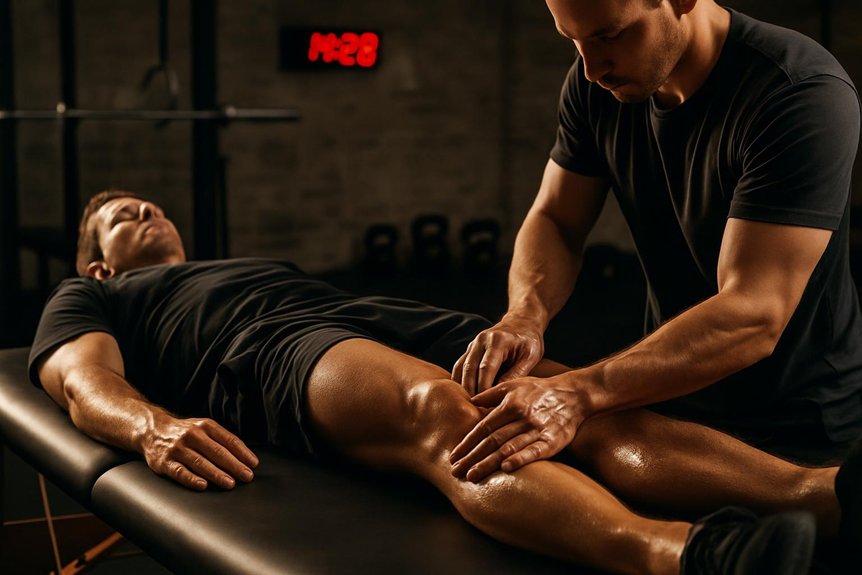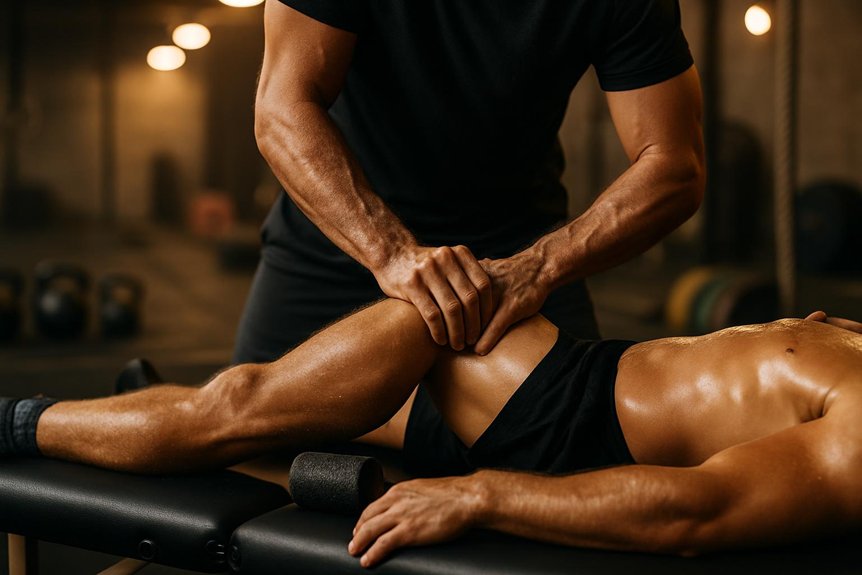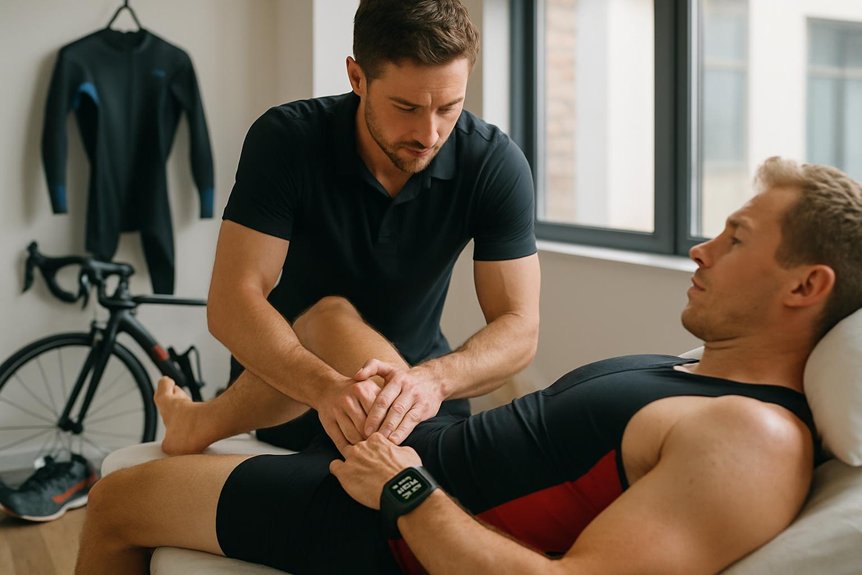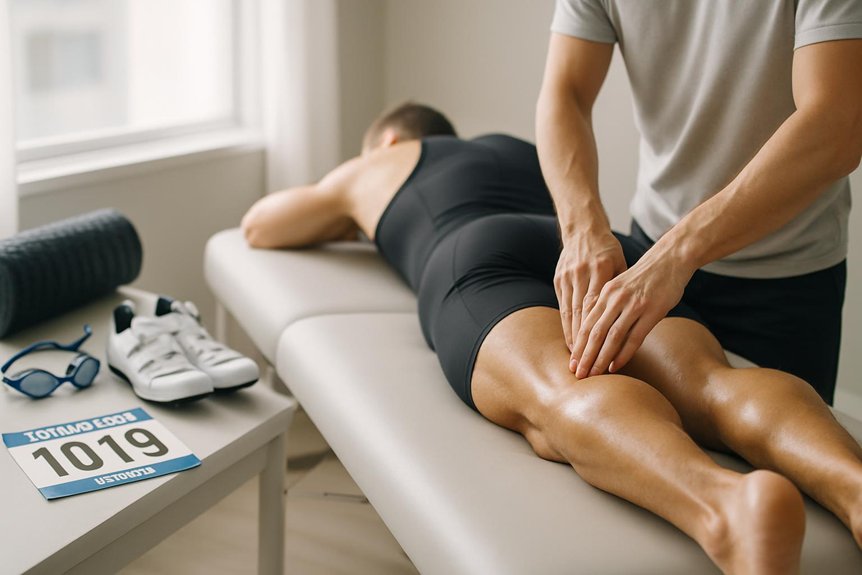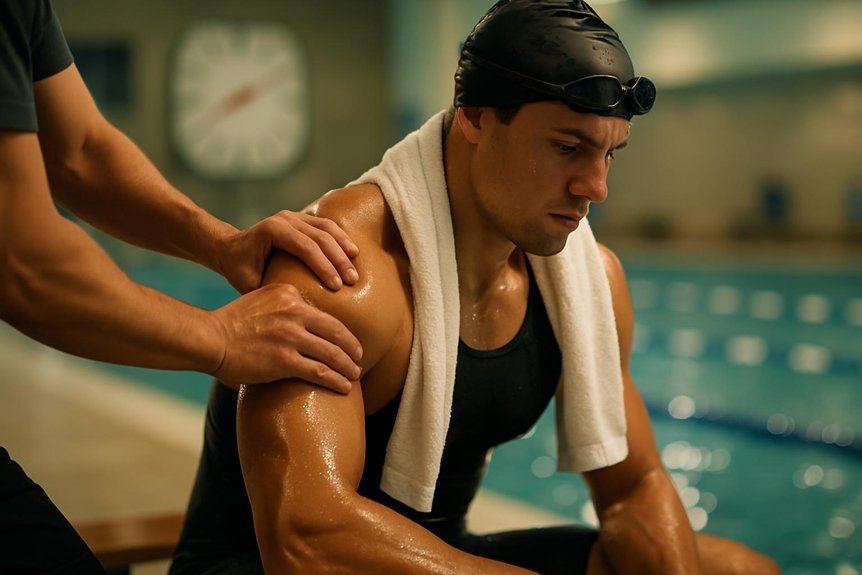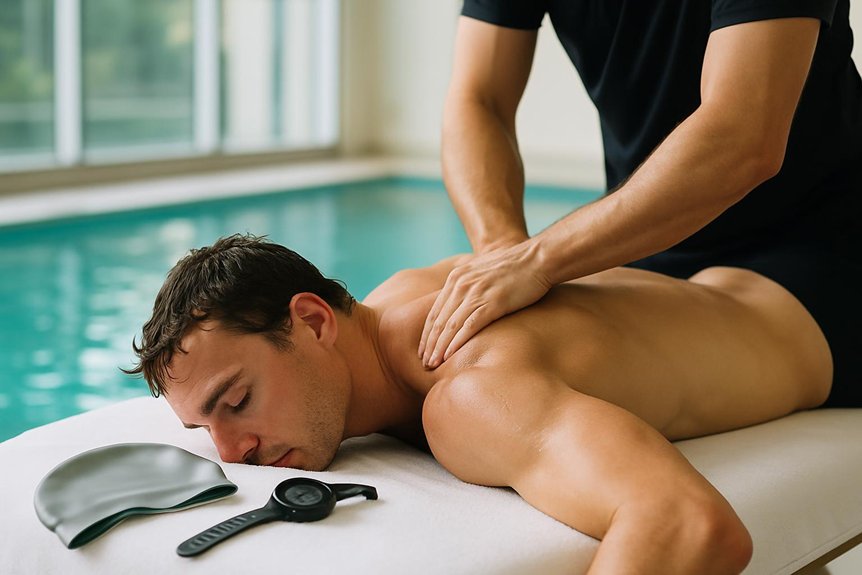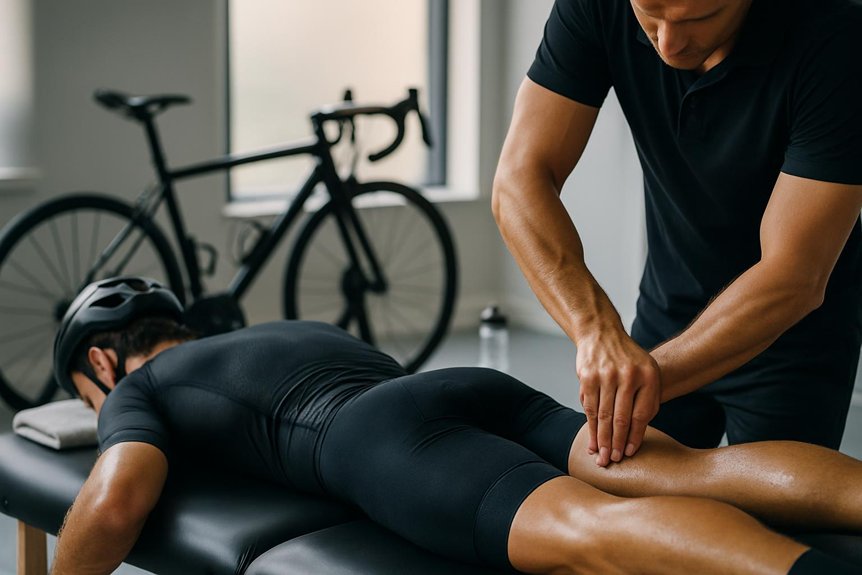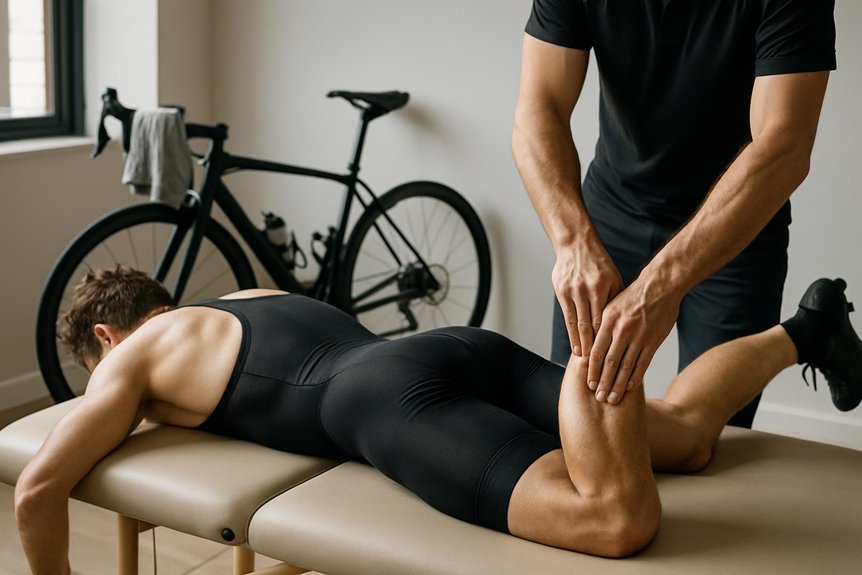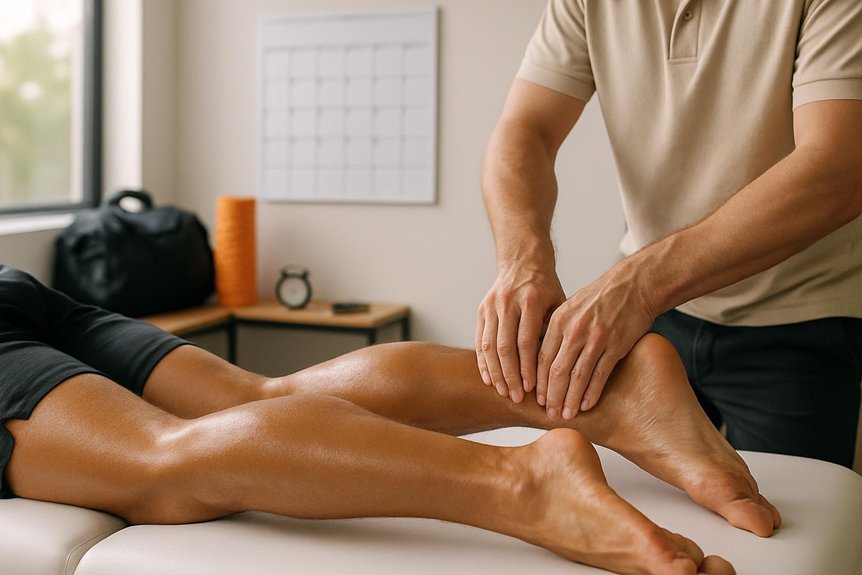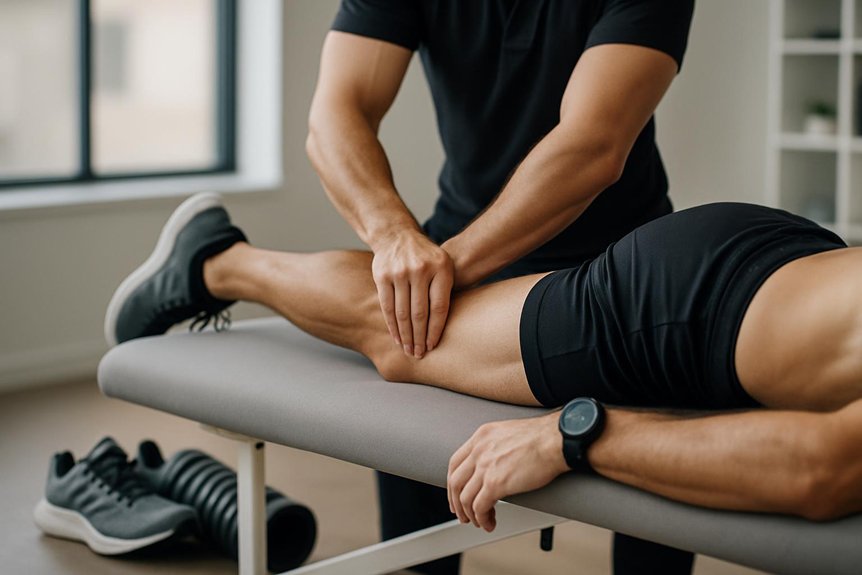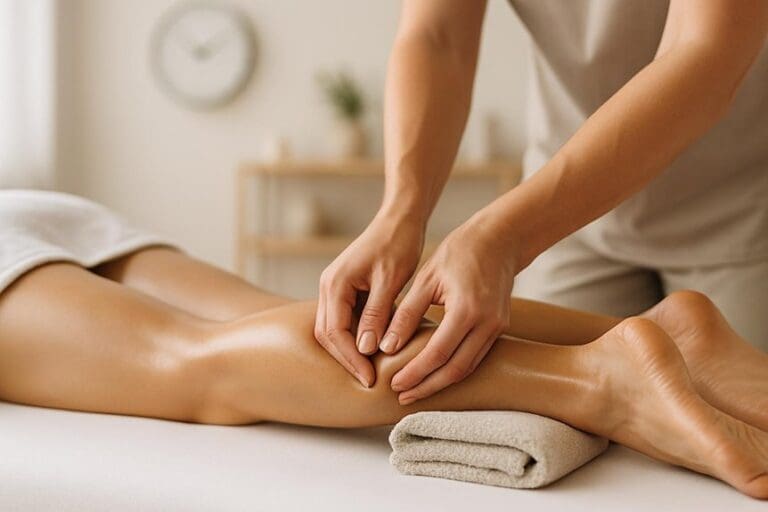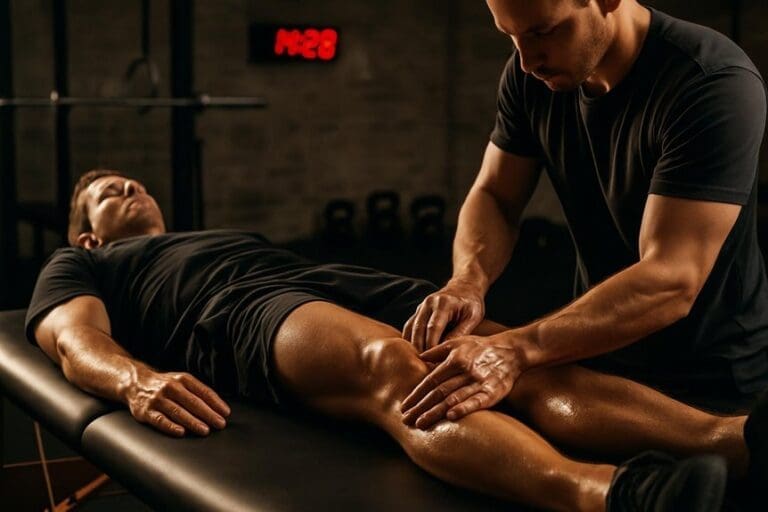
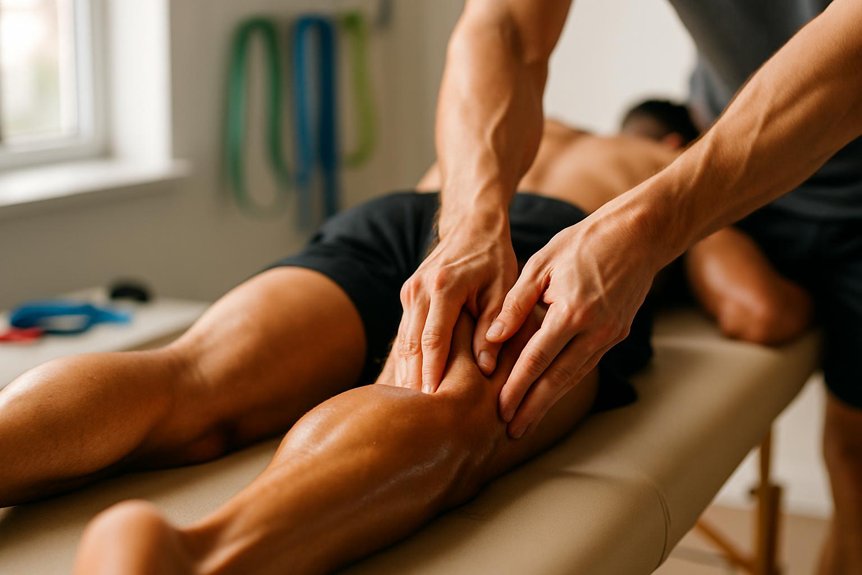
It can improve short‑term local circulation by reducing muscle tone and using rhythmic strokes and sustained compression to encourage venous return and lymph flow. Alternating pressure and release supports fluid exchange, while directional effleurage toward proximal lymph nodes can assist lymphatic transport. Benefits often include warmth, reduced stiffness, less post‑exercise soreness, and improved comfort and movement during recovery. Effects vary with pressure, duration, and individual health, and red flags require caution. Further details explain timing, safety, and home support.
Does It Improve Circulation?
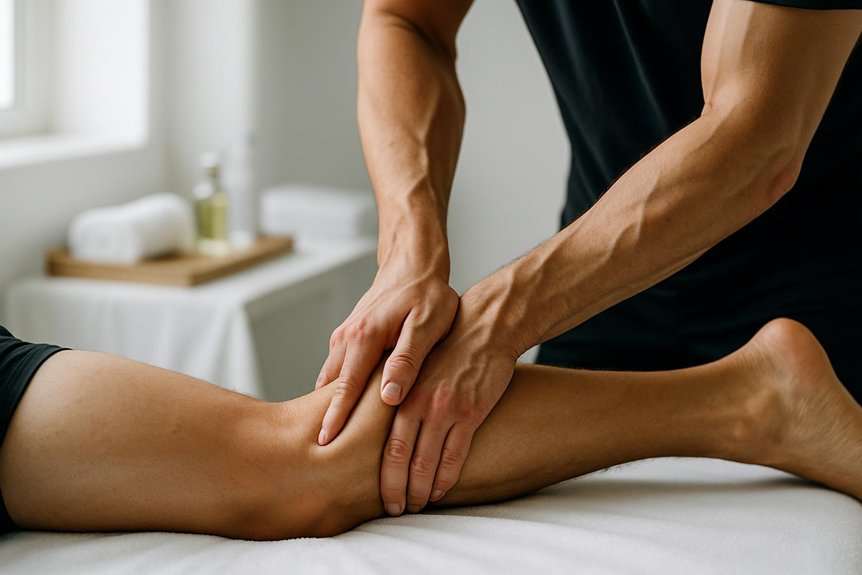
How does it affect circulation? Evidence suggests it can support short‑term local circulation by reducing muscle tone, easing protective guarding, and improving comfort so clients move more freely.
At Spa & Massage clinics across London, therapists use slow, sustained strokes, targeted compression, and myofascial techniques to address areas that feel dense or tender, then reassess warmth, colour, and ease of movement.
Improved tissue pliability may help nutrients and oxygen reach working muscles during recovery, though effects vary by pressure, duration, and individual health.
Clients often notice a gentle, intimate sense of warmth and lightness, especially after intense training or long desk days.
Therapists tailor intensity, pace, and positioning to keep the experience safe and deeply restorative.
For athletes, these circulation-supporting effects can be one of the benefits of sports massage during training and recovery.
How It Stimulates Blood and Lymph Flow
Through a combination of rhythmic strokes, sustained compression, and purposeful pacing, athletic massage can stimulate both blood and lymph flow by creating gentle mechanical pressure changes in soft tissue.
As muscle and fascia are mobilised, local vessels are alternately compressed and released, encouraging a fresh exchange of fluids and supporting venous return.
Directional effleurage toward proximal lymph nodes, light-to-moderate compressions, and pump-like movements can assist lymphatic transport, helping the body clear metabolic by-products after training.
At Spa & Massage clinics across London, therapists tailor pressure and tempo to the client’s breath and comfort, often beginning with warming strokes before deeper work to invite a steady, intimate sense of ease.
Many clients notice reduced heaviness and a calmer, more connected feeling in the treated area.
When It Isn’t Safe (Red Flags)
It is not appropriate when signs suggest that increasing local pressure or circulation could worsen tissue damage or raise medical risk, so screening must come first.
Key red flags include an acute injury with significant swelling, suspected clotting or vascular compromise (such as unexplained calf pain, marked warmth, or sudden swelling), and systemic or local infection indicators including fever, spreading redness, or broken/irritated skin.
At Spa & Massage, therapists adapt technique or postpone treatment and recommend medical assessment where needed to protect client safety and support effective recovery.
Acute Injury And Swelling
In the first 24–72 hours after an acute injury, visible swelling, warmth, escalating pain, or rapid bruising can indicate active inflammation or bleeding, making athletic massage an unsafe choice. Deep pressure, stripping, or friction can amplify local fluid shift, irritate sensitised tissue, and increase tenderness rather than supporting comfortable circulation.
At Spa & Massage clinics, therapists treat these signs as a pause point: the priority is protection, gentle positioning, and calming the nervous system.
If touch is desired, only light, non-painful strokes away from the injured site may be considered, with constant feedback and immediate stopping if heat or throbbing rises. Clients are guided to seek clinical assessment when swelling is significant, movement is limited, or pain escalates overnight.
Clotting And Vascular Risks
Pause and screen carefully when clotting or vascular compromise is a possibility, because massage-driven pressure and circulatory changes can carry serious risk.
Red flags include sudden calf or thigh swelling, warmth, tenderness, unexplained breathlessness, chest pain, one‑sided limb discoloration, or a “ropey” painful vein; recent surgery, long flights, smoking, hormonal contraception, pregnancy, or clotting history increases concern.
Evidence-informed practice avoids deep tissue, stripping, and vigorous compression over suspicious areas, and refrains from “flushing” techniques intended to boost flow.
At Spa & Massage clinics across London, therapists pause, ask targeted questions, and refer urgently for medical assessment when symptoms suggest DVT, thrombophlebitis, aneurysm, or uncontrolled vascular disease.
Client comfort, safety, and consent stay central throughout.
Infection, Fever, Or Skin Issues
Beyond vascular red flags, acute illness and compromised skin integrity are also clear reasons to delay or modify athletic massage, because tissue pressure and heat can aggravate inflammation, spread infection, or disrupt the skin barrier.
A fever, flu-like symptoms, swollen glands, or suspected contagious infection warrants postponing treatment until fully recovered, as circulation changes and close contact can increase discomfort and transmission risk.
Local skin concerns—open wounds, fresh burns, weeping eczema, impetigo, shingles, or fungal rashes—should not be massaged directly; friction and oils may worsen irritation and delay healing.
At Spa & Massage clinics across London, therapists screen for these signs and, when appropriate, adapt with lighter pressure, strict hygiene, and avoidance of affected areas, prioritising comfort and safety always.
The Benefits: Soreness, Recovery, Performance
Targeted athletic massage can reduce post‑exercise soreness, speed recovery, and support performance by improving tissue mobility and circulation where training load is highest. Evidence suggests mechanical pressure and rhythmic strokes aid venous and lymphatic return, helping manage exercise‑related swelling and tenderness.
At Spa & Massage clinics across London, therapists assess overworked chains—calves, quads, glutes, forearms—then apply deep tissue, stripping, and myofascial techniques to reduce tone and restore glide between layers. Trigger point work and assisted stretching can ease protective guarding, improving range of motion and movement efficiency.
Clients often report a warmer, lighter feeling and smoother stride, especially when hydration, gentle walking, and mindful breathing follow. Pressure is kept communicative, allowing intensity without flinching or holding breath.
Best Times to Book Sports Massage for Circulation
After hard training sessions, an athletic massage is often most effective for circulation when it is booked within the next 24–72 hours, once acute strain has settled but residual tightness and fluid build‑up are still present.
At Spa & Massage, therapists typically combine effleurage, compressions, and targeted stripping to encourage venous return and local perfusion without over‑stimulating sensitised tissue.
For many clients, a pre‑event session 24–48 hours before competition supports warmth and pliability, using lighter, rhythmical strokes and mobility work rather than heavy pressure.
During heavy training blocks, weekly or fortnightly appointments can maintain tissue glide and lymphatic flow, especially for legs and hips.
When travel or long desk days increase pooling, an evening treatment often feels most soothing, followed by slow breathing and unhurried rest.
How to Boost Circulation Between Performance Massage Therapy
Between athletic massage sessions, circulation can be supported through consistent, low-intensity habits that promote muscle pumping and vascular flow, such as daily movement microbreaks.
Spa & Massage therapists typically advise pairing this with steady hydration and nutrient-dense meals to help maintain blood volume and recovery processes.
Brief self-massage and targeted stretching can further encourage local perfusion and reduce tissue stiffness, keeping clients more comfortable between appointments.
Daily Movement Microbreaks
In addition to regular athletic massage, brief, structured movement “microbreaks” during the day can support healthier circulation by activating the calf and glute muscle pumps, reducing prolonged static loading, and maintaining tissue glide. Spa & Massage therapists typically suggest 60–120 seconds every 30–45 minutes, especially after desk work or commuting.
Effective options include 20 heel raises (slow up, 2‑second hold, slow down), 10 bodyweight squats, and a 30‑second brisk walk or stair climb. For a more intimate reset, a client can add diaphragmatic breathing while gently rolling the shoulders, encouraging venous return without strain.
Consistency matters more than intensity; microbreaks should feel warm and lightly effortful, never sharp. This supports post‑treatment ease and helps maintain massage benefits.
Hydration And Nutrition Habits
Often, the simplest way to support circulation between athletic massage sessions is to align daily hydration and nutrition with the body’s fluid balance and vascular function.
At Spa & Massage clinics across London, therapists advise steady water intake through the day rather than large boluses, supporting plasma volume and easier blood flow. Adding electrolytes after heavy sweating can help maintain sodium balance, which influences fluid distribution.
Nutrition should prioritise nitrate-rich vegetables (beetroot, rocket, spinach) to support nitric-oxide mediated vasodilation, plus omega-3 fats and polyphenols (berries, olive oil) to modulate inflammation that can impair vascular tone.
Limiting excess alcohol and ultra-processed, high-salt meals may reduce temporary endothelial stress and swelling.
Clients often notice warmer hands and feet when fuel and fluids are consistent.
Self-Massage And Stretching
Using targeted self-massage and simple mobility-based stretching can support circulation between athletic massage sessions by mechanically assisting venous and lymphatic return and by encouraging healthy vasodilation through rhythmic muscle contraction.
Spa & Massage therapists advise 3–5 minutes of slow, firm strokes toward the heart on calves, thighs, and forearms, using hands or a foam roller; pressure should feel warmly intense, never sharp or numbing.
Brief compression holds on tight points, followed by long effleurage, may reduce local congestion.
Pair this with gentle dynamic stretches—ankle pumps, leg swings, hip openers, and thoracic rotations—performed with unhurried breathing to cue relaxation and smooth blood flow.
Afterward, a warm shower and light moisturising oil can keep tissues supple before the next London session.
Conclusion
In Spa & Massage’s London clinics, therapists often notice a visible, short‑lived “pink flush” after rhythmic effleurage and soft‑tissue mobilisation—much like opening a traffic lane so delivery vans can reach side streets. That local warming suggests improved microcirculation, but it is not a permanent fix; results depend on technique, hydration, movement, and overall vascular health. With clear screening for red flags and realistic goals, athletic massage can support circulation alongside training, sleep, and recovery habits.