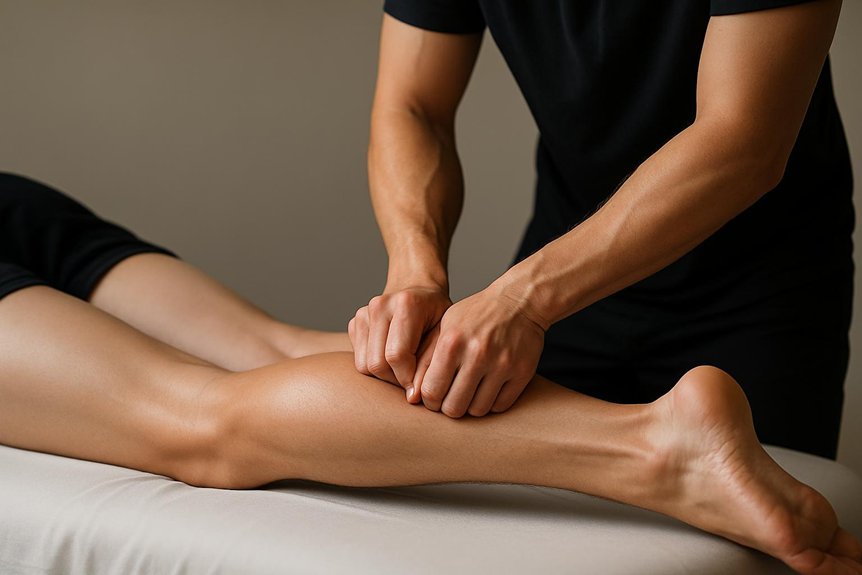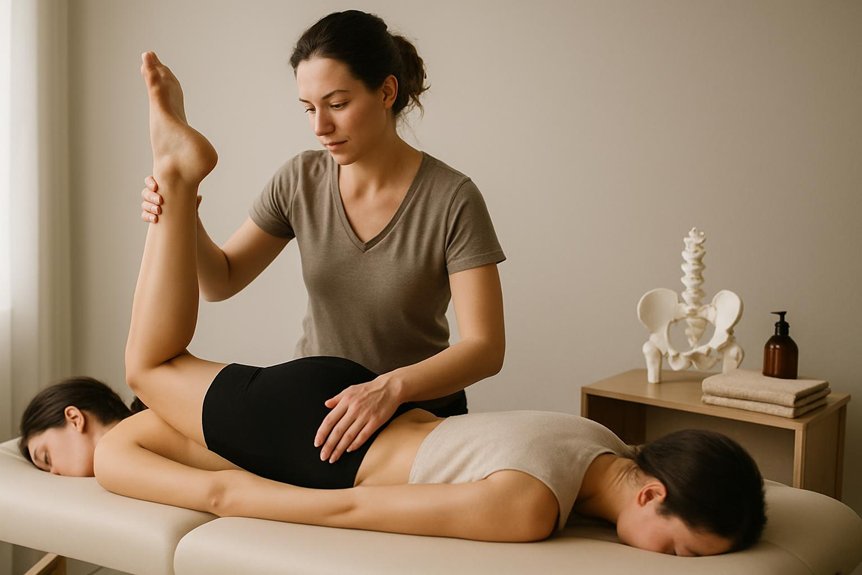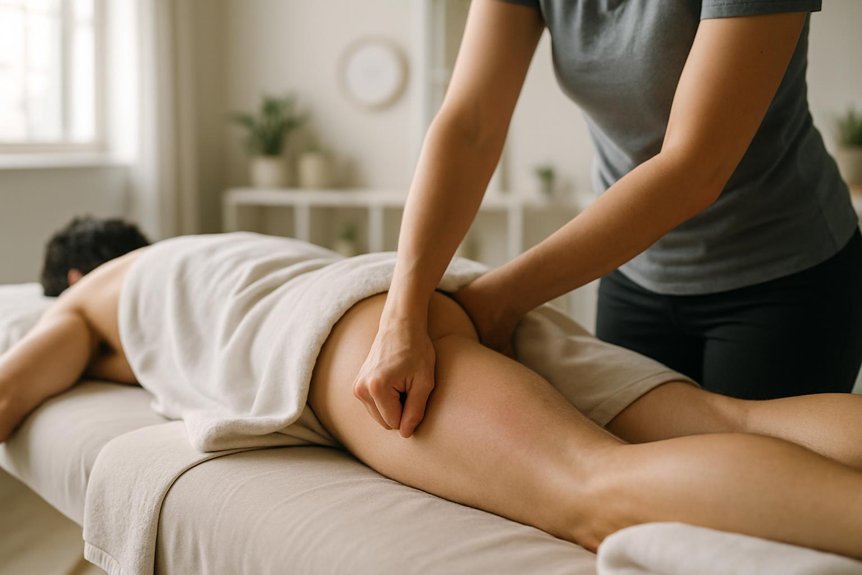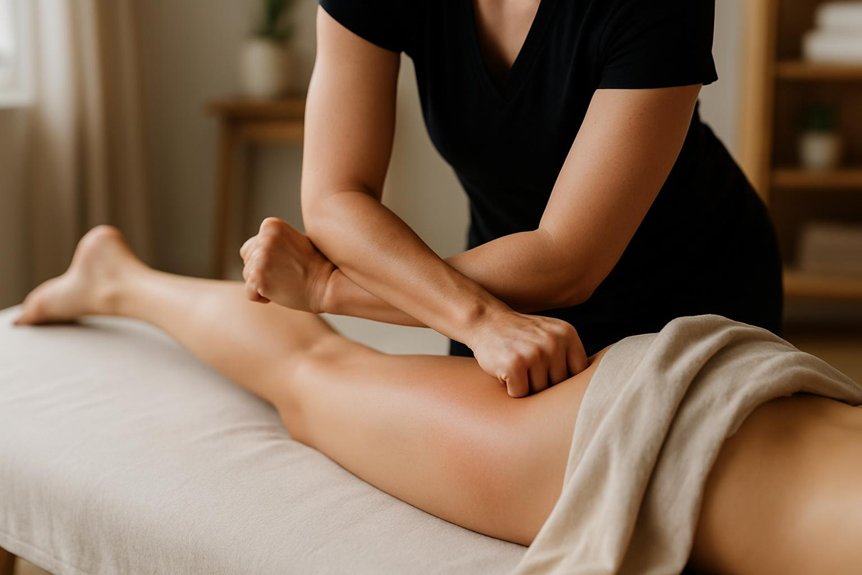
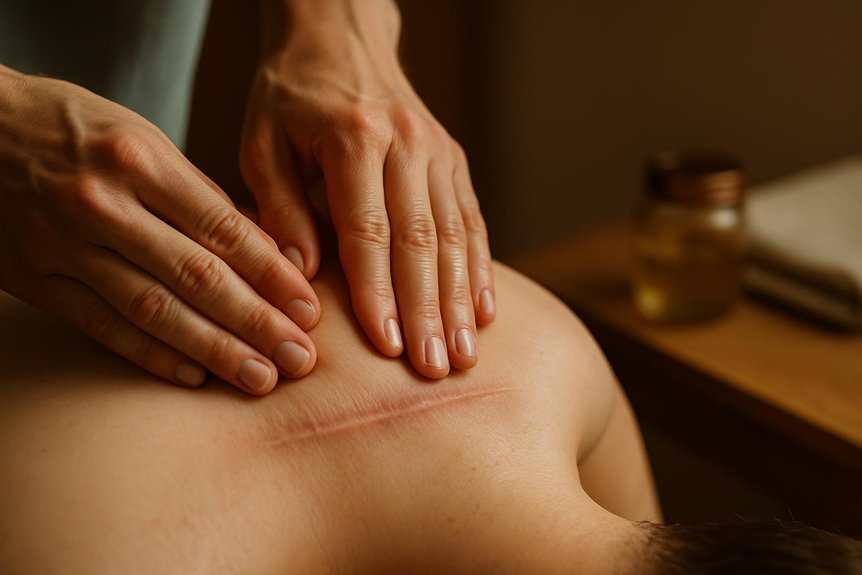
Intensive tissue massage may help soften and mobilise fully healed scar tissue by improving tissue glide and reducing adhesions that can limit movement and cause tightness. It is typically considered only after the wound is closed and dry, with no scabs, seepage, heat, or increasing redness, often around 2–4 weeks for uncomplicated incisions, longer for deeper trauma. Massage should be avoided with infection signs, swelling, or fragile skin, and medical clearance is advised when risk factors exist. The sections below outline timing, benefits, and cautions.
Can Intensive Tissue Massage Help Scar Tissue?
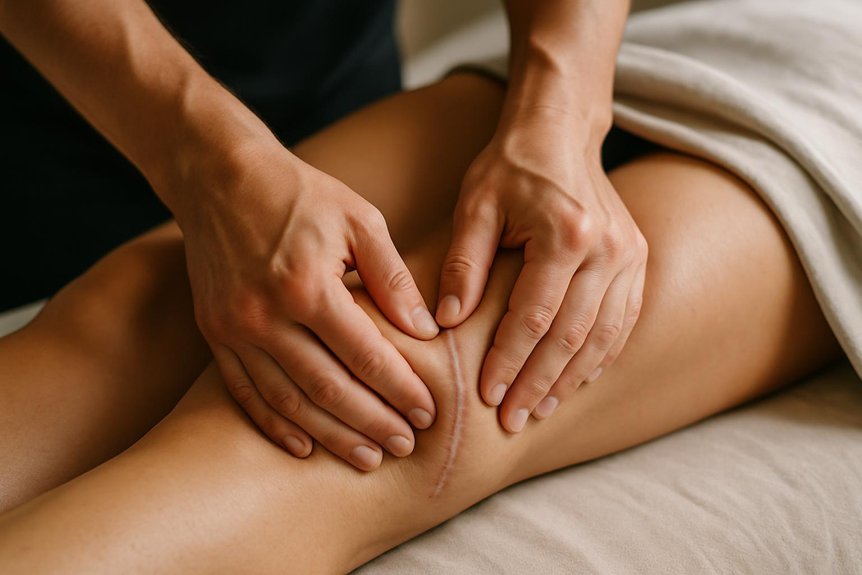
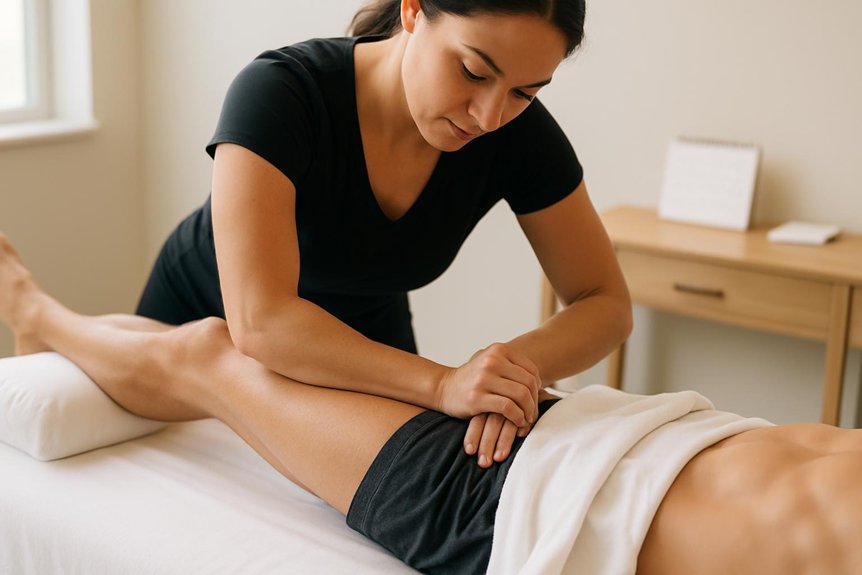
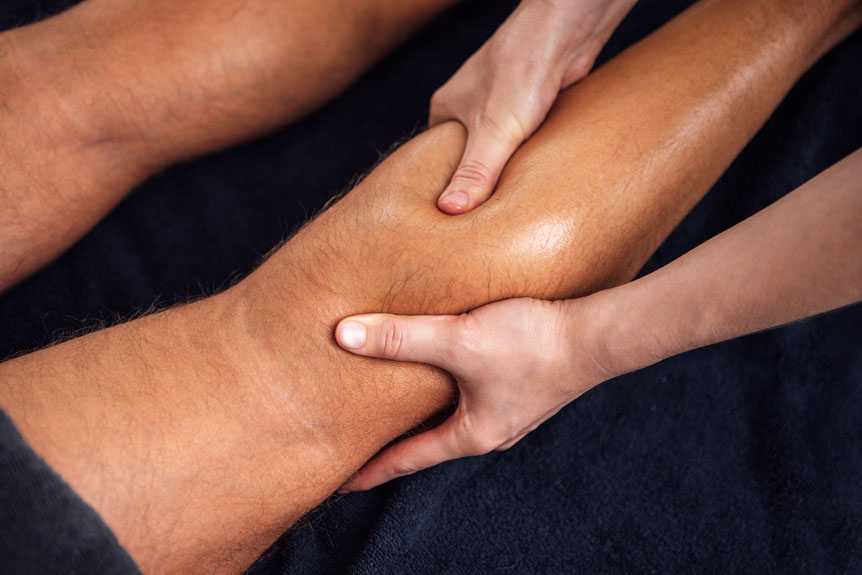
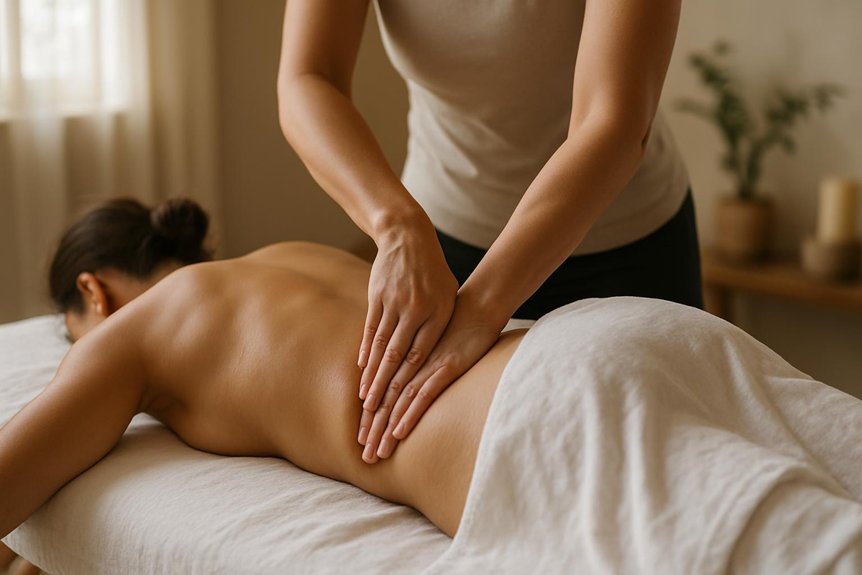
Addressing scar tissue with intensive tissue massage can be helpful in some cases, particularly once a scar is fully healed and cleared by a healthcare professional. Evidence suggests skilled, progressive pressure and friction can improve local tissue glide, reduce adhesions, support circulation, and ease discomfort that may restrict movement. This aligns with the broader benefits of deep tissue massage, which include using targeted techniques to work through deeper layers of soft tissue to reduce tension and improve mobility. Some clients also report softer texture and reduced tightness over time, though outcomes vary by scar type, depth, and individual healing.
At Spa & Massage clinics across London, therapists focus on comfort, consent, and slow communication, working around sensitivity while supporting a sense of safe closeness in the body. Treatment is tailored, often combining deep tissue techniques with gentle myofascial work and breath pacing. Aftercare may include hydration, warmth, and simple mobility to maintain ease.
When Is Scar Tissue Massage Safe to Start?
When, exactly, is scar tissue massage safe to begin? It is typically appropriate only once the wound is fully closed and dry, with no scabs, seepage, heat, or increasing redness. For uncomplicated surgical incisions, many clinicians advise waiting roughly 2–4 weeks; deeper trauma may require longer. Clearance is essential after infection, skin grafts, burns, anticoagulant use, diabetes, or impaired sensation, and whenever swelling or fever is present.
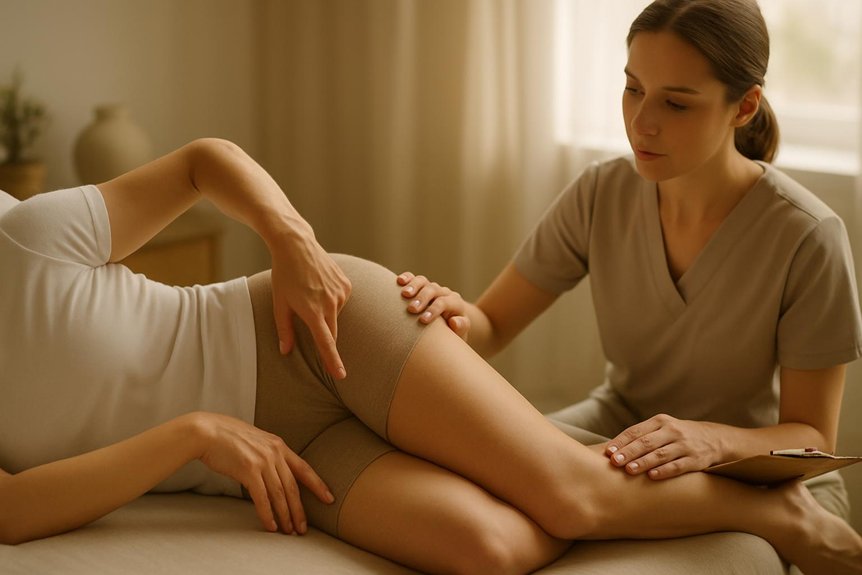
At Spa & Massage London clinics, therapists start with light, comfortable contact around the area, progressing gradually based on tolerance and tissue response. Pressure should never feel sharp, burning, or nauseating.
Aftercare is simple: hydrate, keep the skin moisturised, and pause if soreness lasts beyond 24 hours or symptoms worsen.
Why Does Scar Tissue Feel Tight and Stuck?
Although scar tissue can look fully healed on the surface, it often feels tight and “stuck” because the body repairs injury by laying down dense collagen fibres that may align irregularly and bind to nearby layers of skin, fascia, muscle, or tendon.
These adhesions can reduce normal glide between tissues, limiting range of motion and creating a pulling sensation during everyday movement or intimate touch.
Nerves in and around the area may also become sensitised, so pressure or stretching feels sharper or more guarded.
Reduced local circulation and hydration can leave tissue less supple, increasing stiffness on waking or after long sitting.
At Spa & Massage clinics in London, therapists often note that clients describe tightness as “holding” or “tethering,” especially when scar tissue crosses a joint line.
Which Scars Respond Best to Intensive Tissue Massage?
In general, scars that respond best to intensive tissue massage are fully healed, stable, and causing functional restriction—most commonly mature surgical scars, post-injury scars, and superficial burn scars where adhesions limit glide between skin, fascia, and underlying muscle.
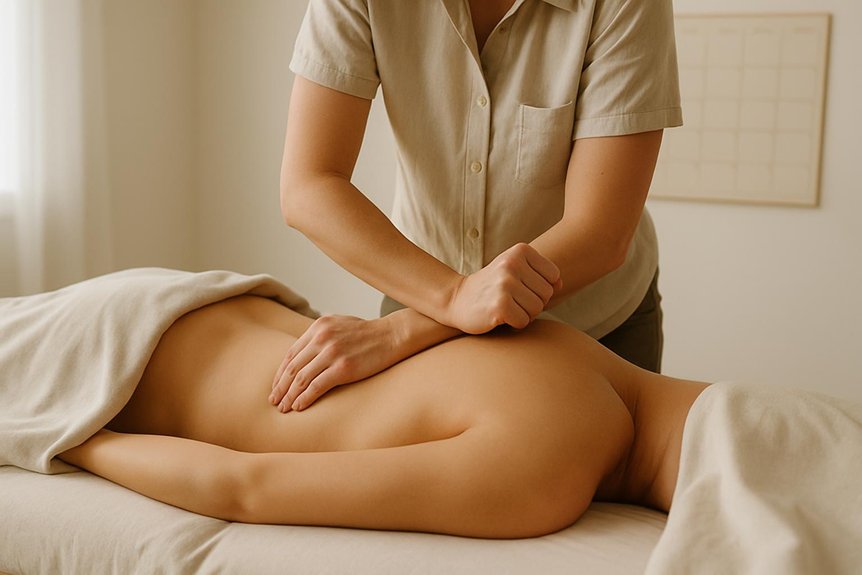
These scars often feel bound down, tug during movement, or dull sensation locally, and may contribute to protective guarding. At Spa & Massage clinics across London, therapists assess tissue mobility and comfort, then use gradual, client-led pressure, slow stripping, and cross-fibre work to encourage pliability without overwhelming sensitivity.
Scars that are raised yet settled (hypertrophic) can respond when the aim is softening and improving range, particularly around shoulders, abdomen, knees, and ankles. Best outcomes are typically seen when massage is paired with guided stretching, breath-led relaxation, and regular home mobilisation.
When Should You Avoid Scar Tissue Massage?
Timing and tissue status determine whether scar massage is appropriate, and certain situations require strict avoidance to prevent irritation, delayed healing, or infection.
Scar tissue massage should be avoided while a wound is open, weeping, bleeding, or covered by a scab, and during the early inflammatory phase after surgery or injury unless a clinician has cleared touch. It is also contraindicated with redness, heat, swelling, increasing pain, fever, or discharge suggesting infection; fragile skin; uncontrolled diabetes; vascular compromise; or suspected deep vein thrombosis.
Massage should not be applied over active dermatitis, shingles, or unexplained lumps.
At Spa & Massage, therapists first assess temperature, sensitivity, and glide; if touch feels sharp, burning, or emotionally overwhelming, pressure is paused and referral advised. Always seek medical guidance for new scars.
Conclusion
It may support scar-related stiffness once healing is complete, but outcomes vary by scar type, location, and tissue maturity. It can be a key that fits some locks, helping modulate pain, improve glide between tissue layers, and restore functional range when delivered with graded pressure and informed technique. Safety depends on timing and medical context; early, inflamed, infected, or complex scars warrant avoidance or specialist input. Individual assessment and measured progression remain central to care.