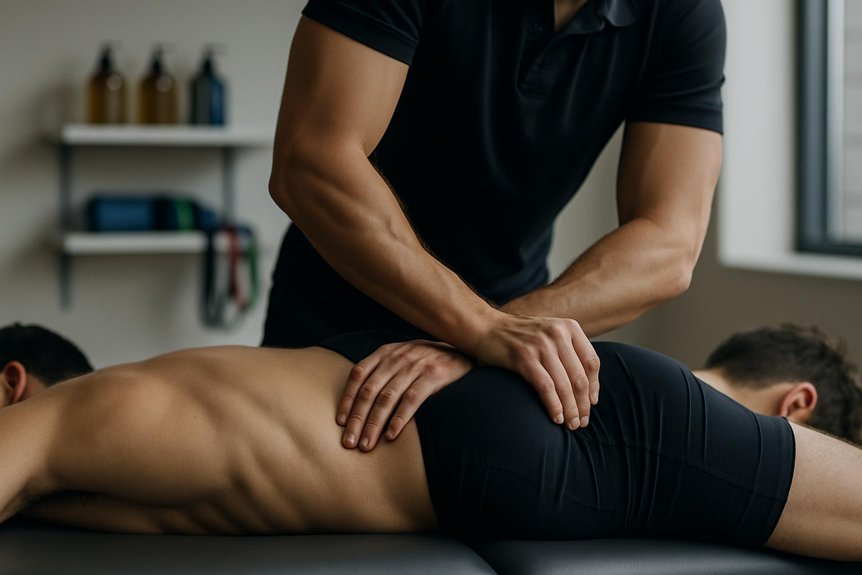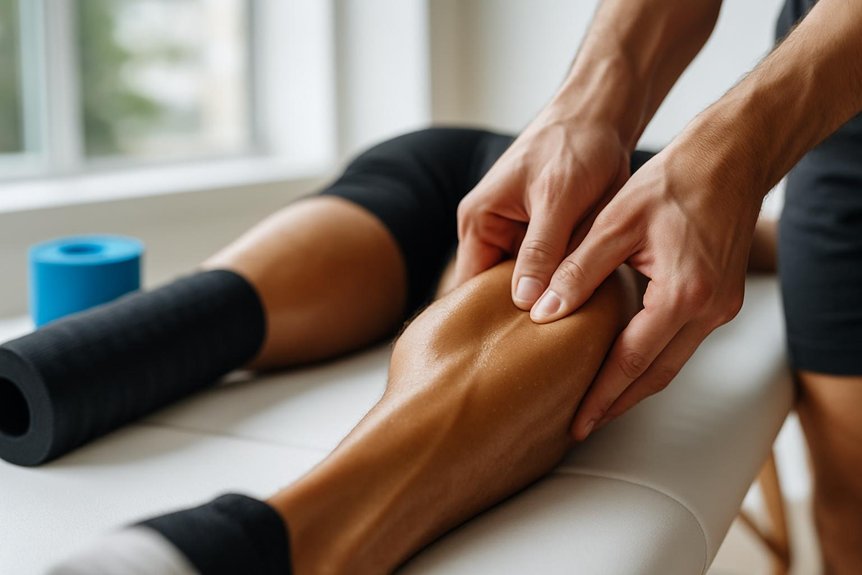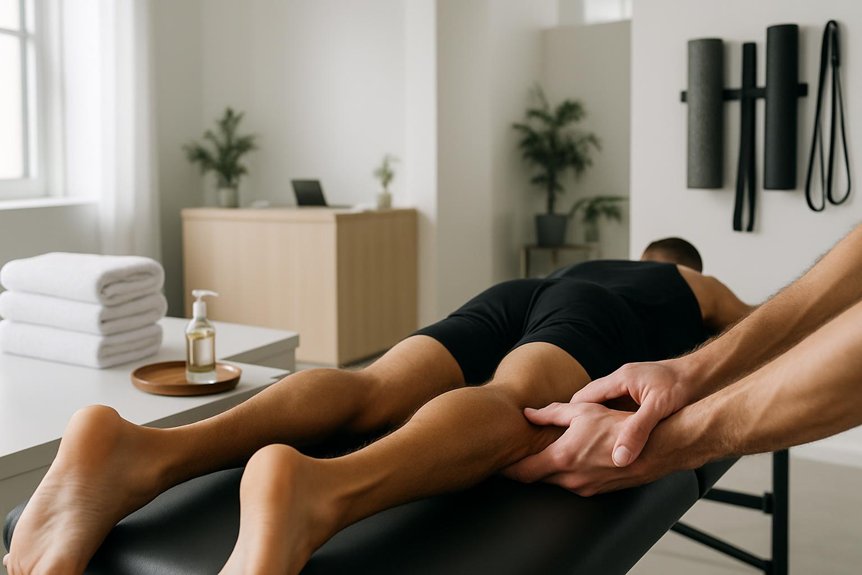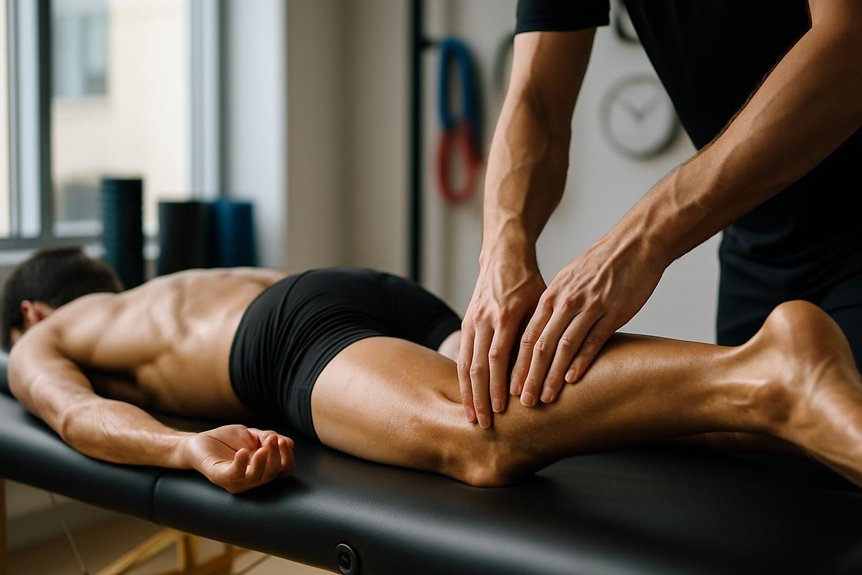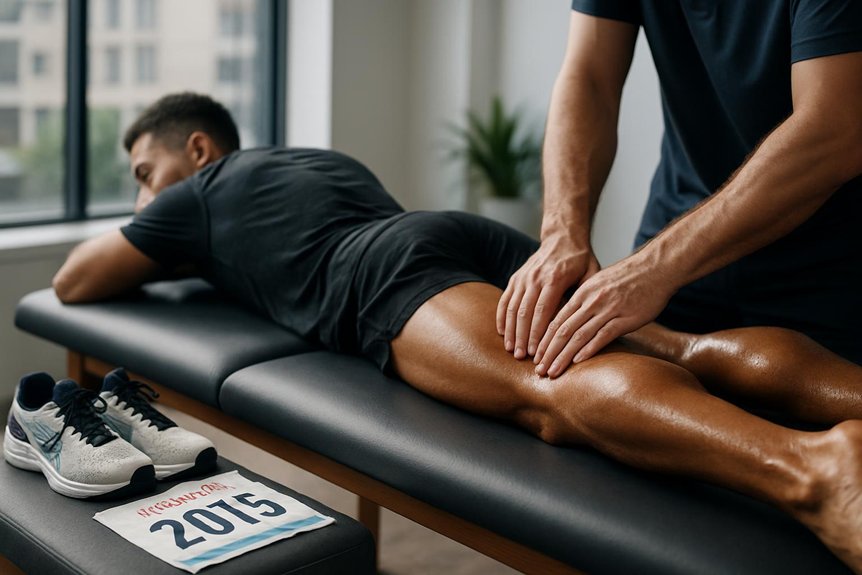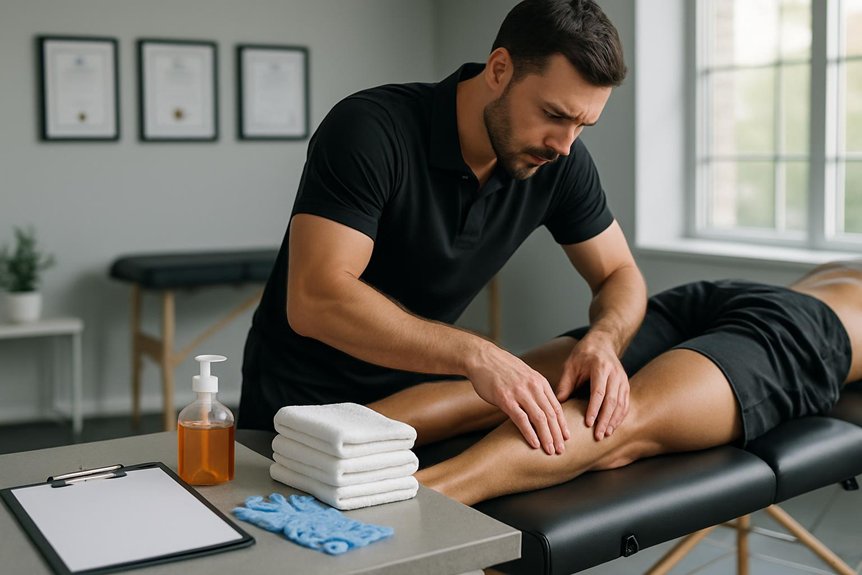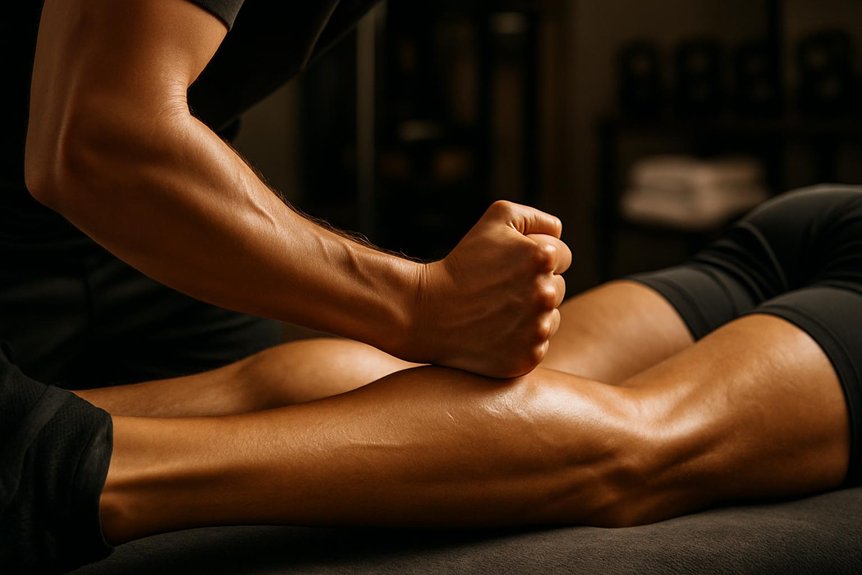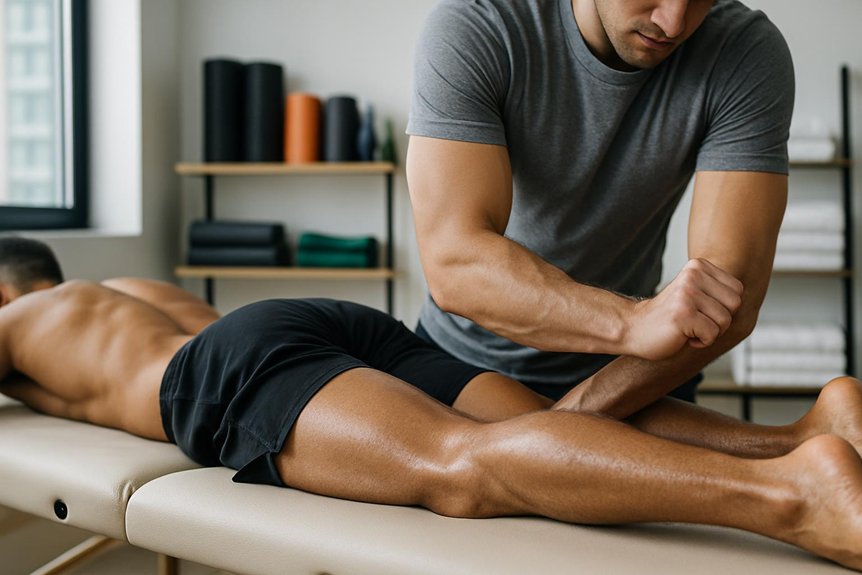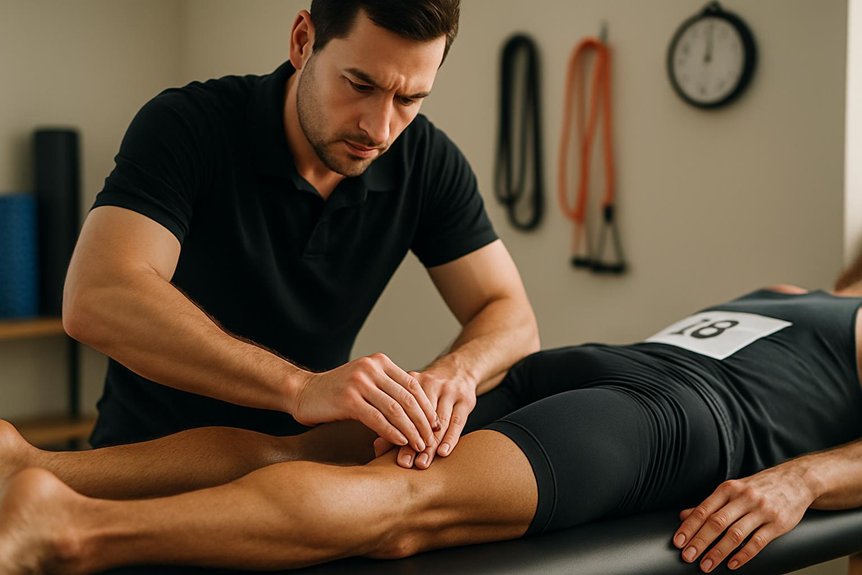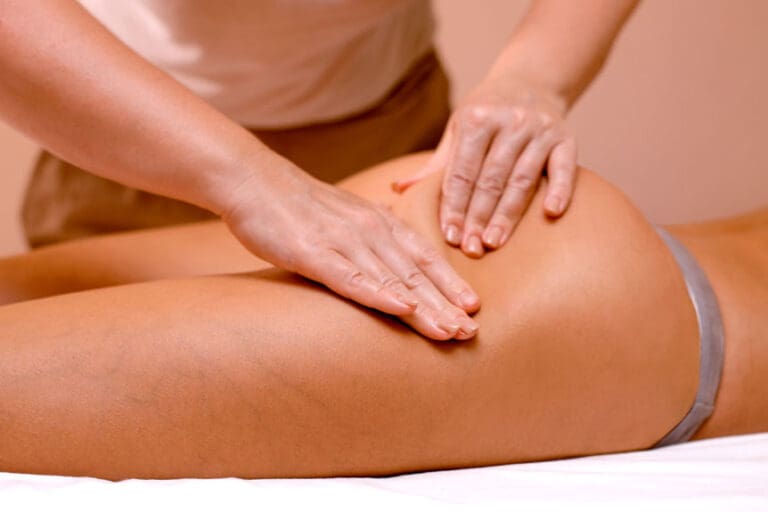
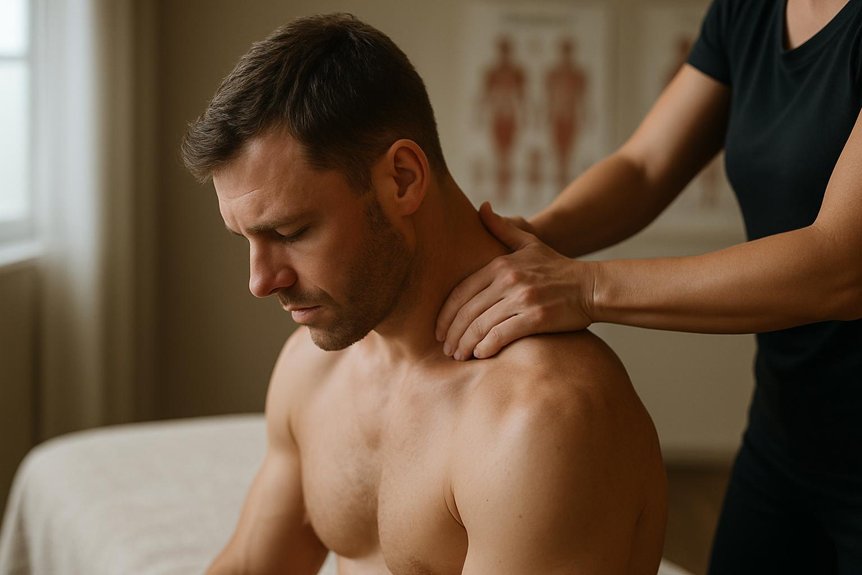
Athletic massage can help reduce certain headaches by easing neck, jaw, and upper-back tension that often drives tension-type and cervicogenic headache patterns. Targeted deep-tissue and myofascial techniques may calm trigger points, improve circulation, and restore comfortable movement, which can lower pain sensitivity. It is most suitable when headaches follow desk work, training load, or clenching, and should be avoided with sudden severe symptoms or neurological red flags. Next comes suitability, likely types, and treatment focus.
Can Athletic Massage Help Headaches? What to Expect
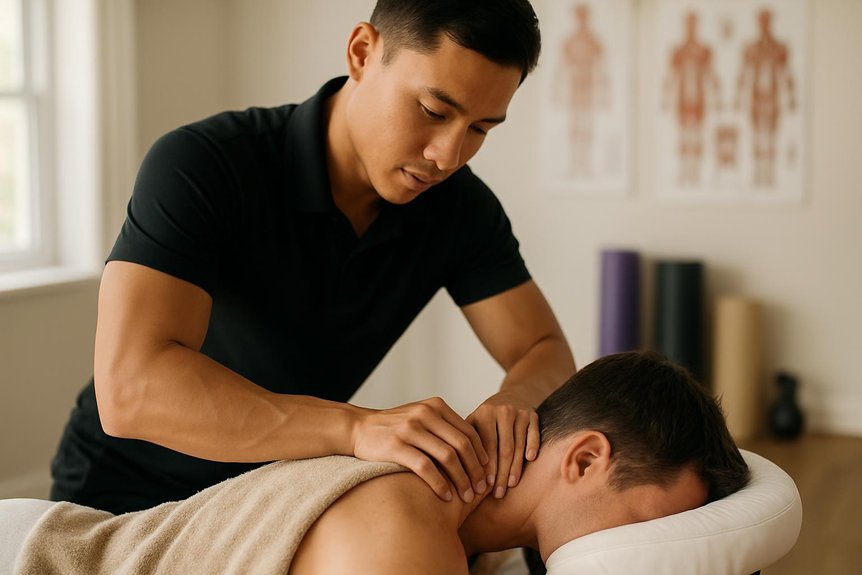
Why do headaches so often persist despite rest and pain relief? They commonly reflect ongoing neck, jaw, and upper‑back tension, sensitised nerves, and stress-driven muscle guarding—factors linked to tension-type and cervicogenic headaches. Athletic massage may help by reducing trigger-point irritability, improving local circulation, and restoring comfortable movement so the head is less “pulled” by tight tissues. For athletes in particular, targeted work that supports sports massage can complement training recovery by easing overload in the neck and shoulders that may contribute to headache patterns.
At Spa & Massage clinics across London, therapists assess posture, breathing, and tenderness, then apply focused deep-tissue and myofascial techniques to the upper trapezius, suboccipitals, and shoulder girdle, while keeping pressure responsive to the client’s comfort.
Clients can expect a clear plan, advice on hydration and gentle stretches, and a calmer, more connected sense of ease afterward.
When Athletic Massage Is Suitable (and When Not)
Athletic massage can ease some headache patterns by addressing neck and shoulder tension, but outcomes depend on whether the headache is musculoskeletal in origin and whether any warning signs are present. It is suitable when headaches reliably follow desk work, training load, jaw clenching, or poor sleep, and when gentle touch feels safe and grounding.
At Spa & Massage clinics, therapists screen health history, check current symptoms, and set a clear aim: reduce protective muscle guarding without provoking pain. It is not suitable when there is sudden “worst-ever” headache, new neurological symptoms, fever, recent head injury, uncontrolled hypertension, or unexplained weight loss; urgent medical assessment is advised.
It may also be postponed during acute migraine flares, pregnancy complications, or anticoagulant use unless cleared. Clients are invited to pause anytime, and pressure is continually adjusted for comfort.
Which Headache Types Athletic Massage May Help
Often, headache relief from manual therapy is most likely when symptoms are driven by musculoskeletal tension rather than neurological or systemic causes.
Athletic massage may be most helpful for tension-type headaches linked to sustained desk posture, jaw and neck tightness, or stress-related shoulder guarding.
It may also support cervicogenic headaches, where pain is referred from the upper cervical joints and surrounding muscles and often feels one-sided with reduced neck range.
Some clients with exercise-related headaches triggered by tight suboccipitals, upper trapezius, or pectorals may benefit when training load and recovery are addressed.
Migraine can co-exist with neck tension; massage may help the muscular component between attacks but is not a primary migraine treatment.
At Spa & Massage, therapists screen patterns and tailor care.
How Athletic Massage Relieves Headache Pain and Triggers
In practical terms, headache relief from athletic massage is typically achieved by reducing musculoskeletal triggers that sensitise pain pathways—most commonly excessive tone and myofascial trigger points in the suboccipitals, upper trapezius, levator scapulae, scalenes, and jaw-adjacent tissues.
By improving local circulation and tissue glide, skilled pressure can downshift protective guarding, ease referred pain patterns, and reduce nociceptive input to the trigeminocervical complex linked with many head and face symptoms.
Gentle, sustained contact also supports parasympathetic activation, which can lower stress-related amplifiers such as bracing, shallow breathing, and sleep disruption.
At Spa & Massage clinics, therapists adapt depth and pace to a client’s sensitivity, aiming for comfort-first change: fewer spikes, shorter duration, and more predictable triggers over time.
What We Focus On in Athletic Massage for Headaches
From a clinical standpoint, the focus of headache-oriented athletic massage is to identify and reduce the specific musculoskeletal drivers most likely to perpetuate symptoms—typically excessive tone, myofascial trigger points, and restricted glide through the neck, shoulder girdle, and jaw-adjacent tissues.
At Spa & Massage, therapists assess posture, breathing pattern, and movement, then prioritise the upper trapezius, levator scapulae, suboccipitals, SCM, temporalis, and pectorals, using slow compressions, friction, and myofascial release to soften guarding without provoking sensitivity.
Treatment is paced with clear consent and close feedback, aiming for a calm, grounded nervous system response.
Many sessions include gentle mobilisation and home cues—hydration, heat, and micro-break stretches—to maintain the easier range and reduce recurrence.
Conclusion
It may support some headache patterns by addressing the “quiet culprits” in the upper body—trigger points, postural strain, and restricted neck and jaw mobility. Like releasing a knotted rope to restore tension, targeted soft-tissue work can improve comfort and movement when headaches are linked to muscular overload. It is most appropriate after screening, and not a substitute for medical assessment where red flags exist. Clear goals, measurable changes, and aftercare guide safer, longer-lasting results.