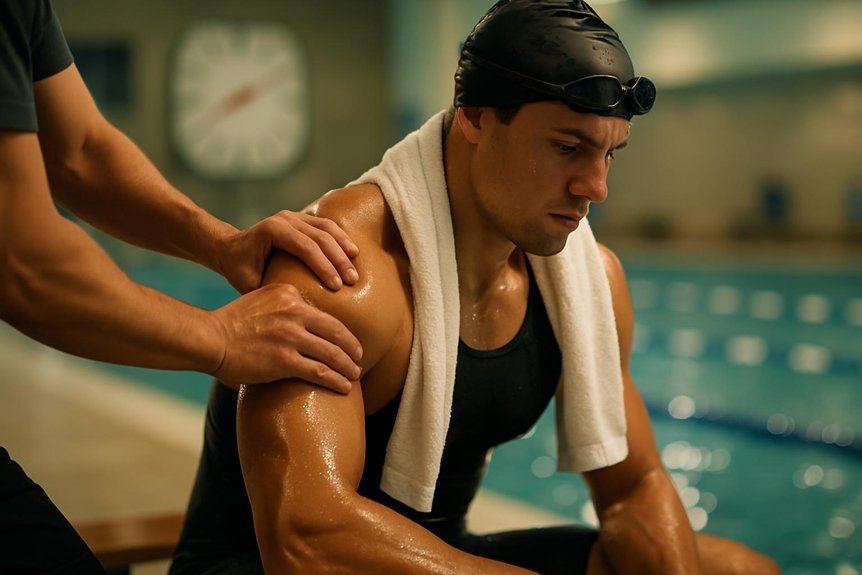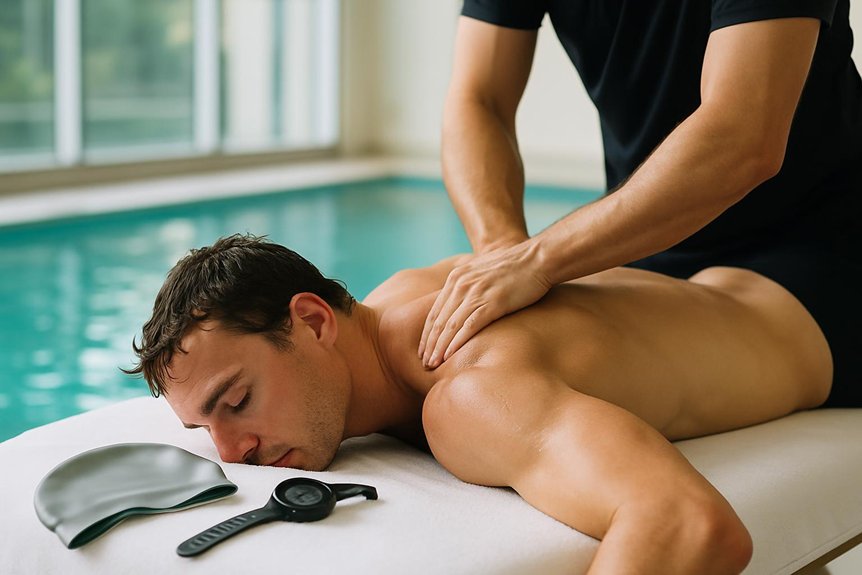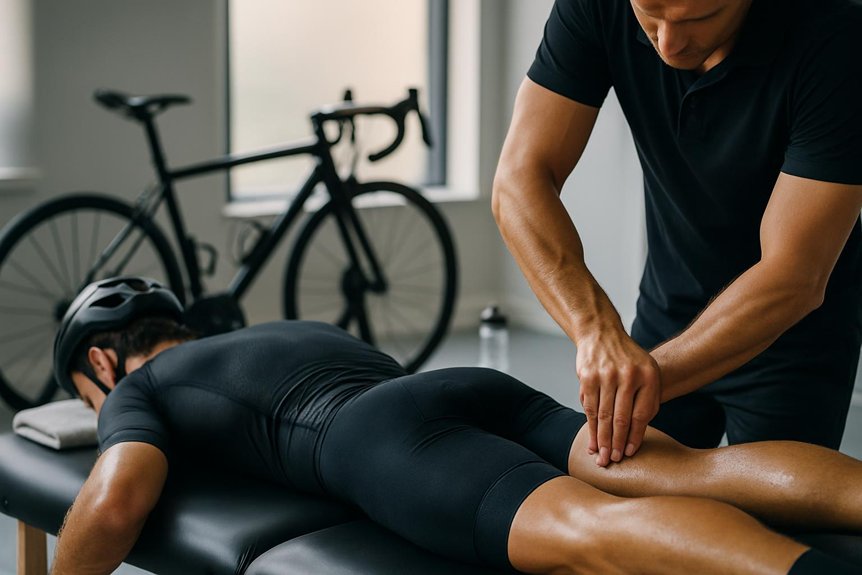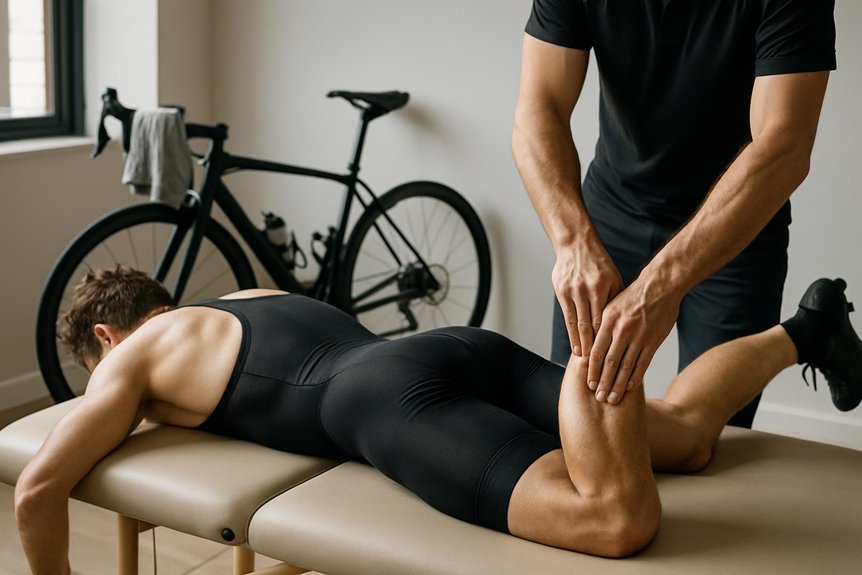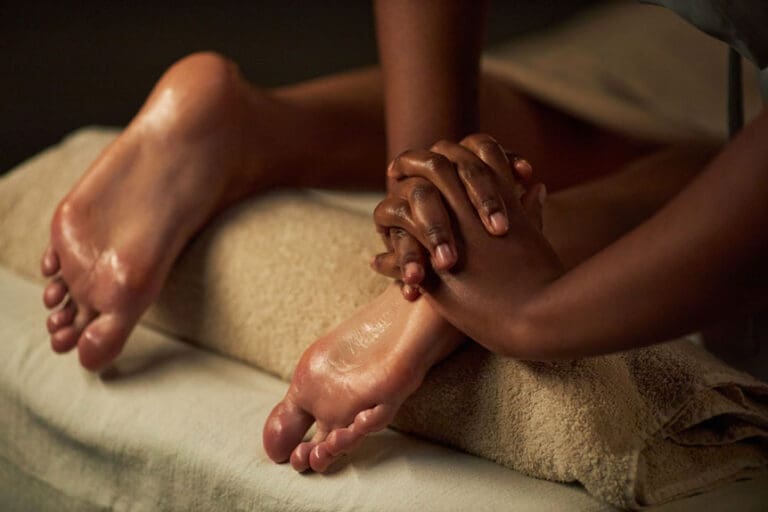
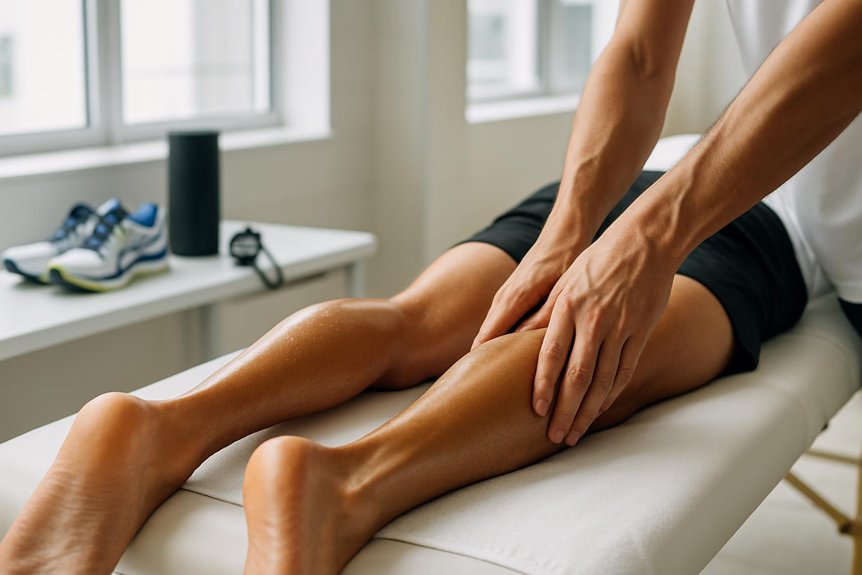
It can benefit runners by improving comfort, short-term range of motion, and training consistency, mainly through reduced perceived muscle soreness and lower pain sensitivity after hard sessions. It may also support relaxation, sleep quality, and recovery behaviours by promoting parasympathetic activity. Sessions are typically most useful 24–72 hours after demanding runs, with lighter work used 24–48 hours pre-event. It can ease common hot spots, while not replacing progressive loading or injury assessment. Further details clarify timing, techniques, and expectations.
Is It Right for Runners?
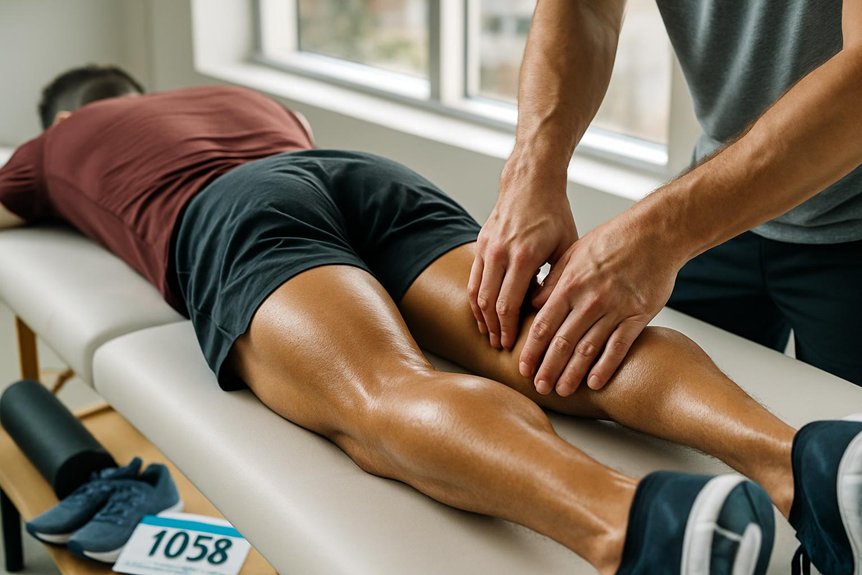
For runners seeking measurable gains in comfort, tissue resilience, and training consistency, athletic massage is often an appropriate adjunct to a well-structured programme. It suits athletes managing high mileage, recurrent tightness, or post-session soreness that limits stride quality. Evidence suggests massage may reduce perceived muscle soreness, improve short-term range of motion, and support relaxation, which can enhance sleep and recovery behaviours. It is also associated with wider benefits for athletes when used appropriately alongside training demands. It is not a substitute for progressive loading, strength work, or medical assessment of acute injury.
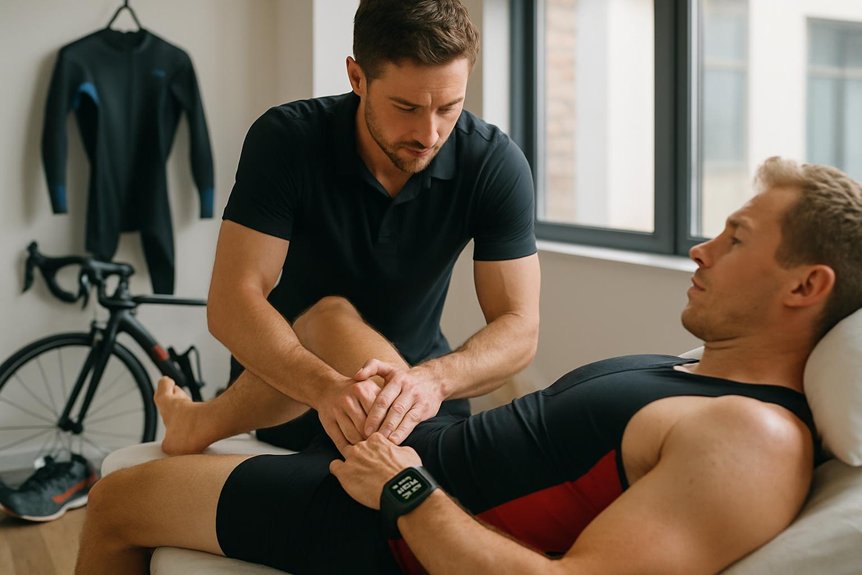
At Spa & Massage clinics across London, therapists assess gait-related patterns and target commonly overloaded areas—calves, hamstrings, hip flexors, glutes, and plantar fascia—using deep, slow pressure within the client’s preferred intensity. Runners who value attentive touch and precise feedback often find it improves body awareness and confidence.
When Should Runners Book a Sports Massage?
Timing athletic massage appropriately helps runners convert the potential benefits—reduced soreness, improved short-term range of motion, and better recovery behaviours—into more consistent training.
Most runners book sessions 24–72 hours after a hard run, race, or strength session, when delayed-onset soreness typically peaks and tissue sensitivity is manageable.
Pre-event massage is best kept light and brief, ideally 24–48 hours before competition, to promote readiness without provoking residual tenderness.
During high-mileage blocks, a regular cadence (every 2–4 weeks) supports monitoring of load-related tightness, especially in calves, hips, and hamstrings.
Runners should book promptly when asymmetry, persistent “hot spots,” or altered gait appears.
At Spa & Massage clinics across London, therapists tailor pressure and pacing, preserving privacy, comfort, and informed consent.
How Does It Speed Up Running Recovery?
Within a well-managed training cycle, it can accelerate running recovery by downshifting post‑exercise muscle tone and pain sensitivity, improving short‑term range of motion, and supporting parasympathetic “rest-and-digest” physiology that enables better sleep and refuelling.
Evidence suggests the largest benefits are reduced DOMS perception and improved readiness to train, rather than structural “flushing” of lactate.
At Spa & Massage clinics across London, therapists use graded pressure and slow, specific strokes to calm protective guarding, then integrate mobility-based soft-tissue work to restore comfortable movement without provoking irritation.
Many runners report a grounded, intimate sense of reconnection with their body, which can improve pacing confidence and post-run self-care adherence.
Aftercare typically includes hydration, gentle walking, and protein-plus-carbohydrate intake within a recovery window.
Can It Help Common Running Pain (Calves, IT Band, Achilles)?
Why do calves tighten, the IT band feel “hot,” or the Achilles become persistently sore in runners? These patterns often reflect load spikes, reduced ankle–hip control, and sensitised tissue rather than “knots” alone.
Evidence suggests athletic massage can reduce pain and perceived stiffness short term, improve tolerance to training, and support smoother gait by calming protective muscle tone.
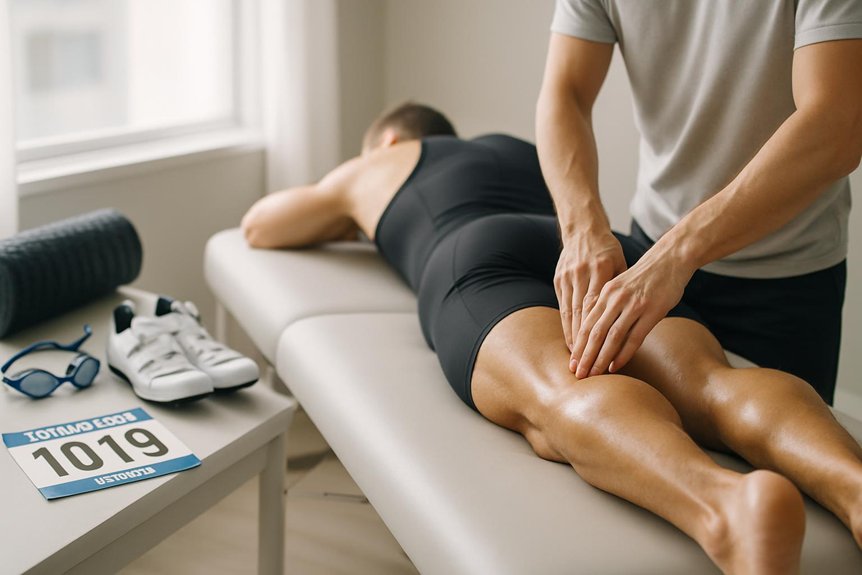
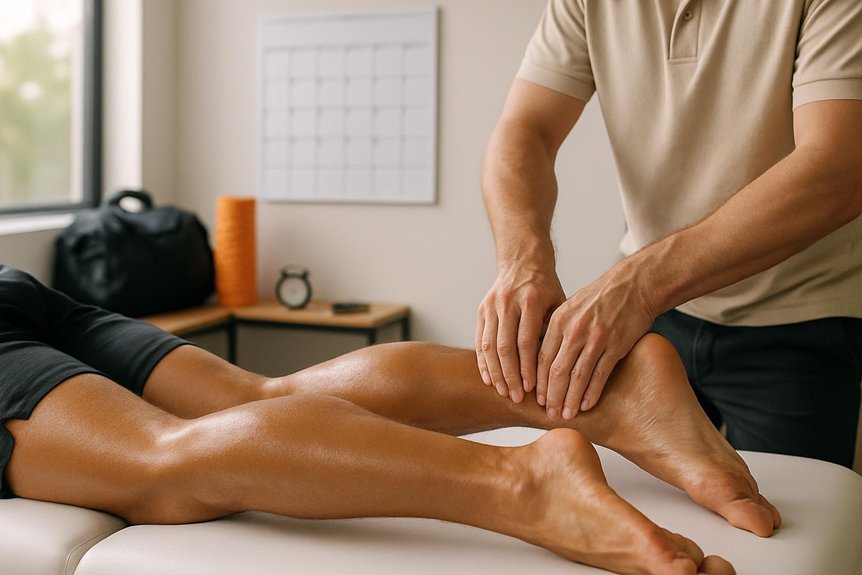
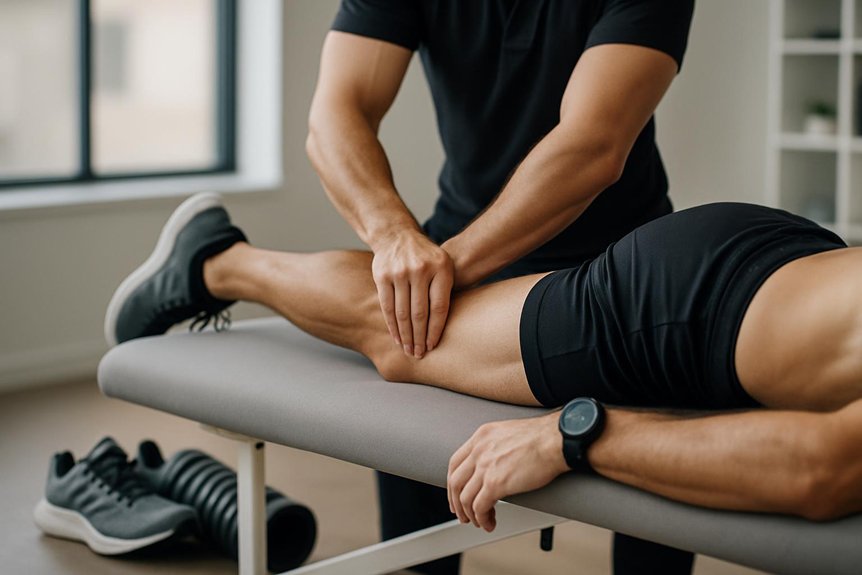
For calves, focused deep-tissue work and trigger-point pressure may ease cramping and restore dorsiflexion comfort.
For lateral knee/IT band pain, therapists typically target gluteals, TFL, and vastus lateralis to reduce compressive stress.
For Achilles soreness, gentle calf–soleus release and progressive tendon loading guidance help.
At Spa & Massage, therapists balance firmness with consent-led, close communication to keep treatment effective and safe.
What Happens in an Athletic Massage Session at Spa & Massage?
It may reduce running-related pain and stiffness in the short term, but outcomes depend on a structured assessment and treatment plan rather than pressure alone.
At Spa & Massage, the session begins with a brief history of training load, symptoms, and race goals, followed by postural and movement screening to identify contributing tissues.
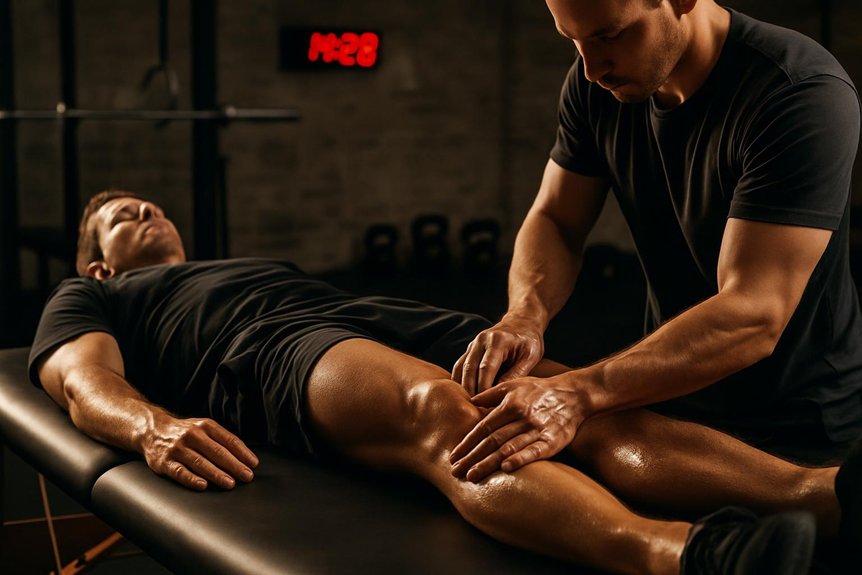
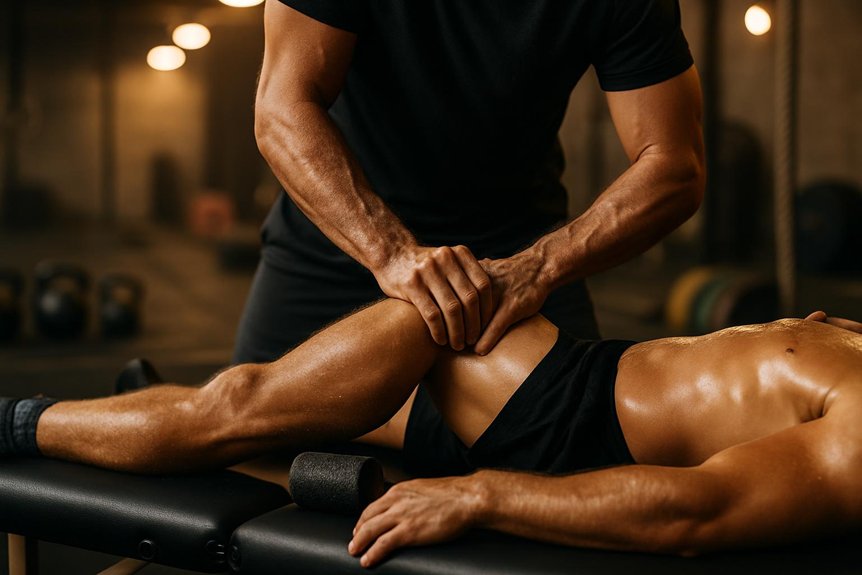
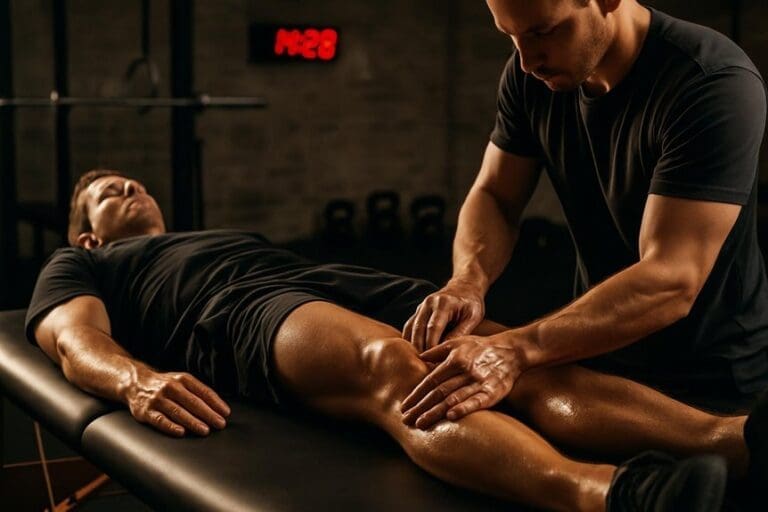
Treatment typically combines slow, deep strokes, targeted trigger-point work, and assisted stretching to restore glide in calves, hamstrings, hip rotators, and the ITB complex, while respecting pain thresholds.
In a calm London clinic setting, draping is professional and discreet, with touch kept purposeful and reassuring. Therapists may use neutral oil sparingly to maintain traction.
Aftercare includes hydration, light mobility, and a 24–48 hour running adjustment, with follow-up planned.
Conclusion
It can support runners when used with clear intent: to reduce perceived soreness, to restore short‑term range of motion, to improve tolerance to training load. It is most useful around high mileage blocks, after hard sessions, and during return‑to‑run phases—not as a substitute for strength, sleep, and progressive programming. It may ease calf or hamstring tightness, modulate ITB-related symptoms, and settle reactive tissue, while expectations remain realistic. Used selectively, it complements recovery and performance.