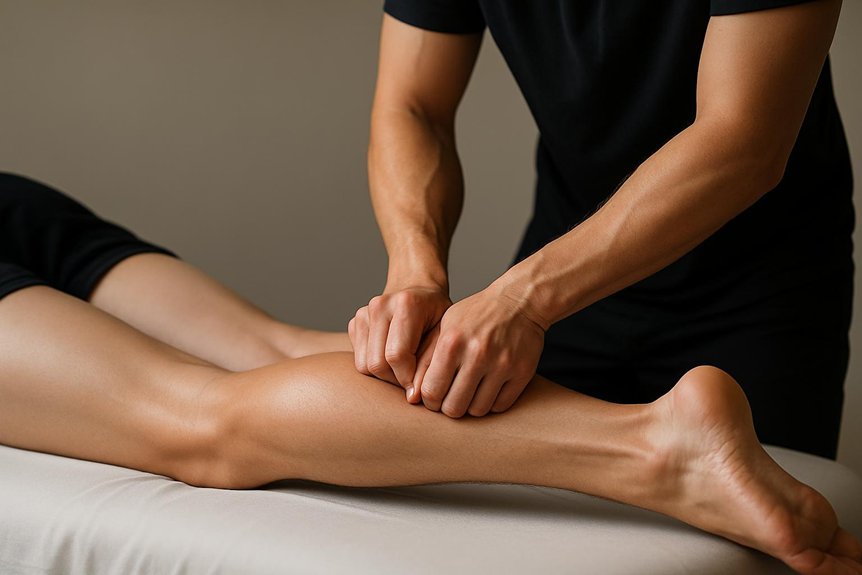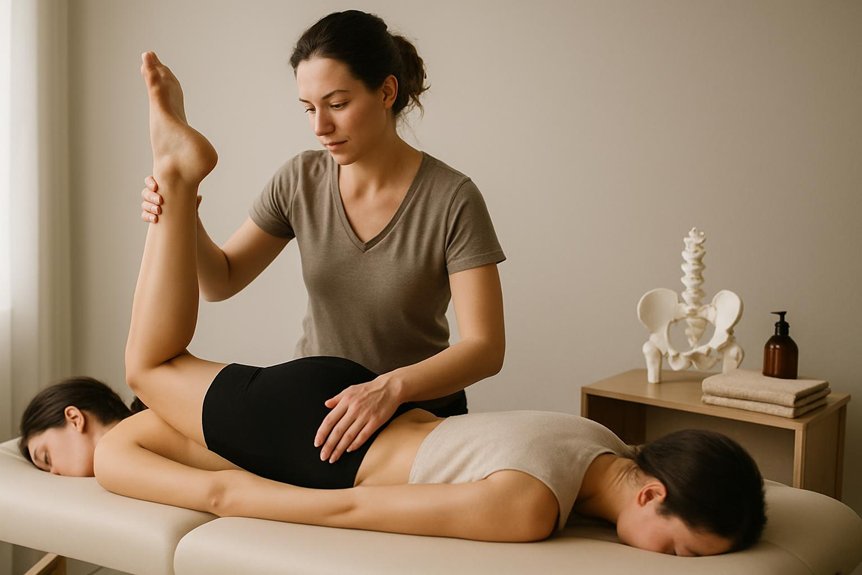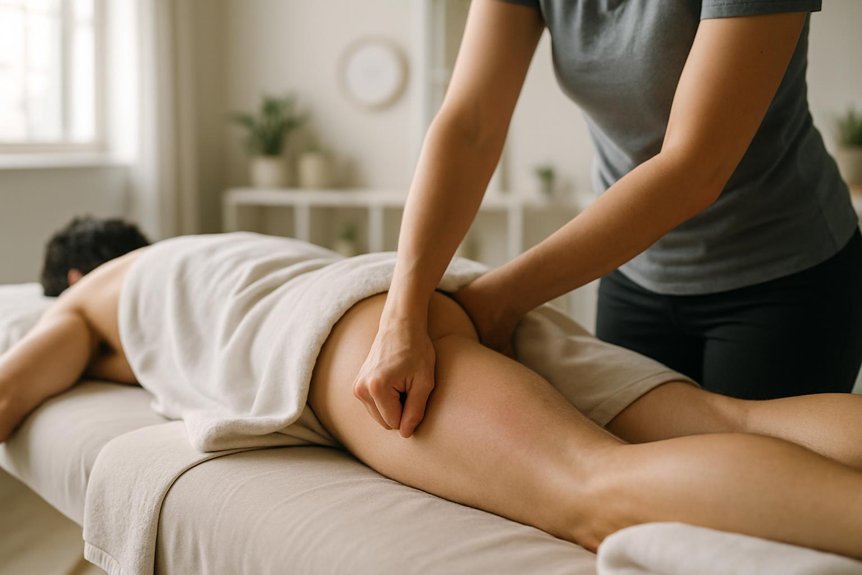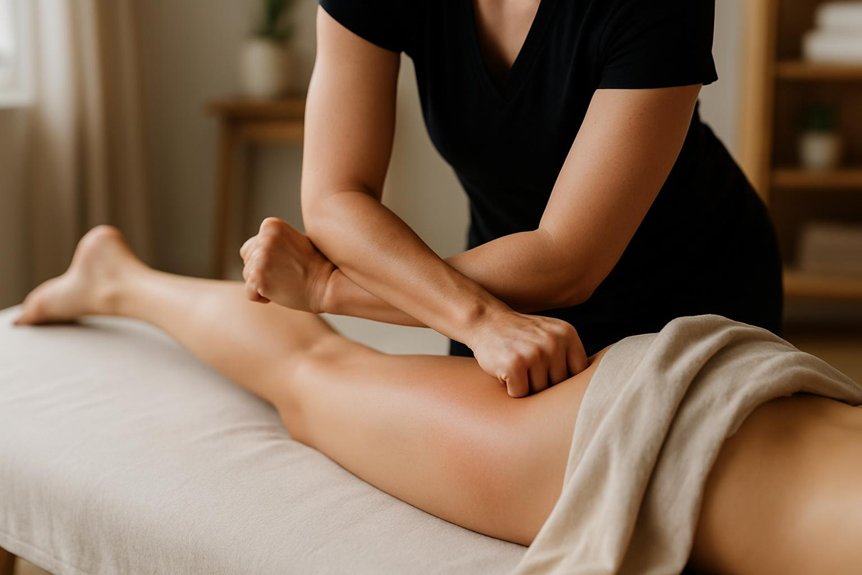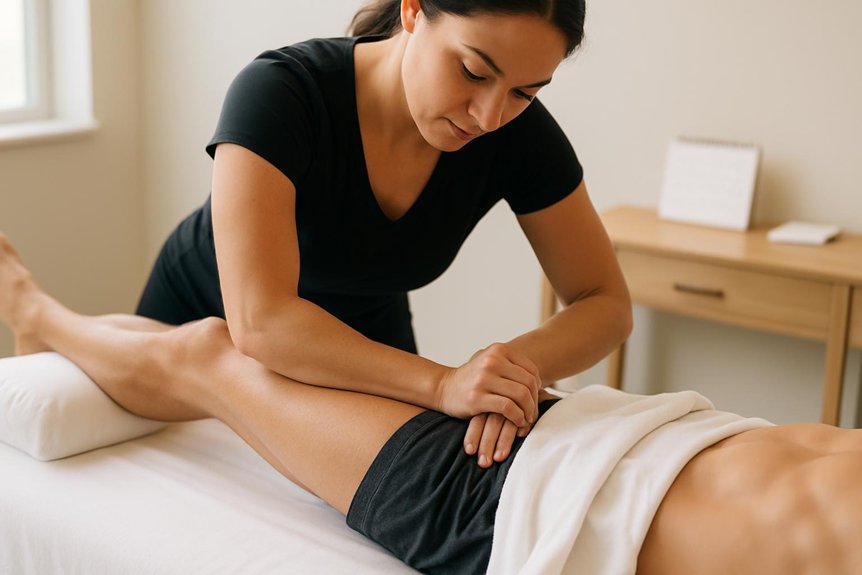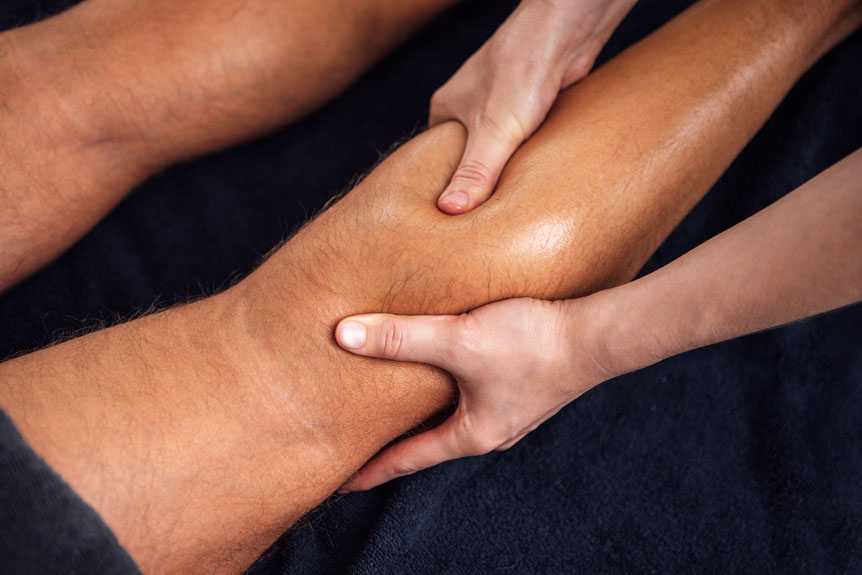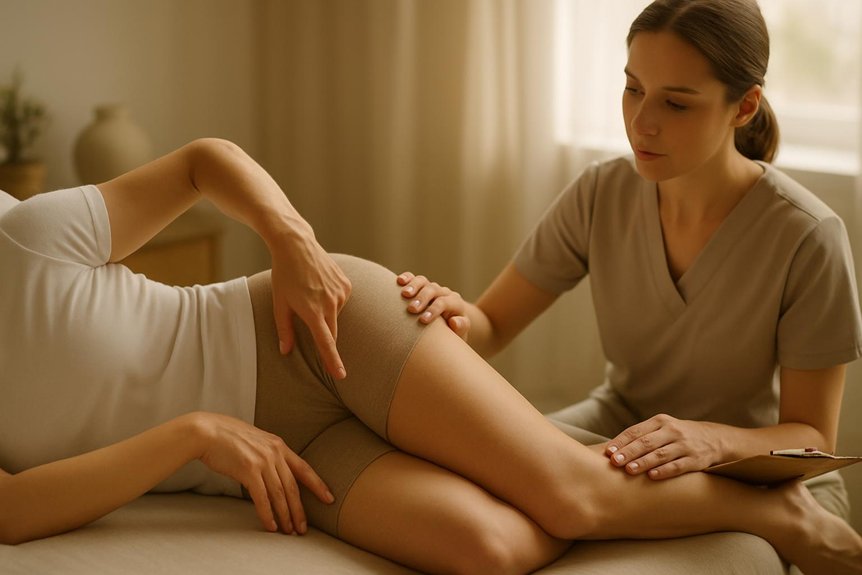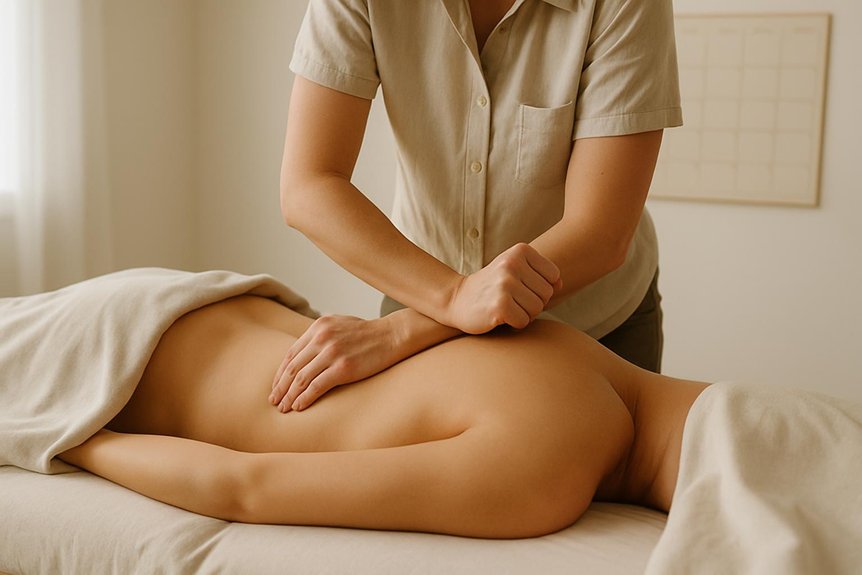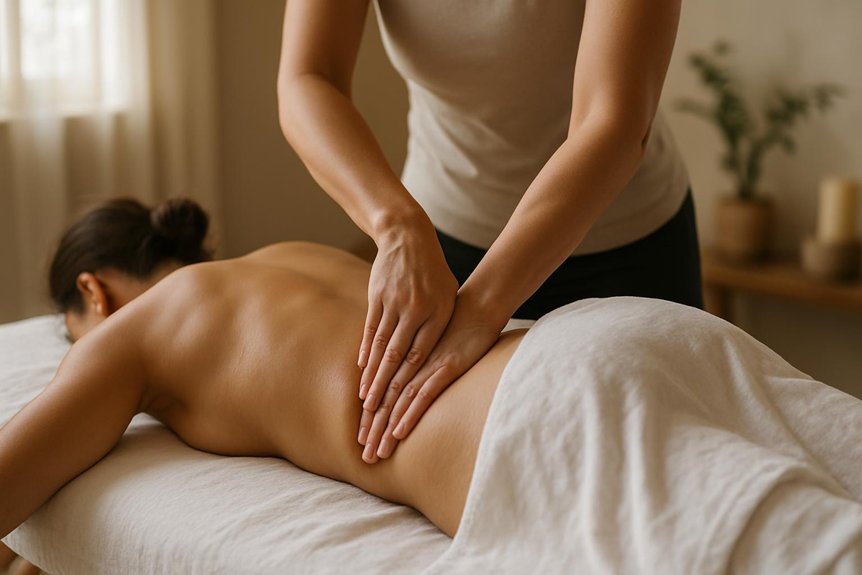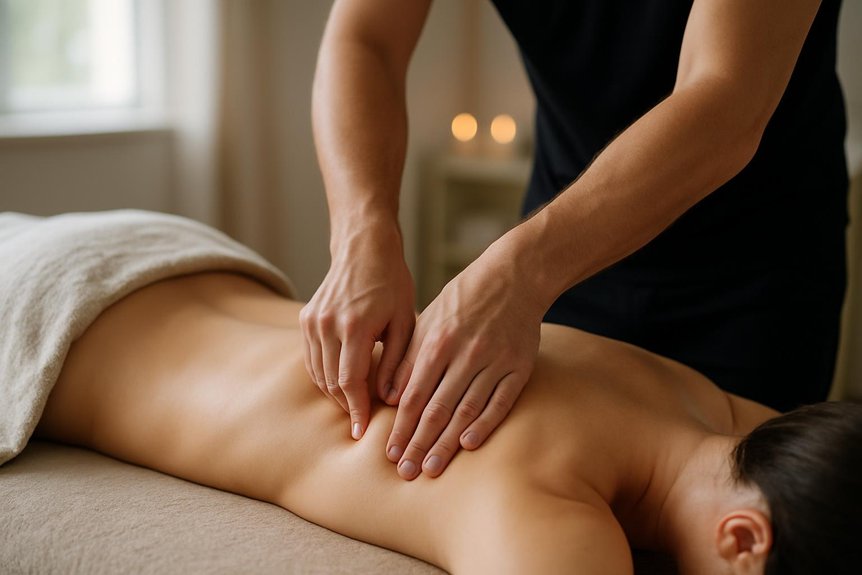
Intensive tissue massage can help lower back pain when symptoms are mechanical and soft-tissue–led, such as myofascial tightness, trigger points, and stiffness from prolonged sitting or training load. It uses slow, specific pressure to reduce overactive tissue tone, improve local circulation, and downregulate pain sensitivity, with consent-led check-ins to keep intensity tolerable. It is not appropriate with red flags like fever, unexplained weight loss, progressive weakness, saddle numbness, or bladder/bowel changes. Further details clarify selection, safety, and scheduling.
Can Deep Tissue Massage Help Lower Back Pain?
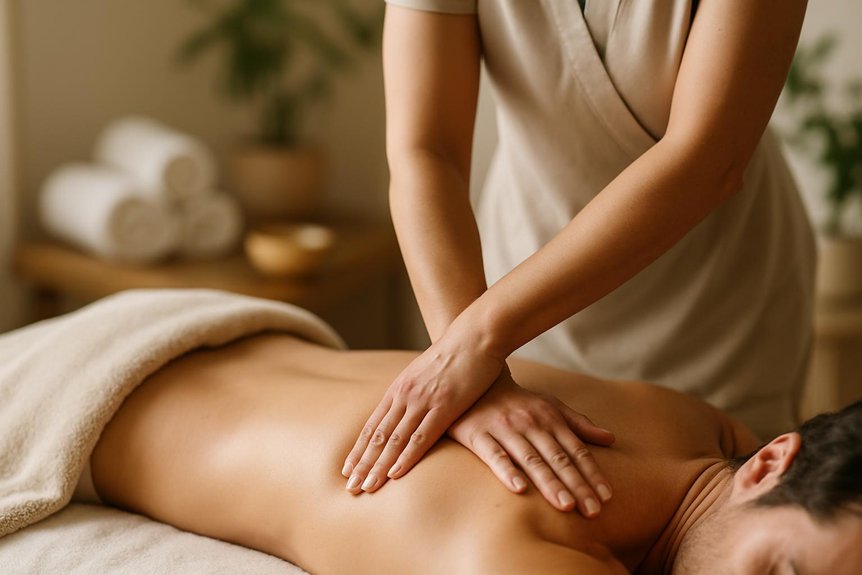
For many people, lower-back pain is driven by muscular tension, myofascial restriction, and movement compensation—factors that therapeutic massage is designed to address.
Evidence indicates massage can reduce pain sensitivity and improve function, particularly when combined with guided movement and sensible activity.
At Spa & Massage clinics across London, therapists use slow, specific pressure to soften overactive tissues, support circulation, and calm the stress response, helping clients feel safely “held” in their bodies.
Deep tissue work commonly uses slow specific pressure to target deeper layers of muscle and connective tissue.
Sessions are paced and consent-led, with clear check-ins to keep intensity therapeutic rather than provocative.
Safety is prioritised: clients are screened for red flags, bruising risk, and current medical conditions.
Aftercare typically includes hydration, gentle walking, and heat as tolerated.
What Kind of Low Back Pain Responds to Deep Tissue?
Low back pain tends to respond best to therapeutic massage when symptoms are primarily mechanical and soft‑tissue led rather than driven by acute injury or systemic disease.
Typical patterns include persistent muscular tightness in the lumbar extensors, gluteals, and hips; myofascial trigger points that refer ache into the buttock; and stiffness linked to prolonged sitting, stress, or repetitive training loads.
People often report a dull, localised ache, restricted bending or rotation, and relief with heat or movement—features consistent with non‑specific low back pain.
In Spa & Massage clinics across London, therapists assess posture, breathing, and tissue tone, then use slow, sustained pressure and targeted work to reduce guarding and improve comfortable range of motion, while maintaining clear consent and continuous check‑ins throughout.
When Is It Not Safe for Back Pain?
It is not considered safe for back pain when clinical red flags are present, such as recent significant trauma, unexplained weight loss, fever, progressive neurological weakness, numbness in the saddle area, or new bladder/bowel changes.
It may also be inappropriate without medical clearance in conditions including suspected fracture, osteoporosis with high fracture risk, spinal infection or cancer, inflammatory arthritis flare, anticoagulant use/bleeding disorders, or recent spinal surgery.
At Spa & Massage clinics, therapists screen for these risks and will postpone or modify treatment and advise prompt medical assessment when indicated.
Red Flags To Avoid
A deep tissue massage is not appropriate for every episode of lower back pain, and certain warning signs should prompt medical assessment before any hands-on treatment is considered.
Red flags include new bowel or bladder changes, saddle numbness, progressive leg weakness, or severe sciatica that is worsening.
Unexplained fever, night sweats, recent infection, or pain that is constant and unrelenting at night may indicate systemic illness.
Sudden back pain after a fall, collision, or heavy lift with suspected fracture also warrants urgent review.
Cancer history with new, unexplained weight loss or persistent pain should be assessed first.
At Spa & Massage clinics, therapists pause and refer when these appear, prioritising safety and reassuring, respectful care.
Medical Conditions Requiring Clearance
Beyond acute “red flag” symptoms, several medical conditions require GP or specialist clearance before deep tissue work is used for lower back pain, because increased pressure, altered circulation, and post-treatment inflammation can worsen risk or mask important clinical signs. Clearance is advised for osteoporosis or recent fracture; inflammatory arthropathies during flares; suspected infection, fever, or skin breakdown; malignancy or unexplained weight loss; bleeding disorders, anticoagulant use, or easy bruising; recent surgery, spinal injections, or implanted devices; deep vein thrombosis risk; and severe cardiovascular disease.
Pregnancy-related back pain also needs a tailored plan. At Spa & Massage London clinics, therapists complete a confidential consultation, adapt depth, avoid contraindicated areas, and may pause treatment until medical advice confirms it is safe.
How Does Therapeutic Massage Relieve Low Back Pain?
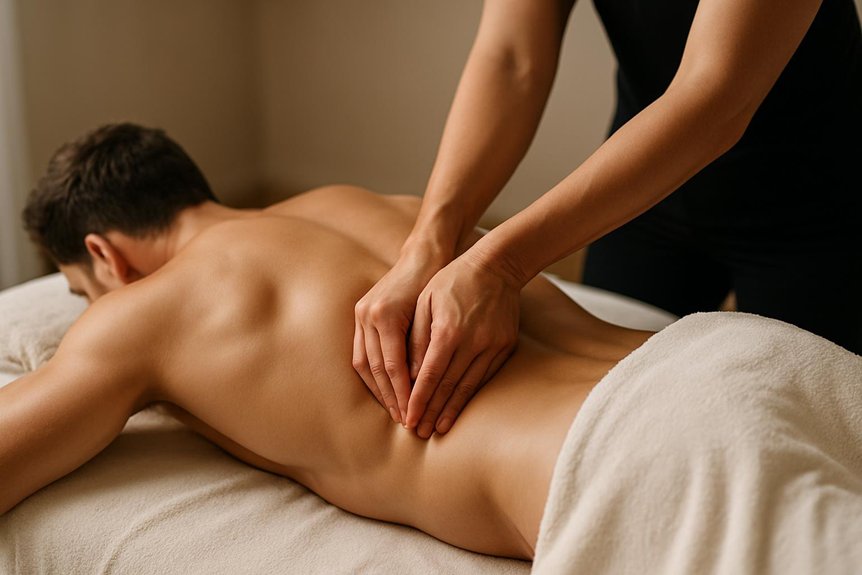
In many cases, therapeutic massage relieves low back pain by reducing myofascial tension and trigger-point activity, improving local circulation, and downregulating pain sensitivity through targeted, slow-pressure techniques.
By engaging deeper layers of muscle and fascia, sustained strokes and careful friction can soften protective guarding and restore glide between tissues, which may lessen stiffness and referral pain patterns.
Mechanically, improved blood and lymph flow supports local oxygenation and waste clearance; neurologically, slow pressure can calm sympathetic arousal and enhance parasympathetic tone, helping the body feel safe enough to release.
At Spa & Massage clinics, therapists modulate depth with continuous feedback, working within a “productive discomfort” range to avoid tissue irritation.
Aftercare typically includes hydration, gentle movement, and heat if tolerated.
Deep Tissue or Sports Massage for Low Back Pain?
Deep tissue and sports massage can both support low back pain management, but they differ in clinical aim: deep tissue prioritises sustained work on myofascial and deeper muscular tension, while sports massage is typically structured around movement demands, recovery, and load-related soreness.
The best match depends on whether symptoms are driven more by persistent tightness and trigger points versus activity-related strain and functional limitations, and Spa & Massage therapists screen for red flags and adapt treatment accordingly.
Technique and pressure are individualised, with discomfort kept within safe tolerable limits to avoid post-treatment flare-ups and protect sensitised tissues.
Deep Tissue Vs Sports
For many people with lower back pain, choosing between deep tissue and sports massage depends on whether the primary driver is persistent muscle tension or activity-related strain.
It typically uses slow, sustained pressure to reduce myofascial restriction and tenderness that can maintain chronic discomfort.
Sports massage more often combines compressions, stretching, and targeted work around load-bearing tissues to support recovery after training or repetitive tasks.
Evidence suggests both may reduce pain short term when matched to symptoms, but technique and dosage matter.
At Spa & Massage clinics, therapists first screen for red flags, then apply pressure within a client’s comfort, using clear consent and frequent check-ins.
Post-treatment soreness can occur; hydration, gentle movement, and heat/ice guidance are commonly recommended.
Best Match For Pain
Which approach best fits low back pain—deep tissue or sports massage—depends on whether symptoms are dominated by ongoing myofascial tightness, postural overload, or an identifiable activity-related strain pattern.
Deep tissue is often the closer match when pain feels diffuse, “stuck,” or linked to sustained sitting, with palpable tension through the lumbar paraspinals, glutes, and hips.
Sports massage may suit pain that predictably flares with running, gym training, or sudden increases in load, especially when movement testing suggests a specific strain or overuse pattern.
At Spa & Massage clinics across London, therapists screen for red flags (progressive weakness, numbness, bowel/bladder change, fever, unexplained weight loss) and may advise medical review.
For intimate reassurance, many clients choose a blended plan plus home mobility.
Technique And Pressure
In clinical practice, technique and pressure for low back pain are selected according to tissue irritability, symptom behaviour, and the client’s tolerance rather than a fixed “deeper is better” rule.
Deep tissue work may use slow, specific strokes into paraspinals, gluteals, and hip rotators, pausing to let guarding soften. Sports massage often adds mobilisations, compression, and movement-based techniques to restore load tolerance for running, lifting, or prolonged sitting.
At Spa & Massage clinics across London, therapists start with lighter contact, then build pressure only if pain stays local and eases within 24 hours. Safe intensity feels strong, relieving, and breathable—not sharp, burning, or numbing. Pressure is reduced with nerve symptoms, pregnancy, anticoagulants, or acute flare-ups.
How Often Should You Book Deep Tissue for Back Pain?
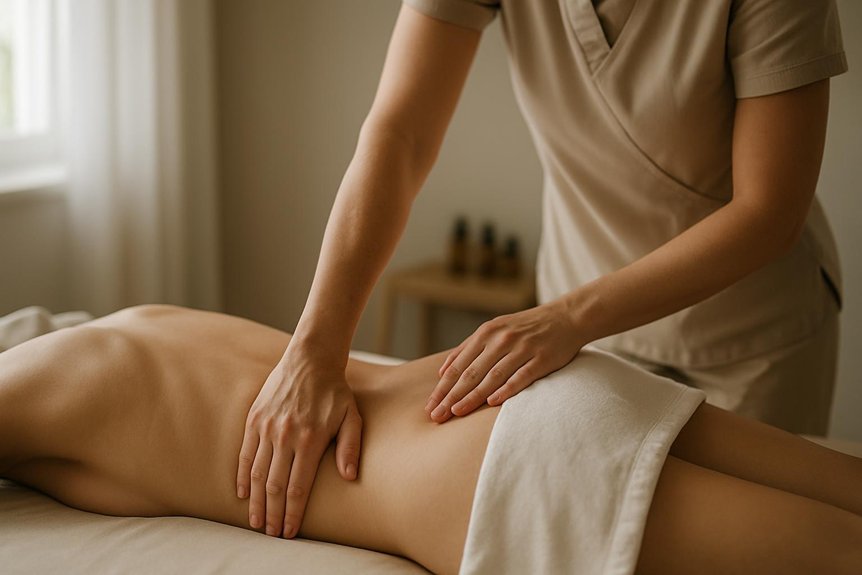
Often, the appropriate booking frequency for therapeutic massage for lower back pain depends on symptom severity, tissue irritability, and the individual’s response to treatment, with Spa & Massage therapists typically recommending a short initial course (e.g., weekly sessions for 2–4 weeks) for acute flare-ups, then tapering to maintenance (every 2–4 weeks) once pain and stiffness are stabilising.
If symptoms are persistent or stress-related, fortnightly care may support ongoing relief and body awareness. Sessions should feel “therapeutic uncomfortable” rather than sharp or bruising; post-treatment soreness should settle within 24–48 hours before rebooking.
Where there is nerve pain, progressive weakness, fever, unexplained weight loss, or bowel/bladder changes, massage should pause and medical assessment is advised.
In Spa & Massage clinics, therapists tailor frequency and pressure after each visit.
Conclusion
Therapeutic massage may help certain mechanical, non‑specific low back pain by reducing myofascial tension, improving circulation, and restoring hip–lumbar mobility, particularly when paired with exercise and ergonomic change. Yet, like Hippocrates’ caution to “first, do no harm,” it is not appropriate for red‑flag symptoms, acute fracture, infection, malignancy, severe osteoporosis, or progressive neurological deficit. Outcomes depend on diagnosis, therapist skill, and dosing; reassessment and referral remain essential when pain persists or worsens.