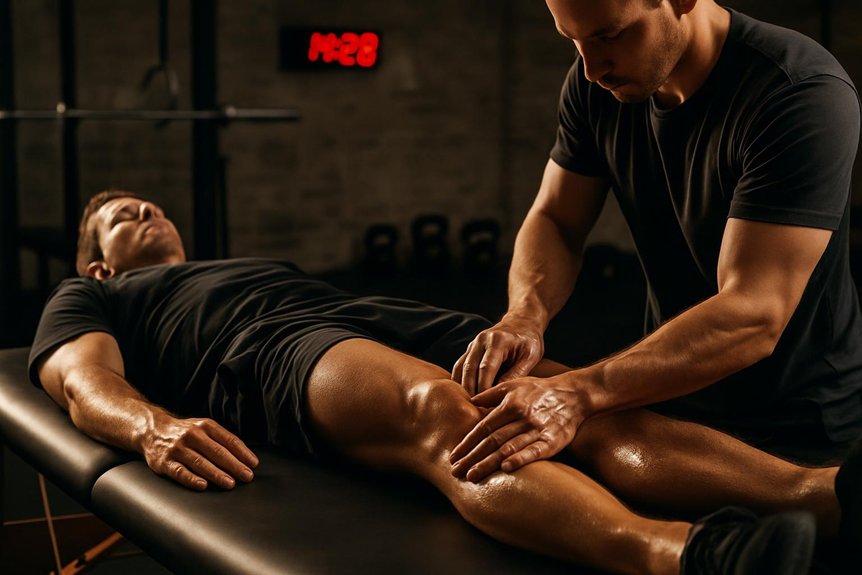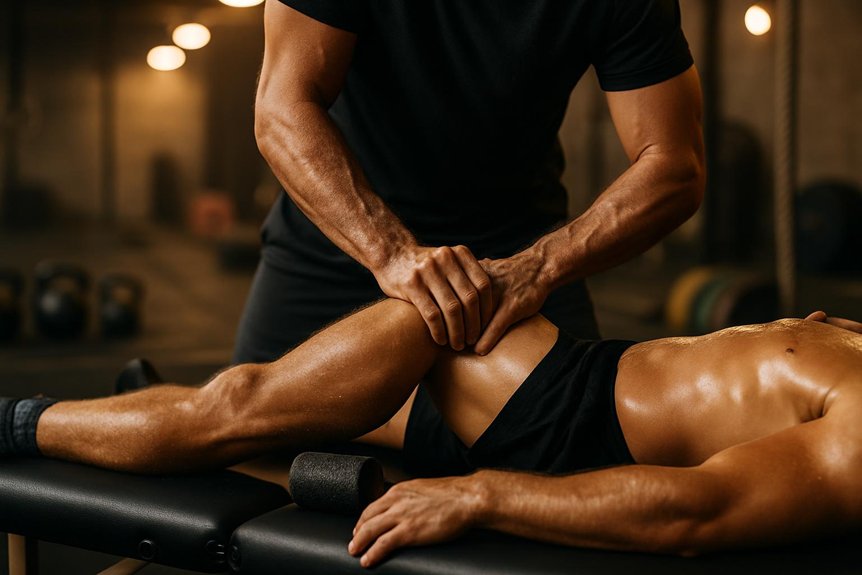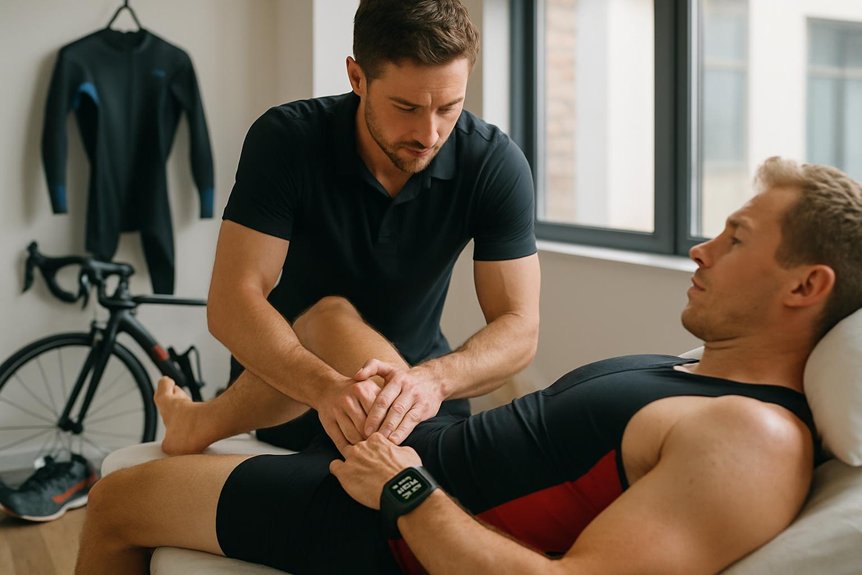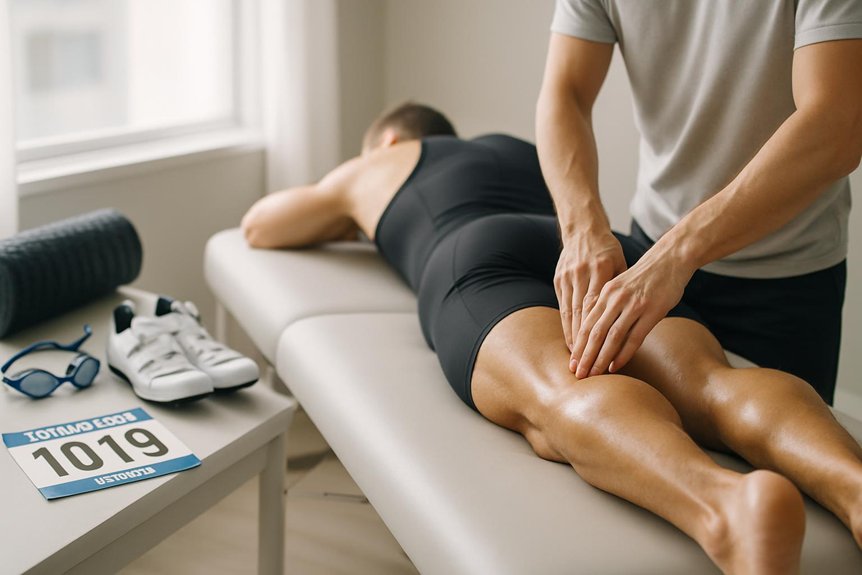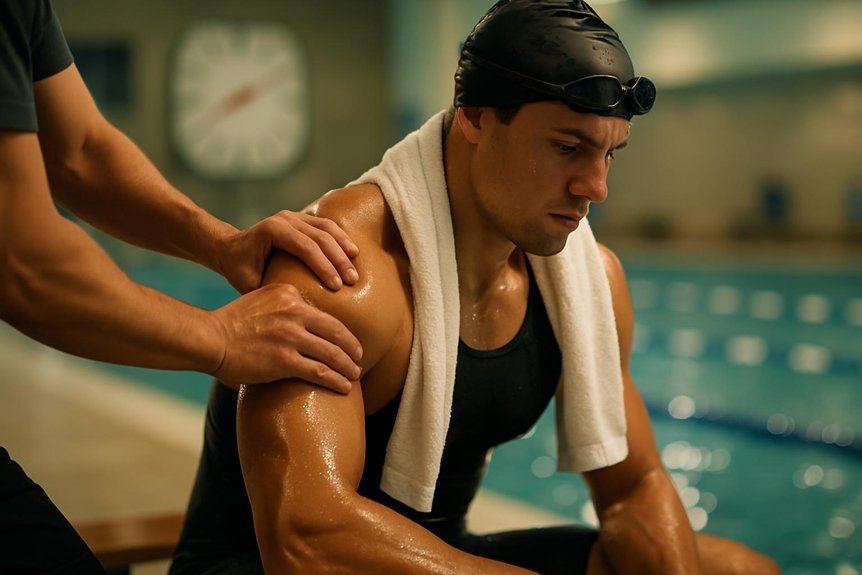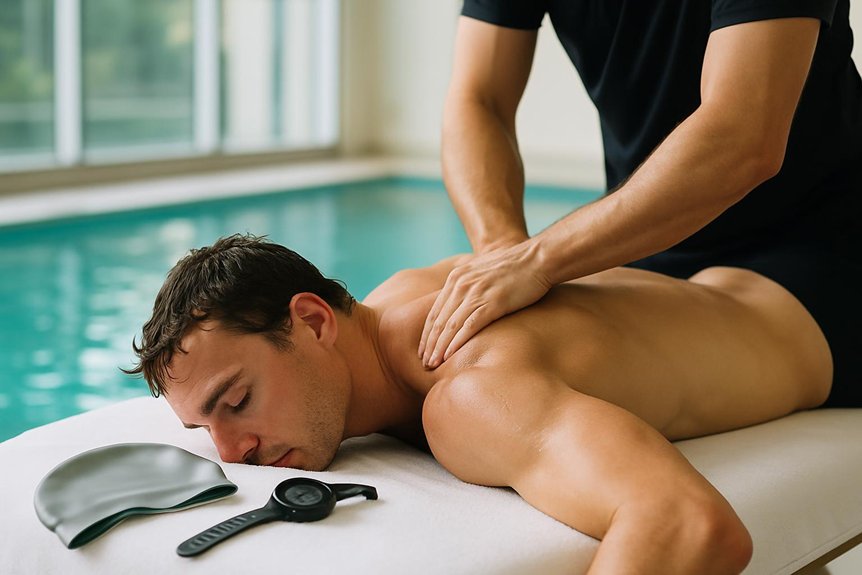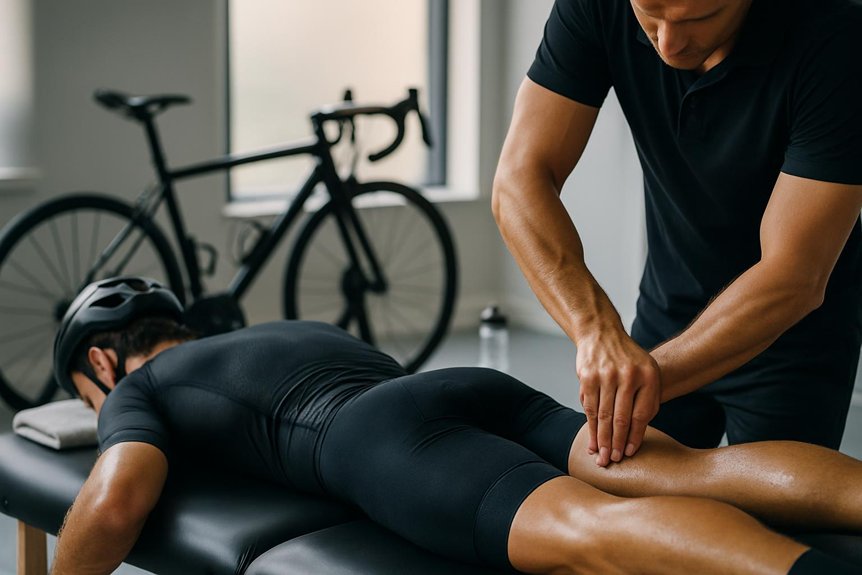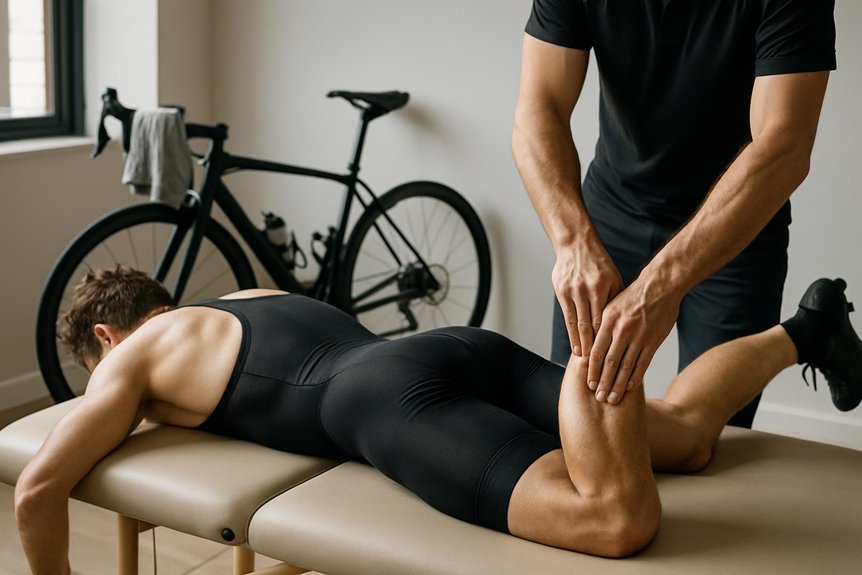
Most runners do best with a gentle, circulation-focused athletic massage within 24–72 hours after a race, once immediate heat and swelling have started to settle. Same-day massage can be appropriate if kept brief (about 20–30 minutes) and light, aimed at calming the nervous system rather than “working out” tightness. Deeper techniques are usually best delayed until tenderness stabilises and bruising fades (often day 3–7 after a marathon). Next are timing tweaks by distance and warning signs.
How Soon After a Race Should You Get an Athletic Massage?
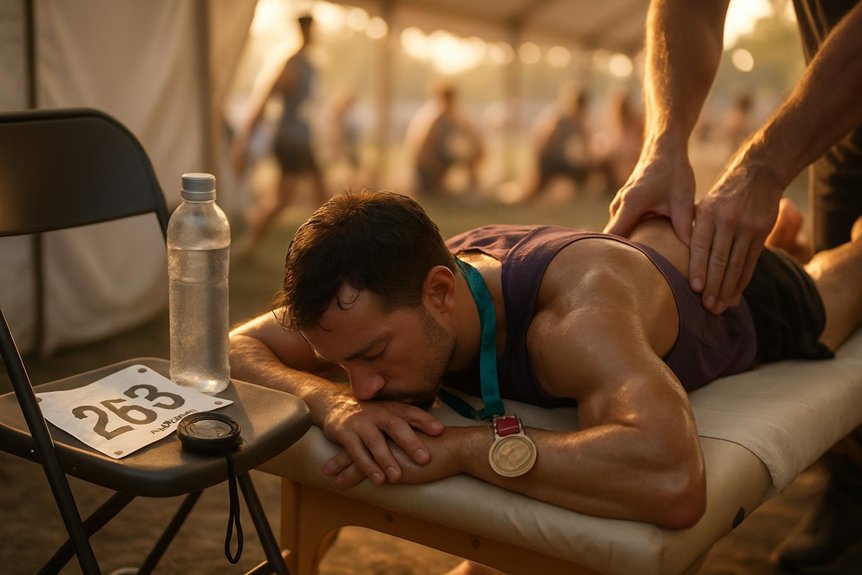
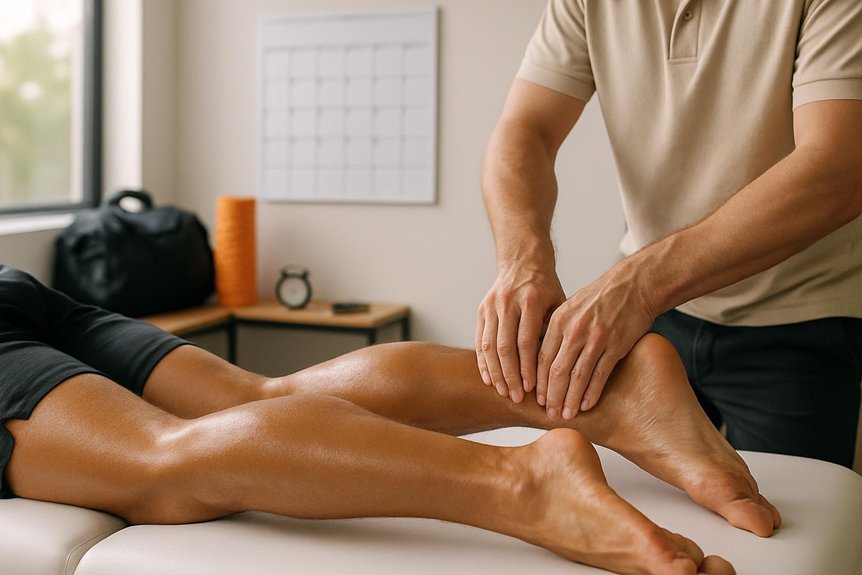
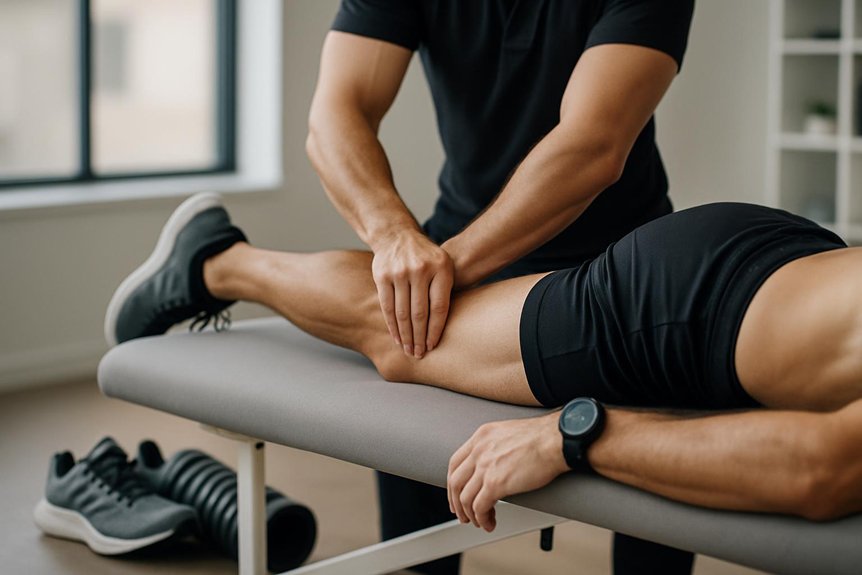
In the first 24–72 hours after a race, an athletic massage is typically most effective when it matches the athlete’s immediate recovery phase rather than forcing deep work too soon. Evidence suggests lighter, circulation-focused work can reduce perceived soreness and support range of motion while tissues are still sensitised from exertion. This approach reflects the wider benefits of sports massage for athletes, particularly in supporting recovery between hard efforts.
At Spa & Massage clinics across London, therapists generally begin with gentle effleurage, lymphatic-style strokes, and careful compressions, then progress only if the muscles soften and tenderness settles. For many runners, booking within two to three days helps calm protective guarding, settle swelling, and restore ease in the hips, calves, and feet. Deeper techniques are usually reserved for later sessions, once acute soreness has eased and the athlete can relax into sustained, comfortable pressure.
Can You Have an Athletic Massage the Same Day as a Race?
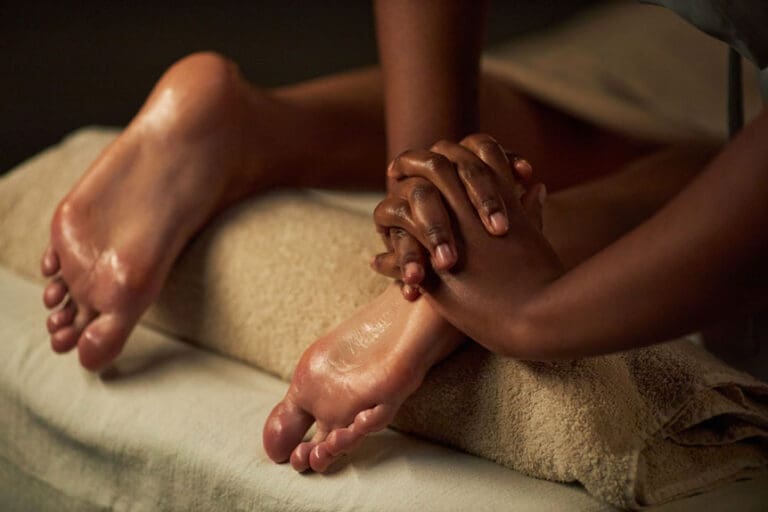
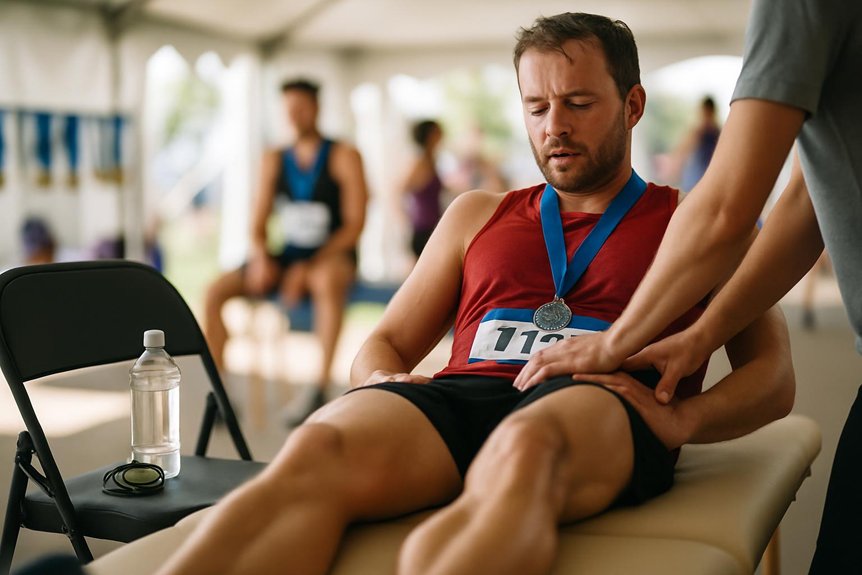
Same-day athletic massage can be appropriate after a race, but it should be brief, gentle, and aimed at downregulating the nervous system and supporting circulation rather than “flushing out” soreness with deep pressure. Evidence suggests light, comfort-focused touch can reduce perceived tension and help athletes shift from effort to recovery without adding extra tissue stress.
At Spa & Massage clinics across London, therapists typically use slow effleurage, mild compressions, and soothing holds, often with a light, skin-friendly oil, keeping work under 20–30 minutes. Pressure stays within a “pleasant, safe” range; sharp pain, aggressive stripping, or heavy stretching is avoided.
This approach suits runners who feel tight, cramp-prone, or emotionally “wired,” and want calm, grounded reassurance. Hydration, warmth, and gentle walking support the effect.
Is 24–72 Hours After a Race the Best Time for Athletic Massage?
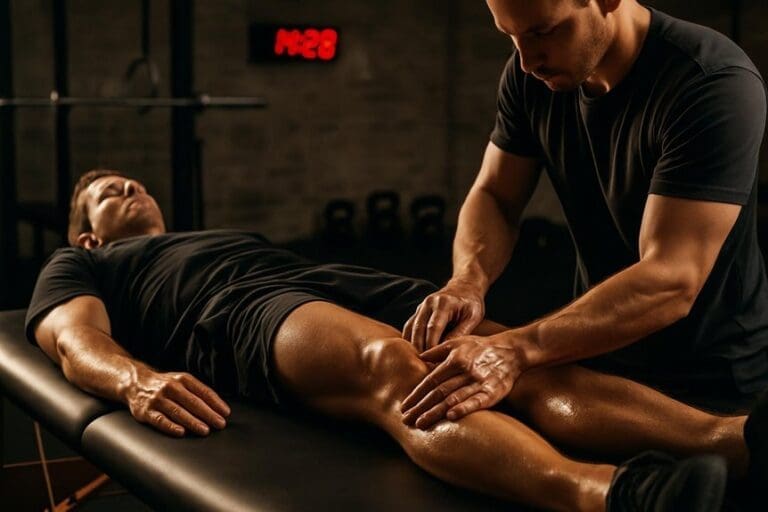
Between 24 and 72 hours after a race, many runners find athletic massage is most useful, because delayed onset muscle soreness (DOMS) tends to peak in this window and tissues are often ready for more targeted—but still controlled—work.
Evidence suggests skilled, moderate-pressure massage can support perceived recovery, ease protective tightness, and restore comfortable range of motion without adding extra stress. At Spa & Massage clinics across London, therapists typically focus on flushing strokes, myofascial release, and specific work through calves, quads, glutes, and hips, adjusting depth minute by minute to match sensitivity.
This timing also suits gentle mobility cues and breath-led downshifting, helping the nervous system settle. Many athletes report better sleep and a looser, more connected stride in subsequent easy runs.
Sore 24–48 Hours Later: Should You Book for DOMS?
Delayed onset muscle soreness (DOMS) commonly peaks around 24–48 hours after a race, when athletes notice stiffness, tenderness, and reduced range of motion.
Evidence suggests that massage during this window can help reduce perceived soreness and improve comfort, provided pressure is kept tolerable and the goal is recovery rather than “breaking up” muscle.
At Spa & Massage clinics across London, therapists typically adjust athletic massage techniques to match DOMS sensitivity, prioritising circulation, mobility, and symptom-guided pressure.
When DOMS Peaks
Booking at this point can suit runners who want reassurance, gentle hands-on assessment, and a personalised recovery plan.
At Spa & Massage, therapists commonly advise treating this window as a check-in: pain levels, swelling, and movement quality guide timing and pressure choices.
If soreness is sharp, localised, or paired with significant weakness, it can indicate strain rather than DOMS and warrants medical advice.
Otherwise, prioritising sleep, hydration, protein, and light movement supports repair while tenderness gradually settles.
Massage During DOMS
For many runners, the 24–48 hours after a race is when stiffness and tenderness make normal movement feel laboured; an athletic massage can still be appropriate during this DOMS window, but it should be approached as recovery support rather than “deep work.”
Evidence suggests gentle, symptom-led work may ease perceived soreness and restore comfortable range without adding extra muscle damage.
At Spa & Massage clinics across London, therapists typically use lighter pressure, slow pacing, and careful communication to stay within “good pain” and avoid guarding.
Many clients benefit from flushing strokes, soft myofascial work, and brief compressions around (not directly on) the most tender fibres. Aftercare focuses on hydration, easy walking, warmth, and sleep, with harder techniques reserved for later.
Marathon vs 10K: When Should You Book an Athletic Massage?
Within the first 24–72 hours after a race, the ideal timing for an athletic massage depends on both distance and the athlete’s symptom profile: marathons typically produce greater muscle damage and systemic fatigue, so a lighter, recovery-focused session is usually most appropriate early on, whereas many 10K runners can tolerate (and benefit from) slightly more targeted work sooner if soreness is localised and range of motion is limited.
At Spa & Massage, marathon clients are usually booked for gentle flush work, breath-led relaxation, and careful joint mobilisation, with deeper techniques delayed until tenderness settles (often day 3–7).
For a 10K, a session at 24–48 hours may include more specific calf, quad, or hip work if walking feels tight.
Both distances benefit from hydration, sleep, and a clear pressure “comfort scale” throughout.
Trail Runs and Ultras: When to Get Athletic Massage (and Why)
Managing post-race recovery after trail runs and ultramarathons requires different massage timing than road events because longer duration, steep climbs/descents, uneven footing, and (often) greater eccentric muscle loading can drive more widespread soreness and joint irritation.
For many athletes, the best window is 24–72 hours after finishing, when touch can ease perceived muscle tenderness, restore range of motion, and support calmer sleep—key for rebuilding.
Immediately post-race, a brief, gentle flush (10–20 minutes) can be useful for circulation and downshifting, but deeper work is typically better saved for the following days.
At Spa & Massage clinics across London, therapists often start with slower, grounding strokes, then progress to targeted sports techniques for calves, quads, glutes, and hips as tissues settle.
When You Should Wait (Swelling, Injury, Fever, Bruising)
It is not always appropriate immediately after a race, particularly when swelling and acute inflammation are still present, as early pressure can aggravate irritated tissues.
If there is suspected injury, fever, or significant bruising, it is safer to wait and seek medical guidance where needed; at Spa & Massage, therapists screen these red flags before treatment and may recommend gentle recovery options instead.
Once symptoms settle, a properly timed athletic massage can then support circulation, comfort, and a progressive return to training.
Swelling And Inflammation
After a race, visible swelling or marked inflammation is a signal to pause before booking an athletic massage, because aggressive pressure can increase local blood flow and potentially worsen acute tissue irritation. In the first 24–72 hours, the priority is to calm tissues and protect range of motion rather than “work through” soreness.
At Spa & Massage, therapists advise athletes to wait until swelling has clearly reduced, the area feels warmer rather than hot, and touch is comfortable. During this window, gentler support can still feel reassuring: light lymphatic-style strokes, elevation, and simple mobility, plus hydration and adequate protein.
If massage is desired, a short, low-pressure session away from the swollen area can ease overall tension while recovery settles. Reassess daily; book deeper work once tenderness softens and swelling stabilises fully.
Injury, Fever, Bruising
In the presence of a suspected injury, a fever, or fresh bruising, the safest choice is to delay athletic massage until symptoms have clearly settled.
Early massage can aggravate bleeding, increase swelling, and intensify pain, especially within the first 24–72 hours after a strain, sprain, or impact.
Fever or systemic illness signals the body is already under inflammatory load; hands-on work may feel comforting but can prolong fatigue and spread infection risk.
At Spa & Massage clinics across London, therapists screen for red flags—sharp focal pain, rapid swelling, heat, loss of function, unexplained bruising, or dizziness—and recommend medical assessment when needed.
Once pain is stable and bruising fades, gentle, non-deep techniques can support circulation and calm guarded muscles.
What to Tell and Ask Your Athletic Massage Therapist Post-Race
Ideally, a post-race massage works best when the therapist has a clear picture of the athlete’s event demands, symptoms, and recovery goals.
At Spa & Massage, therapists invite details on race distance, terrain, pacing, footwear changes, cramps, numbness, swelling, and any sharp or persistent pain.
They also need recent injuries, medications, and how the body felt in the final miles, plus upcoming training dates.
Athletes should ask what pressure and techniques suit the current recovery phase, and whether areas feel like normal post-exertion tightness versus possible strain.
Useful questions include: Which muscles are most protective right now? Are there red flags that require medical assessment? What sensations are expected during treatment, and which should be voiced immediately?
Consent and comfort are prioritised throughout.
Aftercare: How to Make Athletic Massage Recovery Last Longer
To extend the benefits of a post-race athletic massage beyond the treatment room, recovery needs to be supported with practical aftercare in the hours and days that follow.
At Spa & Massage clinics, therapists recommend steady hydration and a balanced meal with carbohydrate and protein within two hours to support glycogen restoration and muscle repair.
Gentle walking and light mobility later the same day can maintain circulation without re‑irritating tissue.
For the first 24–48 hours, athletes are advised to avoid hard training, deep stretching, and excess alcohol, which may amplify soreness and disrupt sleep.
Warm showers may feel soothing; brief cold exposure can be used if swelling dominates.
A quiet evening, earlier bedtime, and mindful breathing help the nervous system settle, prolonging that softened, close‑to‑the‑skin ease.
Conclusion
Is the “sooner is always better” theory true for post‑race athletic massage? Evidence and clinical practice suggest only partly. In the first few hours, light, circulation‑focused work may reduce stiffness without aggravating inflamed tissue; deep pressure too soon can increase soreness and delay recovery. For most runners, 24–72 hours is the sweet spot for targeted treatment, especially as DOMS peaks. The right timing depends on distance, terrain, hydration, and any swelling or injury signs.