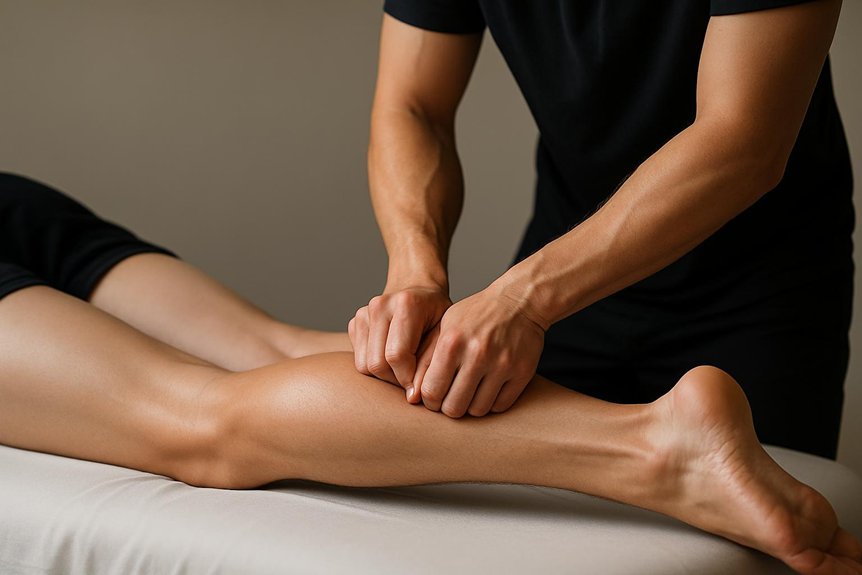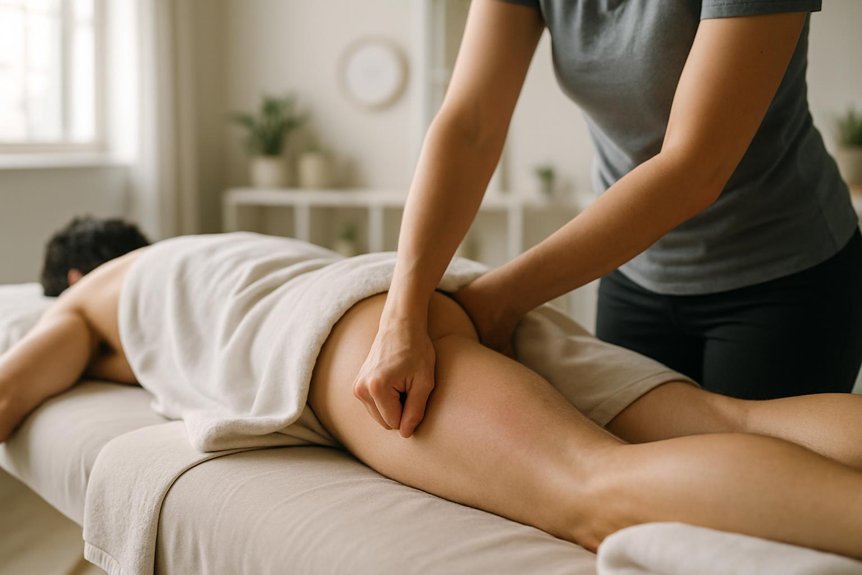

Most lower back pain responds best to a short block of weekly therapeutic massage, typically one 60‑minute session per week for 3–6 weeks, to reduce protective muscle tone and improve mobility. As symptoms settle, frequency is usually tapered to every 2–4 weeks, then monthly or every 3–6 weeks for maintenance. Acute flare-ups may suit shorter, gentler sessions more frequently. If soreness lasts beyond 48–72 hours, sessions should be spaced further apart. Further guidance depends on assessment findings.
How Often Should You Get a Therapeutic Massage?

Often, the appropriate frequency of deep tissue massage depends on the individual’s lower back pain pattern (acute flare-up vs persistent tension), tissue sensitivity, training or work demands, and how quickly symptoms return between sessions; in Spa & Massage clinics across London, therapists typically recommend starting with a short series of treatments (for example, weekly or fortnightly) to settle pain and improve mobility, then tapering to a maintenance schedule (commonly every 3–6 weeks) based on objective changes in discomfort, range of motion, and post-treatment recovery. Deep tissue work can be particularly helpful for addressing chronic muscle tightness by using deep pressure techniques to target deeper layers of muscle and fascia.
Sessions are planned so the body can soften without feeling overwhelmed; mild tenderness for 24–48 hours can be normal. In-clinic, pressure is adjusted to stay within a “comfortably intense” range, supporting nervous-system downshift and safer tissue change. Many clients benefit from 60 minutes for full lumbar and hip work, with shorter top-ups when needed.
What Factors Change Therapeutic Massage Frequency?
When deciding how frequently to schedule therapeutic massage for lower back pain, several clinical and lifestyle variables meaningfully alter the plan. Key drivers include pain intensity, symptom duration, and whether signs suggest acute strain versus persistent myofascial tension. Frequency may be reduced when soreness lingers beyond 24–48 hours, bruising occurs, or sleep and mood worsen after sessions. It may increase temporarily during flare-ups when movement is limited and daily function is affected.
Training load, desk posture, stress reactivity, hydration, and tissue sensitivity also change recovery needs. In Spa & Massage clinics, therapists reassess range of motion, tenderness, and nervous-system calm each visit, then adjust pressure, techniques, and aftercare (heat, gentle stretching, and paced breathing) to support safe, intimate relief.
How Often Is Therapeutic Massage for Back Pain?
For back pain, therapeutic massage is typically scheduled weekly or fortnightly at the outset, then adjusted based on symptom response and functional goals.
Higher pain severity or acute flare-ups may justify a shorter interval between sessions, while stable, mild symptoms often allow less frequent care.
Once pain is controlled, many clients shift to maintenance sessions every 4–6 weeks to support prevention, movement quality, and long-term self-management.
Typical Treatment Frequency
Therapeutic massage for lower back pain is typically scheduled in a short, regular course at first, then spaced out as symptoms stabilise. A common starting plan is 1 session weekly for 3–6 weeks, supporting tissue change and consistent down‑regulation of protective muscle tone.
If progress is steady, appointments often move to every 2–4 weeks, then monthly for maintenance, especially during desk‑heavy periods or training blocks. At Spa & Massage clinics across London, therapists reassess each visit and coordinate pressure, pace, and breath‑guided release so treatment feels safely intense, not overwhelming.
Many clients prefer 60 minutes for lumbar and hip work, allowing slow, precise contact and adequate recovery. Between sessions, gentle walking, hydration, and warm showers support outcomes.
Adjusting For Pain Severity
Often, the appropriate frequency of therapeutic massage for back pain depends on symptom severity and irritability: acute, high‑pain episodes may warrant shorter, more frequent sessions (for example, 30–45 minutes once or twice weekly) focused on gentle, tolerable decompression of the lumbar, gluteal, and hip tissues, while milder or more stable discomfort typically responds well to less frequent 60‑minute treatments every 2–4 weeks.
At Spa & Massage clinics across London, therapists adjust pressure, pace, and positioning to match pain sensitivity, prioritising calm breathing and a sense of safety. When symptoms flare, treatment should stay within a “comfortable discomfort” range; aggressive work can heighten guarding and delay relief.
As pain settles, sessions can become deeper and more specific, targeting trigger points and fascial restrictions. Progress is reviewed each visit to guide timing.
Maintenance And Prevention
As symptoms stabilise and flare-ups become less frequent, treatment goals typically shift from short-term pain modulation to maintaining tissue mobility and reducing recurrence. For many clients, Spa & Massage therapists schedule maintenance deep tissue sessions every 3–6 weeks, adjusting to workload, stress, sleep quality, and symptom signals. If stiffness returns within 10–14 days, a short block of weekly or fortnightly sessions may be indicated, then tapered.
Evidence-informed care also pairs massage with progressive strengthening, hip mobility, and pacing, which lowers relapse risk. In-clinic work focuses on lumbar extensors, gluteals, and thoracolumbar fascia, while respecting tenderness and consent throughout. Aftercare typically includes hydration, gentle walking, heat if soothing, and avoiding heavy lifting for 24 hours after treatment.
What’s a Simple Therapeutic Massage Schedule?
Typically, a simple therapeutic massage schedule for lower back pain starts with one session per week for 2–4 weeks to reduce pain and restore mobility, then shifts to maintenance treatments every 2–4 weeks based on symptoms, activity level, and response to care.
In Spa & Massage clinics across London, therapists reassess at each visit, adjusting pressure, pacing, and target tissues to meet the client’s comfort and goals.
For desk-based clients, fortnightly maintenance often supports sustained ease; for active clients or those lifting regularly, sessions every 2–3 weeks may better protect function.
If symptoms flare, an extra session can be added that week, then tapered.
Home care is coordinated: gentle mobility work, hydration, and heat as appropriate to keep tissues supple and connected.
How Soreness Affects Therapeutic Massage Frequency
Soreness after therapeutic massage can meaningfully alter how frequently sessions should be scheduled for lower back pain.
Mild, short-lived tenderness is common when deeper layers are addressed; it reflects tissue loading and normal inflammatory signalling.
In Spa & Massage clinics, therapists typically advise allowing 48–72 hours for soreness to settle before booking the next deep tissue session, especially after an intensive first treatment.
During this window, gentle movement, hydration, warmth, and light stretching can support comfort and range of motion.
If soreness lingers beyond several days, or if daily activities feel guarded, spacing sessions further apart can help maintain progress without overwhelming recovery capacity.
Many clients prefer alternating deep tissue with lighter techniques to preserve closeness and ease.
How to Tell Deep Tissue Is Too Frequent
Allowing 48–72 hours for post-treatment tenderness to settle helps prevent overloading the tissues, but frequency can still become counterproductive if sessions outpace recovery.
Signs include soreness lasting beyond three days, bruising, sleep disruption, headaches, or a feeling of “rawness” that makes touch unpleasant.
Lower-back stiffness that worsens after sessions, reduced range of motion, or new radiating symptoms (numbness, tingling, sharp pain) suggest the nervous system is sensitised rather than soothed and require clinical review.
Emotional irritability, fatigue, or loss of desire for close contact can also indicate too much intensity or insufficient spacing.
At Spa & Massage, therapists advise pausing, switching to gentler work, prioritising hydration, light movement, and heat if appropriate, then reassessing response.
How We Tailor Therapeutic Massage at Spa & Massage
At Spa & Massage clinics across London, therapists begin with a structured lower back pain assessment, including symptom history, aggravating factors, and functional limitations, to guide safe session frequency and focus.
Pressure and techniques are then personalised to tissue tolerance and clinical goals, with continual client feedback used to reduce post-treatment soreness and support measurable improvement.
The treatment plan is adjusted session by session based on pain response and functional change, ensuring the approach remains evidence-informed and client-centered.
Thorough Back Pain Assessment
Before any deep tissue work begins, Spa & Massage therapists carry out a structured lower back pain assessment to determine the likely pain drivers, screen for red flags, and set safe, measurable treatment goals.
The process includes a focused history (onset, aggravating factors, sleep impact, stress load, and prior imaging or care), and a clear symptom map noting referral patterns, numbness, or weakness.
Movement screening observes gait, hip and lumbar range, and tolerance to bending, lifting, and rotation, alongside brief functional tests relevant to daily life and work.
Palpation checks tissue tone, tenderness, and protective guarding, with consent and ongoing check-ins to support comfort and privacy.
Findings guide frequency planning and suggest timely medical referral when indicated.
Personalised Pressure And Technique
Often, effective deep tissue work for lower back pain depends less on “more pressure” and more on selecting the right depth, angle, and pacing for the individual. At Spa & Massage, therapists calibrate pressure to tissue resistance and the client’s breathing, aiming for a strong-but-safe sensation that allows the nervous system to settle rather than brace.
Techniques are chosen to match the presentation: slow stripping and sustained compressions for guarded lumbar muscles, cross-fibre friction for dense bands, and myofascial release when superficial restriction amplifies deep discomfort. Work is often directed beyond the pain site—hips, glutes, and thoracolumbar fascia—to reduce load on the lumbar spine. Clear consent and check-ins support comfort, privacy, and trust throughout each session.
Ongoing Treatment Plan Adjustments
Regularly, treatment plans for lower back pain are adjusted based on the client’s response across sessions, using measurable changes in pain intensity, range of motion, tissue reactivity, and post-treatment soreness to guide progression. At Spa & Massage clinics across London, therapists document these markers and adapt frequency, depth, and pacing to match healing capacity and daily demands.
When tissues remain guarded or soreness lasts beyond 48 hours, pressure is moderated, intervals are widened, and calming techniques with warm, skin-nourishing oils are prioritised. As tolerance improves, deeper fascial work, targeted trigger-point release, and glute–hip integration are introduced to reduce load on the lumbar area.
Home advice is refined each visit, supporting confident, comfortable movement between sessions and safer long-term outcomes.
Conclusion
Therapeutic massage frequency for lower back pain should be individualized, balancing symptom relief with tissue recovery. Early care is often weekly or biweekly, then spaced to every 3–6 weeks as pain and function improve, with adjustments for activity level, stress, and post-session soreness. Excessive scheduling may increase tenderness, fatigue, or flare-ups, signaling a need to reduce intensity or interval. When appropriately timed, results can feel almost life-changing, supporting mobility and longer-term self-management.