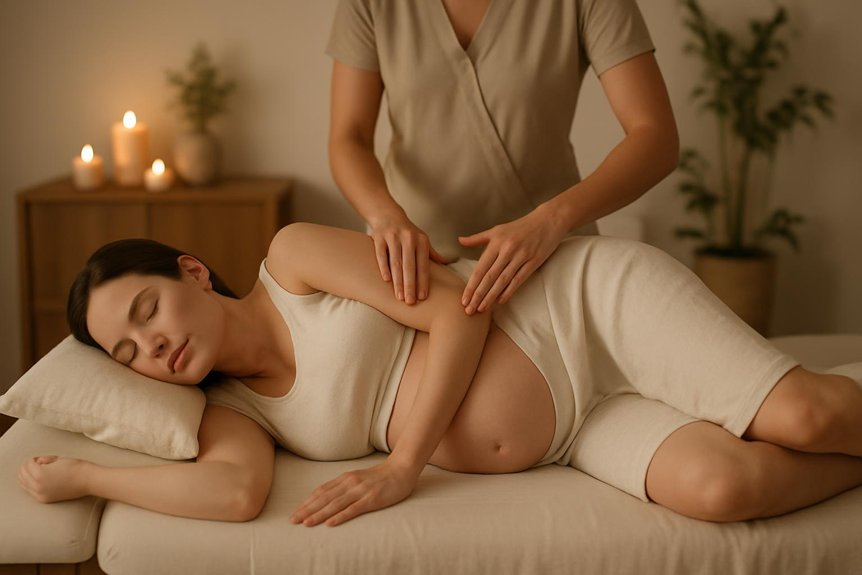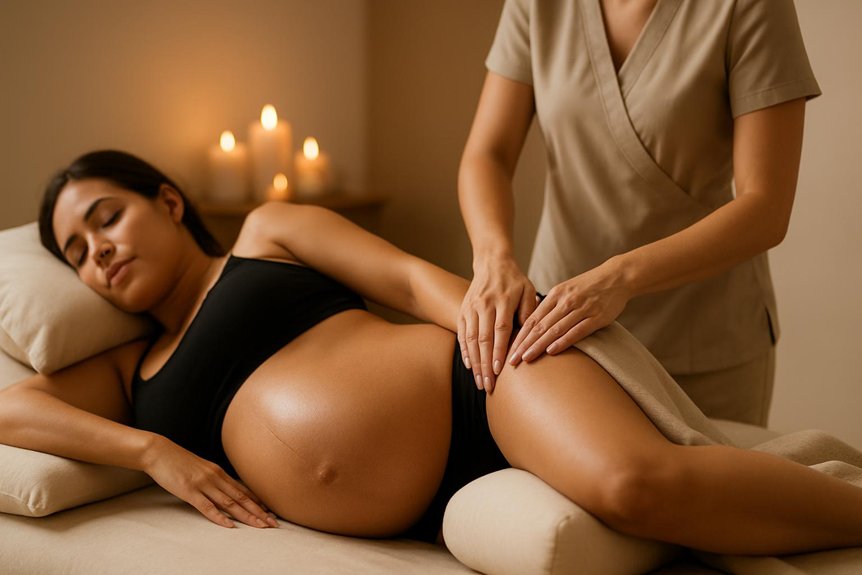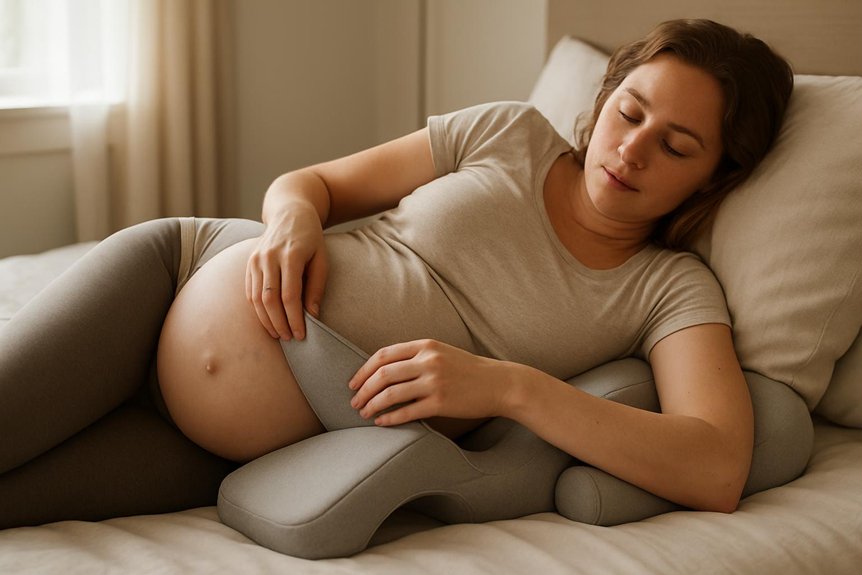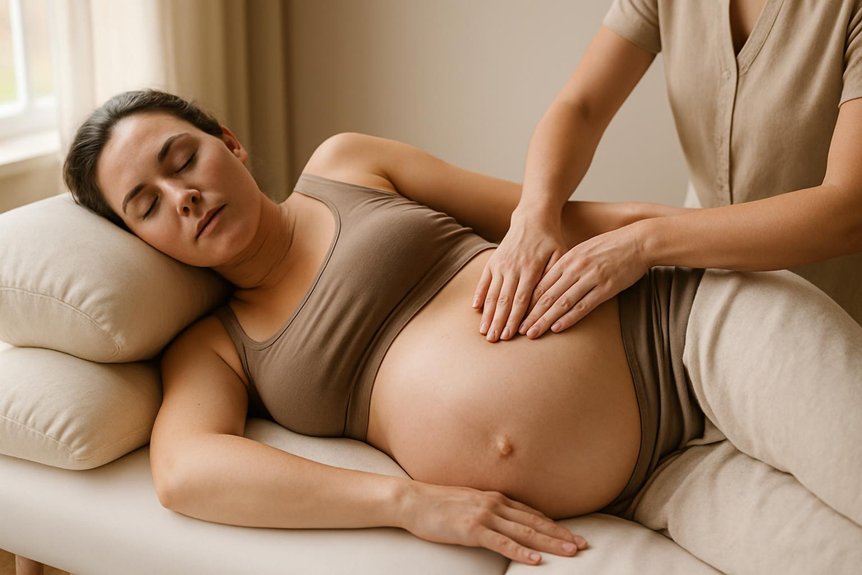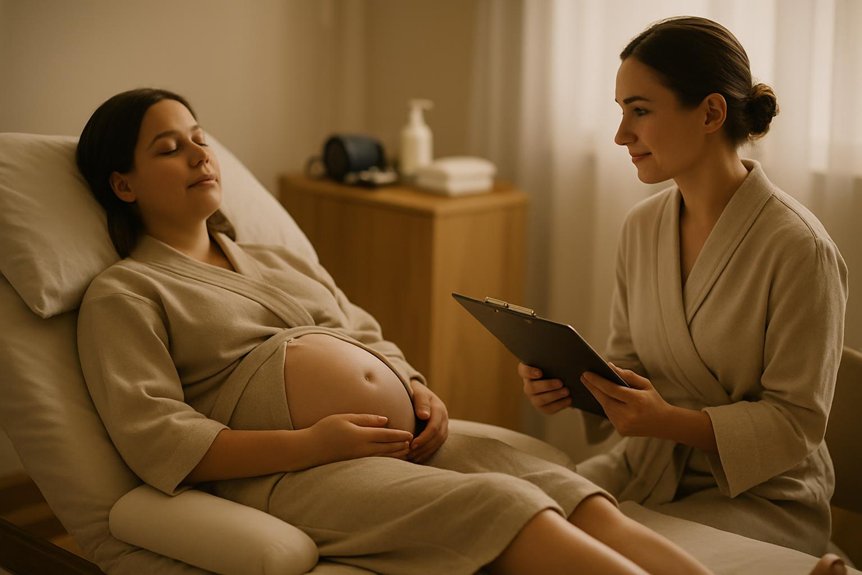
Before a prenatal massage, clients should share how many weeks pregnant they are, typical sleep position, and any comfort needs for side‑lying support or avoiding prolonged supine lying. They should disclose current symptoms and red flags such as bleeding, fluid leakage, reduced fetal movements, severe headache, visual changes, chest pain, fainting, fever, or sudden swelling, and postpone massage if present. They should also report obstetric history, medical conditions, medications, clinician advice, pain areas, pressure preferences, and allergies or scent sensitivity. Further guidance clarifies safe positioning and technique adjustments.
What Should You Tell Us Before a Prenatal Massage?
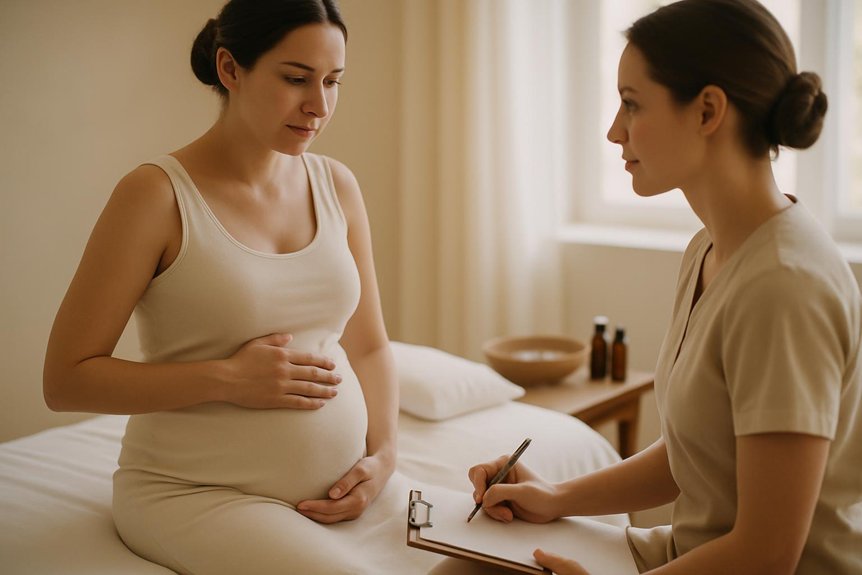
Before a prenatal massage begins at Spa & Massage, the therapist should be informed of the client’s stage of pregnancy (including any previous pregnancy complications), any medical conditions or current symptoms (such as high blood pressure, gestational diabetes, swelling, headaches, or pelvic pain), and any guidance or restrictions from a midwife or GP.
They should also share medication use, allergies, skin sensitivities, and any history of clotting issues or fainting.
Clear consent about touch boundaries, modesty preferences, and areas to avoid helps maintain safety and comfort, especially around the abdomen, inner thighs, and breasts.
The client should describe usual sleep position, breathlessness, and what feels supportive versus overstimulating.
Prenatal massage may offer pregnancy massage benefits for expecting mothers when tailored to their needs and stage of pregnancy.
At Spa & Massage, therapists use pregnancy-appropriate positioning, lighter pressure where indicated, and fragrance-free options when requested.
How Many Weeks Pregnant Are You (and Any Risks)?
At the start of a prenatal massage appointment at Spa & Massage, the therapist will ask how many weeks pregnant the client is, because gestational age directly informs safe positioning, pressure, and which techniques are appropriate.
In early pregnancy, sessions tend to be gentler, with careful attention to comfort, scent sensitivity, and nausea.
From mid‑pregnancy onward, side‑lying support and bolsters help protect circulation and ease strain on the lower back and pelvis.
In later weeks, treatment may prioritise swollen ankles, calf tension, and breath ease, while avoiding prolonged time flat on the back.
The therapist should also be told about any current medical “risk” status, such as being advised to limit activity, being on bed rest, or needing clearance.
This guides consent and timing.
Any Complications in This or Past Pregnancies?
Before a prenatal massage, the therapist should be told about any current pregnancy risk factors (such as bleeding, high blood pressure, gestational diabetes, or placenta concerns) and any complications in previous pregnancies, as these details guide safe positioning, pressure, and session length.
At Spa & Massage, therapists use this information to tailor prenatal massage conservatively and to recognise when treatment should be modified or postponed.
Any medical advice or restrictions from a midwife or obstetric team should be shared in advance so the session aligns with clinical guidance.
Current Pregnancy Risk Factors
Recognising pregnancy risk factors early, a therapist should be informed of any complications in the current pregnancy or in previous pregnancies, as these details directly determine whether prenatal massage is appropriate and how it should be adapted.
In this pregnancy, relevant factors include high blood pressure or pre-eclampsia symptoms, gestational diabetes, placenta previa or bleeding, threatened preterm labour, cervical insufficiency, severe swelling, clotting history, or new shortness of breath or chest pain.
Multiple pregnancy, IVF, or a baby measuring small may also influence positioning, pressure, and session length.
At Spa & Massage, therapists will ask for gestational age, medical guidance, and any current restrictions, and may postpone treatment or request GP/midwife clearance.
Clear, calm disclosure supports safer, more comfortable touch throughout.
Previous Pregnancy Complications
Past obstetric history can be as informative as current risk factors, because patterns often recur and may change how prenatal massage is timed, positioned, and pressured. Clients should share prior experiences such as preterm labour, pre-eclampsia, gestational diabetes, placental issues, bleeding, recurrent miscarriage, assisted conception, or caesarean delivery, as well as significant perineal trauma or pelvic pain.
For the current pregnancy, any episodes of spotting, severe nausea with dehydration, reduced fetal movement concerns, or hospital admissions should be mentioned factually.
At Spa & Massage, therapists use this history to provide calmer, more protective care: side-lying support, gentle circulatory strokes, and careful work around scar tissue when appropriate, always checking comfort and consent throughout. This transparency helps preserve closeness while staying safe.
Medical Advice And Restrictions
Many pregnant clients arrive with specific guidance from a midwife, GP, or obstetric consultant, and those instructions should be shared in full—especially any contraindications, activity limits, or “massage only with medical clearance” notes.
At Spa & Massage, therapists adapt positioning, pressure, and session length to match medical advice, prioritising comfort and safety.
Clients should disclose hypertension, pre-eclampsia risk, placenta praevia, gestational diabetes, bleeding, clotting disorders, severe swelling, infection, fever, or any history of preterm labour or cervical issues, as these can change suitability or require postponement.
Medication changes, anticoagulants, and recent scans or hospital visits should also be mentioned.
When clearance is requested, written confirmation supports a calm, intimate experience with appropriate, evidence-based care throughout.
What Has Your Midwife or Doctor Advised?
Before a prenatal massage, clients should report any guidance from their midwife or doctor, including restrictions related to blood pressure, bleeding risk, placenta location, thrombosis history, or activity limits.
They should also note current symptoms or concerns—such as headache, dizziness, swelling, abdominal pain, reduced fetal movement, or signs of infection—so the session can be modified or postponed if indicated.
At Spa & Massage, therapists use this information to select safe positioning and appropriate pressure, aligning treatment with medical advice and current clinical presentation.
Medical Guidance And Restrictions
In line with antenatal care, any guidance from a midwife or doctor should be treated as the starting point for a prenatal massage plan. The therapist should be told what has been approved, limited, or postponed, and whether written clearance has been given for massage. Any instructions on positioning, activity limits, or monitoring requirements should be shared before treatment begins.
At Spa & Massage clinics across London, therapists adapt pressure, pacing, and bolstering to align with medical advice and accepted prenatal standards. If there are restrictions on lying supine, massage can be provided in side-lying with supportive cushions to maintain comfort and circulation. Where medication or anticoagulant use is noted by the clinician, the therapist should be informed so appropriate pressure and techniques are selected. Any scheduled procedures or scans should be disclosed to coordinate timing safely.
Current Symptoms And Concerns
Even mild, day-to-day pregnancy symptoms can change what is appropriate in a prenatal massage session, so current concerns should be described clearly and linked to any advice already given by a midwife or doctor. Symptoms such as pelvic girdle pain, sciatica, swelling, headaches, reflux, shortness of breath, or Braxton Hicks guide positioning, pressure, and pacing. Any fever, new bleeding, reduced fetal movements, suspected pre-eclampsia signs, or severe abdominal pain should be disclosed and may mean postponing.
At Spa & Massage, therapists ask what the clinician has advised: hydration targets, activity limits, compression-sock use, monitoring blood pressure, or avoiding heat. That guidance helps tailor a calm, close, supportive treatment with safe bolstering, gentle techniques, and client-led communication throughout.
Any Medical Conditions or Medications We Should Know?
Knowing a client’s medical history and current medications allows a prenatal massage to be planned safely and appropriately. Therapists at Spa & Massage ask about pregnancy complications (e.g., pre-eclampsia, gestational diabetes), hypertension, clotting disorders, varicose veins, thyroid disease, asthma, epilepsy, and any history of miscarriage or preterm labour.
Recent surgeries, infections, skin conditions, or pelvic pain should also be disclosed, as should IVF or high‑risk obstetric care.
Medication details matter: anticoagulants, antihypertensives, insulin, corticosteroids, thyroid replacement, antidepressants, and prescription pain relief can affect bruising risk, blood pressure responses, and tissue sensitivity. Clients should share supplements and topical products, including essential oils.
In Spa & Massage clinics, therapists select positioning, pressure, and unscented or pregnancy‑appropriate oils accordingly.
Which Symptoms Should We Avoid Aggravating Today?
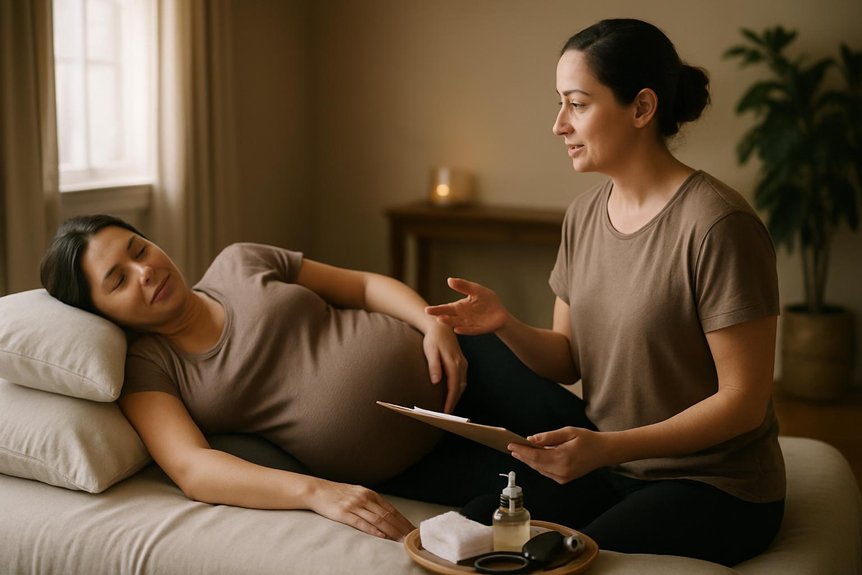
Alongside medical history and current medications, a clear picture of today’s symptoms helps prenatal massage be adapted to what the body can comfortably tolerate. At Spa & Massage clinics across London, therapists ask about nausea, dizziness, shortness of breath, headache, fever, unusual swelling, skin sensitivity, itching, or new rashes, as these can affect positioning, pacing, and product choice.
Any vaginal bleeding, fluid leakage, reduced fetal movements, chest pain, fainting, or sudden severe abdominal pain warrants urgent medical assessment and massage should be deferred. Symptoms of infection, such as sore throat or gastrointestinal upset, also call for postponement.
If there are signs of high blood pressure or preeclampsia—persistent headache, visual changes, rapid swelling—massage is avoided until cleared. Clear, private communication supports safety and comfort.
Where Are You Sore: and What Relief Do You Want?
During a prenatal massage intake, precise detail about where soreness is felt—and what kind of relief is being sought—allows the treatment to be targeted without overloading sensitive tissues.
At Spa & Massage clinics across London, clients are asked to map discomfort: low back, hips, glutes, sacrum, ribcage, neck/shoulders, wrists, calves, or feet, and to note whether it feels achy, tight, cramping, burning, or nerve-like.
Timing matters: constant, end-of-day, or triggered by walking, sitting, or sleep position.
Clear goals should be stated—easing muscle guarding, improving ease of movement, reducing heaviness or swelling, supporting sleep, or calming stress.
This guides positioning, bolstering, and safe focus areas while maintaining a private, nurturing sense of care.
What Pressure Feels Best in Prenatal Massage?
Often, the most effective prenatal massage pressure is described as “comfortably firm” rather than deep: enough to soften tension without provoking guarding, tenderness, or dizziness. At Spa & Massage, therapists invite clients to describe pressure using simple cues—“more,” “less,” or “stay there”—and to report any sharpness, breath-holding, nausea, or light‑headedness immediately.
Evidence-informed practice favours moderate pressure and slower pacing, which supports relaxation responses and reduces the likelihood of post-treatment soreness. Sensitivity can change week to week, so a pressure that felt ideal previously may feel too intense later.
Areas commonly preferring lighter work include the lower back, hips, inner thighs, and ankles. Consistent, connected touch helps clients feel held, safe, and emotionally settled while still achieving relief.
Any Allergies or Sensitivities to Oils or Scents?
Pressure preferences are only one part of keeping prenatal massage comfortable; product tolerance matters too. Clients should tell the therapist about any known allergies (e.g., nuts, latex) and skin conditions such as eczema, dermatitis, or fragrance sensitivity.
Pregnancy can heighten smell and skin reactivity, so even previously tolerated aromatherapy blends may feel overwhelming or trigger headaches or nausea. At Spa & Massage clinics, therapists can use unscented, hypoallergenic oils, reduce or omit essential oils, and avoid potential irritants while maintaining smooth, intimate contact and steady glide.
If there has been prior swelling, hives, wheeze, or contact reactions to creams, that history should be shared before treatment. Patch-testing on a small area can be requested when uncertain.
Conclusion
Clear disclosure before a prenatal massage supports both safety and meaningful symptom relief. Gestational age, prior or current complications, clinician guidance, medical conditions, medications, allergies, and scent sensitivities help the therapist select appropriate positioning, pressure, and techniques. Reporting pain patterns, swelling, fatigue, and desired outcomes allows targeted, conservative care that avoids aggravation. As the adage goes, “an ounce of prevention is worth a pound of cure,” and careful screening improves comfort while respecting maternal and fetal well-being.