Clary sage essential oil can be safe for aromatic massage when it is properly diluted in a carrier oil and used on intact skin, not applied neat, and kept away from the face and mucous membranes. A 1–2% dilution is typical, with 0.5–1% preferred for sensitive skin or longer sessions, and a 24–48 hour patch test helps screen for irritation. It is generally avoided in pregnancy, breastfeeding, hormone-sensitive conditions, and with sedatives, alcohol, or low blood pressure. Further details cover safer use and expected effects.
Is Clary Sage Oil Safe for Massage?
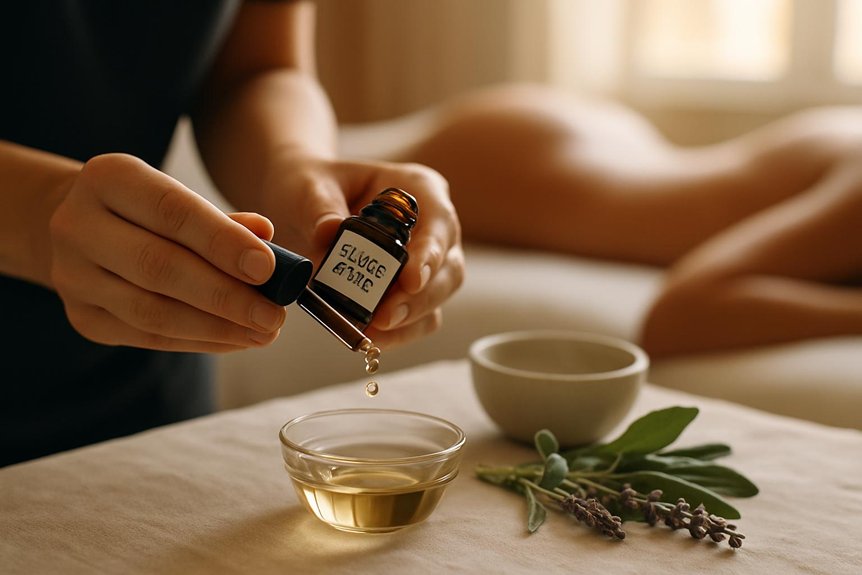
Generally, clary sage essential oil is safe for massage when it is properly diluted in a carrier oil, patch-tested, and applied by a trained therapist who screens for contraindications.
In clinical aromatherapy practice, low dilutions (typically 1–2%) support skin tolerability while still allowing a soft, enveloping aroma that can encourage relaxation and sensual calm. Therapists monitor for irritation, headache, or nausea, and stop use if sensitivity appears.
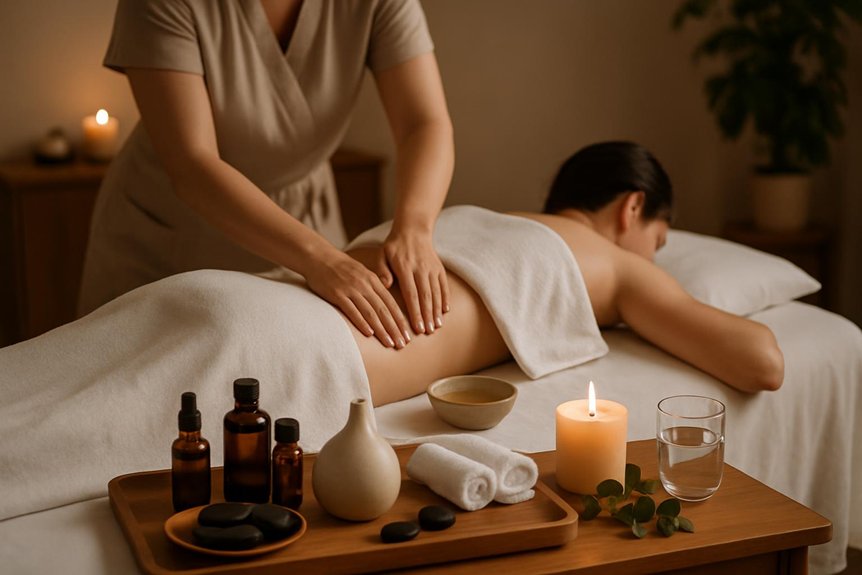
At Spa & Massage clinics across London, therapists blend oils fresh, avoid application to broken or freshly shaved skin, and keep the product away from eyes and mucosa.
Sessions emphasise slow, grounding strokes and informed consent, so the scent and touch remain comfortable, intimate, and within professional boundaries.
These thoughtful choices help clients relax and recover through aromatherapy massage techniques that prioritise comfort and safety.
Who Should Avoid Clary Sage Oil?
As with many essential oils that can influence mood and the nervous system, clary sage is best avoided by people who are pregnant or trying to conceive, those with hormone‑sensitive conditions, and anyone with a known allergy to *Salvia sclarea* or related botanicals.
It may also be unsuitable for clients who experience dizziness, very low blood pressure, or strong sedative responses to aromatics, as clary sage can feel deeply relaxing and “floaty” during close-contact massage.
Those taking CNS depressants, alcohol, or sedating antihistamines should avoid combining them with clary sage.
People with asthma, fragrance sensitivity, migraines, or a history of contact dermatitis should choose a fragrance‑free carrier instead.
At Spa & Massage, therapists screen these factors, patch‑test when needed, and offer gentler alternatives.
Is Clary Sage Oil Safe in Pregnancy or Breastfeeding?
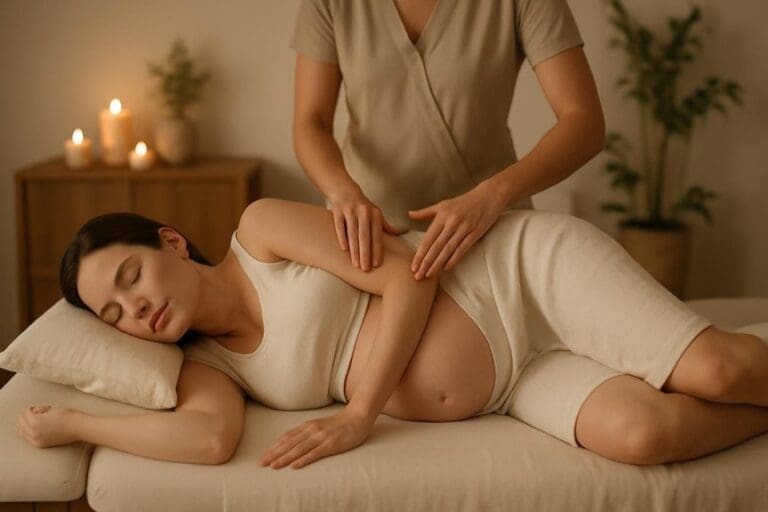
During pregnancy or breastfeeding, how safe is clary sage essential oil in aromatic massage? Evidence and clinical guidance are cautious: clary sage is traditionally considered uterotonic, so Spa & Massage therapists generally avoid it in pregnancy, particularly in the first and second trimesters, and only consider it late term under midwife or obstetric guidance.
For breastfeeding, topical aromatherapy use is usually approached conservatively because robust safety data and infant exposure thresholds are limited.
In Spa & Massage clinics, pregnancy massage typically uses unscented or pregnancy‑appropriate blends at low dilution, avoiding application to the chest and allowing the client to choose minimal scent.
Anyone pregnant, trying to conceive, or nursing should consult their maternity care team before booking aromatherapy.
What Are the Side Effects and Interactions?
Reported side effects of clary sage essential oil in aromatic massage include skin irritation or sensitisation, headache, nausea, and dizziness, with risk reduced by appropriate dilution and patch testing as practised at Spa & Massage clinics.
Potential interactions should be considered for clients using CNS depressants (including alcohol, sedatives, and some anxiolytics), antihypertensives, or hormone-related therapies, and for those with conditions such as low blood pressure, epilepsy, or hormone-sensitive disorders.
For safety, Spa & Massage therapists screen for medications and health history before treatment and advise medical review when interaction risk or prior adverse reactions are suspected.
Possible Side Effects
Most people tolerate clary sage oil well when it is properly diluted for massage, but adverse effects and interactions can occur and should be anticipated in a safety-led aromatherapy practice.
The most common concern is skin irritation or allergic contact dermatitis, presenting as redness, itching, burning, or a rash; a patch test and conservative dilution help reduce risk.
Headache, nausea, or light-headedness may occur from strong aroma exposure, especially in warm rooms.
Some clients report unusual sleepiness, so post-treatment travel plans should be considered.
Eye and mucous-membrane exposure can sting and should be avoided.
In Spa & Massage clinics, therapists discontinue use immediately if discomfort appears, cleanse the area with carrier oil, and switch to an unscented blend to maintain comfort and trust.
Medication And Condition Interactions
Beyond local skin or scent-related reactions, clary sage oil also warrants screening for medication use and underlying health conditions because its constituents can influence the nervous system and hormone-sensitive pathways in ways that may amplify existing risks.
Caution is advised with sedatives, anxiolytics, sleep aids, opioids, and alcohol, as aromatic massage may compound drowsiness and impair coordination.
Clients using antidepressants or mood stabilisers should be assessed for sensitivity to central‑nervous‑system effects.
Because clary sage is traditionally associated with menstrual support, extra care is prudent in pregnancy, breastfeeding, endometriosis, fibroids, or oestrogen‑sensitive cancers unless a clinician approves.
Those with low blood pressure or taking antihypertensives may feel light‑headed post‑treatment.
At Spa & Massage, therapists confidentially check medications, dilute conservatively, and adapt pressure and duration.
How Do You Dilute Clary Sage Oil for Massage?
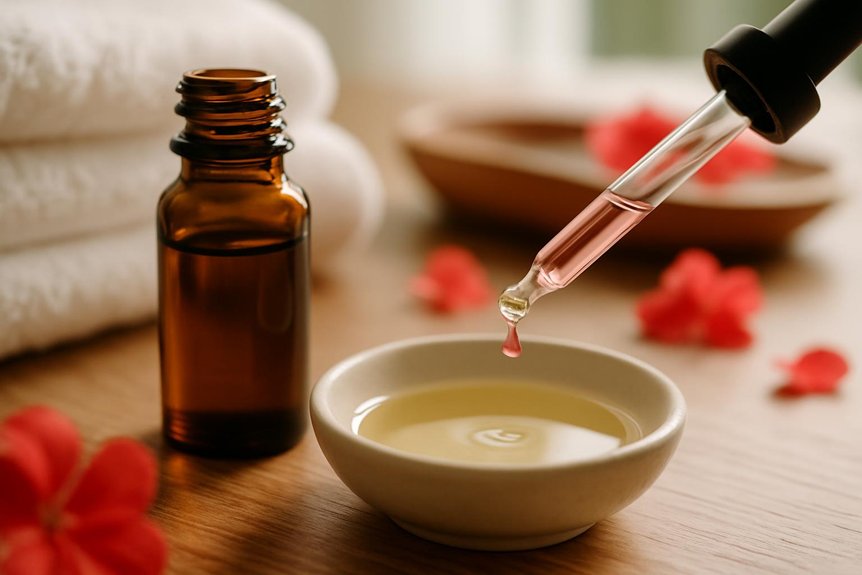
For safe use in aromatic massage, clary sage essential oil should be diluted into a suitable carrier oil rather than applied neat to the skin.
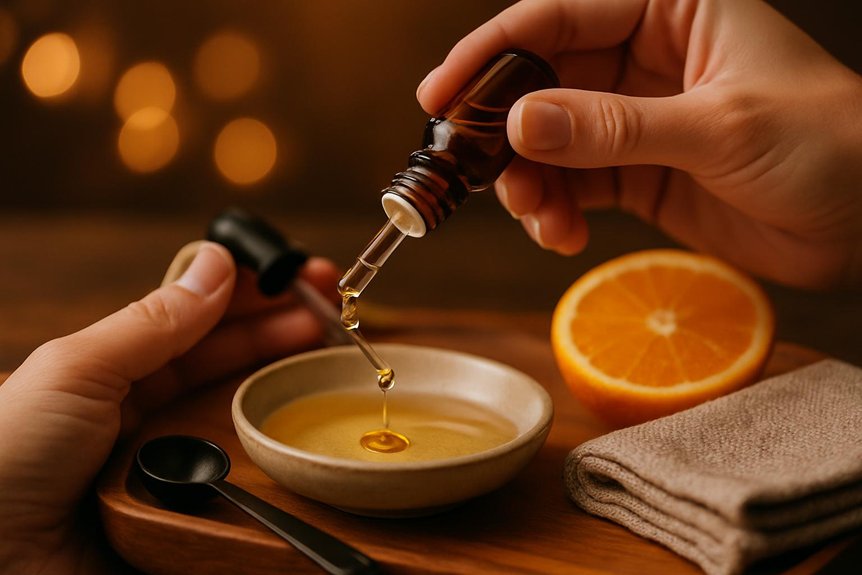
Evidence-based practice typically keeps full-body massage at 1–2% dilution for healthy adults, supporting comfort while reducing irritation risk. That equals 1–2 drops per 5 ml (one teaspoon) of carrier oil, or 6–12 drops per 30 ml.
For more sensitive skin or longer, close-contact sessions, many therapists choose 0.5–1% (about 1–2 drops per 10 ml).
In Spa & Massage clinics, therapists blend into neutral, skin-compatible oils and mix thoroughly before application to safeguard even dispersion.
The blend should be kept away from eyes and mucous membranes.
Use fresh, measured drops.
How Do You Patch Test Clary Sage Oil Safely?
A patch test should only be performed after clary sage essential oil has been diluted in an appropriate carrier oil to a massage-safe concentration, as undiluted application increases the risk of irritation and sensitisation.
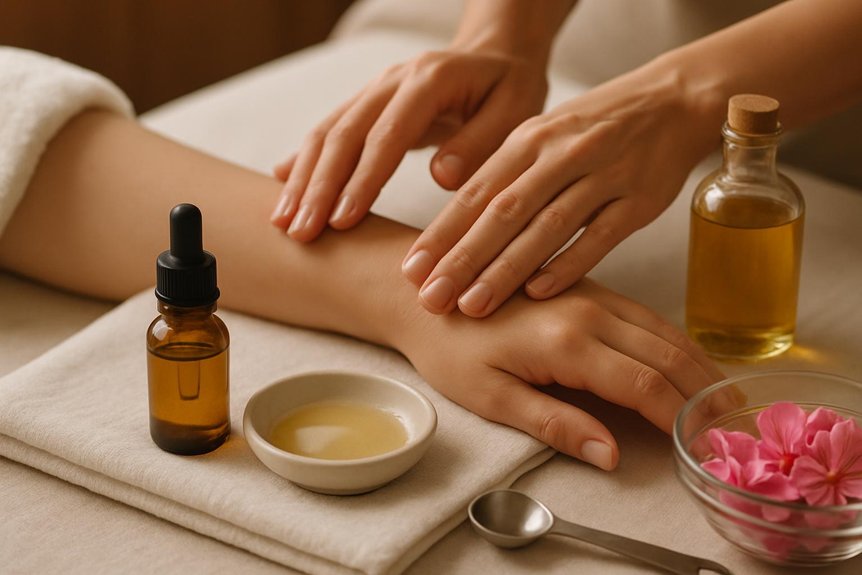
In Spa & Massage clinics, therapists advise applying a small amount of the diluted blend to clean skin on the inner forearm, covering it, and checking for redness, itching, swelling, or burning over 24–48 hours.
Any reaction warrants immediate washing with soap and water, discontinuation of the oil, and avoidance of aromatic massage with that blend until a clinician-approved alternative is selected.
Dilution And Carrier Oils
In aromatic massage, clary sage essential oil should be patch tested only after proper dilution in a carrier oil to reduce the risk of irritation or sensitisation.
At Spa & Massage clinics, therapists typically keep leave-on dilutions conservative, often 0.5–1% for initial skin contact (about 1–2 drops per 10 ml carrier), increasing only if tolerated and clinically appropriate.
Suitable carriers include fractionated coconut, jojoba, grapeseed, or sweet almond oil; selection should reflect skin type, nut allergy risk, and desired slip for close, unhurried bodywork.
A fragrance-free, fresh carrier reduces confounding reactions from oxidised oils.
Dilution should be mixed thoroughly in a clean container, then applied as a single, measured blend to support comfort and trust.
Patch Test Steps Safely
Patch testing clary sage oil safely starts with preparing a correctly diluted blend (typically 0.5–1% in a fresh, fragrance-free carrier) and selecting an intact, low-friction test site such as the inner forearm or behind the ear.
A pea-sized amount is applied, allowed to dry, then covered with a breathable dressing to prevent rubbing and transfer to sensitive areas.
The site is kept dry and observed at 30 minutes, then again at 24 and 48 hours for redness, itching, burning, swelling, or blistering.
Any reaction means washing with mild soap and cool water and avoiding further use.
In Spa & Massage clinics, therapists recommend postponing aromatic massage if the skin is compromised, newly shaved, or sunburned.
When uncertain, consultation supports safer, more intimate treatment planning.
What Are the Benefits of Clary Sage Massage?
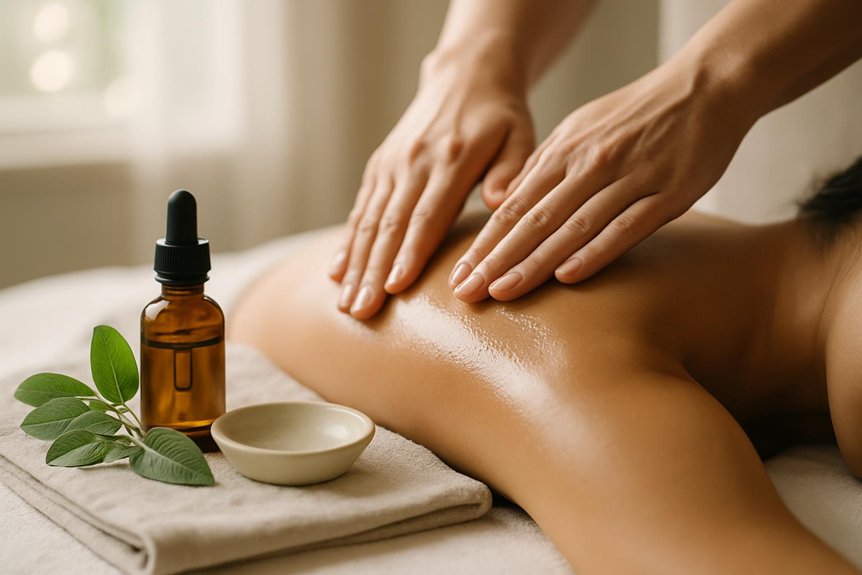
For many clients, clary sage massage is primarily valued for its calming, mood-supportive effect and its potential to ease stress-related muscle tension when used at appropriate dilution in a carrier oil. In Spa & Massage clinics, therapists apply slow, grounding strokes that encourage down-regulation, helping the body soften guarded areas in the neck, shoulders, and lower back without forcing tissue.
When clients feel emotionally “held,” breathing often becomes deeper and more regular, which can support parasympathetic recovery and improve overall session comfort. Some clients also report relief around cyclical discomfort and pelvic or abdominal tightness; therapists treat this gently, within scope, and only with informed consent. Benefits are most consistent when sessions are personalised, skin tolerance is confirmed, and the blend is kept low-strength to minimise irritation and sensitisation risks.
Clary Sage Aromatherapy Effects During Massage
Clary sage’s calming reputation in massage is largely linked to its aromatherapy effects—what the client inhales during treatment as much as what is applied to the skin.
Inhaled volatile compounds can influence mood and perceived stress via olfactory pathways, supporting slower breathing and a sense of ease during close, attentive touch.
Evidence is strongest for subjective outcomes (relaxation, reduced tension) rather than hard clinical endpoints, so expectations should remain realistic.
Safety matters: aroma exposure may feel sedating for some, so clients should mention drowsiness, headaches, asthma, or scent sensitivity.
Because clary sage is often associated with hormonal effects, Spa & Massage advises extra caution for pregnancy, breastfeeding, and hormone-sensitive conditions, and recommends immediate reporting of nausea or dizziness during the session.
How We Use Clary Sage Oil in Our Clinics
In Spa & Massage clinics, clary sage essential oil is used selectively within aromatic massage protocols, with therapist-led screening for scent sensitivity, respiratory conditions, pregnancy/breastfeeding status, and hormone-sensitive histories before any application or diffusion.
When appropriate, it is diluted in a neutral carrier to a low, skin-safe concentration and applied only to intact skin, avoiding face and mucous membranes.
A patch-style tolerance check is used for reactive clients.
In-session diffusion, if chosen, is brief, low-dose, and discontinued if headache, nausea, or breathlessness occurs.
Therapists favour it for clients seeking grounded relaxation and emotional softening, pairing it with slow effleurage and steady pressure to support parasympathetic settling.
Post-treatment, clients are advised to hydrate, avoid alcohol, and report any delayed irritation.
Conclusion
Used correctly, clary sage oil can be appropriate for aromatic massage, but safety hinges on screening, conservative dilution, and proper patch testing. Certain groups—particularly pregnant clients, those breastfeeding, or people with hormone‑sensitive conditions or relevant medications—may need to avoid it or seek medical advice. Adverse effects typically relate to irritation or individual sensitivity, not the oil itself. In clinical practice, qualified therapists tailor blends, carriers, and dose—because an ounce of prevention is worth a pound of cure.