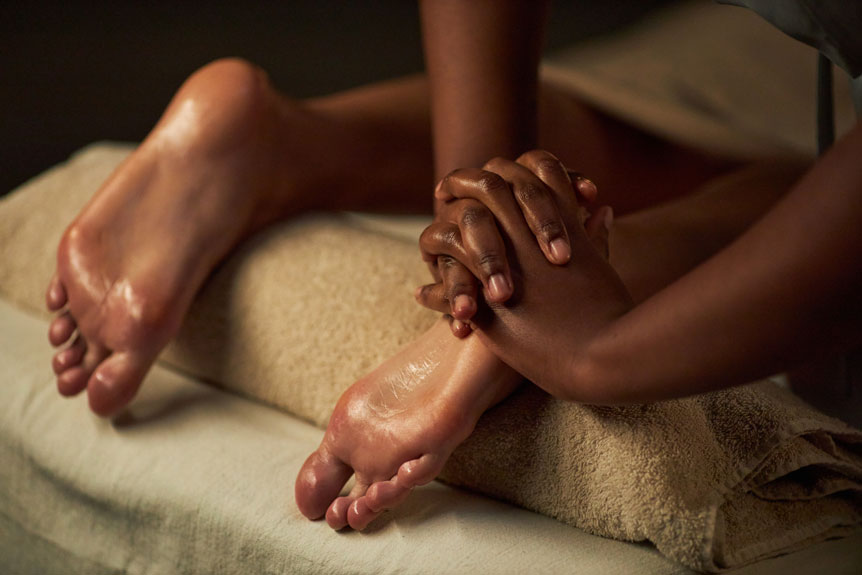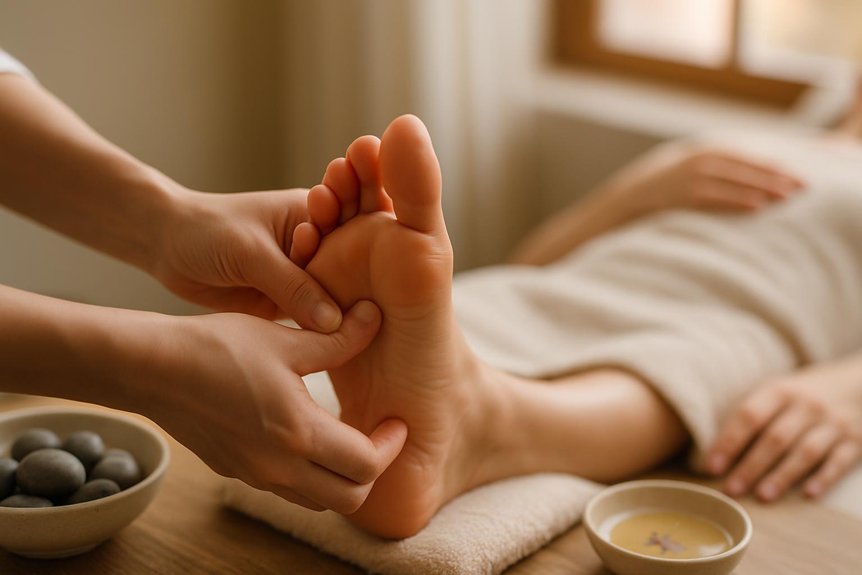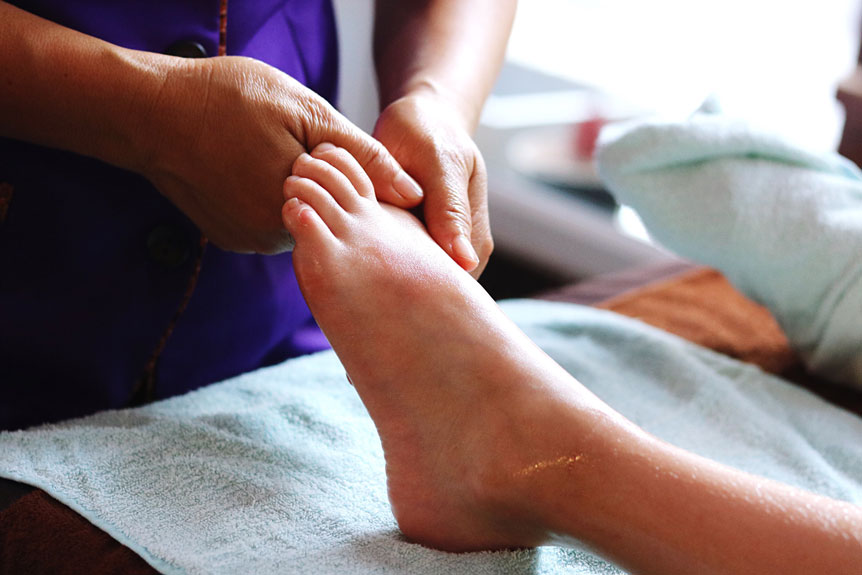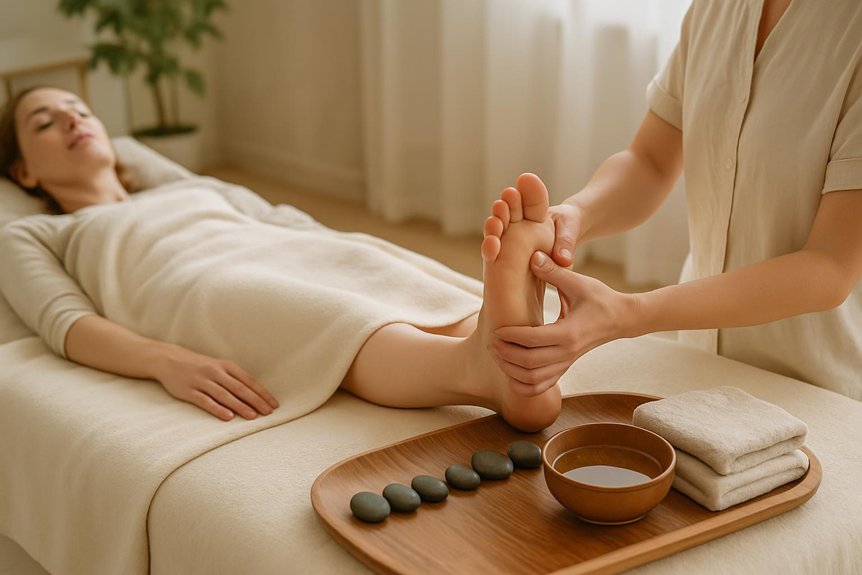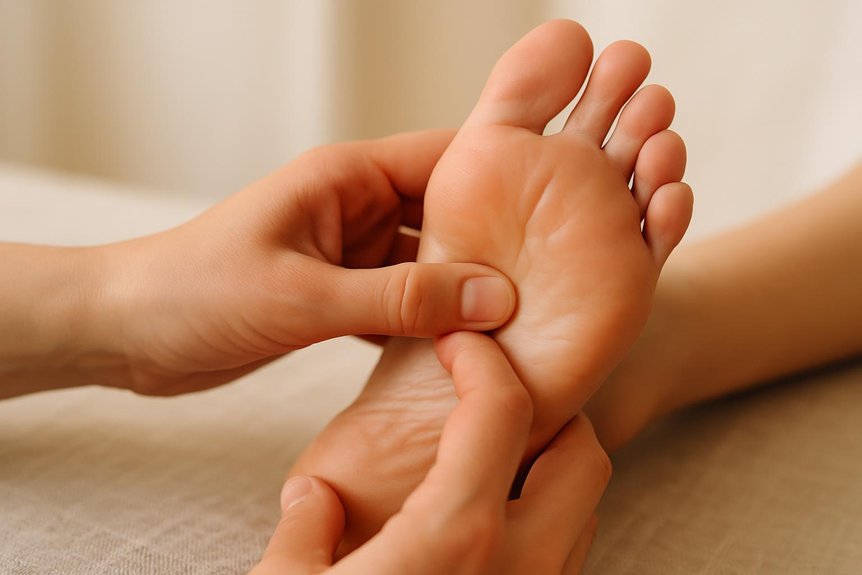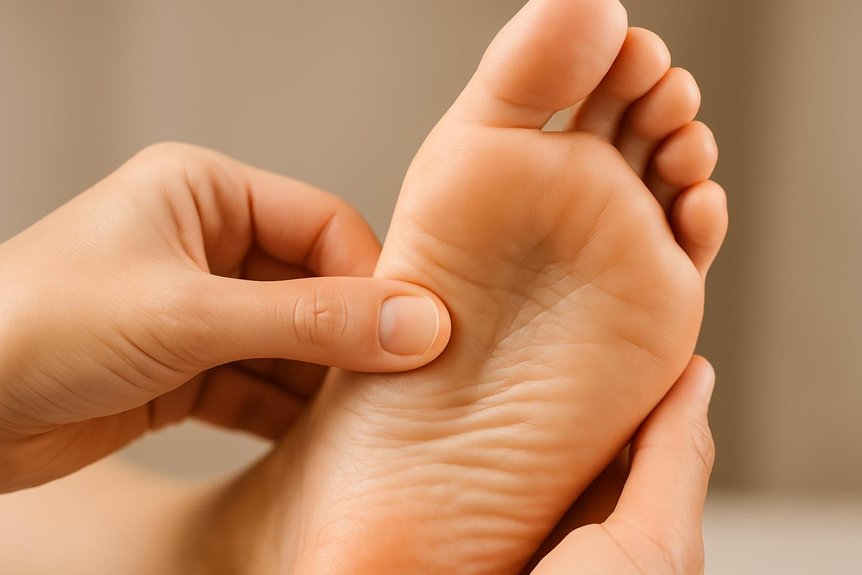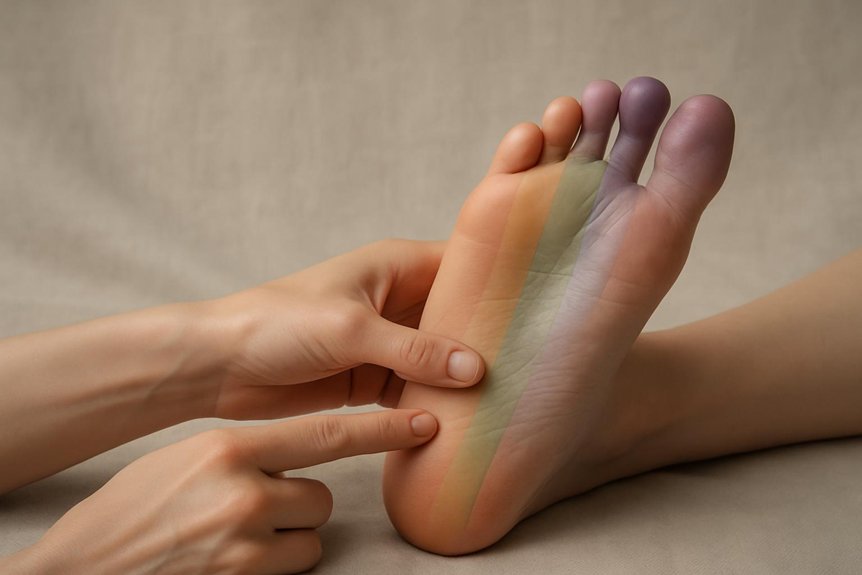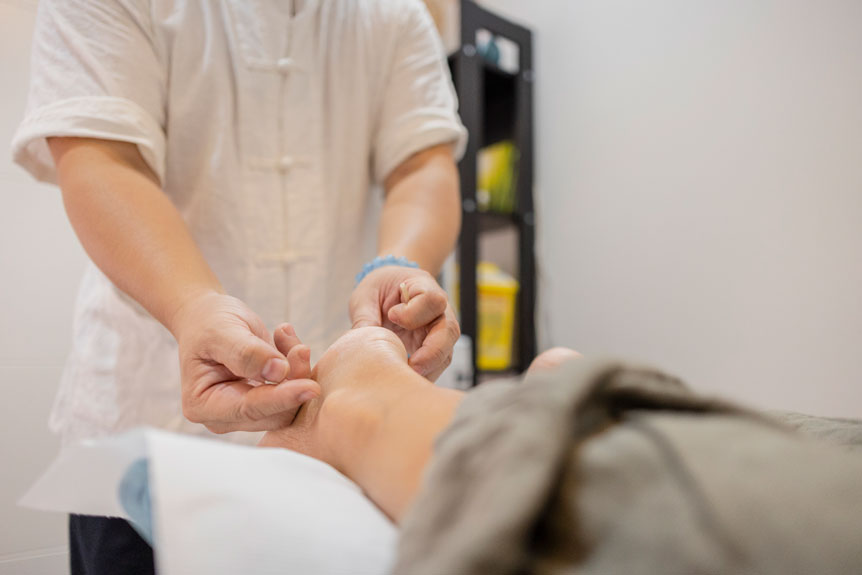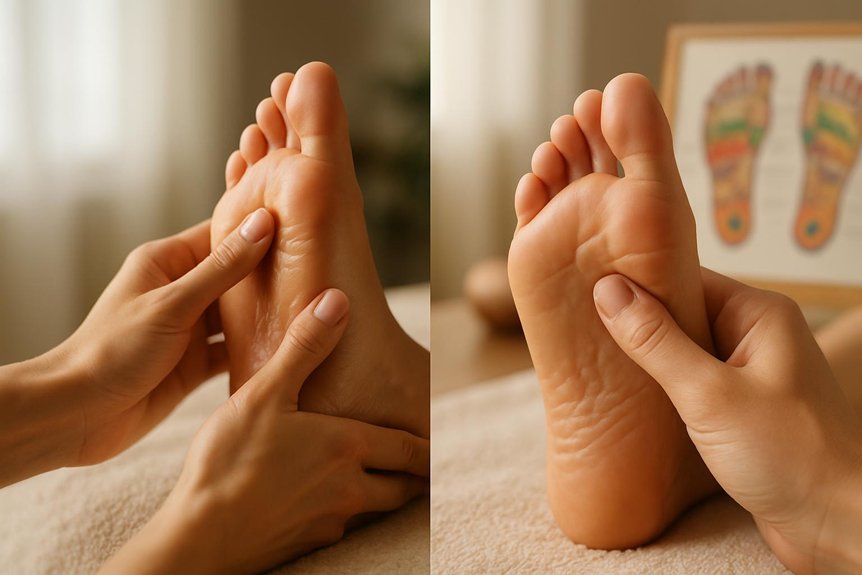
Yes. It can trigger a headache in some people, typically during the session or within a few hours afterward. Common factors include dehydration, low blood sugar from skipped meals, poor sleep or stress-related neck/jaw tension, sensitivity to bright lights or strong aromas, and overly firm or prolonged pressure on tender foot zones (especially head/neck reflex areas). Most headaches are mild, dull, and resolve within hours or after sleep; persistent or severe symptoms warrant medical advice. Further context covers prevention and red flags.
Can It Cause a Headache?
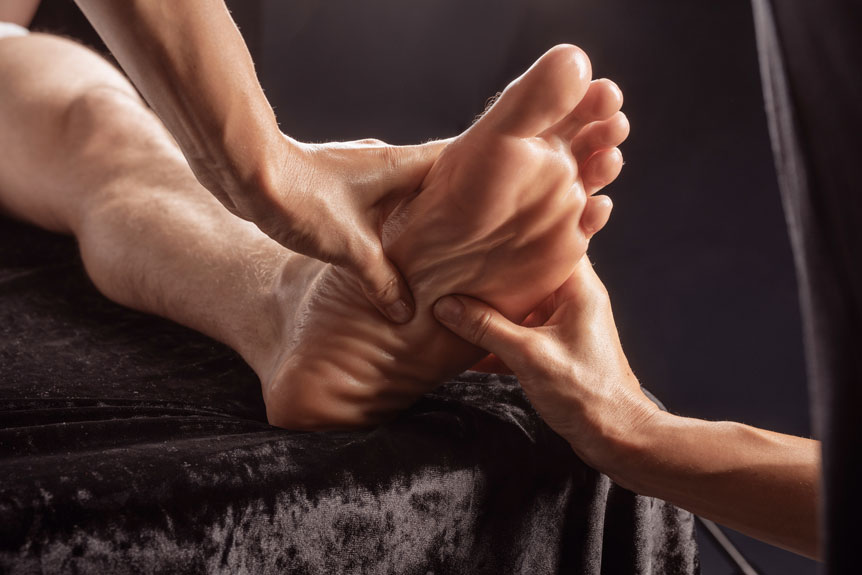
Occasionally, it can be followed by a headache, particularly in clients who are dehydrated, sensitive to pressure, or already experiencing stress-related tension. Evidence suggests this is usually a short-lived response to nervous-system shifts, temporary muscle guarding, or changes in blood flow rather than a harmful effect. It is often explored for its potential healing power in supporting overall wellbeing.
At Spa & Massage, therapists minimise risk by using measured, client-led pressure and by checking comfort on tender reflex areas, especially around the head/neck and diaphragm zones on the feet. Slow, rhythmic thumb-walking and brief holds are preferred over deep, sustained digging when sensitivity is reported.
Clients are encouraged to arrive hydrated, breathe steadily, and request lighter work at any moment. Persistent or severe headache warrants pausing treatment and seeking medical advice promptly.
Reflexology Headache: During or After?
Headaches can occur either during a massage session or in the hours after, and the timing often helps therapists interpret whether pressure intensity, positioning, hydration status, or an underlying headache pattern may be contributing.
At Spa & Massage, therapists monitor symptoms in real time and adjust technique—such as reducing pressure on sensitive reflex points or changing pacing—to support client comfort and safety.
Most post-treatment headaches are short-lived, but persistent, worsening, or unusual symptoms warrant prompt follow-up and, where appropriate, medical advice.
Headache During Zone Therapy
During a massage session, a client may notice the onset of a headache either while pressure is being applied or shortly afterwards, and the timing can offer useful clues about the cause.
When pain appears during focused work, it commonly relates to technique variables: sustained compression, excessive intensity, or prolonged holds on sensitive foot zones. Evidence-informed practice supports adjusting pressure, pace, and contact to keep the nervous system in a calmer state.
In Spa & Massage clinics, therapists check in frequently, invite a pain-scale response, and switch to lighter, slower thumb-walking or broader knuckle support when needed. Headache during treatment can also reflect position and breathing; a neck held tense or shallow breaths may amplify symptoms. A pause, hydration, and grounded cues often help.
Headache After Zone Therapy
Why can a headache show up *after* zone therapy rather than on the table? A delayed response is common when the nervous system shifts from “doing” to “resting,” and clients notice sensations once they stand, rehydrate, and re-enter a bright, noisy day.
In Spa & Massage clinics across London, therapists often see post-session headaches linked to mild dehydration, caffeine withdrawal, skipped meals, jaw or neck tension carried into the treatment, or overly vigorous thumb pressure on sensitised foot zones.
Technique matters: sustained, moderate pressure with paced breathing tends to be better tolerated than deep, fast work.
A client-centered approach—checking comfort, adjusting intensity, and allowing quiet grounding at the end—can reduce the chance of an after-effect.
Duration And When To Act
In most cases, a zone thereapy-related headache is short-lived—easing within minutes to a few hours—and the key is to track timing, intensity, and accompanying symptoms so an appropriate decision can be made about whether to pause, modify pressure, or seek medical advice.
If it starts during treatment, a therapist can reduce pressure, slow rhythm, avoid sensitive reflex points, and encourage steady breathing and water sips; in Spa & Massage clinics, consent-led check-ins guide these adjustments.
If it appears after, rest, hydrate, and note triggers such as skipped meals, caffeine withdrawal, or poor sleep.
Immediate medical help is warranted for sudden “worst-ever” pain, fever, weakness, vision or speech changes, fainting, or headache after head injury.
Persistent or worsening symptoms should prompt GP review.
Common Causes of a Zone Therapy Headache

Although it is generally well tolerated, a headache can occasionally occur afterwards, and the most common causes are typically benign and modifiable with appropriate technique and aftercare.
A frequent factor is dehydration or missed meals, which can heighten sensitivity to any manual therapy; Spa & Massage therapists routinely encourage water and a light snack before and after treatment.
Excess pressure, prolonged work on sensitive points, or rapid shifts between areas may also provoke a tension-type response; in Spa & Massage clinics, pressure is adjusted continuously using client feedback and paced, rhythmic holds.
Environmental triggers—bright lights, strong scents, or low ventilation—can contribute, particularly for migraine-prone clients.
Finally, stress release may briefly amplify awareness of existing head-and-neck tension, especially when sleep is poor.
How Long Does a Zone Therapy Headache Last?
After a zone therapy session, a post-treatment headache—when it occurs—most often settles within a few hours and, for many people, is gone by the next day. At Spa & Massage, therapists note that duration tends to reflect session intensity, hydration status, sleep, and baseline headache history.
A mild, dull ache may peak in the first 2–6 hours, then ease with rest, gentle movement, and steady fluids; some clients feel fully clear after one good night’s sleep. Less commonly, sensitivity can linger up to 24–48 hours, especially after a first session or deeper work to the feet and lower legs.
If pain is severe, escalating, or paired with unusual symptoms, a medical review is advised promptly.
Is It a Zone Therapy “Detox” Headache: or Something Else?
In Spa & Massage clinics, some clients report brief, detox-like responses after a massage—such as mild headache, thirst, fatigue, or increased urination—which are more consistently explained by hydration status, stress response, and short-term circulatory or autonomic shifts than by toxin release.
Similar symptoms can also be triggered by non-zone therapy factors including caffeine withdrawal, low blood sugar, poor sleep, dehydration, sinus congestion, or a pressure technique that is too intense for the client’s sensitivity.
A clinician-led discussion should clarify what is typical and self-limiting versus what warrants prompt medical review, particularly if headache is severe, persistent, sudden-onset, or accompanied by neurological signs or unusual symptoms.
Typical Detox-Like Responses
Sometimes a mild, short-lived headache is reported in the hours following zone therapy and is often labelled a “detox” response; clinically, however, it is more useful to treat it as a non-specific post-treatment reaction until a clearer cause is identified.
Typical detox-like responses described by clients include light fatigue, increased urination, transient nausea, mild dizziness, emotional release, or temporary soreness in the feet—usually resolving within 24 hours.
At Spa & Massage, therapists observe these effects most often after firmer, more focused work on tender reflex points or after sessions aimed at deep relaxation.
Evidence does not confirm toxin “purging,” so aftercare centres on hydration, a gentle meal, and quiet rest. If symptoms intensify, persist, or feel unlike the client’s usual pattern, clinical review is advised promptly.
Other Headache Triggers
Mild post-zone therapy headaches are often grouped under “detox-like” reactions, yet a more practical approach is to check for other common triggers before attributing symptoms to the treatment itself.
Dehydration is frequent, especially after travel across London, caffeine changes, or a warm treatment room. Low blood sugar from skipping a meal, poor sleep, and stress-driven jaw or neck tension can also present as a headache shortly after lying still.
Sensitivity to strong aromas, including essential oils used in some sessions, may contribute in susceptible clients.
Technique matters: excessive pressure, prolonged work on head/neck reflex points, or a fixed position can irritate already-tight tissues.
At Spa & Massage, therapists adjust pressure, positioning, and pacing, and recommend water, a light snack, and gentle movement afterward.
When To Seek Help
After a zone therapy session, a headache that is severe, rapidly worsening, or out of character should be treated as a potential medical issue rather than assumed to be a “detox” response. Red flags include “worst ever” pain, new neurological symptoms, fever, stiff neck, chest pain, fainting, or sudden vision changes; urgent care is appropriate.
For milder headaches, Spa & Massage advises monitoring duration and pattern. If pain persists beyond 24–48 hours, recurs after multiple sessions, or is linked to dehydration, low food intake, medication changes, pregnancy, or high blood pressure, a GP review is sensible.
In-clinic, therapists can adjust pressure, pacing, and hydration prompts, and avoid head/neck-sensitive reflex points. A brief, confidential check-in before treatment helps tailor technique and keep clients feeling safe and held.
Who’s Most Likely to Get a Zone Therapy Headache?
Why do a small number of clients report a headache following zone therapy?
At Spa & Massage, it is most often seen in people who arrive dehydrated, sleep-deprived, or already carrying a brewing tension headache.
Clients prone to migraine, sinus congestion, TMJ tension, or neck-and-shoulder tightness may be more reactive when foot work shifts their overall tone.
Sensitivity can also appear after intense weeks: high stress, hormonal fluctuations, long-haul travel, or heavy training, when the nervous system is already on alert.
First-time clients, or those requesting firmer thumb-walking and sustained pressure on midfoot and toe zones, may notice transient head pressure.
People who are caffeine-withdrawing or have skipped meals can be especially susceptible.
This pattern usually settles within hours.
How to Prevent a Zone Therapy Headache Next Time
Most sole therapy-related headaches are preventable when the session is planned around known triggers and the client’s baseline state on the day.
At Spa & Massage, therapists begin with a brief check-in on hydration, sleep, caffeine, menstrual cycle, migraine history, and current neck or jaw tension, then tailor pressure and pacing accordingly. Lighter, slower work and shorter holds on sensitive head/neck reflex zones can reduce nociceptive input, while avoiding prolonged, intense thumb-walking helps prevent strain-type reactions.
Clients are encouraged to arrive well hydrated, having eaten lightly, and to limit alcohol and excess caffeine beforehand.
A calm, low-light room, steady breathing cues, and consent-based communication keep the nervous system settled. Booking away from peak stress days also helps.
What to Do If Zone Therapy Triggers a Headache
In the event that a headache comes on during or soon after massage, the immediate priority is to reduce sensory load and restore physiological calm. The session should pause, lights softened, and the client guided into slow nasal breathing with longer exhales to downshift arousal. Water can be offered, and a quiet, warm layer added to prevent chills.
At Spa & Massage, therapists typically reduce pressure, switch to gentler holds, and avoid stimulating tender reflex points. Neck and jaw tension can be eased with light scalp work or temple holds, staying within comfort and consent. The client is encouraged to stand slowly, eat a small snack if hungry, and avoid alcohol or intense exercise for the rest of the day. A brief note helps tailor the next treatment.
Headache Red Flags: When to Seek Medical Advice
After massage, a headache is usually short-lived, but certain features warrant medical advice rather than self-care. Red flags include a sudden “thunderclap” onset, worsening intensity, fever, stiff neck, confusion, fainting, new weakness, vision or speech changes, severe vomiting, head injury, or a headache that feels distinctly unlike a client’s usual pattern.
Extra caution is advised in pregnancy, after 50, with cancer, immune suppression, or blood thinners. Persistent pain beyond 24–48 hours despite hydration, food, and rest should also be assessed.
At Spa & Massage, therapists keep pressure client-led and check in on comfort; if symptoms escalate during treatment, sessions should stop and urgent care sought. When in doubt, choose safety and reassurance.
Conclusion
It may coincide with a headache, but it is more often a passing ripple than a lasting wave. Pressure, posture, hydration, and nervous-system downshifts can briefly amplify tension patterns already present. For most clients, symptoms are mild, short-lived, and responsive to simple aftercare: water, rest, gentle movement, and clear feedback to the therapist about pressure and pacing. When headaches are severe, persistent, or paired with red-flag symptoms, clinical assessment matters.