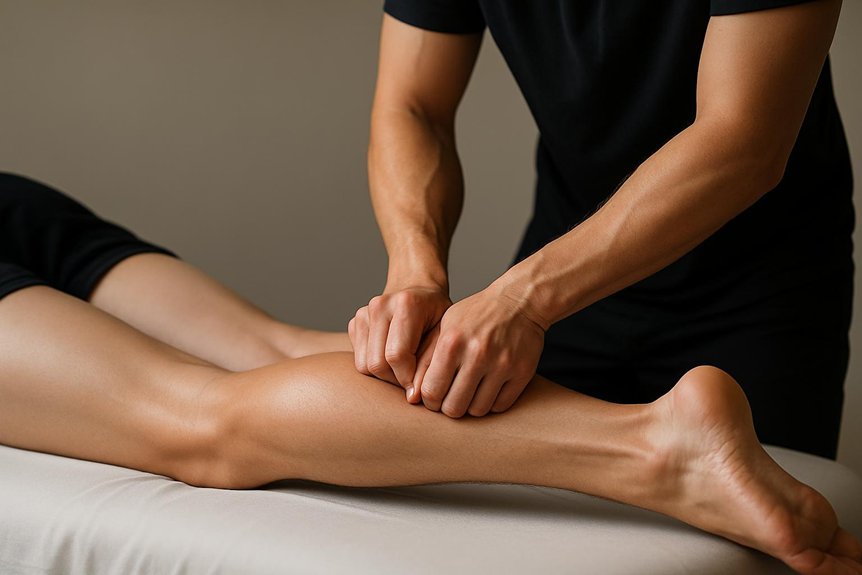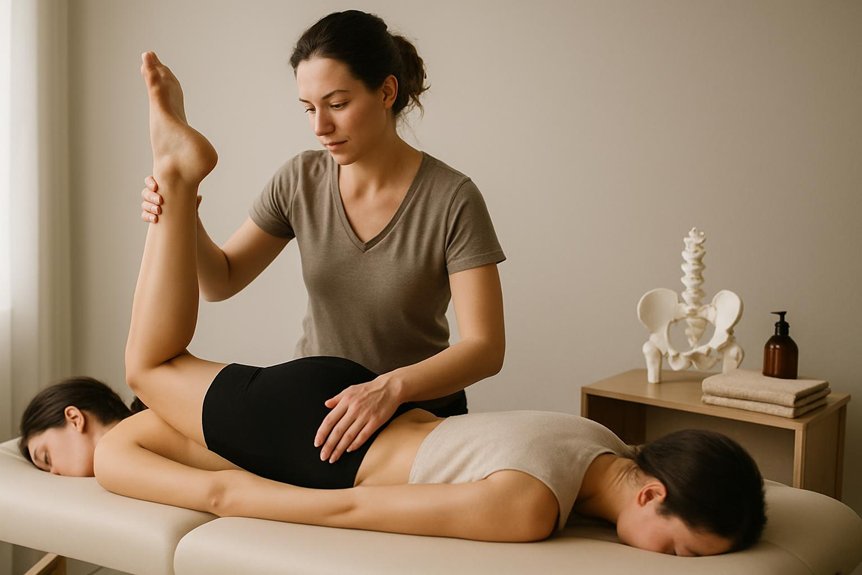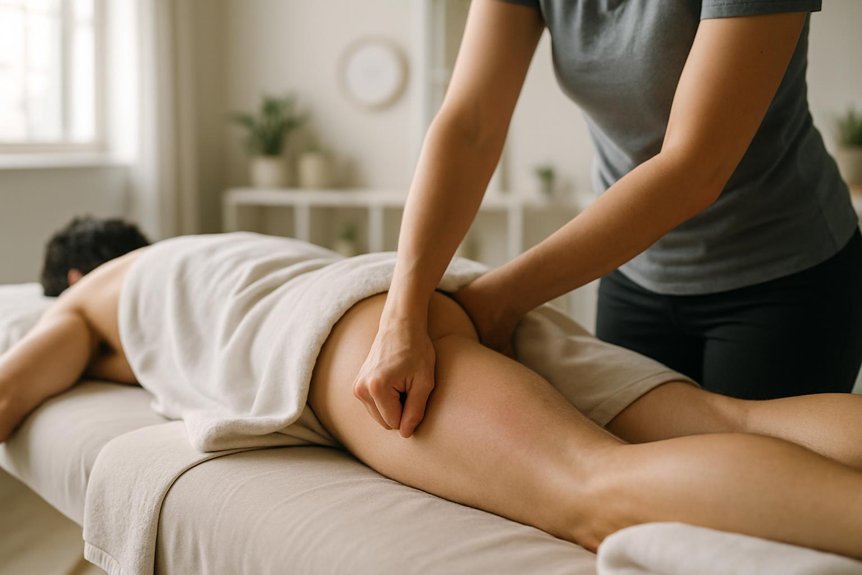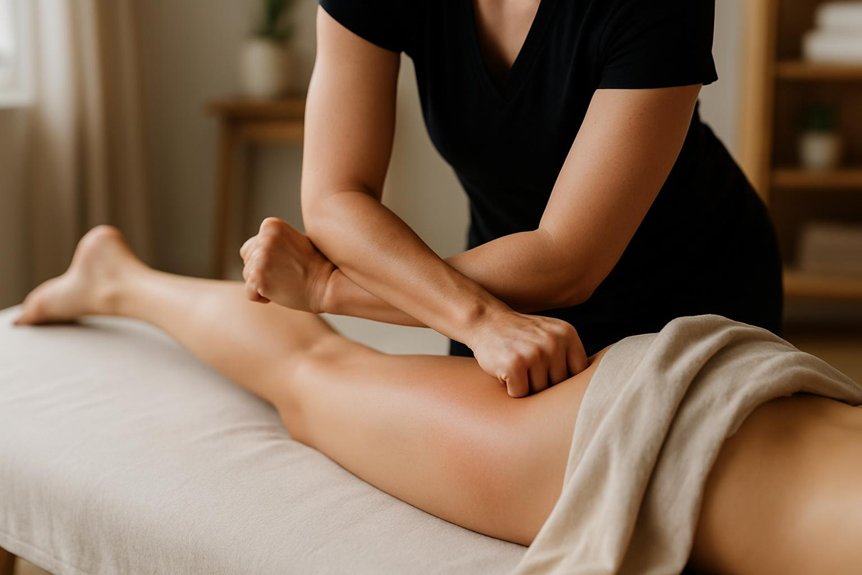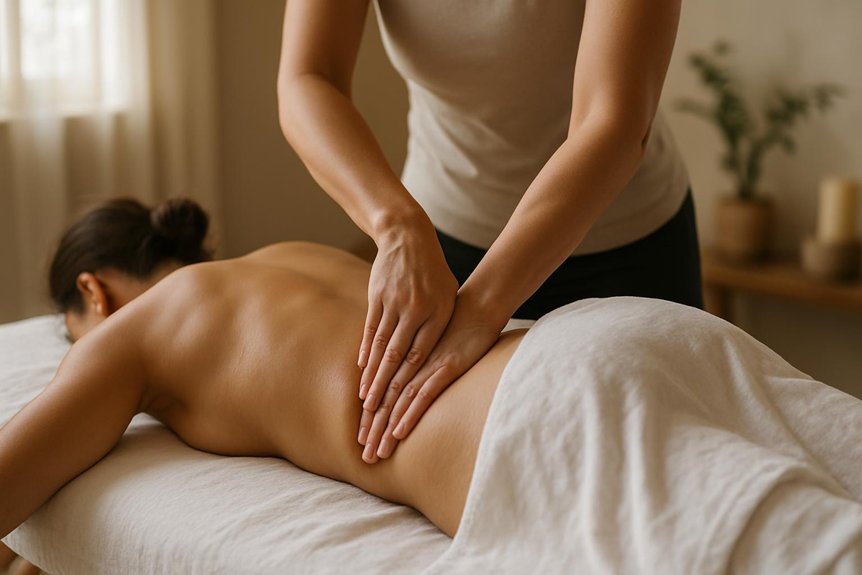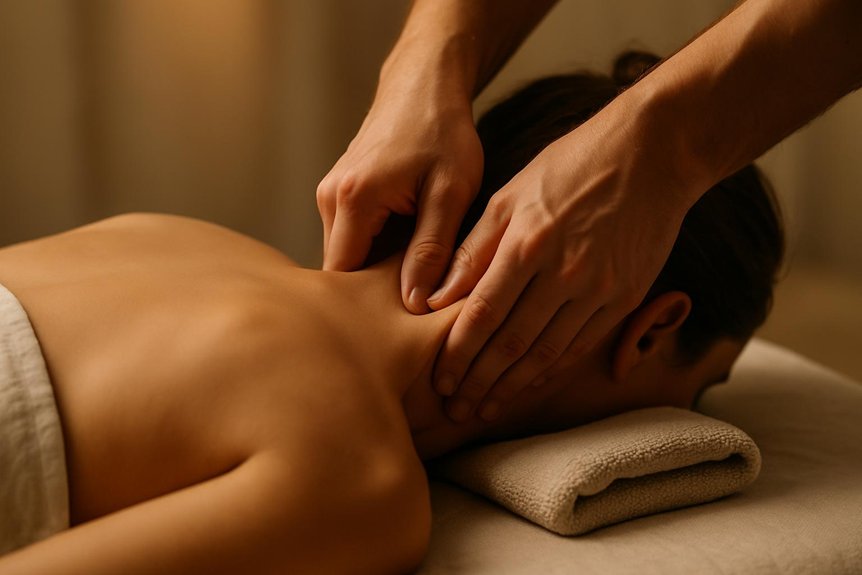
It can help neck pain for many people, particularly when symptoms are driven by muscle tension, trigger points, and postural overload. Slow, targeted pressure aims to reduce protective guarding in the upper trapezius, levator scapulae, and suboccipitals, improving comfort and range of motion. Short-term pain relief is more likely when pressure is tolerable and paired with posture and breathing advice. It is not appropriate with red-flag symptoms or acute illness. Further guidance explains suitability, safety, and session planning.
Can It Help Neck Pain?
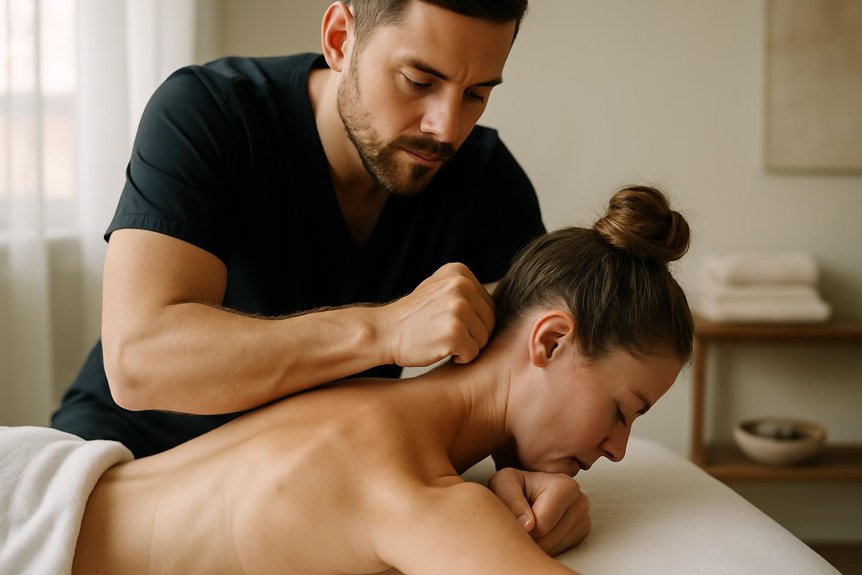
How effective is intensive tissue massage for neck pain? Evidence suggests it can reduce pain and improve function for many people, particularly when symptoms relate to muscle tension, trigger points, or postural overload.
At Spa & Massage clinics across London, therapists assess movement, tenderness, and daily habits, then apply slow, targeted pressure to the upper trapezius, levator scapulae, and surrounding fascia, adjusting depth to each client’s comfort.
Because deep tissue work uses focused techniques to address deeper layers of muscle and fascia, its deep tissue massage approach can be especially helpful when neck discomfort is linked to chronic tightness.
Client-centred care emphasises consent, clear communication, and breath, helping the body soften without forcing.
Many clients report freer turning of the head, fewer tension headaches, and improved sleep after a course.
For longer-lasting results, therapists recommend hydration, gentle neck mobility, and ergonomic tweaks between visits.
When It Isn’t Safe for Neck Pain
It is not appropriate for every presentation of neck pain, and identifiable red flags—such as recent trauma, suspected fracture, neurological symptoms, fever, or unexplained weight loss—warrant prompt medical assessment before any hands-on treatment.
Medical conditions including anticoagulant use, bleeding disorders, osteoporosis, acute inflammation or infection, and certain vascular or spinal disorders may also require modification or avoidance of deep pressure. At Spa & Massage, therapists screen for these contraindications at intake and adapt the treatment plan or refer onward to prioritise client safety.
Red Flags And Contraindications
Although deep tissue work can ease muscular tension, it is not appropriate for every presentation of neck pain, and certain symptoms warrant urgent medical assessment before any hands-on treatment. Red flags include recent significant trauma, sudden severe headache, fever, unexplained weight loss, night pain, progressive weakness or numbness, facial droop, slurred speech, dizziness with visual changes, or loss of bladder/bowel control.
Pain radiating down the arm with marked tingling, or symptoms worsening rapidly, also require prompt review. At Spa & Massage, therapists screen carefully and will postpone treatment when infection, open wounds, new swelling, suspected fracture, or blood-clot symptoms are present, or when the client cannot comfortably tolerate touch. In these cases, gentle reassurance and referral protect safety and preserve trust.
Medical Conditions Requiring Caution
In clinical practice, certain medical conditions make intensive tissue massage for neck pain unsafe or require strict modification and medical clearance.
These include acute infection or fever, suspected fracture, recent surgery, active cancer treatment in the region, and inflammatory flares such as rheumatoid arthritis.
Caution is also warranted with osteoporosis, cervical disc herniation with neurological signs, uncontrolled hypertension, bleeding disorders, and use of anticoagulants, as deep pressure can increase bruising or aggravate symptoms.
Pregnancy, especially with high-risk features, requires adapted positioning and technique.
At Spa & Massage clinics across London, therapists complete a health intake, screen for red flags, and coordinate with GPs or specialists when needed.
When appropriate, lighter-touch options—aromatherapy or gentle sports techniques—can provide comfort without compromising safety.
Which Neck Pain Responds to Intensive Tissue Massage?
Neck pain most likely to respond to intensive tissue massage is commonly linked to myofascial muscle tension and palpable trigger points (“knots”) in the upper trapezius, levator scapulae, and surrounding tissues.
Posture-related neck strain—often associated with prolonged desk work and sustained forward-head positioning—may also improve when treatment is paired with targeted soft-tissue work and practical self-care guidance.
At Spa & Massage clinics across London, therapists assess these patterns and tailor pressure and technique to the client’s symptoms, tolerance, and functional goals.
Muscle Tension And Knots
Many cases of neck pain that respond well to intensive tissue massage are driven by muscle tension and myofascial “knots” (trigger points) in the upper trapezius, levator scapulae, and deep neck stabilisers, often linked to sustained desk posture, repetitive loading, or stress-related guarding. These trigger points can refer aching into the head, shoulder, or arm, and may limit rotation, side-bending, and comfortable sleep.
Evidence-informed care aims to reduce tone, improve local circulation, and desensitise irritated tissues through slow, targeted pressure and mindful pacing. At Spa & Massage clinics, therapists map tender bands, check symptom reproduction, and work within a client’s breath and comfort to avoid flare-ups.
Aftercare typically includes hydration, gentle neck mobility, and heat as tolerated, plus self-release with a ball.
Posture-Related Neck Strain
With prolonged desk work and frequent phone use, posture-related neck strain often develops through sustained forward-head positioning and rounded shoulders, overloading the upper trapezius, levator scapulae, pectorals, and suboccipital tissues.
This pattern can respond well to intensive tissue massage when pain is primarily muscular and linked to restricted glide, trigger points, and protective guarding. At Spa & Massage clinics across London, therapists assess movement, breathing, and tender points, then apply slow, specific pressure and myofascial techniques to reduce tone and restore comfortable range.
Many clients notice easier head rotation and less “heavy” shoulders after sessions, especially when combined with gentle pectoral opening, scapular stabilisation cues, and brief workstation changes. Aftercare typically includes hydration, heat, and short micro-breaks every 30–60 minutes.
How Does Intensive Tissue Massage Relieve Neck Pain?
Through targeted, slow-pressure techniques, intensive tissue massage can reduce neck pain by addressing the soft-tissue drivers of discomfort—myofascial restriction, trigger points, and muscle guarding—while improving local circulation and normalising movement patterns.
Sustained pressure and cross-fibre work may decrease nociceptive input from irritated tissues, lower sympathetic arousal, and promote parasympathetic “downshifting,” supporting calmer breathing and reduced protective tension.
By restoring glide between fascial layers and easing hypertonic upper trapezius, levator scapulae, and suboccipitals, range of motion can improve and headache referral may lessen.
At Spa & Massage London clinics, therapists tailor depth to tissue response, prioritising safety, comfort, and consent, so the work feels supportive, intimate, and effective rather than overwhelming. Effects are often greatest when combined with posture awareness and gentle movement.
What to Expect in a Deep Tissue Neck Session?
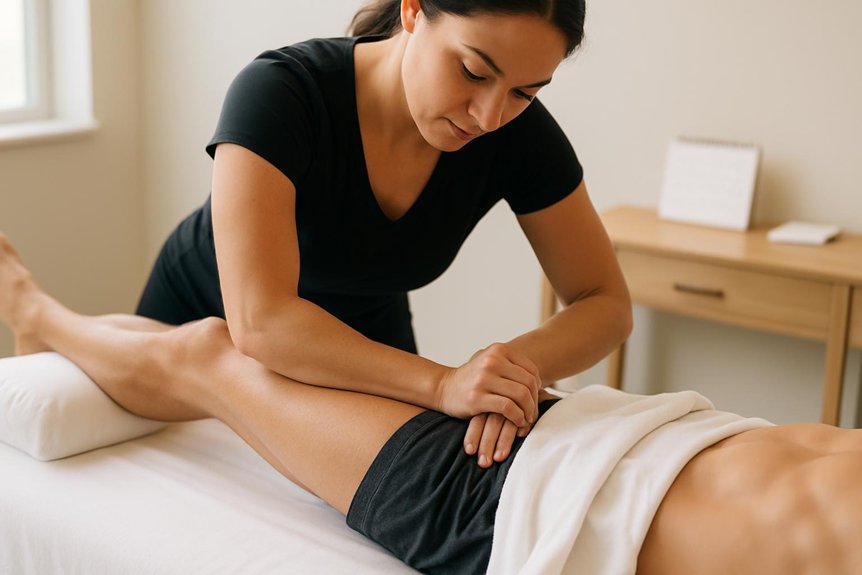
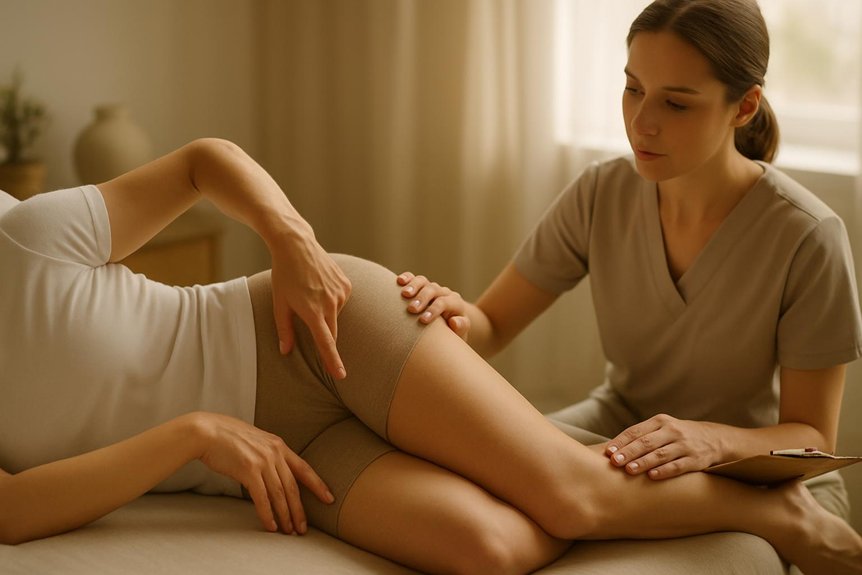
What actually happens in a deep tissue neck session? At Spa & Massage, the therapist begins with a brief health check, pain map, and consent, then positions the client comfortably with supportive bolsters.
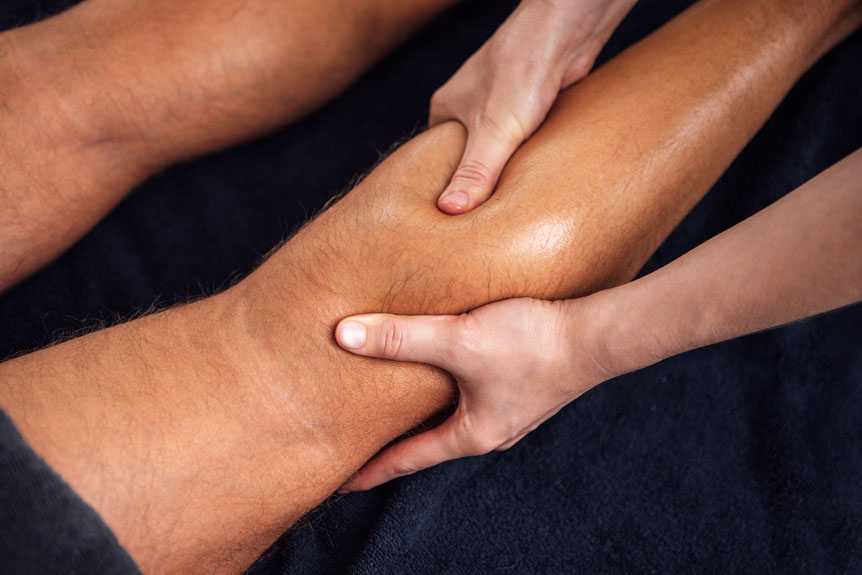
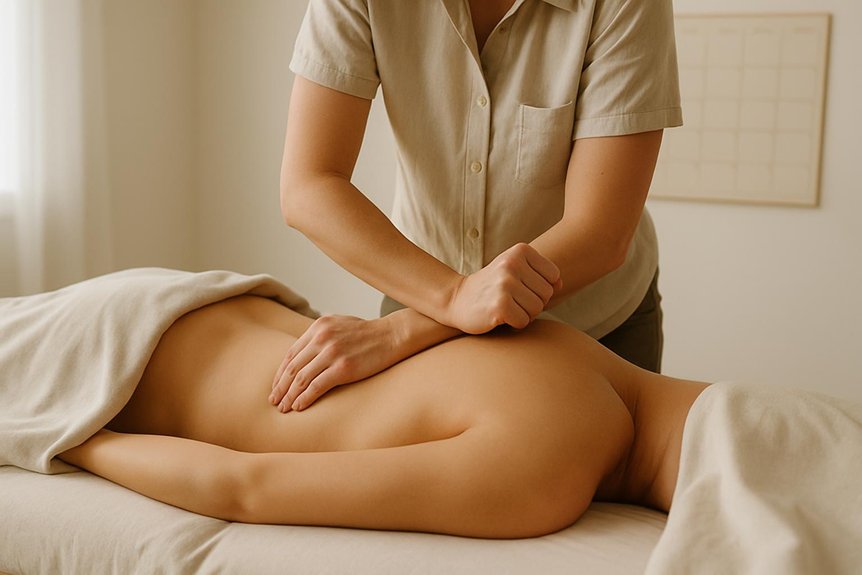
Warm-up strokes increase local circulation before slower, sustained pressure targets tight bands in the upper trapezius, levator scapulae, and suboccipitals. Pressure is negotiated continuously; “good pain” is avoided, and breathing cues help the nervous system settle.
Work may extend to the shoulders, upper back, and chest to address contributing tension. In our London clinics, fragrance-free oil is available for sensitive skin.
Afterward, clients are advised to hydrate, use gentle heat, and expect mild soreness for 24–48 hours, with clearer range of motion and easier swallowing/breathing.
Deep Tissue vs Sports Massage for Neck Pain?
How should a client choose between deep tissue and sports massage for neck pain? Choice depends on pain drivers, activity level, and tissue sensitivity.
It targets sustained myofascial restriction and protective guarding in the upper trapezius, levator scapulae, and suboccipitals; evidence supports short-term pain relief when pressure is tolerable and paired with advice on posture and breathing.
Sports massage suits neck pain linked to training loads, repetitive work, or acute flare-ups, using faster, performance-focused techniques (compression, active release, and stretching) to restore movement and reduce soreness.
At Spa & Massage clinics, therapists assess range of motion, triggers, and referral patterns, then tailor depth, pace, and communication so clients feel safely held while tissues soften without provoking.
How Many Deep Tissue Sessions for Neck Pain?
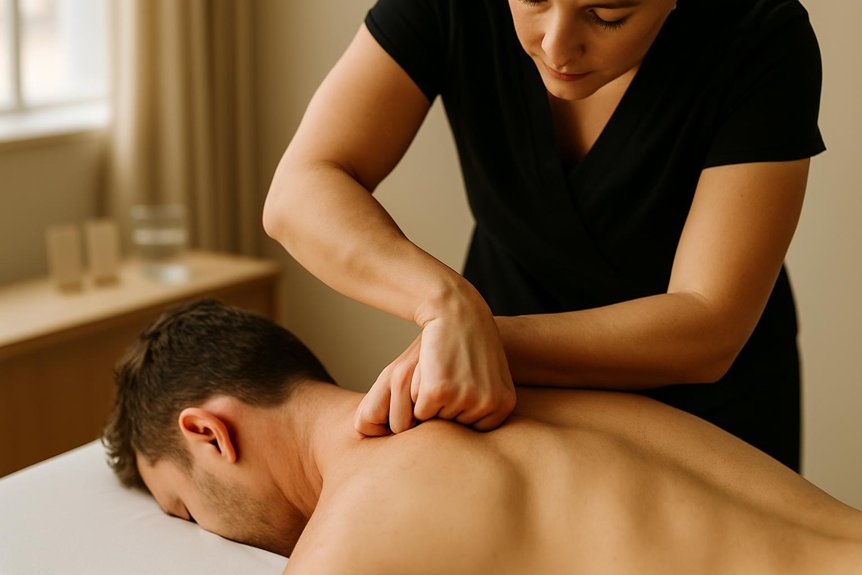
Often, meaningful improvement in neck pain with intensive tissue massage requires a short course rather than a single appointment, with the exact number of sessions shaped by symptom duration, irritability, and contributing factors such as desk posture, stress-related muscle guarding, and training load.
In Spa & Massage clinics, therapists typically suggest 3–6 sessions for recent or mild symptoms, often spaced weekly, to calm protective tension and restore comfortable movement.
Longer-standing pain, recurrent flare-ups, or headaches linked to neck and shoulder tightness may benefit from 6–10 sessions, tapering as progress holds.
For complex presentations, a structured plan is agreed after assessment, combining neck, upper back, and chest work, and tracking sleep, range, and tenderness.
Progress is reviewed each visit to guarantee pressure feels safe, connected, and effective.
Aftercare After Intensive Tissue Massage for Neck Pain
After a deep tissue session for neck pain, aftercare is used to consolidate short-term reductions in muscle tone and to minimise post-treatment soreness while supporting safer movement through the neck and upper back.
At Spa & Massage London clinics, therapists advise drinking water, keeping the neck warm, and avoiding heavy lifting for 24 hours. Gentle range-of-motion (slow rotations, chin tucks) and comfortable walking can sustain circulation without provoking flare-ups. A cool pack for 10 minutes may reduce tenderness; heat can be preferred when stiffness dominates.
Clients are encouraged to notice “good soreness” versus sharp pain, pins and needles, or headache; these warrant prompt contact. Sleep positioning with a supportive pillow and mindful breathwork can help the body feel held, safe, and settled.
Conclusion
It may help certain neck pain by easing taut muscle fibres, improving local circulation, and restoring movement patterns—like loosening a knot that has cinched the shoulders and narrowed the breath. For clients with tension-related stiffness, headache-linked tightness, or postural overload, it can be a pragmatic, non-invasive option when delivered by a trained therapist and paired with aftercare. However, it is not appropriate for red-flag symptoms or acute injury, where medical assessment comes first.