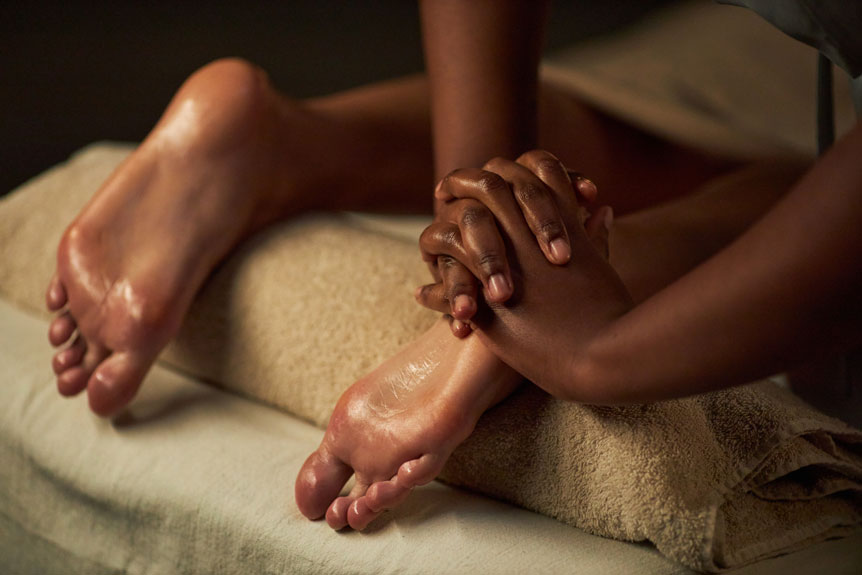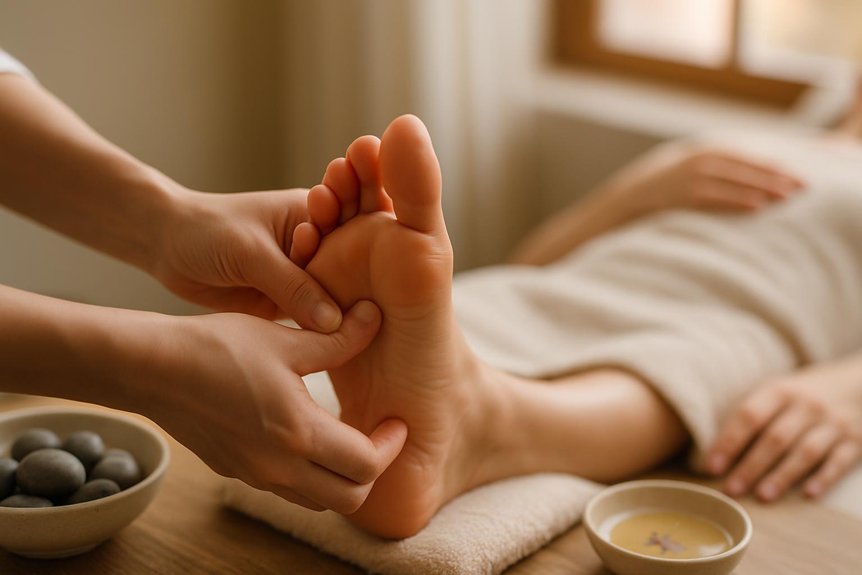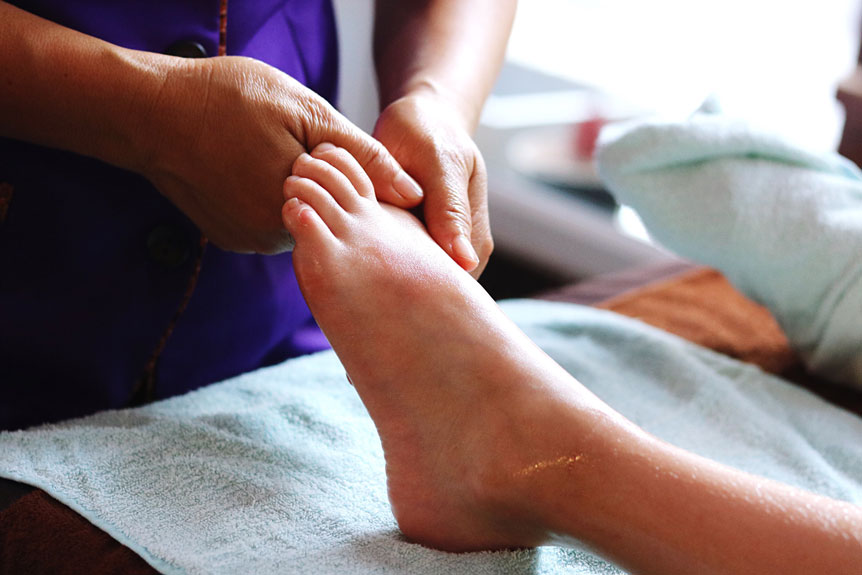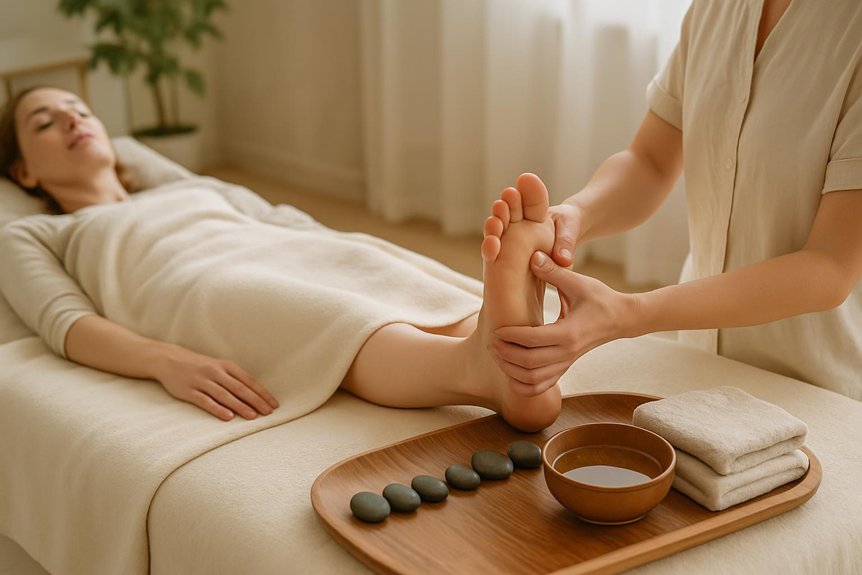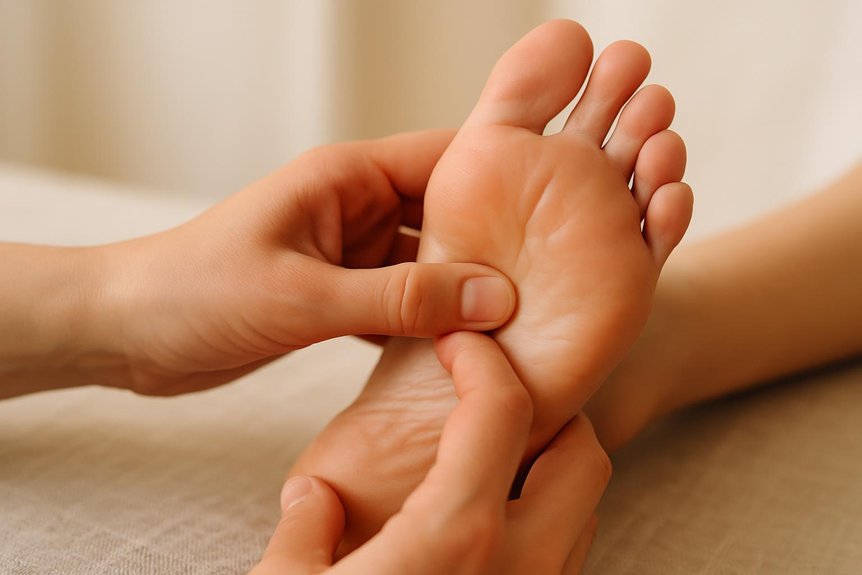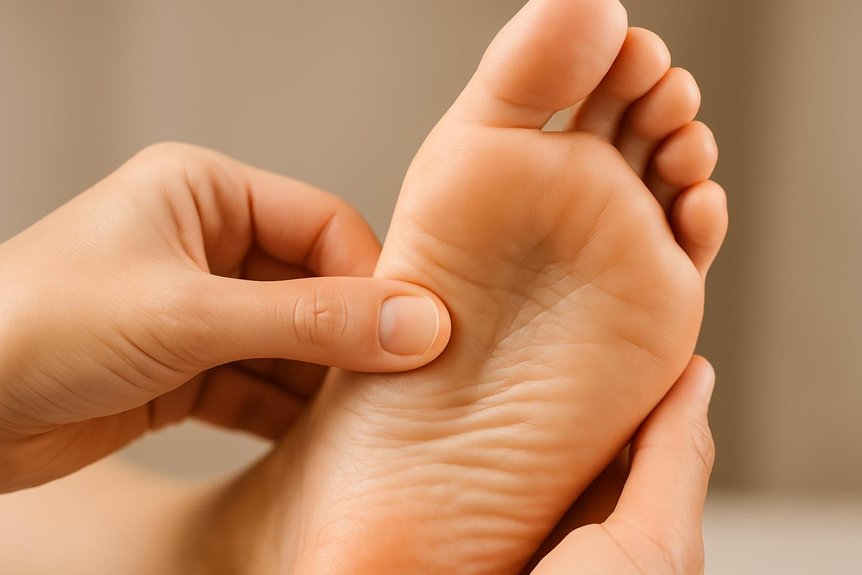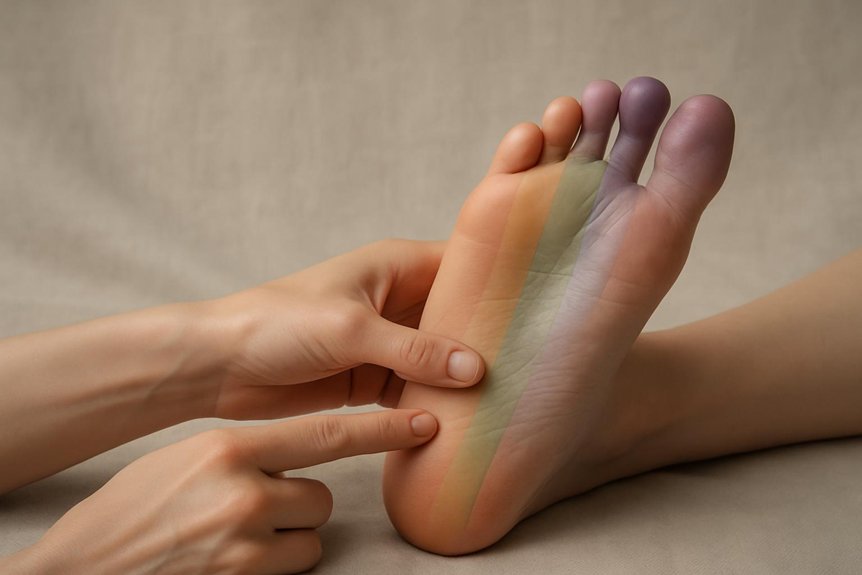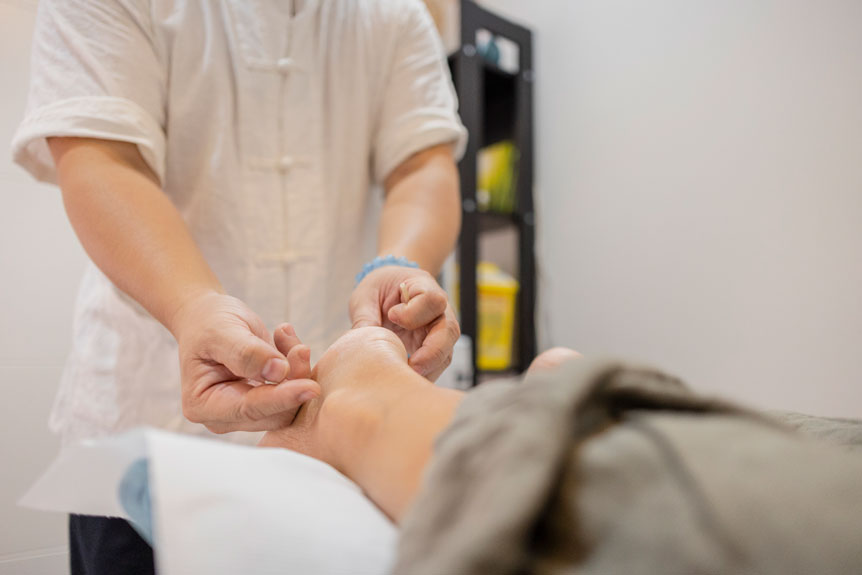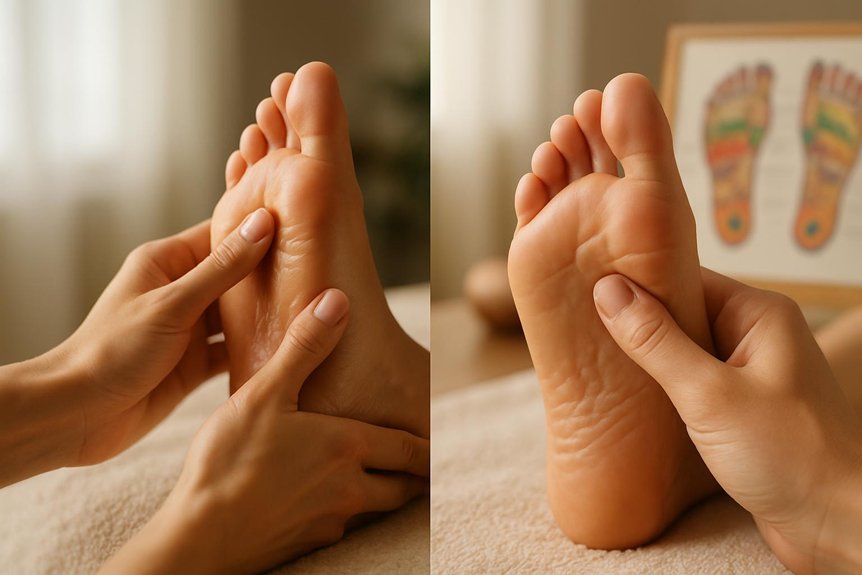
It can make symptoms feel temporarily worse at first for some clients, usually as a mild, short-lived reaction that settles within 24–48 hours. Common aftereffects include fatigue, light headache, increased thirst, light‑headedness, more frequent urination, brief emotional tenderness, or foot soreness (sometimes lasting up to 72 hours after an initial session). These changes may relate to short-term shifts in stress physiology and pain sensitivity, though mechanisms are not confirmed. Guidance on aftercare and warning signs follows.
Is It Normal to Feel Worse After Reflexology?
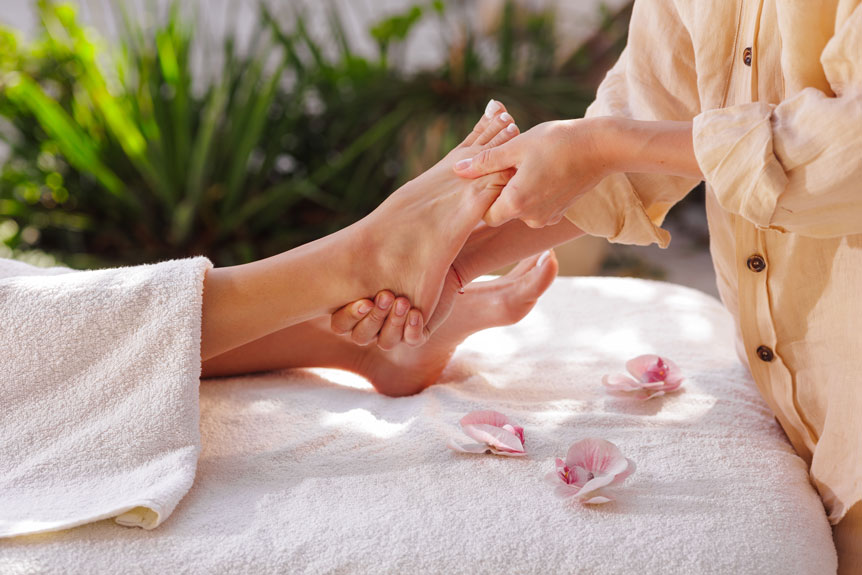
Sometimes, a person may feel temporarily worse after zone therapy, and this can be a normal short‑term response rather than a sign that treatment has caused harm.
In Spa & Massage clinics across London, therapists commonly observe brief, mild shifts after a first session, such as tiredness, light headache, emotional tenderness, or short-lived soreness in the feet.
Evidence suggests touch-based therapies can influence stress physiology and pain perception, so sensations may fluctuate before settling.
Many people explore the healing power of zone therapy to support relaxation and overall wellbeing.
Most clients report that discomfort is mild and resolves within 24–48 hours with rest and hydration.
Practitioners advise noting intensity and duration, and sharing any changes at the next appointment so pressure, session length, and pacing can be tailored.
Persistent, severe, or alarming symptoms warrant medical advice.
Why You Might Feel Worse After Zone Therapy
Some clients may feel temporarily worse after zone therapy due to a short-lived healing response as the nervous system shifts and the body adapts.
Increased local circulation and lymphatic movement can also contribute to transient symptoms such as fatigue, headache, or mild soreness.
At Spa & Massage, therapists consider post-treatment sensitivity factors—such as baseline stress, hydration status, sleep, and existing pain levels—when advising clients on what to expect and appropriate aftercare.
Temporary Healing Response
Occasionally, clients report a short-lived increase in symptoms after zone therapy, a pattern often described as a temporary healing response.
This may involve transient headache, fatigue, mild nausea, soreness in the feet, or a brief flare of the original complaint.
Evidence is limited and mechanisms are not confirmed, yet clinicians often interpret the pattern as a normal, self-resolving response to focused stimulation and relaxation.
At Spa & Massage clinics across London, therapists screen for contraindications, explain what is typical, and encourage clients to notice sensations with gentle curiosity rather than alarm.
Aftercare usually includes hydration, lighter activity, and rest.
Symptoms should ease within 24–48 hours; persistent, severe, or escalating reactions warrant medical advice and session adjustment.
Clients can request lighter pressure next time.
Circulation And Lymph Release
A short-lived “healing response” is also commonly explained through changes in circulation and lymphatic fluid movement following zone therapy. Gentle, targeted pressure may temporarily increase local blood flow and encourage lymphatic return, which can shift fluid balance and metabolic by-products. In some clients, this is felt as heaviness, mild achiness, or fatigue for several hours, similar to how the body can feel after a brisk walk or a new workout.
At Spa & Massage, therapists advise clients to interpret these sensations as transient physiological adjustment rather than harm. Practical support includes drinking water, eating a light meal, and allowing a quiet evening so the nervous system can settle. Symptoms should ease within 24 hours; persistent or worsening discomfort warrants medical advice.
Post-Treatment Sensitivity Factors
After a zone therapy session, short-term symptom flare-ups are often better explained by individual sensitivity factors than by any direct “detox” effect.
People with heightened pain sensitivity, recent illness, poor sleep, dehydration, or high stress may notice temporary headache, fatigue, nausea, or tenderness in the feet or related body areas. A stronger-than-usual pressure, longer session length, or treatment focused on sensitised points can also amplify post-treatment sensations. Medications, caffeine, alcohol, and hormonal shifts (including menstruation) may further influence how the nervous system and circulation respond.
At Spa & Massage clinics across London, therapists screen for these factors, adjust pressure, and encourage gentle aftercare—hydration, rest, and warm socks—to help the body settle within 24–48 hours.
Common Side Effects After Zone Therapy
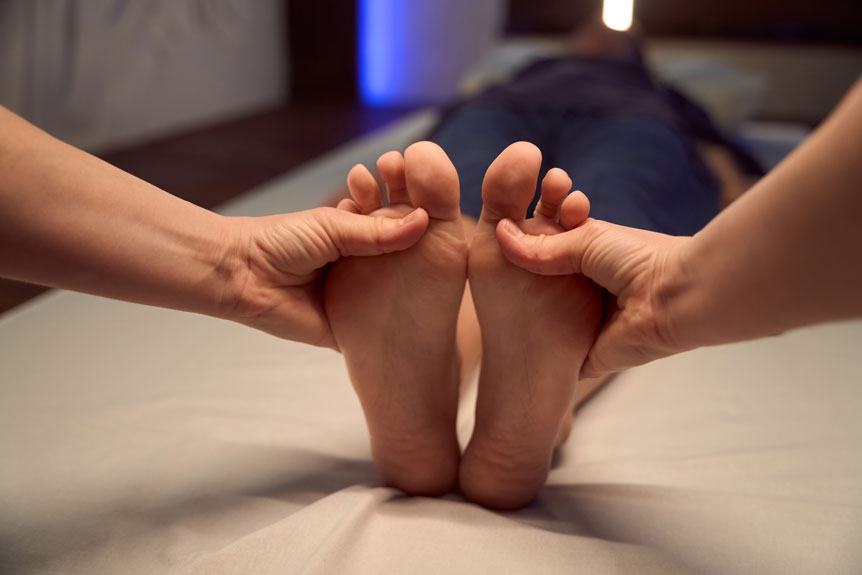
Many clients notice mild, short-lived effects following zone therapy, most commonly temporary fatigue, increased thirst, light-headedness, a brief change in mood, or more frequent urination as hydration needs rise.
Some also report mild headache, transient nausea, or changes in bowel activity, which may reflect autonomic nervous system shifts and altered stress levels.
Local tenderness in the feet can occur where tissues are sensitive, particularly if clients carry plantar tension or stand for long hours.
At Spa & Massage clinics across London, therapists explain these responses as common, monitor comfort closely, and adjust pressure to keep the experience grounded and safe.
Clients are advised to drink water, eat lightly if needed, and rest, while seeking medical advice for severe pain, fainting, or persistent symptoms.
How Long Do Zone Therapy Side Effects Last?
Within the first few hours to 48 hours, zone therapy side effects typically settle, with most short-lived responses—such as fatigue, thirst, light-headedness, mild headache, or increased urination—resolving by the next day. At Spa & Massage clinics across London, therapists explain that duration varies with session intensity, baseline stress load, hydration, sleep, and how sensitively the feet respond to pressure.
Mild muscle-like tenderness in the feet can linger 24–72 hours, especially after a first appointment or a longer treatment. Transient emotional release may arise and fade within a day or two, and clients are supported to feel safe and held. To shorten recovery, therapists recommend water, a light meal, and quiet rest, plus avoiding strenuous exercise and alcohol.
When Symptoms After Zone Therapy Are a Red Flag
Most short-lived responses to zone therapy resolve within 24–48 hours, but a small number of symptoms warrant caution rather than routine aftercare.
Red flags include chest pain, shortness of breath, fainting, sudden one-sided weakness, new confusion, or severe headache—symptoms unrelated to typical post-treatment fatigue. Persistent vomiting, high fever, or rapidly spreading rash may indicate infection or allergy.
New severe leg swelling, calf pain, warmth, or redness raises concern for a clot.
Heavy vaginal bleeding, reduced fetal movement, or abdominal pain in pregnancy should be treated as urgent.
Worsening numbness, burning pain, or loss of bladder or bowel control needs prompt assessment.
At Spa & Massage, therapists screen for contraindications, yet clients are advised to prioritise safety when symptoms feel alarming.
What to Do If You Feel Worse After Zone Therapy
If a client feels worse after zone therapy, initial aftercare should prioritise rest, adequate hydration, and gentle recovery measures to support physiological settling.
At Spa & Massage clinics across London, therapists advise monitoring symptom pattern and intensity over the next 24–48 hours and avoiding strenuous activity if fatigue, headache, or soreness is present.
If symptoms escalate, persist beyond this window, or align with earlier red-flag criteria, the client should contact Spa & Massage for guidance and, where appropriate, seek medical assessment.
Rest, Hydrate, Recover
After a zone therapy session, transient fatigue, light-headedness, or a mild symptom flare can occur, and the appropriate response is supportive aftercare: rest, hydrate adequately, and allow time for recovery.
Spa & Massage advises clients to plan a quieter evening, avoid strenuous exercise, and prioritise sleep so the nervous system can settle.
Water intake should be increased steadily, especially if the session felt deeply releasing; alcohol should be limited, as it can worsen dehydration and disrupt rest.
A light, nourishing meal may stabilise energy.
Gentle warmth—such as a shower or a warm compress to the feet—can ease residual tenderness.
If emotions feel close to the surface, slow breathing and a short walk may help integration while maintaining a sense of safety and closeness.
When To Contact Us
Supportive aftercare—rest, hydration, gentle warmth, and reduced exertion—typically settles short-lived fatigue or mild symptom flare within 24–48 hours.
If symptoms intensify, persist beyond two days, or feel emotionally unsettling, Spa & Massage advises contacting the clinic for guidance.
Prompt review is recommended for severe headache, dizziness, faintness, shortness of breath, chest pain, fever, vomiting, new swelling, spreading rash, significant bruising, or sharp foot/leg pain.
Clients who are pregnant, immunocompromised, or managing complex medical conditions should seek earlier advice.
When contacting, clients should note timing, severity (0–10), any new medications, and hydration/food intake, so the therapist can adjust pressure, pacing, or session timing, and recommend medical review where appropriate.
Who’s More Likely to React Strongly to Zone Therapy?
Why do some people feel more noticeable, short‑term changes after zone therapy than others? Stronger reactions are more often reported by clients who are highly stressed, sleep‑deprived, dehydrated, or new to bodywork, where the nervous system may shift quickly from “on” to “off.” People with heightened pain sensitivity, anxiety, or trauma history may notice transient soreness, tearfulness, or vivid dreams as the body relaxes.
Those with long‑standing tension patterns, sedentary routines, or recent increases in training load can experience temporary aches as tissues adapt. Medication changes, hormonal fluctuations, and digestive sensitivity may also influence how symptoms are perceived.
At Spa & Massage London clinics, therapists screen carefully and tailor pressure, pacing, and session length for comfort and safety.
Zone Therapy Aftercare Tips From Our Therapists
Often, the way a client feels in the 24–48 hours following zone therapy is shaped as much by aftercare as by the treatment itself.
Spa & Massage therapists advise steady hydration, as mild post-treatment fatigue or headache can be linked to dehydration and temporary autonomic shifts.
A light meal, limited alcohol, and an early night support recovery.
Gentle walking and warm feet (socks or a bath) may ease residual tenderness, while strenuous exercise is best postponed until the next day.
Clients are encouraged to track symptoms—sleep, mood, digestion, pain—so patterns can be discussed at the next session and pressure can be adjusted.
If symptoms are intense, prolonged beyond 48 hours, or include dizziness, fever, or swelling, medical review is recommended promptly.
Conclusion
It can occasionally feel like a calm lake stirred: as the nervous system downshifts and circulation shifts, mild fatigue, achiness, mood changes, or lightheadedness may briefly surface, typically resolving within 24–48 hours. These short-lived responses are usually consistent with relaxation effects rather than harm. However, persistent, escalating, or unusual symptoms—especially severe pain, fainting, fever, or neurological changes—warrant prompt review with the therapist and appropriate medical assessment to safeguard safety.