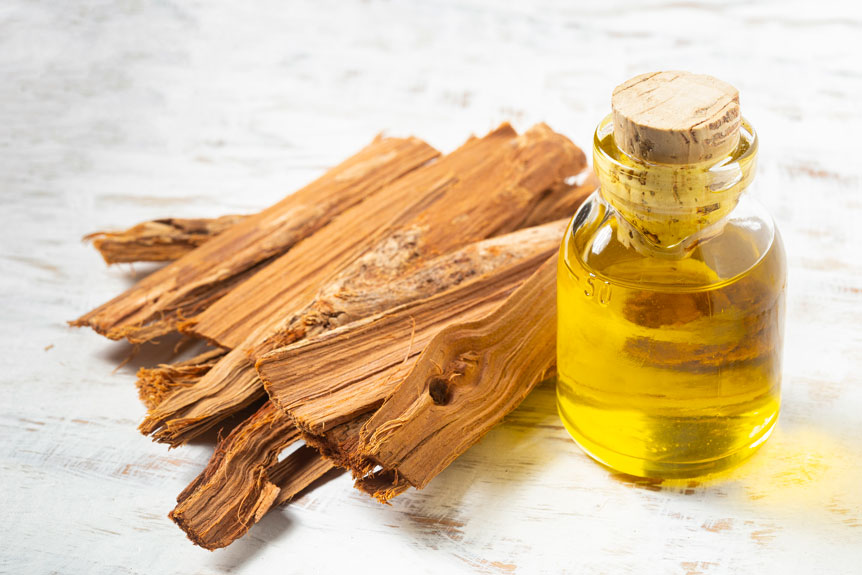
Sandalwood oil in aromatic massage is used to support relaxation and reduce perceived stress through its warm, woody scent, which may help slow breathing and ease muscle guarding. When properly diluted in a carrier oil, it also improves glide, reduces friction, and can leave skin feeling smoother and less tight. Patch testing is advised, and it should be avoided on broken or irritated skin, or by those with fragrance sensitivity, asthma, migraines, or pregnancy without guidance. Further details explain benefits, precautions, and typical session flow.
What Does Sandalwood Oil Do in Massage Therapy?
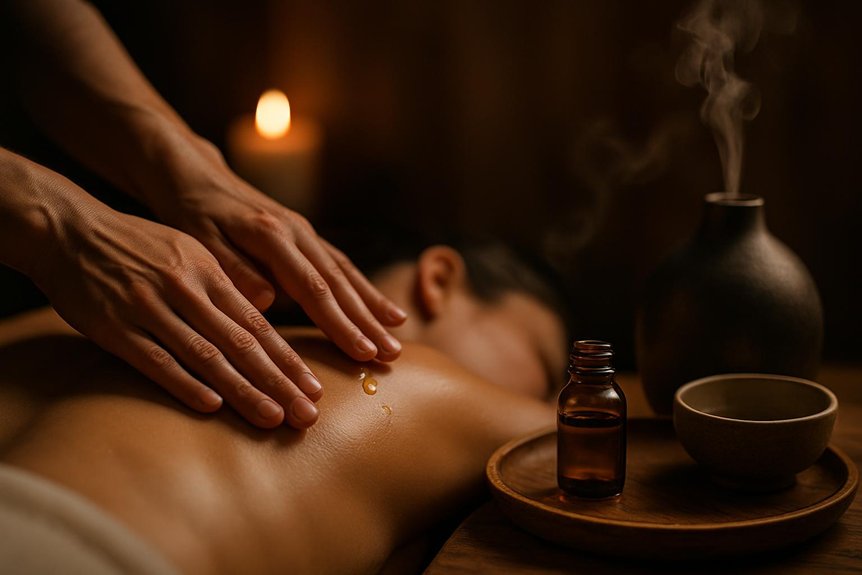
In aromatic massage, sandalwood oil is primarily used to promote relaxation while supporting the practical goals of hands-on treatment.
At Spa & Massage clinics across London, therapists may select it for its warm, woody aroma that helps clients settle into close, attentive touch and slower breathing. Evidence suggests inhaled essential oils can influence mood and perceived stress; in session, that can support comfort, consent, and sustained pressure without bracing.
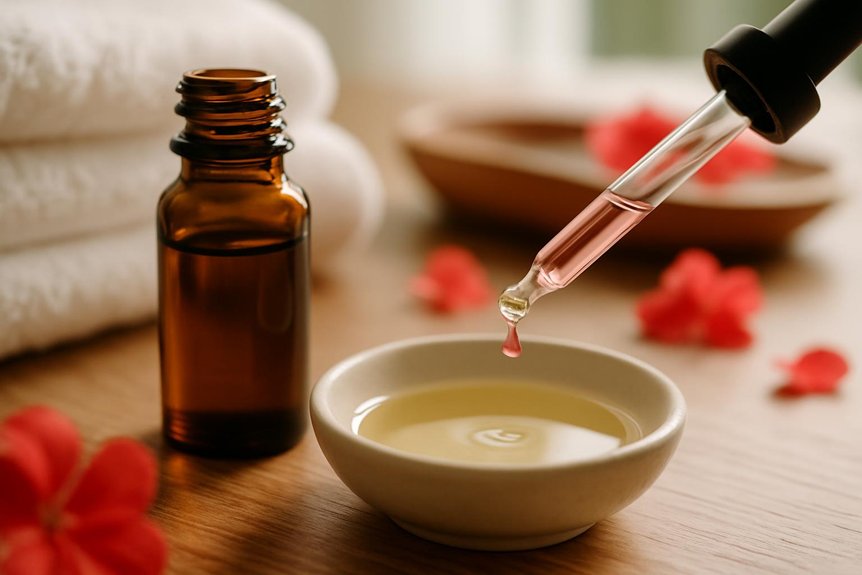
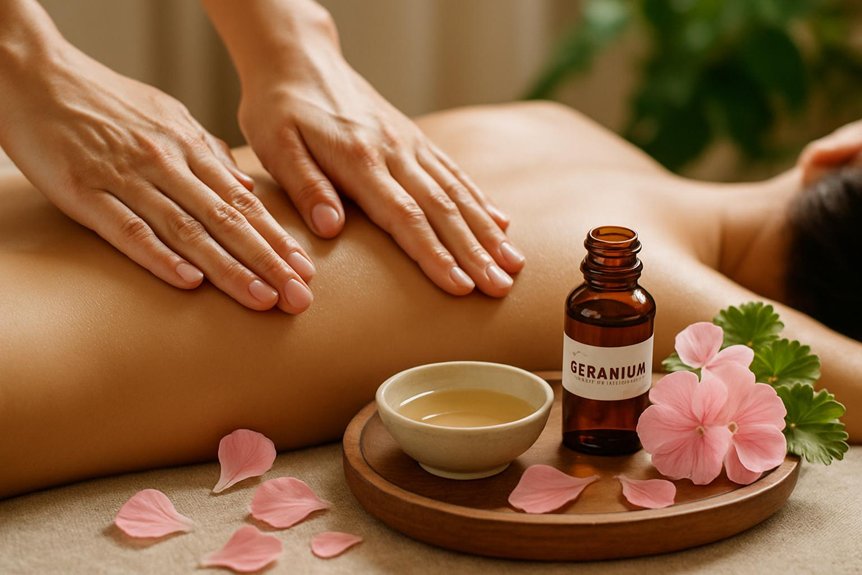
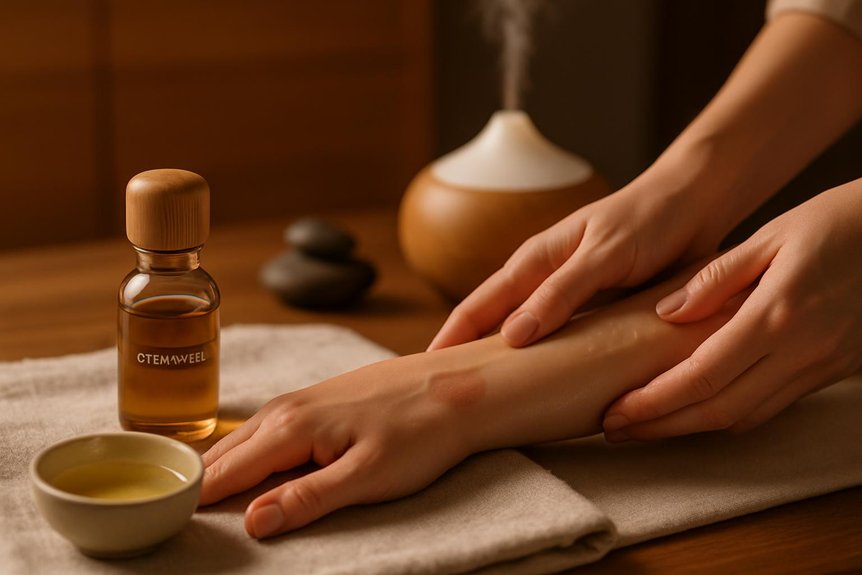
Topically, sandalwood is typically diluted in a carrier oil to improve glide and reduce friction, allowing precise work over muscles while maintaining a soft, reassuring feel.
It is also chosen for skin comfort, as it is generally well tolerated when appropriately diluted.
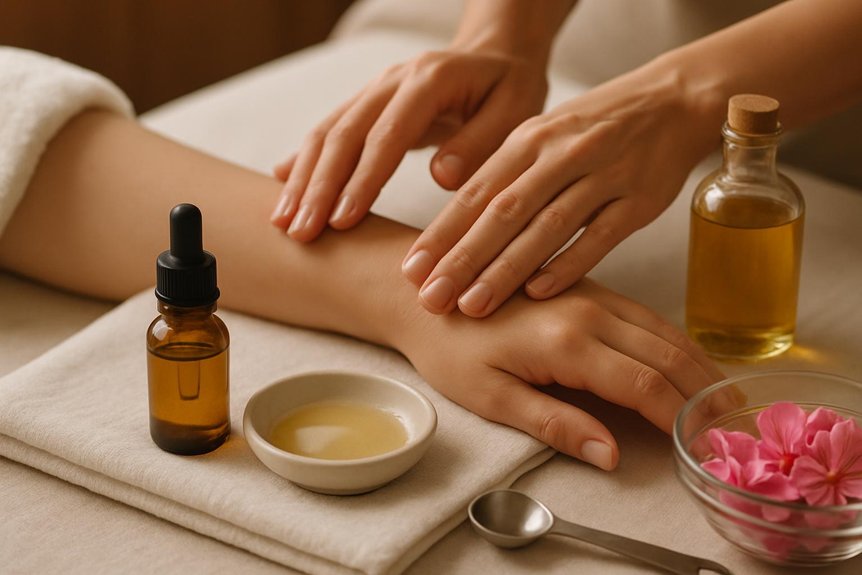
Safety remains central: patch testing is advised, and it is avoided on irritated skin. Many therapists also share aromatherapy massage tips to help clients relax and heal between sessions.
How Does Sandalwood Oil Massage Help You Relax?
By combining steady, comforting touch with a warm, woody aroma, sandalwood oil massage can downshift the body’s stress response and make it easier to relax.
At Spa & Massage, therapists use slow, grounding strokes and unhurried pressure to support parasympathetic activity, easing muscle guarding and settling the breath.
Sandalwood’s scent is associated with reduced perceived anxiety in aromatherapy research, which may help clients feel safer and more held during close, nurturing work.
Many clients notice quieter thoughts, softer shoulders, and a smoother shift into rest after the session.
For safety, therapists dilute essential oils appropriately, screen for pregnancy, asthma, and sensitivities, and invite feedback throughout.
Consent-led draping and clear communication maintain comfort and trust, enhancing relaxation outcomes.
What Does Sandalwood Oil Do for Your Skin?
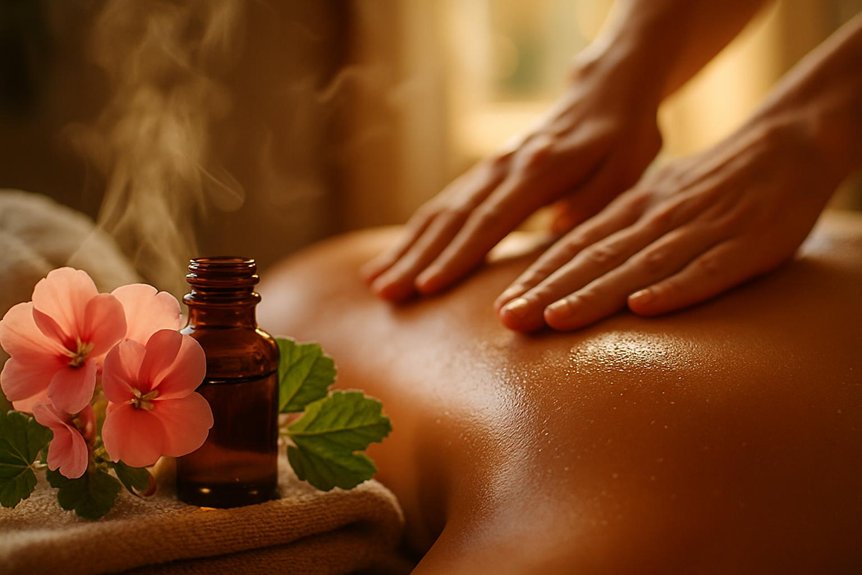
Beyond its calming scent, sandalwood essential oil is valued in massage for skin-supportive properties, particularly when properly diluted in a carrier oil. In practice, it can help soften the feel of dry, rough patches by supporting the skin barrier and reducing the perception of tightness after cleansing or weather exposure.
Limited clinical data and long-standing topical use suggest mild anti-inflammatory and antimicrobial activity, which may be useful for clients who experience occasional redness or blemish-prone skin, though it is not a medical treatment. At Spa & Massage clinics, therapists blend sandalwood at low concentrations and pair it with slow, warming strokes to encourage circulation and leave a smooth, velvety finish. Clients often describe the skin as calmer, more supple, and touch-ready afterward.
Who Should Avoid Sandalwood Oil Massage (and Why)?
As with any essential-oil treatment, sandalwood aromatic massage is not appropriate for everyone, and certain groups should avoid it or seek clinical clearance first.
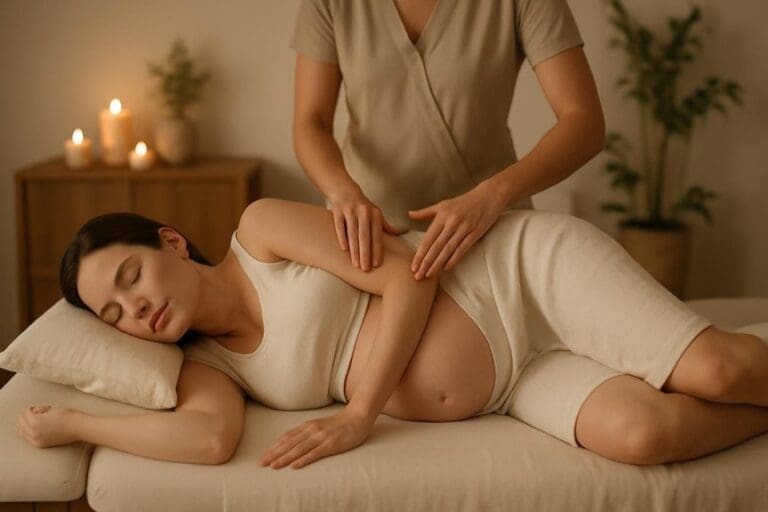
Clients who are pregnant or breastfeeding should only proceed with professional guidance, as safety data for essential oils can be limited. Those with asthma, fragrance sensitivity, migraines, or a history of allergic contact dermatitis may react to aromatic compounds and should request an unscented alternative.
People with eczema flares, broken skin, or recent waxing/shaving should avoid sandalwood on affected areas to reduce irritation.
Anyone taking anticoagulants, with low blood pressure, or using sedatives should consult a clinician, as deep relaxation may amplify light‑headedness.
At Spa & Massage, therapists patch‑test when indicated and can tailor oil choices for close, comfortable care.
What Happens in a Sandalwood Aromatic Massage at Spa & Massage?
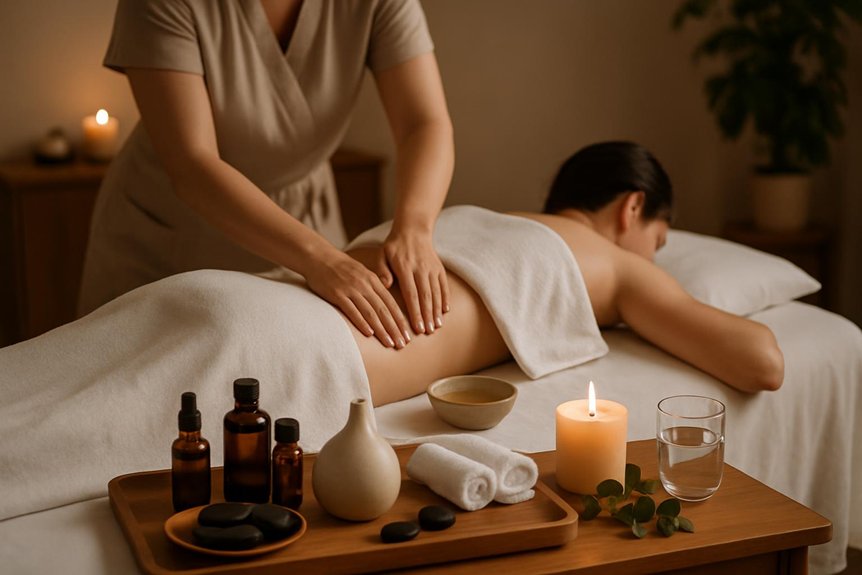
At Spa & Massage clinics across London, a sandalwood aromatic massage typically begins with a brief consultation to confirm goals, review relevant health considerations, and agree on pressure and areas to focus on or avoid.
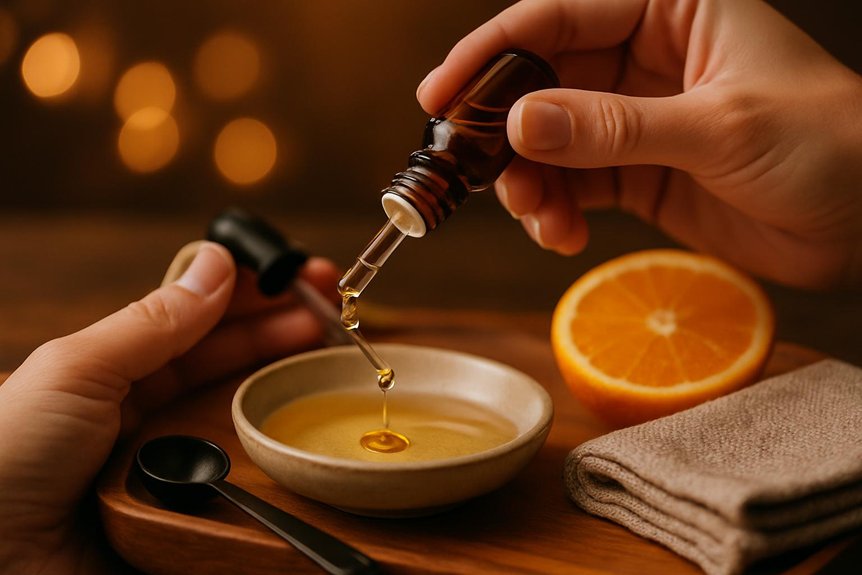
The therapist may offer a patch-test when sensitivities are possible, then blends sandalwood essential oil into a carrier oil at a skin-safe dilution.
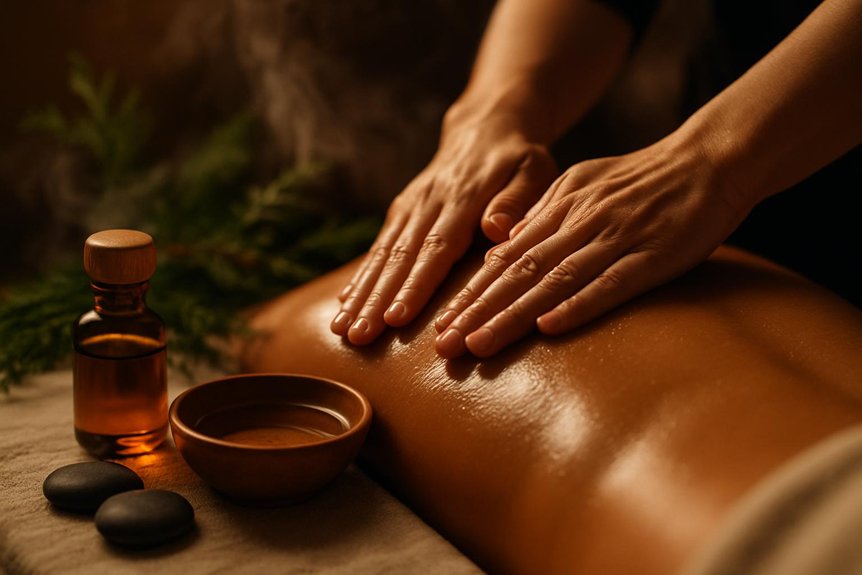
The room is quiet and warm; draping is used throughout to protect modesty while allowing fluid, unbroken strokes.
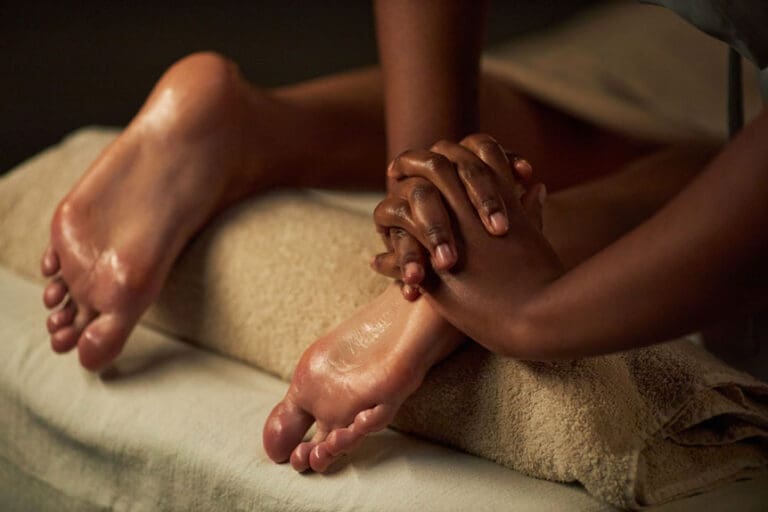
Slow effleurage and gentle kneading encourage relaxation, with deeper work used only with consent and feedback.
Clients are guided to breathe naturally, supporting calm and body awareness.
Aftercare includes hydration, avoiding heat exposure, and noting any delayed skin reaction.
Conclusion
Sandalwood oil in aromatic massage is often chosen for its soothing scent, supporting calmer breathing, quieter thoughts, and a more grounded treatment experience. When professionally diluted, it can complement hands-on techniques that ease tension while leaving skin comfortably conditioned. Client suitability remains central: patch testing, allergy history, pregnancy status, and asthma or scent sensitivity should guide selection. In Spa & Massage settings, a therapist tailors pressure, pace, and blend, prioritising safe, sensory simplicity and sustained relaxation.