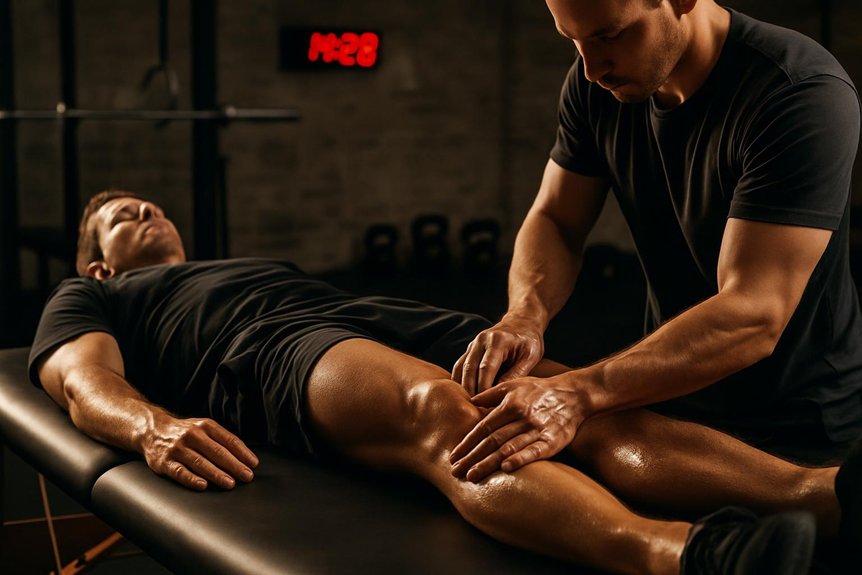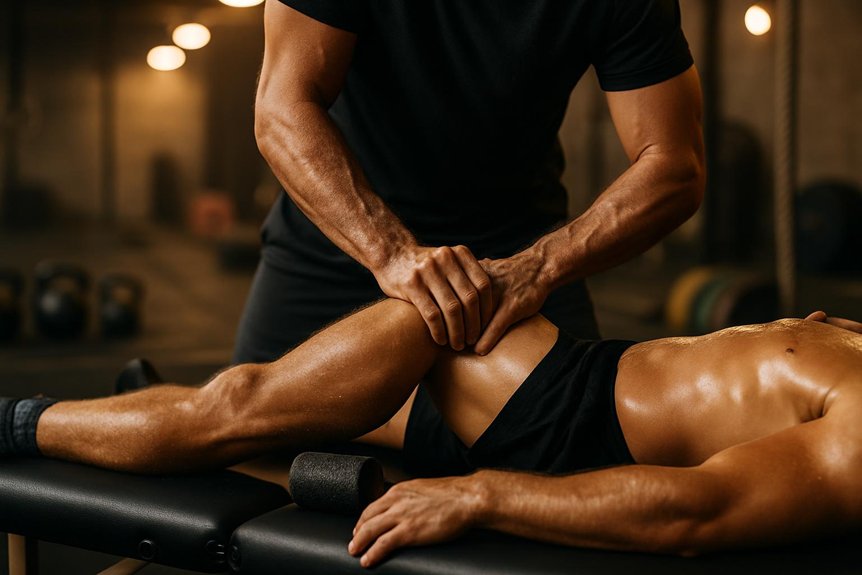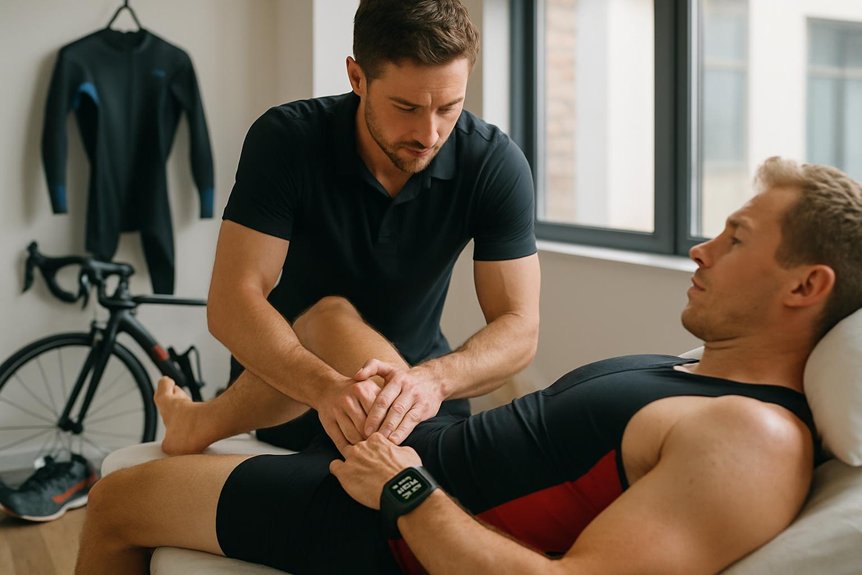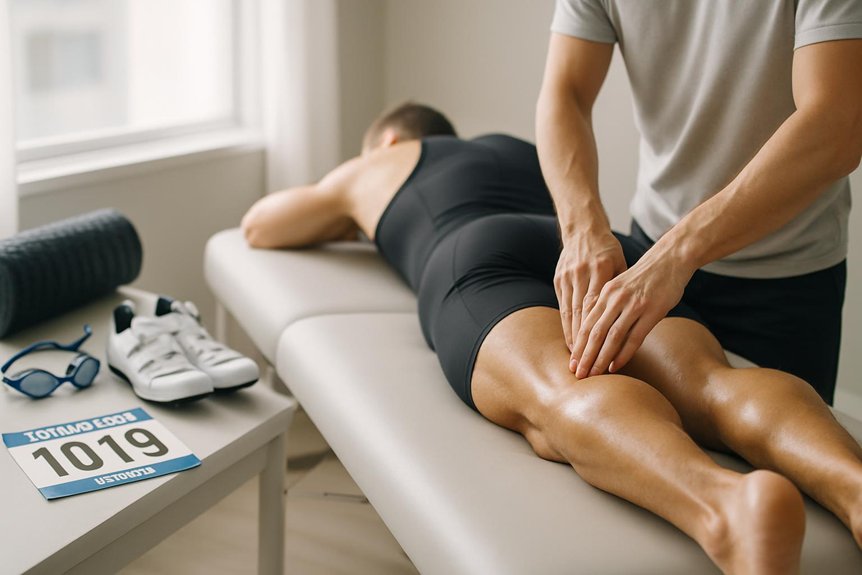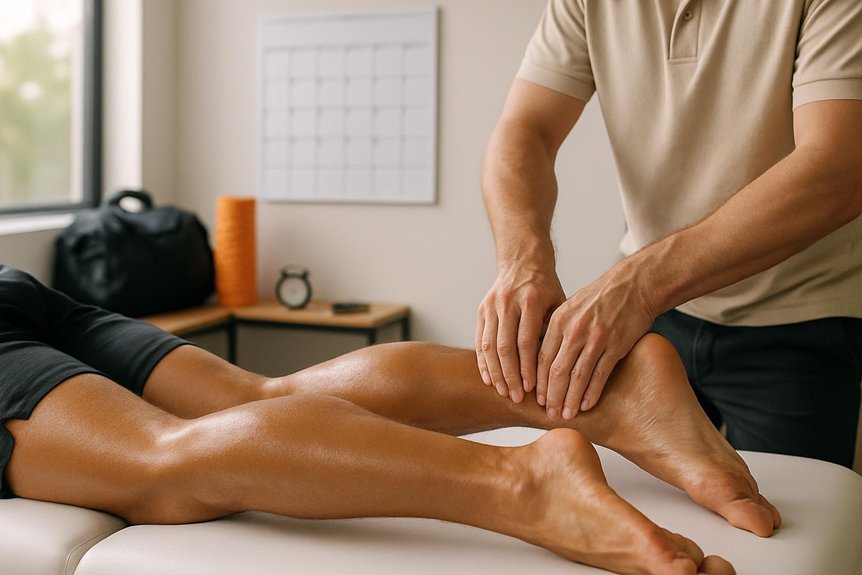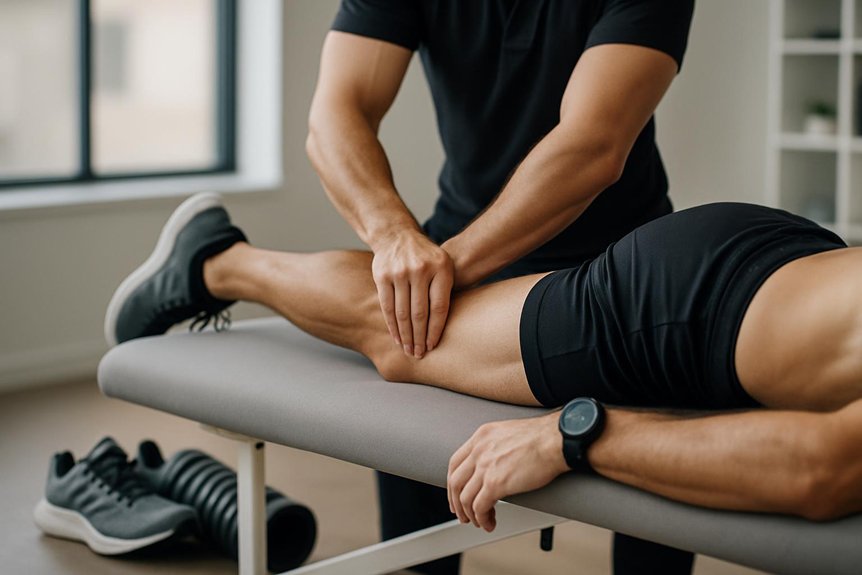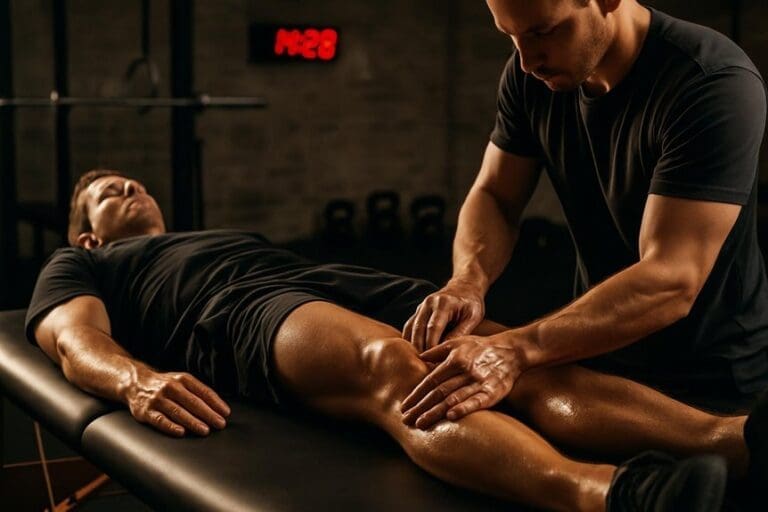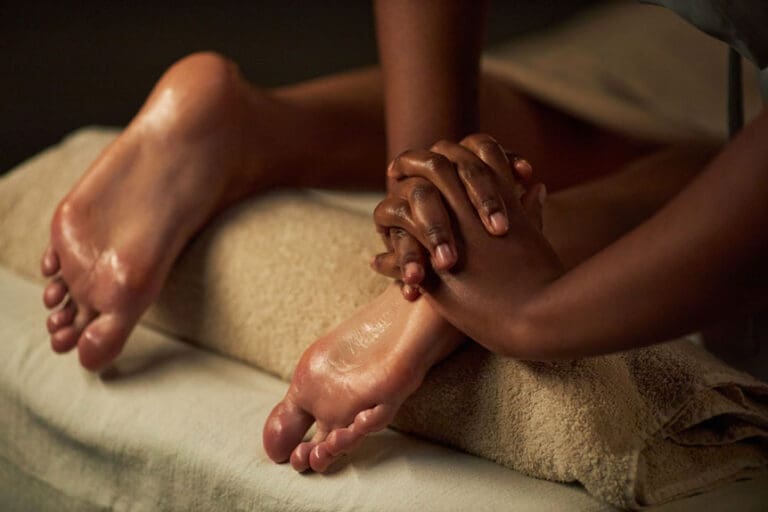
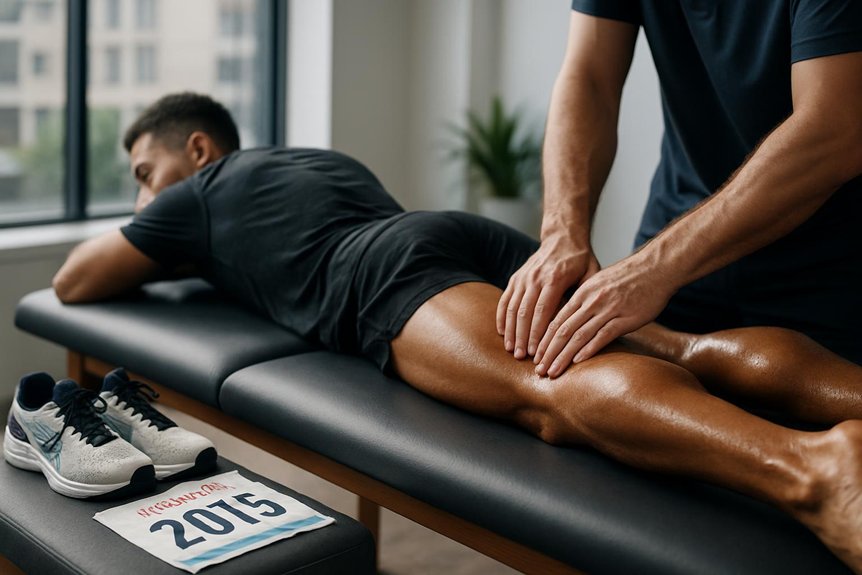
It is not essential for marathon training, but it can be a useful recovery tool when weekly load is high, soreness persists, or there is a history of calf, Achilles, hamstring, or ITB issues. Evidence-informed deep tissue, myofascial release, and brief trigger-point work can reduce post-run tension and help restore comfortable range of motion for more efficient stride mechanics. It is often scheduled every 2–4 weeks, then 24–48 hours after key sessions. More guidance follows.
Do You Need Athletic Massage for Marathon Training?
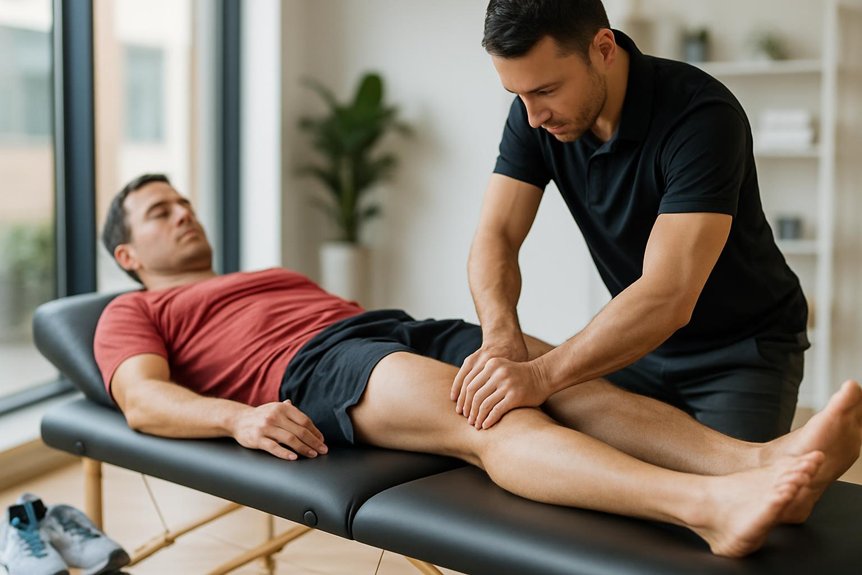
Whether athletic massage is needed during marathon training depends on the runner’s weekly load, injury history, and recovery capacity. Athletes stacking long runs, speed work, and strength sessions, or returning from calf, Achilles, hamstring, or ITB issues, often benefit from scheduled bodywork to stay consistent.
Those with low mileage, robust sleep, and minimal soreness may need it only after spikes in volume or intensity. At Spa & Massage clinics across London, therapists assess tissue tone, tenderness, and range of motion, then choose targeted deep tissue strokes, myofascial release, and trigger point work based on the runner’s tolerance.
It can also support recovery by easing post-session tightness and promoting circulation improvement often valued by athletes. For runners craving close, attentive care, regular appointments can provide structured check-ins, informed feedback, and a calm place to recalibrate.
How Does Athletic Massage Help Marathon Training?
It can support marathon training by accelerating recovery between runs through targeted soft-tissue techniques that reduce post-session muscle tension and restore comfortable range of motion.
At Spa & Massage clinics across London, therapists use evidence-informed methods (such as deep tissue work, myofascial release, and trigger point techniques) to improve mobility that can translate into a more efficient, less restricted stride.
Regular treatment also helps prevent overuse injuries by addressing repetitive-load hotspots early and maintaining tissue capacity as weekly mileage rises.
Boosts Recovery Between Runs
Between key marathon sessions, structured athletic massage can accelerate recovery by targeting the mechanical and neurophysiological factors that drive post-run soreness and stiffness.
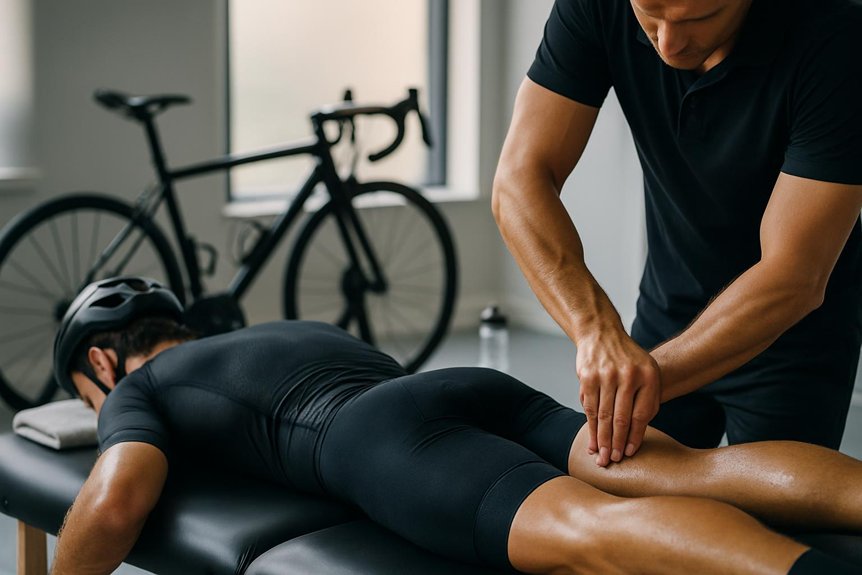
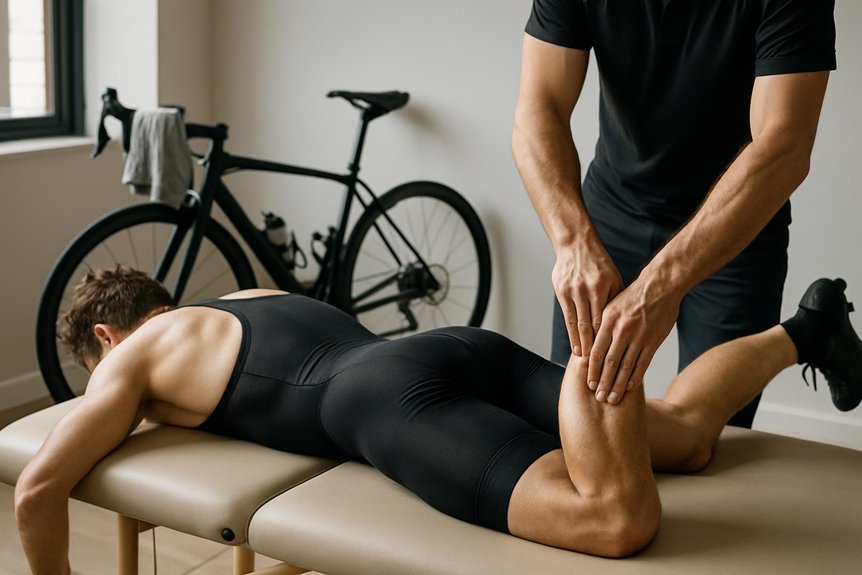
At Spa & Massage clinics across London, therapists assess load and tenderness, then apply slow, specific pressure to calves, quads, hamstrings, and glutes to reduce protective guarding and restore comfortable tissue glide.
Evidence suggests massage can lower perceived soreness and improve relaxation, helping runners return to quality training sooner without chasing intensity.
Treatment often combines deep tissue strokes, compressions, and targeted trigger-point work, paced with breathing so the nervous system downshifts.
Many runners book 24–72 hours after long runs or intervals.
Aftercare is simple: hydrate, keep warm, and choose an easy run next day, listening to fatigue signals closely.
Improves Mobility And Stride
In marathon training, small restrictions at the ankle, hip, or thoracic spine can subtly shorten stride length, increase ground-contact time, and shift load into the calves, ITB region, or hamstrings.
At Spa & Massage, athletic massage is used to restore glide between muscle layers and reduce guarding so joints can access end-range smoothly. Therapists combine targeted deep tissue strokes with myofascial release and brief pin-and-stretch on the hip flexors, calves, and lateral thigh, then re-check movement with simple squat, lunge, and ankle-dorsiflexion screens.
When mobility improves, runners often feel a quieter foot strike and easier hip extension, supporting a longer, more economical stride.
Aftercare is practical: slow calf raises, hip openers, and relaxed diaphragmatic breathing to keep gains between sessions.
Helps Prevent Overuse Injuries
With marathon mileage rising week by week, overuse injuries typically develop when repetitive loading outpaces tissue recovery and small movement faults concentrate stress in predictable areas such as the Achilles, plantar fascia, patellar tendon, and ITB region.
It supports prevention by improving tissue tolerance and reducing excessive tone that can alter joint mechanics under fatigue. At Spa & Massage clinics in London, therapists use technique-driven assessments, then apply targeted deep tissue work, slow stripping, and cross-fibre friction to sensitised tendons, plus myofascial release along calves, quads, and lateral hip.
This can enhance local circulation, reduce pain-related guarding, and restore comfortable range so stride remains symmetrical. Aftercare includes hydration, gentle mobility, and tapering load for 24–48 hours if soreness lingers.
Signs You’d Benefit From an Athletic Massage
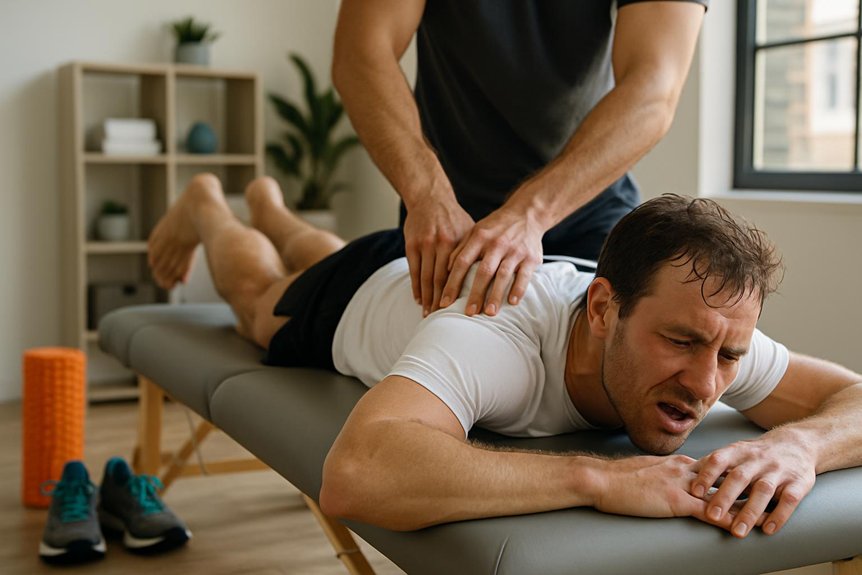
When should a marathon runner consider booking an athletic massage? Useful signs include persistent “heavy legs,” reduced stride efficiency, or a hard, ropy feel in calves, quads, or glutes on self-palpation.
Localised tenderness around the IT band, Achilles, or plantar fascia—especially when stiffness lingers beyond warm-up—often indicates tissue overload that responds to targeted manual work.
Sleep disruption, elevated resting soreness, or a sense of guarding in hips and lower back may also signal an overloaded nervous system.
At Spa & Massage, therapists assess tone, range, and trigger points, then apply technique-driven deep tissue strokes, myofascial release, and gentle compressions, keeping pressure intimate, communicative, and athlete-led to restore comfortable movement.
When to Book Athletic Massage During Marathon Training
During the base phase, athletes often book athletic massage every 2–4 weeks to support tissue adaptation, maintain range of motion, and address emerging load-related tightness with targeted deep-tissue and myofascial techniques used in Spa & Massage clinics.
In peak weeks, scheduling typically shifts to lighter, recovery-focused sessions 5–7 days after the longest run or key workout to reduce soreness without compromising training quality.
For the pre-race window, many runners choose a gentle session 3–7 days before race day to optimise comfort and mobility while avoiding aggressive work that could trigger residual tenderness.
Base Phase Timing
In the early weeks of marathon preparation, the base phase is the most efficient point to establish a consistent athletic massage cadence alongside steadily increasing mileage. A fortnightly session often suits most runners, supporting tissue tolerance as long runs extend and strength work begins.
At Spa & Massage clinics across London, therapists typically assess calves, quads, glutes, and hip flexors, then apply slow deep-tissue strokes, targeted trigger-point work, and gentle myofascial release to reduce tone and improve glide between layers.
Timing works best 24–48 hours after a key run, when the body can soften without compromising the next quality session. Athletes are advised to arrive hydrated, communicate tenderness honestly, and leave with simple aftercare: light walking, warmth, and steady breathing to settle the nervous system.
Peak Week Scheduling
As mileage and intensity climb from base-building into peak weeks, athletic massage scheduling shifts from general tissue conditioning to protecting key sessions and managing accumulated load. At Spa & Massage clinics across London, therapists typically book athletes 24–48 hours after the longest run or toughest workout, allowing soreness to settle while improving perceived recovery and range of motion.
In heavy weeks, one focused session may be enough; runners who double or add strength work often benefit from two shorter treatments spaced 3–4 days apart. Technique is kept purposeful: slow deep-tissue strokes along calves, hamstrings, glutes, and hip flexors, plus trigger-point work where tone stays high. Pressure is negotiated breath-by-breath, so muscles soften without provoking next-day heaviness. Home aftercare prioritises hydration, light walking, and sleep.
Pre-Race Recovery Window
Two to seven days before race day, athletic massage should shift from “fixing” tightness to optimising readiness, because aggressive deep work can increase post-treatment soreness and blunt key taper sessions.
The ideal booking is 3–5 days out, allowing tissues to settle while preserving stride economy and confidence.
At Spa & Massage clinics across London, therapists typically use moderate-pressure effleurage, flushing strokes, and gentle myofascial release to reduce perceived heaviness and support parasympathetic recovery.
Trigger points are approached briefly, then calmed, not chased.
Work focuses on calves, hamstrings, hip flexors, and feet, with short, sport-specific stretches and breathing cues.
Aftercare is quiet: hydrate, walk lightly, keep mobility easy, and sleep.
If racing Sunday, Thursday is often preferred.
What Happens in a Marathon Athletic Massage
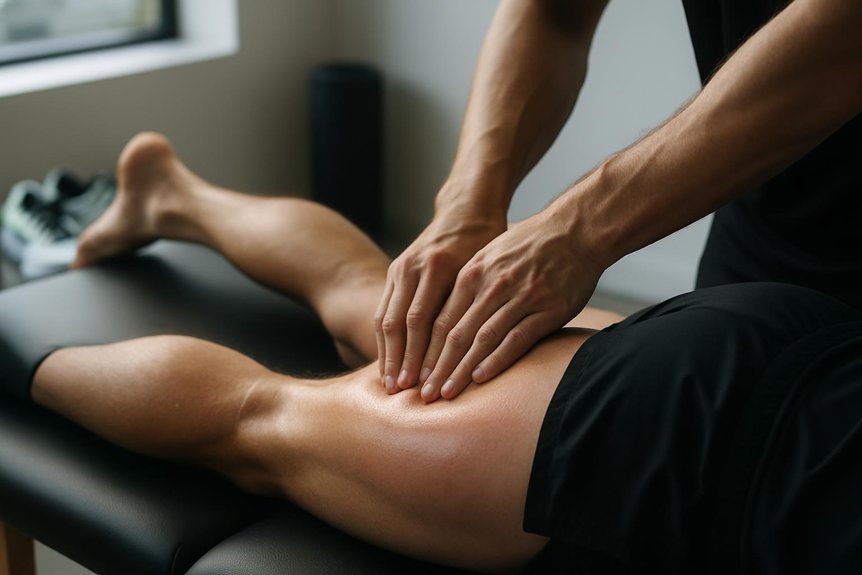
Before hands-on work begins, a marathon athletic massage typically starts with a brief, targeted assessment of training load, current mileage, race timeline, and any pain or tightness patterns, allowing the therapist to select techniques that support performance without provoking soreness.
In Spa & Massage clinics, treatment then blends warming effleurage to increase local circulation with focused deep-tissue strokes and myofascial release along calves, hamstrings, glutes, hip flexors, and lower back—common load-bearing chains in distance runners.
Trigger-point pressure may be applied to stubborn knots, with communication kept close and consent-led to maintain comfort and trust.
Assisted stretching and gentle joint mobilisations can follow to restore stride mechanics.
Pressure is dosed to leave the body calm, supple, and race-ready, not bruised or depleted.
Athletic Massage Aftercare: What to Do for 48 Hours
In the 48 hours after a marathon-focused athletic massage, aftercare should prioritise recovery adaptation rather than further tissue stress.
Spa & Massage therapists advise steady hydration and a protein-plus-carbohydrate meal within two hours to support glycogen and repair.
Expect mild tenderness; avoid deep stretching, foam rolling, or additional bodywork for 24–48 hours so microtrauma settles.
Keep training light: easy aerobic running or walking only, guided by soreness and sleep quality.
Use warmth (shower or heat pack) for 10–15 minutes to maintain circulation; add brief cold only if swelling or sharp irritation appears.
Sleep 7–9 hours.
If bruising, nerve tingling, or pain escalates, clients are advised to contact the clinic for reassessment.
Conclusion
It is not a magic shortcut, but a tuned spanner for a high‑mileage engine. Used strategically, it can ease tone in overworked tissues, preserve range, and help runners keep form when fatigue tries to bend the frame. The best results come from timing: deeper work in heavy blocks, lighter sessions near key workouts and race day. Paired with sleep, hydration, and progressive loading, it supports durability—like resetting the compass before miles drift off course.