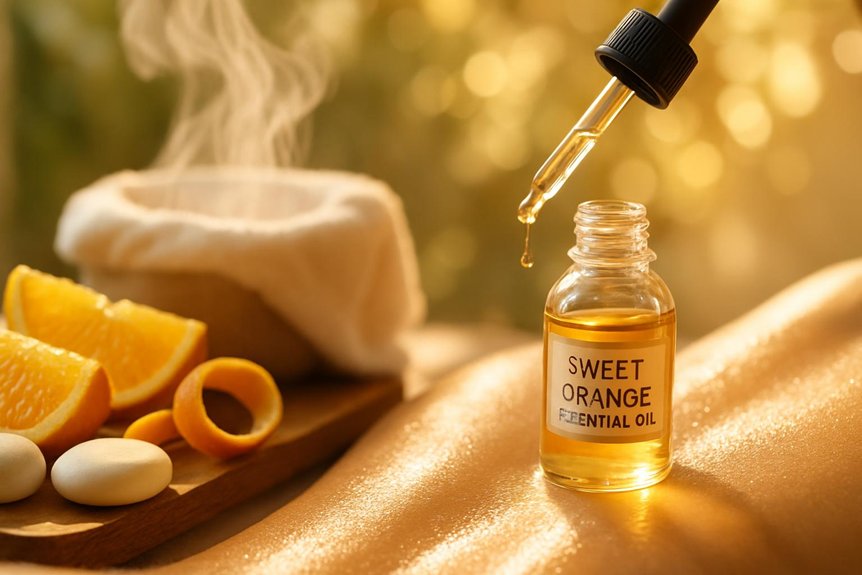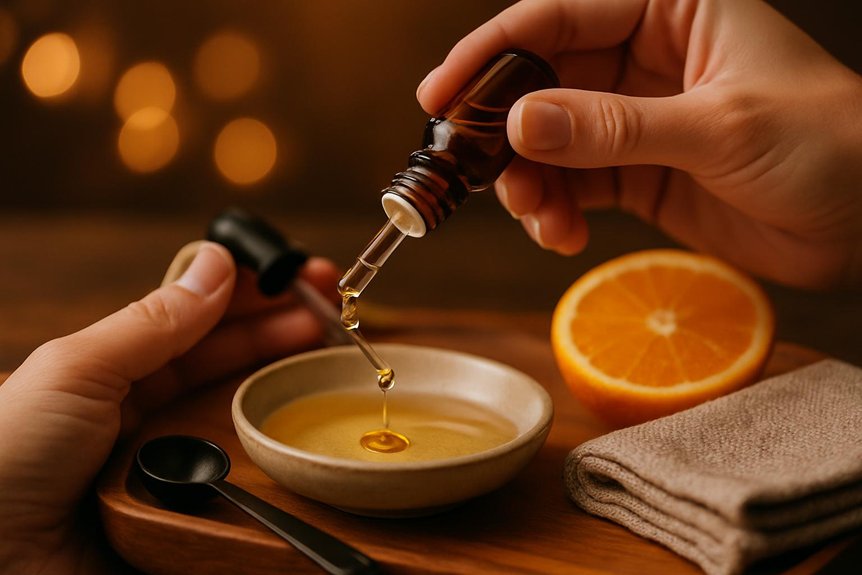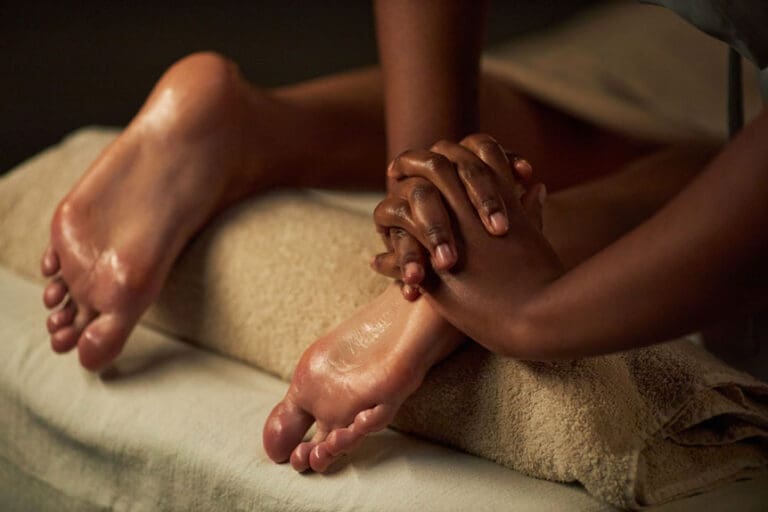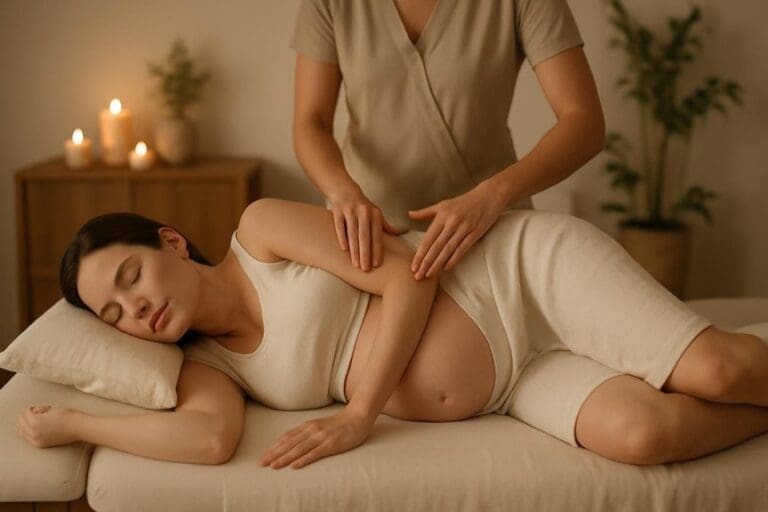
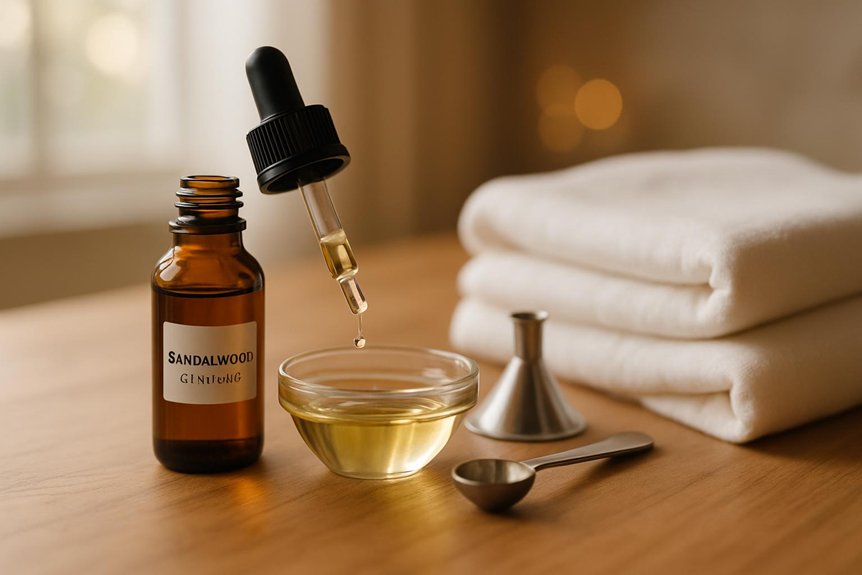
For aromatic massage, sandalwood essential oil is typically diluted to 1–2% in a carrier oil to reduce irritation and sensitisation risk. A practical guide is about 2 drops per 10 ml carrier for ~1% (or 6 drops per 30 ml), and up to 4 drops per 10 ml (12 per 30 ml) for ~2% on small, tolerated areas. Blend in clean dark glass, warm between palms, use slow effleurage, and patch test first. Further guidance covers carriers, blends, storage, and mistakes.
What Dilution Ratio Should You Use for Sandalwood Massage Oil?
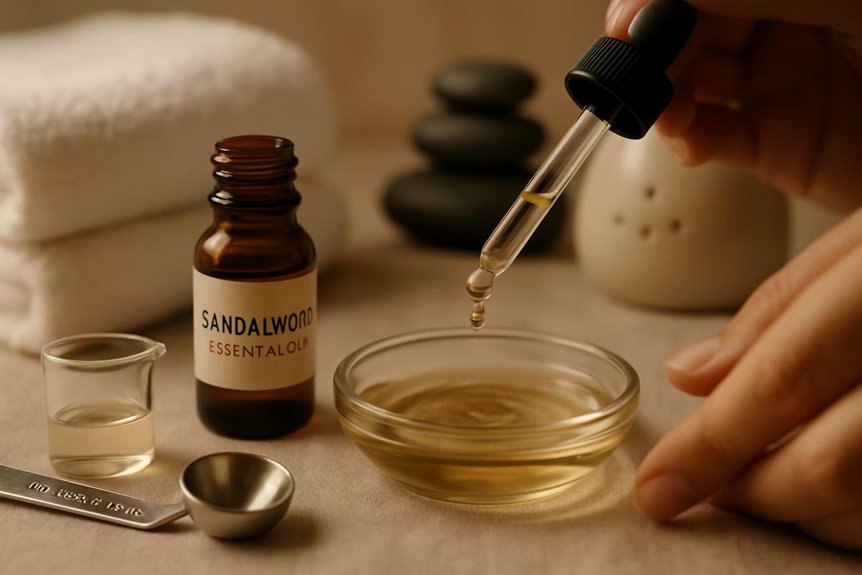
A safe starting point for sandalwood massage oil is a low dilution of 1–2% essential oil in a carrier oil, which aligns with common aromatic massage practice and helps minimise the risk of skin irritation or sensitisation. In Spa & Massage clinics, therapists typically keep sandalwood on the lower end for full-body work, increasing only when the client’s skin tolerance and desired intensity are clear.
For intimate, close-contact massage, a lower ratio supports slow, continuous glide without overwhelming scent, helping the receiver stay relaxed and present. A slightly higher ratio may suit short, targeted work on shoulders, hands, or feet, but should be avoided on mucous membranes and recently shaved or compromised skin. Patch testing and stopping if heat, itch, or redness develops remain standard. Used thoughtfully, aromatherapy massage can help you relax and heal while keeping the scent experience balanced and skin-friendly.
Drops Guide: Sandalwood Oil per 10ml and 30ml
For safe, consistent aromatic massage, Spa & Massage therapists typically translate percentage dilution into a practical drops guide, noting that drop size varies by bottle so measuring by volume remains the most reliable method.
As a working reference, many practitioners use about 2 drops of sandalwood essential oil per 10ml carrier (≈1% dilution) and about 6 drops per 30ml, adjusting downward for sensitive skin and keeping within recognised dermal safety limits.
This section sets out recommended drops per 10ml and per 30ml to support accurate blending and predictable skin tolerance in clinic-style practice.
Recommended Drops Per 10ml
Two practical reference points are typically used in aromatic massage to keep sandalwood essential oil within conservative, skin-safe dilution ranges: per 10ml of carrier oil, around 2 drops (≈1%) suits most adults for regular body massage, while up to 4 drops (≈2%) may be reserved for short-term, targeted use when tolerance is established; scaled to 30ml, this equates to about 6 drops for 1% or 12 drops for 2%, and in Spa & Massage clinics therapists apply these ratios alongside a patch-test mindset, avoiding higher concentrations on sensitive areas and adjusting down for reactive skin or first-time clients.
For 10ml blends, measured drops are added to the carrier, then warmed between palms before slow, continuous strokes. This supports close, unhurried contact while reducing hotspotting. Hands are washed after blending, and eyes and mucosa are avoided.
Recommended Drops Per 30ml
In Spa & Massage clinics, therapists blend drops into 30ml of carrier oil, cap, then roll the bottle between palms to disperse evenly before use.
For an intimate, full-body ritual, 6 drops supports a warm, grounding scent without overwhelming the senses or the skin. Patch testing on the inner forearm is advised, and 2% is avoided on sensitive areas, broken skin, or during pregnancy unless clinically indicated.
Best Carrier Oils for Sandalwood Massage (By Skin Type)
Which carrier oil best complements sandalwood in massage depends largely on skin type and the intended massage technique, because the carrier controls glide, absorption speed, and the final dilution on the skin.
For dry or mature skin, avocado or jojoba supports a richer, slow-absorbing glide that suits unhurried, close-contact strokes. For sensitive or reactive skin, fractionated coconut or grapeseed offers a lighter feel; therapists at Spa & Massage typically patch-test and avoid nut oils when allergy risk is unclear.
For oily or acne-prone skin, grapeseed or hemp seed absorbs quickly and helps keep touch silky rather than slick. For normal or combination skin, sweet almond balances slip and absorption, ideal for flowing effleurage and deeper kneading.
Clinicians recommend unscented, cold-pressed, fresh oils stored away from heat.
Step-by-Step: Dilute Sandalwood Oil for Massage
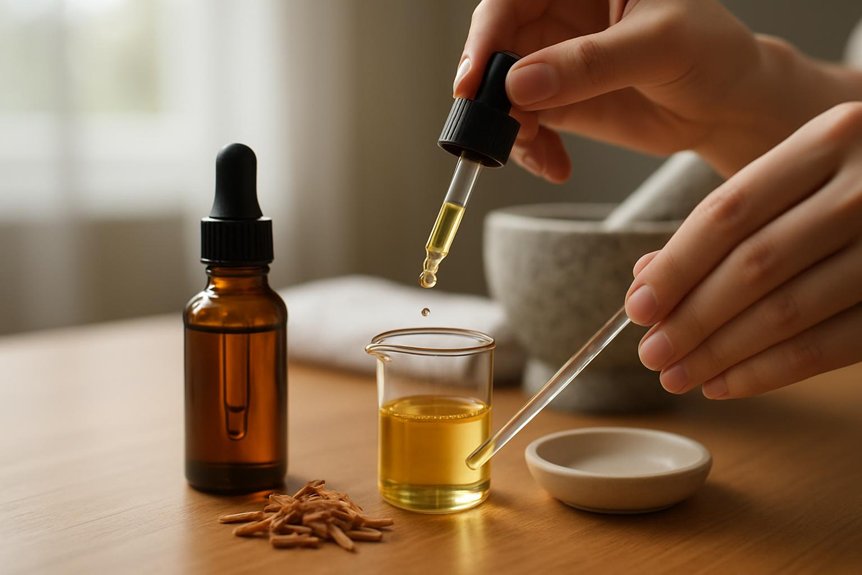
Choosing the right carrier oil sets the texture and absorption, but safe aromatic massage also depends on accurate dilution of sandalwood essential oil to skin-appropriate levels.
At Spa & Massage, therapists typically aim for 1% for sensitive skin and 2% for most adults; 3% is reserved for short, localised areas. Measure precisely: for every 10 ml carrier oil, add 2 drops for ~1% or 4 drops for ~2% (drop size varies, so consistency matters).
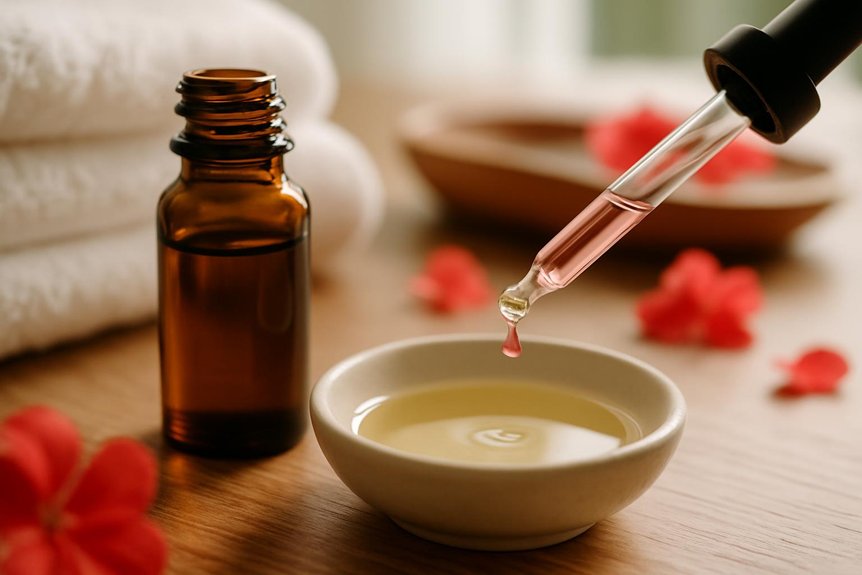
Blend in a clean glass bottle, cap, and roll between palms to mix without aerating.
Patch test on the inner forearm for 24 hours.
During intimate massage, keep oil away from eyes and mucous membranes, and stop if burning, redness, or headache occurs.
How Much Sandalwood Massage Oil to Make (1–4 Weeks)
For practical use over 1–4 weeks, the safest approach is to make sandalwood massage oil in small, freshness-friendly batches matched to how often it will be used.
In Spa & Massage clinics, therapists typically plan 30–60 ml for weekly self-massage, or 100–120 ml for two people sharing, assuming 5–10 ml per full-body session.
For 2–4 weeks, preparing 120–240 ml total is usually sufficient, but splitting it into two bottles limits oxidation and contamination.
The oil should be stored in dark glass, capped tightly, and kept cool and away from sunlight.
Any change in scent, cloudiness, or skin stinging warrants disposal.
For intimate massage, a smaller bottle also warms faster in the hands.
Calming Sandalwood Massage Blends for Stress
In periods of sustained stress, sandalwood-based massage blends are typically formulated to support relaxation through controlled dilution, slow application, and consistent sensory cues.
At Spa & Massage clinics across London, therapists commonly keep total essential oils at 1–2% for full-body work (about 6–12 drops per 30 ml carrier), choosing sandalwood as the base note for steadiness and warmth.
A practical stress blend is sandalwood with lavender and bergamot (FCF) in a 2:2:1 ratio, patch-tested first and avoided on broken skin.
Technique matters: long, grounding effleurage over shoulders, chest, and forearms, then sustained palm holds to encourage a calmer breath.
Many clients prefer quiet, minimal conversation.
Sandalwood Blends for Sleep and Winding Down
Stress-focused sandalwood blends often aim to steady breathing and reduce physiological arousal; for evening use, the same grounding profile can be adapted to support sleep readiness by shifting to softer top notes and slower, lighter application.
At Spa & Massage, therapists typically keep total essential oil dilution low (about 1% for full-body, 0.5–1% for sensitive skin), favouring sandalwood with gentle partners such as lavender or Roman chamomile in a neutral carrier.
For winding down, application focuses on unhurried effleurage over shoulders, chest, and forearms, followed by quiet, sustained hand contact to cue safety and warmth.
Clients are advised to patch test, avoid eyes and mucosa, and skip aromatherapy if pregnant without clinical guidance. Diffusing is optional; room ventilation remains important.
Sandalwood Blends for Sore Muscles and Recovery
For post-workout care, sandalwood can be incorporated into properly diluted blends intended to support recovery-focused massage by promoting relaxation and helping clients tolerate deeper, slower strokes often used for delayed-onset soreness.
At Spa & Massage clinics, therapists pair such blends with technique choices—moderate pressure, sustained compression, and controlled effleurage toward the heart—while keeping total essential-oil concentration within established dermal safety limits and avoiding use on irritated skin.
Warming muscle recovery oils may be considered for clients who respond well to heat sensations, with patch-testing, careful dosing, and clear aftercare guidance to reduce the risk of sensitisation.
Post-Workout Sandalwood Blends
After a hard training session, properly diluted sandalwood oil can be incorporated into post-workout aromatic massage blends to support comfort and recovery alongside proven methods such as hydration, sleep, and appropriately timed soft-tissue work.
At Spa & Massage clinics, therapists typically keep leave-on blends at 1% total essential oil (about 5–6 drops per 10 ml carrier); for larger areas, 20 ml makes application smoother and more intimate.
A practical option is sandalwood with lavender and a small amount of black pepper, focused on slow effleurage and broad, gliding strokes toward the heart to encourage relaxation and circulation.
Pressure should remain moderate, avoiding aggressive work on tender spots.
Patch testing is advised, and blends should not be used on broken skin.
Clients with asthma, pregnancy, or allergies should consult a clinician.
Warming Muscle Recovery Oils
Introduce warmth gradually: a correctly diluted sandalwood-led blend can be paired with mild “heating” essential oils to support post-exercise comfort during aromatic massage, provided skin safety and individual contraindications are respected.
In Spa & Massage clinics, therapists typically keep total essential oils at 1–2% in a neutral carrier, patch test when needed, and avoid mucosa and freshly shaved skin.
For a warming recovery oil, sandalwood may be combined with a low dose of ginger or black pepper, buffered with lavender for calm; stronger sensitising oils are avoided or kept minimal.
Technique matters: slow, intimate effleurage to spread the oil, then measured petrissage over tired muscles, finishing with soothing compressions.
Heat, redness, pregnancy, anticoagulants, and neuropathy warrant caution and professional guidance.
Patch Testing, Safety, Storage, and Common Mistakes
Often overlooked, patch testing is the most reliable first step before using diluted sandalwood oil for aromatic massage, as essential oils can trigger irritation or allergic contact dermatitis even at low concentrations.
A small amount is applied to the inner forearm, covered, then checked at 24–48 hours; any redness, itching, or burning means the blend should not be used.
In Spa & Massage clinics, therapists keep facial, pregnancy, and sensitive-skin blends at lower dilutions and avoid broken skin, mucous membranes, and heat exposure after application.
Proper storage protects both safety and scent: cap tightly, keep in dark glass, away from sunlight, and discard if oxidised or rancid-smelling.
Common mistakes include “more for stronger,” mixing neat oil, and reusing contaminated bottles.
Conclusion
Correct dilution keeps sandalwood massage both effective and skin-safe: most adults do best at 1–2% in a suitable carrier, with lower ratios for sensitive skin and higher only for short, targeted work. As a practical visual, a 2% blend equals about 6 drops of essential oil per 10 ml—meaning 294 of every 300 drops are carrier, not sandalwood. Patch testing, clean storage, and measured blending support consistent glide, aroma, and tolerance.