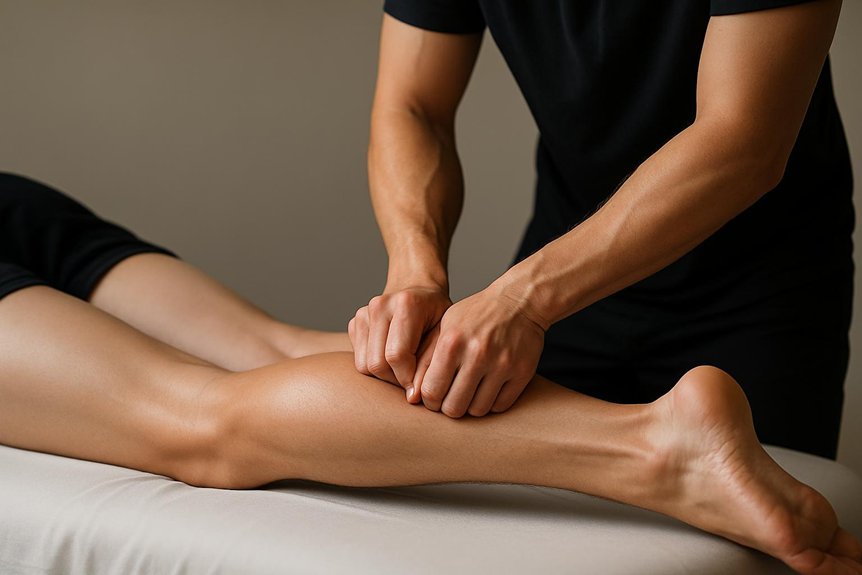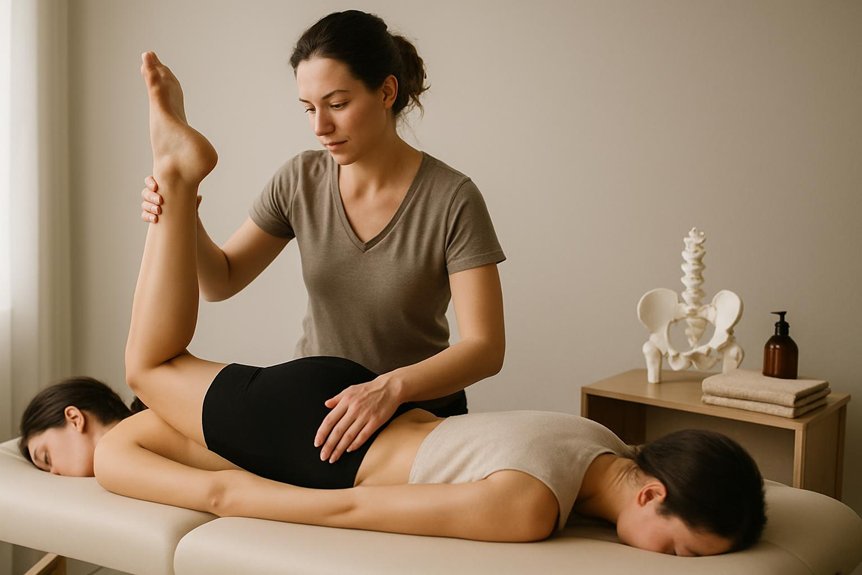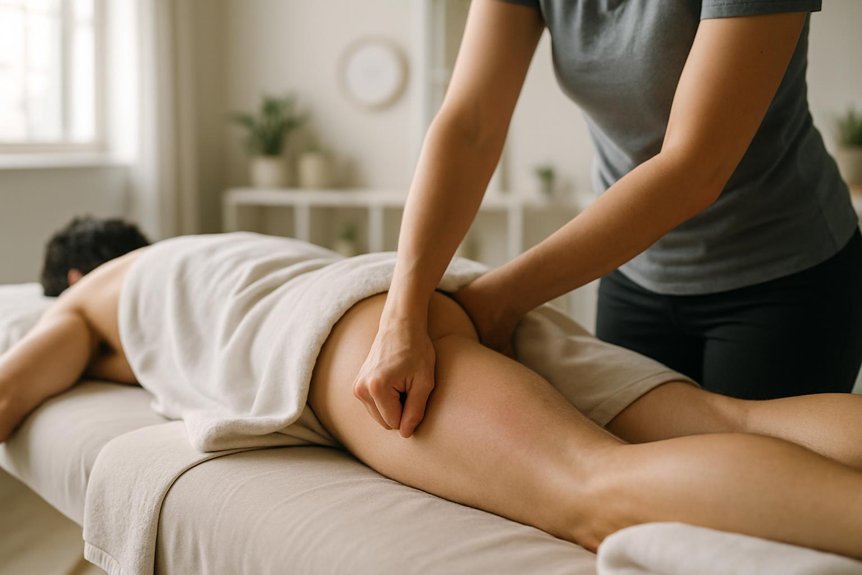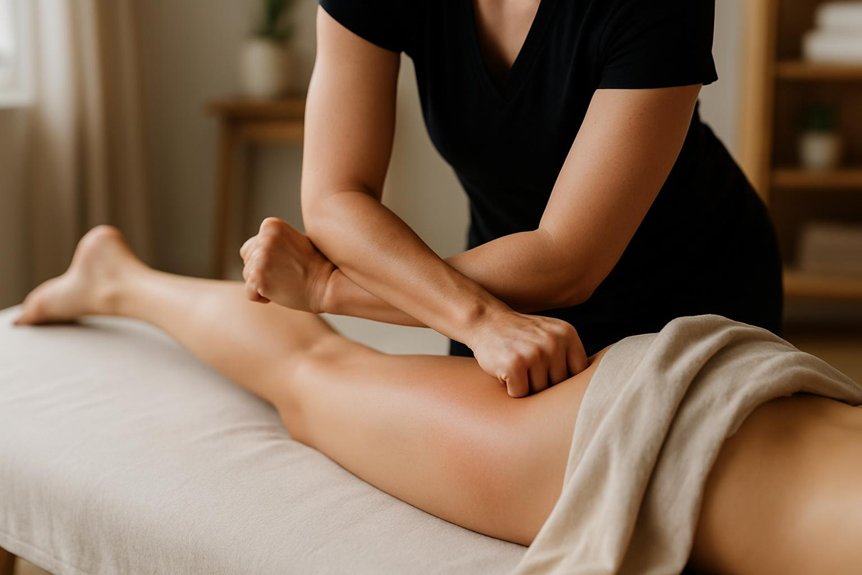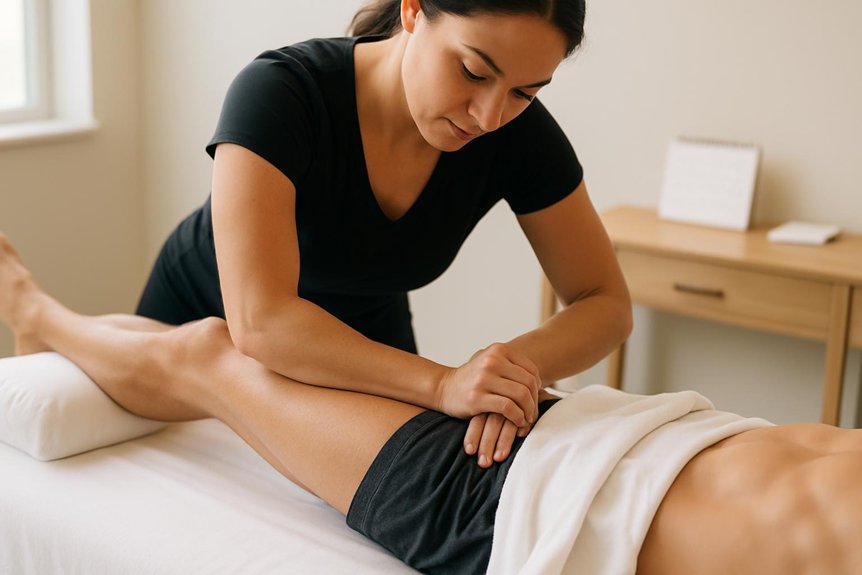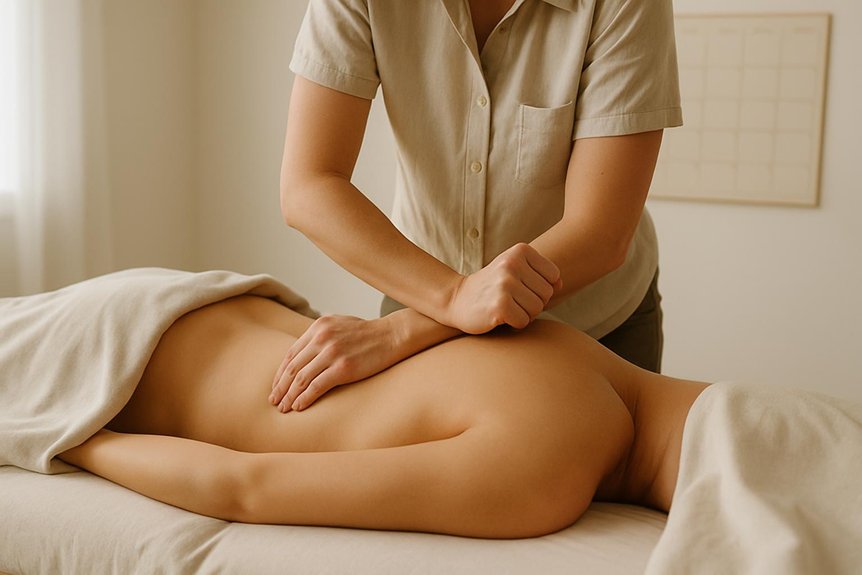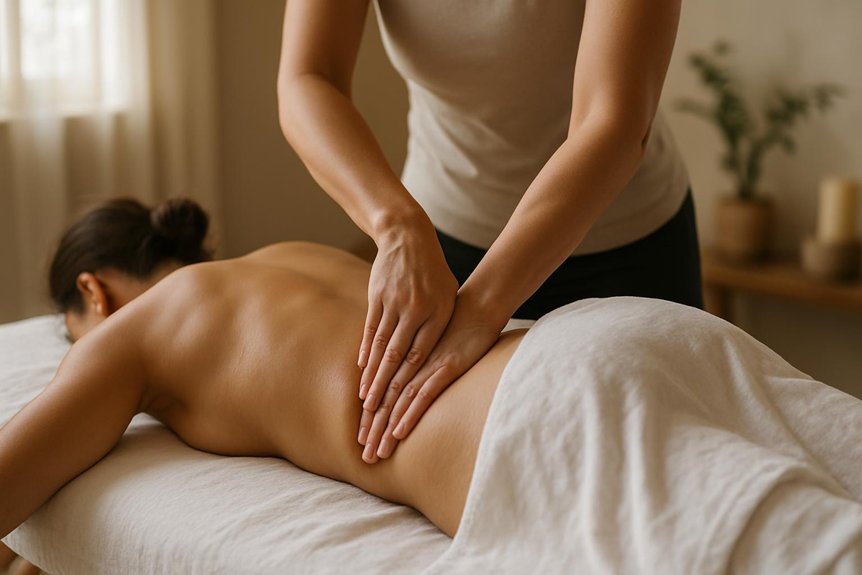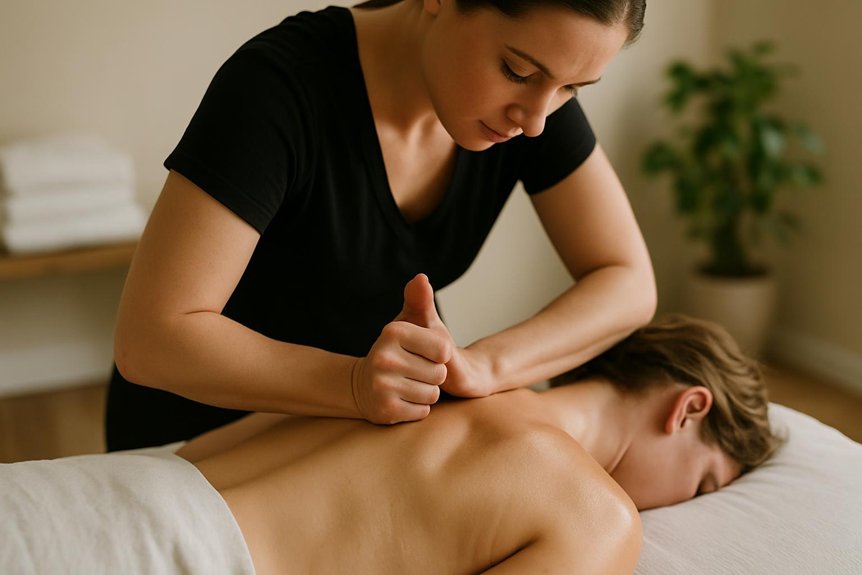
Deep-pressure massage can help shoulder pain when symptoms are driven by muscle overload, myofascial restriction, and protective guarding rather than acute injury or nerve irritation. Slow, targeted pressure may reduce pain sensitivity, improve circulation, and support easier shoulder range of motion, especially for postural or training-related tightness. Benefits vary with stress and activity demands, and outcomes improve with gentle mobility and paced strengthening. Pain after trauma, weakness, tingling, or worsening symptoms warrants medical review. Further guidance outlines suitability, safety, and scheduling.
Can Deep-Pressure Massage Help Shoulder Pain?
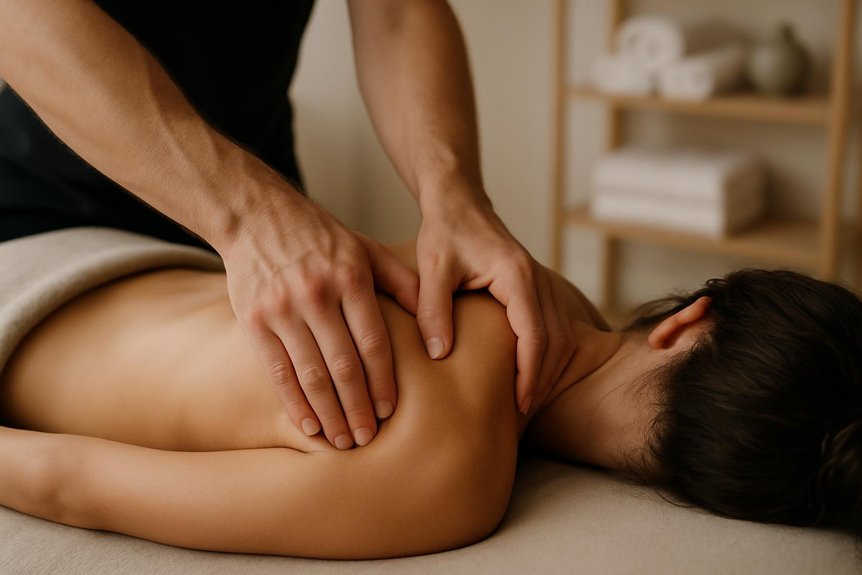
How effectively can deep-pressure massage reduce shoulder pain? Evidence suggests it can ease symptoms linked to muscle tension and myofascial restriction, improving comfort and shoulder range of motion.
At Spa & Massage clinics across London, therapists begin with a brief assessment, then apply slow, targeted pressure to layers around the neck, upper back, and shoulder to downshift protective guarding and support circulation.
It uses specific deep tissue techniques to work into deeper muscle layers and connective tissue to help release persistent tension.
Clients often report a deeper sense of release, warmth, and easier breathing—sensations associated with reduced pain sensitivity and calmer nervous-system tone.
Results vary by sensitivity, stress load, and activity demands; relief is commonly greatest when sessions are paired with gentle home movement, hydration, and paced return to training.
If pain is severe or worsening, medical review is advised.
What Shoulder Pain Can Deep Tissue Massage Treat?
It is most appropriate for shoulder pain driven by soft‑tissue overload rather than acute structural injury. It may help non‑specific shoulder aching linked to sustained desk posture, repetitive lifting, or training load, where the upper trapezius, levator scapulae, rotator‑cuff tendons, and pectoralis minor feel dense, protective, and tender.
It can also support pain associated with myofascial trigger points that refer into the neck, shoulder blade, or outer arm, and with stiffness after periods of immobility. In Spa & Massage clinics across London, therapists commonly address accompanying thoracic tightness and scapular muscle imbalance to improve comfortable range and sleep positioning.
Many clients report easier breathing, reduced guarding, and a calmer sense of connection to the shoulder during movement.
When Should You See a GP or Physio First?
When is shoulder pain better assessed by a GP or physiotherapist before booking deep-pressure massage? Assessment is advised if pain follows a fall or sudden “pop,” if there is visible deformity, marked swelling, bruising, fever, unexplained weight loss, or a history of cancer.
Urgent review is also appropriate for chest pain, breathlessness, arm weakness, numbness/tingling, or pain radiating to the jaw—these may indicate non-musculoskeletal causes.
A physio-led pathway is often best when pain persists beyond 2–3 weeks, disrupts sleep, limits range of motion, or worsens despite rest.
At Spa & Massage, therapists screen for red flags and, if needed, gently guide clients toward GP/physio care before treatment begins.
How Does It Relieve Shoulder Tightness?
Although shoulder tightness is often described as “muscle knots,” it typically reflects a mix of increased muscle tone, myofascial restriction, and protective guarding around the neck–shoulder complex.
It can reduce this tension by applying slow, specific pressure that influences tissue hydration, glide, and local circulation, while signalling the nervous system to downshift from threat-based bracing.
At Spa & Massage clinics across London, therapists assess posture, breathing, and movement, then work layer by layer through upper trapezius, levator scapulae, pec minor, and rotator cuff-adjacent tissues.
Sustained compression, myofascial techniques, and careful stripping strokes may ease trigger-point sensitivity and restore comfortable range.
Many clients report warmth, softness, and calmer breathing, with aftercare focusing on gentle mobility and hydration for comfort.
Is It Safe for Rotator Cuff Pain?
It can be appropriate for rotator cuff–related pain when symptoms are consistent with muscular overload or protective tightness and there are no red flags suggesting an acute tear or unstable shoulder.
However, it carries risks if applied over inflamed tendon tissue or in the presence of contraindications such as sudden loss of strength, significant night pain, recent trauma, or unexplained swelling, so assessment and referral may be indicated.
At Spa & Massage clinics, therapists adjust technique by reducing pressure, avoiding direct tendon compression, prioritising surrounding tissues (neck, upper back, posterior shoulder), and monitoring symptom response to keep treatment client-centred and safe.
When It’s Appropriate
In cases of suspected rotator cuff irritation or tendinopathy, it can be appropriate and safe only after a basic clinical screen confirms there is no acute tear, fracture, or neurological red flag. It is most suitable when symptoms are gradual, movement is possible, and pain is linked to overuse, posture, or training load rather than a single traumatic event.
At Spa & Massage clinics across London, therapists may use slow, specific pressure to the posterior shoulder, upper back, and chest to reduce protective muscle guarding that can amplify tendon sensitivity. Work is kept within a client’s comfortable “good pain” range, with frequent check-ins and supported positioning to feel held and secure. Sessions are typically paired with gentle mobility advice and paced strengthening guidance for daily confidence.
Risks And Contraindications
Safety depends on appropriate screening and a conservative approach, particularly when rotator cuff pain may reflect an acute injury or an irritable tendon. Deep tissue work can aggravate symptoms if there is a recent tear, sudden loss of strength, marked night pain, progressive weakness, or significant restriction after trauma; these signs warrant prompt medical assessment before massage.
Contraindications include fever, active infection, uncontrolled hypertension, recent surgery, suspected fracture, blood-clot risk, severe bruising, or use of anticoagulants, where deeper pressure may increase bleeding. Caution is also advised with inflammatory arthritis flares, bursitis, and nerve symptoms such as numbness or tingling.
At Spa & Massage clinics across London, therapists prioritise consent, comfort, and ongoing feedback to protect sensitive tissues.
Safe Technique Adjustments
A rotator cuff–sensitive shoulder can usually be treated with deep-pressure massage when the technique is modified to respect tendon irritability and healing stage.
At Spa & Massage, therapists prioritise calm, precise pressure, avoiding aggressive stripping directly over the supraspinatus tendon and bicipital groove when these are tender. Work is often redirected to the upper back, posterior shoulder, pec minor, and scapular stabilisers to reduce guarding and improve mechanics without provoking pain.
Short, slow strokes, graded compression, and frequent check-ins keep sensation “strong but safe,” never sharp or burning.
Range-of-motion is reassessed during the session; flare-ups guide lighter pressure or shorter duration.
Many clients benefit from heat, supportive positioning, and gentle aftercare advice to protect sleep and training.
When It Can Worsen Shoulder Pain
Despite its value for muscular tension, it can worsen shoulder pain when the underlying problem is not primarily soft‑tissue restriction—for example, an acute rotator cuff tear, active inflammation (bursitis or tendonitis flare), nerve irritation from the neck, or joint instability—because high pressure may aggravate sensitised tissues and increase post‑treatment pain.
It may also flare symptoms when bruising risk is higher (blood thinners, fragile skin), when swelling or heat is present, or when pain is sharp, catching, or associated with weakness or tingling.
At Spa & Massage, therapists screen for these red flags and prioritise comfort: if touch feels “too much” or pain lingers beyond mild soreness, pressure is reduced, techniques are modified, or treatment is paused and medical assessment is advised.
How Often to Book Deep-Pressure Massage for Shoulder Pain
Often, the most effective booking frequency for intensive tissue massage for shoulder pain depends on symptom irritability, functional limitation, and how the shoulder responds over the 24–72 hours after treatment.
When pain is acute or easily flared, Spa & Massage therapists typically advise starting with one session every 7–10 days, allowing tissue recovery and monitoring for delayed soreness.
For persistent, moderate symptoms, weekly sessions for 2–4 weeks may support improved range, reduced guarding, and better sleep comfort.
As symptoms settle, spacing to every 2–4 weeks helps maintain gains alongside home mobility and strengthening.
If soreness lasts beyond 48–72 hours, intensity or frequency is reduced.
Many clients prefer 60–90 minutes to include neck, scapular stabilisers, and breath-led relaxation.
Conclusion
It may help shoulder pain by reducing myofascial tension, easing trigger points, and supporting mobility across the neck, chest, and upper back. It is most appropriate when symptoms relate to muscular overuse or postural strain, and less suitable when red flags, acute injury, or progressive weakness are present. As the adage goes, “better safe than sorry”: assessment by a GP or physiotherapist is advised when uncertainty exists. Treatment frequency should reflect response and goals.