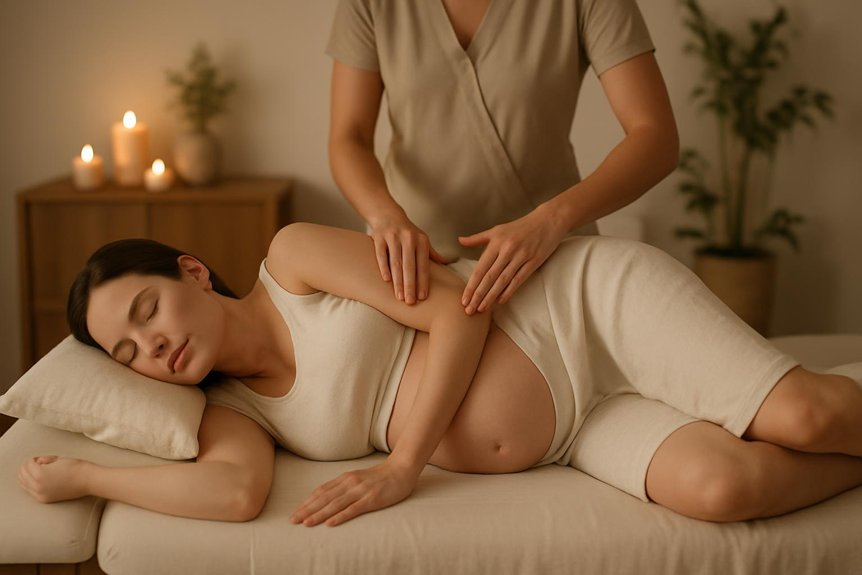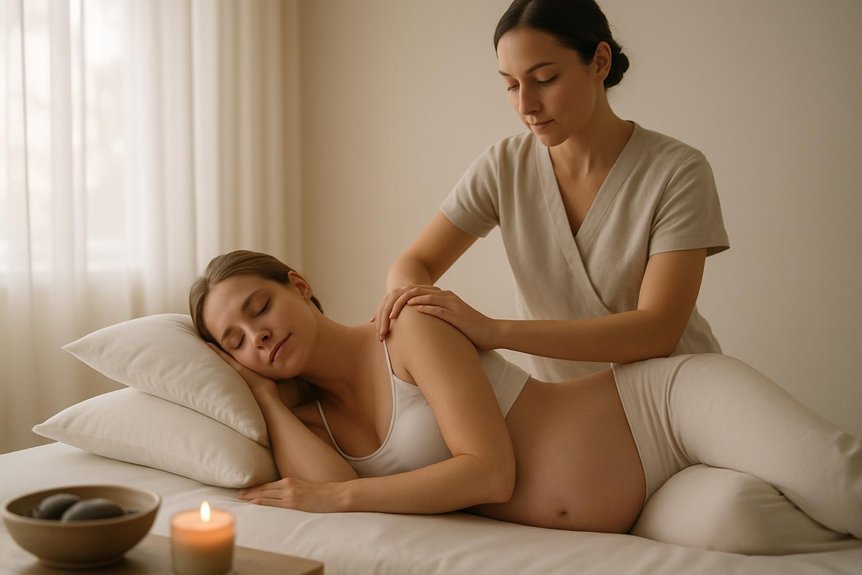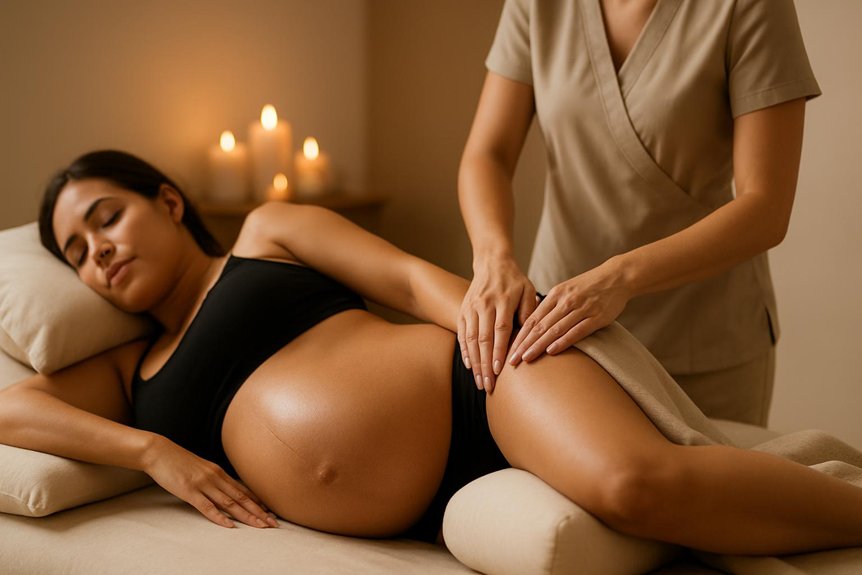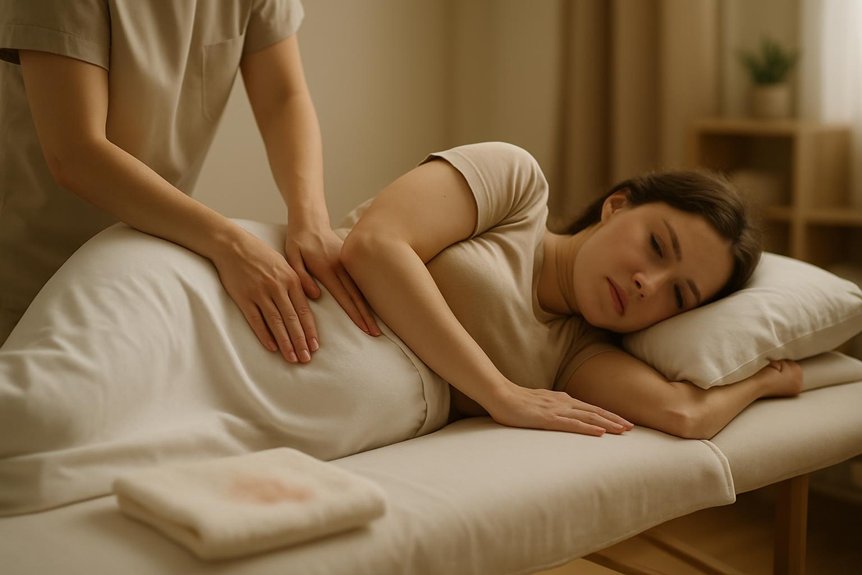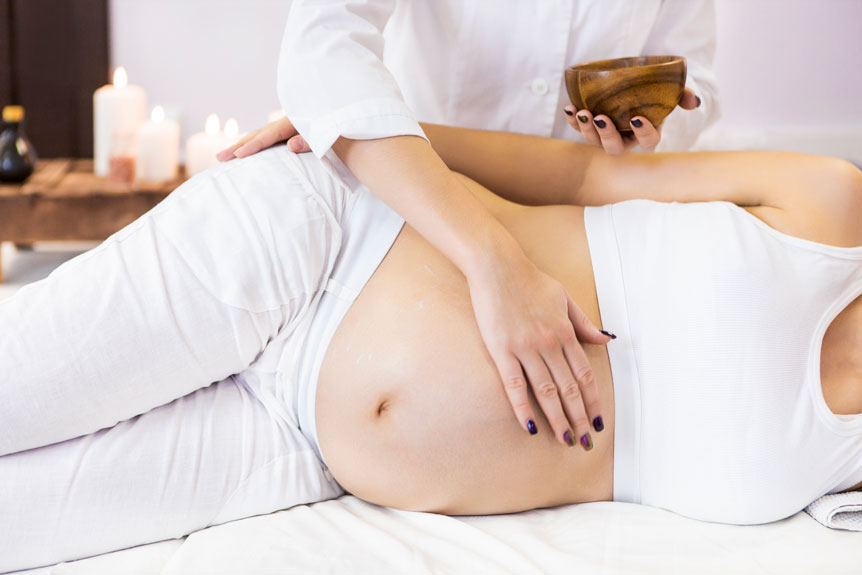
Safe prenatal massage pressure is usually gentle to moderate—firm enough to feel warming and releasing, but never painful or intense. Pressure should allow easy breathing and relaxed muscles, without flinching, guarding, or breath-holding. Therapists typically begin lightly, increase only with consent, and reassess often using comfort feedback. Extra caution is used over the low back, hips, calves, varicose veins, and abdomen, where deep pressure is avoided. Further guidance covers trimester changes and red flags.
Safe Prenatal Massage Pressure: The Basics
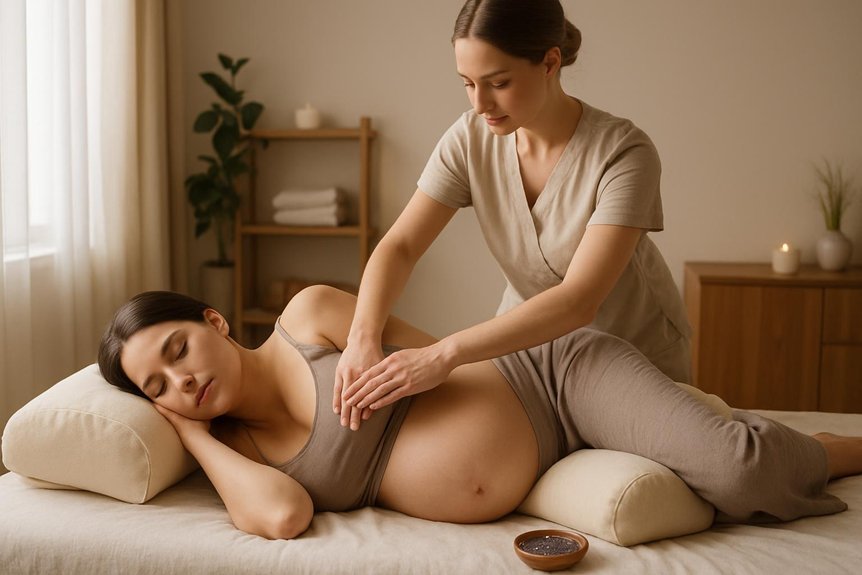
Although prenatal massage can be highly supportive, safe pressure depends on using gentle-to-moderate, comfort-led techniques that avoid provoking pain, breath-holding, or protective muscle guarding.
Clinically, pregnancy brings tissue sensitivity, fluid shifts, and ligament laxity, so deeper force is not automatically safer or more effective.
At Spa & Massage clinics across London, therapists prioritise broad, slow strokes, sustained compressions, and careful work around hips, low back, shoulders, and feet, adapting depth to trimester and positioning.
Pressure should feel nurturing, warming, and releasing rather than sharp, electric, bruising, or nauseating.
Any area of swelling, varicose veins, abdominal cramping, dizziness, or unusual tenderness warrants lighter touch or avoidance.
The aim is calm circulation, ease, and grounded closeness.
When applied thoughtfully, prenatal massage can support comfort and relaxation through its benefits for expecting mothers.
How We Check Pregnancy Massage Pressure Is Right
With safe prenatal massage pressure defined as gentle-to-moderate and comfort-led, the next step is confirming in real time that the chosen depth remains appropriate as the body responds.
At Spa & Massage, therapists begin with light contact, then increase only with explicit consent and continuous feedback, using a simple 0–10 comfort scale and watching for protective muscle guarding, breath holding, flinching, or rising tension.
Pressure is checked by ensuring the client can breathe slowly, speak easily, and feel warmth and softening rather than sharpness, throbbing, or “bruised” sensation.
Tissue response is reassessed after each technique change and at each body area.
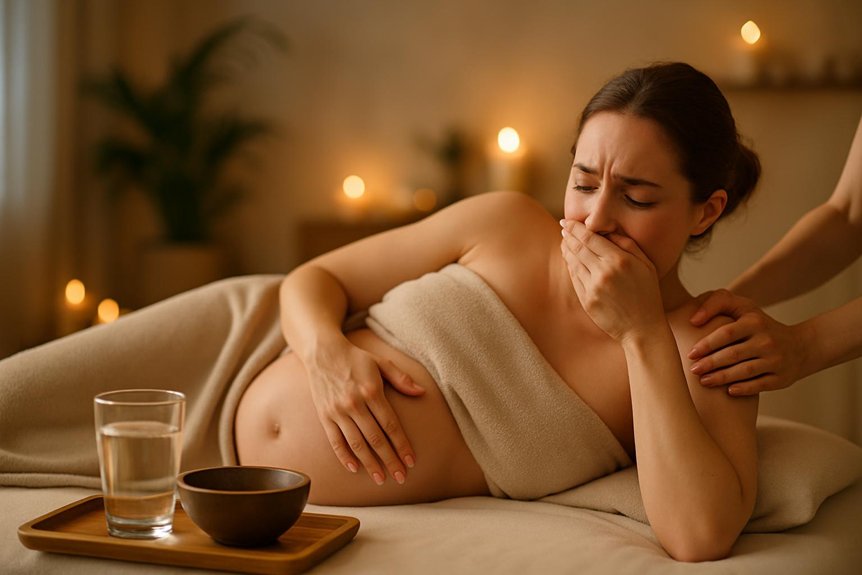
Any dizziness, nausea, uterine cramping, headache, or new pain triggers immediate reduction or stopping and, when indicated, referral to a midwife or GP.
How Trimester Affects Safe Massage Pressure
Across pregnancy, the same “gentle-to-moderate and comfort-led” guideline is applied differently as anatomy, circulation, ligament laxity, and symptom patterns change by trimester, so safe massage pressure is adjusted to prioritise stability, breath ease, and tissue response rather than pursuing depth.
In the first trimester, pressure is typically kept lighter and steady, with slower pacing to support nausea, fatigue, and heightened sensitivity.
In the second trimester, many clients tolerate slightly fuller pressure, while therapists remain conservative because relaxin-related joint laxity can make tissues feel “looser” without being ready for force.
In the third trimester, pressure is often softened again to account for swelling, positional breath changes, and quicker bruising.
At Spa & Massage, therapists reassess each visit and invite simple, continuous feedback.
What Pressure Is Safe on Back, Hips, and Legs?
On the back, prenatal massage pressure is typically kept light to moderate and adjusted to comfort, with sustained deep or pinpoint work avoided around the lower spine.
Around the hips and pelvis, therapists prioritise supportive positioning and broad, gentle techniques that reduce tension without stressing pelvic joints or provoking pain.
On the legs, moderate pressure and strokes directed toward the heart are commonly used to support comfort and circulation, while deep pressure is avoided in high‑risk areas and any swelling, tenderness, or unusual symptoms warrant clinical caution and modification.
Safe Back Pressure Levels
Most pregnant clients can safely receive moderate, supportive pressure through the back, hips, and legs, provided it remains comfortable, avoids sharp or radiating pain, and is adjusted for gestational stage, positioning, and any medical risk factors.
For the back, sustained, even pressure is generally preferred over deep, pointed work; pregnancy-related tissue sensitivity and joint laxity mean “deeper” is not always safer.
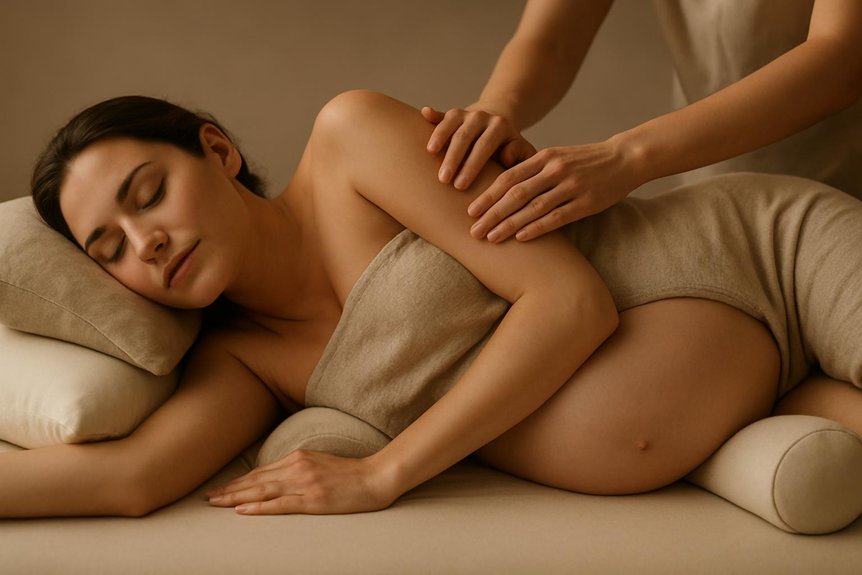
At Spa & Massage clinics, therapists typically use broad forearm or palm contact, slow compressions, and gentle myofascial strokes, checking in frequently and aiming for a therapeutic “good ache” that quickly settles.
Pressure should be lighter over the spine, kidneys, ribs, and varicosities, and avoided over inflamed or bruised areas.
Any numbness, tingling, dizziness, or contractions warrants stopping and reassessment promptly.
Hip And Pelvic Comfort
During pregnancy, hip and pelvic tissues often become more reactive as posture shifts and ligament laxity increases, so safe massage pressure is typically moderate, broad, and steadily applied rather than deep and pinpointed.
At Spa & Massage, therapists prioritise slow effleurage, gentle kneading, and sustained compression to the gluteal and lateral hip muscles, adjusting pressure to a “pleasantly intense” level that never provokes guarding or sharp pain.
Work near the sacrum and iliac crest is kept superficial and supportive, avoiding aggressive stripping over bony landmarks or sensitive ligament attachments.
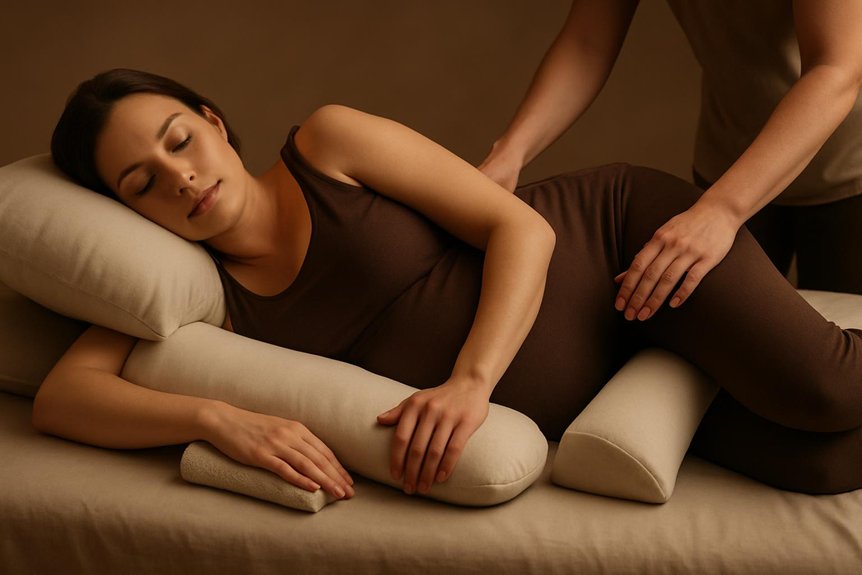
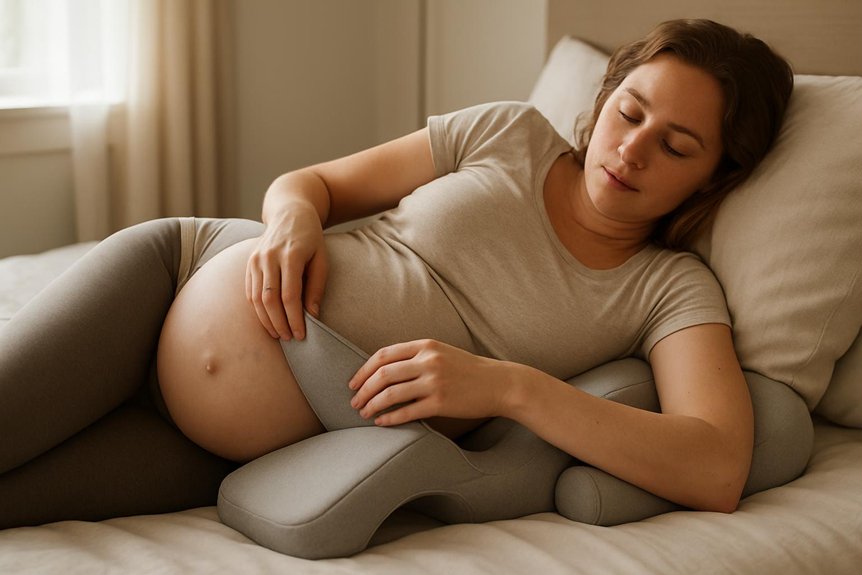
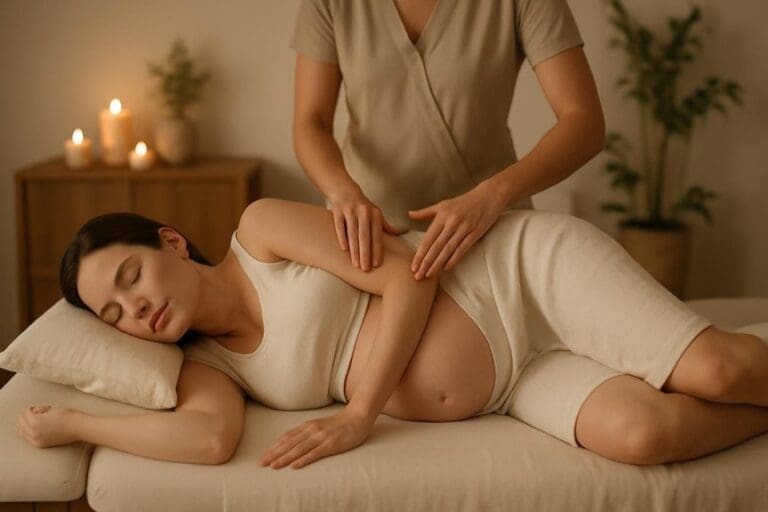
Side-lying positioning with cushions helps reduce strain and allows closer, more comfortable contact.
Clients are advised to report pubic or deep pelvic pain promptly, as this warrants gentler care and possible clinical referral.
Leg Pressure And Circulation
For many pregnant clients, the legs become the main site of heaviness and swelling, so pressure must support venous and lymphatic return without compressing vulnerable vessels. In Spa & Massage clinics, therapists favour light-to-moderate, rhythmic strokes directed toward the heart, with slow pacing and frequent check-ins for comfort.
Deep, sustained pressure is avoided over the inner thigh and behind the knee where superficial vessels and lymph nodes are concentrated, and any technique that causes aching, pins-and-needles, or heat is stopped. Varicose veins are treated with feather-light touch around, not on, the vein. Sudden one-sided swelling, redness, calf tenderness, or breathlessness requires urgent medical review before massage. When appropriate, gentle ankle pumps and side-lying bolstering can further ease leg tension and promote circulation safely.
Prenatal Massage Pressure to Avoid (and Why)
Clinically, prenatal massage should avoid deep abdominal pressure, as it can be uncomfortable and may stress sensitive tissues and organs during gestation.
Strong lower-back pressure—especially directly over the lumbar spine and sacrum—should also be limited to reduce aggravation of pelvic and ligament changes common in pregnancy.
Intense calf compression is avoided due to the higher baseline risk of venous clotting in pregnancy, and Spa & Massage therapists use gentler, circulation-supportive techniques instead.
Deep Abdominal Pressure
Avoid deep abdominal pressure in prenatal massage because it can provoke discomfort and unnecessary physiological stress in a region where tissues, blood flow, and organ positioning are actively changing.
Firm compression may irritate sensitive ligaments and fascia, heighten nausea or reflux, and increase guarding, which undermines relaxation. It also risks compressing the vena cava when supine, contributing to dizziness or breathlessness in susceptible clients.
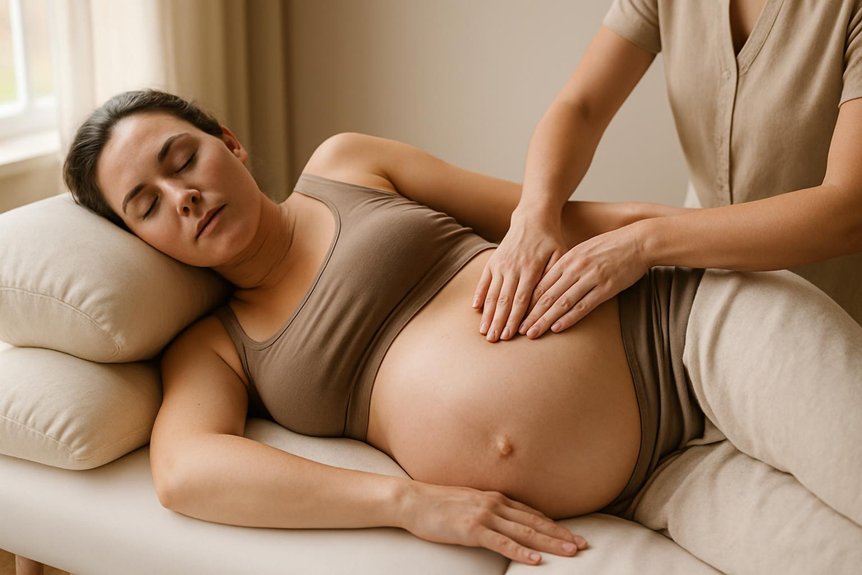
At Spa & Massage clinics, pregnancy sessions prioritise gentle, reassuring contact: light effleurage on the belly only with explicit consent, neutral positioning, and constant check-ins on comfort and breathing.
Any abdominal work is stopped immediately if there is pain, tightening, light-headedness, or reduced comfort. When in doubt, focus soothing touch on shoulders, arms, hips, and legs instead.
Strong Lower-Back Pressure
Lower-back “deep-pressure” work can be inappropriate during pregnancy because the lumbar spine and sacroiliac joints are under increased load and hormonal laxity, making tissues more reactive to compression. Excess force may provoke protective spasm, aggravate sciatic-type symptoms, or flare pelvic girdle pain, particularly with sustained thumbs, elbows, or rigid tools.
At Spa & Massage, therapists prioritise broad, nurturing contact and moderate pressure, using forearm glides, heat-safe bolstering, and slow pacing to soothe without destabilising joints. Pressure is kept within a “comfortably satisfying” range where the client can breathe freely and remain relaxed. If tenderness, shooting pain, numbness, or lingering ache appears after treatment, the approach is adjusted and medical guidance is advised. This protects intimacy while supporting function and confidence.
Intense Calf Compression
In prenatal massage, intense calf compression warrants particular caution because the lower legs are already prone to swelling and circulatory changes, and forceful squeezing or sustained deep pressure can provoke unnecessary pain or bruising while potentially aggravating cramp-like symptoms.
Clinically, the calf region is also where signs of deep vein thrombosis may appear, and vigorous pressure is inappropriate if there is unilateral swelling, redness, heat, or tenderness; prompt medical assessment is advised.
At Spa & Massage clinics across London, pregnancy therapists use light-to-moderate, rhythmical effleurage and gentle ankle-to-knee strokes to support comfort without compressing deeper tissues.
If cramping occurs, pressure is reduced and the foot is positioned neutrally.
Clients are encouraged to communicate immediately if pressure feels sharp, pins-and-needles, or worsening.
When to Use Extra-Gentle Pressure in Pregnancy
Often, extra-gentle pressure is indicated in pregnancy when tissue sensitivity is higher and the risk–benefit balance favours comfort and circulation over deep mechanical change.
It is typically preferred in the first trimester, during flares of nausea, fatigue, or headaches, and whenever light touch feels more soothing than corrective work.
Extra care is also prudent with oedema, varicose veins, pelvic girdle pain, sciatica, carpal tunnel symptoms, or a history of clotting disorders, where strong compression may aggravate symptoms.
Following recent procedures, bruising, skin irritation, or heightened anxiety, lighter pressure supports parasympathetic settling without provoking protective muscle guarding.
In Spa & Massage clinics, therapists use broad, slow strokes, supported side-lying positioning, and check-ins to keep intensity within a calm, intimate comfort threshold.
How to Choose Safe Prenatal Massage in London
How can a pregnant client choose a safe massage in London without relying on guesswork? They should first confirm the therapist has specific pregnancy-massage training and completes a health intake covering gestational age, symptoms, blood pressure issues, clotting risk, and obstetric advice.
A safe provider explains pressure choices, avoids painful deep work, and positions the client side-lying with supportive bolsters to reduce vena cava compression.
Clear safeguarding includes consent, comfort checks, and immediate adjustment if dizziness, uterine tightening, or tenderness occurs.
At Spa & Massage clinics across London, therapists tailor prenatal massage using gentle-to-moderate pressure, careful work around the pelvis and legs, and pregnancy-appropriate aromatherapy options when suitable.
Clients should book aftercare time, hydrate, and seek medical clearance when complications exist.
Conclusion
Safe prenatal massage pressure is typically moderate and comfort-led: effective without sharpness, deep ache, or lingering soreness, and lighter over the abdomen, low back, inner thighs, and swollen tissues. Because joint laxity and circulation change across trimesters, skilled therapists continually reassess pressure using client feedback, tissue response, and positioning. A common objection is that deeper work is “needed” for pain; clinically, targeted, gentle techniques and pacing usually reduce discomfort without increasing risk.