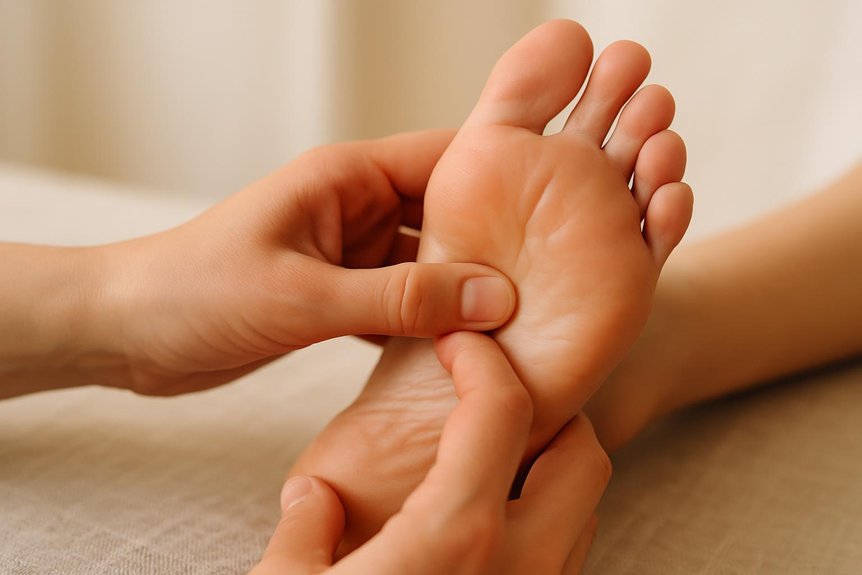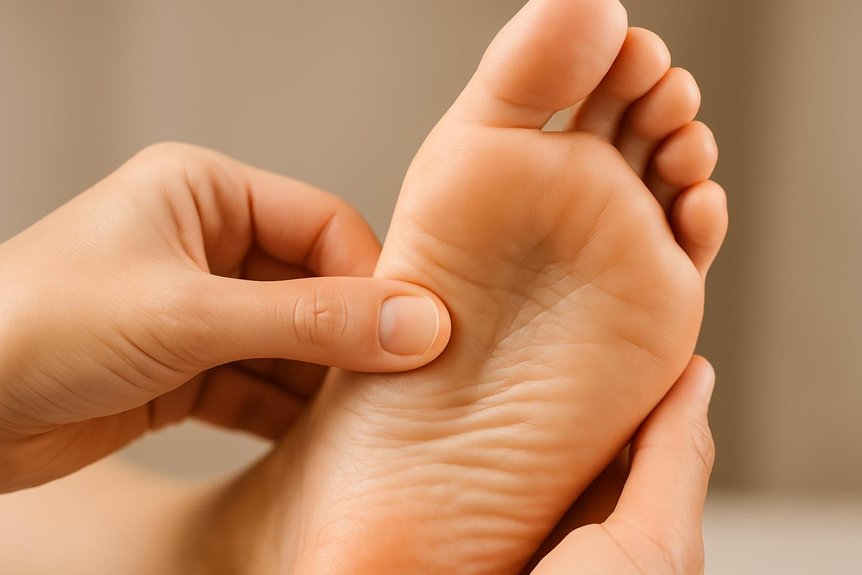
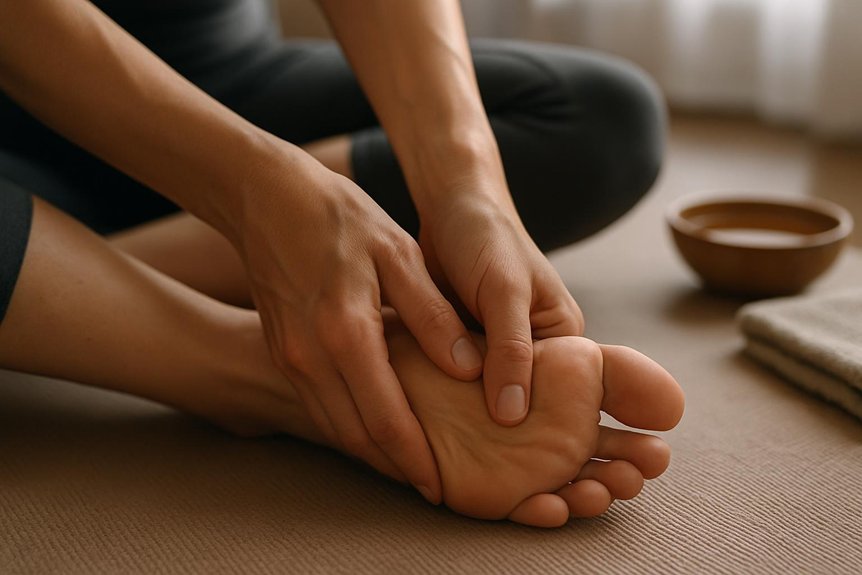
Self-zone therapy can be performed at home when a person is generally well, the skin is intact, and pressure is kept gentle and non-painful. It should be done seated or reclined with warm feet, clean hands, and slow breathing. Begin with light strokes, then use thumb-walking in small steps, pausing briefly on tender areas without forcing. Stop for sharp pain, dizziness, numbness, or swelling, and seek guidance if pregnant or on anticoagulants. Further details cover points, mistakes, and when to book care.
Can You Do Self-Zone Therapy Safely (and Who Should Avoid It)?
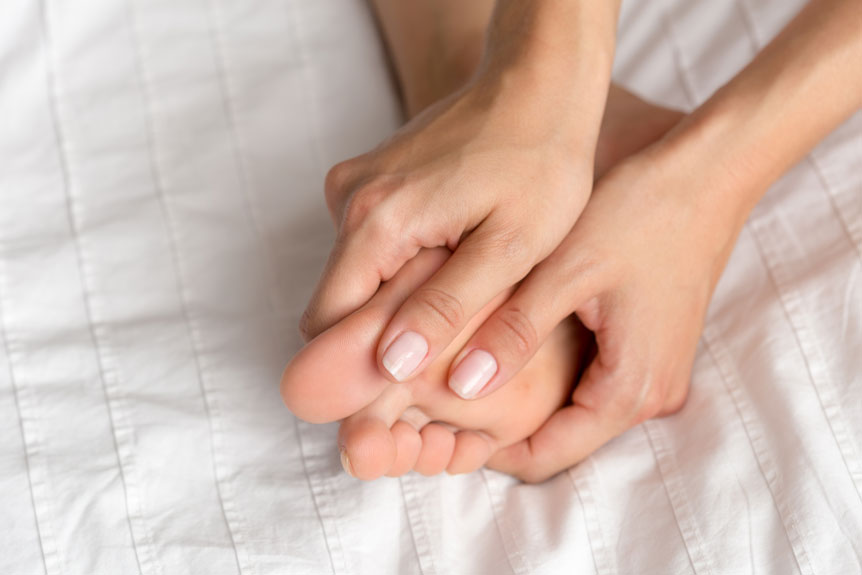
When can self-zone therapy be done safely? It can be practised when the person is generally well, the skin is intact, and pressure is kept gentle, comfort-led, and non-painful.
It should be done seated or reclined, with warm feet, clean hands, and slow breathing; stop if sharp pain, dizziness, numbness, or swelling appears.
It is often described as supporting the body’s natural wellbeing through the healing power of touch-based techniques.
In Spa & Massage clinics across London, therapists advise treating self-zone therapy as supportive care, not a substitute for medical assessment.
Who should avoid it? It should be avoided with suspected deep vein thrombosis, severe circulatory disease, infected or broken skin, active gout flare, uncontrolled diabetes with reduced sensation, recent fracture or surgery, fever, or unexplained foot pain.
Pregnancy or anticoagulant use warrants clinician guidance.
How Do You Do Self-Zone Therapy on Your Feet Step by Step?
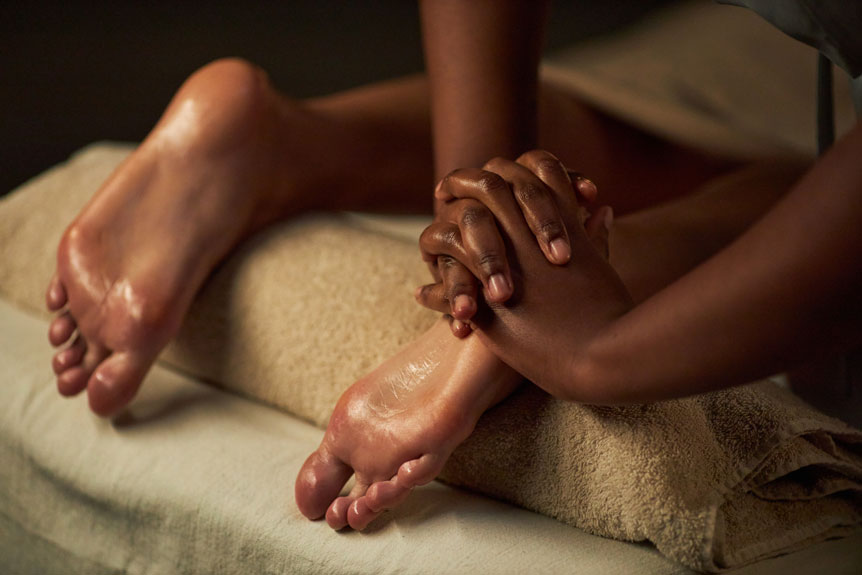
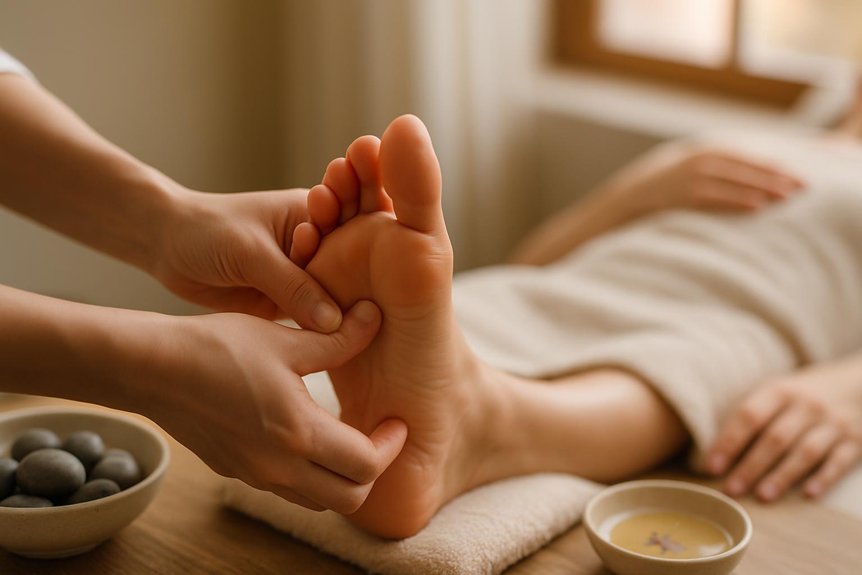
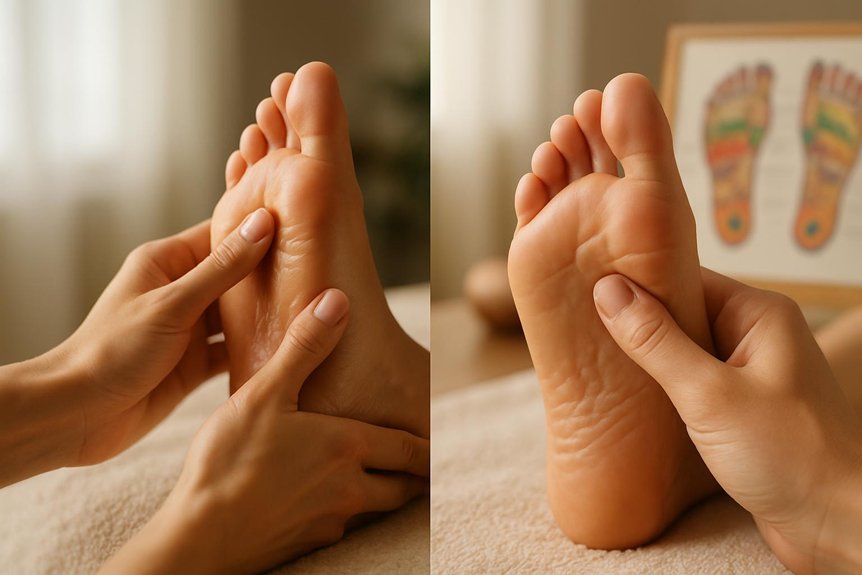
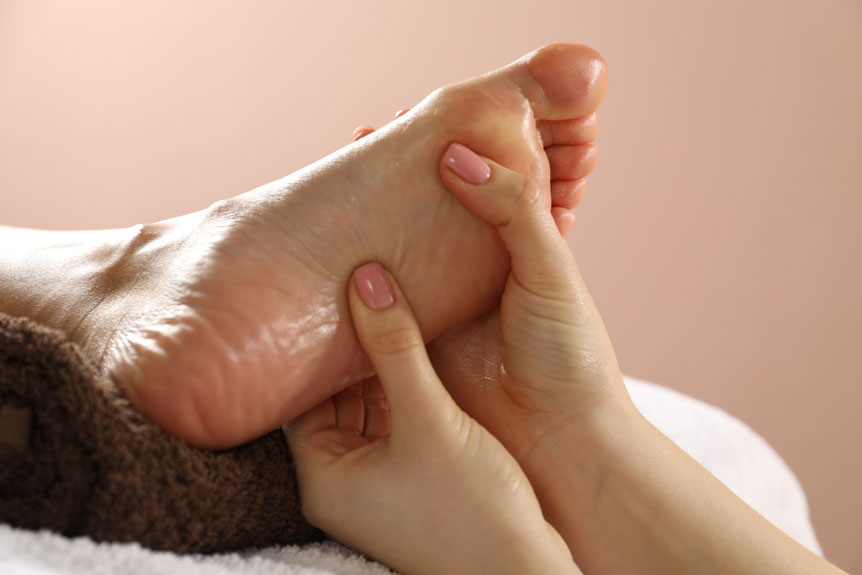
Although professional reflexology is more precise, self-zone therapy on the feet can be performed safely by following a structured sequence: prepare a stable seated or reclined position, warm and support the feet, apply a small amount of lotion or oil if needed for glide (as used in Spa & Massage clinics), then work from general relaxation techniques into slow, gentle thumb-walking along the sole, arch, heel, and toes, maintaining comfort-led pressure and stopping immediately if sharp pain, numbness, swelling, or dizziness occurs.
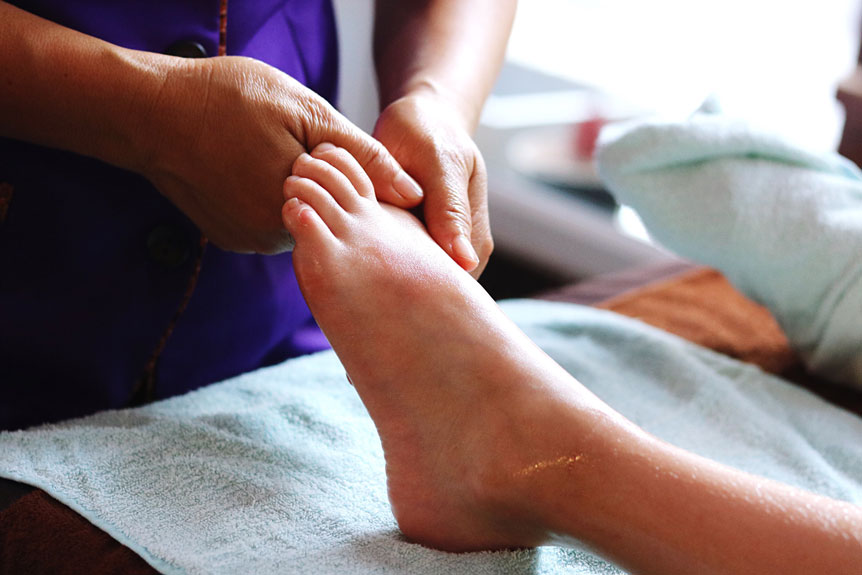
Next, begin with 60–90 seconds of light effleurage from heel to toes. Rotate each ankle slowly, then squeeze and release the foot once per breath. Using the thumb pad, “walk” in small increments from heel forward, pausing on tender areas for 3–5 seconds without forcing.
Finish with gentle toe traction and a soothing hold. Hydrate.
Which Self-Zone Therapy Points Help Stress and Sleep?
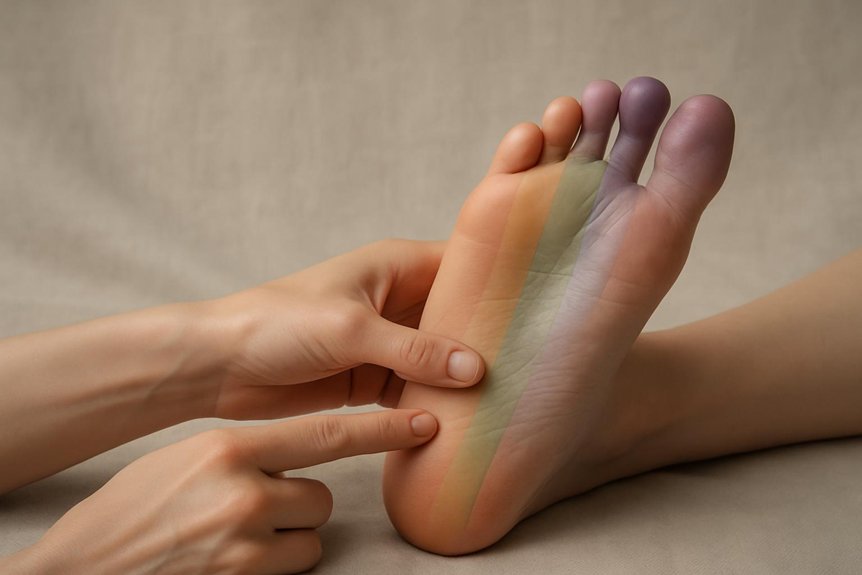
Which self-zone therapy areas are most commonly used to support relaxation and sleep? Practitioners often focus on the solar plexus point (centre of the diaphragm line), the head/brain zone (pads of the big toes), and the spine reflex (inner edge of each foot).
For sleep support, gentle work on the heel and inner ankle area is commonly used to settle the lower body and promote a grounded feeling.
At Spa & Massage clinics, therapists advise slow, comforting pressure: thumb-walk each area for 30–60 seconds per foot, then pause with a warm, still hold. Breathing should remain calm and unforced.
Avoid working on broken skin, inflamed areas, or painful swelling, and stop if dizziness or sharp pain occurs. Seek clinical advice during pregnancy or anticoagulant therapy.
What Are the Most Common Self-Zone Therapy Mistakes to Avoid?
In practice, the most common self-zone therapy errors stem from using excessive pressure, rushing through points, or working on contraindicated areas. Pressure should feel comfortably intense, never sharp; bruising, numbness, or lingering pain indicates overwork.
Moving too fast reduces accuracy—each point benefits from slow, steady contact and calm breathing. Common contraindications include broken skin, active infection, recent injury, suspected fracture, and unmanaged circulatory issues; pregnancy and serious medical conditions warrant prior clinical advice.
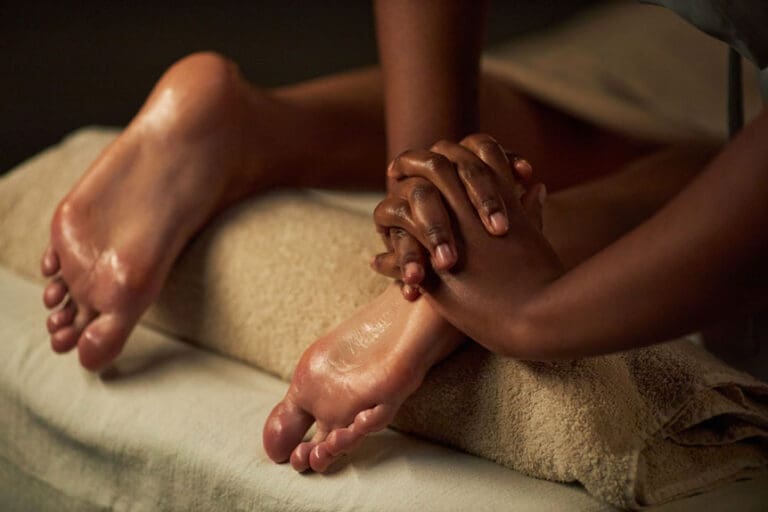
Another mistake is poor positioning: cramped wrists or pointed toes create strain and distort sensation. In Spa & Massage clinics, therapists begin with warming strokes and a small amount of oil or balm; skipping warm-up can feel abrasive.
Finally, neglecting hydration and rest may amplify post-treatment tenderness.
When Should You Book Zone Therapy at Spa & Massage?
Self-zone therapy can be useful between sessions, but recurring symptoms, uncertainty about pressure or contraindications, or persistent tenderness after self-treatment indicate that professional zone therapy is the safer option.
Booking is also advised for sleep disruption, stress overload, headaches, digestive discomfort, PMS, or when tightness holds in the feet despite careful work.
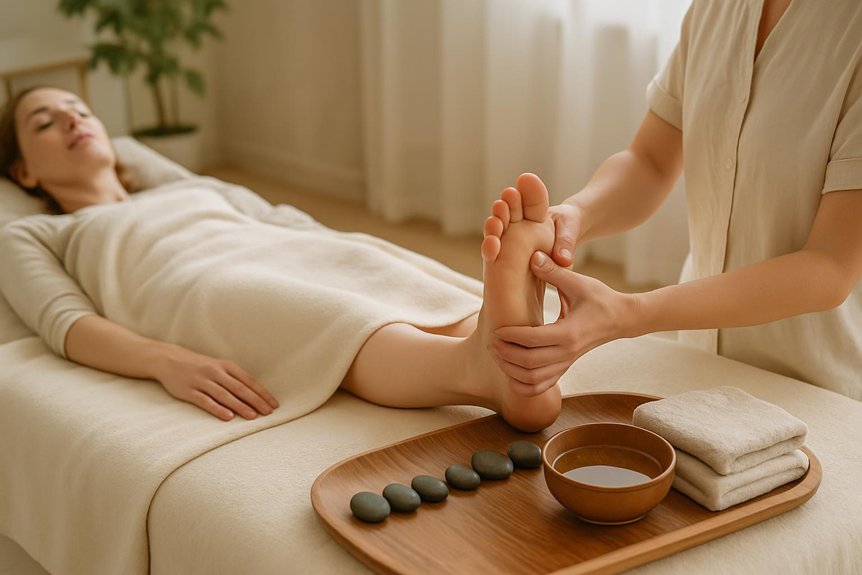
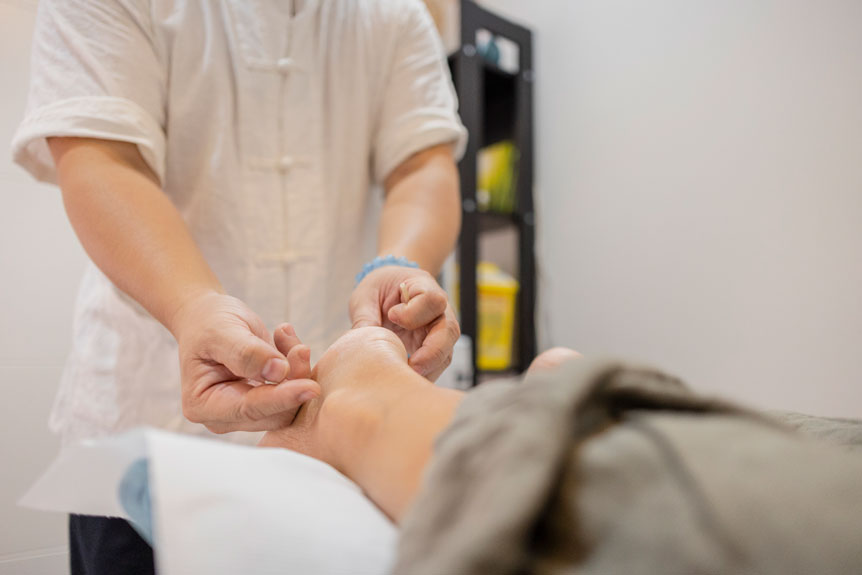
At Spa & Massage, a therapist assesses sensitivity, swelling, circulation, and medical history, then applies measured, intimate pressure that stays within comfort while targeting reflex maps.
Clients should book promptly during pregnancy, after injury, with diabetes, neuropathy, varicose veins, blood-thinner use, or skin infection; medical clearance may be required.
London clinics in Crouch End, Bayswater, Chiswick, Earl’s Court, Belsize Park, and Richmond offer tailored aftercare guidance.
Conclusion
It can be performed safely at home when pressure is gentle, sessions are brief, and contraindications are respected. It may support relaxation, body awareness, and sleep, but it does not replace a trained therapist’s assessment or technique. Common errors include overpressure, working through pain, and ignoring medical conditions or pregnancy precautions. Like a dimmer switch lowering harsh light, consistent, careful practice can calm the nervous system. Persistent symptoms warrant professional zone therapy or medical advice.