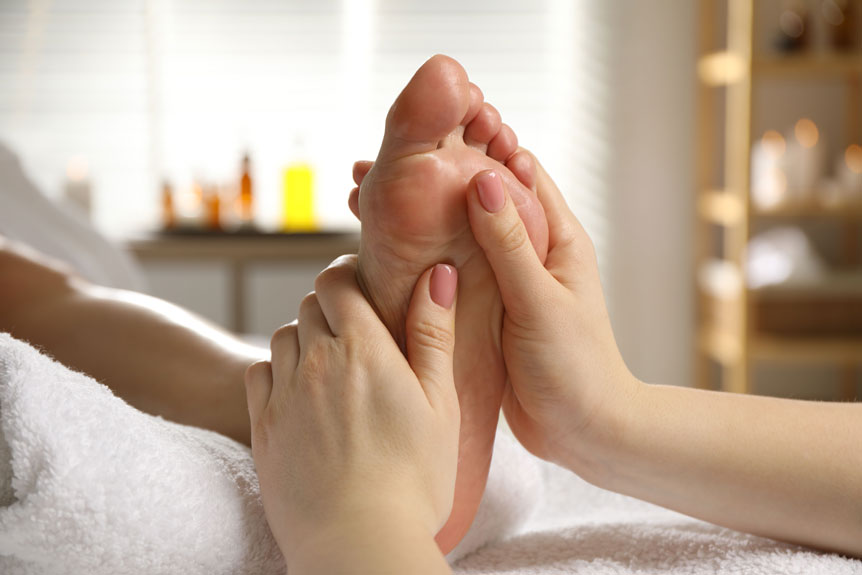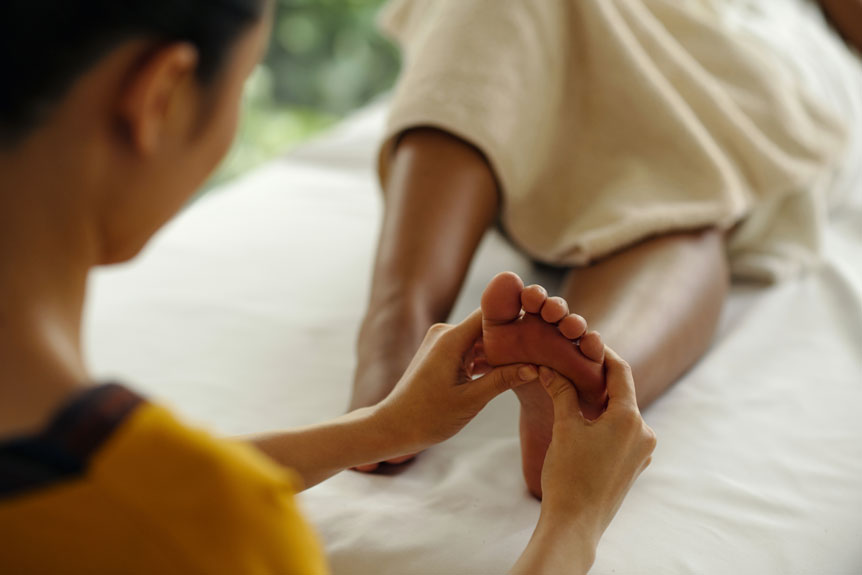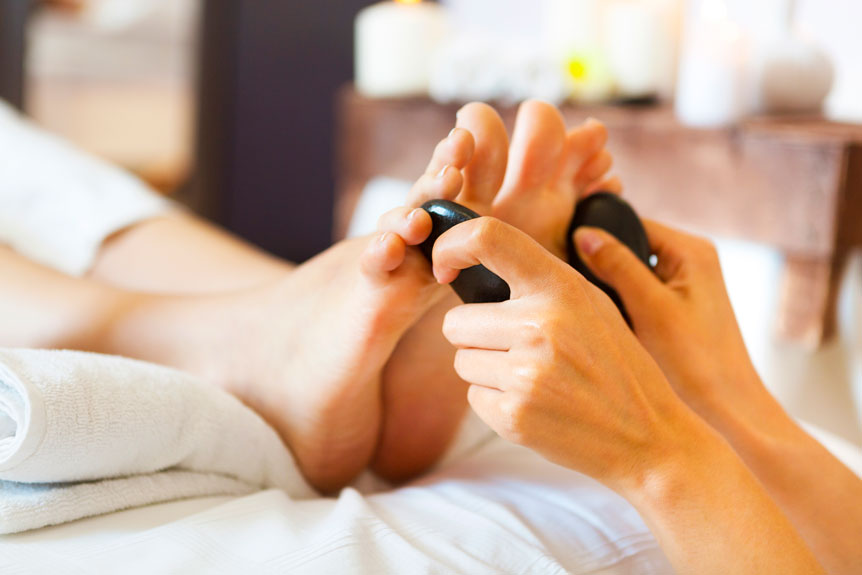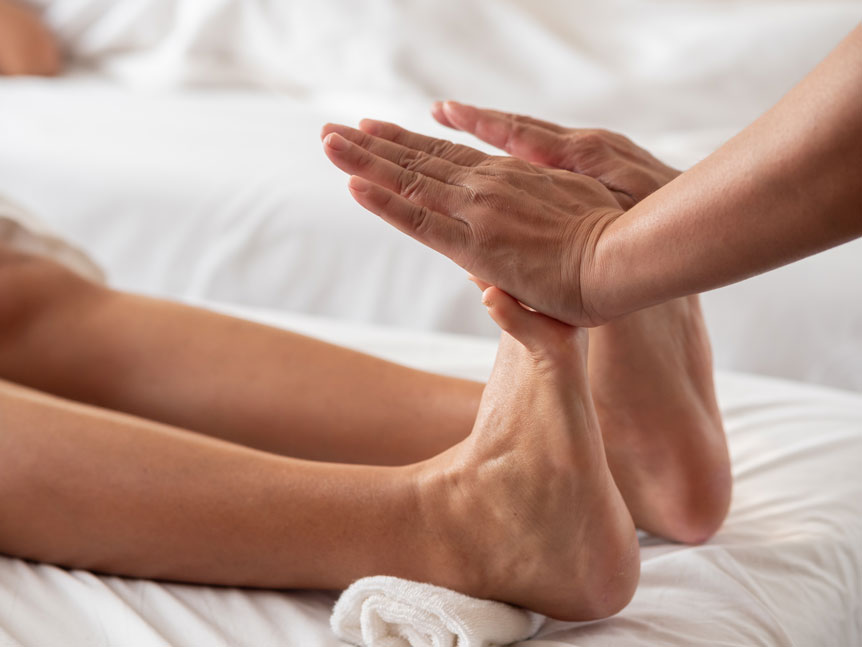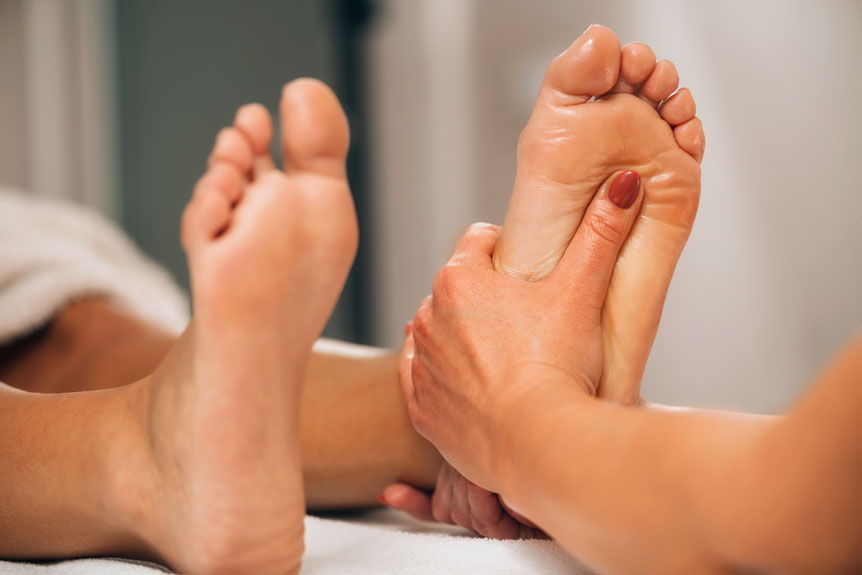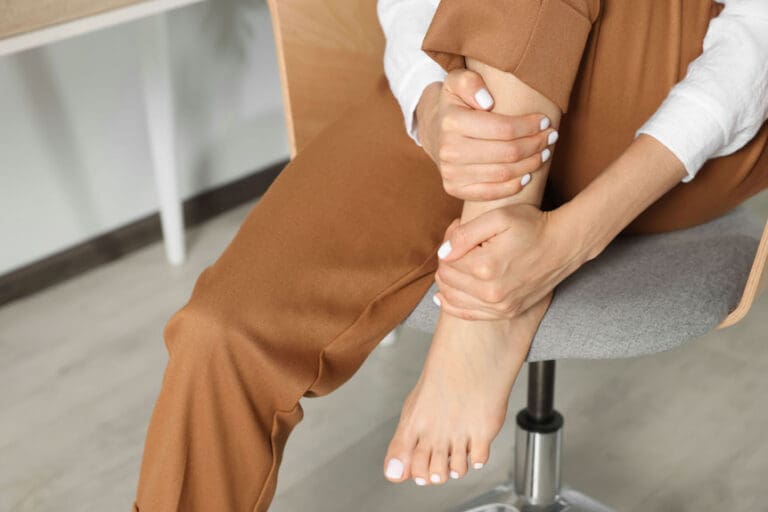
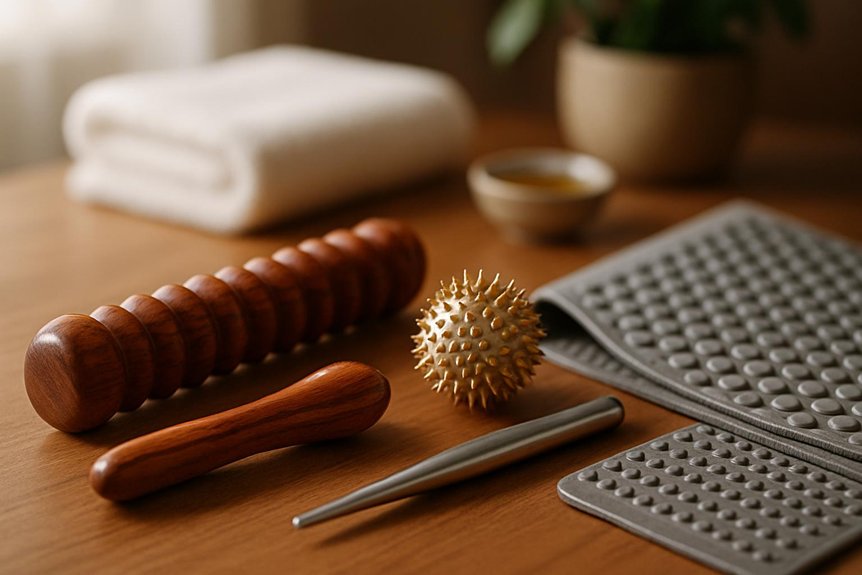
The best zone therapy tools for home use offer controllable pressure, ergonomic sizing, and non-porous materials for easy cleaning. Foot rollers provide broad, even compression across the arch and heel, while firm massage balls enable targeted “search and melt” work on tender points. Acupressure-style mats deliver consistent multi-point input but require brief, supported standing. For hands, acupressure rings and textured rollers suit desk use. Proper setup, dosing, and stop-signs improve safety and outcomes.
How to Choose a Zone Therapy Tool (Pressure, Size, Material)
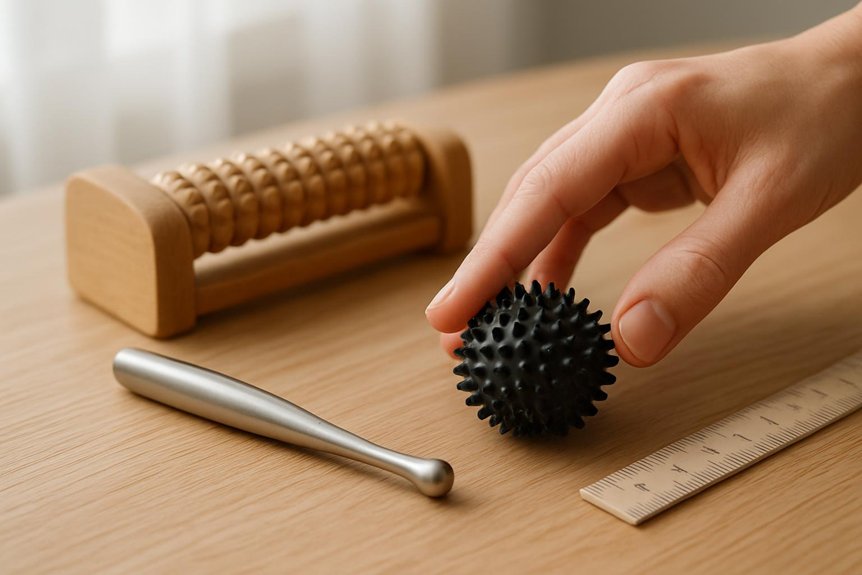
In practice, selecting a home zone therapy tool depends on three controllable variables—pressure delivery, size/shape, and material—because these determine how precisely force can be applied to foot and hand zones without provoking unnecessary discomfort. It is often highlighted for its potential healing power when applied thoughtfully and consistently.
Pressure should be adjustable: a pointed tip localises stimulus, while a broader surface spreads load for sensitive tissue, post-training soreness, or pregnancy-related swelling.
Size and shape should match the target area; smaller tools suit interdigital spaces and thumb-supported work, whereas longer handles reduce wrist strain and allow slower, steadier strokes.
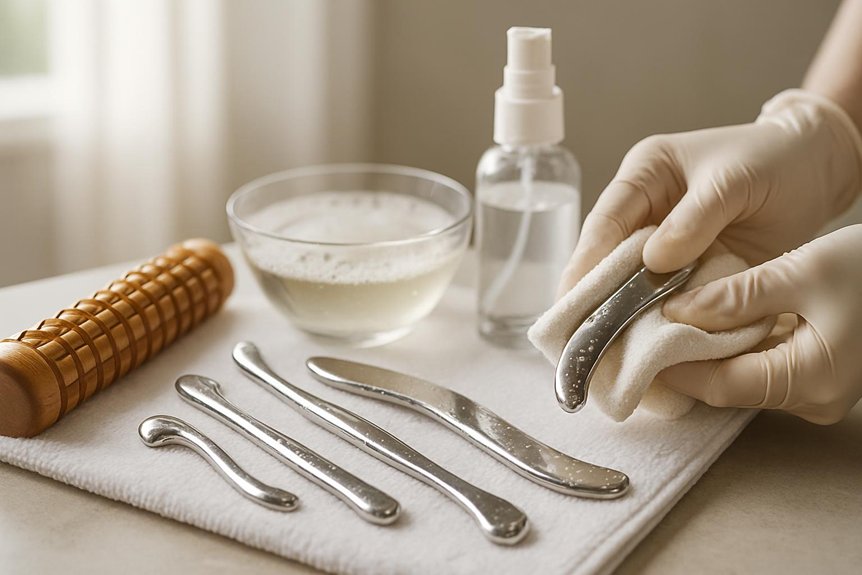
Material affects grip, hygiene, and thermal feel: non-porous surfaces clean easily; textured finishes increase control with oil-free skin; slightly compliant materials moderate peak pressure.
Spa & Massage therapists advise starting low, monitoring skin response, and stopping with sharp pain.
Best Reflexology Tools for Feet (Rollers, Balls, Mats)
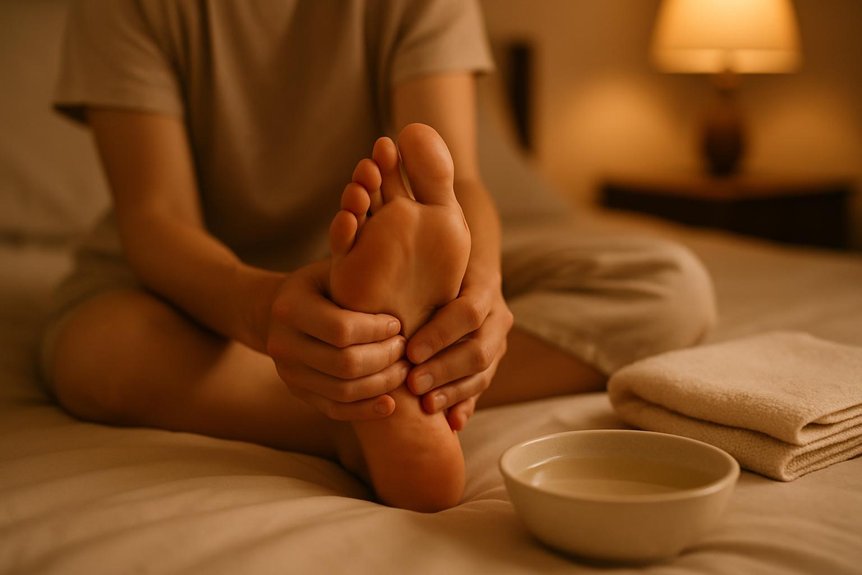
Once pressure delivery, size/shape, and material have been matched to the foot’s sensitivity and the user’s control, the most practical home options typically fall into three categories: rollers, balls, and acupressure-style mats.
Rollers suit broad, even compression along the arch and heel; slow passes (30–60 seconds per region) help modulate discomfort while supporting circulation and perceived relaxation.
Balls allow targeted, intimate work under tender points; a controlled lean-in plus small oscillations can replicate the “search and melt” approach Spa & Massage therapists use in zone therapy sessions.
Mats provide consistent multi-point stimulation for time-efficient routines; standing should be brief and supported, especially for sensitive feet.
For all tools, aim for “strong but safe” pressure, avoid numbness or sharp pain, and reassess after 24 hours.
Best Zone Therapy Tools for Hands and Wrists (Desk-Friendly Options)
Often overlooked in home routines, hand and wrist zone therapy tools are particularly useful for desk-based users because they deliver measurable pressure input without requiring floor space or footwear changes.
For targeted stimulation, a small acupressure ring or textured hand roller can be moved along fingers and the thenar eminence, producing consistent mechanical load that may support local circulation and reduce perceived tension from typing.
For wrist comfort, a firm massage ball or contoured palm press can be used against a desk edge to apply graded pressure to the flexor compartment, staying below pain and numbness thresholds.
Spa & Massage therapists advise 60–90 second bouts per area, paired with slow nasal breathing, then warm hand-washing to settle sensitivity. Discontinue if symptoms persist.
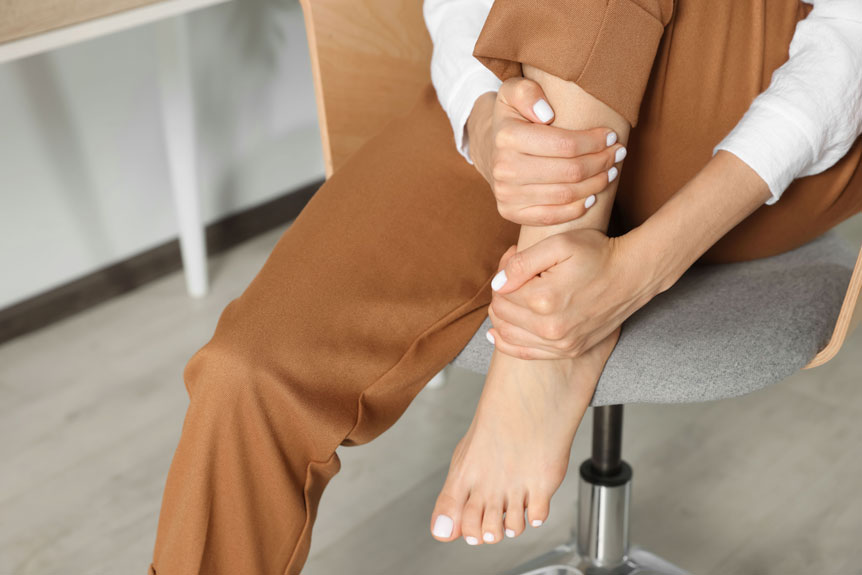
Zone Therapy Tools to Ease Foot-and-Calf Tightness (Safe Rolling)
Desk-friendly hand and wrist tools can reduce upper-limb strain, but many clients at Spa & Massage report that the most persistent end-of-day tightness sits in the plantar fascia and calf complex, where prolonged sitting, commuting, and training load can increase tissue sensitivity.
For home zone therapy, a firm massage ball, textured roller, or ridged foot bar can provide graded pressure to the arch, heel pad, and gastrocnemius–soleus line without aggressive digging.
Evidence-informed self-myofascial rolling may reduce perceived stiffness by modulating nociception and improving local circulation, especially when paired with slow breathing.
In Spa & Massage clinics, therapists prioritise comfortable, controlled pressure and smooth strokes that feel safe and personal.
Tools with wider contact surfaces suit tender feet; smaller balls target specific trigger points.
How to Use Zone Therapy Tools Safely at Home (and When to Stop)
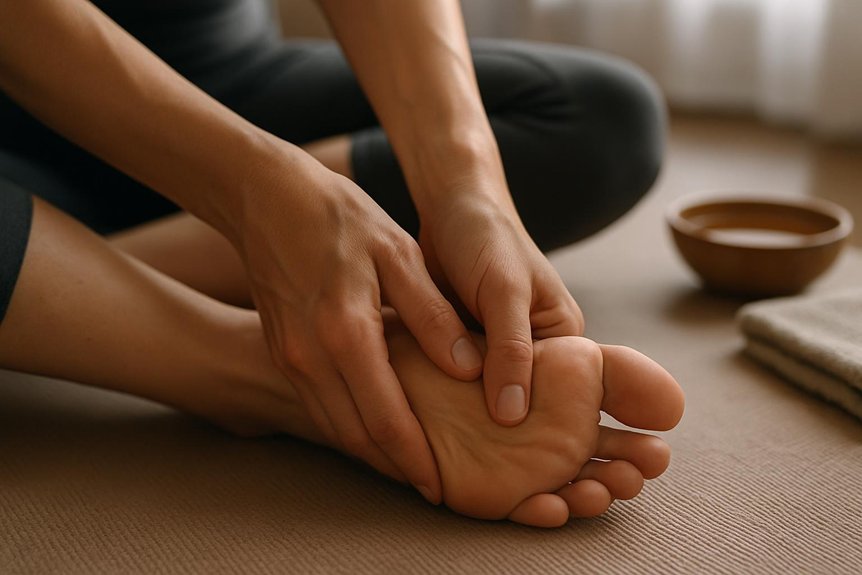
How can zone therapy tools be used at home without provoking a flare-up? Spa & Massage advises starting with light pressure (3–4/10), slow strokes, and short sessions (3–5 minutes per foot), then progressing only if tenderness settles within 24 hours.
Tools should glide over warm, dry skin or a thin sock; avoid aggressive “digging” on bony areas, varicose veins, or bruises.
Hydration and a brief ankle-calf stretch can reduce next-day soreness; in Spa & Massage clinics, therapists recheck tissue response throughout.
Stop immediately if pain sharpens, tingling spreads, swelling increases, skin changes colour, or symptoms persist beyond 48 hours.
Home use is not appropriate with broken skin, infection, acute inflammation, recent fracture, or during high-risk pregnancy; professional assessment is recommended.
Conclusion
Used correctly, home zone therapy tools can provide controlled, repeatable pressure to support relaxation, comfort, and day-to-day mobility—especially for feet, hands, and calves. Their value lies in safe intensity, stable materials, and consistent technique, with symptoms monitored and sessions stopped at the first sign of sharp pain, numbness, or swelling. Importantly, surveys suggest around 74% of UK adults report feeling stressed or overwhelmed, underscoring the need for practical, low-barrier self-care.