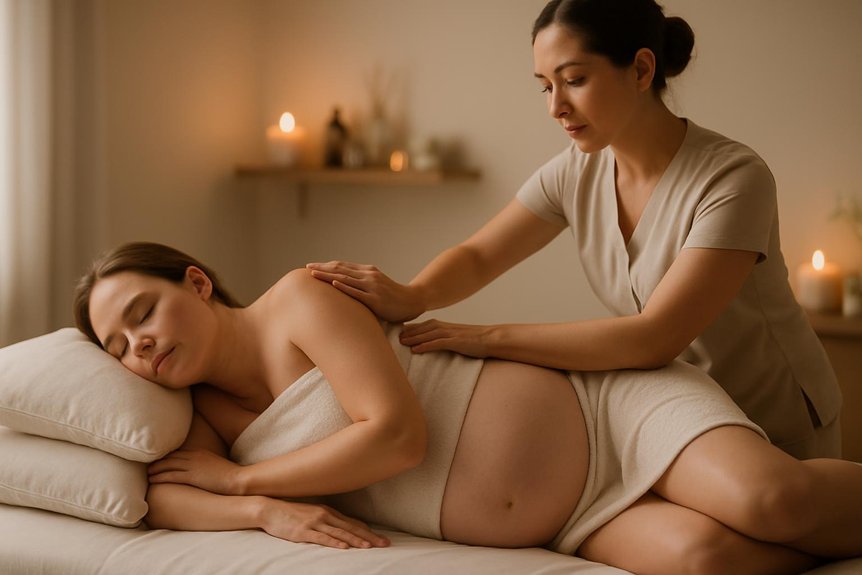
A back massage in the third trimester is generally considered safe in uncomplicated pregnancies when provided by a properly trained prenatal massage therapist. Comfort-led, light-to-moderate pressure and supportive side-lying or semi-reclined positioning help protect breathing, circulation, and joint laxity changes. Sustained pressure on the abdomen and overly deep work are avoided. Treatment should stop if dizziness, breathlessness, contractions, sudden pain, or reduced fetal movement occurs, and medical advice may be needed first for complications or high-risk factors. More guidance follows.
Is a Third-Trimester Back Massage Safe?
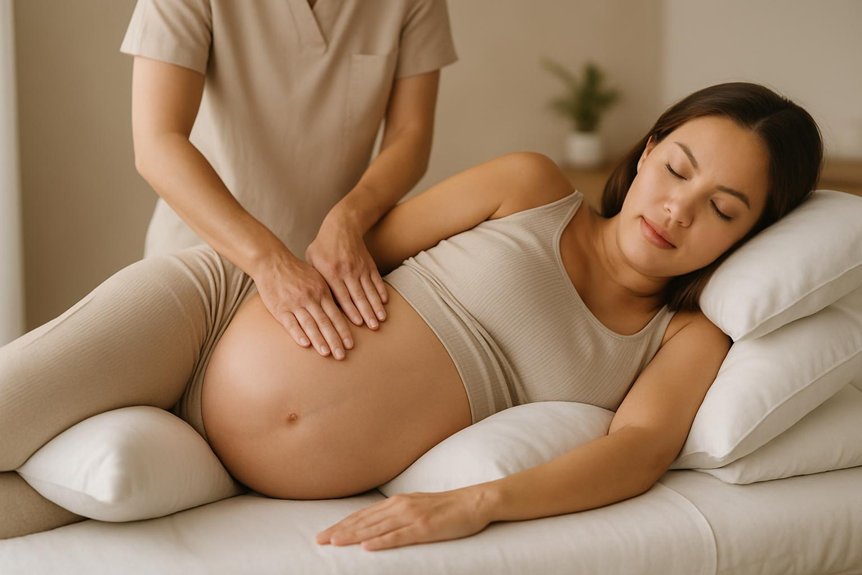
In most uncomplicated pregnancies, a third-trimester back massage is considered safe when it is delivered by a properly trained prenatal massage therapist and adapted to the client’s changing physiology. Current clinical guidance supports gentle, comfort-led work that avoids sustained pressure on the abdomen and respects increased joint laxity and circulation changes common in late pregnancy. It is valued for the benefits of pregnancy massage for expecting mothers, including easing physical discomforts and promoting relaxation.
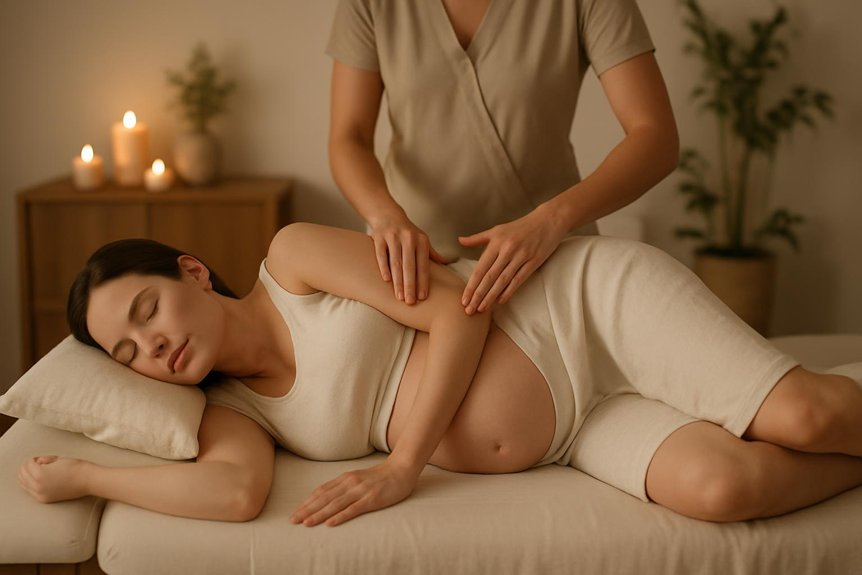
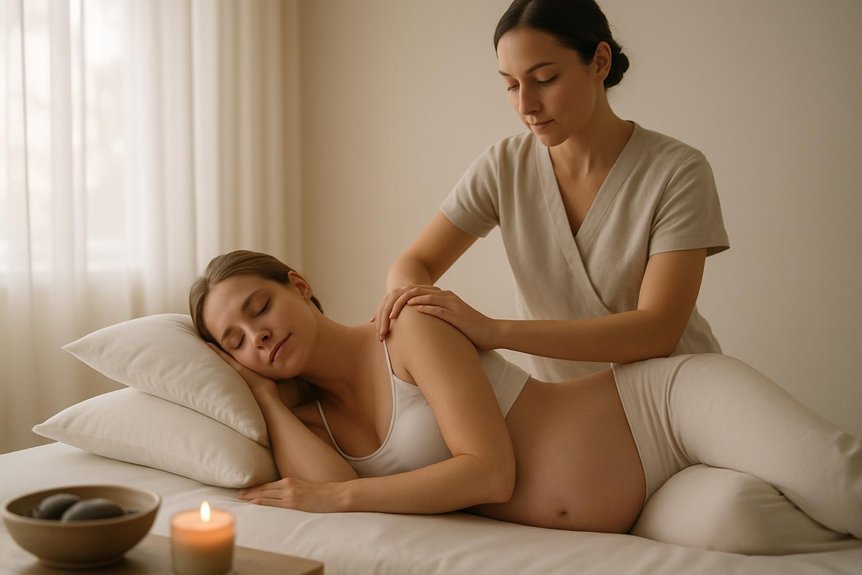
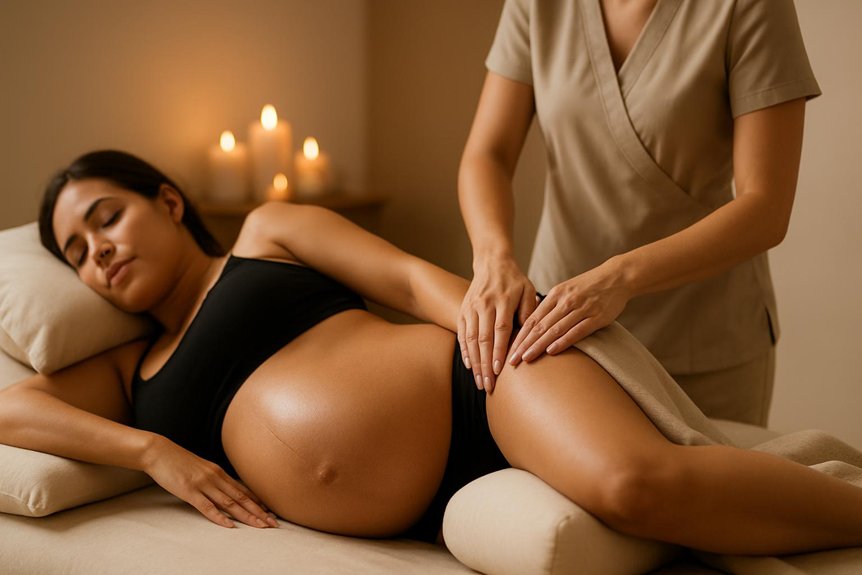
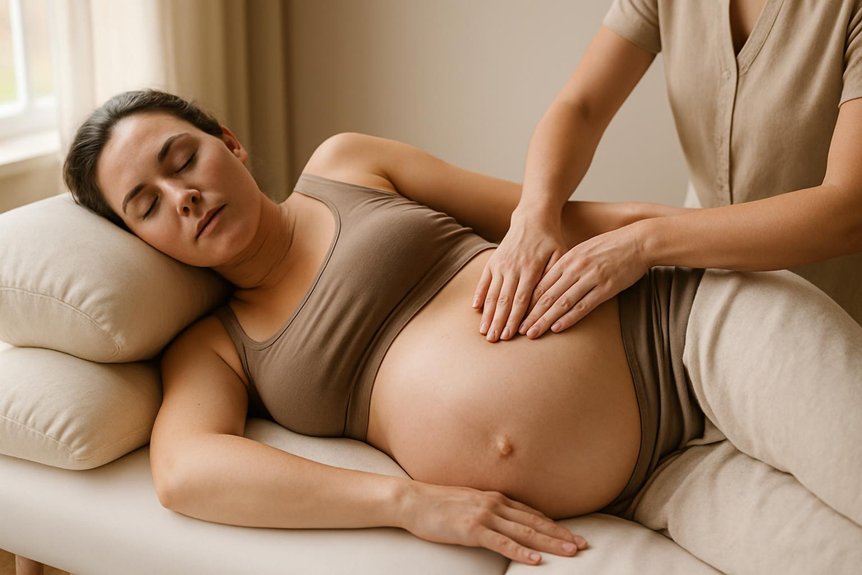
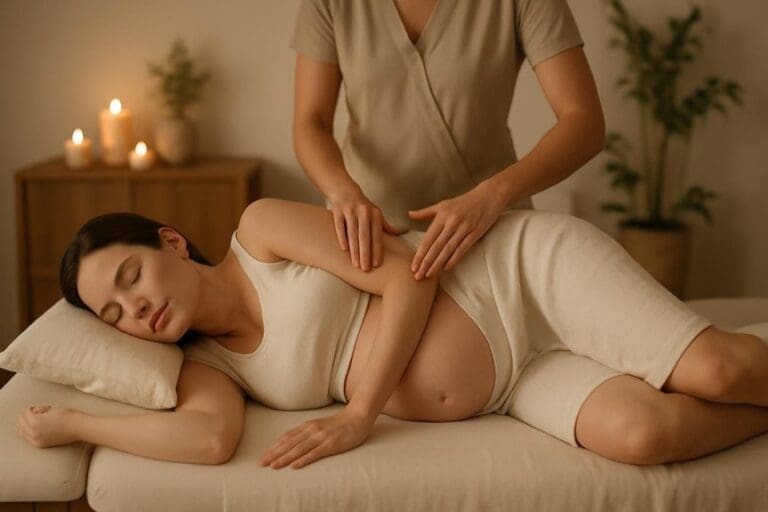
At Spa & Massage clinics across London, therapists use side-lying positioning with supportive pillows, slow rhythms, and moderate pressure to ease lumbar tension, shoulder load, and pelvic strain. Unscented or lightly scented, pregnancy-appropriate oils are chosen to minimise irritation, and communication is kept continuous so comfort and breath stay soft. Sessions are typically shorter, with careful transfers on and off the table, helping the client feel held, safe, and deeply cared for.
When to Avoid a Third-Trimester Back Massage
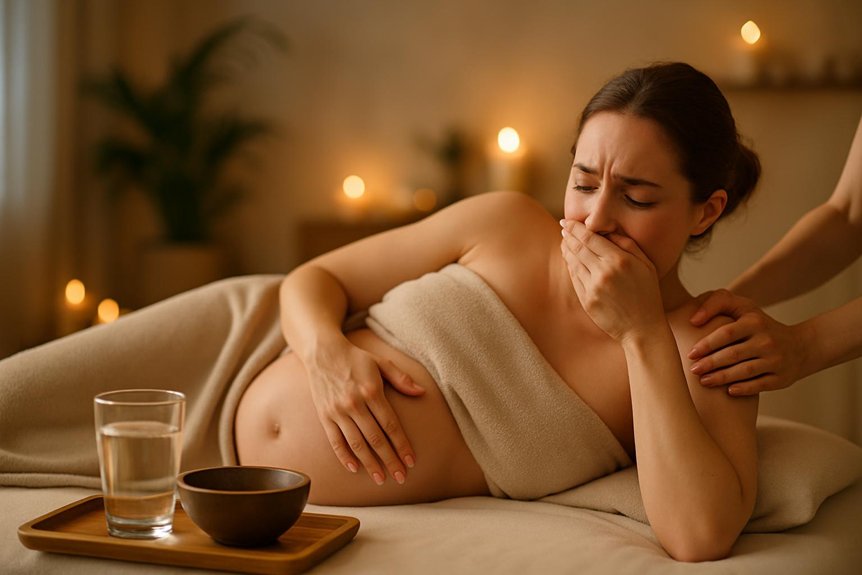
Spa & Massage advises that when these signs are present, rest and medical assessment come first, not bodywork. Even gentle touch can mask worsening symptoms, and positioning may be unsafe if breathing feels strained or dizziness occurs.
If contractions, reduced fetal movement, or sudden pain appears during a session, treatment should stop immediately and urgent care should be sought. Safety is the most loving choice.
When to Check With Your Midwife or GP First
Once red-flag symptoms have been ruled out, the next safest step is to check with a midwife or GP when there is any underlying medical condition, new or changing symptoms, or pregnancy complication that could affect comfort, positioning, or circulation during a third-trimester back massage.
This is especially sensible with high blood pressure or pre‑eclampsia risk, gestational diabetes, clotting disorders or past DVT, placenta problems, recurrent bleeding, significant swelling, severe pelvic girdle pain, sciatica with numbness, or reduced fetal movements.
It is also wise after a recent hospital visit, new medication, fever, infection, or if lying on the side feels breathless or dizzy.
At Spa & Massage in London, clients are encouraged to seek medical clearance so soothing, intimate touch can remain calm, supported, and confidently safe.
What to Tell Your Therapist Before a Back Massage
Before a third-trimester back massage, the therapist should be told about relevant medical history and current symptoms—such as high blood pressure, swelling, sciatic pain, dizziness, or any pregnancy complications—so the treatment can be adapted safely.
They should also share what feels comfortable, including preferred pressure, areas to avoid, and any sensitivity to oils or scents used in Spa & Massage clinics.
Clear guidance on positioning and supports (for example, side-lying with bolsters, or frequent breaks) helps the therapist maintain comfort while protecting circulation and reducing strain.
Medical History And Symptoms
For a safe, comfortable back massage in the third trimester, a therapist should be told the client’s key medical history and current symptoms at the outset. At Spa & Massage, therapists ask about pregnancy stage, any high-risk label, and guidance from a midwife or obstetric team.
They should disclose hypertension or preeclampsia symptoms, gestational diabetes, placenta issues, bleeding, reduced fetal movement, severe headaches, visual changes, fever, or infection. A history of preterm labour, clotting disorders, DVT, varicose vein pain, or recent surgery also matters. Current sensations—sharp back or pelvic pain, sciatica, numbness, swelling, shortness of breath, or tenderness—help tailor pressure safely. Any allergies, skin reactions, or sensitivity to fragrance should be mentioned so products used feel nurturing rather than irritating.
Comfort, Positioning, And Preferences
In the third trimester, comfort and safe positioning become central to how a back massage is planned and delivered.
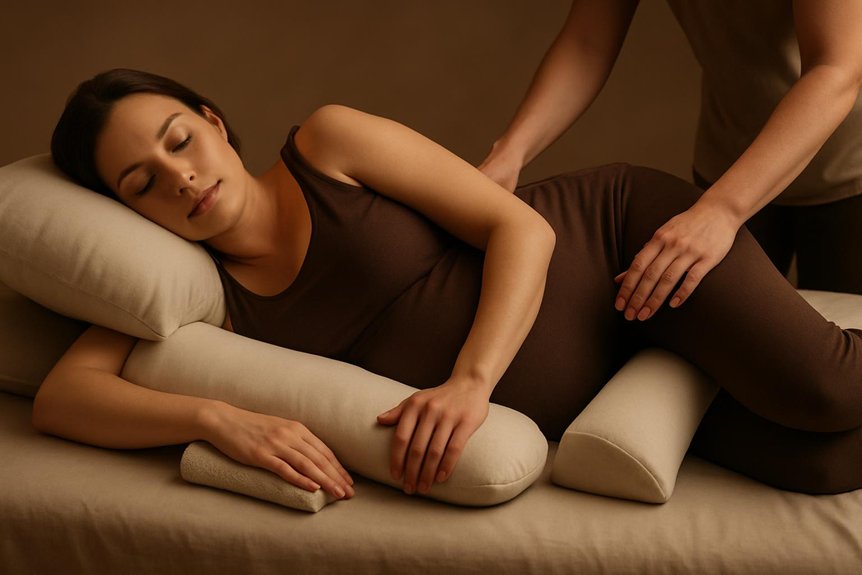
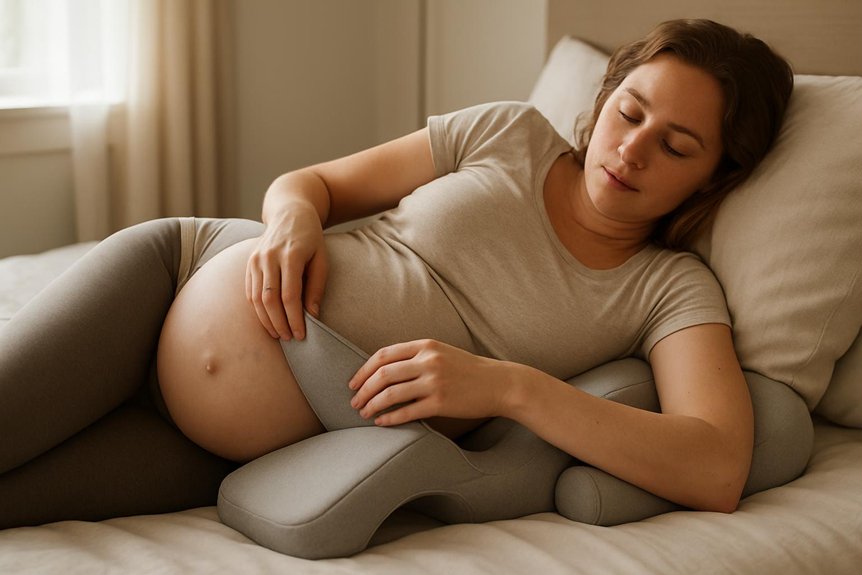
Clients should tell the therapist what feels most supportive: side-lying with pillows, a slight semi-recline, or frequent position changes, while avoiding prolonged flat-on-back lying if it causes dizziness or breathlessness.
At Spa & Massage clinics across London, therapists adjust bolsters and pressure to protect the abdomen, reduce strain on hips and ribs, and keep breathing easy.
Clients are encouraged to name tender areas, nerve-like tingling, pelvic pain, or swelling, and to request lighter touch if sensations feel too intense.
Preferences matter: scent sensitivity, music volume, modesty, and whether gentle, slow strokes feel more soothing than deep work.
Best Third-Trimester Massage Positions (No Tummy-Lying)
With a growing bump and extra pressure on the lower back and pelvis, third-trimester massage is typically most comfortable—and safest—when tummy-lying is avoided altogether.
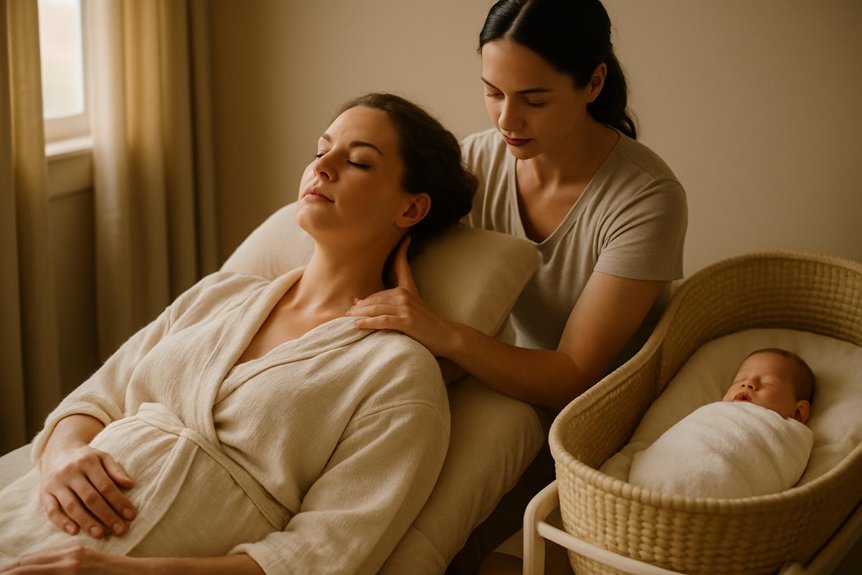
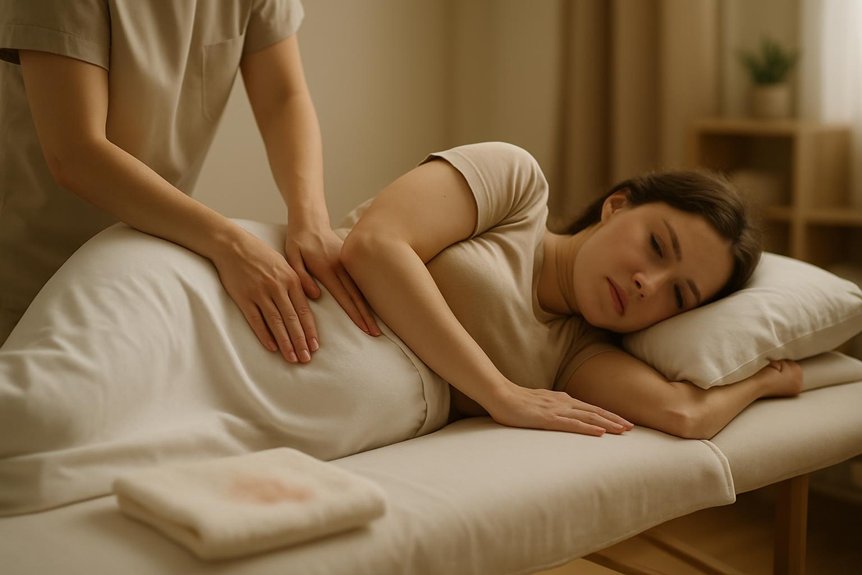
In Spa & Massage clinics, therapists usually choose side-lying with pillows supporting the head, bump, and between the knees, helping keep the spine neutral and the hips settled. Semi-reclined positioning is another popular option, using bolsters to lift the upper body so breathing feels easy while the shoulders and upper back relax.
For brief work on the back, a supported forward-lean—seated or kneeling over a raised table—can allow focused relief without compressing the abdomen. These positions encourage steady circulation, reduce strain, and create a secure, close-to-you sense of comfort.
How Much Pressure Is Safe in the Third Trimester?
In the third trimester, pressure is generally safest when it stays in the light-to-moderate range—comfortable, never painful, and always responsive to how the body feels on the day.
Certain areas may require extra caution, including the lower back, abdomen, and any spots that feel tender or swollen, so pressure is kept gentle and targeted.
At Spa & Massage clinics, therapists continuously adjust technique and intensity based on client feedback, positioning, and clinical judgement to support comfort and safety throughout the session.
Safe Pressure Levels
How much pressure is safe during a third-trimester back massage depends on comfort, health history, and how the body is responding on the day, so the safest approach is typically light-to-moderate pressure that eases tension without provoking pain, breath-holding, dizziness, or abdominal tightening.
At Spa & Massage clinics across London, therapists begin gently, then build pressure only with clear, ongoing consent and steady feedback.
A practical guide is a “good pain-free stretch” sensation, not sharpness or bruised tenderness. Pressure should allow relaxed breathing and a softened jaw; if the body braces, pressure is reduced immediately.
Short, slow passes and supportive positioning help deeper muscles release without force. When symptoms or risks exist, a midwife or GP may advise limits.
Areas Requiring Caution
Although most third-trimester back massage can be delivered comfortably with light-to-moderate pressure, certain areas require extra caution because pregnancy-related changes in circulation, joint laxity, and nerve sensitivity can make some tissues easier to irritate.
Particular care is advised around the lower back and sacrum, where hormonal loosening can make joints feel tender, and overpressure may increase soreness.
The inner thighs and behind the knees should be handled gently, as blood-flow changes can heighten sensitivity and swelling risk.
Direct, heavy compression over the spine, ribs, or abdomen-facing side body can feel sharp or breath-restricting.
If numbness, tingling, dizziness, or sudden pain appears, pressure should be reduced immediately.
At Spa & Massage London clinics, therapists favour broad, slow strokes and frequent check-ins for comfort and safety.
Therapist-Led Adjustments
With third-trimester tissues more reactive to swelling, nerve sensitivity, and joint laxity, safe pressure is best determined through therapist-led adjustments rather than a fixed “one-size” level. At Spa & Massage, therapists begin with light-to-moderate contact, then adapt minute by minute to breath, comfort, and feedback. Evidence-informed practice prioritises calming the nervous system and easing muscular guarding, not chasing “deep” intensity.
Pressure should feel relieving and securely held, never sharp, hot, tingling, or bruising afterwards. Areas near the lower back, sacrum, ribs, and inner thighs are approached conservatively, especially if there is pelvic girdle pain, sciatica, swelling, or high blood pressure concerns. Many clients prefer slower strokes, supportive bolstering, and gentle compression for closeness without strain.
Back-Pain Techniques We Use in Our Prenatal Massages
During the third trimester, back pain often becomes more persistent as posture shifts and the lower back carries extra load, so prenatal massage at Spa & Massage is designed to ease discomfort without compromising safety.
Therapists typically use slow, moderate-pressure effleurage to settle the nervous system, then targeted kneading along the paraspinals, glutes, and hip rotators to reduce protective tension.
Gentle myofascial release around the sacrum and pelvis may support mobility when ligaments feel strained.
Trigger-point work, when appropriate, stays conservative and is avoided over sensitive areas.
Breath-led pacing and frequent check-ins help the client feel held and in control.
Sessions may include supportive side-lying positioning and careful work around the shoulder blades to ease compensatory upper-back strain.
Safe Oils, Scents, and Aftercare for Lasting Relief
Often, the difference between short-term comfort and lasting third-trimester back relief comes down to what is applied to the skin and what happens after the session.
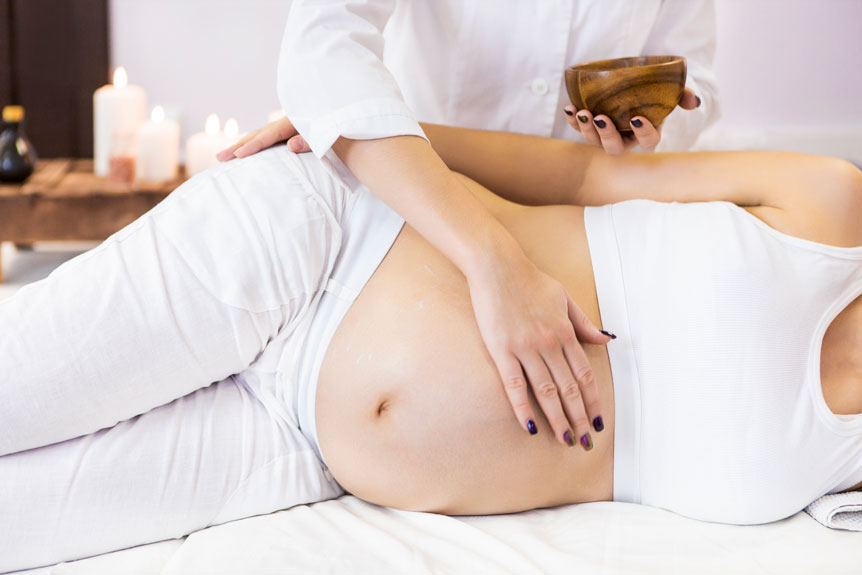
At Spa & Massage clinics across London, therapists favour unscented, hypoallergenic oils and light, pregnancy-safe blends only when there are no sensitivities. Strong essential oils are used cautiously; certain botanicals can be irritating or unsuitable in late pregnancy, so scent is kept subtle and client-led, with careful patch-checking.
Aftercare matters: hydration supports circulation, and a warm (not hot) shower can ease residual tightness.
Many clients feel best with a pillow-supported rest, then a gentle walk to keep tissues soft.
If any dizziness, contractions, or unusual pain appears, massage should stop and medical advice sought.
Conclusion
In the third trimester, a back massage can still be safe and soothing when it is adapted—like easing a tight knot rather than forcing it to undo. With side‑lying support, pregnancy‑trained hands can calm overworked muscles as the body carries its shifting weight. Yet safety stays central: new swelling, headaches, fever, bleeding, reduced movement, or clot risk warrant medical advice first. Done thoughtfully, massage becomes a quiet exhale in the final weeks.