It is only partially evidence based. Controlled trials and reviews typically find small-to-moderate short-term improvements in self-reported stress, anxiety, sleep quality, and perceived pain versus usual care, with effects often reduced when compared with credible touch or massage controls. Evidence for organ-specific “zone” effects or disease modification is inconsistent, with few objective biomarker changes. Study quality is limited by small samples, protocol variability, and blinding challenges. Further context clarifies what outcomes are most realistic.
What Is Reflexology, and How Does It Work?
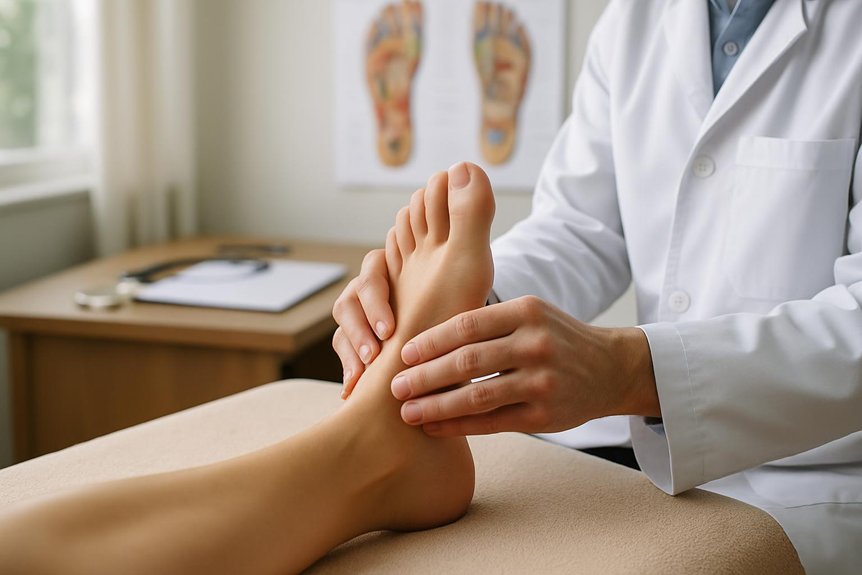
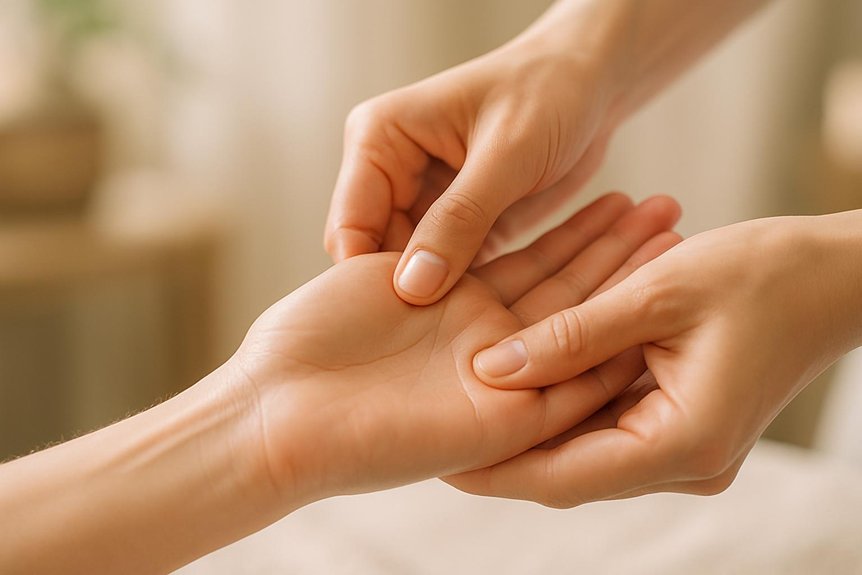
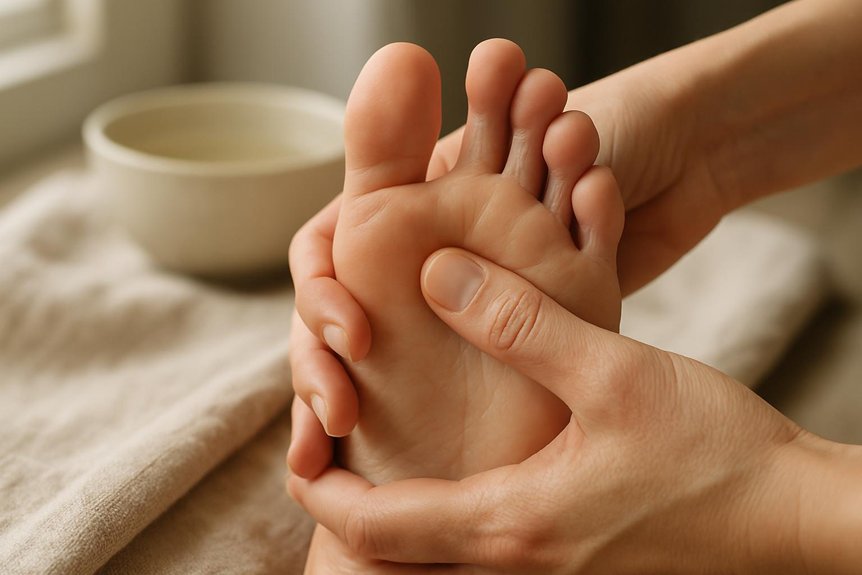
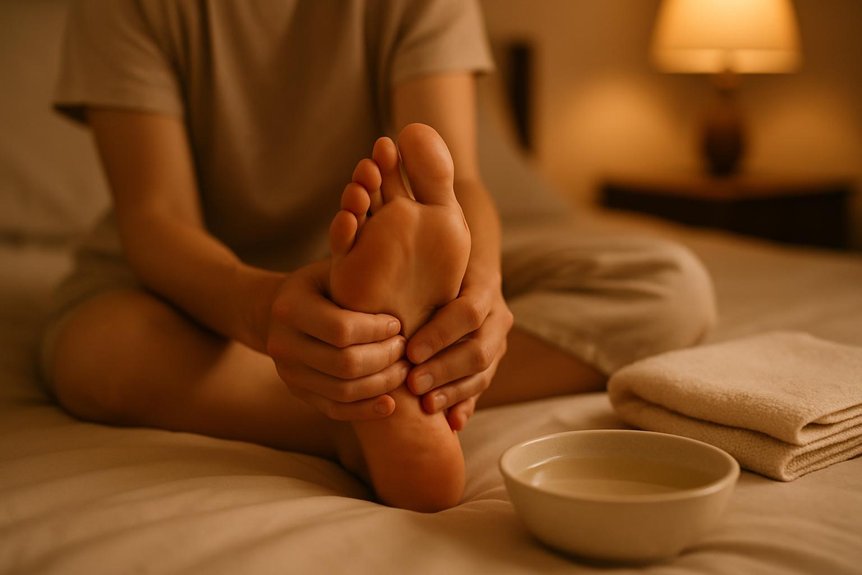
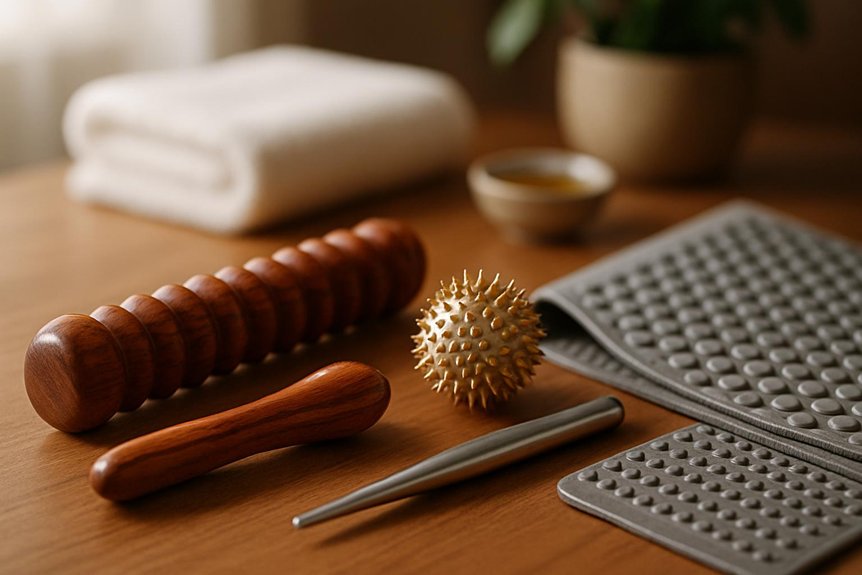
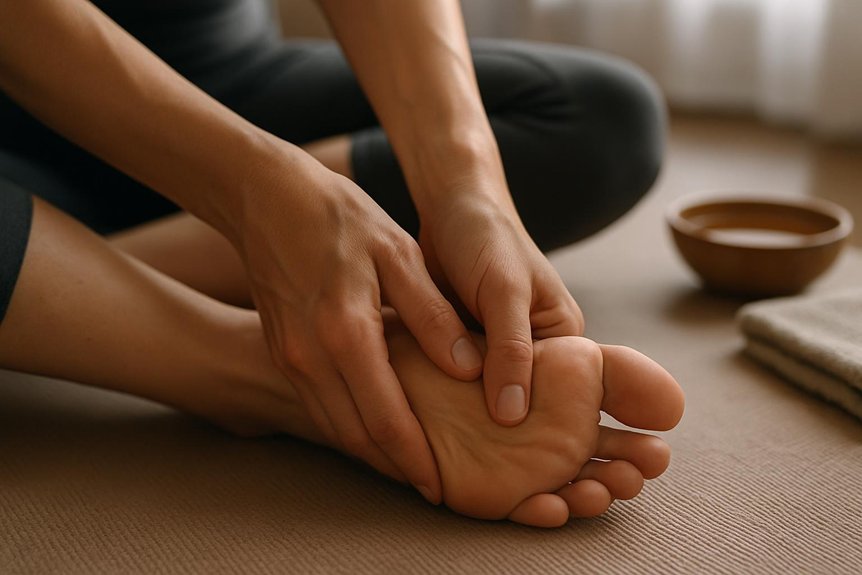
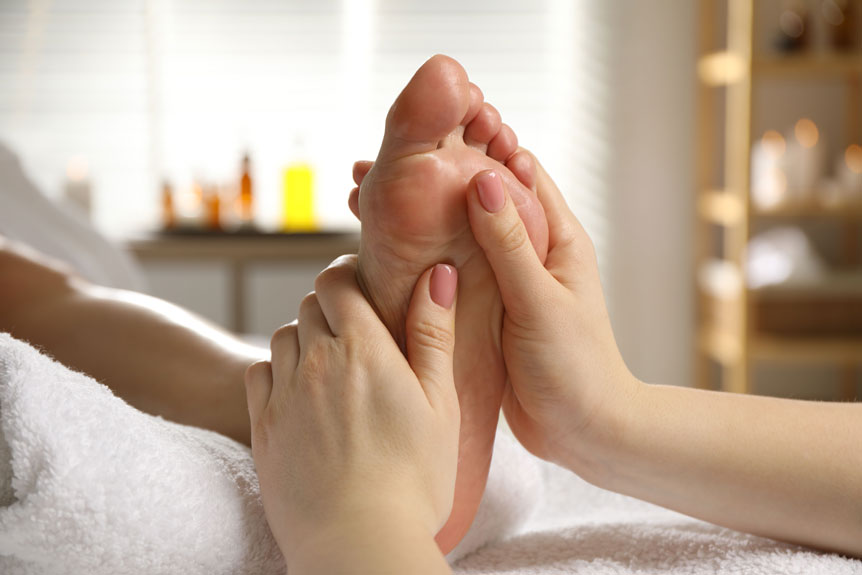
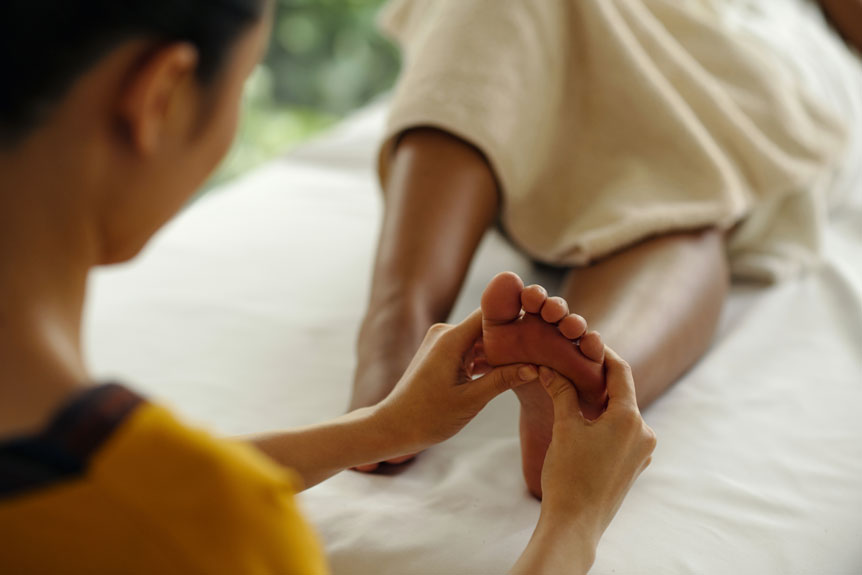
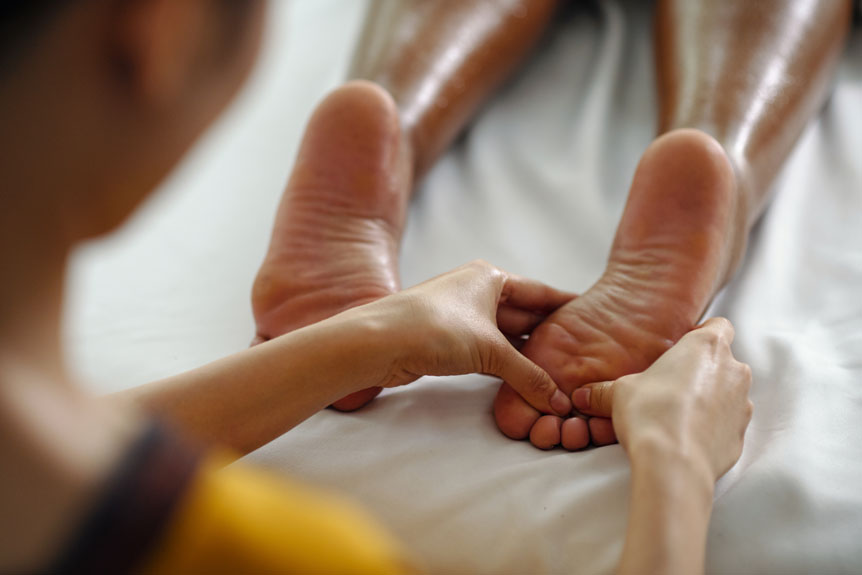
In practical terms, it is a manual therapy in which a trained practitioner applies graded pressure to specific areas of the feet (and sometimes the hands or ears) that are mapped to correspond with body regions.
Sessions typically last 30–60 minutes, using thumb-walking, sustained holds, and incremental pressure to stay within a client’s comfort threshold.
Mechanistically, the best-supported explanations are indirect: touch-driven modulation of the autonomic nervous system, attentional shifts, and relaxation responses that can influence perceived stress and pain intensity.
Proposed “zone” or organ-specific effects are less established physiologically.
Many people explore zone therapy for its potential healing power, particularly in the context of relaxation-focused bodywork.
In Spa & Massage clinics across London, therapists assess sensitivity, pressure tolerance, and contraindications, then pace contact to keep the experience close, calm, and predictable, with measurable feedback (breath rate, muscle guarding, self-rated comfort).
What Does It Claim to Help With?
Across clinical and wellness settings, it is most often claimed to support outcomes that are symptom-based rather than disease-curative—primarily stress reduction, improved relaxation and sleep quality, and short-term relief of perceived pain or tension.
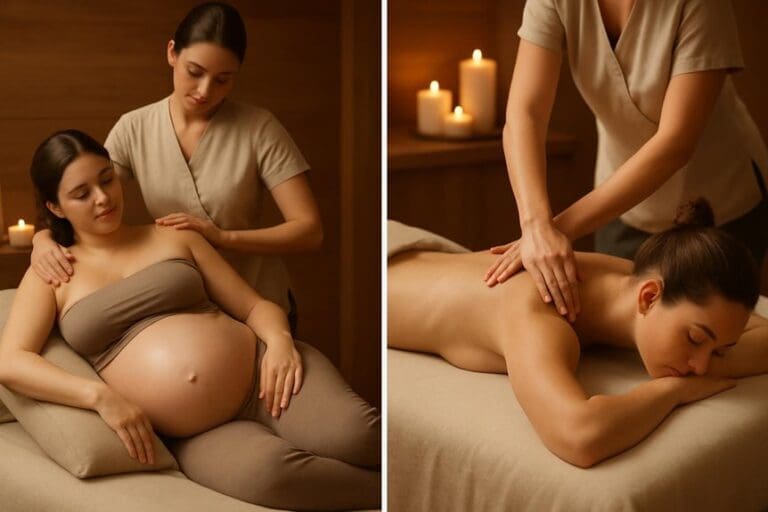
Additional claims commonly include easing headache frequency, digestive discomfort (bloating, constipation), menstrual or menopausal discomfort, and mild anxiety, often framed as helping the body “self-regulate.” Some clients also seek support during pregnancy for swollen feet or general discomfort, and during recovery phases for fatigue.
At Spa & Massage London clinics, it is typically chosen as a 45–60 minute, low-impact option when touch needs to feel safe, grounding, and contained. Practically, expectations are usually discussed in measurable terms: changes in perceived stress (0–10), sleep onset time, and day-to-day tension.
What Does Zone Therapy Evidence Say So Far?
Where does the research currently land on zone therapy? Overall, controlled trials and systematic reviews suggest small-to-moderate short-term improvements in self-reported stress, anxiety, and pain, most consistently versus no treatment or usual care. Effect sizes often shrink when compared with credible touch or massage controls, indicating non-specific relaxation effects.
Evidence for condition-specific outcomes (for example, hormonal balance, digestion, or “organ” function) remains inconsistent, with few studies showing clinically meaningful changes in objective biomarkers. Across populations, the most repeatable finding is improved wellbeing and comfort immediately after sessions, with benefits sometimes lasting days to weeks.
At Spa & Massage clinics across London, zone therapy is thus positioned as a supportive, calming therapy—particularly for tension and sleep—alongside other evidence-backed massage approaches.
Why Is Zone Therapy Research Hard to Interpret?
Interpreting zone therapy research is challenging because many studies have small sample sizes, inconsistent control conditions, and variable treatment protocols, which increases bias risk and reduces comparability across trials.
Outcomes are also strongly influenced by placebo and expectancy effects, particularly when blinding is difficult and participants can often infer whether they received a “real” intervention.
Finally, many endpoints used in zone therapy trials—such as pain, stress, sleep, and overall wellbeing—are multi-factor and commonly self-reported, making effect sizes harder to quantify and attribute to zone therapy alone.
Study Design Limitations
In clinical research, zone therapy is difficult to evaluate because key elements of robust study design—credible placebo control, blinding, and consistent treatment delivery—are hard to achieve simultaneously.
Many trials consequently use small samples (often <50 per arm), short follow-up (hours to weeks), and multiple outcomes, increasing imprecision and false-positive risk.
Protocols vary widely: session length, pressure, maps, and treatment “dose” differ, limiting pooling and generalisability.
Therapist effects are substantial; skill, touch, pacing, and communication can shift pain and anxiety ratings, yet are rarely standardised or audited.
Reporting can be incomplete, with unclear allocation concealment and inconsistent adverse-event tracking.
At Spa & Massage, zone therapy is personalised; that clinical tailoring mirrors real care but complicates rigid trial standardisation for London clients.
Placebo And Expectancy Effects
Often, the largest signal in zone therapy trials is attributable to placebo and expectancy effects rather than a foot-specific physiological mechanism, because outcomes such as pain, stress, sleep quality, and nausea are highly expectation-sensitive and commonly measured with self-reported scales.
When participants are told a treatment should help, average symptom ratings can shift modestly (often ~0.2–0.4 standard deviations) even with inactive touch. Blinding is difficult: clients usually recognise zone therapy-style pressure, and therapists cannot be blinded, amplifying cues such as warmth, confidence, and attentive time. This can create “context effects” that mimic efficacy.
At Spa & Massage clinics across London, therapists consequently frame zone therapy as supportive care: many clients feel calmer and more comfortable, yet any observed benefit should be interpreted as a combined package of touch, relaxation, and expectation rather than proof of mapped reflex points.
Measuring Complex Outcomes
Beyond simple “better vs worse” symptom ratings, zone therapy studies frequently target multi-factor outcomes—pain, anxiety, sleep quality, fatigue, nausea, and overall quality of life—that are measured with self-report scales and shift with mood, attention, and day-to-day variability, making true treatment effects hard to isolate and quantify.
Composite scores can improve 5–15% while any single domain changes little, and small sample sizes widen confidence intervals, leaving uncertainty about clinical significance.
Timing also matters: benefits may peak within hours yet be assessed days later, diluting effects.
Co-interventions (analgesics, chemotherapy cycles, stressors) add noise, and baseline severity differs between groups.
In Spa & Massage clinics, therapists track goals session-by-session, but research often averages experiences, which can miss the personal, intimate shifts clients notice most.
What Benefits of Zone Therapy Are Most Believable?
Several benefits of zone therapy are more believable because they align with plausible physiological mechanisms and have the most consistent, measurable outcomes in practice—namely short-term reductions in self-reported stress and anxiety, improved relaxation (often reflected in lower perceived tension and better sleep quality), and temporary relief of non-specific discomfort through modulation of the nervous system.
In practice, these outcomes are typically captured with simple scales (e.g., 0–10 stress, pain, or tension ratings) taken before and after a session, where many clients report immediate, modest improvements.
At Spa & Massage clinics across London, therapists prioritise slow, steady pressure and paced breathing to support parasympathetic activation, which can lower arousal and soften muscle guarding.
The most credible claims stay time-limited: benefits often peak within hours to days, and respond to repeat sessions.
Which Conditions Has Zone Therapy Been Studied For?
Which health problems has zone therapy actually been tested against in clinical research? Trials and reviews most often examine symptom relief rather than disease cure. Common study populations include cancer patients (pain, nausea, anxiety, fatigue), postoperative patients (pain, anxiety), and people with chronic pain conditions such as low back pain, fibromyalgia, and migraine.
Women’s health is another focus: PMS, menopause symptoms, labour pain, and pregnancy-related discomforts. Researchers have also tested zone therapy for insomnia, stress, depression and anxiety, irritable bowel syndrome, constipation, and diabetes-related neuropathic symptoms.
Sample sizes are frequently small (often 20–100 participants), with short follow-up (days to weeks). At Spa & Massage clinics in London, zone therapy is positioned as adjunctive comfort care for these studied symptom clusters.
Reflexology vs Massage: What Evidence Is Stronger?
When comparing zone therapy with massage, the evidence base for massage is generally larger and more methodologically consistent, with more trials and meta-analyses reporting small-to-moderate improvements in pain, anxiety, and function.
Mechanistically, massage has more plausible pathways (mechanical loading of soft tissue, neurophysiological pain modulation, and autonomic shifts) than the map-based assumptions central to zone therapy.
In Spa & Massage clinics, this translates to using massage when the goal is measurable changes in muscle tension, pain, or mobility, while zone therapy is more often positioned for relaxation-focused outcomes where the clinical signals are less robust.
Evidence Quality Compared
In evidence hierarchies, massage modalities (such as deep tissue, sports, and aromatherapy massage) generally sit on a stronger research footing than zone therapy, largely because they have been tested more often in controlled clinical designs with clearer, standardisable protocols and measurable outcomes (e.g., pain intensity scales, range of motion, and short-term stress markers).
Systematic reviews typically find small-to-moderate short‑term effects for massage on musculoskeletal pain and anxiety, with more consistent replication and better reporting of dose (minutes, pressure, frequency).
Zone therapy studies more often show mixed results, smaller samples, greater heterogeneity, and higher risk of bias (blinding and expectancy effects).
At Spa & Massage, this evidence gap guides transparent consent: clients seeking evidence-led relief are usually steered toward targeted massage, while zone therapy is framed as a comfort-focused option for touch and calm.
Mechanisms And Plausibility
Against a background of uneven clinical results, the mechanistic plausibility for massage is generally stronger than for zone therapy because it aligns with well-characterised pathways—mechanotransduction in soft tissue, modulation of nociception via spinal “gate control”, short-term autonomic downshift, and measurable changes in pressure pain thresholds, range of motion, and stress markers—whereas zone therapy’s core map-based claim (discrete foot zones corresponding to specific organs) lacks anatomical or physiological corroboration and consequently depends more heavily on non-specific effects such as relaxation, attention, and expectancy.
In Spa & Massage clinics, therapists can dose pressure, tempo, and tissue targeting, enabling plausible, testable dose–response effects (e.g., minutes, Newtons of pressure). Zone therapy plausibly influences comfort via touch, warmth, paced breathing, and soothing therapeutic attention, but organ-specific “zone” mechanisms remain unverified.
Outcomes And Best Uses
From an outcomes standpoint, the evidence base is generally stronger for massage than for zone therapy, with meta-analyses more consistently showing small-to-moderate, time-limited improvements in pain (typically ~1–2 points on a 0–10 scale), pressure pain sensitivity, and short-term anxiety/stress compared with usual care or minimal-touch controls.
It studies more often show mixed or borderline effects, with benefits clustering around relaxation, perceived wellbeing, and nausea/fatigue in specific settings, but with higher risk of bias and weaker controls.
Best-use positioning is consequently pragmatic: massage for musculoskeletal pain, tension headaches, and stress-related sleep disruption; zone therapy for gentle, comforting care when touch needs to remain focused on feet/hands.
At Spa & Massage, therapists match pressure, pace, and boundaries to what feels safe and reassuring.
How to Choose Zone Therapy in London
Amid London’s dense wellness market, choosing zone therapy is most reliable when assessed with measurable criteria: therapist qualifications (recognised zone therapy training hours and current insurance), clinic governance (clear health screening, contraindication checks, hygiene protocols), treatment structure (documented intake, agreed goals, standard session length), and outcome tracking (pain, stress, or sleep scores recorded pre/post over a short series of sessions).
Evidence-minded clients can request a 3–5 session plan, then look for ≥20% improvement on their chosen metric. They may also prioritise consistency: same therapist, same room, and a written home-care note.
Spa & Massage applies these controls across six London locations, pairing zone therapy with calm pacing, optional aromatherapy, and aftercare guidance (hydration, sleep window, symptom log).
If no data or screening is offered, reliability is lower.
Conclusion
Overall, current evidence suggests zone therapy may modestly reduce self-reported stress, anxiety, and pain, with small-to-moderate effects most consistent in short-term outcomes such as relaxation and sleep quality. Evidence is weaker for disease-specific claims, diagnosis, or cure, and study heterogeneity (small samples, variable protocols, placebo controls) limits certainty. As the numbers stand, zone therapy is best viewed as a supportive wellness option, not a substitute for medical care—useful alongside it, not a silver bullet.