
Before therapeutic massage for hip pain, the client should describe pain location (groin, outer hip, buttock), timing, triggers, and intensity (0–10), plus any radiation, tingling, numbness, or weakness. They should report recent falls or flare-ups, relevant diagnoses or imaging, prior surgery, implants, injections, and clinician restrictions. Medications affecting bruising or healing (anticoagulants, steroids, NSAIDs) should be noted. Agree on pressure limits and signal sharp or burning sensations promptly. More practical session planning and aftercare guidance follows.
Can It Help Hip Pain Safely?

Addressing hip pain with therapeutic massage can be safe and helpful when it is clinically appropriate and applied by a trained therapist using controlled pressure and clear contraindication screening.
Evidence-informed practice supports its role in easing muscle guarding, improving local circulation, and restoring comfortable range of motion when soft-tissue overload contributes to symptoms.
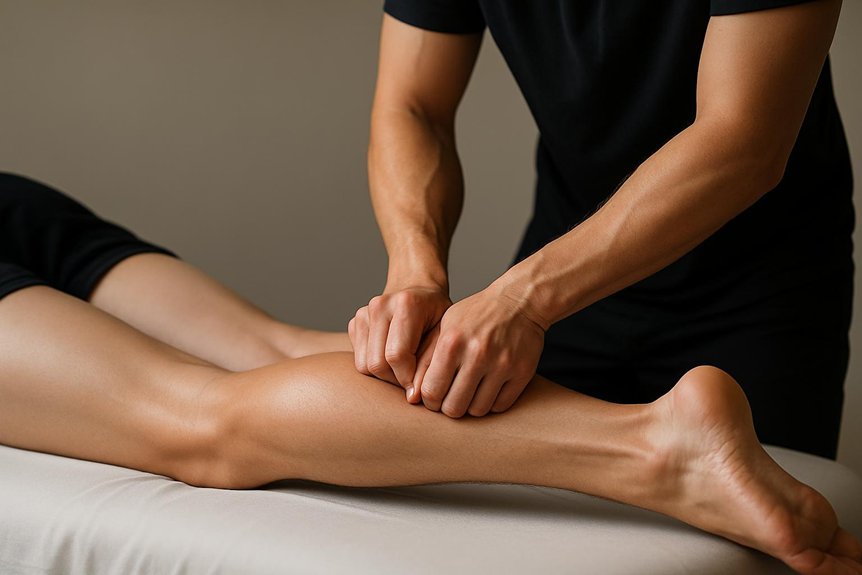
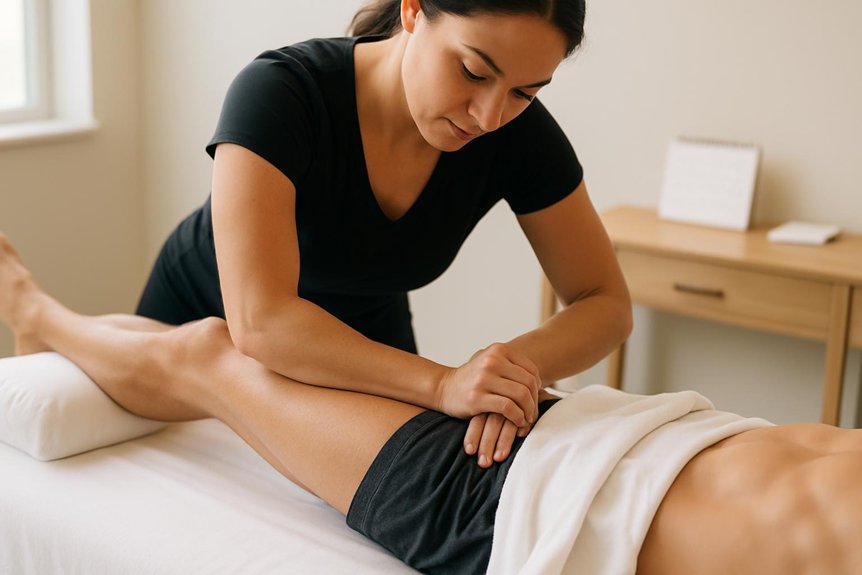
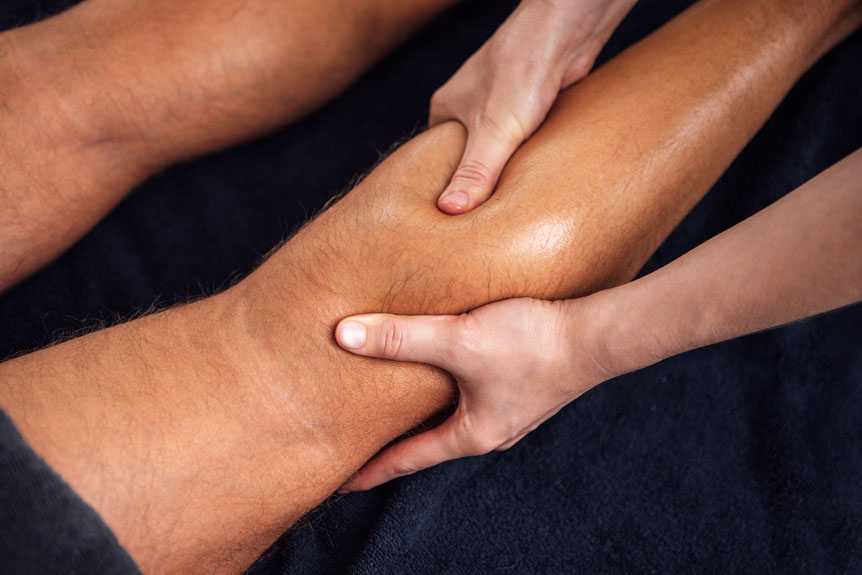
Deep tissue massage works by targeting deep muscle layers with slow, sustained strokes to release tension and improve mobility.
At Spa & Massage, therapists begin with a brief health intake, then titrate pressure to the client’s breath and tolerance, maintaining a steady, reassuring pace that protects sensitive structures.
Deep, targeted work may be combined with sports massage techniques, gentle stretching, and calming aromatherapy oils when suitable.
Clients are advised to disclose recent injury, surgery, blood thinners, pregnancy, fever, or unexplained swelling.
Aftercare typically includes hydration, light movement, and heat/ice guidance.
Where Is Your Hip Pain, and When Does It Show Up?
Deep tissue work is most effective when it is guided by a clear picture of the pain pattern, so the next step is to map exactly where hip pain sits and when it tends to appear.
A client should describe whether it feels deep in the front hip/groin, on the outer hip, in the buttock, or along the side of the thigh, and whether it stays local or travels. Noting one-sided versus bilateral symptoms also helps.
Timing matters: does it show up after long sitting, during walking, running, climbing stairs, standing, or lying on one side at night?
At Spa & Massage clinics, therapists use this information to choose angles, pressure, and pacing, and to focus on connected areas such as glutes, hip flexors, and lateral hip tissues safely.
How Intense Is the Hip Pain (and Any Red Flags)?
Often, the most useful detail for a therapist is not just *where* the hip hurts, but *how intense* it feels and whether anything about it suggests a need for medical review.
Clients should describe pain on a 0–10 scale, whether it is sharp, deep, burning, or aching, and if it is constant or comes in waves.
At Spa & Massage, this guides pressure choices during deep tissue work and helps keep treatment both effective and emotionally safe.
Red flags to mention include unexplained swelling, bruising, sudden severe pain after a fall, fever, unexplained weight loss, night pain that does not ease, numbness or weakness, bowel/bladder changes, or pain radiating with tingling.
Any concern warrants GP or urgent assessment before massage.
What Daily Movements Trigger Your Hip Pain Most?
Hip pain frequently shows its pattern through everyday movements such as walking, climbing stairs, getting in and out of a car, rising from a chair, rolling in bed, or sitting for prolonged periods.
A client should note which action reproduces pain, where it is felt (front groin, side, buttock), and whether it is sharp, aching, burning, or catching.
Attention to timing helps: pain on first steps, after distance, or later that evening suggests different load responses.
They can also report aggravating angles—deep hip flexion, crossing legs, wide steps, or twisting—plus any easing positions.
At Spa & Massage, therapists use these details to tailor deep tissue pressure, pacing, and positioning to keep sessions both effective and comfortably close.
Any Injuries, Scans, or Hip Pain Diagnosis?
They should tell the therapist about any recent injuries, falls, surgeries, or flare-ups, including dates and current symptoms, as these factors guide safe treatment choices.
Any scans or clinical findings (e.g., X‑ray, MRI, ultrasound) and any diagnosis should be shared, including what a clinician advised and any restrictions.
At Spa & Massage, this information helps the therapist tailor techniques and pressure, and determine when referral back to a GP or specialist is appropriate.
Recent Injuries And Surgery
In the context of recent hip pain, a therapist should be told about any new injuries, falls, sudden twists, or post-exercise flare-ups, as well as any past or planned surgery affecting the hip, pelvis, or lower back.
The timeline matters: when symptoms began, whether pain is worsening, and what movements or positions trigger it.
Any bruising, swelling, heat, instability, clicking, locking, or night pain should be disclosed, alongside medication use and clotting risk factors.
Post-surgical details are essential: procedure type, date, wound status, infection history, and any precautions or weight-bearing limits given by the surgical team.
At Spa & Massage, therapists use this information to adapt depth, positioning, and pacing, prioritising comfort, consent, and a sense of safe, respectful closeness throughout the session.
Scans And Clinical Diagnosis
Where imaging or a clinical assessment has been done, the therapist should be told exactly what was found and when—such as X‑ray, ultrasound, MRI, or CT results, any formal diagnosis (e.g., osteoarthritis, labral tear, bursitis, tendinopathy, impingement, fracture or stress injury), and whether symptoms match the report.
Details like “mild” versus “severe,” side affected, and any red‑flag notes help guide safe pressure choices.
At Spa & Massage, therapists use this information to avoid provocative hip ranges, protect tender structures, and focus on calming surrounding tissues.
If scans were normal but pain persists, that should also be shared; it may suggest sensitised tissue or referred pain.
Any injections, physiotherapy notes, or activity restrictions should be mentioned before deep tissue work.
Surgeries, Implants, and Medications We Should Note
Often, effective assessment of hip pain depends on documenting any relevant surgeries, joint implants, or current medications, as these factors can change tissue tolerance, range of motion, and risk profile during hands-on treatment.
A client should disclose prior hip arthroscopy, labral repair, tendon repair, fracture fixation, or spinal/pelvic surgery, including dates, lingering numbness, and any post-operative precautions.
Hip replacements, resurfacing, screws, plates, or mesh should be noted so pressure, positioning, and stretching remain within safe limits.
Medications matter: anticoagulants, antiplatelets, corticosteroids, immunosuppressants, and regular NSAID use can alter bruising, healing, and pain signalling.
At Spa & Massage clinics, therapists use this information to choose depth, pacing, bolstering, and consent-based touch that feels secure and respectful.
What’s Helped Your Hip Pain: and What Made It Worse?
For a clearer clinical picture, a client should tell the therapist what has reliably reduced hip pain—and what has consistently aggravated it—because response to load, movement, and self-care measures helps narrow likely drivers (joint irritation, tendon overload, referred pain, or muscular guarding).
Helpful details include whether warmth, gentle walking, stretching, strengthening, rest, or specific positions (side-lying with a pillow, supine, seated) soothe symptoms, and how quickly relief appears and lasts.
Equally important is what worsens pain: hills, stairs, running, prolonged sitting, crossing legs, deep squats, sleeping on the painful side, long commutes, stress, or recent increases in training.
At Spa & Massage clinics, therapists also value any response to prior massage or bodywork—immediate ease, rebound soreness, or no change—plus day-after patterns.
Your Session Plan: Pressure Limits and Aftercare for Hip Pain
Although hip pain may feel like a single, local problem, the safest and most effective session plan depends on clear agreements about pressure limits and a realistic aftercare strategy.
At Spa & Massage clinics across London, therapists ask clients to define a tolerable intensity (often 5–7/10) and to signal any sharp, burning, numb, or radiating sensations; pressure is then adjusted, or work is redirected from the hip to adjacent glutes, adductors, and lower back.
Short “check-ins” protect trust and tissue.
Aftercare should match the response: gentle walking, hydration, and heat or cold as preferred, plus light stretching only if it feels easing.
Clients are advised to expect mild soreness for 24–48 hours, and to report any worsening pain promptly.
Conclusion
Clear disclosure before deep tissue work supports safer, more effective care for hip pain. Like a careful intake before an MRI, details on location, timing, intensity, triggers, prior injury, imaging, diagnoses, surgery, implants, and medications guide technique and pressure. Noting what relieved symptoms—and what aggravated them—helps avoid provocation and target relevant tissues, including possible lumbar referral. Agreeing on pressure limits, stop-signs, and aftercare completes a plan that prioritises comfort, function, and informed consent.