Prenatal massage differs from regular massage by using pregnancy‑specific screening, safer positioning, and modified techniques to support comfort and circulation. It is usually offered from the second trimester, with extra caution or medical clearance for bleeding, high blood pressure, pre‑eclampsia symptoms, clotting history, or placenta complications. Sessions typically use side‑lying or semi‑reclined support, lighter-to-moderate pressure, slower strokes, and conservative stretching, rather than deep, aggressive work. Further details clarify when each option is most suitable.
When Is It Safe (and When to Wait)?
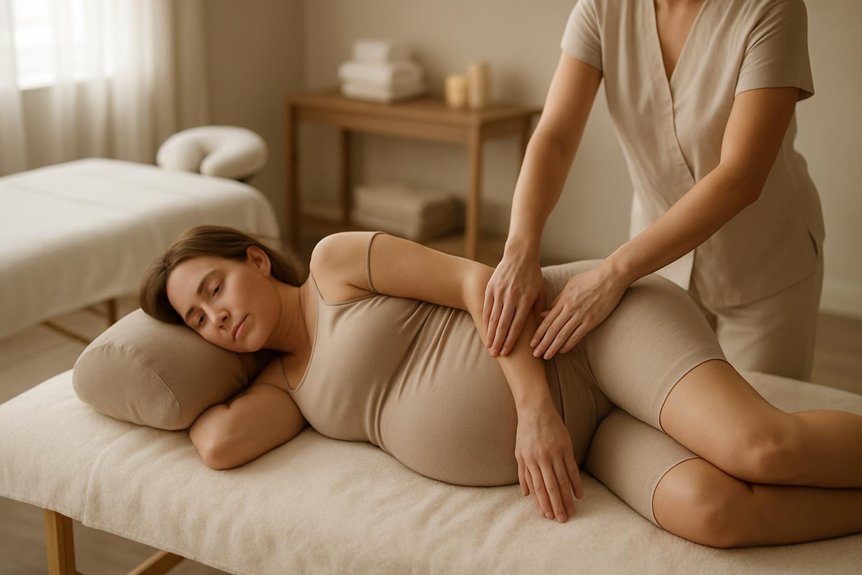
In most cases, pregnancy massage is considered safe from the second trimester onward (around 13 weeks), provided it is adapted to the client’s stage of pregnancy and health history. At Spa & Massage, therapists complete a thorough intake, then use supportive positioning and gentle-to-moderate pressure to promote ease, calm, and a sense of being cared for. It can also support stress reduction and overall wellbeing for expecting mothers when delivered appropriately.
It is usually best to wait or seek medical clearance when there is vaginal bleeding, severe abdominal pain, fever, suspected preterm labour, pre-eclampsia symptoms, uncontrolled high blood pressure, blood-clot history, or significant swelling, headaches, or visual changes. Caution is also advised with placenta complications, recent procedures, or high-risk pregnancy. If uncertainty exists, clients are encouraged to consult their midwife or GP before booking.
Pregnancy vs Regular Massage: What’s Different?
From a clinical and comfort perspective, prenatal massage differs from regular massage in three main ways: positioning, pressure, and precautions.
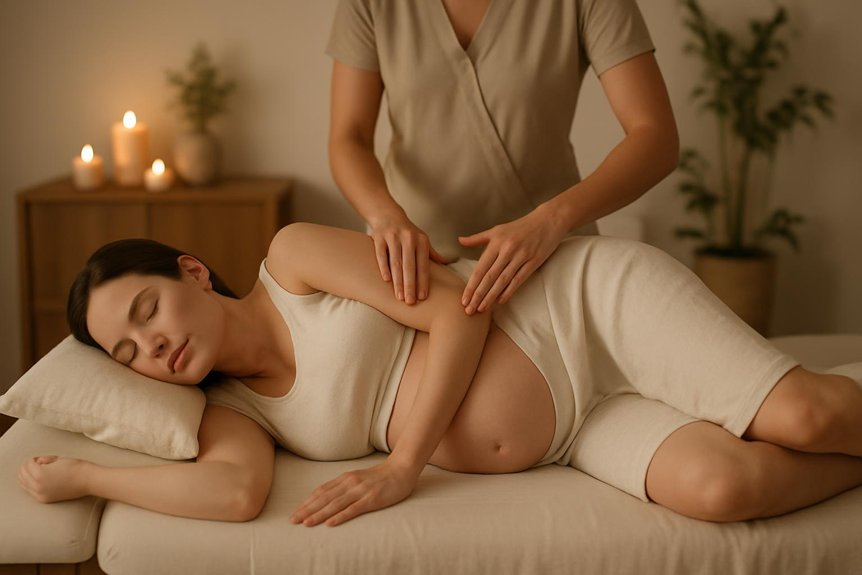
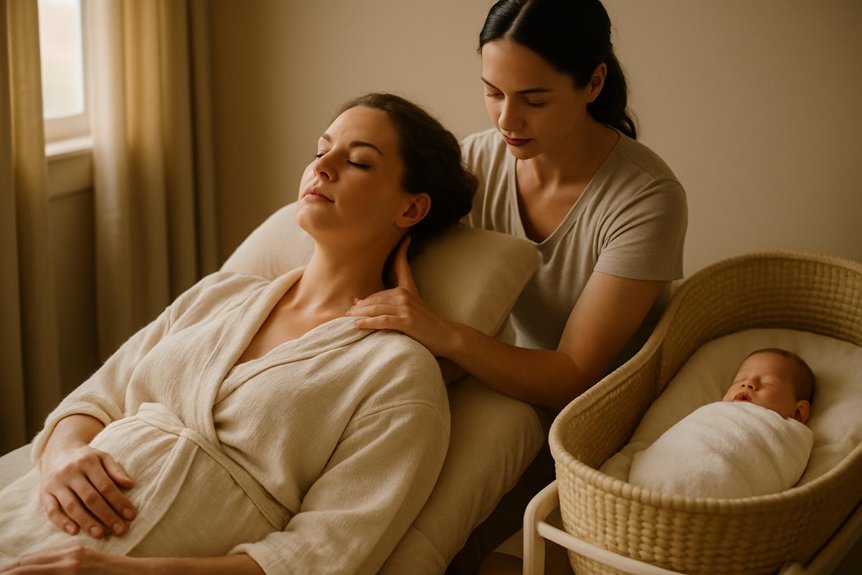
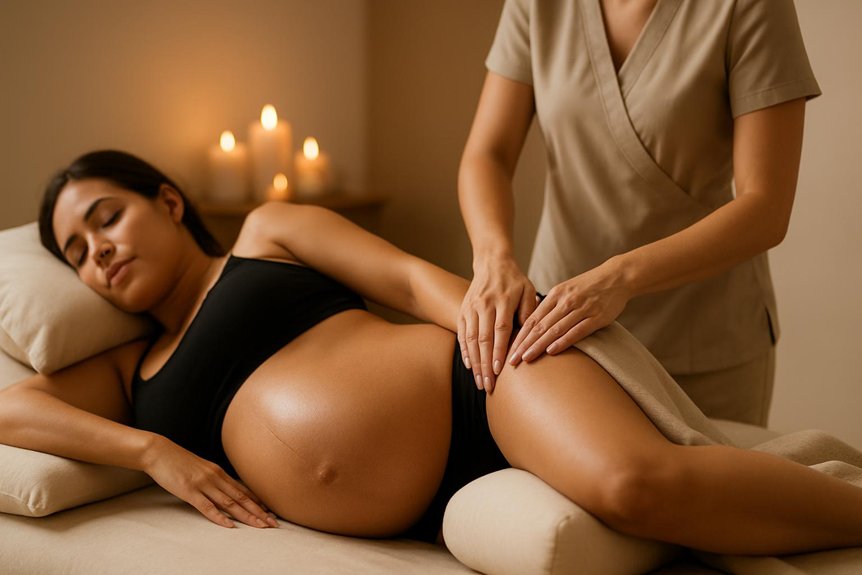
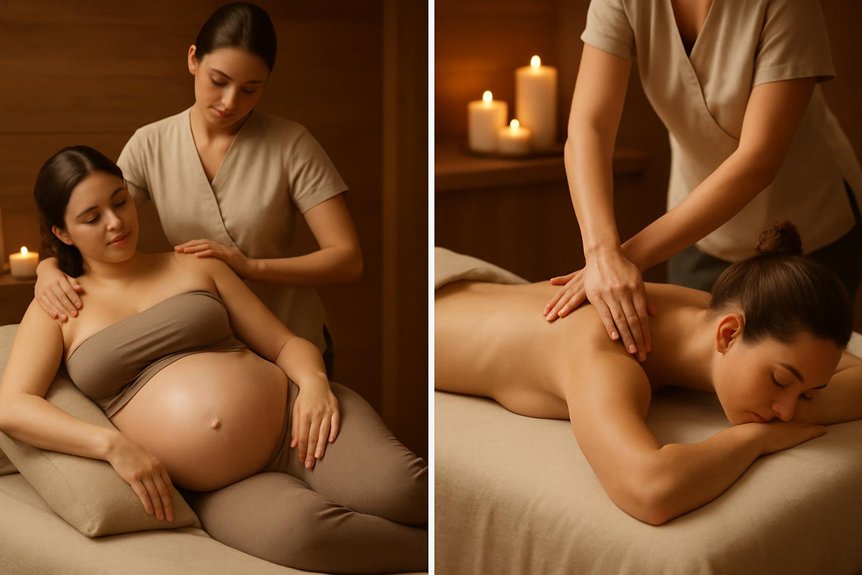
Instead of lying flat, the client is supported side‑lying or semi‑reclined with specialist bolsters to protect circulation, reduce breathlessness, and ease pelvic strain.
Pressure is typically slower and lighter-to-moderate, focusing on low back, hips, shoulders, and legs, while avoiding techniques that may feel intense around sensitive joints and the abdomen.
Precautions include a fuller intake, trimester-aware planning, and attention to swelling, blood pressure changes, and clot risk; deeper calf work is modified accordingly.
In Spa & Massage London clinics, therapists use pregnancy-safe oils and check in frequently, keeping touch reassuring, private, and responsive.
When Regular Massage Is Better Than Prenatal Massage
Choose a regular massage when the person is not pregnant and the goal is deeper, more targeted work—such as addressing sports-related tightness, chronic neck and shoulder tension, or persistent low-back pain—because standard techniques and positioning allow therapists to use firmer pressure, broader treatment options, and longer time prone or supine when appropriate.
In Spa & Massage clinics across London, deep tissue or sports massage may better support performance, postural strain, and recurrent trigger points, with careful assessment and clear consent.
Regular massage can also suit clients seeking stronger, slower pressure for grounded relaxation and a closer sense of release through hips, back, and shoulders.
It is preferable when pregnancy-related precautions are unnecessary, or when there are no contraindications and deeper work is desired. Therapists adjust pressure to comfort and response.
How You’ll Be Positioned for Prenatal Massage
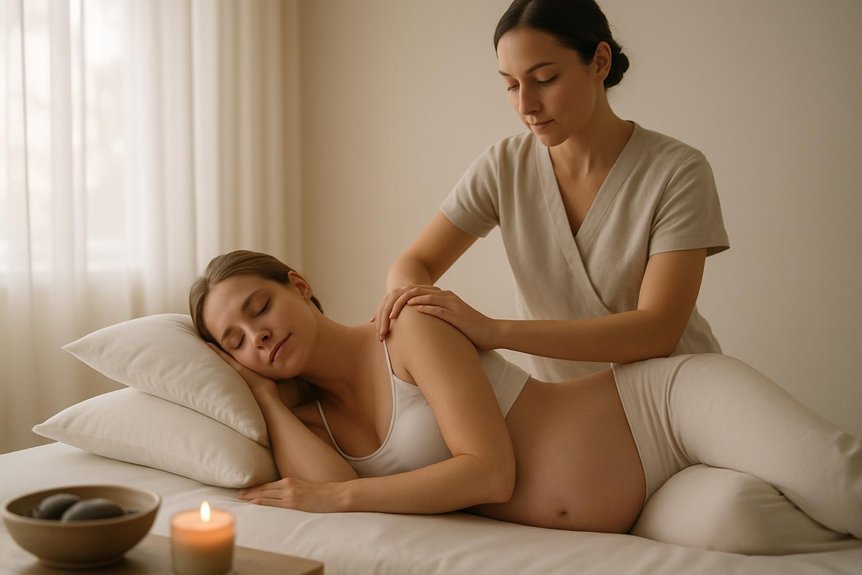
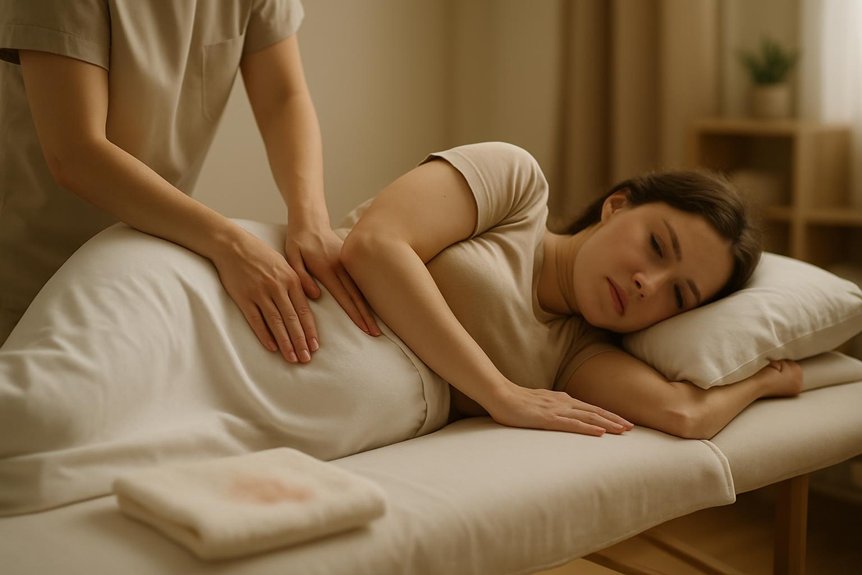
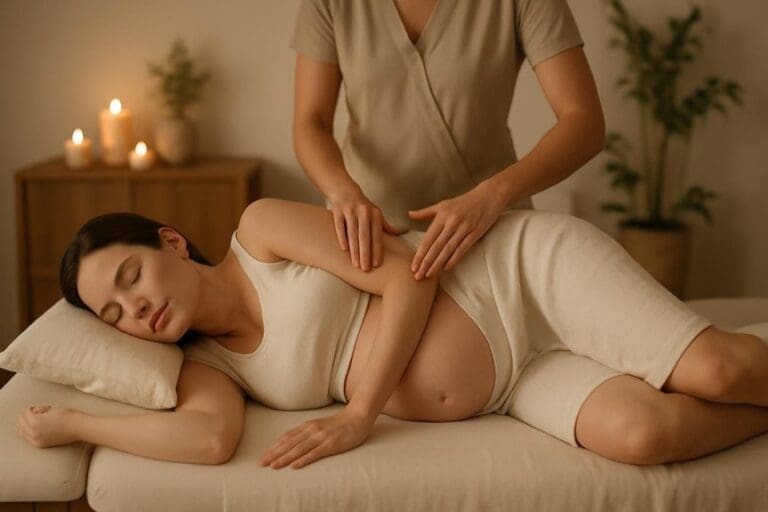
In prenatal massage at Spa & Massage, clients are typically positioned side-lying with structured support to help maintain neutral alignment and comfortable circulation.
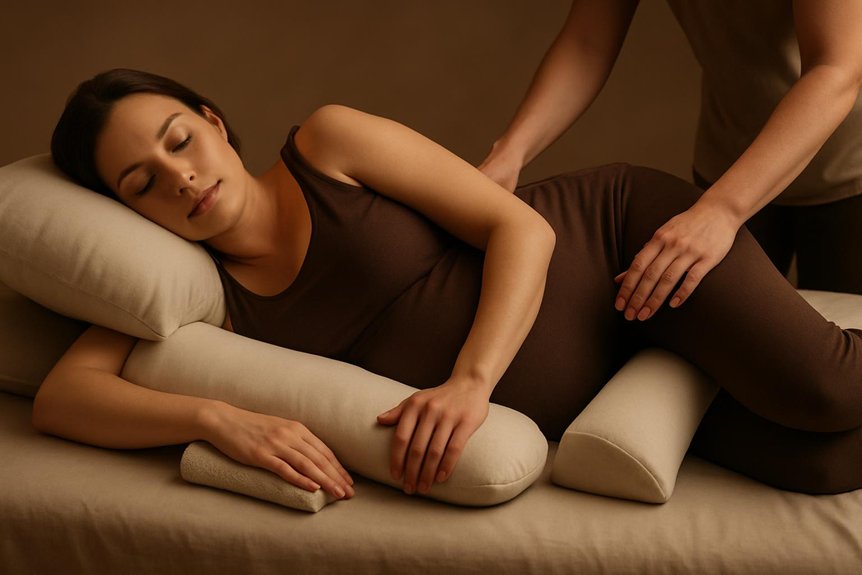
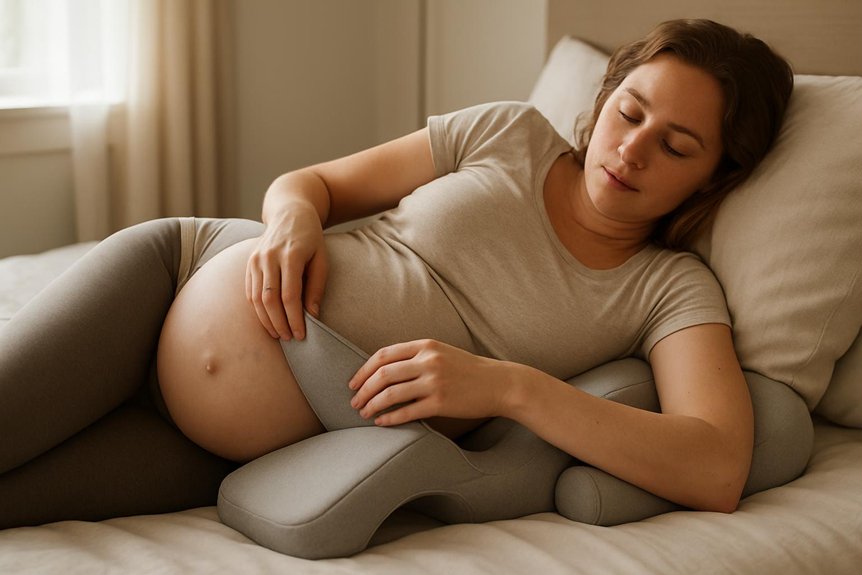
Bolsters and cushions are used to stabilise the hips, support the abdomen and chest, and reduce strain on the lower back, with adjustments made continuously based on comfort and trimester.
Safety-focused positioning avoids prolonged flat-on-the-back or prone lying and any setup that causes breathlessness, dizziness, numbness, or pressure on the abdomen.
Side-Lying Support Setup
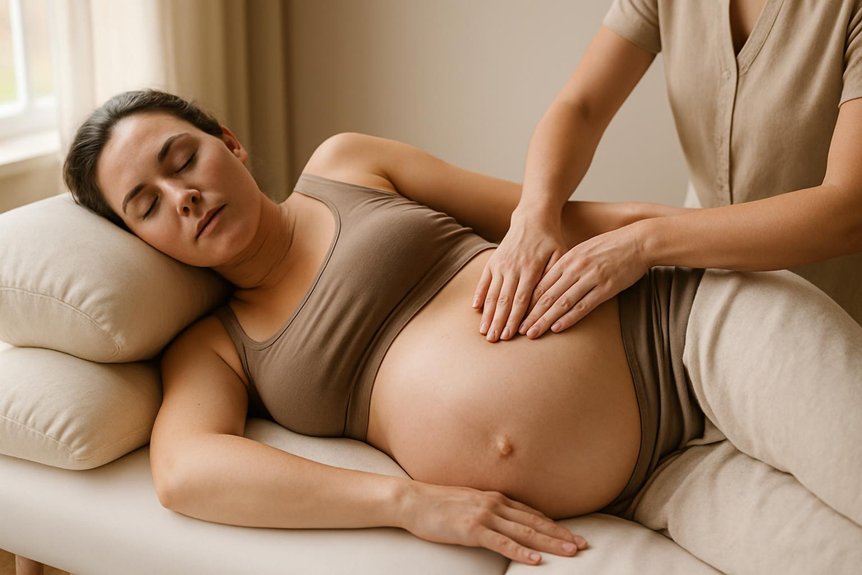
For comfort and safety throughout a prenatal massage, clients are typically positioned in a supported side-lying setup, which helps keep pressure off the abdomen and reduces strain on the lower back and pelvis.
This alignment is widely used because it supports healthy circulation and breathing, particularly as pregnancy progresses, while allowing the therapist safe access to the back, hips, and legs.
At Spa & Massage clinics across London, therapists check in about pressure, temperature, and any tenderness, then adjust the client’s angle and limb placement to maintain ease and a sense of being held.
Side-lying also helps avoid prolonged flat-on-back positioning, which may be uncomfortable for some clients later in pregnancy.
Clients are encouraged to speak up immediately if anything feels restrictive, dizzying, or emotionally overwhelming.
Bolsters, Cushions, And Comfort
To maintain comfort and reduce avoidable strain during prenatal massage, bolsters and cushions are used to stabilise the pelvis, support the bump without compression, and keep the spine and shoulders in neutral alignment. This helps ease low-back tension, hip discomfort, and rib pressure while allowing steady, unrushed breathing—key for relaxation.
In Spa & Massage clinics across London, therapists adjust pillow height and firmness to the client’s changing body, placing support between the knees and under the ankle to keep the hips level and the legs relaxed. A small cushion may be added beneath the waist to reduce side-bending and protect tender ligaments.
Frequent check-ins guarantee warmth, modesty, and a held, secure feeling throughout the session, with comfort guiding every change.
What To Avoid Positioning
During prenatal massage, positioning is selected as carefully as the techniques themselves, with certain postures avoided to reduce circulatory strain, nerve compression, and unnecessary load on the abdomen and lower back.
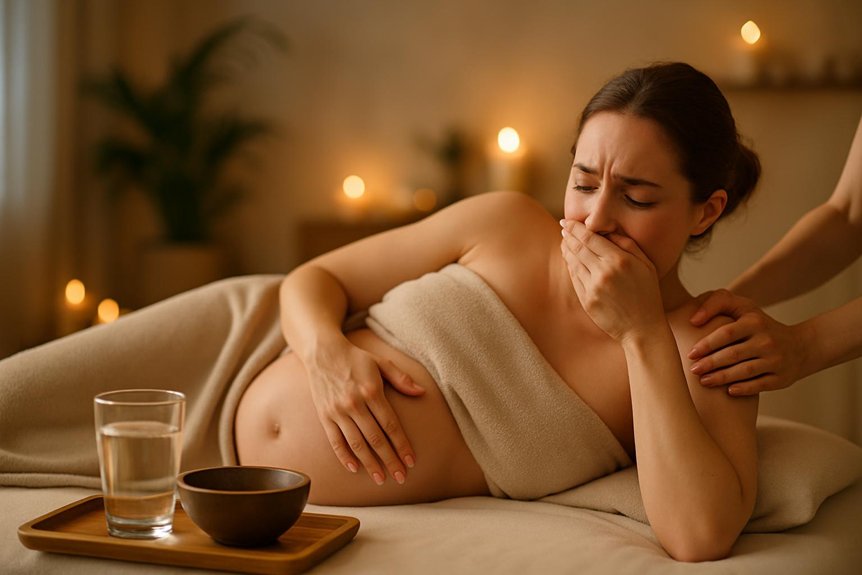
Prolonged flat-on-the-back lying is typically limited after mid-pregnancy because it can compress major blood vessels and trigger dizziness, nausea, or shortness of breath.
Full prone positioning is avoided to prevent pressure through the belly and breasts, even when a client “feels fine.” Deep hip twists, strong sacral compression, and long static holds that intensify pelvic girdle pain are also minimised.
At Spa & Massage clinics across London, therapists favour side-lying or a supported incline, checking comfort and breath throughout, so relaxation feels close, secure, and unhurried.
How We Adjust Pressure and Techniques in Prenatal Massage
With pregnancy, massage pressure and technique are modified to reflect ongoing changes in circulation, joint laxity, and tissue sensitivity.
At Spa & Massage, therapists typically use lighter-to-moderate pressure, building gradually and checking comfort often, as deep work can feel intense on areas prone to swelling or tenderness.
Strokes are slower, more rhythmic, and directed to encourage fluid return, while avoiding sustained compression over sensitive structures.
Joint-focused techniques are kept gentle because ligaments can be more lax; stretching is conservative and never forced.
Trigger point work, if used, is brief and carefully titrated, prioritising breath and ease.
Abdominal work is only performed with explicit consent and a tailored approach, always respecting boundaries and comfort.
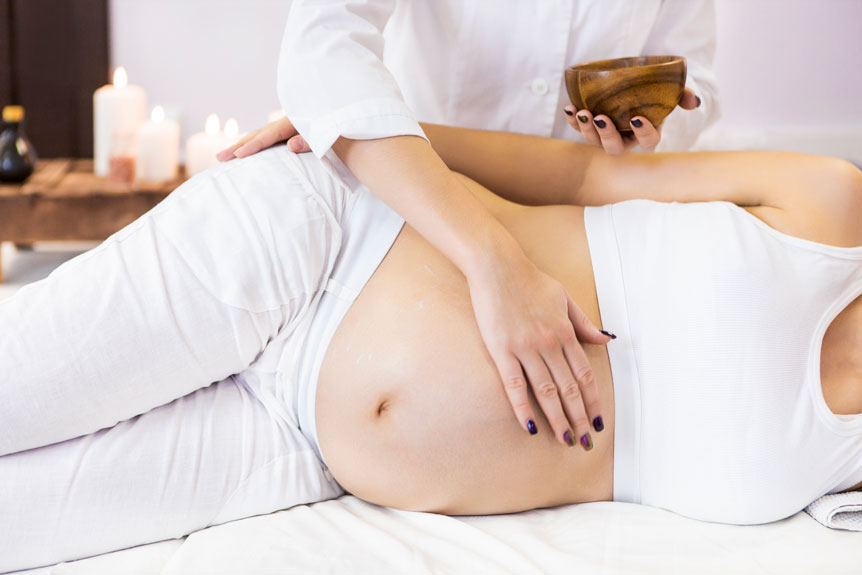
Oils, Scents, and Comfort Options for Prenatal Massage
Comfort supports are central. Side-lying positioning with bolsters between knees, under the bump, and along the back helps relieve strain and protects circulation.
Extra towels and temperature control support a sense of warmth, privacy, and ease, keeping the experience calm and close without pressure.
What Prenatal Massage Can Help With (and Limits)
Evidence-informed prenatal massage can help ease common discomforts such as lower-back or pelvic aching, leg and foot tension, and stress-related sleep disruption, with pressure and positioning adapted to each trimester.
At Spa & Massage clinics, therapists prioritise comfort and safety by avoiding prolonged supine positioning where appropriate, working gently around vulnerable areas, and adjusting techniques for swelling or sensitivity.
Clear limits also apply: sessions may be modified or postponed when contraindications are present (for example, unexplained bleeding, fever, signs of pre-eclampsia, suspected DVT, or other medical complications), and clients are guided to seek medical advice first when needed.
Common Pregnancy Discomfort Relief
How can prenatal massage ease day-to-day discomfort while still staying firmly within safe clinical limits? At Spa & Massage, therapists focus on common, non‑medical aches: low‑back and hip tension, heavy legs, mild neck-and-shoulder strain, and general muscular fatigue from postural change.
Gentle, supportive work can also ease swelling discomfort and promote restful sleep by downshifting the nervous system, helping clients feel held and more at home in their bodies. Many clients appreciate slow rhythm, warm draping, and side‑lying bolstering for comfort and closeness without pressure.
Light lymphatic-style strokes and careful focus around glutes, calves, and upper back may bring practical relief. It is not a cure for complex pelvic pain, sciatica, or medical conditions; it supports comfort and wellbeing.
Safety Limits And Contraindications
Within safe clinical boundaries, prenatal massage is intended to support everyday muscular comfort and relaxation rather than diagnose or treat medical conditions.
At Spa & Massage clinics, therapists adapt pressure, positioning, and session length, and avoid deep work over the abdomen and certain acupressure points.
Clients are advised to seek GP or midwife guidance before booking if there is bleeding, fever, suspected pre‑eclampsia, uncontrolled hypertension, severe swelling, clotting history, placenta complications, or risk of preterm labour.
Massage is also postponed with contagious illness, new unexplained pain, or after recent surgery.
Prenatal massage may ease back, hip, and leg tension, but it will not “fix” sciatica, pelvic girdle pain, or oedema causes.
Clear consent, warmth, and ongoing check‑ins support comfort.
Choosing the Right Prenatal Massage in London
In a city with countless options, choosing the right prenatal massage in London starts with prioritising safety, specialist training, and clear clinical screening. A suitable clinic confirms gestational stage, medical history, and any red flags (bleeding, hypertension, pre-eclampsia risk, DVT history) and requests GP or midwife guidance when needed.
At Spa & Massage, pregnancy treatments are delivered by experienced therapists across Crouch End, Bayswater, Chiswick, Earl’s Court, Belsize Park, and Richmond. Sessions use supportive side-lying positioning, gentle-to-moderate pressure, and careful avoidance of risky areas. Many clients prefer unscented or pregnancy-safe oils and a calm, private room.
The right choice should feel unhurried, respectful, and emotionally reassuring, with aftercare advice for hydration, rest, and follow-up booking.
Conclusion
Like two paths through the same calm room, prenatal and regular massage diverge in the details that protect comfort and health. In pregnancy, positioning shifts with the curve of the belly, pressure lightens where sensitivity rises, and techniques avoid known contraindications—supporting back, hips, and legs without strain. Regular massage can go deeper and broader when the body allows. With a qualified therapist and clear screening, the right choice feels grounded, safe, and restorative.