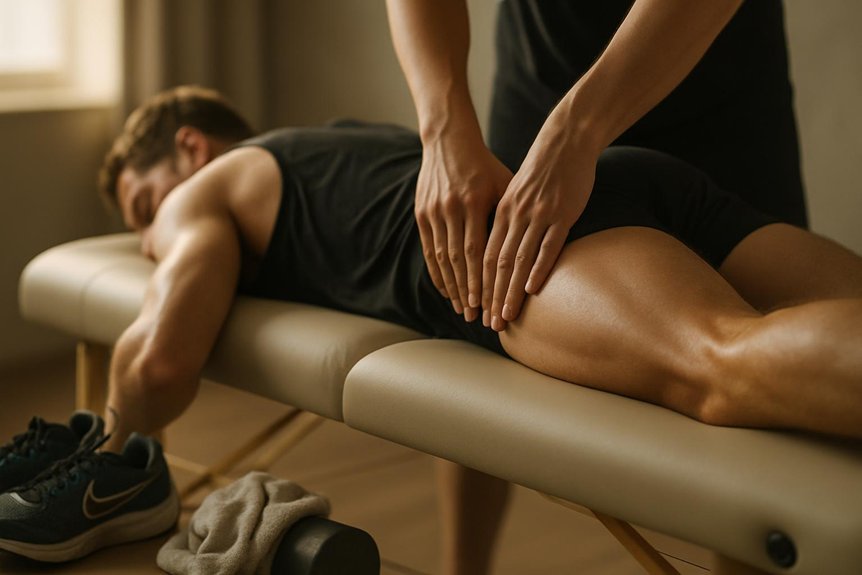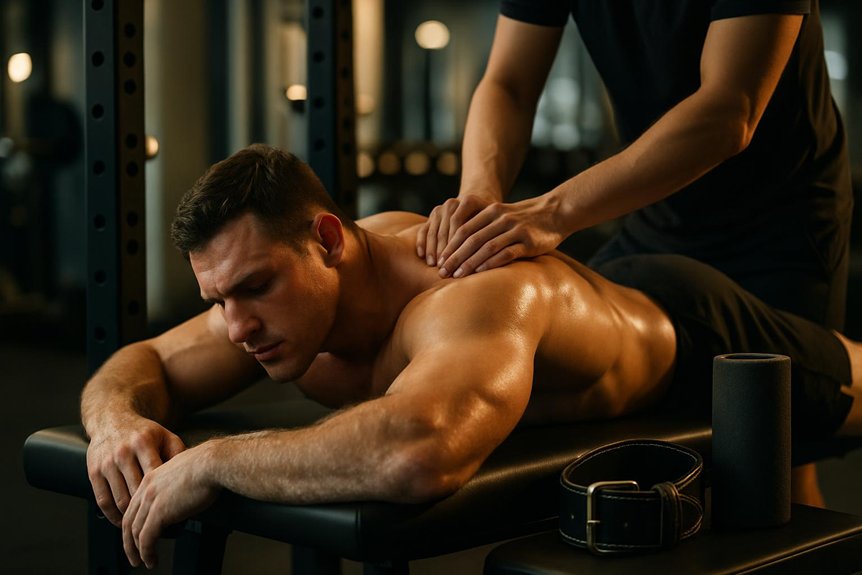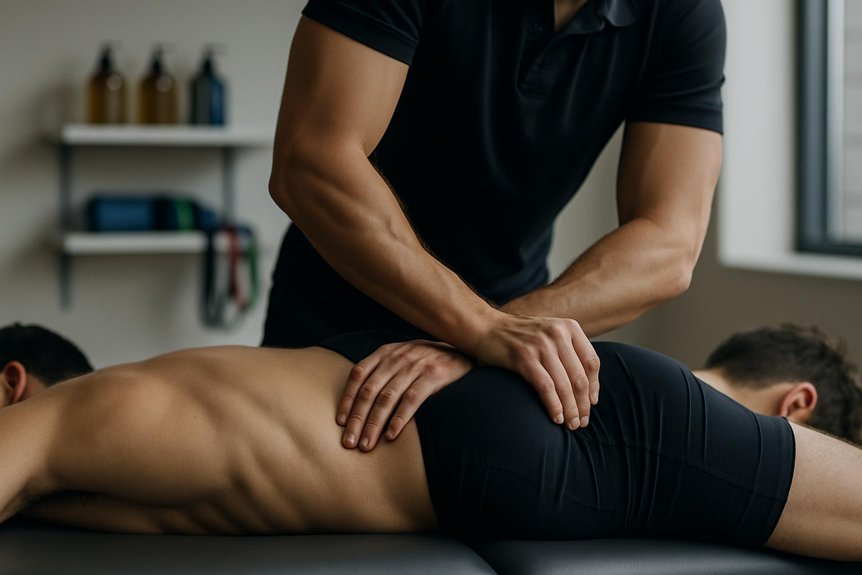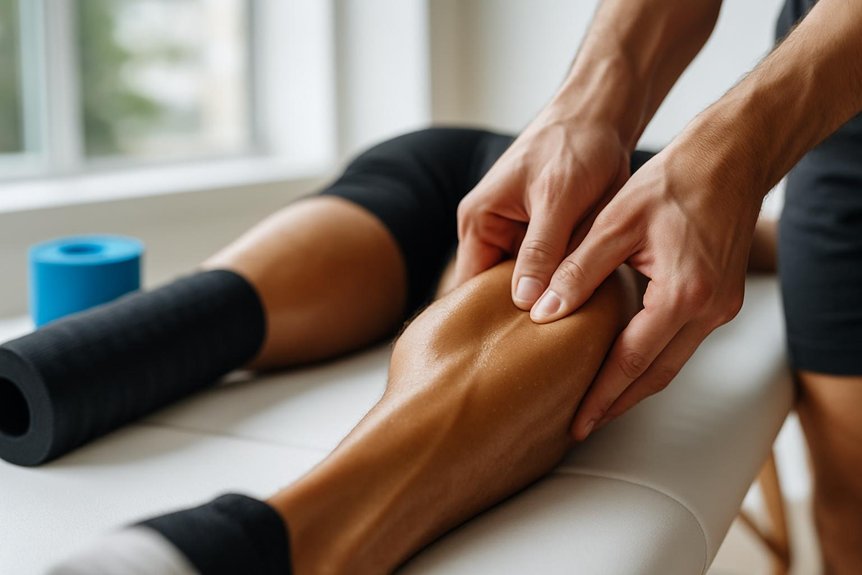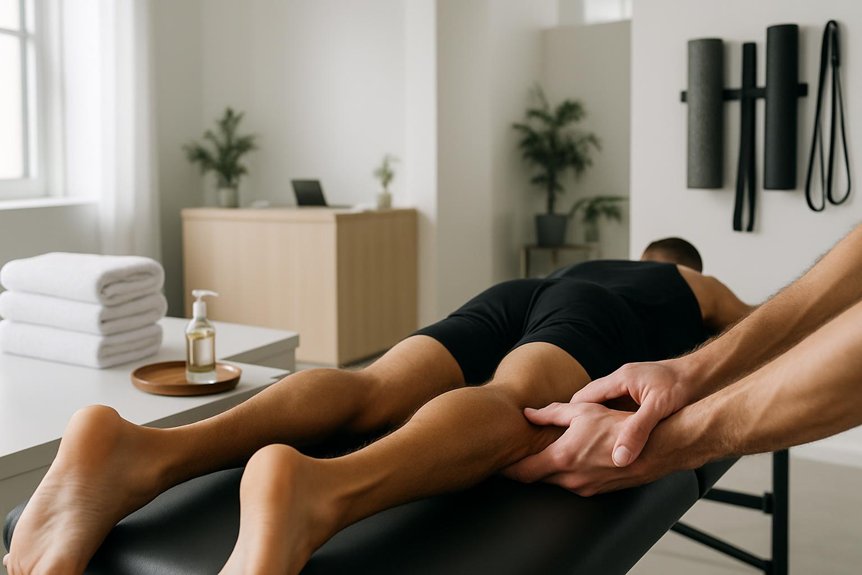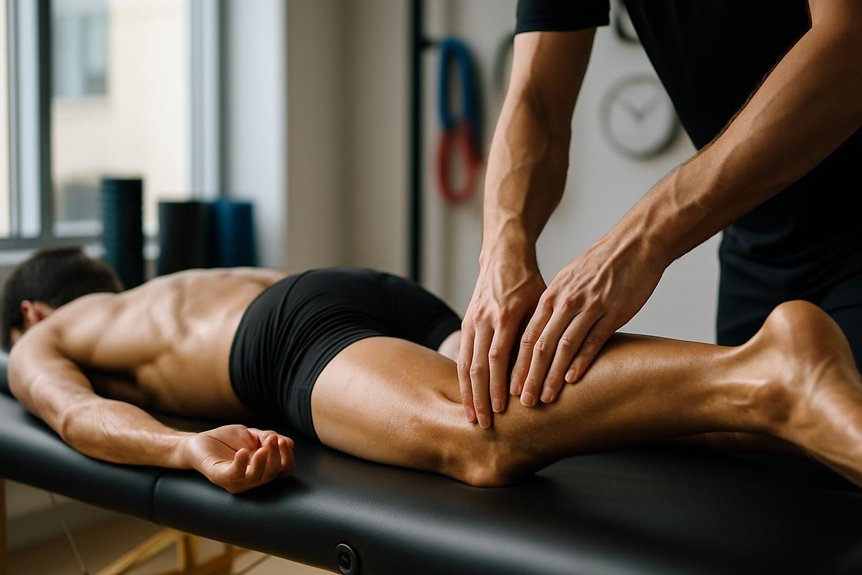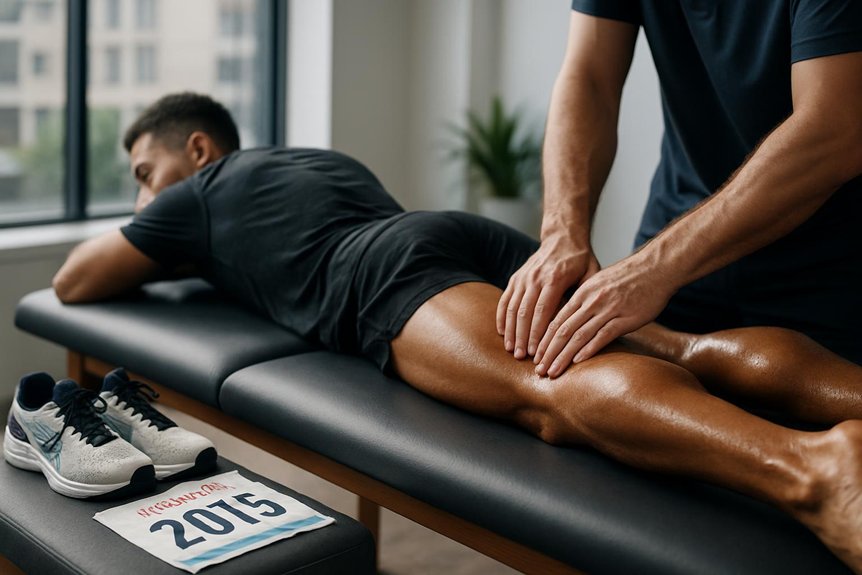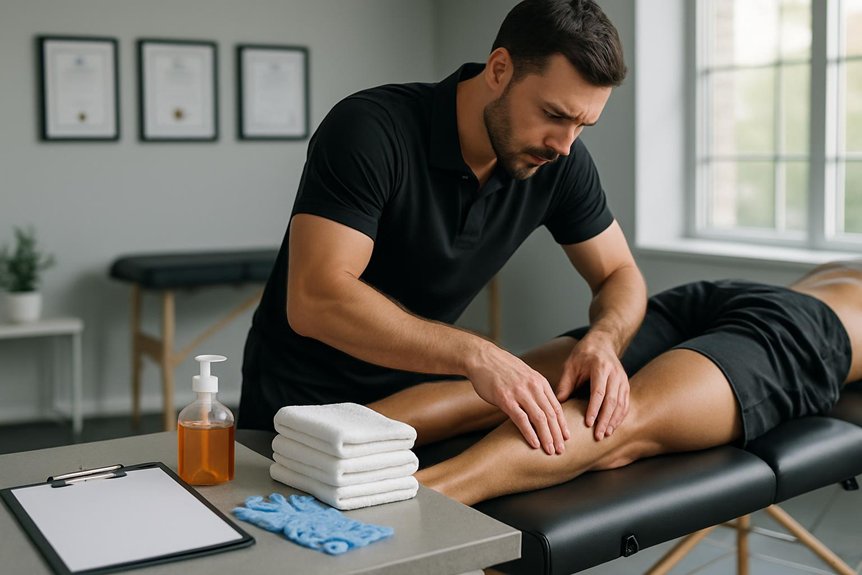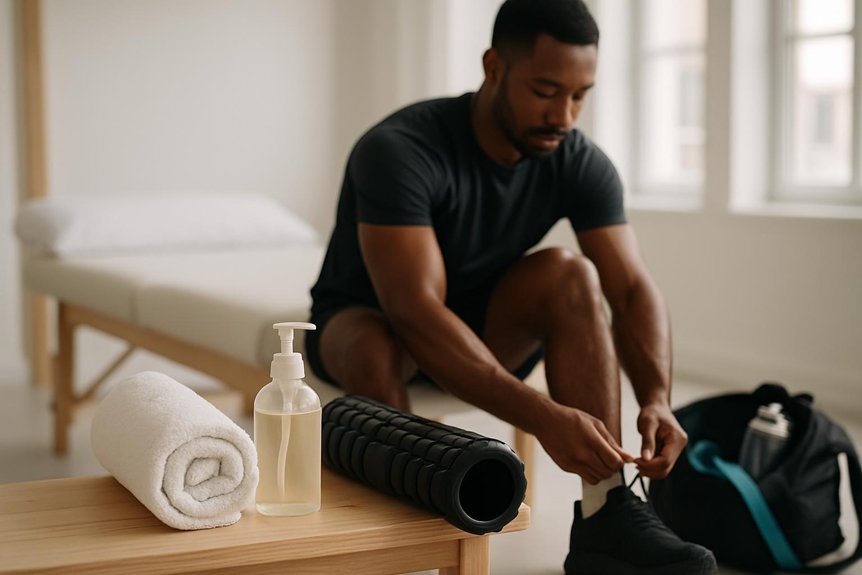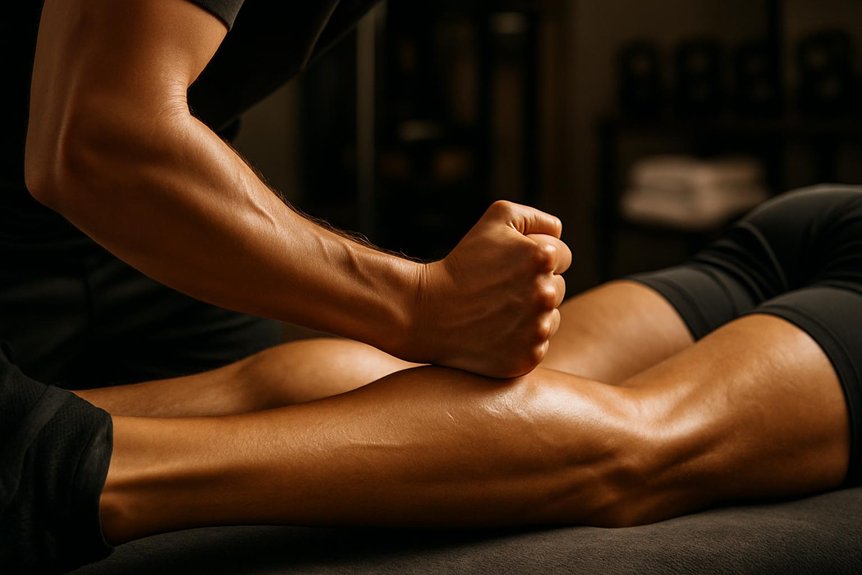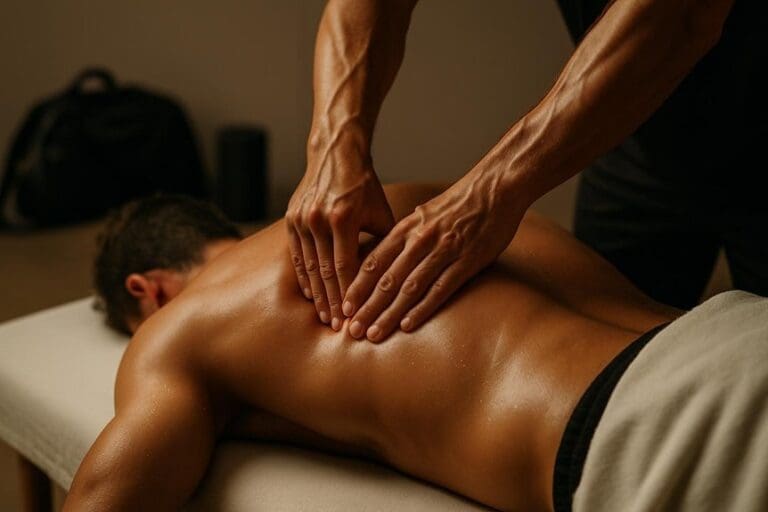
Mild to moderate soreness after a firm performance massage is common, often resembling post‑exercise tenderness. It typically peaks within 24–48 hours and resolves within 24–72 hours as tissues and the nervous system settle after deep pressure and trigger‑point work. Daily improvement is expected. Sharp or tearing pain, increasing pain beyond 48–72 hours, marked swelling, spreading bruising, heat/redness, numbness, weakness, or systemic symptoms warrant prompt clinical review. Further guidance explains aftercare, avoidance, and timing.
Is Soreness After Performance Massage Normal?
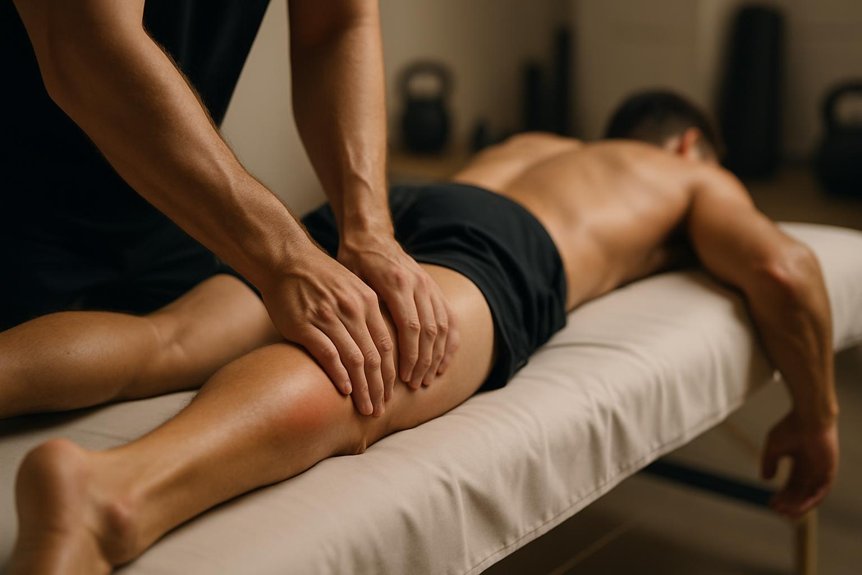
Soreness after a performance massage is often normal, particularly when firm, targeted pressure has been applied to address muscle tightness and trigger points. It commonly feels like post-exercise tenderness and should remain mild to moderate, localised, and short-lived. At Spa & Massage clinics across London, therapists tailor depth and pacing to reduce unnecessary discomfort while still supporting recovery goals.
Because performance massage is used to support athletes, it can offer recovery benefits alongside performance-focused care. Normal soreness typically eases within 24–72 hours and improves with gentle movement, hydration, and warmth. A client should seek medical advice promptly if pain is severe, escalating, widespread, or paired with numbness, marked swelling, bruising, fever, dizziness, or reduced range of motion. Those who are pregnant, on anticoagulants, or managing active injury should disclose this before treatment.
Why Does Sports Massage Make You Sore?
After a performance massage, mild tenderness can occur because targeted, high-pressure techniques mechanically load soft tissue and stimulate local inflammatory and neurological responses.
Pressure on muscles and fascia can create microscopic strain, increasing blood flow and short-lived inflammatory mediators that sensitise local nerve endings. Trigger-point work may briefly heighten pain signalling before reducing protective guarding.
When therapists address tight, overworked areas, the nervous system can interpret the input as “new” intensity, leading to delayed-onset soreness similar to post-exercise discomfort. Hydration status, sleep, stress, and recent training volume can amplify perception.
At Spa & Massage clinics across London, therapists titrate depth, pacing, and breathing cues to keep sensation within a safe, consented threshold, while recommending gentle movement, warmth, and light stretching afterwards.
Is It Soreness or Injury After Performance Massage?
After a performance massage, it is common for clients to experience mild, diffuse muscle tenderness or stiffness for 24–72 hours, particularly after deeper techniques used in Spa & Massage clinics.
In contrast, warning signs of injury include sharp or escalating pain, marked swelling or bruising, numbness/tingling, weakness, reduced range of motion, or pain that persists beyond 72 hours.
If any red-flag symptoms occur or function is markedly affected, Spa & Massage advises stopping strenuous activity and seeking prompt assessment from a qualified healthcare professional.
Normal Post-Massage Soreness
Following a performance massage, mild, localised muscle tenderness is commonly reported and is typically consistent with normal post-treatment soreness rather than injury.
It often reflects transient micro-irritation of soft tissue and a short-lived inflammatory response, similar to delayed onset muscle soreness after exercise.
Symptoms usually feel like a bruised ache on pressure, stiffness, or heaviness, peaking within 24–48 hours and easing over several days.
At Spa & Massage clinics across London, therapists tailor pressure, pace, and techniques to the client’s training load and sensitivity, reducing unnecessary tissue stress.
Normal soreness improves with gentle movement, hydration, warmth, and restful sleep; light stretching may feel soothing, not sharp.
Discomfort should remain predictable, local, and gradually settling.
Injury Warning Signs
Mild, predictable tenderness that peaks within 24–48 hours and then steadily improves is usually consistent with normal post-performance massage soreness; however, certain symptom patterns suggest tissue injury or an adverse response and should not be ignored.
Red flags include sharp, stabbing, or tearing pain during or after treatment; pain that escalates beyond 48 hours; marked swelling, heat, or redness; bruising that spreads rapidly; numbness, tingling, or weakness; reduced range of motion that worsens; or pain that wakes the person or makes touch feel unsafe.
Headache, dizziness, feverishness, or nausea after massage can also indicate an atypical reaction.
At Spa & Massage, therapists screen for contraindications and adapt pressure; unexpected, alarming sensations warrant reassessment and gentler work.
When To Seek Help
When does post-treatment discomfort shift from expected soreness to a potential injury requiring assessment? Help should be sought if pain is sharp, worsening after 48 hours, or limits normal movement, weight-bearing, or sleep.
Urgent medical review is indicated for swelling, bruising that spreads, redness or heat, fever, calf pain, shortness of breath, chest pain, fainting, or numbness/tingling or weakness in a limb. New headaches, visual changes, or neck pain after upper-body work also warrant prompt evaluation.
In Spa & Massage clinics, therapists advise contacting the clinic within 24–48 hours if symptoms feel “wrong,” escalate, or differ from prior sessions. A gentle check-in can guide aftercare, treatment modification, or referral to a GP or physiotherapist.
How Long Does Performance Massage Soreness Last?
Experiencing soreness after a performance massage is common and, for most healthy clients, typically lasts 24–72 hours. This timeframe aligns with delayed-onset muscle soreness and transient soft-tissue sensitivity following firm, targeted pressure. Discomfort should gradually ease each day; persistent or worsening pain is not expected and warrants clinical review as advised earlier.
At Spa & Massage, therapists explain that soreness duration varies with pressure depth, recent training load, hydration, sleep, and the area treated (e.g., hips, calves, upper back). Gentle movement, warm showers, and adequate fluids often support recovery; strenuous training may be best reduced for 24 hours. If soreness lasts beyond five days, or limits normal daily function, professional assessment is recommended promptly.
Who’s Most Likely to Feel Sore Afterwards?
Soreness after a performance massage typically settles within 24–72 hours, but its likelihood is not uniform across clients. It is most common after a first session, a return following a long break, or when deeper techniques are used to address dense, protective tissue.
Clients with high training loads, recent increases in intensity, or delayed-onset muscle soreness before treatment often feel more tenderness. Those with significant trigger points, restricted fascia, or limited mobility may notice a bruised, “worked-on” sensation as tissue tone changes. People who bruise easily, have lower pain thresholds, or feel anxious about pressure can also perceive soreness more strongly.
At Spa & Massage, therapists screen for medications, bleeding tendencies, and inflammatory conditions, as these can increase post-treatment discomfort.
What Should You Do After Performance Massage?
After a performance massage, clients should prioritise hydration and a balanced meal or snack with protein and carbohydrates to support recovery.
At Spa & Massage clinics, therapists typically advise gentle movement (such as a short walk and light mobility work) to maintain circulation while avoiding strenuous training for the rest of the day.
Adequate rest, including quality sleep, is recommended, and any escalating pain, swelling, numbness, or unusual bruising should be assessed by an appropriate healthcare professional.
Hydrate And Refuel
In the hours immediately following a performance massage, adequate hydration and timely refuelling support recovery by helping maintain circulation, electrolyte balance, and muscle function.
Spa & Massage therapists recommend sipping water regularly rather than gulping, aiming for pale-yellow urine as a practical marker.
After heavier sweating, a drink containing sodium may help restore fluid balance; alcohol is best limited because it can worsen dehydration and sensitivity.
Refuelling should prioritise protein (about 20–30 g) alongside carbohydrate within two hours to support muscle repair and glycogen replenishment.
Gentle, well-tolerated options include yoghurt with fruit, eggs on toast, or a balanced smoothie.
Anyone with kidney, heart, or electrolyte conditions should follow clinician guidance and ask their therapist for personalised aftercare.
Gentle Movement And Rest
For the next 12–24 hours, light activity and protected rest tend to optimise the benefits of a performance massage while limiting delayed-onset muscle soreness.
Gentle walking, easy cycling, or relaxed mobility keeps circulation moving without reloading sensitised fibres.
A brief, warm shower and loose clothing can help tissues settle.
Strenuous training, heavy lifting, or long static stretching should be avoided until tenderness reduces.
Rest should be intentional: early bedtime, a calm evening, and supportive positioning with pillows to keep the treated area comfortable.
In Spa & Massage clinics, therapists may recommend brief diaphragmatic breathing to downshift the nervous system and soften guarding.
If pain is sharp, swelling appears, or symptoms worsen after 48 hours, clinical review is advised promptly.
What Should You Avoid While You’re Sore?
While post–performance massage soreness is usually a short-lived response to deep pressure and tissue loading, certain behaviours can prolong inflammation or increase injury risk; vigorous exercise, aggressive stretching or foam rolling over tender areas, heat exposure (hot baths/saunas) within the first 24 hours, alcohol, and poor hydration should be avoided until symptoms settle, and any sharp, worsening, or localised pain warrants pausing self-care and seeking assessment from a qualified therapist or clinician.
Clients are also advised to avoid “pushing through” tenderness during daily tasks; pain is a protective signal, not a test of will. Topical numbing creams can mask warning signs and increase overuse.
At Spa & Massage, therapists recommend keeping pressure light if self-massaging, limiting screen-time slouching, and prioritising sleep to support tissue recovery.
When Should You Book Your Next Performance Massage?
Once post-massage soreness has settled and there are no signs of sharp, worsening, or localised pain, the next performance massage can be scheduled based on training load, symptom return, and recovery capacity.
For most active clients, Spa & Massage therapists commonly recommend a 7–14 day interval during regular training, and 3–7 days during heavy blocks or competition, provided tenderness is easing and sleep and energy are stable.
Earlier rebooking may help when tightness, restricted range, or familiar “hot spots” reappear.
Longer gaps are advised after very intense sessions, bruising, or delayed onset soreness lasting beyond 72 hours.
Urgent clinical review is advised for swelling, numbness, fever, calf pain, or escalating pain.
Frequency is tailored in-clinic to goals and comfort.
Conclusion
Post‑performance massage soreness is typically expected, reflecting transient tissue sensitivity after deep pressure and increased local circulation. Discomfort often peaks within 24–48 hours and resolves gradually with hydration, gentle movement, and adequate sleep. Persistent, escalating, or sharp pain—especially with swelling, bruising, numbness, or loss of function—may indicate injury and warrants clinical review. Why tolerate uncertainty when symptoms can be screened promptly? Scheduling the next session should be guided by recovery, training load, and individual response.