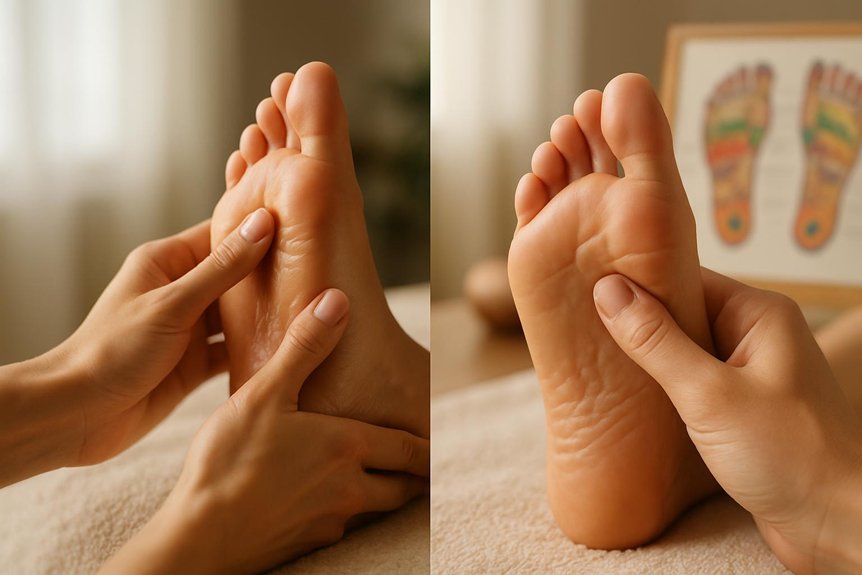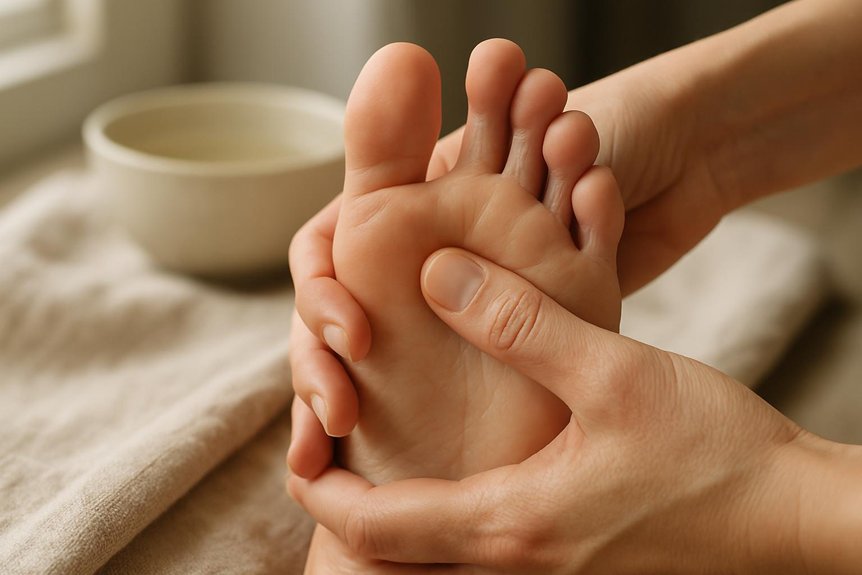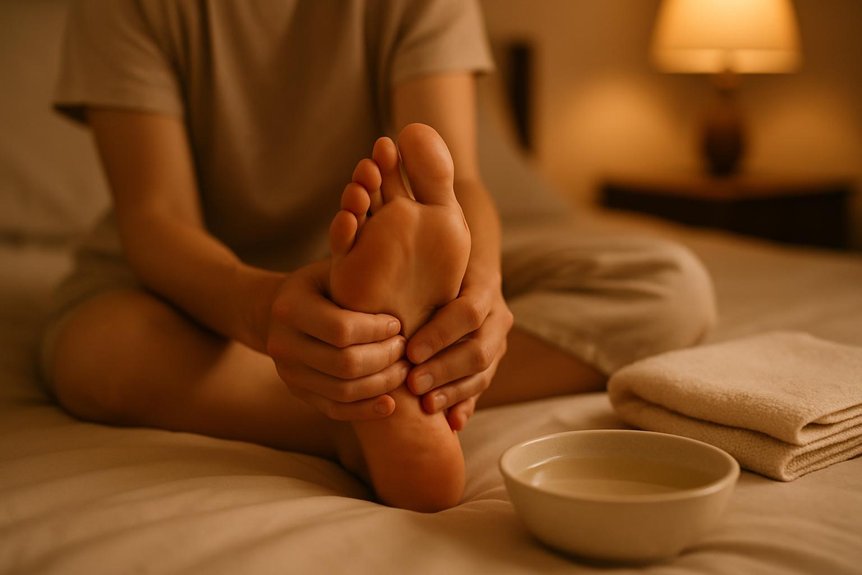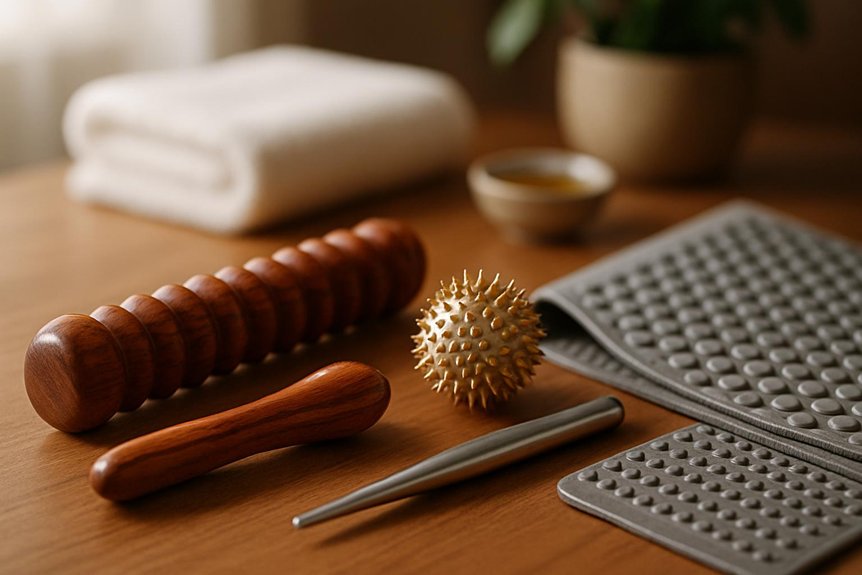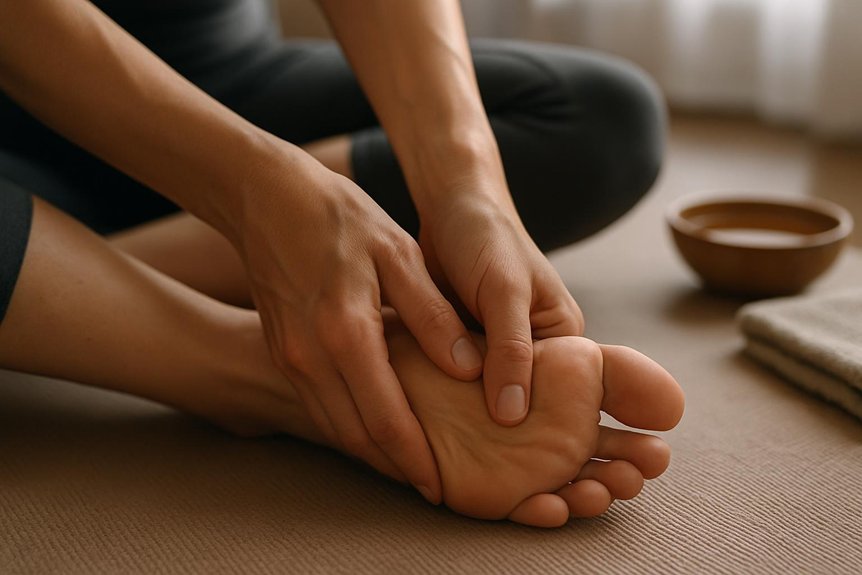
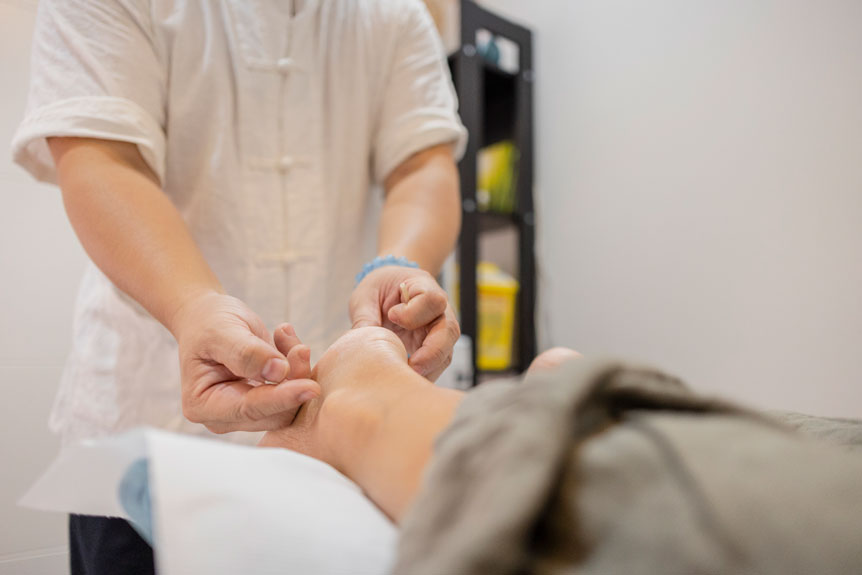
Pressure point therapy in zone therapy is a organising framework that divides the body into ten longitudinal zones running from head to toe. Each zone is mirrored on the feet, where mapped reflex areas are used to guide where pressure is applied. It is not a separate treatment, but a way to structure a zone therapy session and tailor sequencing to client goals. Benefits are framed as relaxation and symptom support; organ-change claims remain unproven. Further details explain mapping, sessions, and safety.
What Is Zone Therapy in Reflexology?
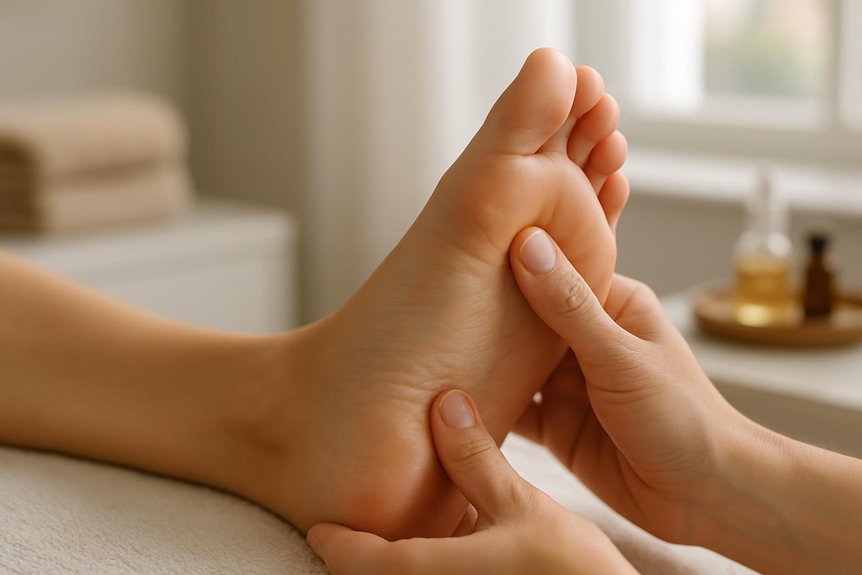
Zone therapy in pressure point therapy is a mapping-based approach in which the body is considered to be organised into longitudinal “zones” that run from the head to the feet, with specific points on the feet thought to correspond to structures and functions within the same zone.
A session typically involves gentle, sustained pressure along these mapped areas, with the aim of supporting comfort, relaxation, and perceived balance within the client’s body. Evidence is strongest for pressure point therapy’s effects on stress reduction and subjective wellbeing, while claims of direct organ change remain unproven. Many people explore it to discover the healing power of pressure point therapy as part of a wider wellbeing routine.
At Spa & Massage clinics across London, therapists use zone maps to guide touch while staying responsive to the client’s cues—breath, tenderness, and preference for pressure—so the work feels safe, close, and personally attuned. Aftercare includes hydration and unhurried rest.
Is Zone Therapy the Same as Pressure Point Therapy ?
Zone theory is best understood as the organising framework—mapping the body into longitudinal zones—whereas it is the hands-on therapy that applies pressure to specific reflex points, most commonly on the feet.
Practically, this means a practitioner may use zone mapping to guide assessment and session structure, while pressure point therapy techniques determine the exact points, pressure, and pacing used in treatment.
In Spa & Massage clinics, therapists explain this distinction to clients so expectations stay realistic and sessions can be tailored to comfort, health goals, and contraindications.
Zone Theory Vs Pressure Point Therapy
Zone theory is best understood as a framework for locating and organising reflex areas.
It is the clinical application of that framework, delivered through touch, pressure, and pacing that can be adapted to a client’s comfort and goals.
Evidence supports pressure point therapy primarily for relaxation and stress-related symptoms, with outcomes varying by individual.
At Spa & Massage clinics across London, therapists use these maps to guide a calm, respectful session, prioritising consent, warmth, and the client’s sense of safety throughout.
How They Differ Practically
In practical terms, the two are not the same: zone therapy describes a mapping logic that divides the body into longitudinal zones, while pressure point therapy is the hands-on treatment that uses those maps to apply specific pressure, sequences, and pacing to reflex points—typically on the feet and sometimes the hands or ears—based on a client’s comfort, sensitivities, and aims (most commonly relaxation and stress support).
In a session at Spa & Massage, the therapist may reference zones to guide choices, but the practical work is clinical touch: evaluating tenderness, adjusting depth, and choosing calming or stimulating rhythms. Zone therapy itself is not delivered as a standalone technique; it supports decision-making.
It also includes consent, draping, aftercare, and response monitoring, with expectations kept evidence-informed and focused on wellbeing.
How Zone Therapy Maps the Body in Pressure Point Therapy
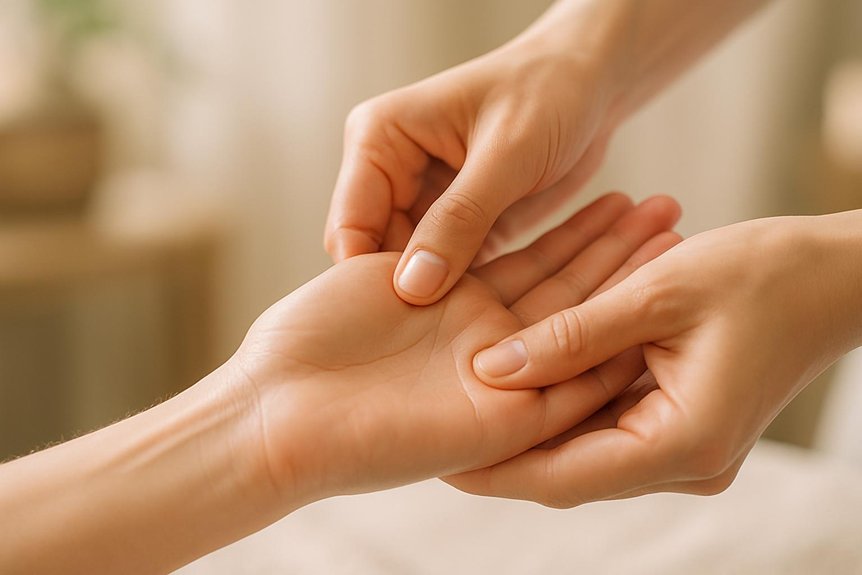
In zone therapy as applied within pressure point therapy, the body is organised into ten longitudinal zones that extend from head to toe and are mirrored on the feet and hands.
This framework supports a whole-body view, linking specific reflex points to anatomical regions and physiological systems in a way that can guide a client-centred treatment plan.
At Spa & Massage clinics across London, therapists use zone-based mapping to select techniques and pressure levels tailored to the client’s goals, while remaining transparent that evidence is mixed and outcomes can vary between individuals.
Ten Zones, Whole Body
At the core of pressure point therapy’s mapping system, zone therapy divides the body into ten longitudinal pathways—five on the left and five on the right—running from head to toe and reflected on the feet (and sometimes the hands).
Each zone is treated as a vertical “slice” of the person, linking structures in that line—such as head, trunk, and limb—without implying a one-to-one medical diagnosis.
In practice, this map supports a structured, client-led session: a therapist can ask where discomfort, stress, or fatigue feels most present, then work within the corresponding left or right zone to provide coherent, unhurried care.
At Spa & Massage clinics across London, therapists use the ten-zone framework to guide pressure, pacing, and communication, keeping treatment grounded, respectful, and soothing.
Reflex Points And Systems
Within the ten-zone framework, pressure point therapy uses specific reflex points—clustered into recognisable systems (e.g., spinal line, diaphragm line, head/neck area, pelvic region)—to translate a client’s symptoms and stress patterns into a practical, foot-based treatment plan.
At Spa & Massage clinics across London, therapists palpate these maps to identify tenderness, temperature shifts, or tissue density, then select pressure, rhythm, and sequencing to support relaxation and comfort.
Evidence remains mixed for organ-specific effects; however, many clients report reduced stress, improved sleep, and a steadier sense of body awareness, consistent with touch-based downregulation.
Systems thinking also keeps sessions client-centred: if breathing feels tight, the diaphragm line may be prioritised; if low-back strain dominates, the spinal and pelvic regions may receive sustained, reassuring work.
What Happens in a Zone Therapy Pressure Point Therapy Session?
Typically, a zone therapy pressure point therapy session begins with a brief health screening to identify goals, relevant medical history, contraindications, and any foot sensitivity, ensuring the treatment plan is safe and appropriately targeted.
The client is then positioned comfortably, with privacy and warmth prioritised, and the feet are cleansed and assessed for skin condition, temperature, swelling, and areas of tenderness.
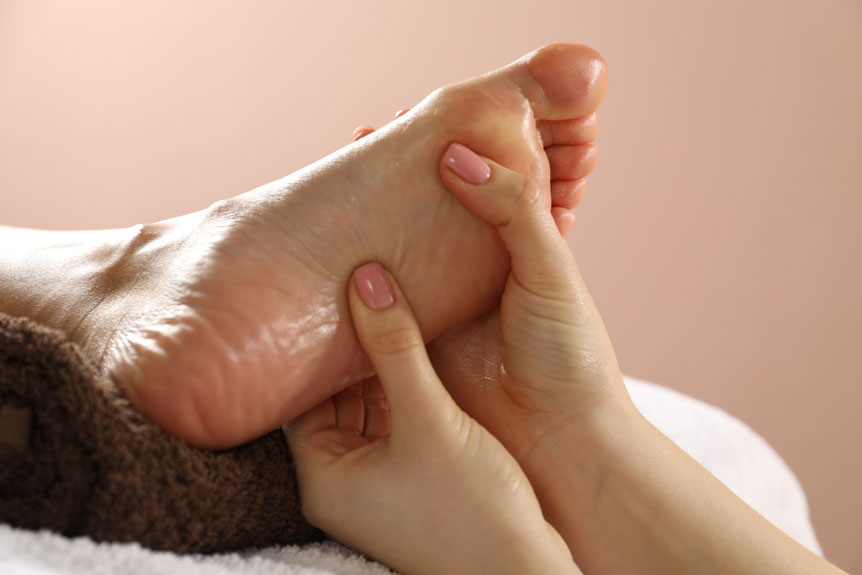
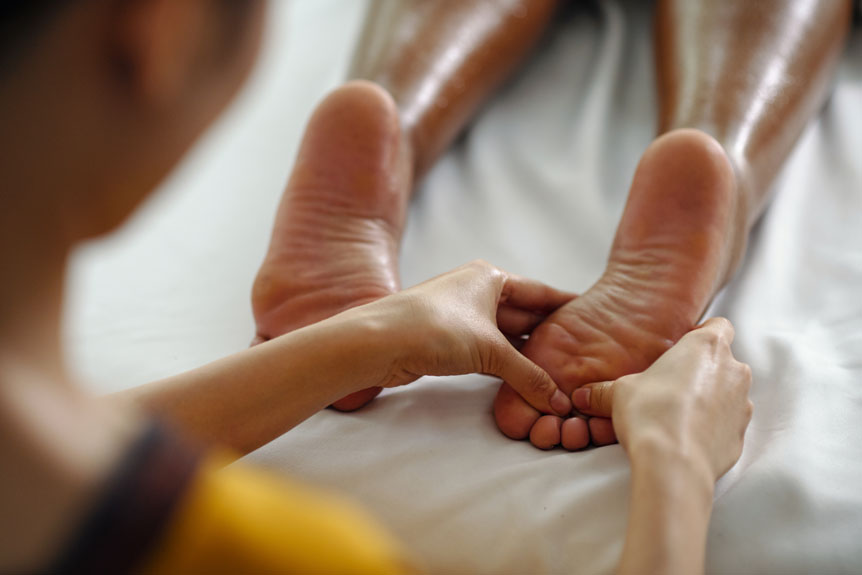
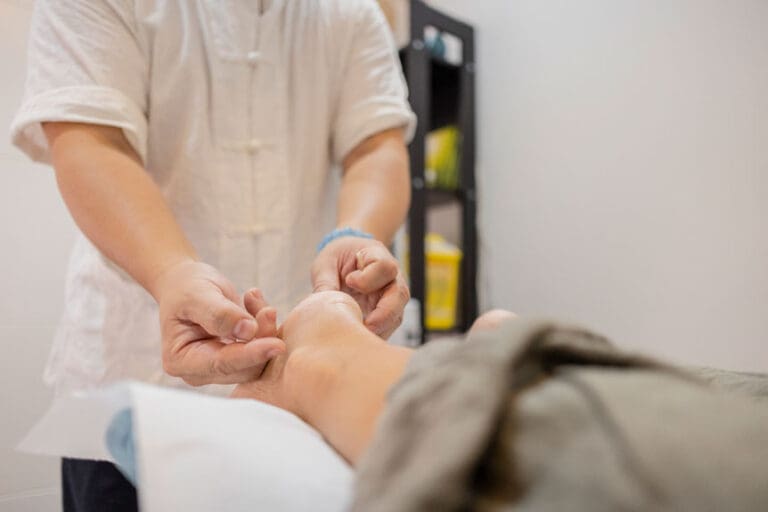
Using focused thumb-walking, steady pressure, and gentle holds, the therapist works systematically through the foot’s zones, adapting intensity to breathing, verbal feedback, and subtle muscular guarding.
At Spa & Massage clinics, communication is continuous and respectful, supporting a calm, intimate sense of safety without overtalking.
The session typically closes with soothing finishing strokes and a brief check-in, noting responses and home comfort guidance.
What Can Zone Therapy Pressure Point Therapy Help With?
Several client goals are commonly associated with zone therapy pressure point therapy, most often stress reduction, improved sleep quality, and relief of non-specific muscular tension, with some people also seeking support for headaches, digestive discomfort, menstrual symptoms, and fatigue.
Evidence suggests pressure point therapy can promote relaxation and modulate stress responses, which may indirectly influence perceived pain, sleep continuity, and gut comfort. Outcomes are typically reported as reduced “wired” feelings, softer breathing, and a steadier mood after sessions.
At Spa & Massage clinics across London, therapists frame benefits as supportive rather than curative, setting goals such as easing overwhelm, improving body awareness, and creating calmer evenings. Clients often appreciate the gentle, attentive touch and the sense of being cared for, which can enhance overall wellbeing between sessions.
Who Shouldn’t Have Zone Therapy Pressure Point Therapy?
When should zone therapy pressure point therapy be avoided or delayed? It should be postponed during fever, acute infection, vomiting/diarrhoea, or unexplained severe pain, and avoided over open wounds, active skin infections, or recent fractures on the feet.
People with unstable cardiac symptoms, suspected deep-vein thrombosis, uncontrolled bleeding disorders, or recent stroke should seek medical clearance first.
Caution is appropriate with neuropathy, severe diabetes complications, significant varicose veins, or reduced sensation, as pressure may need modification.
In pregnancy, especially the first trimester or with bleeding, pre-eclampsia, or high-risk care, treatment should be clinician-approved and delivered by trained therapists.
At Spa & Massage, therapists screen sensitively, adjust touch, and prioritise comfort, consent, and privacy throughout.
How to Choose Zone Therapy Pressure Point Therapy in London
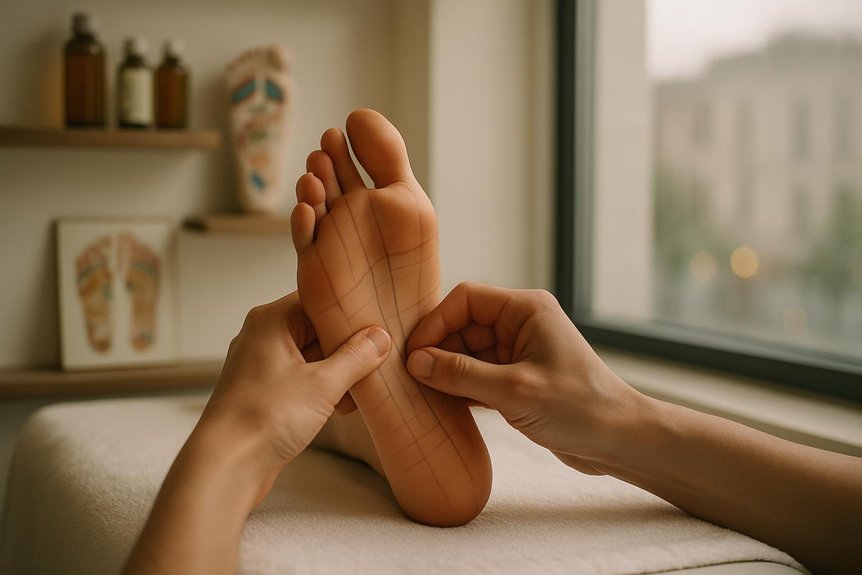
In a city with wide variation in training standards and treatment styles, choosing zone therapy pressure point therapy in London is best approached as a structured check of practitioner qualifications, clinical screening, and how the session is tailored to individual health needs.
The client should confirm recognised pressure point therapy training, professional insurance, and clear contraindication screening, especially for pregnancy, neuropathy, anticoagulants, or acute infection.
A short consultation should precede touch, mapping goals such as sleep, stress, or discomfort, then selecting pressure that feels safe, close, and respectful.
Evidence-informed practice avoids cure claims and frames outcomes as relaxation and symptom support.
At Spa & Massage clinics across London, therapists document preferences, adjust intensity, and create a calm, private setting, with aftercare guidance on hydration, rest, and observing responses.
Conclusion
Zone therapy in pressure point therapy remains a practical mapping theory: longitudinal zones link areas of the feet, hands, or ears to corresponding body regions, guiding consistent pressure selection. Evidence for pressure point therapy is mixed; research more reliably supports reduced stress, improved perceived wellbeing, and better sleep quality than direct disease treatment. In clinic, the zone framework can help tailor sessions to symptoms and preferences while monitoring comfort and response. It suits many clients, but caution is advised with acute illness, thrombosis risk, or complicated pregnancy.