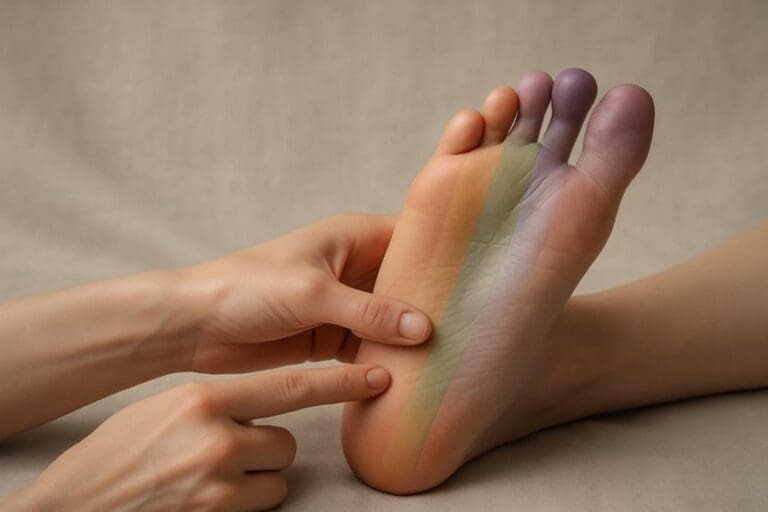
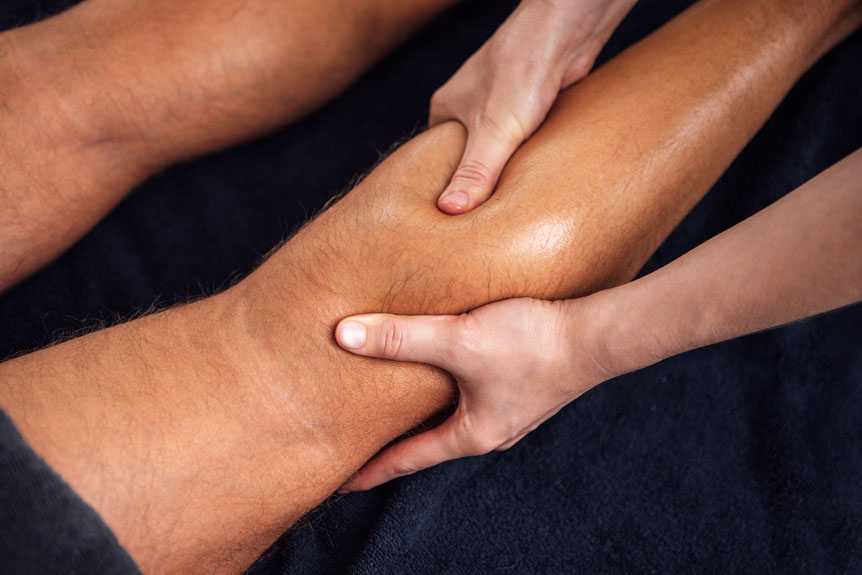
It can help reduce IT band–related pain by decreasing tension and sensitivity in the surrounding hip and thigh tissues, especially the glutes, tensor fasciae latae, and lateral quadriceps. Clinicians often avoid aggressive “stripping” of the IT band itself, instead using slow, graded pressure guided by comfort and breathing. Benefits are typically short term and work best alongside load management and hip-strengthening exercises. More detail on causes, session approach, and aftercare follows.
Can It Help IT Band Pain?
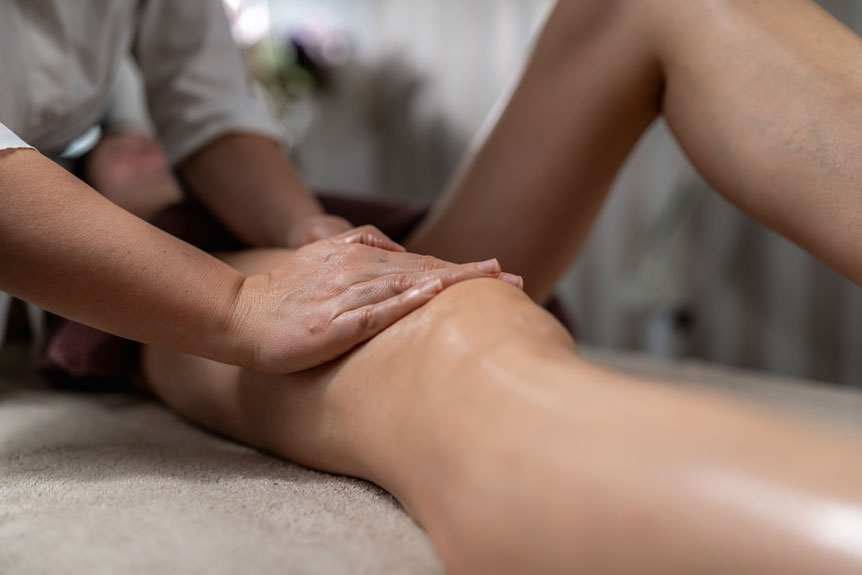
It can often help reduce symptoms associated with IT band pain by addressing contributing soft-tissue tension and movement restrictions around the lateral thigh, hip, and gluteal region. Clinical experience and emerging evidence suggest it may improve comfort and function when paired with appropriate loading and mobility work.
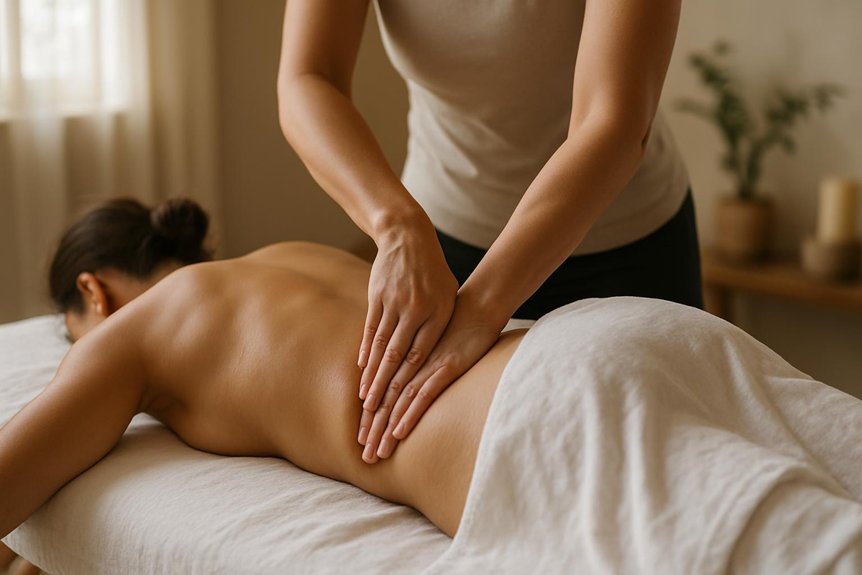
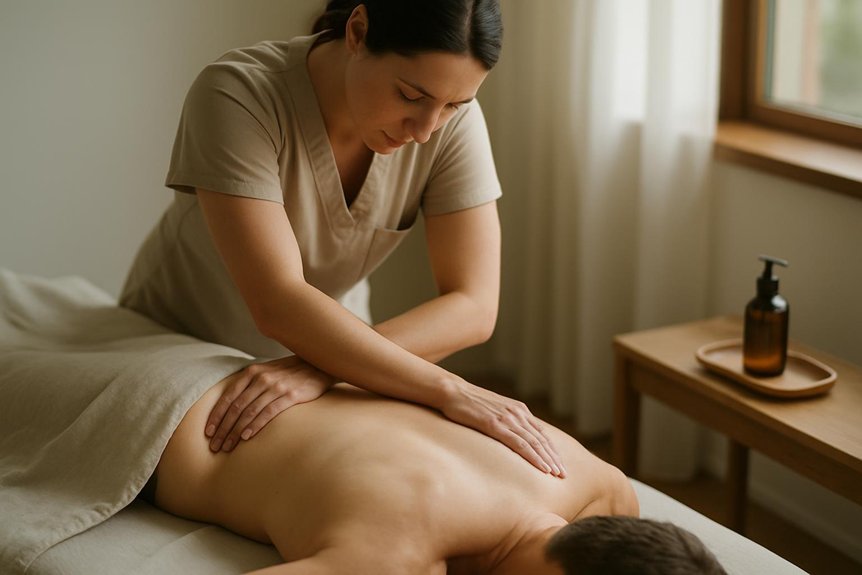
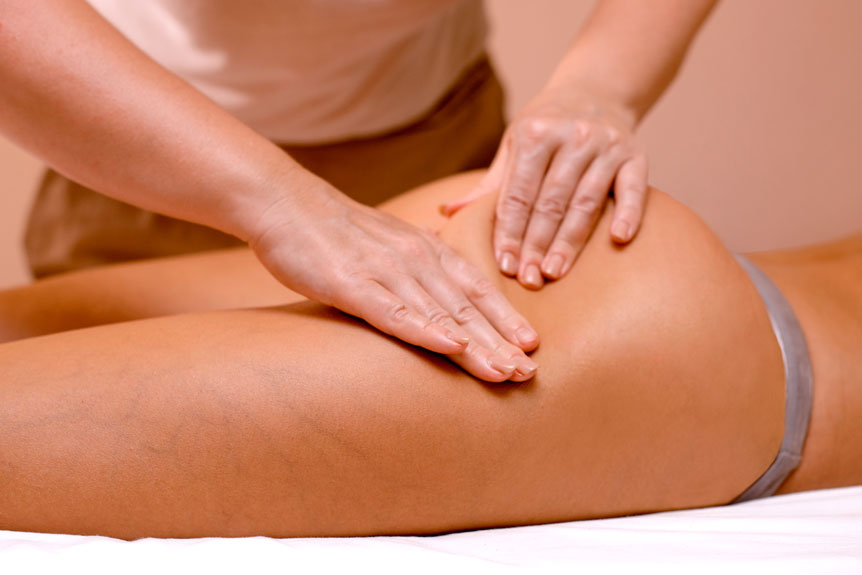
At Spa & Massage clinics across London, therapists typically focus on surrounding tissues—gluteals, tensor fasciae latae, quadriceps, and lateral hip—rather than aggressively “stripping” the band itself, which can be irritable. Pressure is progressed gradually, guided by the client’s breath and feedback, supporting a sense of safe, close care. This approach draws on deep tissue massage techniques to work into deeper layers of muscle and fascia without forcing through pain.
Many clients report reduced tightness, easier walking or running, and improved range of motion after several sessions. Aftercare usually includes hydration, gentle stretching, and brief activity modification to consolidate gains.
What Causes IT Band Pain: and What It Feels Like?
In clinical practice, IT band pain most often reflects irritation of the tissues at the outer knee or hip where the iliotibial band complex and adjacent muscles manage repetitive load. Common contributors include sudden training increases, downhill running, repeated knee bending (cycling, stairs), limited ankle mobility, and footwear or surface changes that alter mechanics. Less commonly, it can relate to hip or knee joint irritation or lumbar referral, so red flags and persistence warrant assessment.
People typically describe a sharp, burning, or aching sensation on the outside of the knee, sometimes with tenderness to touch and pain that builds after a set distance, then eases with rest. Around the hip, it may feel like a deep lateral ache with tightness.
At Spa & Massage, therapists note clients often feel “ropey” lateral thigh tension alongside.
Why IT Band Pain Often Starts in Hips and Glutes
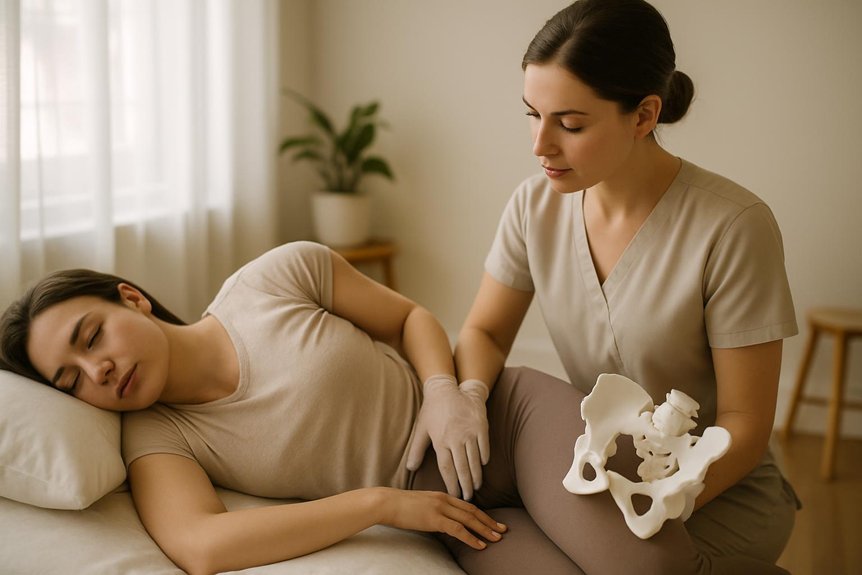
Although symptoms are often felt at the outside of the knee, the driver of IT band pain frequently sits higher up in the hip and gluteal region where load is controlled. The IT band is a thick fascial strap that transmits force from the gluteus maximus and tensor fasciae latae to the lower leg; when these muscles fatigue or under-recruit, the thigh can drift inward during running, stairs, or long walks, increasing compression and friction at the lateral knee. Limited hip mobility, weak hip abductors, and prolonged sitting can further sensitise tissues.
At Spa & Massage, therapists often find tender trigger points in the glutes and lateral hip that mirror clients’ pain, helping them feel understood and safely supported.
What Happens in a Deep Tissue IT Band Session
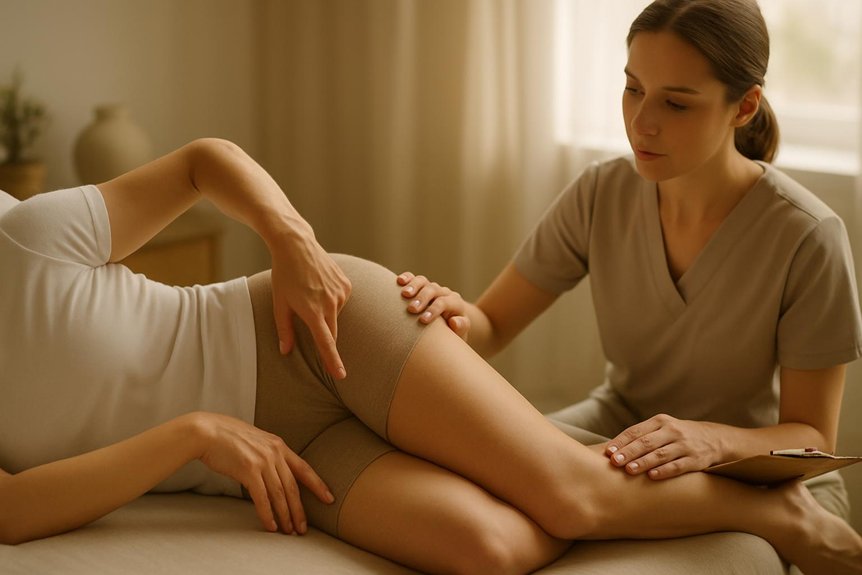
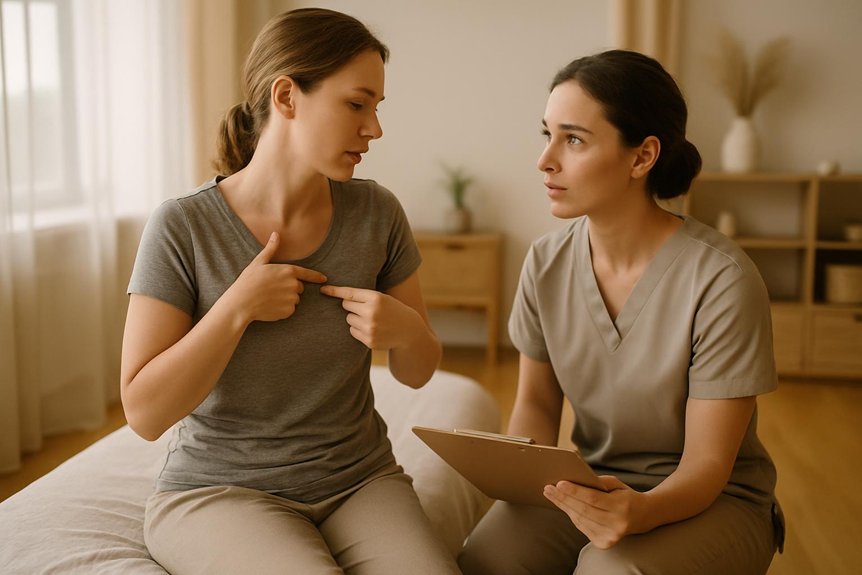
Rather than working directly and aggressively along the outside thigh, a deep tissue IT band session typically starts with a brief clinical intake and movement check to identify hip, glute, and lateral thigh contributors. At Spa & Massage, the therapist explains findings and agrees pressure, boundaries, and comfort cues, so the client feels safe and in control.
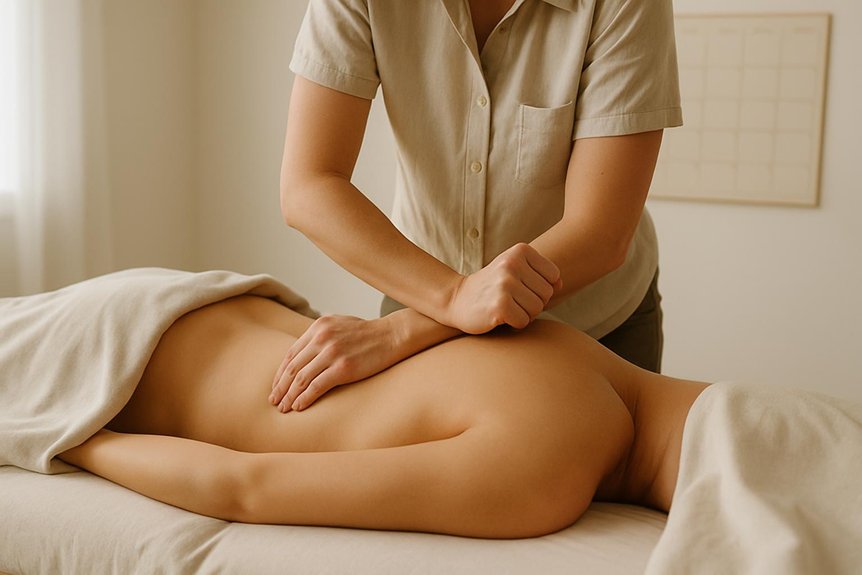
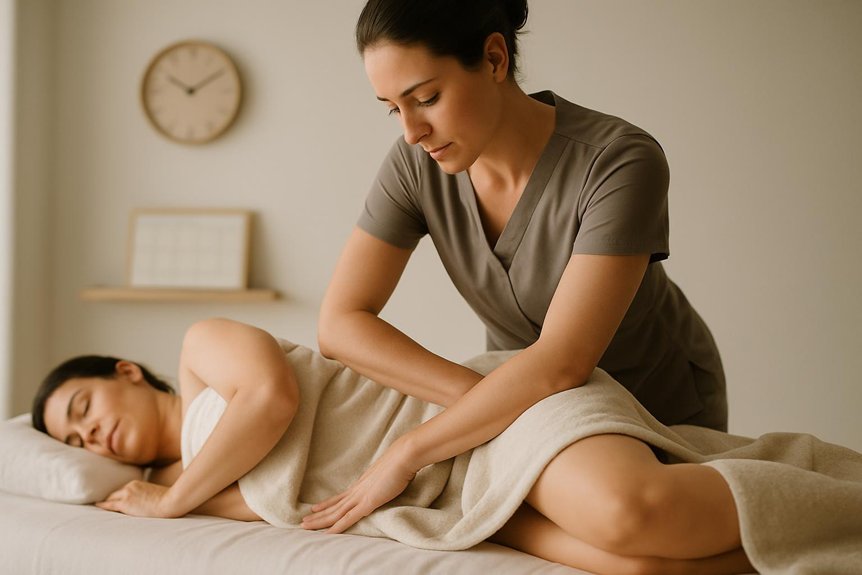
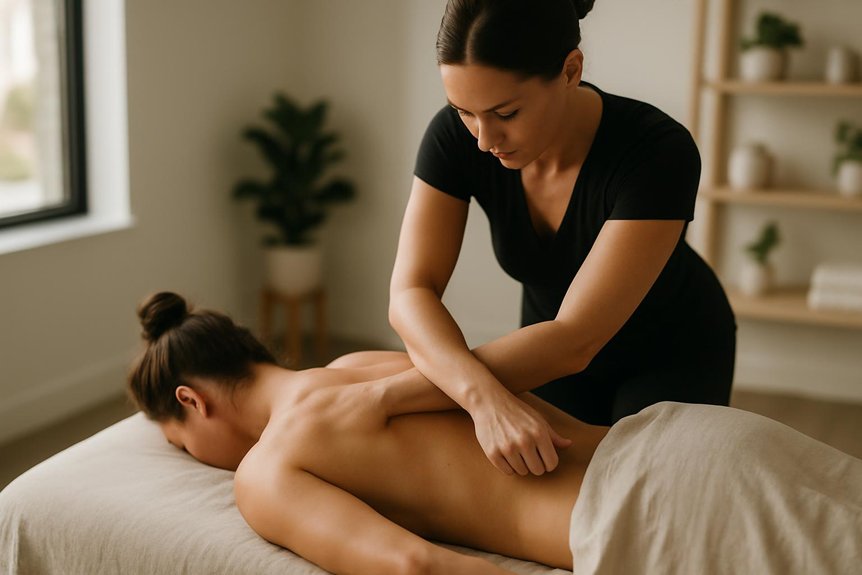
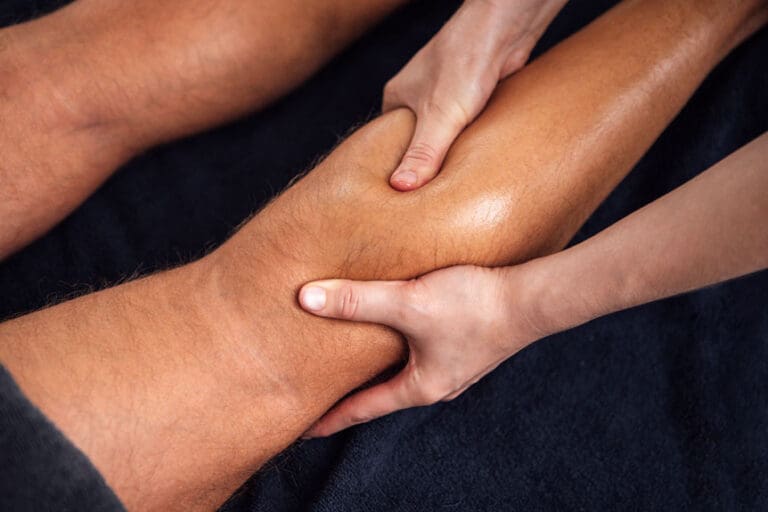
Treatment often targets tensor fasciae latae, gluteus medius/minimus, hip rotators, and lateral quadriceps with slow, specific strokes and sustained pressure to reduce guarding and improve tissue glide. Work along the IT band itself is usually gentle and indirect. Breathing and paced communication help maintain a calm, private atmosphere while monitoring sensations.
Aftercare may include hydration, short walks, heat or cold guidance, and simple hip-strength or mobility drills to support longer-lasting relief.
Deep Tissue vs Sports Massage for IT Band Pain
For many people with IT band–related pain, the choice between deep tissue and sports massage comes down to the underlying driver (overload vs mobility restriction vs strength/control deficits) and the stage of symptoms.
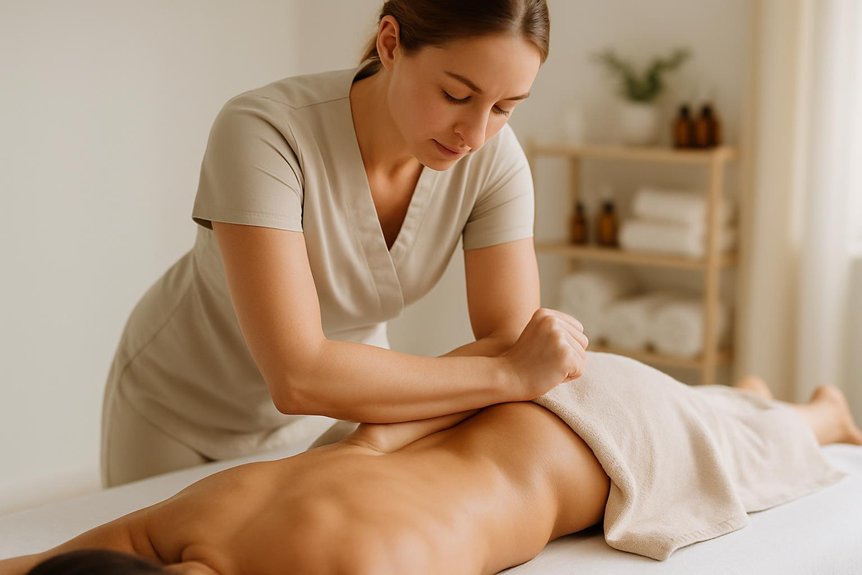
Deep tissue work is typically slower and more targeted, aiming to reduce protective tone and sensitivity in surrounding tissues (glutes, TFL, lateral thigh), which can feel relieving when irritation is high.
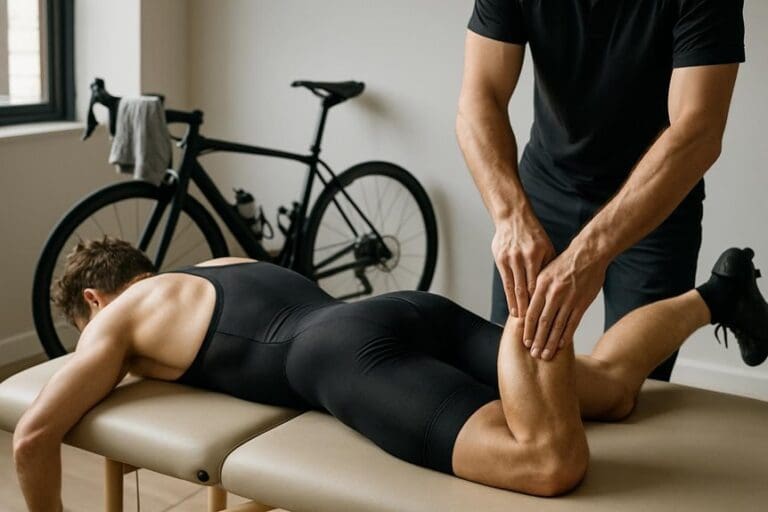
Sports massage is often more assessment-led, blending mobilisation, stretching, and load-specific soft-tissue techniques to support training demands and movement patterns.
Evidence suggests massage may help pain and short-term function, but it is not a standalone cure.
In Spa & Massage clinics, therapists choose pressure and pacing that feel safe, attentive, and collaborative, avoiding “no pain, no gain.”
Aftercare and Exercises to Prevent IT Band Pain
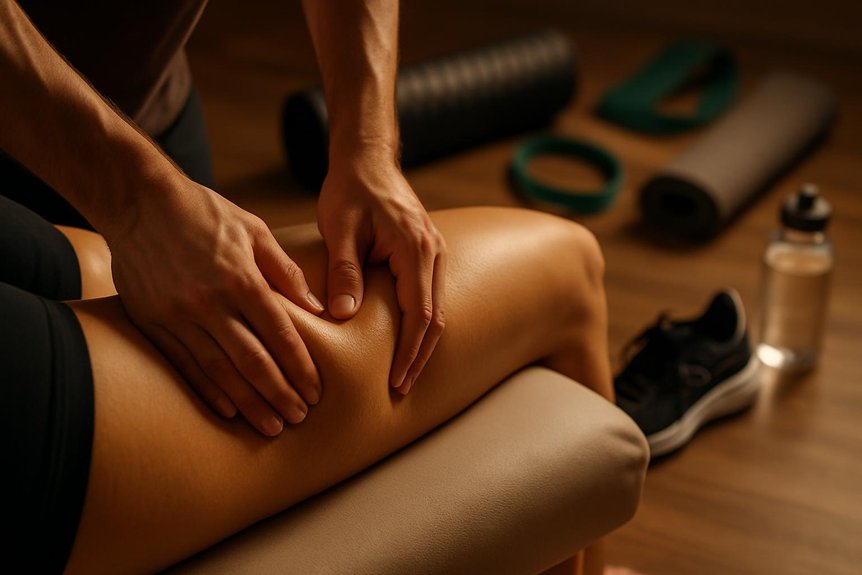
Often, the lasting benefit of deep tissue work for IT band–related pain depends on consistent aftercare and a simple, progressive exercise plan that restores hip control and load tolerance rather than repeatedly “releasing” the band itself.
Spa & Massage therapists advise 24–48 hours of reduced impact, gentle walking, and hydration, with warm shower heat and light self-massage to the glutes and outer thigh, stopping short of sharp pain.
Evidence supports strengthening the hip abductors and external rotators: side-lying leg raises, clamshells, and banded lateral walks, then step-downs and single-leg deadlifts as symptoms settle.
Brief mobility for hip flexors and glutes may reduce compensatory strain.
Clients are encouraged to progress volume slowly, keep cadence smooth, and book follow-ups if night pain, swelling, or worsening symptoms occur.
Conclusion
It may reduce IT band–related pain by addressing myofascial tension and trigger points in the gluteal and lateral thigh tissues that influence hip and knee mechanics. It is not a standalone cure, and benefits are typically greatest when combined with load management, targeted strengthening, and movement retraining. A well-structured treatment plan, guided by symptom response, can improve comfort and function over time. Used appropriately, massage can act like a reset button within broader rehabilitation.